The Native Michigan Shrub That Feeds Swallowtail Caterpillars And Makes Your Yard Smell Amazing
Spicebush offers Michigan gardeners a native shrub that combines genuine ecological value with a wonderfully fragrant bonus throughout the growing season.
This shrub serves as the primary host plant for spicebush swallowtail caterpillars, supporting their entire life cycle from egg to butterfly.
Crushing its leaves releases a distinctive, spicy fragrance that gives the plant its common name and adds a sensory element many ornamental shrubs lack.
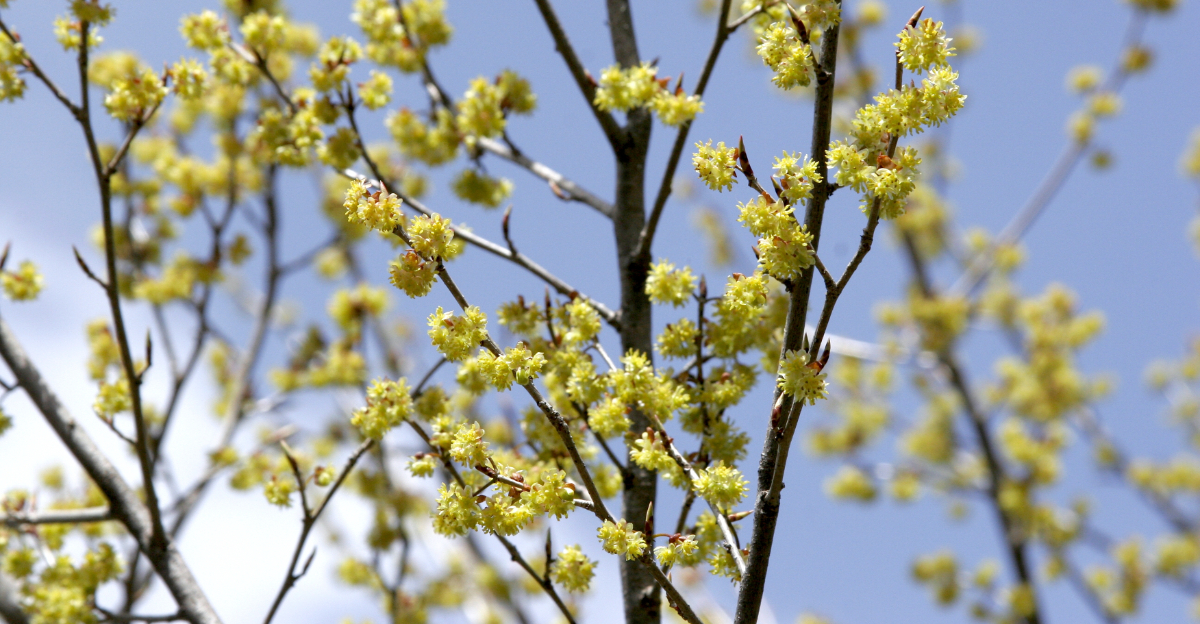
Small yellow blooms appear in early spring, providing an early nectar source for pollinators before many other plants have started flowering.
Its berries ripen in fall, offering an important food source for migrating birds preparing for the journey south.
Spicebush tolerates both sun and shade, making it a flexible addition to various parts of a Michigan yard.
Once established, this shrub requires minimal maintenance while providing benefits across multiple seasons and wildlife species.
Choosing spicebush brings fragrance, beauty, and genuine ecological support together in one adaptable native plant.
1. Spicebush
Walk past a spicebush on a warm afternoon and you might catch a faint, spicy scent drifting through the air before you even spot the plant.
Lindera benzoin, commonly called spicebush, is a native shrub found growing naturally across Michigan and much of the eastern United States.
It belongs to the laurel family, which also includes cinnamon and bay laurel, so its aromatic reputation is well earned. Every part of this shrub carries fragrance.
The leaves, the twigs, the bark, and even the fruit all contain natural aromatic oils that give spicebush its distinctive, spicy-sweet smell.
Early American settlers used the twigs and berries as a spice substitute, and some historians note that dried, powdered spicebush berries were even used as an allspice replacement during the Revolutionary War when imported spices were hard to find.
Spicebush grows as a multi-stemmed shrub, typically reaching six to twelve feet tall at maturity.
The leaves are large, smooth, and a rich medium green through summer, turning a warm golden yellow in fall.
Because it is a true Michigan native, it has adapted perfectly to local soils, rainfall patterns, and seasonal temperatures over thousands of years. Gardeners love it because it requires little fuss once established.
For anyone looking to bring native plants into their yard while adding year-round fragrance and wildlife value, spicebush is genuinely one of the best choices available in the region.
2. Spicebush Swallowtail Caterpillars Feed On The Leaves
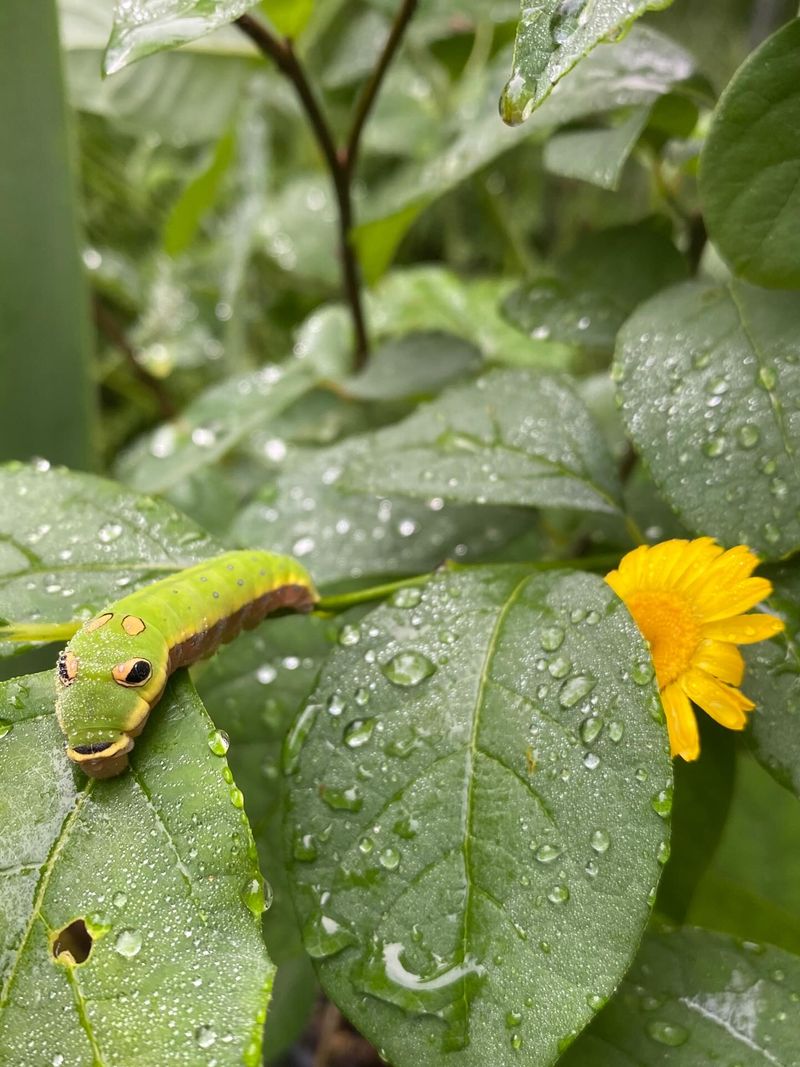
If you plant spicebush in your yard, do not be surprised when you find a chubby, wide-eyed caterpillar staring back at you from a rolled-up leaf.
The spicebush swallowtail butterfly, Papilio troilus, depends almost entirely on spicebush as its primary host plant in Michigan.
Without this shrub, the caterpillar simply cannot complete its life cycle, which makes spicebush one of the most ecologically important native plants you can grow. The caterpillars are genuinely fascinating to observe.
Young larvae are dark and bird-dropping-like in appearance, a clever disguise that helps them avoid being eaten.
As they grow older and larger, they transform into plump, bright green caterpillars with two enormous false eyespots on their thorax.
Your Michigan Garden Changes Every Week. Your Plan Should Too.
Gardening in Michigan changes quickly throughout the season. Every Friday you’ll receive a simple weekly plan showing exactly what to plant, prune, fertilize, harvest, and protect so you never miss the right timing.
These fake eyes make the caterpillar look like a small snake to any predator that gets too close.
It is one of nature’s most creative defense strategies. Spicebush swallowtail caterpillars also have a clever leaf-folding habit.
They roll individual leaves into tight tubes using silk, creating little shelters where they rest during the day and feed at night. Gardeners who spot these rolled leaves should resist the urge to remove them.
Each one likely contains a caterpillar working hard toward becoming one of Michigan’s most beautiful butterflies. The adult spicebush swallowtail is a striking dark butterfly with iridescent blue-green hind wings.
Planting even one or two spicebush shrubs can meaningfully support local butterfly populations across an entire neighborhood.
3. Crush A Leaf And You Will Smell The Spice
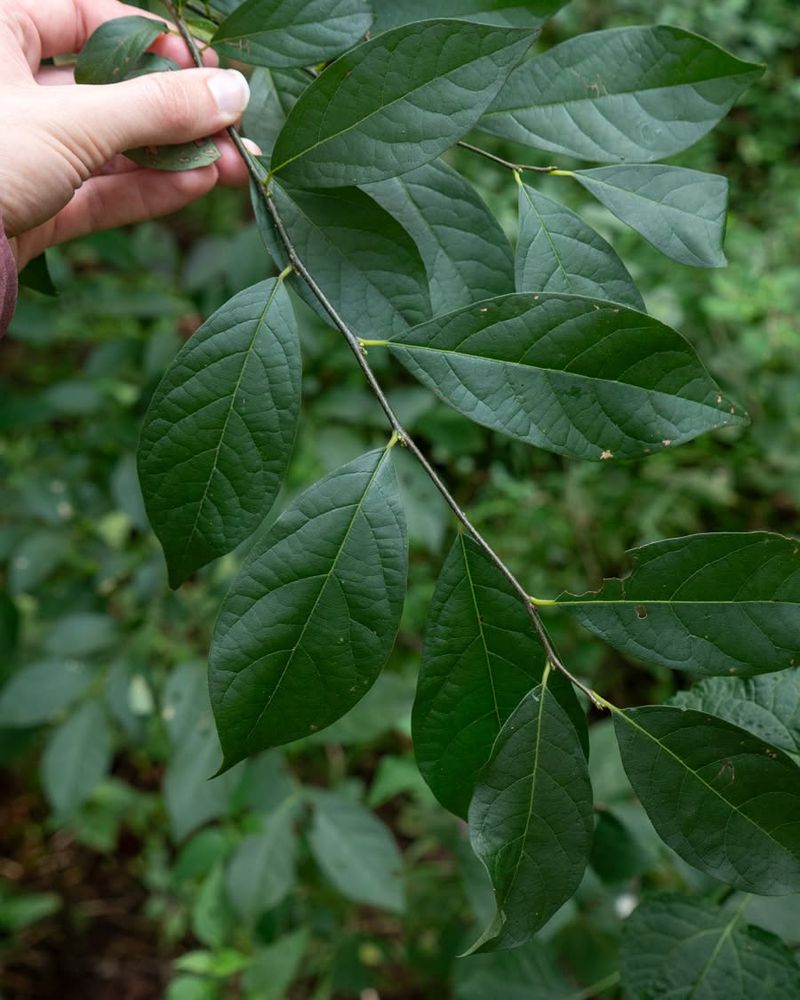
Here is a simple test you can try the next time you are near a spicebush: pinch off a single leaf, roll it gently between your fingers, and take a deep breath.
The scent that hits you is warm, spicy, and slightly citrusy all at once, something like a blend of allspice, cinnamon, and a hint of clove.
It is surprisingly strong and genuinely pleasant, which explains exactly how this shrub got its common name.
The fragrance comes from natural aromatic compounds called essential oils stored in tiny glands throughout the plant’s tissues.
These oils are present in the leaves, the young twigs, the bark, and the fruit. Even in winter, snapping a small twig releases that unmistakable spicy aroma.
This makes spicebush easy to identify year-round, even when it has no leaves, flowers, or fruit visible on the branches.
Beyond being a sensory delight, those aromatic oils also serve a real ecological purpose. They help deter certain insects and browsing animals that might otherwise damage the plant.
Native pollinators and specialist insects like the spicebush swallowtail, however, have evolved alongside the plant and are drawn to it rather than repelled.
For gardeners who love fragrant plants, spicebush offers something genuinely unique because the scent is not just in the flowers but woven into every single part of the shrub throughout every season of the year.
Running your hand along a branch on a cool fall morning is its own quiet reward.
4. Yellow Flowers Appear Early In Spring
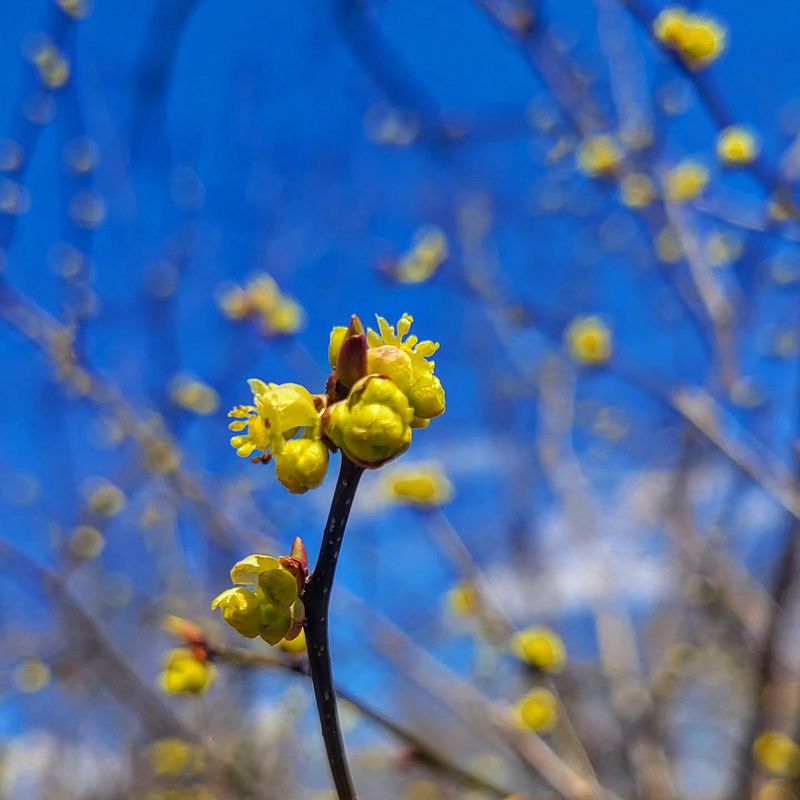
Before most Michigan trees have even thought about budding, spicebush is already putting on a show.
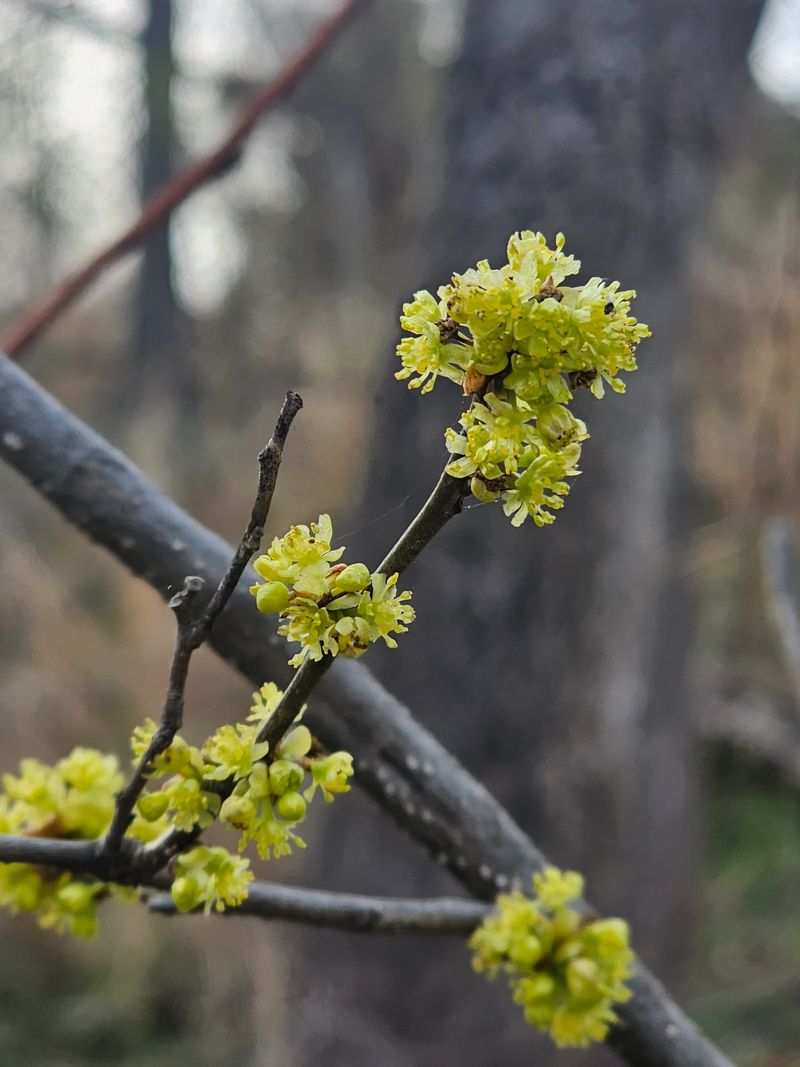
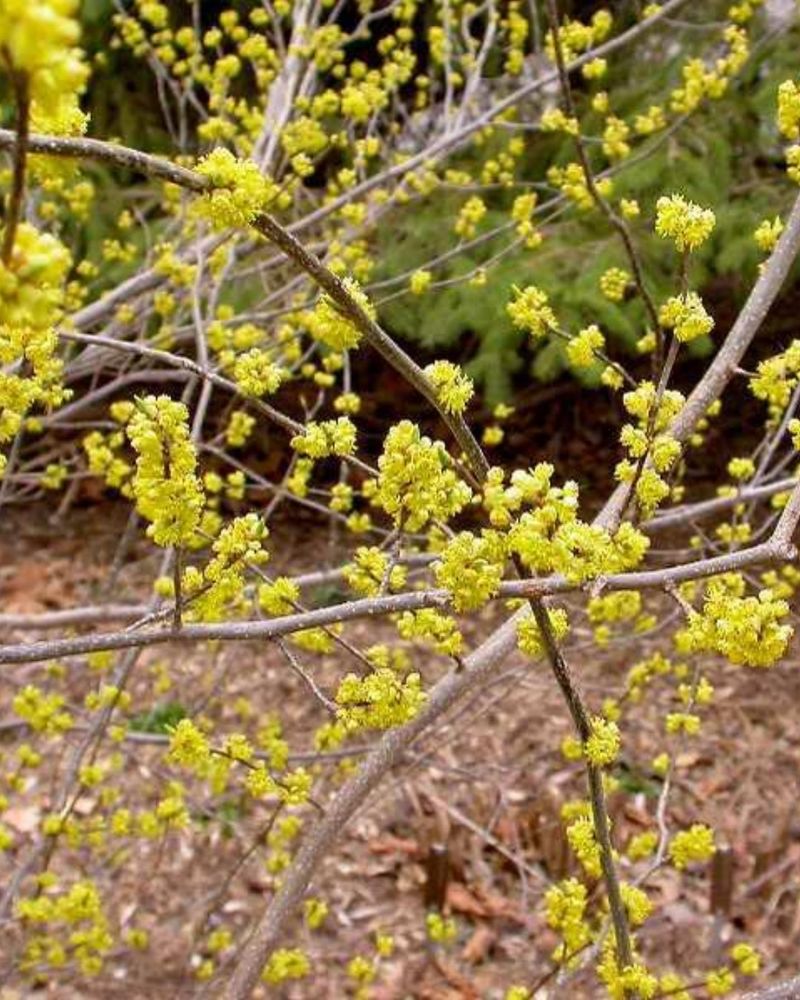
In late March or early April, clusters of tiny, bright yellow flowers burst open along the bare branches, creating a soft golden haze that looks almost like a light dusting of sunshine across the shrub.
Because the flowers appear before the leaves emerge, they are especially visible and surprisingly striking against the still-bare woodland backdrop.
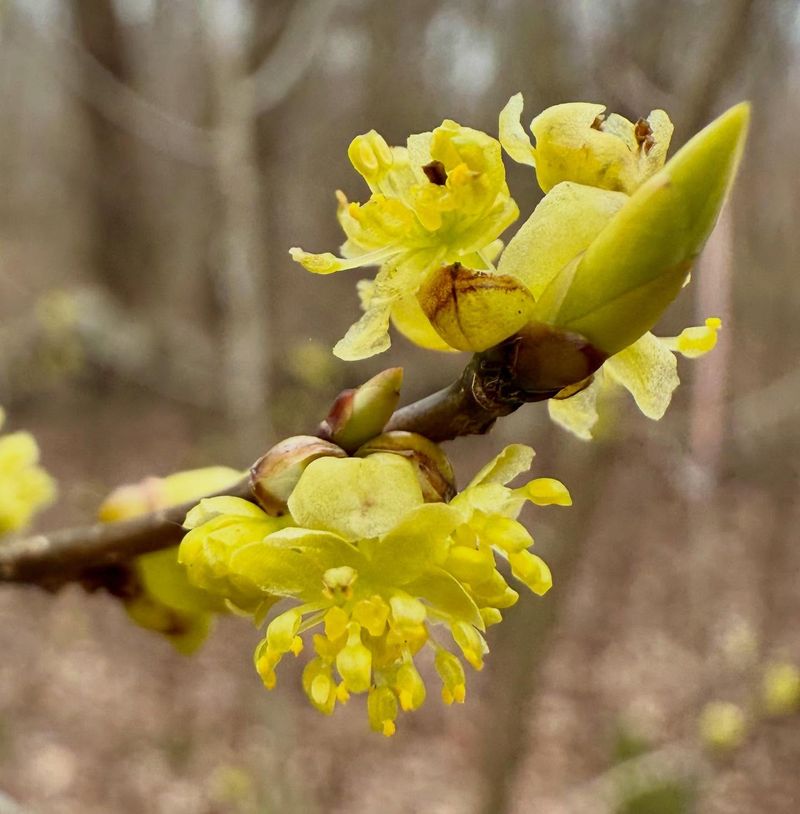
The flowers are small but numerous, and they carry a gentle fragrance that early-season pollinators find very attractive.
Native bees, early-emerging flies, and other insects visit the blooms for nectar and pollen at a time when very few other food sources are available.
For gardeners who care about supporting pollinators through the entire season, that early bloom time makes spicebush genuinely valuable.
It fills a gap that many other plants simply cannot cover. Spicebush is dioecious, which means individual plants are either male or female.
Both male and female plants produce flowers, but they look slightly different up close. Male flowers tend to be a bit showier and more abundant, while female flowers are subtler.
The male plant blooms are the ones that produce pollen, and nearby female plants need that pollen to eventually set fruit.
If you want the full seasonal show from early spring flowers all the way through fall berries, planning for both male and female plants in your garden from the start will make a real difference in what you get to enjoy.
5. Female Plants Can Produce Bright Red Fruit
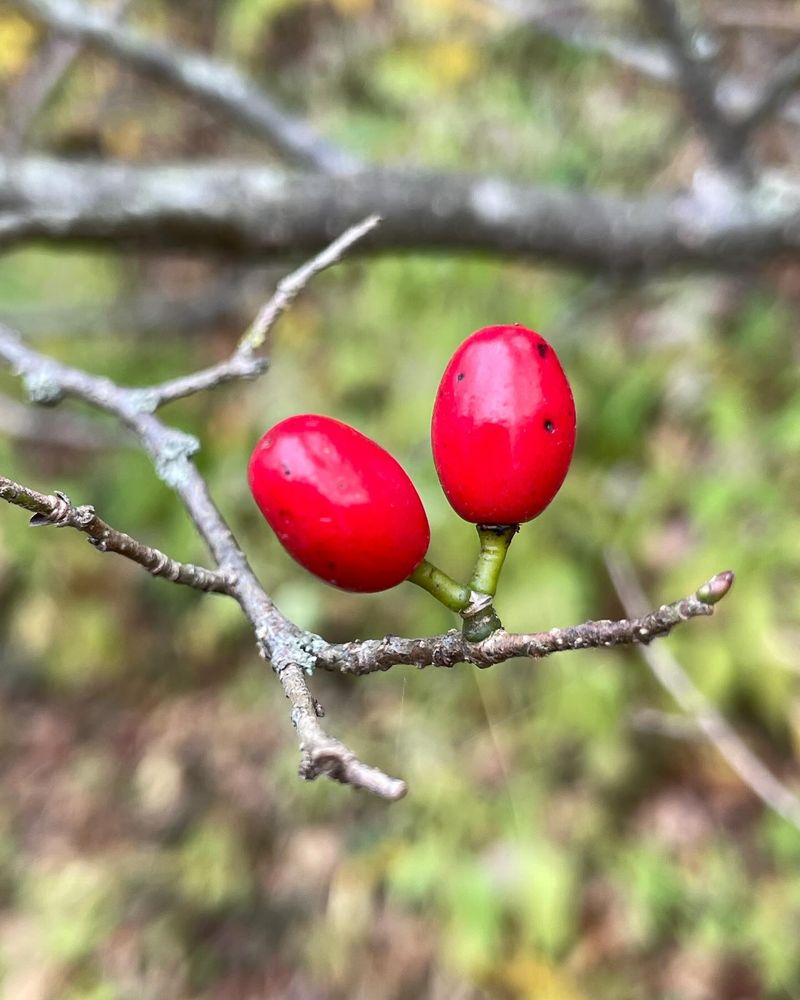
By late summer and into early fall, female spicebush plants transform into something spectacular.
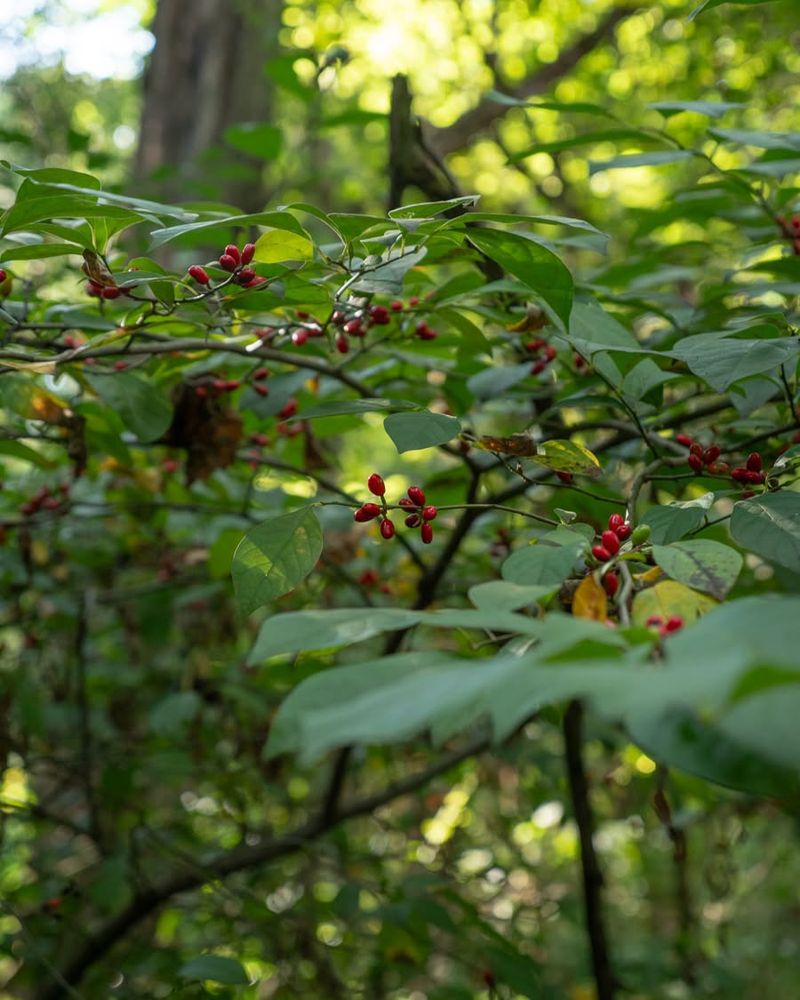
Clusters of glossy, oval berries ripen to a vivid, eye-catching red that practically glows against the shrub’s still-green foliage.
Each berry is about the size of a small olive, and they are packed with the same aromatic oils that make the leaves and twigs so fragrant.
The fruit is beautiful, useful to wildlife, and historically interesting all at the same time. Getting those berries, though, requires a little planning on the gardener’s part.
Spicebush is dioecious, meaning you need at least one male plant growing within pollinator range of your female plant for fruit to develop.
Bees and other insects carry pollen from the male flowers to the female flowers during spring bloom.
Without that cross-pollination, the female plant will flower every year but never produce berries.
Most gardening experts recommend planting one male for every two or three female plants to maximize fruit production.
When shopping for spicebush at a native plant nursery, ask specifically about the sex of the plants if berry production matters to you. Some nurseries sell them labeled, while others sell mixed stock.
A helpful trick is that plants grown from cuttings of a known female or male will always be the same sex as the parent plant, while seed-grown plants are a bit of a surprise.
Getting the right combination in your yard is worth the extra effort because a female spicebush in full fruit is truly one of fall’s most rewarding sights.
6. Birds Benefit From The Fall Fruit
Come September and October, spicebush berries become one of the most sought-after foods in Michigan’s woodland edges.
Migrating songbirds that are fueling up for long flights south need high-energy food, and spicebush berries deliver exactly that.
The fruit has an unusually high fat content compared to most wild berries, which makes it an exceptional source of quick energy for birds building up reserves before heading south for the winter season.
Wood thrushes, veeries, gray catbirds, and hermit thrushes are among the bird species most commonly spotted feeding on spicebush berries during fall migration.
Some studies on migratory bird nutrition have found that birds actively seek out high-fat fruits like spicebush over lower-fat options when available.
A shrub loaded with ripe red berries can attract a steady stream of birds over the course of several weeks, turning a backyard planting into a genuine wildlife spectacle worth watching.
The berries ripen and fall relatively quickly, usually within a few weeks of reaching peak color, so the feeding window is intense but brief.
Gardeners who want to catch the action should keep an eye on the shrub starting in early September.
Planting spicebush near a window or a favorite outdoor seating area gives you front-row seats to the migration show each fall.
For anyone interested in supporting bird-friendly gardens, few native shrubs offer this combination of high nutritional value, reliable annual fruiting, and genuine attraction to species that need it most during one of nature’s most demanding journeys.
7. Give Spicebush Moist Soil And Some Shade
Spicebush is a woodland plant at heart, and understanding where it grows naturally tells you almost everything you need to know about how to grow it successfully in your garden.
In the wild across Michigan, you will find spicebush growing along stream banks, in the understory of mixed hardwood forests, and at the edges of shaded ravines where moisture lingers in the soil.
Those natural conditions are your best guide when choosing a planting spot. Moist, well-drained soil rich in organic matter is ideal.
Spicebush does not love standing water or consistently waterlogged roots, but it also struggles in dry, sandy soils that bake out quickly during summer heat. A site that stays consistently moist without becoming boggy is the sweet spot.
Adding compost to your planting hole and mulching around the base of the shrub helps maintain that moisture level and keeps the root zone cool during hot Michigan summers.
For light, partial shade is genuinely preferred, though spicebush can handle more sun if the soil stays reliably moist.
In full sun with dry soil, the plant tends to look stressed, with leaves that curl or drop earlier than normal in summer.
Under a high tree canopy with dappled light, it thrives beautifully and grows with the relaxed, layered look that makes native woodland gardens feel so natural and inviting.
Rain gardens, shaded borders near downspouts, and spots beneath established trees are all excellent candidates for a spicebush planting that will reward you for years ahead.
8. Give This Shrub Enough Room To Mature
One of the most common mistakes gardeners make with spicebush is treating it like a compact, tidy foundation plant and tucking it into a space that is simply too small. Spicebush is a substantial shrub that earns its space over time.
A mature specimen can reach six to twelve feet tall and spread nearly as wide, developing a graceful, multi-stemmed form that looks lush and full through every season.
Planting it too close to a house, a walkway, or other shrubs often leads to frustration down the road. When choosing a planting location, think about the full-grown size from day one.
Allow at least six feet of clearance on all sides, and more if you are planting multiple shrubs together as a grouping or informal hedge.
Spicebush does not respond particularly well to heavy pruning, and constantly cutting it back to fit a tight space works against its natural shape and reduces the flowering and fruiting that make it so valuable to wildlife.
The good news is that once you give spicebush the room it needs, it is a remarkably low-maintenance plant.
After the first season or two of regular watering to help it establish, a well-sited spicebush largely takes care of itself.
It rarely needs fertilizer, it is not bothered by many pests, and it looks genuinely beautiful in fall when the foliage turns a warm, clear yellow.
For gardeners who want a native shrub that grows confidently into its own space and gives back more than it takes, spicebush is about as rewarding as it gets.