Why Zinnias Are One Of The Best Flowers For Pollinators In Texas
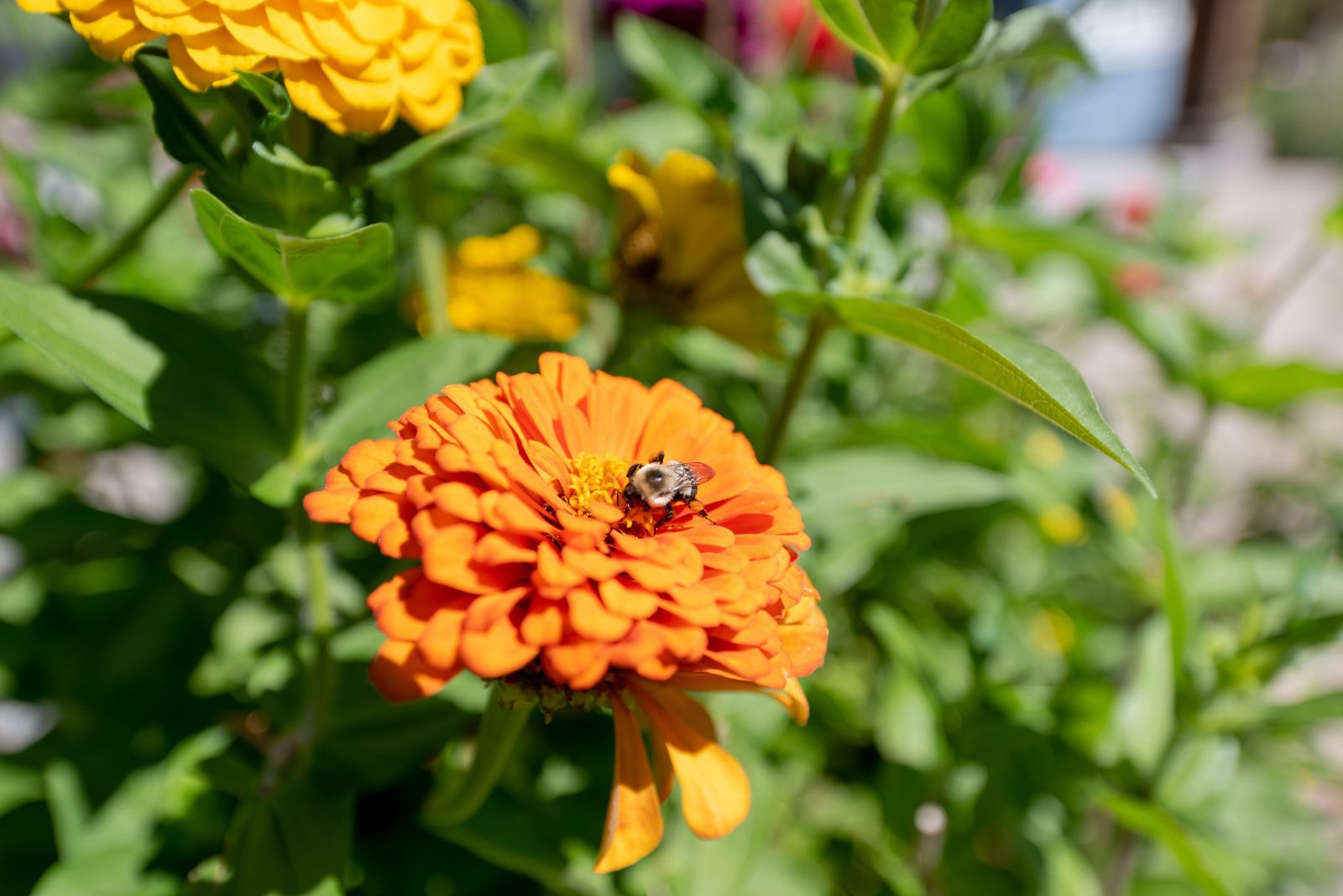
Few flowers bring as much color and energy to a Texas garden as zinnias. These cheerful blooms seem to light up flower beds with their bright shades of pink, red, orange, yellow, and white.
Beyond their beauty, zinnias have another quality that makes them especially valuable in the garden. Pollinators absolutely love them.
On warm Texas days, it is common to see butterflies fluttering from one zinnia bloom to the next while bees buzz nearby collecting nectar.
The simple shape of the flowers makes it easy for pollinators to land, feed, and move along to the next blossom. As a result, a patch of zinnias often turns into one of the liveliest spots in the yard.
Texas gardeners also appreciate how easy these flowers are to grow. Zinnias handle heat well, bloom for a long stretch of the season, and continue producing flowers that keep pollinators coming back day after day.
1. Zinnias Produce Nectar-Rich Flowers
Walk into any Texas garden buzzing with activity, and you will likely spot zinnias at the center of it all.
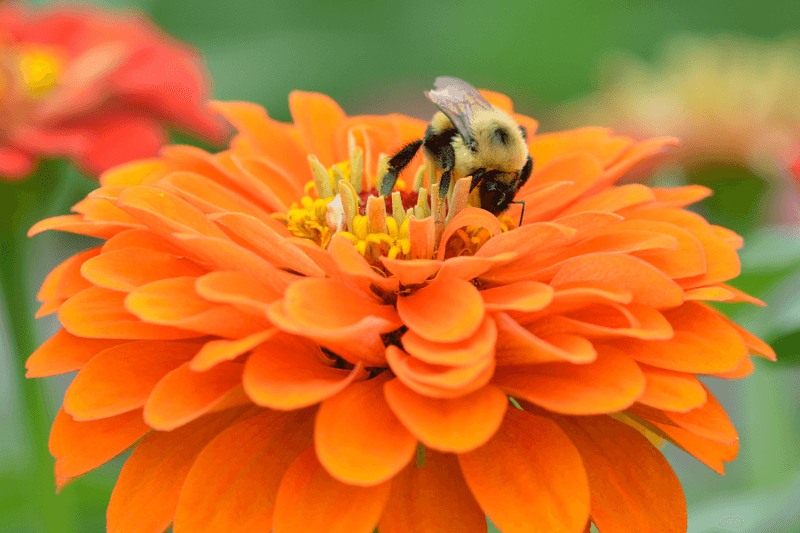
These flowers are packed with nectar and pollen, which makes them a true magnet for pollinators. Bees, butterflies, and other beneficial insects simply cannot resist them.
Nectar is like fuel for pollinators. It gives them the energy they need to fly, search for food, and do the important work of pollinating plants.
Zinnias produce a generous amount of nectar, so insects keep coming back again and again throughout the day. This steady supply of food makes your garden a reliable pit stop for pollinators across Texas.
Pollen is just as important as nectar. Bees collect pollen to feed their young, and as they move from flower to flower, they spread pollen and help plants reproduce.
Zinnias have large, open flower heads that make it easy for insects to land and access both nectar and pollen without any trouble.
What makes zinnias especially valuable is the sheer variety of colors they come in. Red, orange, yellow, pink, and purple blooms all attract different species of pollinators.
Research has shown that brightly colored flowers tend to draw more insect visitors, and zinnias certainly deliver on that front.
Texas gardeners who want to support local pollinator populations should think of zinnias as a must-have plant. Planting them in clusters rather than single rows gives pollinators even more nectar to enjoy.
A small patch of zinnias can make a surprisingly big difference in how many beneficial insects visit your outdoor space.
2. They Bloom For Months
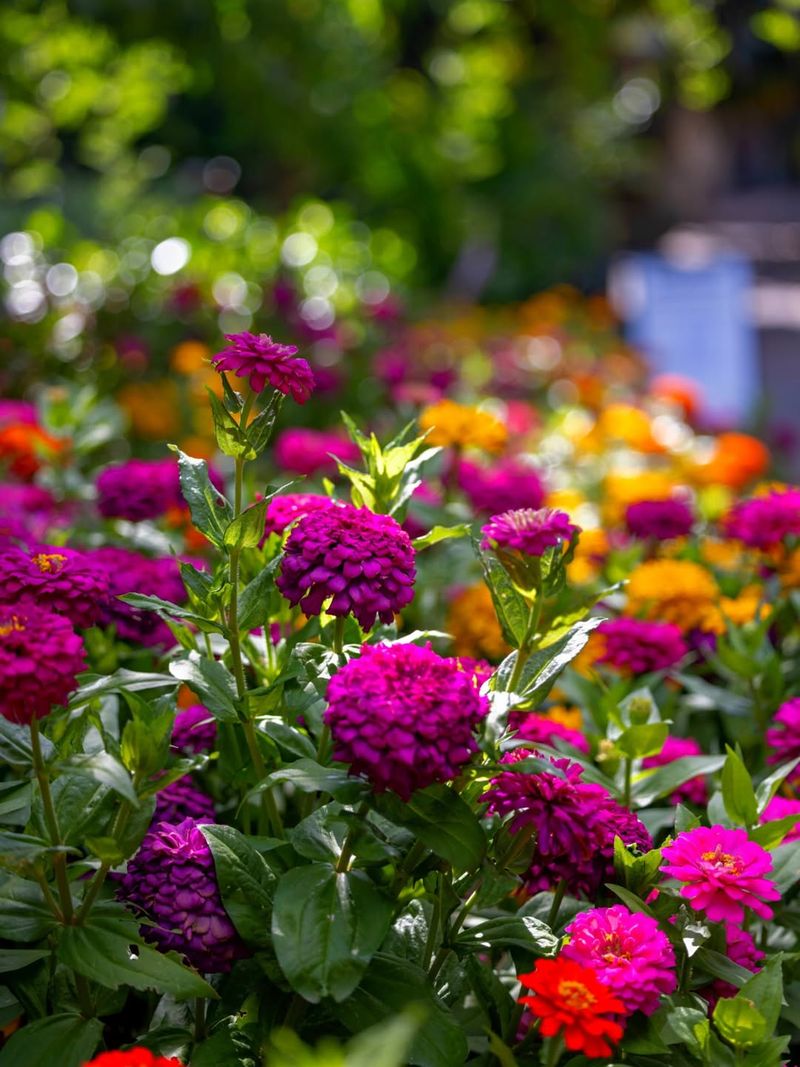
Most flowers give you a short window of beauty before they fade away. Zinnias are different.
From late spring all the way through fall, these tough little flowers keep producing fresh blooms, giving pollinators a consistent and dependable food source for months on end.
That long blooming season is a huge deal for pollinators in Texas. Many insects, including monarch butterflies passing through on their migration, need flowers to be available at specific times of year.
Zinnias fill in those gaps beautifully, offering food when other plants have already finished for the season.
The secret to zinnias’ long bloom time is something called deadheading. When you remove spent flowers by pinching them off, the plant puts its energy into producing new buds.
It is a simple task that takes just a few minutes, but it can extend your zinnia bloom season by weeks or even months.
Even if you forget to deadhead, zinnias will still keep blooming. They are naturally productive plants that want to flower.
In warmer parts of Texas, like Houston and Corpus Christi, zinnias can sometimes bloom well into November, giving pollinators access to food long after other gardens have gone quiet.
Gardeners who want to maximize their impact should try staggering their plantings. By sowing seeds every two to three weeks from spring onward, you can ensure a near-constant supply of fresh flowers throughout the growing season.
Pollinators in your neighborhood will notice, and your garden will become a go-to destination for insects all season long.
3. They Thrive In Texas Heat
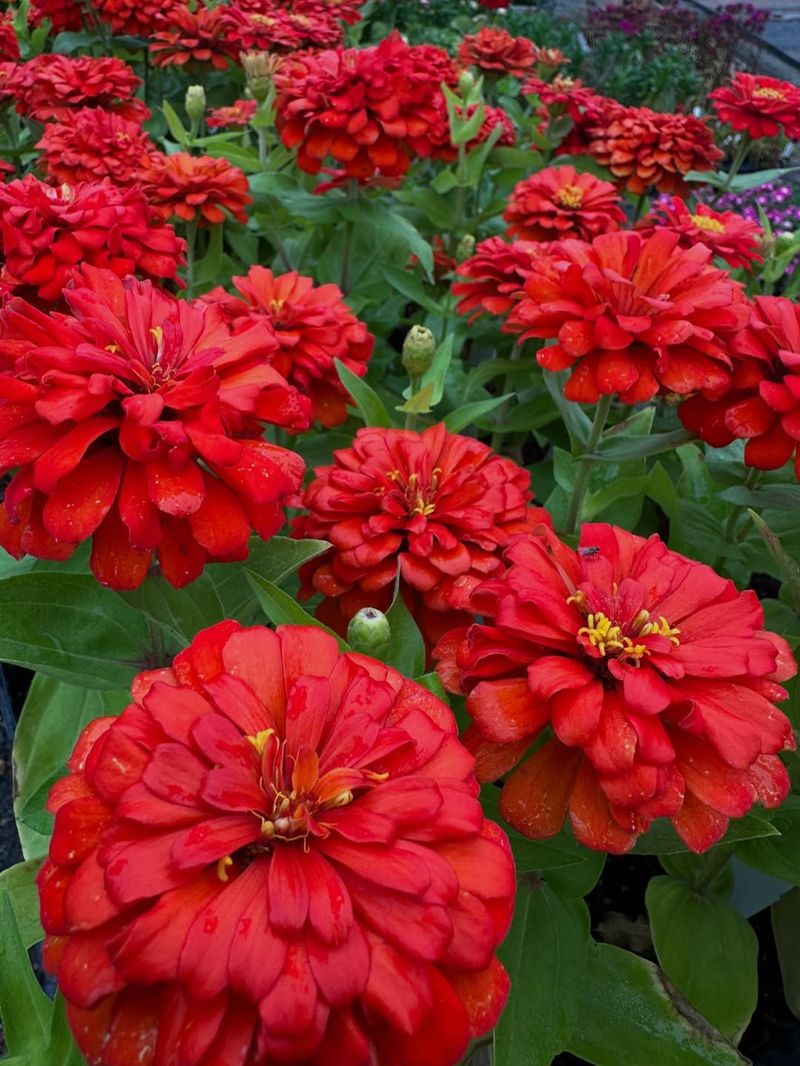
Texas summers are no joke. Temperatures regularly climb past 95 degrees, and the sun beats down hard from morning to evening. Most flowers struggle under those conditions, but zinnias? They absolutely love it.
Zinnias are native to warm, sunny regions of Mexico and Central America, so they are built for heat. Hot temperatures and full sun actually help them thrive.
While other plants wilt and slow down during the hottest months, zinnias keep right on blooming, giving pollinators a food source when they need it most.
Water is always a concern in Texas, especially during summer droughts. The good news is that zinnias are surprisingly drought-tolerant once they are established.
They do not need to be watered every single day. Giving them a deep watering a couple of times a week is usually enough to keep them healthy and flowering.
Full sun is key. Zinnias need at least six to eight hours of direct sunlight daily to perform their best.
Planting them in a shady spot will cause them to grow slowly and produce fewer flowers. In Texas, finding a sunny spot is rarely a challenge, which is another reason zinnias are such a perfect match for gardens across the state.
Cities like Austin, San Antonio, and El Paso see intense summer heat that can be tough on gardens.
But zinnia growers in these areas consistently report strong results, with plants staying vibrant and full of blooms even in the most scorching conditions. Texas heat is not a problem for zinnias. It is practically their superpower.
4. They Are Easy To Grow From Seed
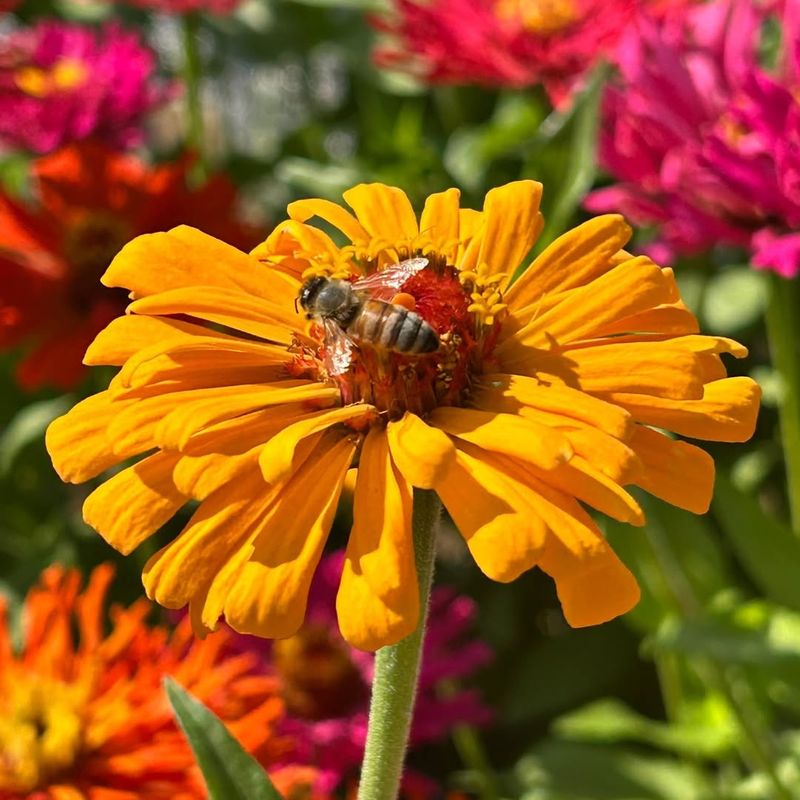
Not everyone who wants to help pollinators has a green thumb, and that is perfectly okay. Zinnias are one of the most beginner-friendly flowers you can possibly grow, and they are incredibly simple to start from seed right in your own backyard.
You do not need any fancy equipment or special skills. Just wait until after the last frost in your part of Texas, then press seeds about a quarter-inch deep into the soil.
Water them in, give them full sun, and within a week or two you will start to see little green sprouts pushing up through the ground. It really is that straightforward.
Zinnias do not like being transplanted, so starting them directly in the garden rather than in pots is actually the better approach. This makes the whole process even simpler.
No need to buy starter plants from a nursery, no need to worry about transplant shock. Just seeds, soil, sun, and water.
Seeds are also very affordable. A single packet can cost just a dollar or two and contains dozens of seeds, making zinnias one of the most budget-friendly ways to fill your garden with pollinator-friendly flowers.
Texas gardeners on any budget can make it work. Kids love growing zinnias too, which makes them a wonderful project for families.
The seeds are large enough to handle easily, they sprout quickly, and the colorful results are incredibly rewarding.
Whether you are gardening in a small urban yard in Fort Worth or a sprawling rural property in West Texas, zinnias are a reliable and joyful choice from the very first seed.
5. They Attract Many Types Of Pollinators
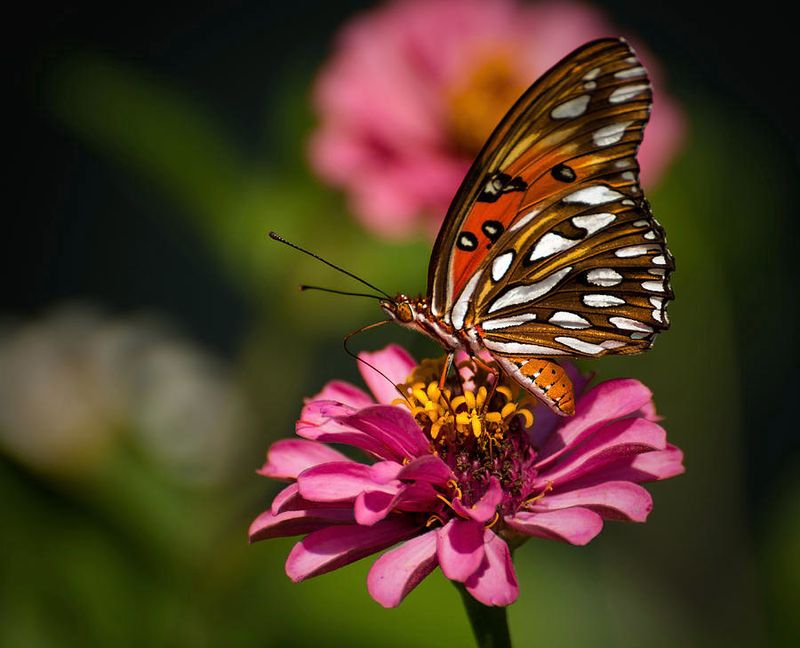
Picture a single zinnia plant on a warm Texas morning. Within minutes, you might see a monarch butterfly land on one bloom, a bumblebee work its way through another, and a tiny native bee hover nearby.
Zinnias do not just attract one type of pollinator. They bring in an impressive variety of them.
Butterflies are among the most enthusiastic zinnia fans. Monarchs, swallowtails, painted ladies, and sulfur butterflies all flock to these flowers during their migrations and seasonal movements through Texas.
The flat, open flower heads make it easy for butterflies to land and feed comfortably without struggling to reach the nectar.
Bees of all kinds also love zinnias. Honeybees, bumblebees, sweat bees, and dozens of other native bee species visit zinnia gardens regularly.
Native bees are especially important because they are highly efficient pollinators for many Texas crops and wildflowers. Supporting native bee populations by planting zinnias has a ripple effect throughout the local ecosystem.
Hummingbirds are another exciting visitor that zinnias occasionally attract, particularly in parts of Texas where ruby-throated and rufous hummingbirds are common during migration. Red and orange zinnia varieties tend to be especially appealing to these tiny birds.
Having so many different types of pollinators in one garden is a sign of a healthy, thriving ecosystem. Each species plays a unique role in supporting plant reproduction and biodiversity.
By planting zinnias in your Texas garden, you are essentially rolling out a welcome mat for the entire pollinator community and creating a little refuge for wildlife right outside your door.
6. They Encourage More Pollinator Activity In The Garden
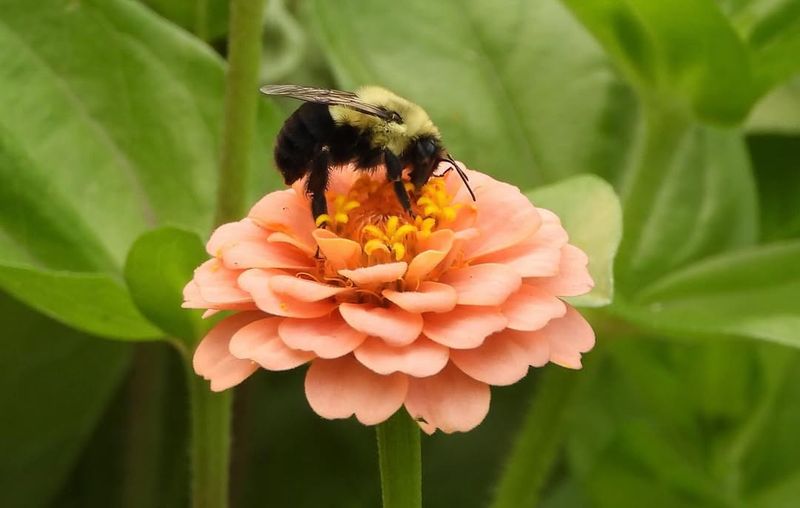
Here is something that might surprise you: planting zinnias does not just help the zinnias themselves. It actually boosts pollinator activity across your entire garden.
When bees and butterflies show up for the zinnias, they end up visiting nearby vegetables, herbs, and other flowers too. This is called the halo effect, and it is a well-known benefit of companion planting.
Gardeners in Texas who grow zinnias near their tomatoes, peppers, squash, and cucumbers often report better fruit production because more pollinators are visiting and doing their job. A busier garden means a more productive one.
Zinnias work especially well when planted along the edges of vegetable beds. They act as a colorful border that draws pollinators in from surrounding areas.
Once those insects are in the garden, they naturally wander over to the food crops growing nearby. It is a win for the pollinators and a win for the gardener.
You can also pair zinnias with other pollinator-friendly plants like sunflowers, marigolds, and salvia to create a layered, diverse garden habitat.
The more variety you offer, the more types of pollinators you will attract, and the longer they will stick around. Texas gardeners who use this strategy often describe their gardens as feeling truly alive.
Even a small container garden on a balcony or patio can benefit from a few zinnia plants. Urban gardeners in Houston, Dallas, and Austin have seen noticeable increases in bee and butterfly visits after adding just a handful of zinnia pots to their outdoor spaces.
Small changes really do add up when it comes to supporting pollinators in Texas.