8 Wildflowers Texas Gardeners Can Plant In January For Early Blooms
January might feel too early to think about flowers, but in Texas, it’s actually the perfect time to get started. While most gardens are still quiet, smart gardeners are already planting wildflowers for an early burst of color.
Plant now, bloom sooner – it’s that simple. Texas winters are mild enough to help seeds settle in and grow strong roots before spring arrives.
Imagine your yard filled with color before everyone else’s. From bright native blooms to easy-care favorites, wildflowers can transform your garden with very little effort.
A little winter planting brings big spring beauty. Whether you’re working with a large yard or a small space, these seeds make a big impact.
Your early-bloom garden starts in January. Let’s explore the wildflowers Texas gardeners should plant now for stunning early blooms.
1. Bluebonnets
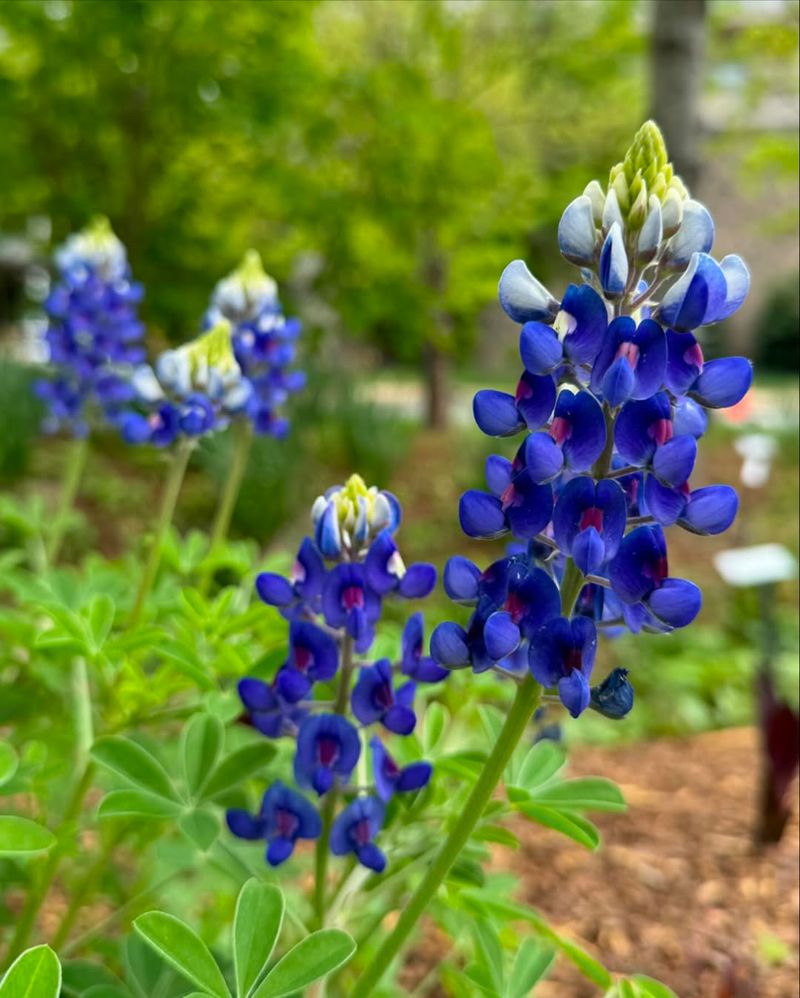
Nothing says Texas quite like a field of bluebonnets swaying in the breeze. These iconic wildflowers are the state flower for good reason, and January is actually the perfect time to get them started in your garden.
Bluebonnets need cool soil temperatures to germinate properly, which makes winter planting ideal across most of Texas.
The secret to successful bluebonnet growing lies in scarification and patience. Before planting, lightly scratch the seed coat with sandpaper or soak seeds overnight to help water penetrate the hard outer shell.
Scatter seeds in well-drained soil where they’ll receive full sun, then water gently and wait.
Bluebonnets planted in January will develop strong root systems throughout the cooler months. By late March or early April, depending on your location in Texas, you’ll see those gorgeous blue-purple spires emerging.
These wildflowers are incredibly drought-tolerant once established, making them perfect for water-wise Texas gardens.
One wonderful thing about bluebonnets is their ability to self-seed. After your first successful planting, you may find volunteers popping up year after year without any effort on your part.
They also fix nitrogen in the soil, improving your garden’s health naturally. Whether you’re planting a small patch or planning a roadside-style display, bluebonnets bring authentic Texas charm to any landscape.
2. Indian Paintbrush
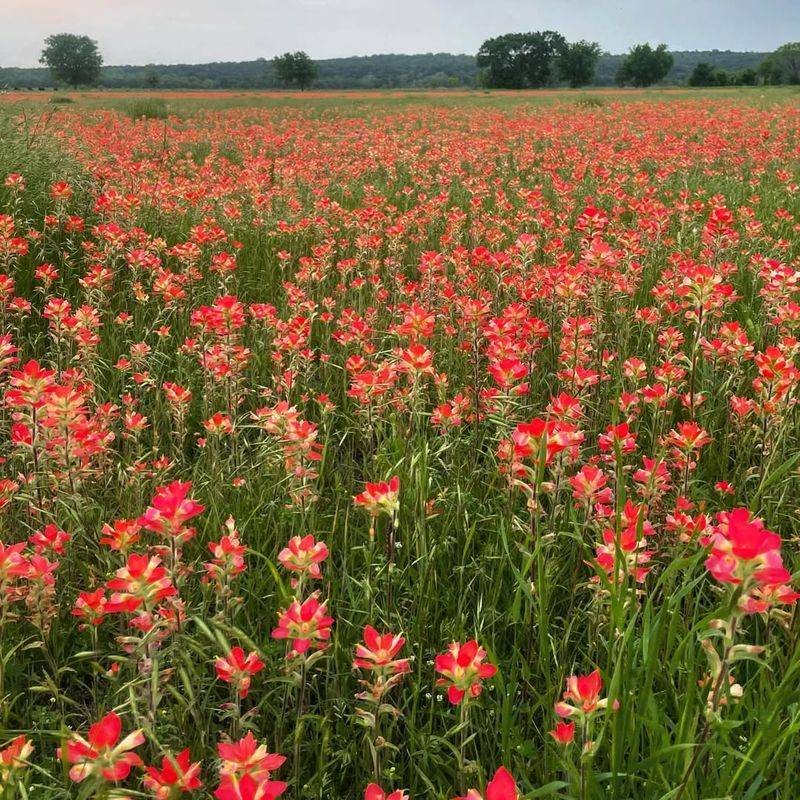
Fiery orange and red hues make Indian paintbrush one of the most eye-catching wildflowers you can add to your Texas garden.
While many people assume these beauties only grow wild along roadsides, they’re actually quite happy in home gardens when given the right conditions. January planting gives them the cool-season start they crave.
Indian paintbrush has an interesting relationship with other plants. It’s partially parasitic, meaning its roots tap into nearby grasses and other plants to supplement its nutrition.
Don’t worry though, this doesn’t harm the host plants significantly, and it actually makes Indian paintbrush easier to grow when planted near established grasses or other wildflowers like bluebonnets.
For best results in Texas, scatter seeds in areas where grass or other plants are already growing. The seeds are tiny, so mix them with sand to help distribute them evenly.
Light watering helps them settle in, but avoid overwatering, as these wildflowers prefer drier conditions once sprouted.
Come spring, your patience will be rewarded with brilliant splashes of color that look like someone dipped a paintbrush in sunset and flicked it across your garden.
Indian paintbrush blooms typically appear from March through May across Texas, creating stunning contrasts when planted alongside blue or purple wildflowers.
These native plants attract hummingbirds and butterflies, adding even more life to your landscape.
3. Texas Primrose
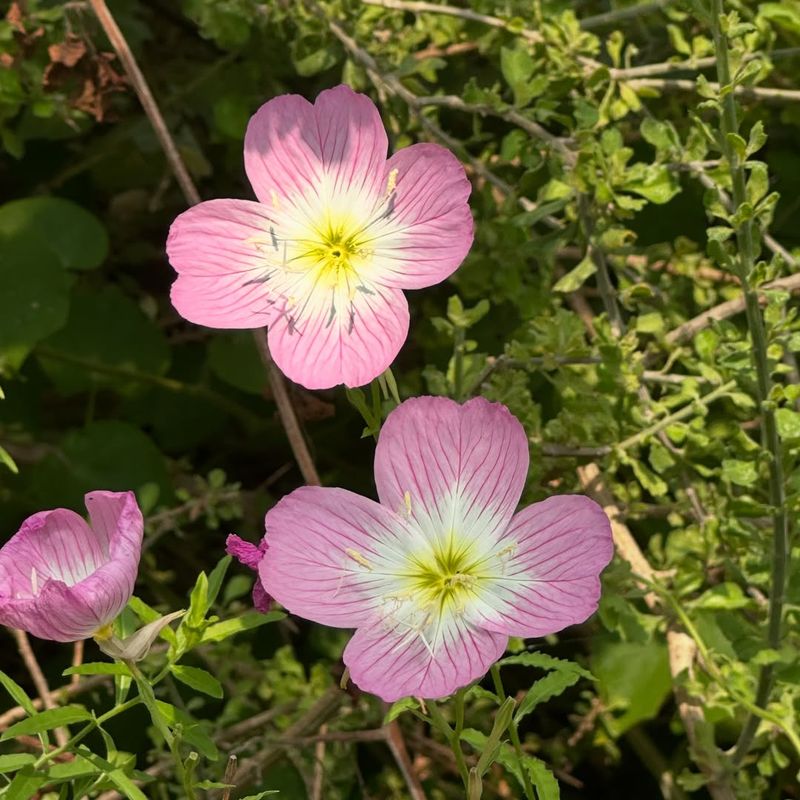
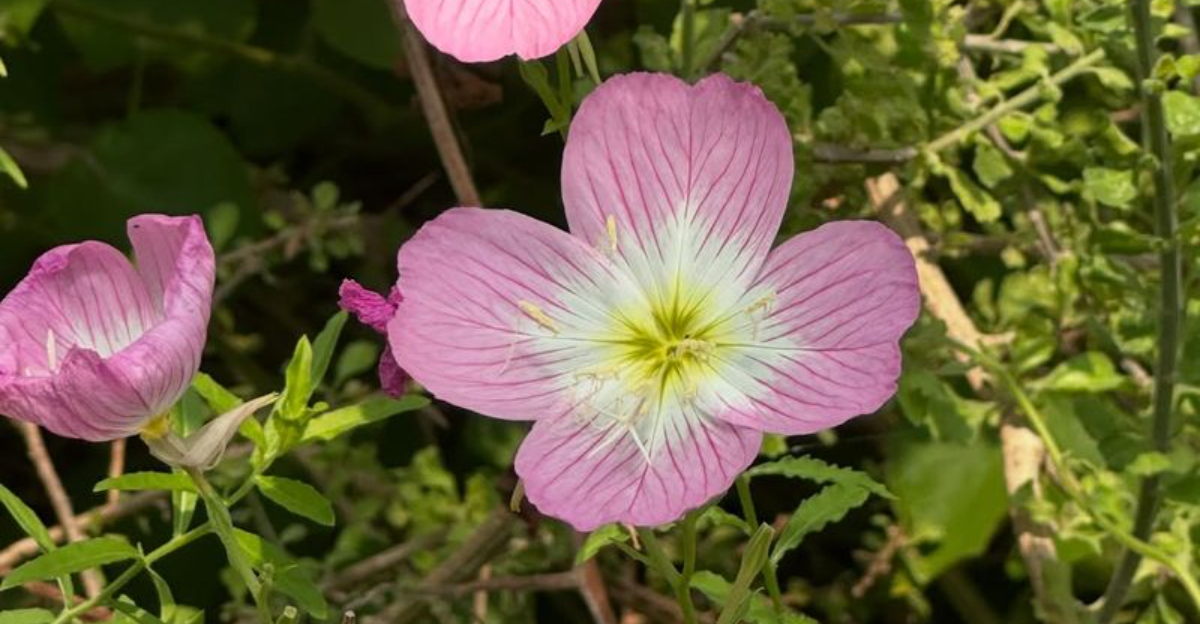
Delicate pink petals that seem to glow in the afternoon sun make Texas primrose a must-have for January planting.
Unlike many wildflowers that bloom and fade quickly, primrose offers an extended show that can last from early spring well into summer across different regions of Texas. Getting them in the ground now means earlier blooms and a longer flowering season.
Texas primrose is remarkably adaptable to various soil types, though it performs best in well-drained locations.
These low-growing wildflowers spread readily, creating beautiful ground cover that works wonderfully along pathways, in rock gardens, or cascading over retaining walls. The four-petaled flowers open in shades ranging from soft pink to vibrant magenta.
One advantage of planting primrose in January is that the cool weather allows roots to establish without the stress of heat. Water your newly planted seeds or transplants regularly until you see growth, then reduce watering as the plants mature.
Texas primrose is quite drought-tolerant once settled in, making it ideal for low-maintenance landscapes.
Evening is when these flowers truly shine. Texas primrose blooms often open in late afternoon and stay vibrant through the cooler evening hours, making them perfect for gardens you enjoy after work.
They attract sphinx moths and other evening pollinators, adding a magical quality to your Texas garden as dusk falls.
4. Coreopsis
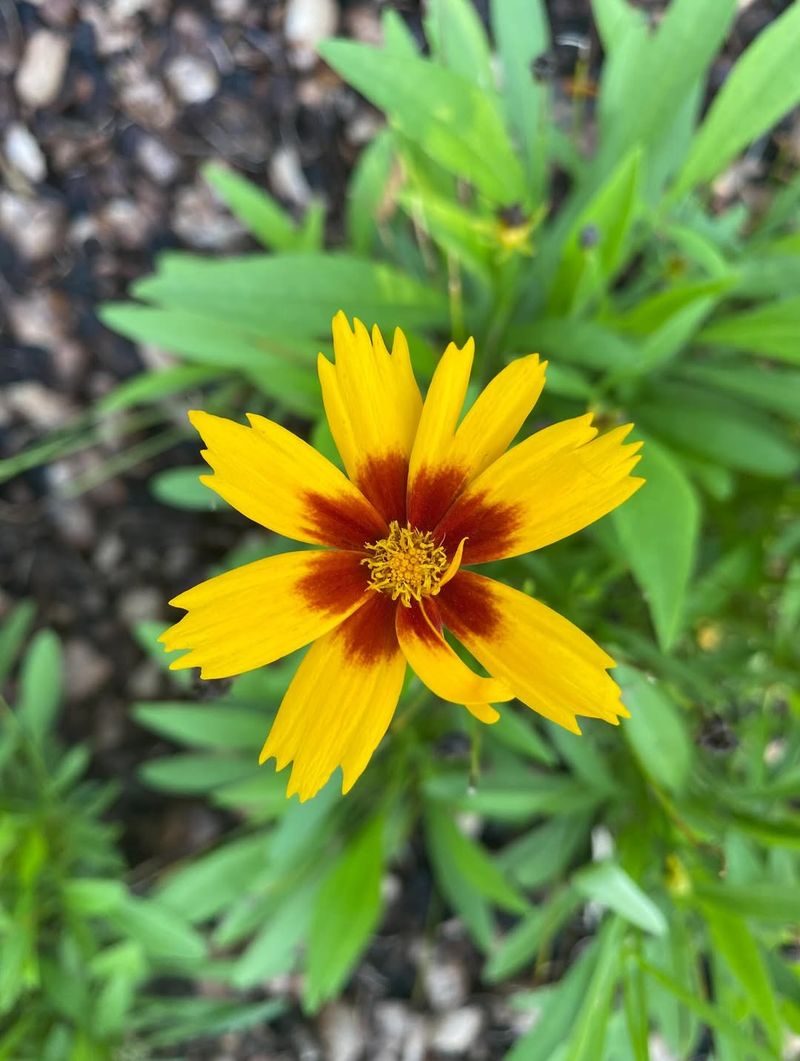
Cheerful golden-yellow flowers dancing on slender stems bring instant sunshine to any Texas garden. Coreopsis, also called tickseed, is one of the most reliable wildflowers for January planting, offering both beauty and incredible toughness.
These natives laugh at Texas heat, drought, and poor soil, making them perfect for gardeners who want maximum impact with minimal effort.
Several coreopsis varieties thrive in Texas, with plains coreopsis and lanceleaf coreopsis being particularly well-suited to January planting. The seeds are larger than many wildflower seeds, making them easier to handle and plant.
Simply scatter them in sunny spots with decent drainage, rake lightly to cover, and water gently.
What makes coreopsis special is its ability to bloom prolifically over an extended period. Plants started in January can begin flowering as early as late March in southern Texas, with blooms continuing through May or even June.
The bright yellow flowers attract butterflies, bees, and other beneficial insects, supporting your garden’s ecosystem.
Coreopsis also makes an excellent cut flower, so you can bring that Texas sunshine indoors. The plants self-seed readily but aren’t aggressive, meaning you’ll get volunteers in future years without worrying about them taking over.
Whether planted en masse for dramatic impact or mixed with other wildflowers for variety, coreopsis delivers reliable color year after year in Texas gardens.
5. Mexican Hat
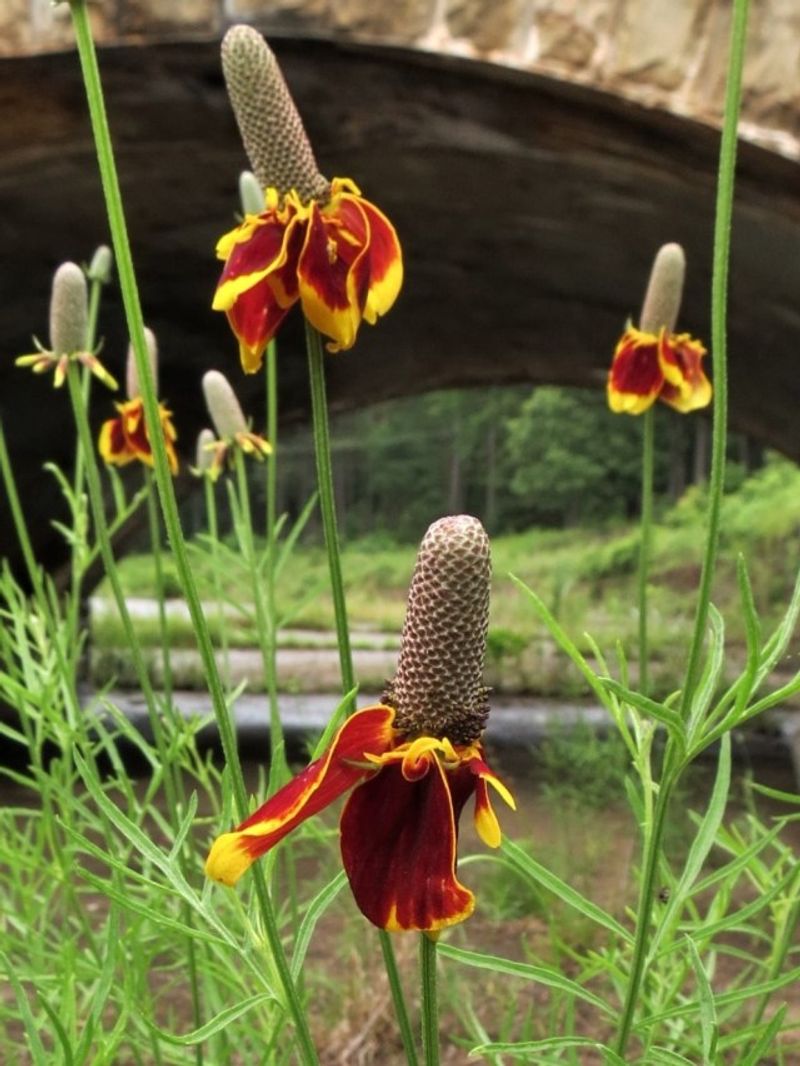
With its distinctive cone-shaped center and drooping petals, Mexican hat looks exactly like its namesake. This quirky wildflower adds personality and whimsy to Texas gardens, and its unusual shape makes it a conversation starter.
Planting in January gives these tough natives time to develop the strong roots they need to handle Texas summers like champions.
Mexican hat flowers feature a tall, columnar center surrounded by petals that curve downward, creating that characteristic sombrero silhouette.
The petals typically display red with yellow edges, though all-yellow varieties also exist. These wildflowers grow one to three feet tall, adding vertical interest to your plantings.
Texas gardeners appreciate Mexican hat for its extreme drought tolerance and ability to thrive in poor, rocky soil.
Once established, these plants need virtually no care, making them ideal for naturalizing in areas where you want color without constant maintenance. They also reseed enthusiastically, creating larger displays each year.
Blooming from May through July across most of Texas, Mexican hat provides color when many spring wildflowers have faded. The flowers attract butterflies and beneficial insects, while goldfinches love the seed heads that develop after blooming.
January-planted Mexican hat develops robust root systems during cool months, ensuring vigorous growth and abundant blooms when warm weather arrives. These cheerful wildflowers bring authentic southwestern charm to any Texas landscape.
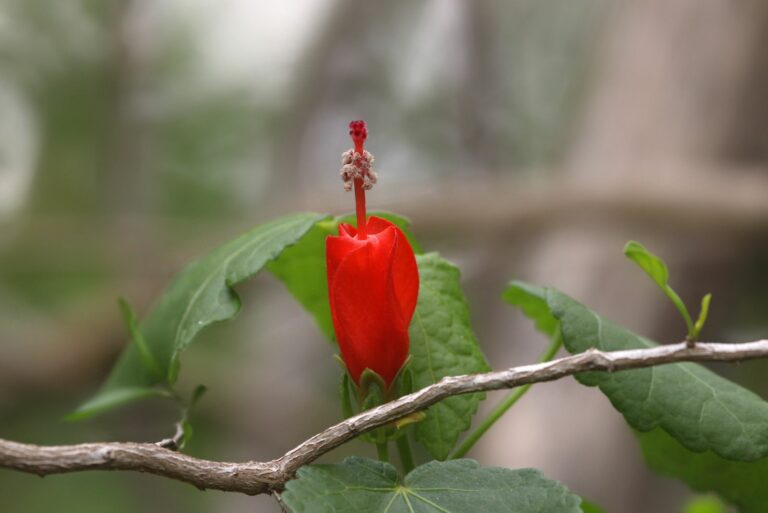
6. Winecup
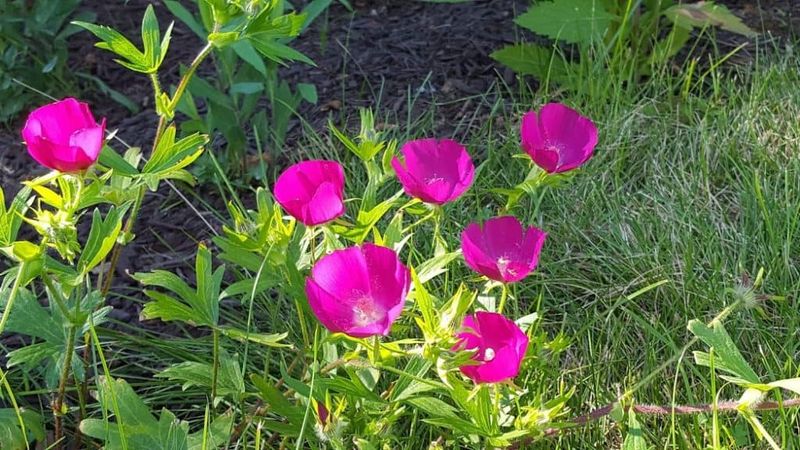
Rich burgundy blooms that look like they’ve been crafted from velvet make winecup an absolute showstopper in Texas wildflower gardens.
Also known as purple poppy mallow, this low-growing beauty spreads across the ground, creating carpets of deep purple-red flowers that contrast beautifully with other wildflowers.
Getting winecup planted in January ensures early establishment and spectacular spring displays.
Winecup flowers open wide to reveal five rounded petals in shades ranging from deep wine to bright magenta.
The cup-shaped blooms sit atop trailing stems with deeply divided leaves, creating an elegant ground cover that works wonderfully in rock gardens, along borders, or naturalized in meadow settings. Each flower lasts only a day, but plants produce blooms continuously for weeks.
January is ideal for planting winecup seeds because these natives need cold stratification to germinate properly.
The winter chill breaks seed dormancy, and as soil temperatures warm in spring, you’ll see seedlings emerge. Winecup prefers well-drained soil and full sun, conditions easily found throughout Texas.
Once established, winecup develops a deep taproot that makes it incredibly drought-tolerant and able to survive harsh Texas summers. Plants bloom from April through June in most areas, attracting bees and butterflies with their vibrant colors.
The low-maintenance nature and stunning blooms make winecup a favorite among Texas gardeners who want maximum beauty with minimal fuss.
7. Firewheel
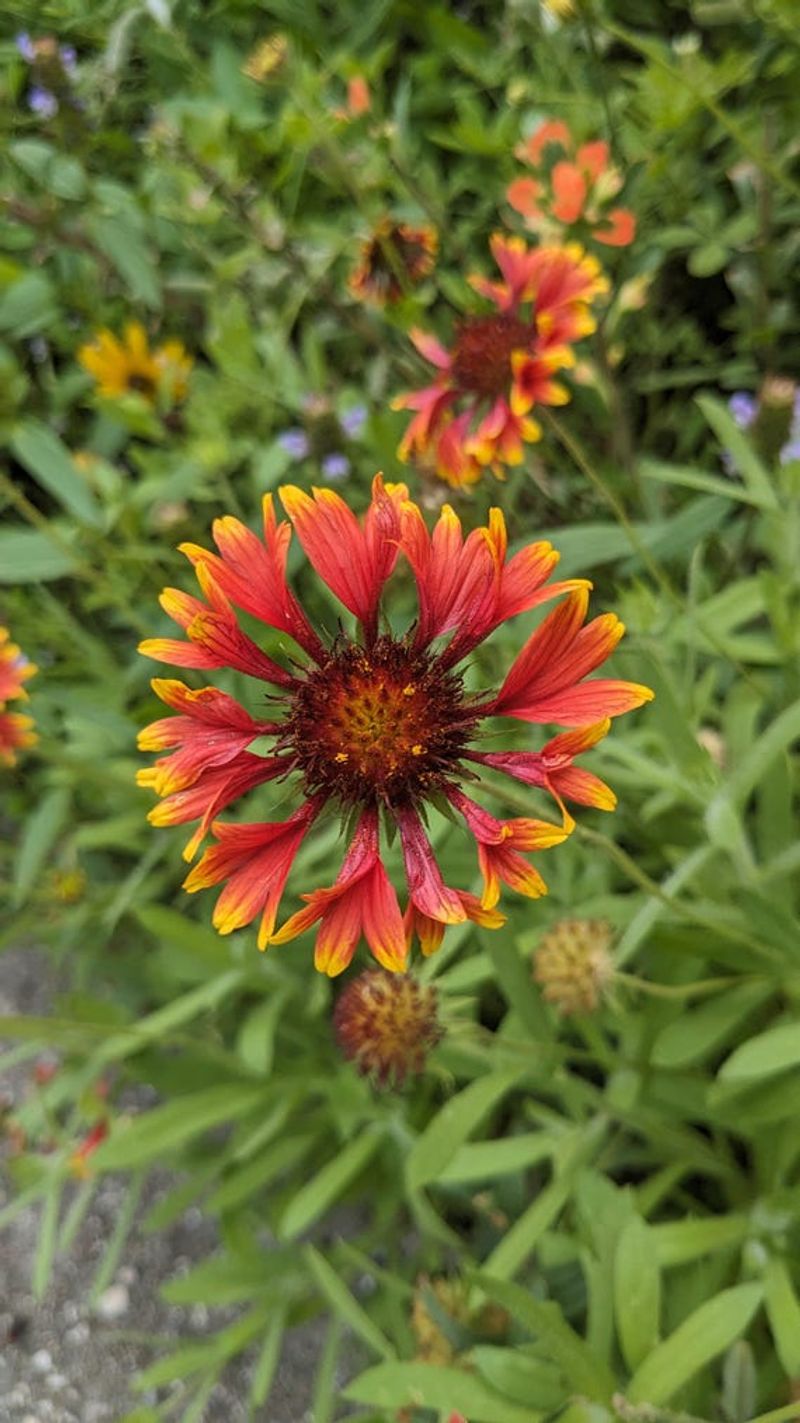
Bold red petals tipped with yellow create a color combination that practically demands attention. Firewheel, also called Indian blanket, ranks among the most popular wildflowers in Texas for good reason.
These tough, showy plants handle heat, drought, and poor soil with ease while delivering months of spectacular color. January planting gives firewheel the cool-season start that leads to vigorous growth and abundant blooms.
Firewheel flowers look like miniature sunbursts, with red rays edged in bright yellow radiating from darker centers. The blooms can reach three inches across on plants that grow one to two feet tall.
They make excellent cut flowers and also dry well, extending their beauty beyond the garden.
Seeds planted in January will germinate as soil warms in late winter or early spring. Firewheel isn’t fussy about soil quality and actually prefers lean conditions over rich, amended soil.
Too much fertility can lead to more foliage and fewer flowers, so resist the urge to fertilize these tough Texas natives.
Blooming from April through July across most of Texas, firewheel provides long-lasting color that bridges the gap between spring and summer. The flowers attract butterflies, bees, and other pollinators, supporting beneficial insects in your landscape.
Firewheel self-seeds readily, often creating larger displays in subsequent years. Whether planted alone or mixed with other wildflowers, firewheel brings reliable, vibrant color to Texas gardens year after year.
8. Drummond’s Phlox
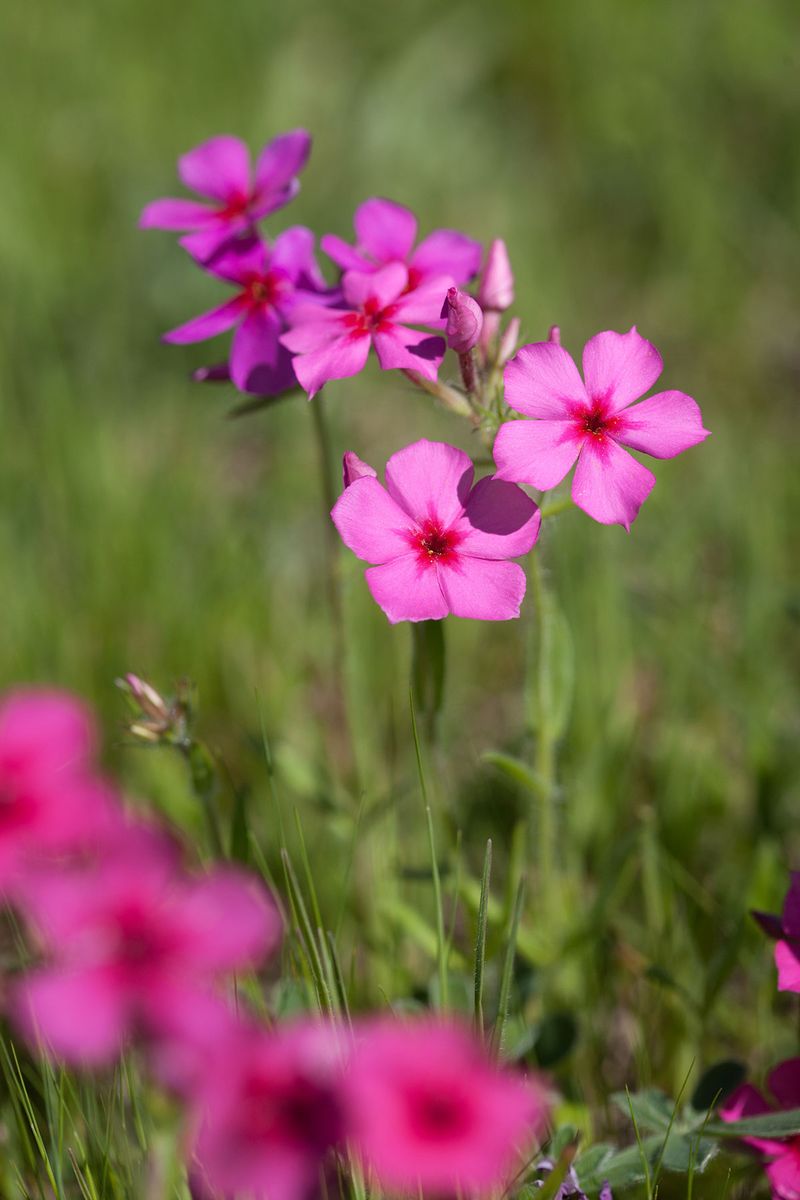
Clusters of star-shaped flowers in shades of pink, red, purple, and white create clouds of color that float above the foliage. Drummond’s phlox brings a softer, more delicate beauty to Texas wildflower gardens compared to some of the bolder natives.
January planting allows these cool-season annuals to establish roots during mild weather, leading to earlier and more prolific blooming when spring arrives.
Named after Scottish botanist Thomas Drummond who collected specimens in Texas during the 1830s, this phlox species is a true Texas native. The plants grow six to eighteen inches tall, with flowers arranged in rounded clusters at the stem tips.
Individual blooms feature five petals that often display contrasting centers or eye-catching color variations.
Drummond’s phlox performs best when planted in fall or winter, making January perfect timing for Texas gardeners. The seeds need light to germinate, so simply press them into the soil surface without covering deeply.
Keep the planting area moist until seedlings appear, then reduce watering as plants mature.
From March through May, depending on your location in Texas, Drummond’s phlox creates breathtaking displays that attract butterflies and hummingbirds. These wildflowers work beautifully as edging plants, in containers, or massed in beds for maximum impact.
They also combine wonderfully with other Texas natives like bluebonnets and coreopsis, creating multi-colored tapestries that celebrate the state’s incredible wildflower heritage. The sweet fragrance is an added bonus that makes these flowers even more delightful.