Will Firebush Recover After Freeze In Florida
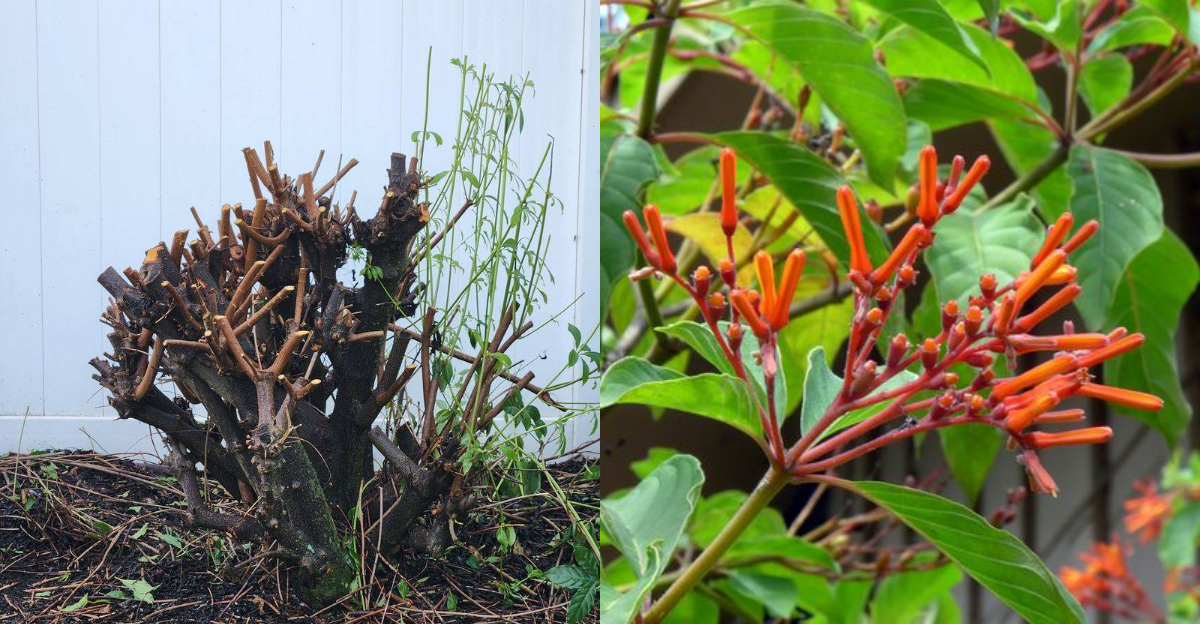
Florida woke to a silent shock as firebush, once bright with scarlet life, stood blackened after a brutal freeze. Gardeners stared at brittle stems, unsure, anxious, hungry for hope.
Can this tropical favorite rise again from cold damage, or has winter rewritten its fate? Beneath the surface, roots may still pulse with hidden strength, ready to push new shoots toward warm sun. Firebush carries a fierce survival instinct shaped by storms, drought, and heat.
Experts point to green tissue under scraped bark as a sign of life, a promise of color yet to return. Patience, careful pruning, and spring warmth could spark a dramatic comeback across Florida landscapes.
The story of firebush now balances between loss and revival, and every yard holds a clue. Watch closely, because the next burst of red may prove nature refuses to surrender without a fight.
1. Know What Freeze Really Does To Firebush
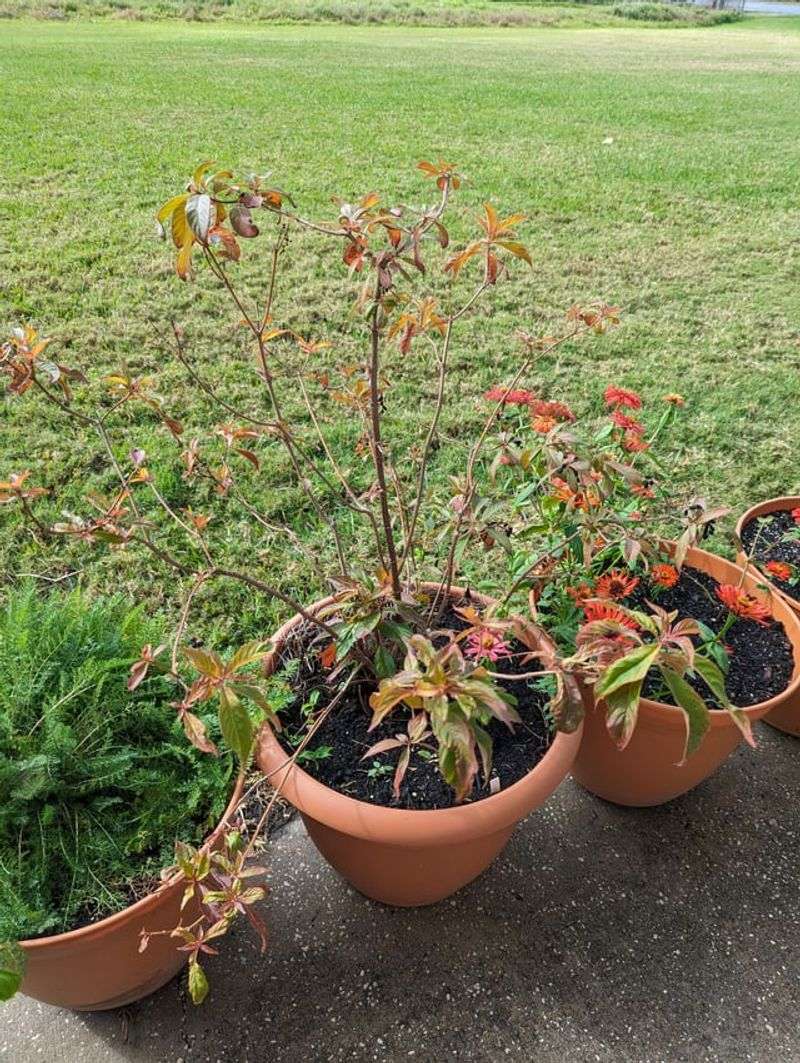
Cold snaps hit tropical plants hard, and firebush shows damage quickly when temperatures fall below 32 degrees. Leaves turn black or brown within hours as ice crystals form inside plant cells, rupturing delicate tissue.
Soft new growth suffers first, followed by older foliage and tender stems.
Stems may appear water-soaked or shriveled after a freeze event. The cambium layer under the bark can suffer injury even when outer bark looks intact.
Above-ground portions often experience complete dieback during severe cold, leaving gardeners staring at what looks like a total loss.
Root systems typically fare much better than visible growth. Firebush roots can tolerate brief cold periods that destroy everything above ground.
This survival mechanism allows the plant to regenerate from below soil level once warmth returns.
Florida freezes vary in intensity and duration. A light frost causes minor leaf damage, while a hard freeze lasting several hours penetrates deeper into plant tissue.
Understanding this difference helps predict recovery potential and guides your response during the critical weeks ahead.
2. Expect Dieback But Count On Spring Comeback
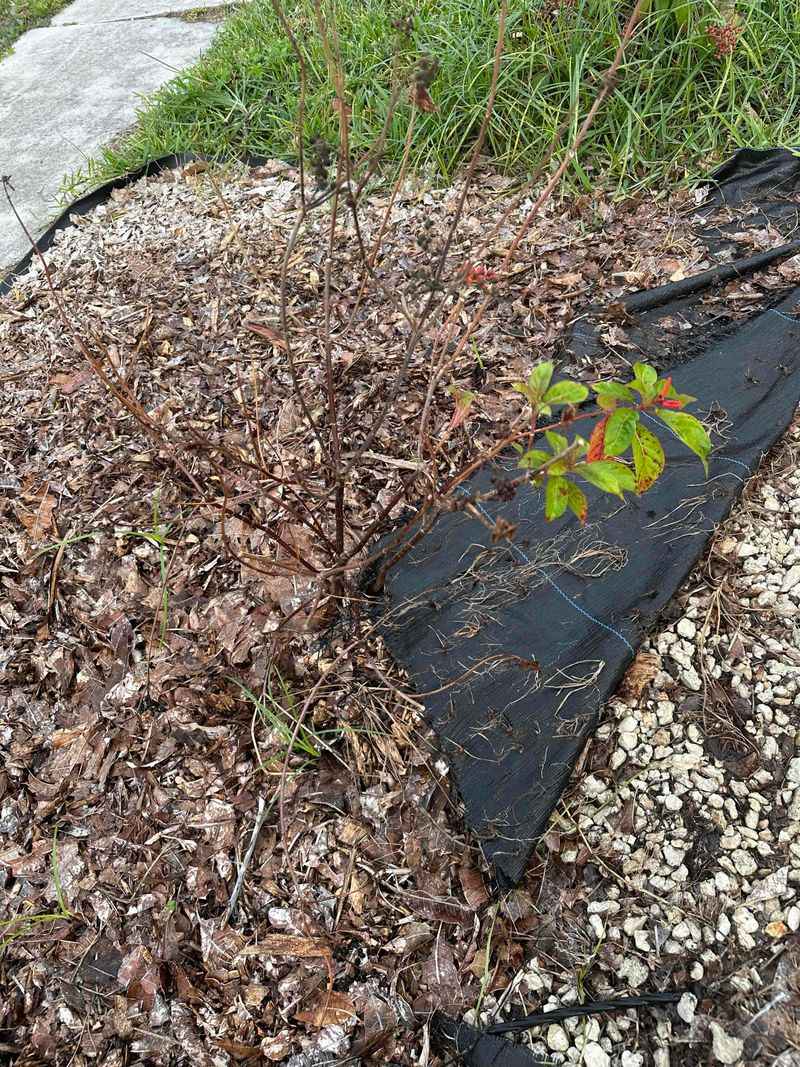
Firebush behaves like a herbaceous perennial in areas that experience regular freezes. Top growth may disappear after freezes in colder parts of Florida, but roots remain alive underground.
This pattern repeats annually in central and northern Florida, where gardeners learn to expect seasonal dieback rather than permanent loss.
Once soil temperatures warm and danger of frost passes, new shoots emerge from the crown. These fresh stems grow rapidly, often reaching several feet in height within weeks.
The plant essentially rebuilds itself from scratch each growing season.
Root hardiness makes this recovery possible. While tender tropical tissue cannot survive freezing, established root systems tolerate brief cold exposure.
Mature plants with extensive root networks recover faster and more vigorously than young transplants with limited below-ground development.
Florida’s long growing season supports this comeback strategy. From March through November, firebush has ample time to regrow, bloom, and attract hummingbirds and butterflies.
Many gardeners in freeze-prone areas accept this cycle as normal, treating firebush as a seasonal display rather than permanent evergreen structure.
3. Check For Living Roots Before Giving Up
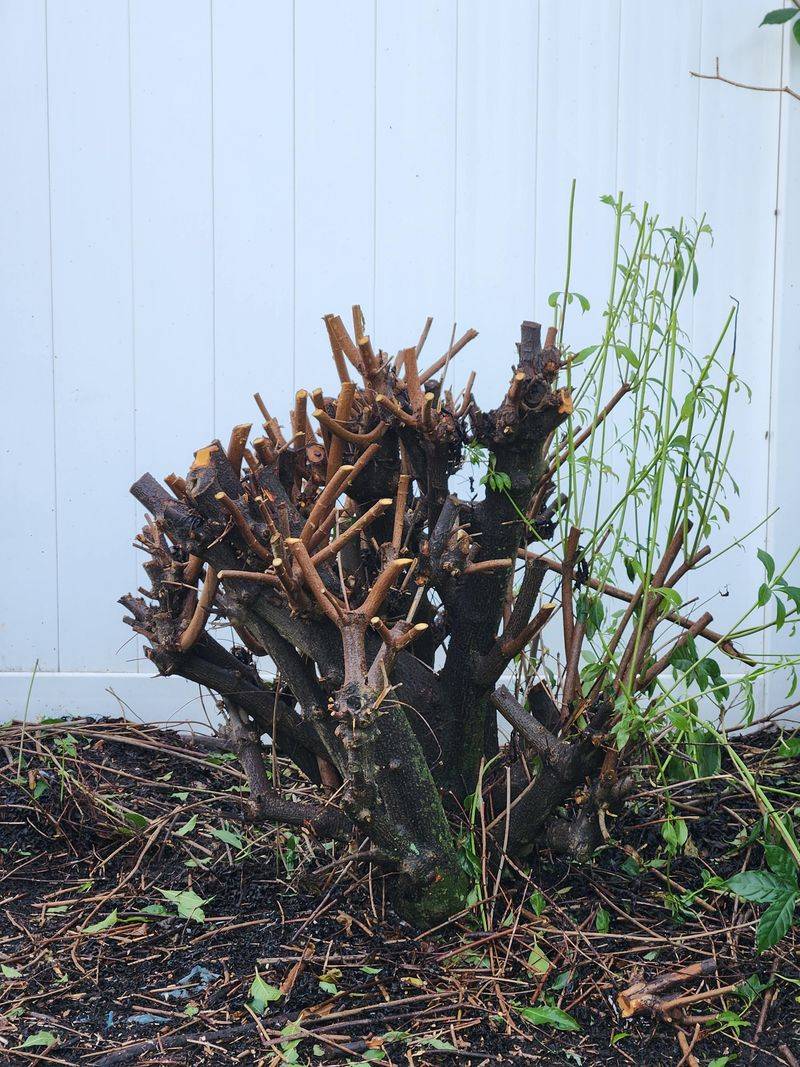
Patience proves essential when assessing freeze damage. Plants often look worse than their actual condition, and premature removal wastes perfectly viable specimens.
Several weeks may pass before you can accurately determine survival, as damage continues developing long after temperatures rise.
Scratch the bark near the base with your fingernail or a knife. Green tissue underneath indicates living cambium that can support new growth.
Brown or gray tissue throughout suggests that section has perished, but check multiple stems and locations before making final decisions.
Flexibility offers another clue. Withered stems snap cleanly when bent, while living wood remains pliable and bends without breaking.
Test branches at various heights, working from top to bottom to find where living tissue begins.
Watch the crown area where stems meet soil. New buds often appear here first, sometimes pushing through seemingly lifeless stems.
Small green shoots emerging from the base provide the strongest evidence of survival and signal that recovery has begun without any intervention needed from you.
4. Wait To Prune Until Frost Danger Passes
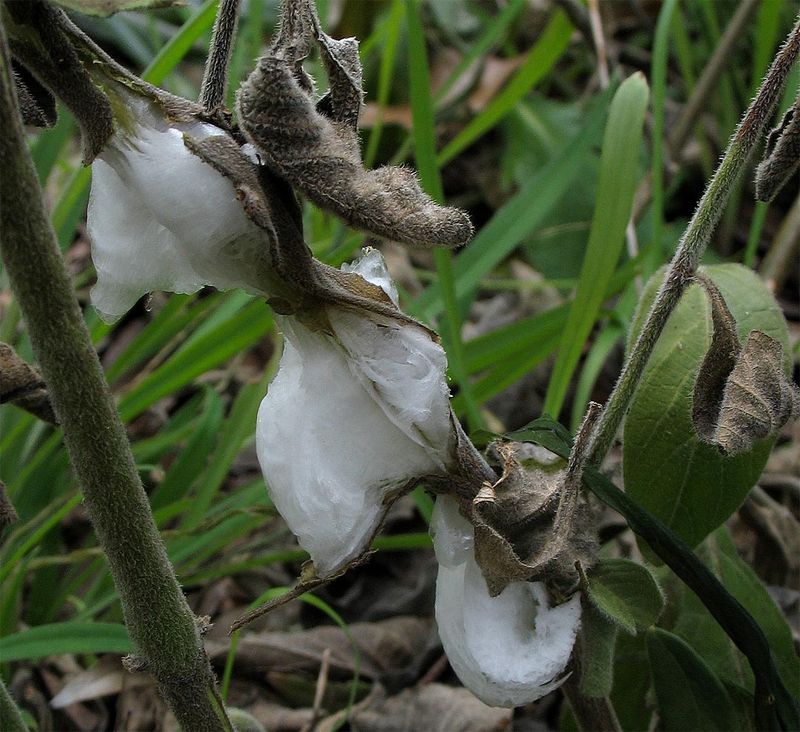
Resisting the urge to clean up damaged growth requires discipline, but early pruning creates more problems than it solves. Leaving damaged growth in place helps protect lower tissue and prevents premature stimulation of tender new growth.
Removing this protection exposes vulnerable parts to additional cold snaps that frequently occur through February and sometimes into early March across Florida.
Pruning stimulates new growth that emerges tender and susceptible to damage. If another freeze arrives after you cut back the plant, fresh shoots suffer severe injury.
This cycle of cutting and refreezing weakens the plant and delays ultimate recovery.
Wait until consistent warm weather arrives and new growth begins appearing naturally. In south Florida, late February or early March often provides safe timing.
Central Florida gardeners should wait until mid to late March, while northern regions may need to hold off until April.
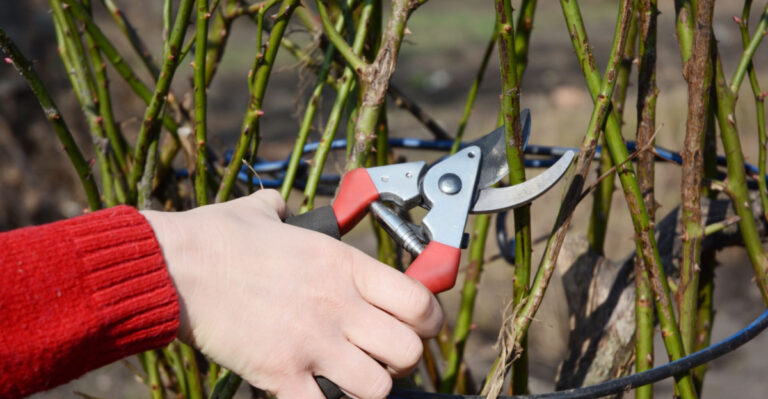
When you finally prune, cut damaged stems back to living wood or to ground level if necessary. Clean cuts heal faster than ragged tears.
Sanitize tools between cuts to prevent spreading disease through wounded tissue that remains vulnerable during the recovery period.
5. Watch For Strong Regrowth In Warm Weather
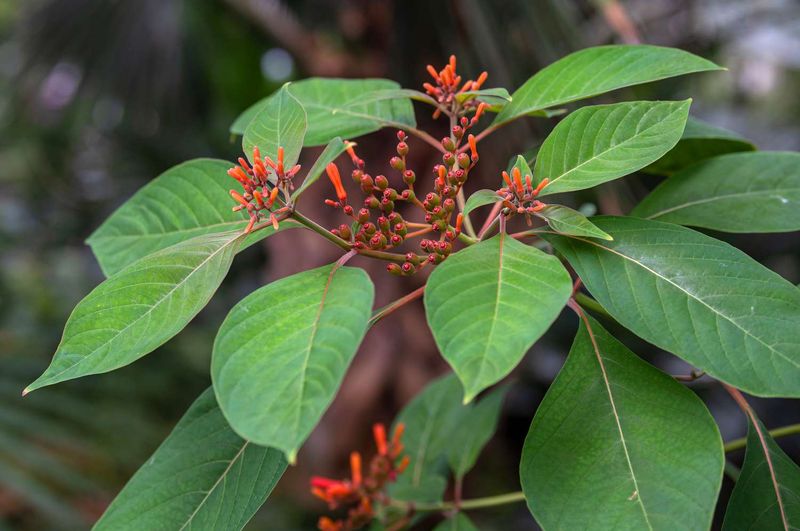
Spring warmth triggers dramatic recovery in freeze-damaged plants. As temperatures warm in spring, dormant buds begin to activate, and growth accelerates quickly once daytime highs reach the 70s and 80s.
Florida’s abundant sunshine and frequent spring rains fuel rapid regeneration.
New stems emerge bright green and grow several inches per week under favorable conditions. Leaves unfurl quickly, and the plant fills out with dense foliage.
Established specimens with extensive root systems may reach three to four feet tall within two months.
Flowering often begins by late spring or early summer. Tubular orange-red blooms appear at branch tips, attracting hummingbirds and butterflies despite the plant’s shorter stature.
This quick return to flowering demonstrates the remarkable resilience built into firebush genetics.
Growth rate varies based on freeze severity and plant age. Lightly damaged specimens that retained some living stems recover faster than those cut to the ground.
Young plants with small root systems take longer to rebuild than mature specimens with established infrastructure supporting vigorous regrowth throughout the season.
6. Recognize When Freeze Damage Is Permanent
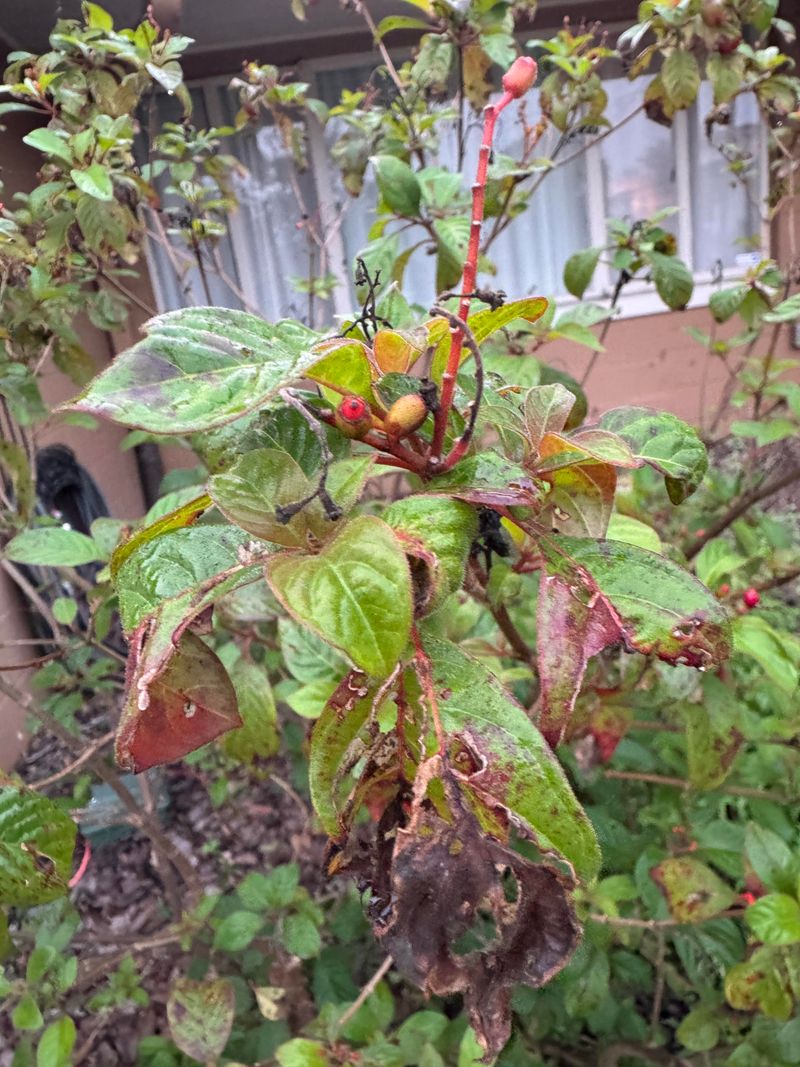
Some situations prevent recovery regardless of patience and care. Prolonged hard freezes in the upper 20s can damage roots, especially in young or exposed plants.
Soil freezing penetrates deep enough to compromise the crown and major root structures that normally survive brief cold.
Young plants recently installed lack the root development needed for recovery. Transplants placed in fall may not establish sufficiently before winter arrives.
These specimens often fail after freezes that established plants would survive easily.
Completely brown stems throughout with no green tissue anywhere signal probable loss. When the scratch test reveals withered cambium from soil line to stem tips, and several weeks pass with no new shoots emerging, the plant likely will not recover.
Missing the narrow window of spring growth activity indicates permanent damage.
Poor drainage can worsen damage and reduce recovery chances. Waterlogged roots suffocate and rot, preventing recovery even if cold exposure alone would not have caused permanent harm.
Well-drained sites give plants better survival odds during and after freeze events throughout Florida.
7. Help Firebush Recover With Simple Care
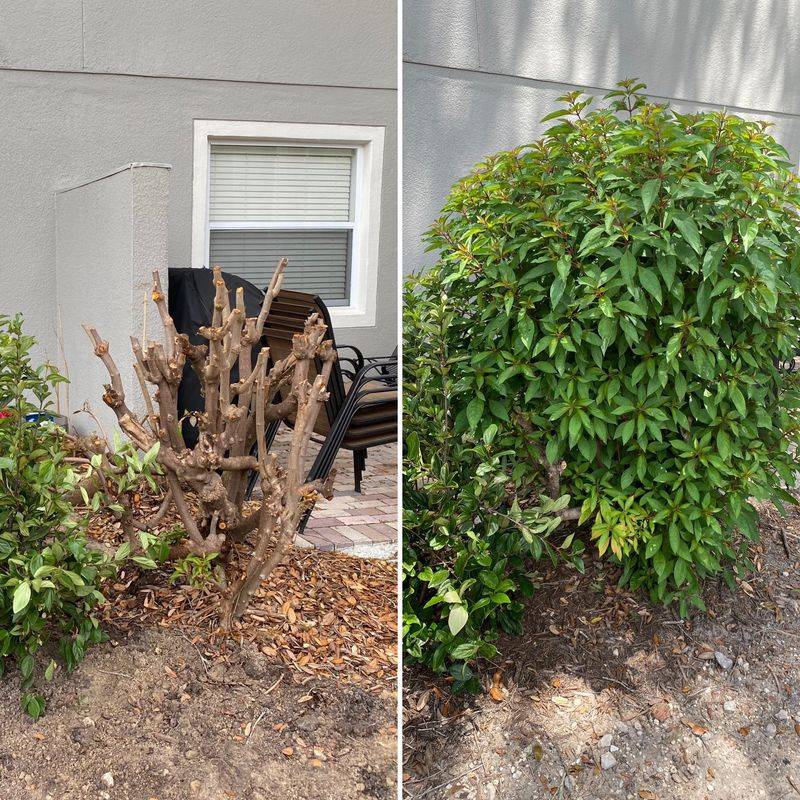
Recovery happens best with minimal interference and basic support. Water regularly during dry spells, as new growth requires consistent moisture.
Avoid overwatering, which can rot stressed roots. An inch per week from rain or irrigation supports healthy regrowth without creating soggy conditions.
Apply two to three inches of mulch around the base, keeping it a few inches away from stems. Mulch moderates soil temperature, retains moisture, and suppresses weeds that compete for resources.
Organic materials like pine bark or wood chips work well and gradually improve soil as they decompose.
Skip fertilizer until substantial new growth appears. Pushing damaged plants with nutrients before they stabilize often causes more harm than good.
Once recovery is clearly underway, a balanced slow-release fertilizer supports continued development without forcing excessive tender growth.
Reduce stress by avoiding additional pruning, transplanting, or major changes while the plant rebuilds. Let firebush focus energy on regeneration rather than adapting to new conditions.
Patience during this vulnerable period gives your plant the best chance of returning to full health and beauty by summer.
8. Protect Firebush From The Next Cold Snap
Strategic placement prevents repeated freeze damage. Plant firebush on the south or east side of buildings where walls radiate stored heat and provide wind protection.
Avoid low spots where cold air settles, choosing slightly elevated or sloped areas instead for better cold drainage.
Microclimates within your landscape offer varying protection levels. Areas near large bodies of water, under tree canopies, or surrounded by hardscaping materials stay warmer than open exposed locations.
Observe your property during cold weather to identify these warmer pockets.
Mulching before winter insulates roots and helps maintain soil temperature. A thicker layer of four inches provides extra protection during freeze warnings.
Avoid piling mulch against stems, which encourages rot and pest problems.
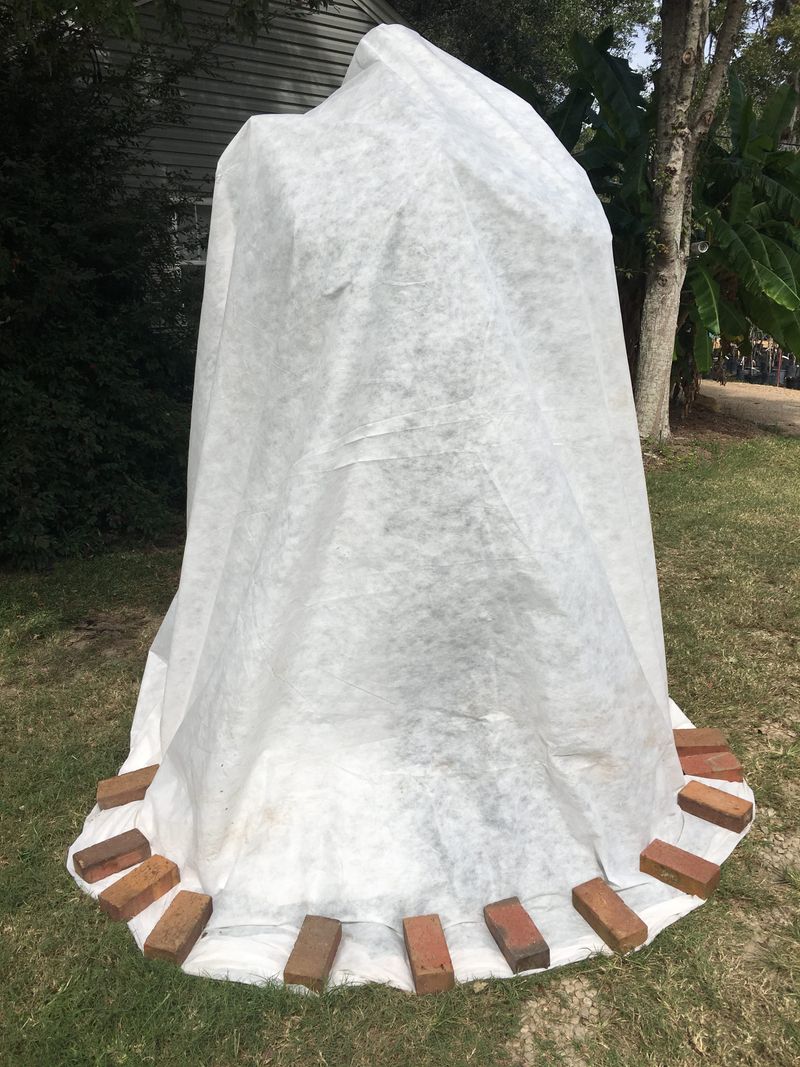
Covering plants with frost cloth during freeze warnings protects foliage and stems. Drape fabric over the entire plant, extending to the ground to trap rising soil warmth.
Remove covers once temperatures rise above freezing to prevent overheating. Understanding Florida’s climate zones helps set realistic expectations for firebush performance in your specific area.
9. Consider Firebush As Seasonal Color In Cold Zones
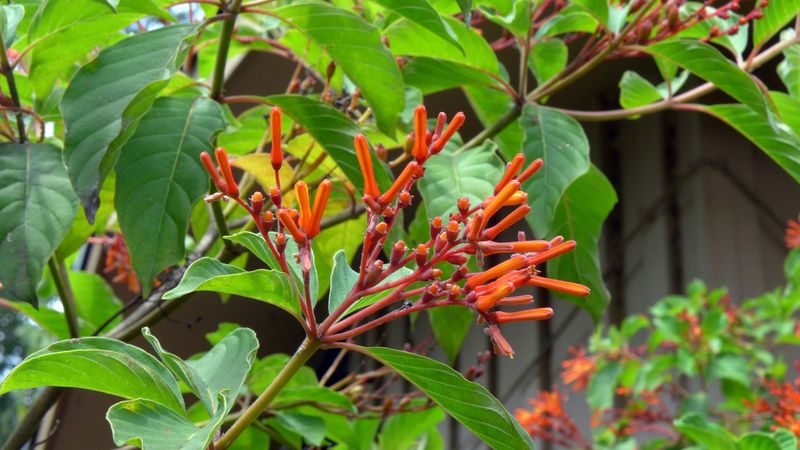
Accepting firebush as a warm-season performer rather than permanent evergreen structure changes expectations and reduces disappointment. In areas experiencing regular freezes, this plant functions like a perennial that provides spectacular color and wildlife value from spring through fall before going dormant.
This approach mirrors how northern gardeners use tropical plants as annuals. You enjoy months of vibrant blooms, hummingbird visits, and lush foliage without expecting year-round evergreen presence.
The plant earns its space through seasonal performance rather than permanent structure.
Some gardeners prefer reliable evergreens that maintain appearance through winter. If you need year-round structure, choose cold-hardy alternatives like native hollies, wax myrtle, or Simpson’s stopper for Florida landscapes.
Save firebush for areas where seasonal dieback is acceptable.
South Florida gardeners rarely face this decision, as freezes occur infrequently in zones 10 and 11. Firebush thrives as a true evergreen in these warmer regions, maintaining foliage and blooming nearly year-round.
Understanding your specific location’s freeze frequency and severity helps determine whether firebush fits your landscape needs and maintenance expectations long term.