10 Winter Garden Tasks That Help Make Spring Easier In Texas
Texas winters may feel mild, yet they quietly set the tone for everything that follows.
While growth slows, smart gardeners know this season pulls more weight than it gets credit for.
A little effort now can smooth the road ahead, while neglect can stack problems that explode once spring heat hits full throttle.
Soil, tools, beds, and plants all respond to attention during winter, even when the landscape looks calm on the surface.
Skip these tasks, and spring arrives like a runaway train, fast and unforgiving.
Tackle them, and the busy season feels lighter, cleaner, and far more rewarding.
Winter offers breathing room, cooler days, and fewer bugs, which makes it the perfect time to get ahead of the game.
Think of it as laying the groundwork while others stay idle.
1. Prune Dormant Trees And Shrubs
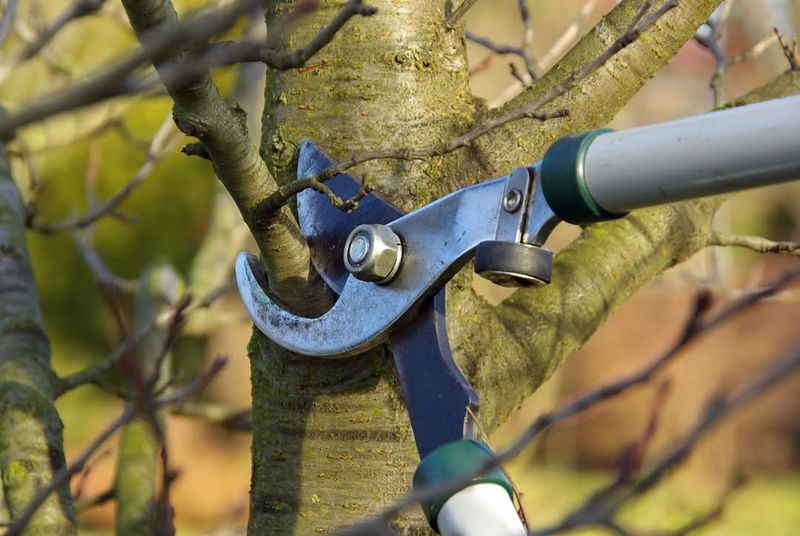
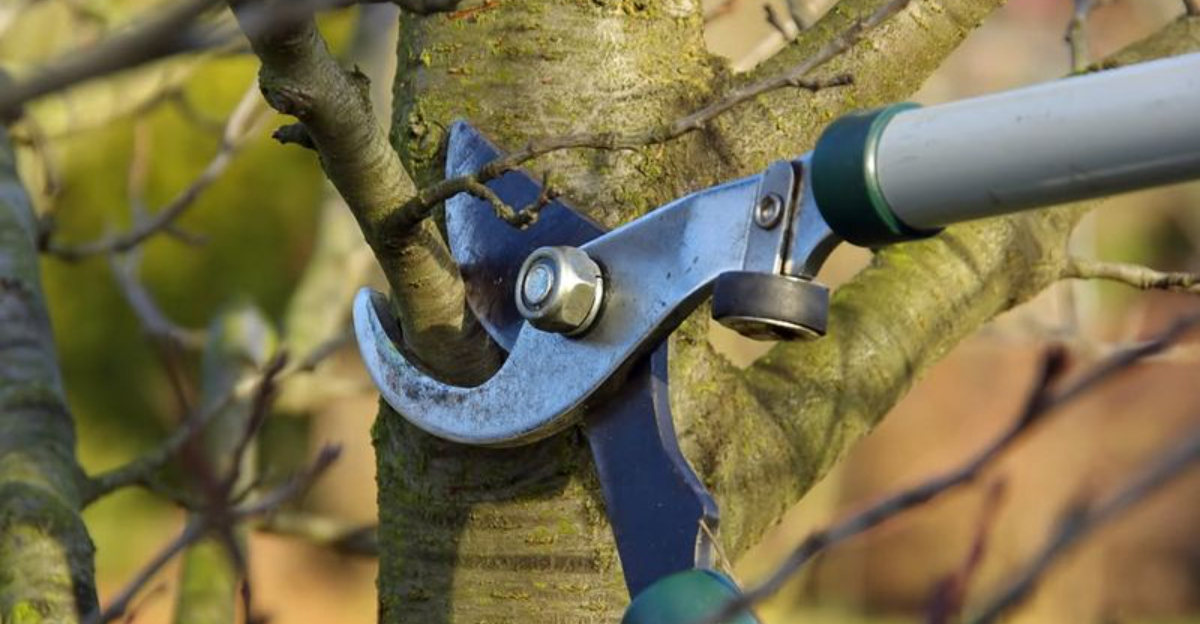
Bare branches reveal the true structure of your trees and shrubs, making winter the ideal time for strategic pruning.
Most deciduous plants rest during cold months, which means they can handle cutting without the stress that comes during active growth periods.
You can shape overgrown plants, remove crossing branches, and improve air circulation throughout the canopy.
Better airflow reduces disease problems when humid spring weather arrives.
Focus on removing damaged or weak branches first, then work on shaping.
Fruit trees especially benefit from winter pruning because you can see their framework clearly.
Clean cuts heal faster when growth resumes in spring.
Sharp tools make cleaner cuts that heal better than ragged tears.
Sterilize your pruning shears between plants to prevent spreading diseases.
Avoid pruning spring-blooming shrubs like azaleas or lilacs because you will remove flower buds that already formed.
Wait until after they bloom to trim those plants.
Most Texas regions experience mild enough winters that you can prune anytime between December and February.
Just watch weather forecasts and avoid pruning right before hard freezes.
Fresh cuts can be more vulnerable to extreme cold damage.
2. Add Compost And Organic Matter
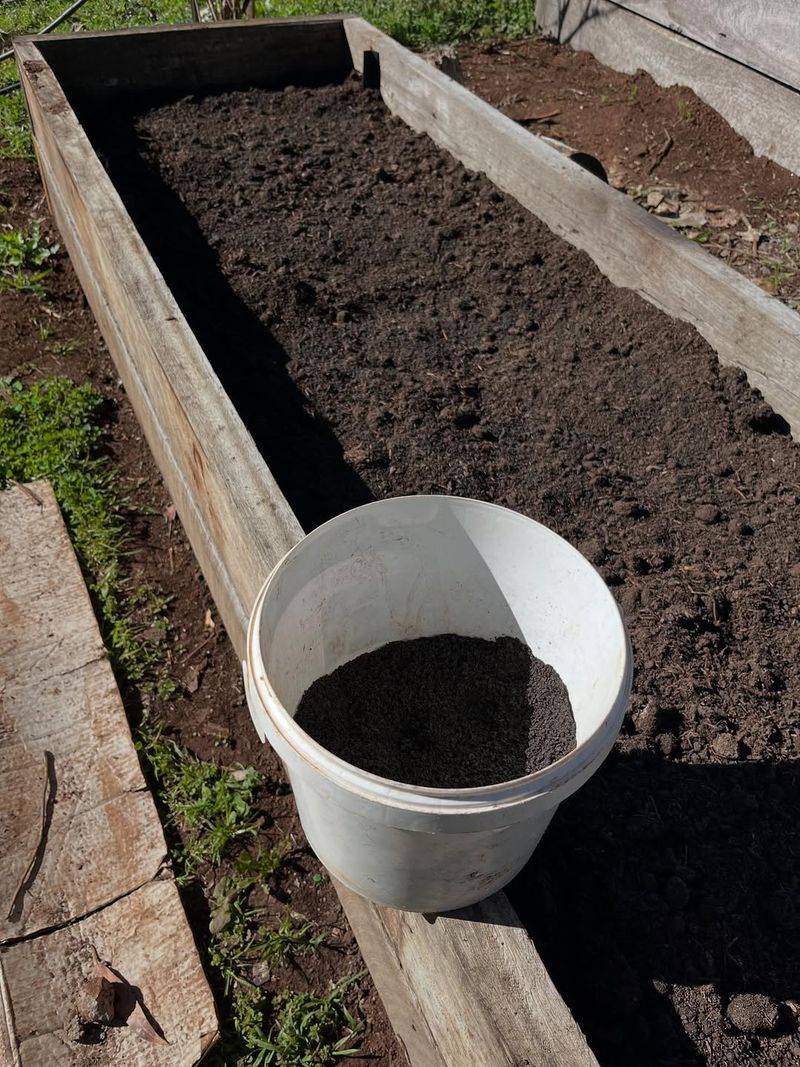
Rich, healthy soil forms the foundation for every successful garden, and winter provides the perfect window to build it up.
Spreading compost across your beds now gives organic material time to break down and integrate before spring planting begins.
Texas clay soil particularly benefits from regular organic amendments.
Compost improves drainage in heavy clay while helping sandy soil retain moisture better.
You can layer it two to three inches thick over vegetable beds, around perennials, and beneath trees.
Earthworms and beneficial microbes work through winter, even when temperatures drop, slowly incorporating nutrients into the soil structure.
This natural process enriches the ground without harsh chemicals.
Consider mixing in aged manure, leaf mold, or mushroom compost along with regular compost for extra nutrients.
Each type adds different benefits to soil health.
Avoid piling compost directly against plant stems or tree trunks because moisture trapped there can cause rot.
Leave a small gap around the base of plants.
Winter application means spring rain helps work nutrients deeper into the root zone.
Your plants will respond with stronger growth and better resilience against pests and diseases when warm weather returns.
3. Plant Cool-Season Vegetables
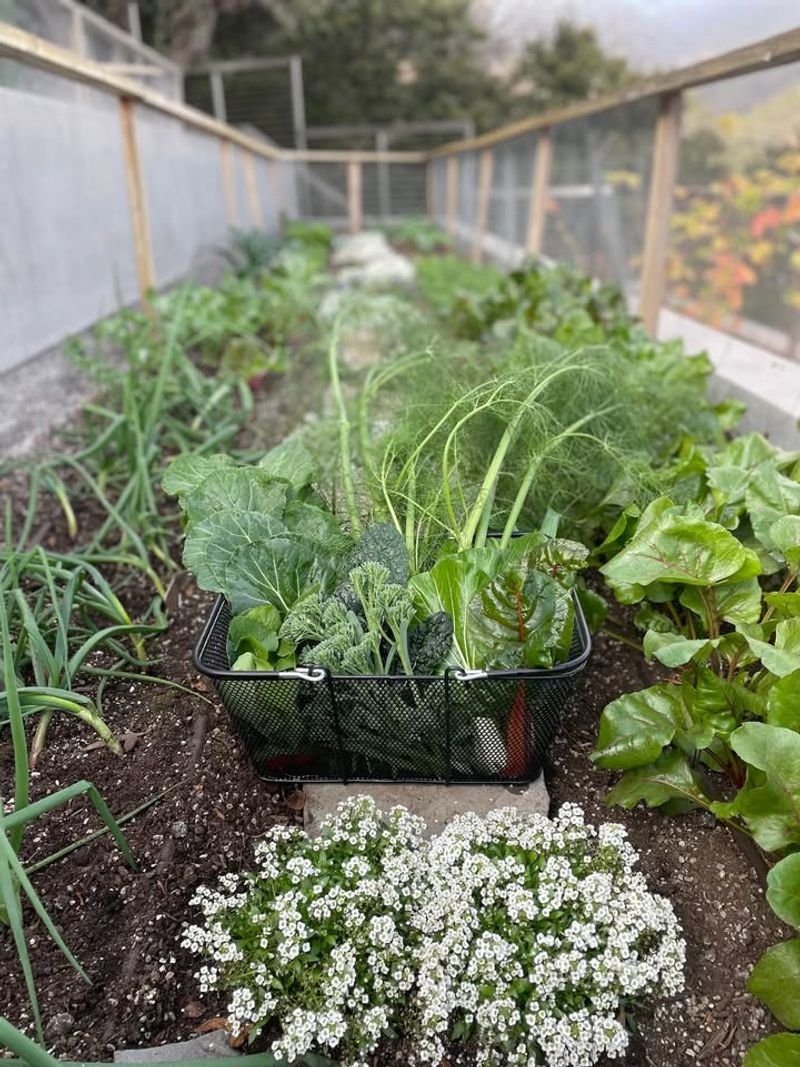
Many gardeners mistakenly think vegetable season ends when summer heat fades, but Texas winters support a surprising variety of edible crops.
Leafy greens, root vegetables, and certain herbs actually prefer cooler temperatures.
Lettuce, spinach, kale, and Swiss chard thrive in winter gardens across most of Texas.
These plants struggle in summer heat but flourish when temperatures stay moderate.
Carrots, beets, turnips, and radishes also grow beautifully during winter months.
Root crops develop sweeter flavor when exposed to light frosts.
Cold weather converts some of their starches into sugars.
Broccoli, cauliflower, and cabbage transplants planted in early winter produce harvestable heads by early spring.
Peas planted in January or February climb and bloom as days lengthen.
Fresh vegetables from your winter garden taste better than anything from the grocery store.
You also reduce your food costs and enjoy the satisfaction of homegrown produce year-round.
Protect tender seedlings during occasional hard freezes with row covers or cold frames.
These simple barriers trap warmth and prevent frost damage.
Starting your spring garden planning now means earlier harvests and a longer productive season overall.
4. Mulch Garden Beds Thoroughly
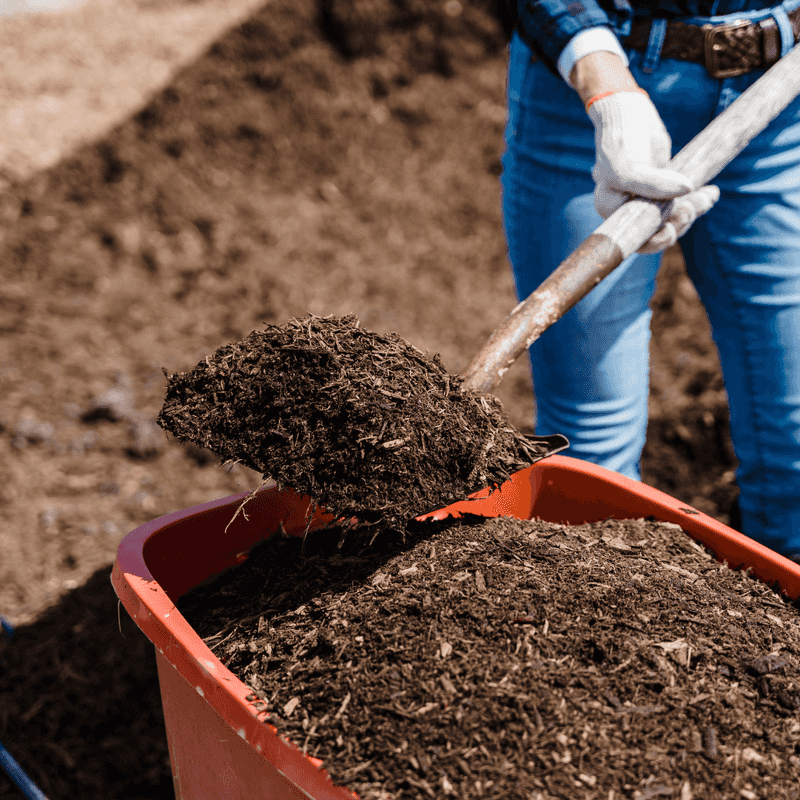
A thick blanket of mulch works like a protective coat for your garden soil throughout winter.
It moderates temperature swings, retains moisture, and suppresses weeds that would otherwise compete with your plants.
Applying mulch now saves considerable time and effort when spring arrives.
Shredded bark, wood chips, pine straw, or leaves all make excellent mulch materials.
Each breaks down at different rates and offers unique benefits.
Pine bark lasts longer, while leaves decompose faster and add nutrients more quickly.
Spread mulch three to four inches deep around perennials, shrubs, and trees.
This thickness blocks sunlight from reaching weed seeds while still allowing water and air to penetrate.
Keep mulch pulled back a few inches from plant stems and tree trunks to prevent moisture buildup that encourages rot.
Winter mulch protects plant roots from temperature extremes during cold snaps.
It also reduces soil erosion from winter rains.
As mulch slowly decomposes, it feeds the soil with organic matter.
You create a healthier growing environment without extra work.
Refreshing mulch layers now means your beds look neat and tidy throughout winter while staying healthier for spring growth.
5. Test And Amend Soil pH
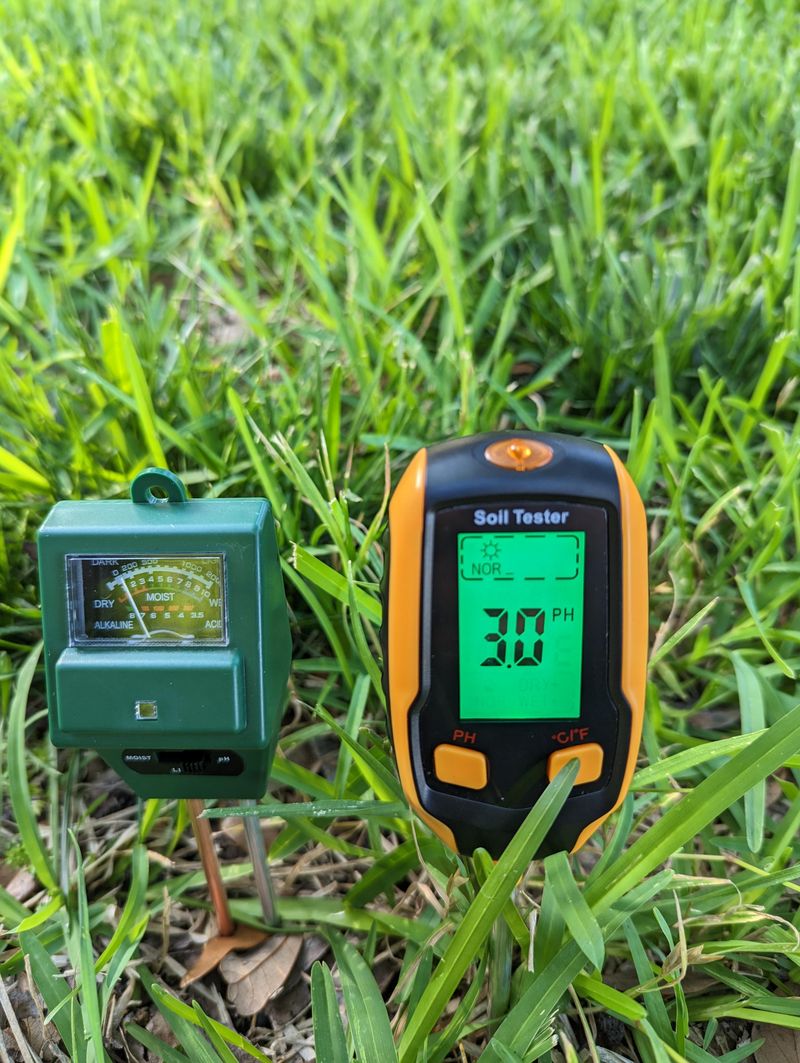
Soil chemistry plays a huge role in how well plants absorb nutrients, yet many gardeners never check their pH levels.
Winter offers an ideal opportunity to test your soil and make necessary adjustments before spring planting.
Most vegetables and flowers prefer slightly acidic to neutral soil, with pH between 6.0 and 7.0.
Texas soils often run alkaline, especially in areas with limestone bedrock.
High pH locks up iron and other nutrients, causing yellowing leaves and poor growth even when fertilizer is present.
Inexpensive soil test kits from garden centers provide basic pH readings.
For more detailed analysis, send samples to your county extension office.
They can identify nutrient deficiencies and provide specific recommendations.
If your soil tests too alkaline, work in sulfur or acidifying fertilizers.
These amendments take several weeks to change pH, which makes winter application perfect.
Acidic soil needs lime to raise pH levels.
Apply recommended amounts and mix thoroughly into the top six inches of soil.
Proper pH allows plants to access nutrients efficiently, reducing fertilizer needs and promoting healthier growth.
Testing every two to three years helps you maintain optimal conditions as soil chemistry gradually shifts over time.
6. Divide Overgrown Perennials
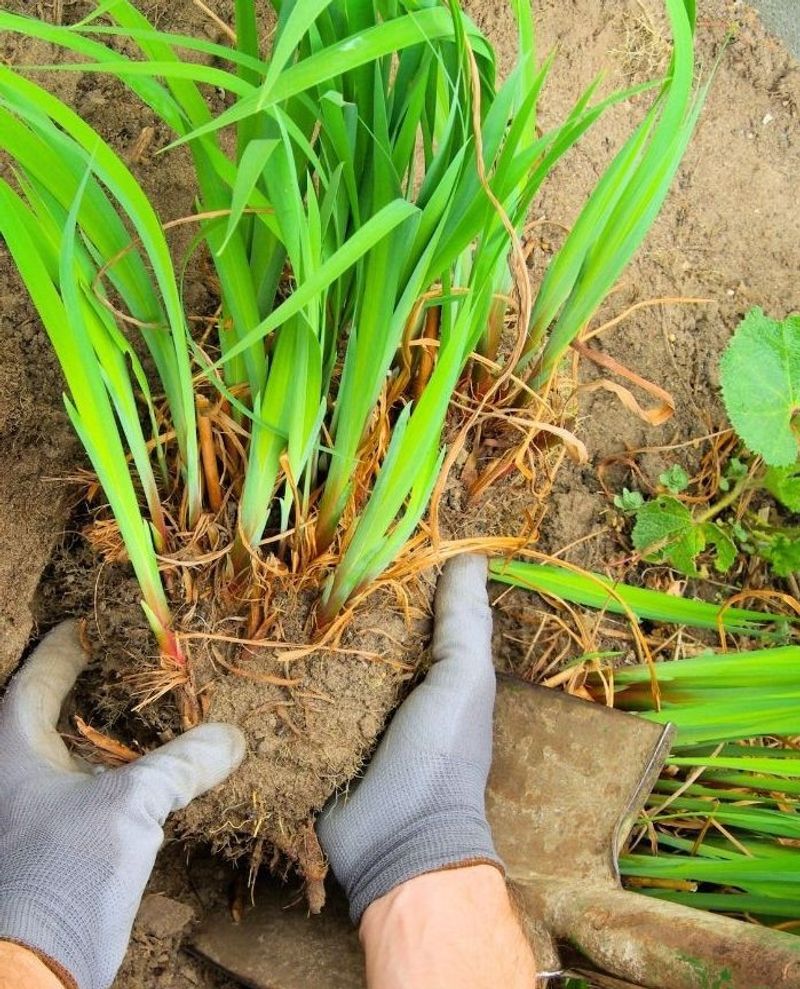
Perennial plants grow larger each year, eventually becoming crowded and producing fewer flowers.
Winter dormancy provides the perfect time to divide these clumps and rejuvenate tired plants.
Most perennials benefit from division every three to five years.
Daylilies, irises, hostas, and ornamental grasses respond especially well to winter division in Texas.
When plants go dormant, their energy moves into roots rather than leaves and flowers.
This makes them more tolerant of being dug up and separated.
Use a sharp spade to dig around the entire plant clump, lifting it carefully with roots intact.
Shake off excess soil so you can see natural divisions in the root mass.
Pull or cut sections apart, making sure each division has both roots and growth buds.
Replant divisions at the same depth they grew before, spacing them properly for future growth.
Water thoroughly after planting to help roots establish.
Division creates more plants for free, which you can use to fill empty spaces or share with friends.
Divided perennials often bloom more abundantly because they have renewed vigor.
Completing this task in winter means plants establish strong roots before spring growth begins.
7. Control Weeds Before Spring Growth
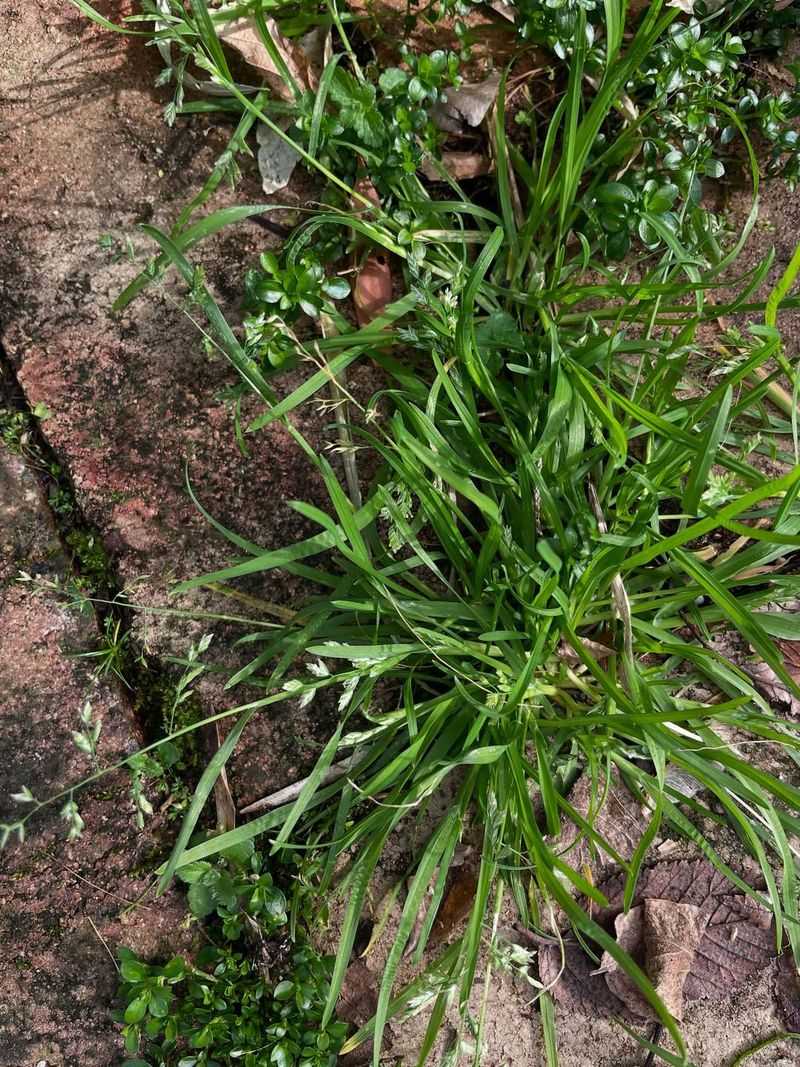
Weeds never truly take a vacation, and many common Texas varieties grow actively during mild winters.
Henbit, chickweed, and annual bluegrass thrive in cool weather, spreading quickly when left unchecked.
Removing them now prevents spring weed explosions that steal nutrients and water from desired plants.
Hand-pulling works well when soil stays moist from winter rains.
Weeds come out easily, roots and all, reducing chances they will return.
Focus on removing weeds before they flower and set seed.
One plant can produce thousands of seeds that create years of future problems.
For larger areas, use a hoe to slice weeds off just below soil level.
This disrupts their growth and exposes roots to drying air.
Mulch applied after weeding blocks light and prevents new weed seeds from sprouting.
Pre-emergent herbicides applied in late winter stop weed seeds from germinating.
These products work best when applied before soil temperatures warm in early spring.
Always read labels carefully and choose products appropriate for your specific plants.
Staying ahead of weeds during winter means spending less time fighting them during busy spring and summer months when you would rather enjoy your garden.
8. Clean And Maintain Garden Tools
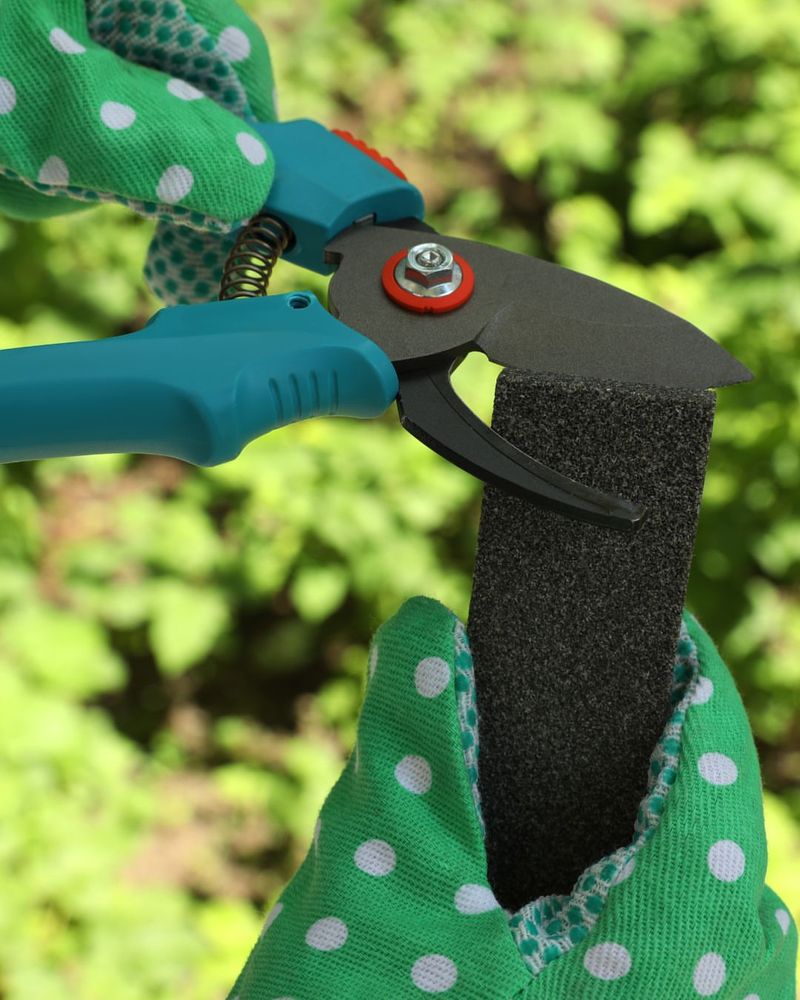
Garden tools work hard all year, accumulating dirt, rust, and plant residue that reduces their effectiveness.
Winter provides breathing room to clean, sharpen, and repair equipment before spring rush begins.
Well-maintained tools work better, last longer, and make gardening tasks easier and more enjoyable.
Start by scrubbing tools with a stiff brush to remove caked-on soil.
Soak stubborn dirt in warm soapy water, then scrub again.
Dry tools completely to prevent rust from forming.
Sand away any rust spots with steel wool or sandpaper until bare metal shows.
Sharpen pruners, shears, and hoe blades with a file or sharpening stone.
Sharp edges cut cleanly through stems and soil with less effort and damage to plants.
Oil moving parts on pruners and loppers so they operate smoothly.
Apply a thin coat of oil to metal surfaces to protect against rust during storage.
Check wooden handles for splinters and cracks.
Sand rough spots smooth and apply linseed oil to preserve the wood.
Replace broken handles rather than struggling with damaged tools.
Organize your cleaned tools in a dry storage area where you can find them easily when needed.
This simple maintenance saves money on replacements and ensures tools are ready when spring gardening begins.
9. Plan Next Season’s Garden Layout
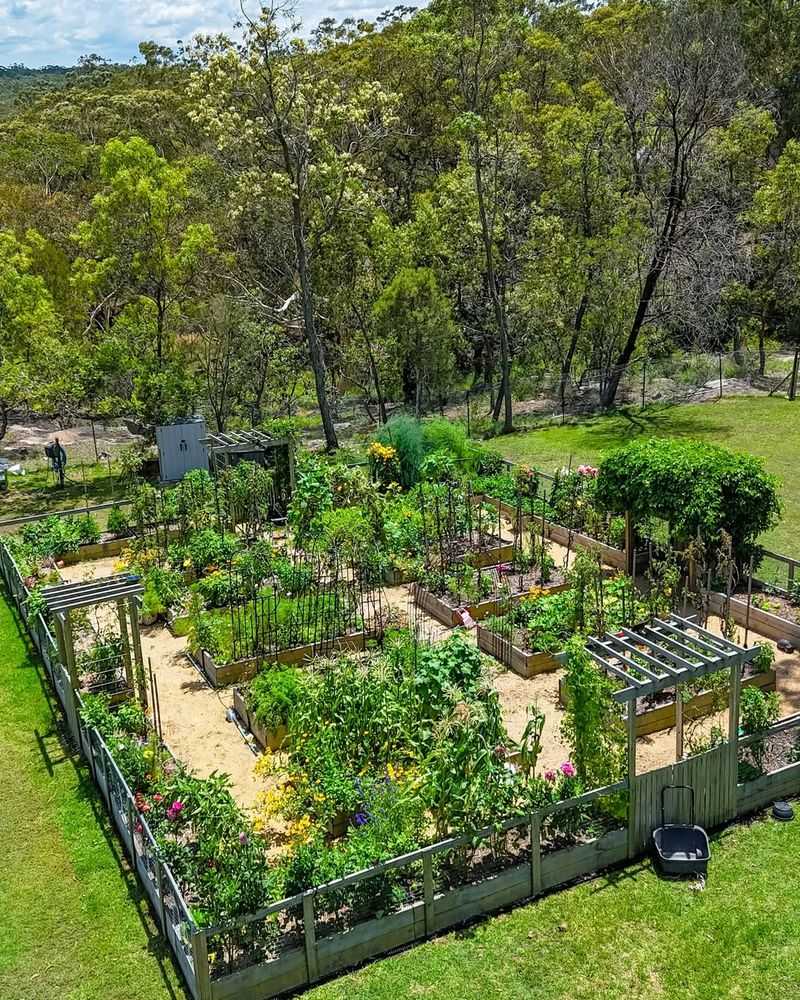
Winter evenings offer perfect opportunities to dream about spring gardens while reviewing what worked and what failed last year.
Thoughtful planning prevents common mistakes and helps you make the most of your growing space.
Sketch your garden beds on paper or use online planning tools.
Mark where different plants grew last season and note which performed well.
Crop rotation helps prevent disease buildup and nutrient depletion.
Plan to move vegetable families to different beds each year.
Tomatoes, peppers, and eggplants should not grow in the same spot year after year.
Browse seed catalogs and plant descriptions to discover new varieties suited to Texas conditions.
Look for heat-tolerant, disease-resistant selections that thrive in your specific region.
Consider bloom times when planning flower beds so you have continuous color throughout seasons.
Measure your space carefully and calculate how many plants you need.
This prevents overbuying and wasted money on excess materials.
Make lists of seeds to order, supplies to purchase, and projects to complete.
Having a plan reduces spring chaos when everything needs attention at once.
You can work methodically through tasks rather than feeling overwhelmed by competing priorities.
10. Protect Tender Plants From Freezes
Texas winters bring unpredictable temperature swings, with mild weeks interrupted by sudden hard freezes.
Tender plants need protection during cold snaps to survive until spring warmth returns.
Preparation now prevents heartbreak when forecasts predict freezing temperatures.
Know which plants in your garden are frost-sensitive.
Tropical plants, citrus trees, and tender perennials risk damage when temperatures drop below 32 degrees.
Move container plants near walls or under overhangs where radiant heat from buildings offers a few degrees of protection.
Group containers together so plants shelter each other.
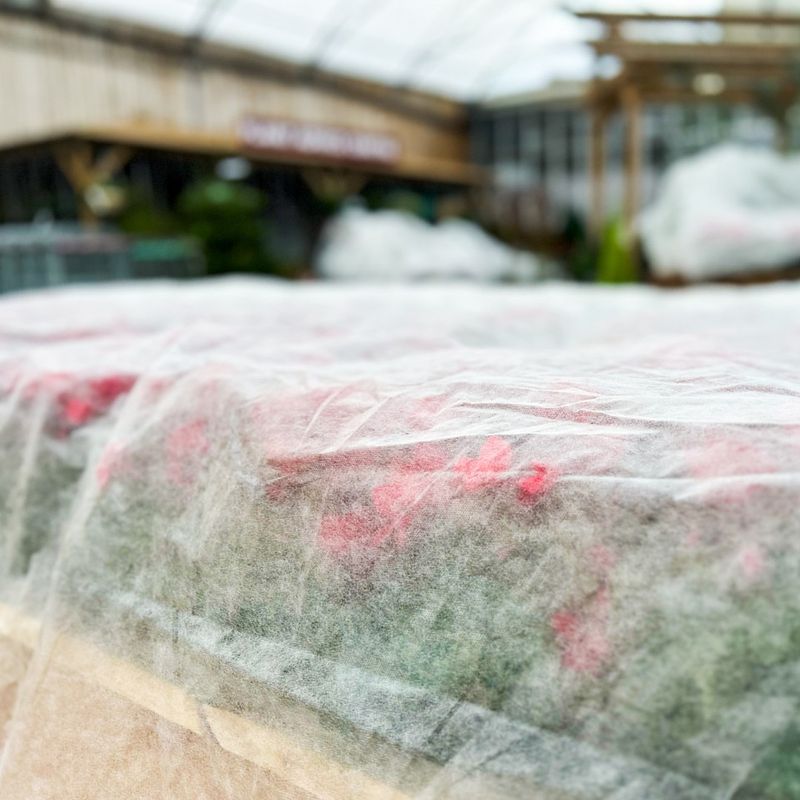
Cover vulnerable plants with frost cloth, old sheets, or blankets when freezes are forecast.
Drape fabric over plants in late afternoon and remove it once temperatures rise above freezing.
Covering traps ground heat and can protect plants through brief cold periods.
Avoid plastic directly touching foliage because it conducts cold and can damage leaves.
Water plants thoroughly before freezes arrive.
Moist soil holds heat better than dry soil.
Mulch around plant bases provides additional insulation for roots.
String outdoor lights through plant branches for extra warmth during extreme cold.
Incandescent bulbs generate surprising amounts of heat that can save borderline-hardy plants.