6 Winter Lawn Care Mistakes Florida Homeowners Make That Ruin Summer Grass
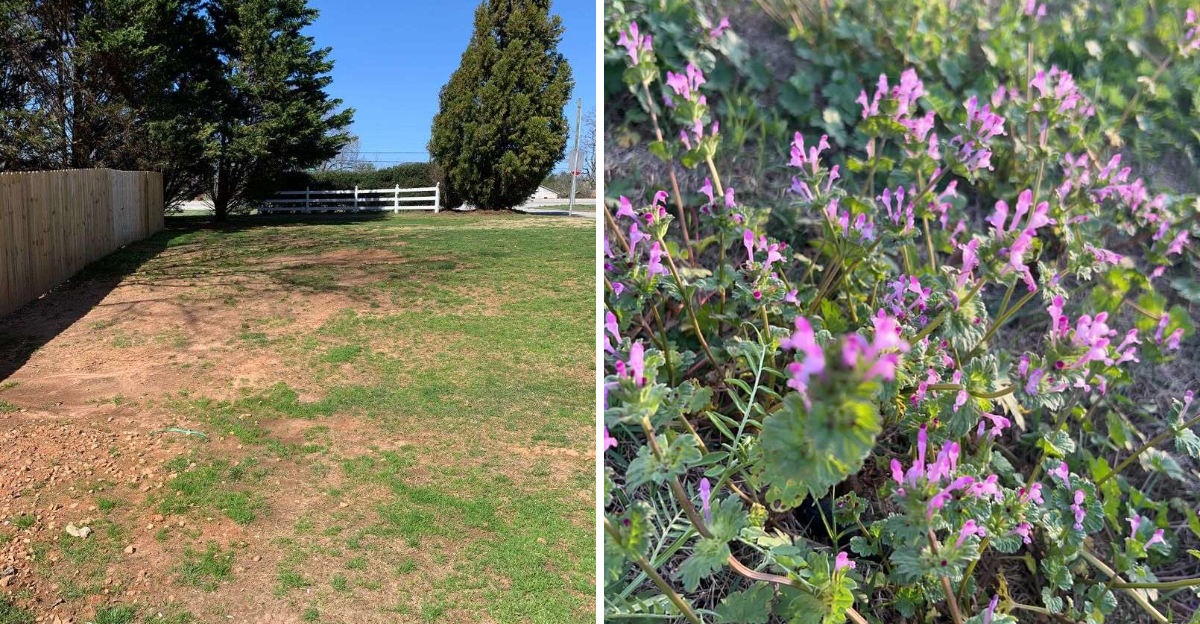
Your lawn looks calm right now. Maybe a little pale, maybe not growing much, but quiet does not mean safe.
In Florida, winter is when many summer lawn problems quietly begin. The way you water, mow, fertilize, and even walk across your yard during the cooler months can decide how your grass handles the brutal heat that shows up later.
You have probably seen it before. One neighbor’s yard turns thick and green by June while another struggles with thin spots, weeds, and patchy color.
That difference often starts months earlier, long before the first afternoon thunderstorm of summer. When temperatures dip and growth slows, your grass still depends on smart care.
Small winter mistakes can weaken roots, invite weeds, and set the stage for disease once humidity rises. If you want a lawn that stays strong when Florida summer hits full force, what you do right now matters more than you think.
1. Overwatering Dormant Grass
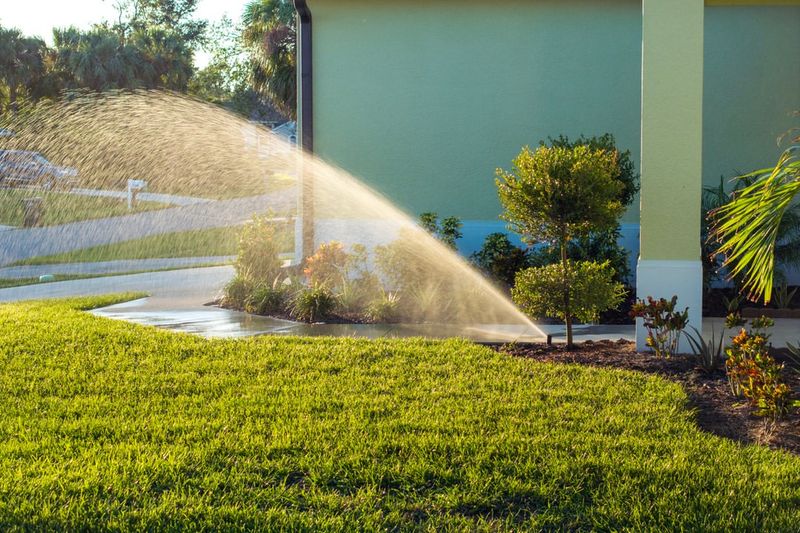
Walk across your lawn on a January morning and you might notice the grass feels softer than usual, almost spongy beneath your feet. That texture often means the soil is holding too much moisture because your irrigation system is still running on the same schedule it followed back in August.
When temperatures drop and grass growth slows or stops entirely, roots need far less water to stay healthy.
In North Florida, St. Augustine and Bahia grass often go partially or fully dormant during winter, turning tan or light brown until spring warmth returns. Central Florida lawns may stay partially green but grow very slowly.
South Florida turf keeps growing year-round but at a much gentler pace than summer months.
Overwatering during this slow period creates perfect conditions for fungal problems like brown patch and gray leaf spot. Excess moisture also encourages shallow root development, which leaves grass vulnerable when summer heat and drought stress arrive.
You might see mushrooms popping up or notice soft, discolored patches that feel different when you walk over them.
Cutting back irrigation during winter and watering only when the lawn shows signs of dryness helps turf develop deeper, stronger roots. Your grass will respond by building resilience underground, preparing for the long stretch of heat ahead.
When spring arrives, those deeper roots help your lawn green up faster and handle summer stress far better than shallow-rooted turf that stayed too wet all winter.
2. Applying Nitrogen Fertilizer Too Early
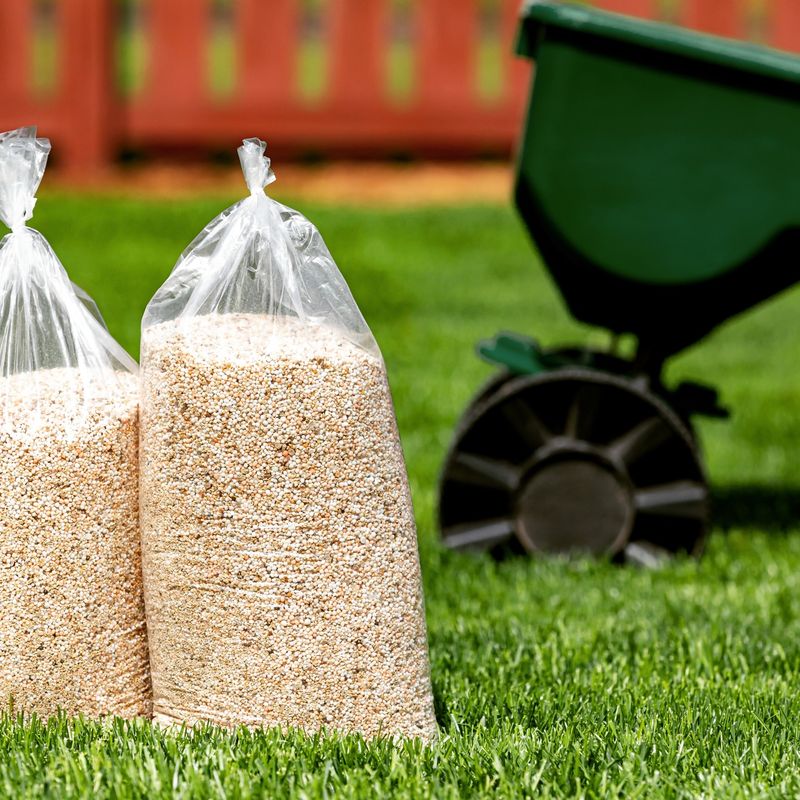
February sunshine feels warm on your face, and suddenly the urge to fertilize hits hard because spring seems just around the corner. Garden centers start stocking fertilizer displays, and neighbors begin spreading granules across their yards.
But pushing nitrogen onto grass before it naturally breaks dormancy creates more problems than it solves, especially across different regions of Florida.
Warm-season grasses like St. Augustine, Bahia, and Zoysia should only be fertilized after they show clear signs of active spring growth, when roots are able to efficiently absorb nutrients.
In South Florida this often occurs earlier than in Central and North Florida, where lawns may remain dormant well into March or early April depending on seasonal temperatures.
When you fertilize too early, that nitrogen does not feed your grass because roots are not actively growing yet. Instead, it feeds weeds that thrive in cooler weather, giving them a head start before your turf wakes up.
You might also see a quick flush of soft green growth that looks nice for a few days but weakens the plant and makes it more susceptible to late cold snaps or disease pressure.
University of Florida IFAS Extension recommends waiting until your lawn shows clear signs of active growth before applying nitrogen. When you time fertilizer correctly, grass uses those nutrients efficiently, building strong blades and dense coverage that naturally crowds out weeds.
Your summer lawn will thank you for the patience you showed in winter.
Florida homeowners should also follow local fertilizer blackout dates and county regulations, which restrict nitrogen applications during certain months.
3. Scalping The Lawn Too Short
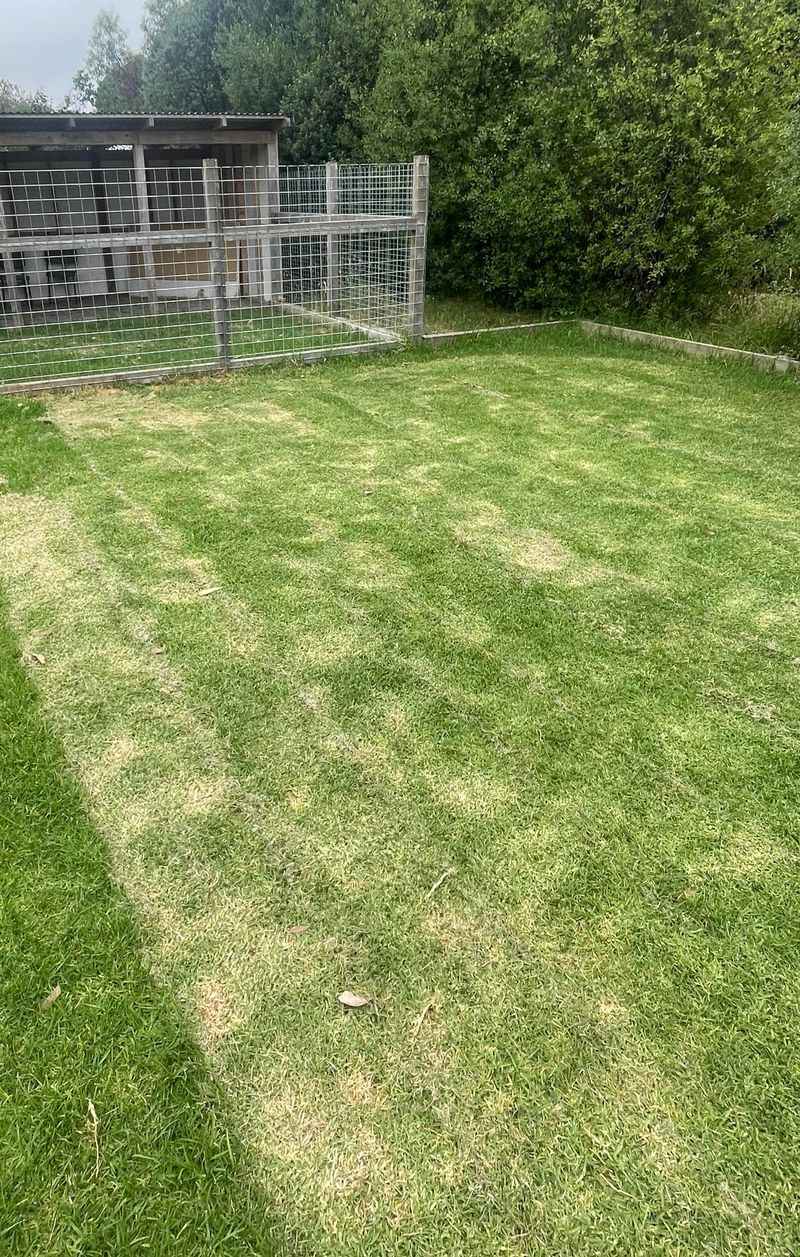
Your mower deck drops lower and lower each pass because you want that golf course look, or maybe you think cutting grass short in winter means less mowing later. Scalping happens when you remove too much leaf blade at once, exposing stems and soil to direct sunlight.
This practice stresses warm-season turf significantly, especially when grass is already dormant or growing very slowly.
St. Augustine grass performs best between three and a half and four inches tall year-round. Bahia does well at three to four inches, while Zoysia prefers one and a half to two and a half inches depending on variety.
Cutting below these heights removes the leaf tissue that produces energy through photosynthesis, forcing grass to use stored energy reserves just to survive.
When you scalp dormant turf, you also create openings for weeds to establish before grass greens up in spring. Exposed soil heats up faster, dries out quicker, and invites weed seeds to germinate without competition.
You might notice more dollarweed, spurge, or crabgrass appearing in areas where grass was cut too short during winter months.
Maintaining proper mowing height through winter keeps grass healthier and better prepared for spring growth. Your lawn will green up more evenly and densely when it has not been weakened by repeated scalping.
Taller grass also shades soil naturally, reducing weed germination and helping your turf stay thick and competitive all summer long.
4. Ignoring Soil Compaction
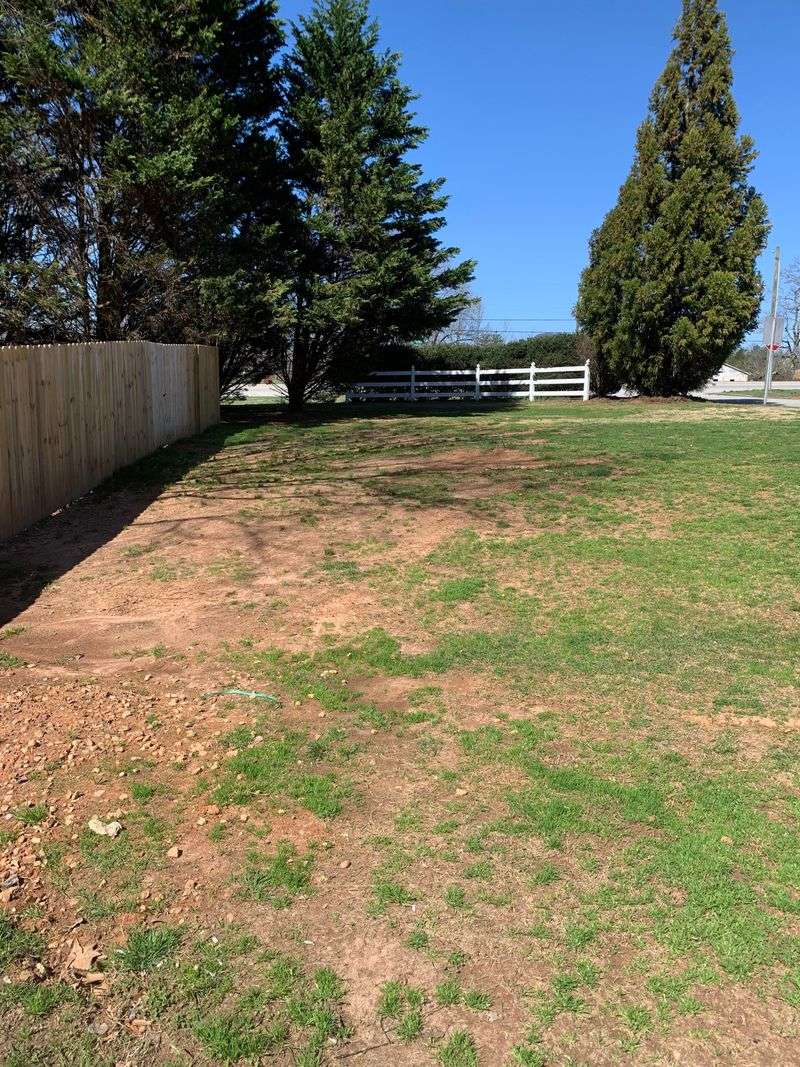
Winter months bring cooler weather and more outdoor gatherings, holiday visitors, and kids playing in the yard without worrying about heat. All that foot traffic, combined with mowing and equipment use, gradually presses soil particles tighter together.
Compacted soil limits oxygen flow to grass roots, restricts water infiltration, and makes it harder for roots to expand and grow deeper.
You might notice water pooling on your lawn after rain instead of soaking in quickly. Grass in high-traffic areas may look thinner or patchier than sections that receive less use.
When you push a screwdriver into compacted soil, it meets resistance and does not slide in easily, while healthy soil allows smooth penetration.
Compaction problems created during winter quietly limit root development through spring, leaving grass weaker and less drought-tolerant when summer arrives. Turf growing in compacted soil struggles to access water and nutrients even when you apply them generously.
You end up watering and fertilizing more without seeing the results you expect because roots cannot reach what they need.
Core aeration during late winter or early spring helps relieve compaction before grass enters its peak growing season. Small plugs of soil get pulled out, allowing air, water, and nutrients to reach root zones more effectively.
Homeowners who aerate compacted areas notice thicker, greener grass that stays healthier through summer heat. Your lawn responds quickly when roots can breathe and expand freely again.
5. Letting Weeds Go Untreated
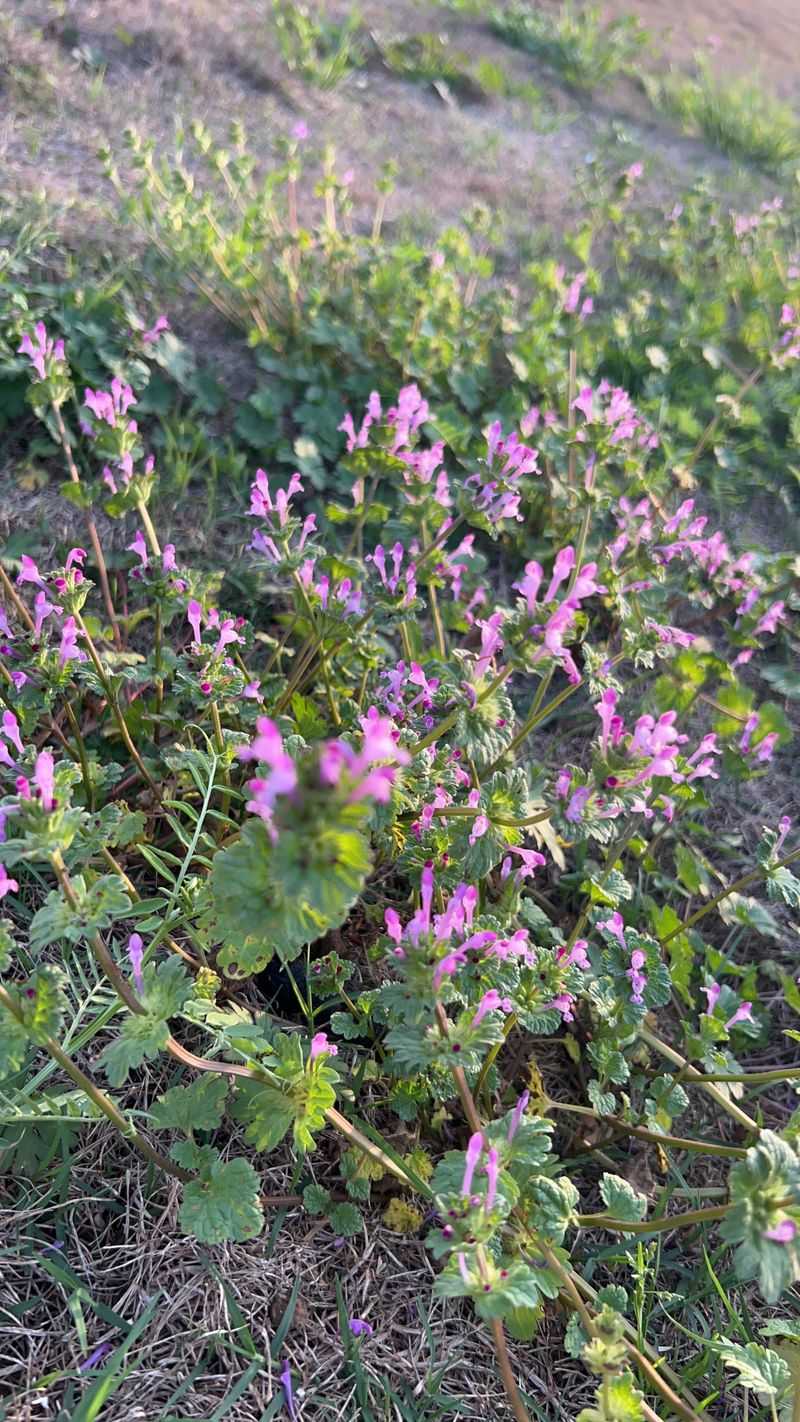
Your grass looks tan and dormant, so a few green weeds scattered across the lawn almost seem welcome because at least something is growing. Winter weeds like chickweed, henbit, and annual bluegrass thrive in cooler temperatures while your warm-season turf rests.
Ignoring these plants might seem harmless now, but many winter weeds continue spreading and strengthening their root systems before your grass wakes up.
By the time spring arrives and your turf begins growing again, those weeds have already established strong root systems and expanded coverage. They compete directly with grass for water, nutrients, and sunlight during the critical spring green-up period.
Your lawn has to fight harder to fill in, and weak spots become permanent thin areas that struggle all summer long.
Some winter weeds also produce large numbers of seeds before temperatures warm up, creating ongoing problems for years if left unchecked.
Dollarweed and Florida betony can spread aggressively during mild, wet winters, especially in Central and South Florida where temperatures rarely drop low enough to slow their growth.
North Florida lawns face different weed pressure but still benefit from winter weed management.
Spot-treating winter weeds with appropriate herbicides keeps your lawn ready to green up cleanly in spring. Your grass will have less competition and more resources available when growth resumes.
Homeowners who manage winter weeds consistently notice thicker, more uniform turf that looks better and requires less intervention during peak growing season.
6. Skipping Pre-Emergent Weed Control
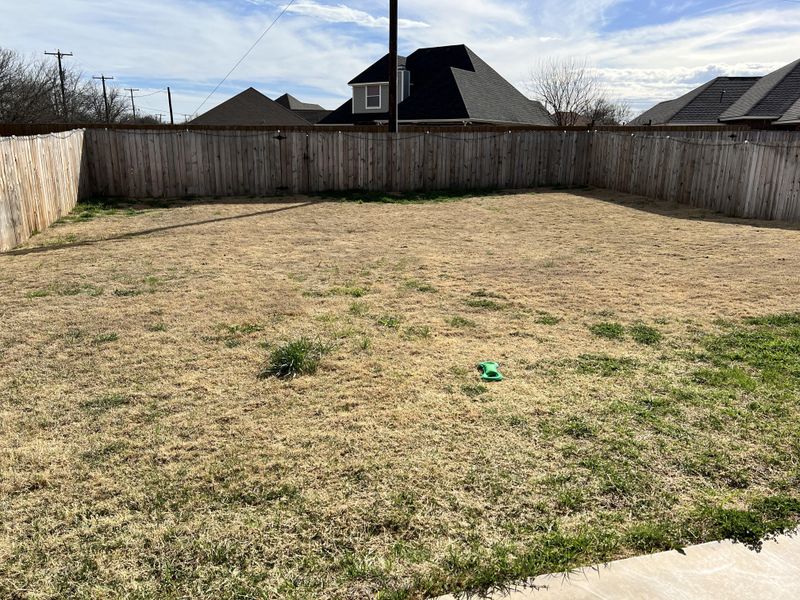
Late winter feels quiet in the lawn care world, and it is easy to forget about products you cannot see working. Pre-emergent herbicides create an invisible barrier in the soil that stops weed seeds from germinating, but only if you apply them before soil temperatures trigger germination.
Miss that window, and you will spend all spring and summer fighting weeds that could have been prevented.
Crabgrass, goosegrass, and other summer annual weeds begin germinating when soil temperatures consistently rise into the upper 50s to mid-60s. In South Florida, this can begin as early as late January or February during warmer winters.
Central Florida usually sees germination begin in February, while North Florida lawns have until late February or early March. Once seeds sprout, pre-emergent products no longer work, and you are stuck with post-emergent treatments that stress both weeds and grass.
Homeowners who skip pre-emergent applications often notice more weeds appearing in April and May, right when they want their lawns looking best.
Those weeds compete with grass during peak growth season, reducing turf density and creating bare spots that invite even more weed pressure.
The cycle continues and worsens each year without proper prevention.
Applying pre-emergent herbicide in late winter protects your lawn for months, giving grass a clean start into spring. Your turf can focus energy on growing thick and strong instead of competing with aggressive weeds.
Homeowners who use pre-emergent products consistently see dramatic reductions in weed populations and enjoy healthier, more attractive lawns with far less effort throughout the growing season.