8 Winter Yard Cleanup Jobs Florida Homeowners Should Not Skip
Winter in Florida rarely brings frostbite, yet it still leaves fingerprints all over the yard.
While northern lawns sleep under snow, palms, shrubs, and turf in the Sunshine State keep marching on.
A cool breeze and shorter days offer the perfect window to set things straight before spring hits like a freight train.
Miss a key task now, and trouble may pop up later, louder than a rattlesnake in tall grass.
Fallen branches, sneaky pests, tired soil, and unruly plants can turn a picture-perfect yard into a cautionary tale.
A little effort during winter saves time, money, and headaches once heat and humidity return with a vengeance.
Think of this season as the calm before the storm, a chance to clean house outdoors and stack the deck in your favor.
1. Trim Overgrown Trees And Shrubs
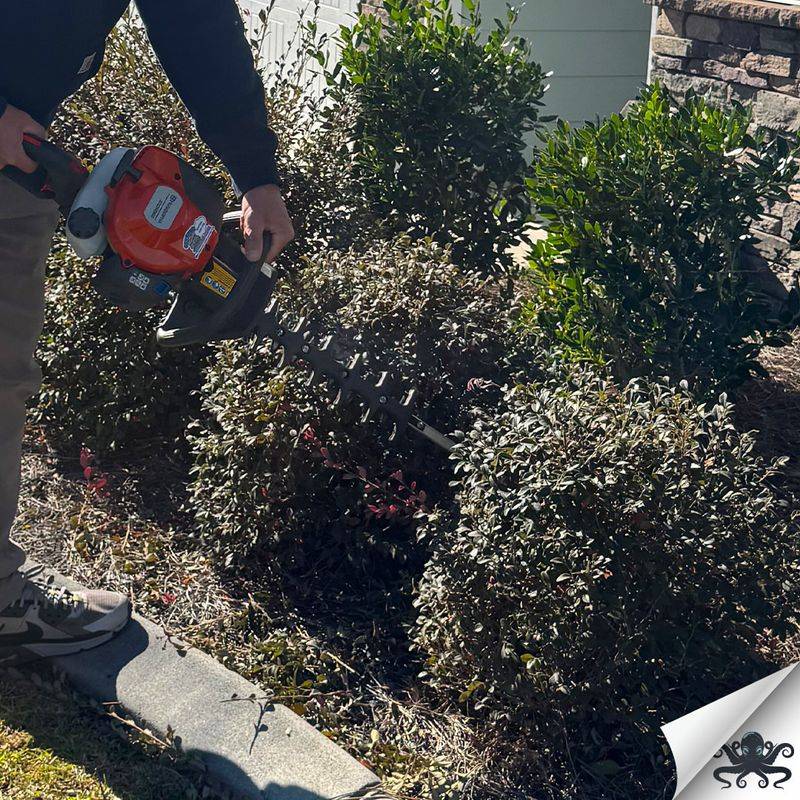
Winter months provide an ideal window for pruning because many trees and shrubs enter a dormant phase, making them less stressed by trimming.
Overgrown branches can block sunlight from reaching other plants and create hiding spots for pests.
Regular pruning also improves air circulation, which reduces the risk of fungal diseases that thrive in Florida’s humid climate.
Start by removing any branches that cross or rub against each other, as these can cause wounds that invite insects and disease.
Next, cut back any limbs that hang over your roof, driveway, or walkways to prevent damage during storms.
Use sharp, clean tools to make smooth cuts that heal quickly.
For larger branches, make cuts just outside the branch collar to promote proper healing.
Avoid removing more than one-third of a plant’s total growth in a single season, as this can shock the plant and slow its recovery.
Some flowering shrubs should be pruned right after they bloom rather than in winter, so research your specific plants before cutting.
Proper trimming now encourages healthier growth patterns and more abundant blooms when spring arrives.
Your landscape will look neater, and your plants will thank you with vigorous new growth.
2. Remove Fallen Leaves And Debris
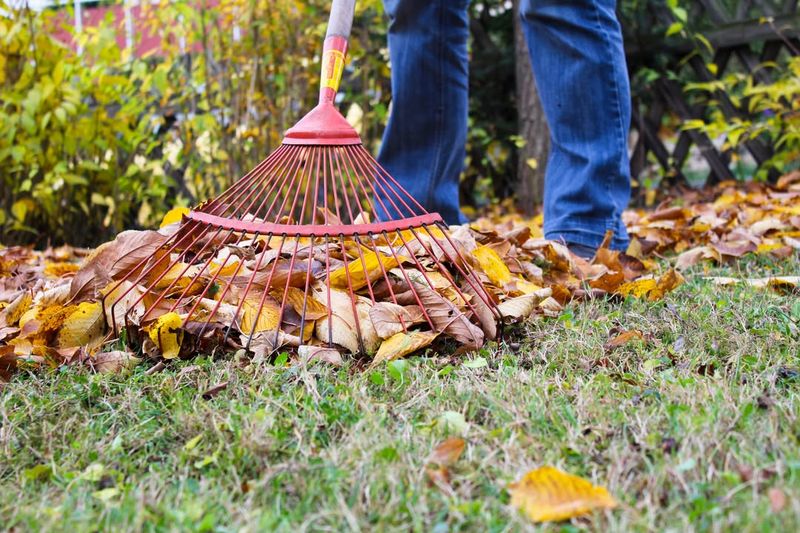
Piles of leaves and plant debris might seem harmless, but they create serious problems for your lawn and garden beds.
Thick layers of organic matter block sunlight and trap moisture against the grass, creating perfect conditions for fungal diseases and insect infestations.
Mosquitoes love damp leaf piles, and so do rodents looking for cozy winter shelters.
Rake up leaves regularly throughout the winter, especially after windy days or storms.
Pay special attention to areas under trees and along fence lines where debris tends to accumulate.
Clearing away this material allows your grass to breathe and receive the sunlight it needs to stay healthy.
You can add collected leaves to your compost pile or use them as mulch around trees and shrubs, giving them a second life as valuable organic matter.
Just make sure to shred larger leaves first so they break down more quickly.
Garden beds also benefit from debris removal, as old plant material can harbor disease spores and pest eggs that will cause trouble in spring.
A clean yard looks more attractive and functions better as a healthy ecosystem for your plants.
This simple task takes minimal time but delivers maximum benefits for your landscape.
3. Weed Garden Beds And Lawns
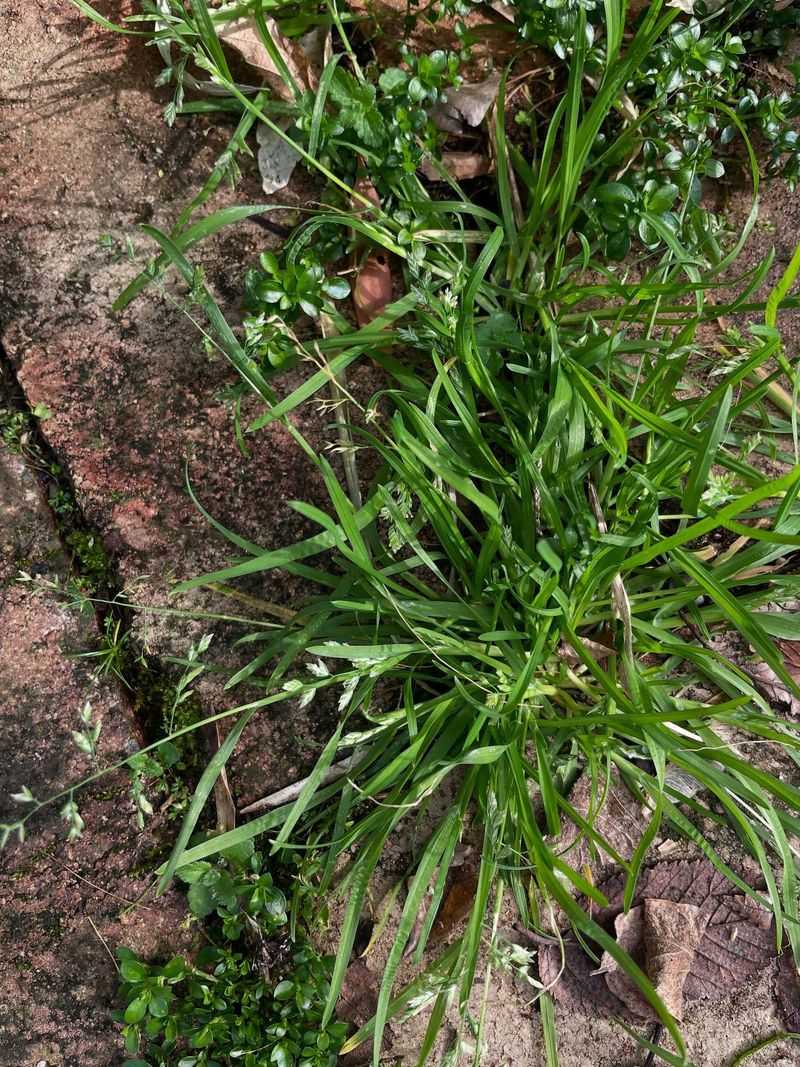
Weeds do not take a vacation just because the calendar says winter.
Florida’s mild climate allows many invasive plants to grow year-round, and they compete with your desirable plants for water, nutrients, and space.
Winter weeding is actually easier than summer weeding because the soil stays softer from seasonal rains, making it simpler to pull weeds out by their roots.
Focus on removing weeds before they flower and spread seeds throughout your yard.
A single weed plant can produce thousands of seeds, creating future headaches if left unchecked.
Pull weeds by hand when possible, grasping them close to the soil and tugging gently but firmly to remove the entire root system.
For stubborn weeds with deep taproots, use a weeding tool to dig them out completely.
Check both your lawn and garden beds, as weeds thrive in both locations.
Grass weeds like crabgrass and goosegrass can quickly take over bare spots in your lawn if not addressed early.
After weeding, apply a fresh layer of mulch to garden beds to suppress new weed growth.
Regular weeding sessions throughout winter keep your landscape looking tidy and prevent small problems from becoming major invasions come spring.
4. Clean And Sharpen Garden Tools
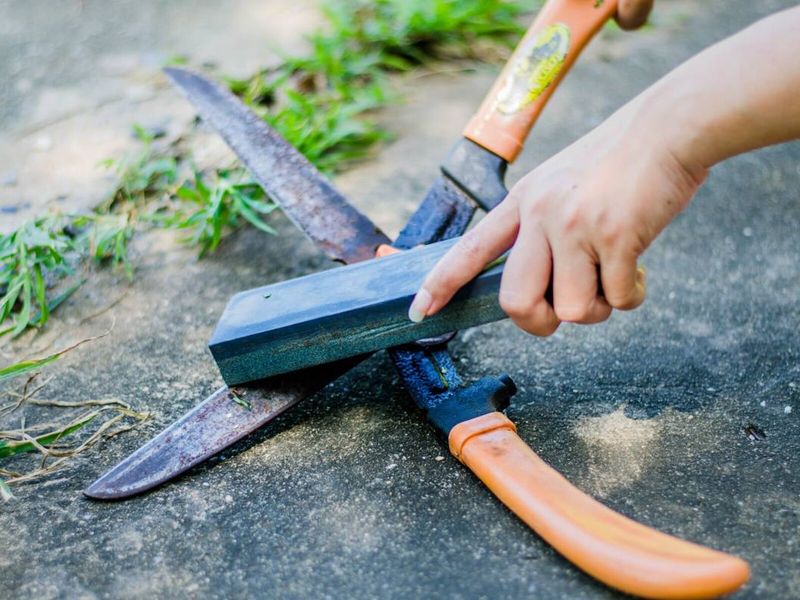
Your garden tools work hard all year, and winter provides the perfect opportunity to show them some love.
Sharp, clean tools make yard work easier, more efficient, and safer for both you and your plants.
Dull blades crush plant tissue instead of making clean cuts, which slows healing and invites disease.
Rusty or dirty tools can spread pathogens from one plant to another, potentially infecting your entire landscape.
Start by removing dried soil and plant residue from all your tools using a stiff brush or scraper.
For stubborn buildup, soak metal parts in warm, soapy water before scrubbing.
Once clean, sharpen cutting tools like pruners, shears, and lawn mower blades using a file or sharpening stone.
Follow the existing angle of the blade and make smooth, consistent strokes.
After sharpening, wipe metal surfaces with an oily rag to prevent rust.
Check wooden handles for splinters or cracks, and sand them smooth if needed.
Apply linseed oil to wooden handles to prevent drying and splitting.
Store your tools in a dry location where they will not be exposed to moisture.
Well-maintained tools last longer, perform better, and make every yard task more enjoyable throughout the coming year.
5. Fertilize Your Lawn Appropriately
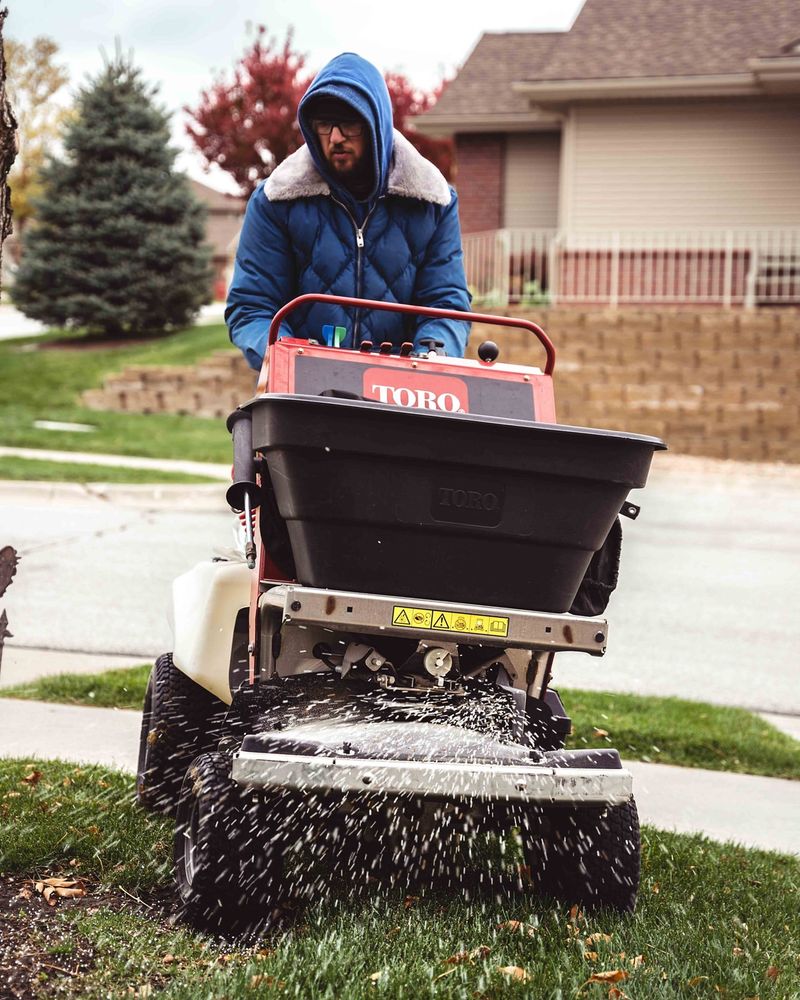
Most Florida lawns benefit from a light fertilizer application during winter, though the timing and type matter significantly.
St. Augustine grass, the most common lawn type in Florida, grows slowly during cooler months but still needs nutrients to maintain its health and color.
Applying too much nitrogen in winter can actually harm your grass by encouraging tender growth that becomes vulnerable to cold snaps.
Choose a fertilizer specifically formulated for winter use, with lower nitrogen content and higher potassium levels.
Potassium strengthens grass roots and improves cold tolerance without stimulating excessive top growth.
Apply fertilizer only when your grass shows signs of active growth, typically on warmer days when temperatures consistently reach the 60s or 70s.
Water your lawn lightly after fertilizing to help nutrients soak into the soil.
Avoid fertilizing right before predicted cold fronts, as this can stress your grass.
If your lawn looks healthy and green, it might not need any winter fertilizer at all.
Over-fertilizing wastes money and harms the environment by allowing excess nutrients to wash into waterways.
A soil test can tell you exactly what nutrients your lawn needs, taking the guesswork out of fertilization.
Proper winter feeding sets your lawn up for robust spring growth and better resistance to summer stress.
6. Inspect And Repair Irrigation Systems
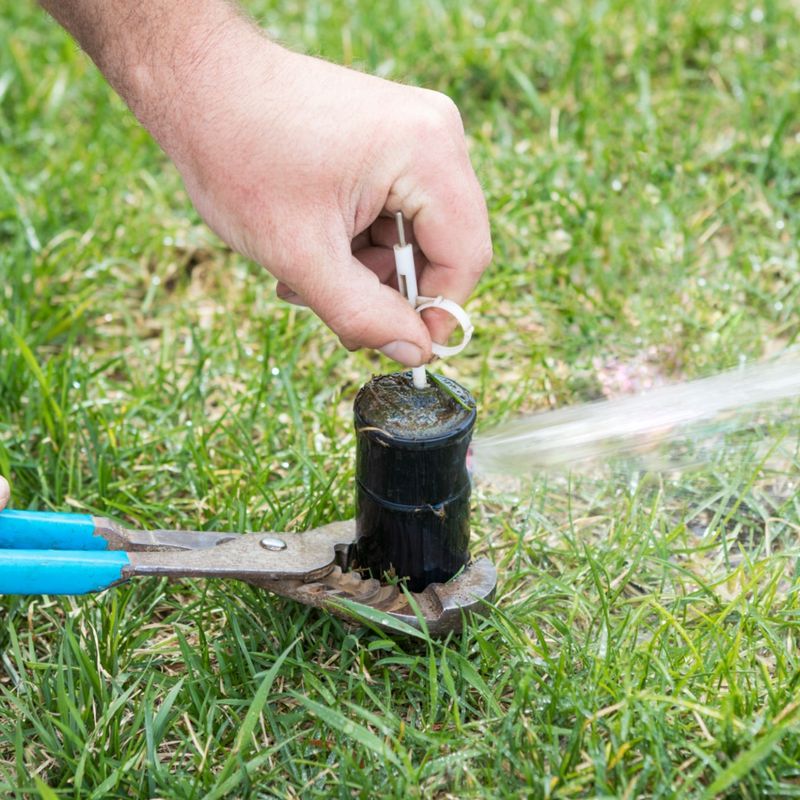
Winter’s cooler weather and frequent rain showers mean your irrigation system gets a break from constant use, making this the ideal time for inspection and repairs.
Even minor leaks or misaligned sprinkler heads waste significant amounts of water and money over time.
Walk through your yard and turn on each irrigation zone, watching carefully for problems.
Look for sprinkler heads that spray onto sidewalks, driveways, or buildings instead of your lawn and plants.
Adjust these heads so water lands only where needed.
Check for broken or clogged sprinkler heads that create dry spots or flooding.
Replace damaged heads promptly to ensure even coverage.
Examine all visible pipes and connections for leaks, which often appear as soggy spots or unusually green patches in your lawn.
Test your irrigation timer to make sure it runs on the correct schedule for winter conditions.
Most Florida lawns need much less water in winter than in summer, so adjust your watering frequency accordingly.
Clean any filters in your system to maintain proper water flow.
Consider installing rain sensors if you do not already have them, as these devices prevent your system from running during or after rainfall.
A well-maintained irrigation system conserves water, reduces your utility bills, and keeps your landscape properly hydrated year-round.
7. Mulch Garden Beds And Around Trees
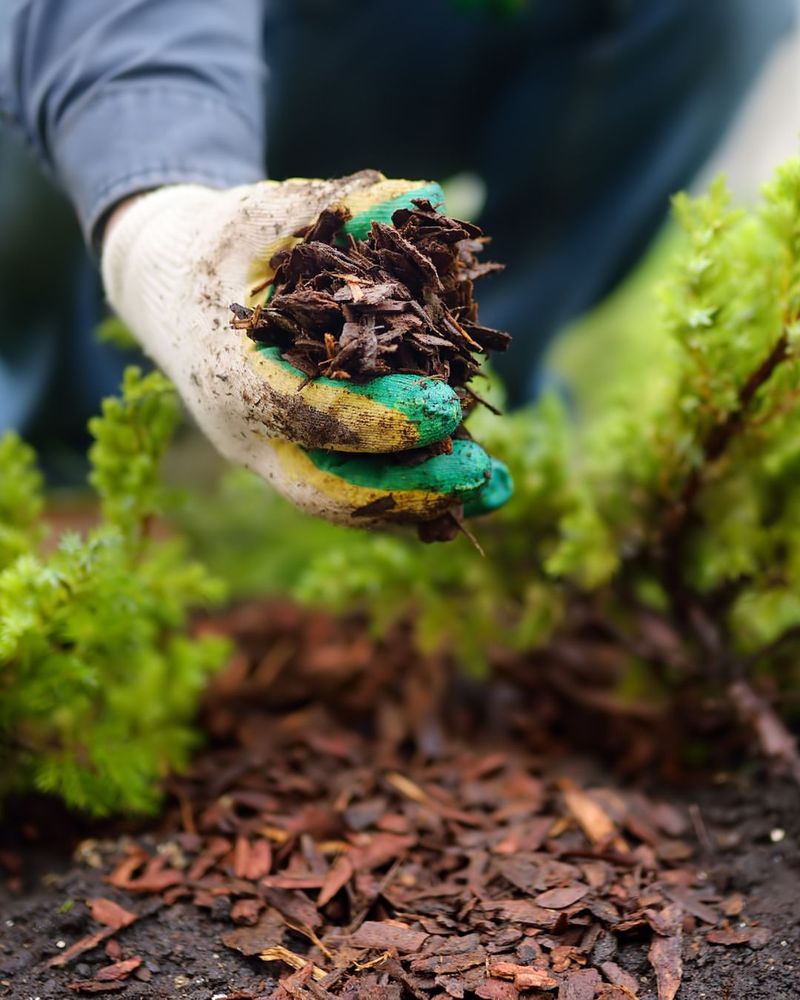
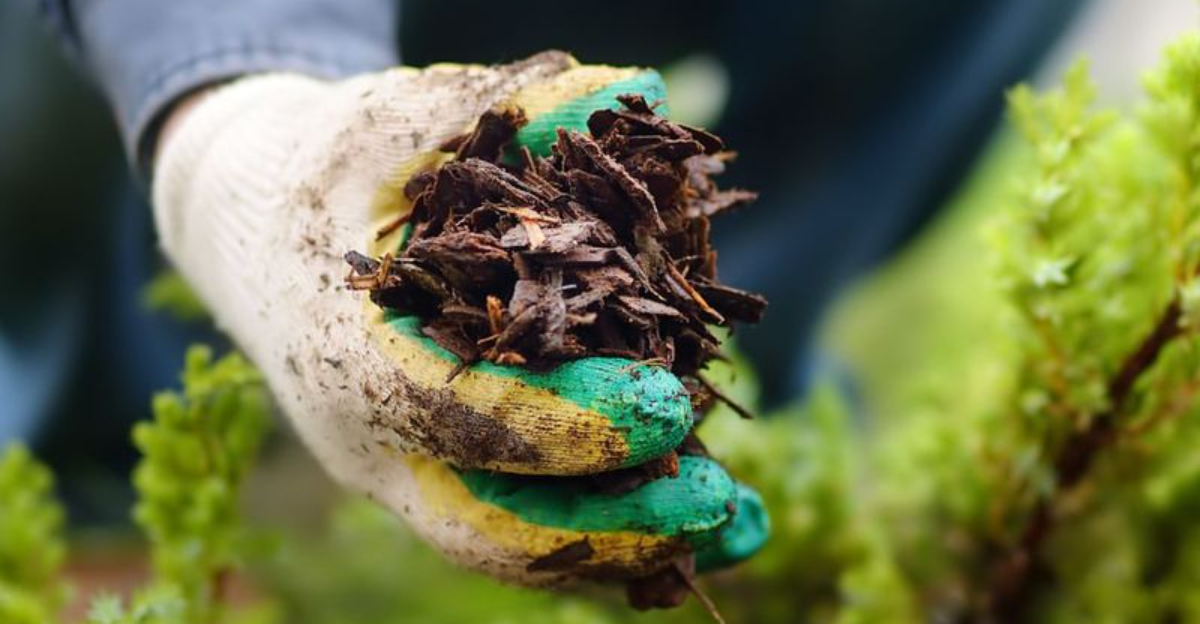
Mulch serves as a protective blanket for your soil, and winter is an excellent time to refresh or add new layers.
Organic mulches like wood chips, pine bark, or pine straw break down gradually, enriching your soil with nutrients while providing multiple benefits.
A proper mulch layer regulates soil temperature, keeping roots warmer during cold snaps and cooler during unseasonably warm days.
Mulch also conserves soil moisture, reduces weed growth, and prevents soil erosion during heavy winter rains.
Apply a two-to-three-inch layer of mulch around trees, shrubs, and in garden beds.
Keep mulch several inches away from plant stems and tree trunks to prevent rot and discourage pests from nesting against the bark.
Creating a volcano-shaped mulch pile around tree trunks is a common mistake that traps moisture and invites disease.
Instead, spread mulch in a flat, even layer that extends to the tree’s drip line.
For garden beds, pull back old mulch, remove any weeds, and then add fresh material on top.
Avoid piling mulch more than four inches deep, as excessive layers can prevent water and air from reaching plant roots.
Choose mulch colors and textures that complement your landscape design while providing practical benefits.
Fresh mulch instantly improves your yard’s appearance while protecting your plants throughout the winter months.
8. Check For And Address Pest Problems
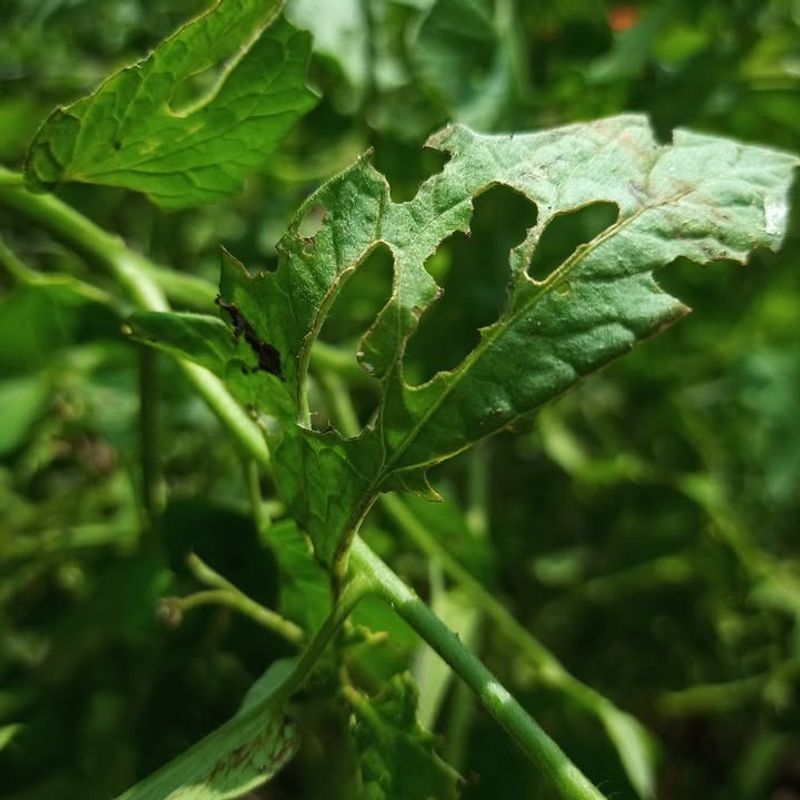
Pests remain active in Florida’s mild winters, and early detection prevents small problems from becoming major infestations.
Many insects slow down during cooler weather but do not disappear entirely, while some actually thrive in winter conditions.
Walk through your landscape regularly, examining both the tops and undersides of leaves for signs of pest activity.
Look for chewed edges, yellowing foliage, sticky residue, or visible insects.
Aphids, whiteflies, and scale insects commonly attack plants during winter months.
Spider mites also flourish in dry winter conditions, creating fine webbing on plant leaves.
Check the soil around plant bases for signs of grubs or other soil-dwelling pests that damage roots.
Chinch bugs can devastate St. Augustine grass even in winter, creating irregular yellow patches that spread quickly.
If you spot pest problems early, you can often control them with simple solutions like spraying leaves with water to dislodge insects or applying insecticidal soap.
For more serious infestations, consider targeted treatments that address specific pests without harming beneficial insects.
Remove heavily infested plant parts and dispose of them in sealed bags to prevent pests from spreading.
Encouraging natural predators like ladybugs and lacewings helps control pest populations without chemicals.
Regular monitoring keeps your plants healthy and reduces the need for intensive treatments later.