8 Yard Features That Invite Raccoons Into Texas Yards
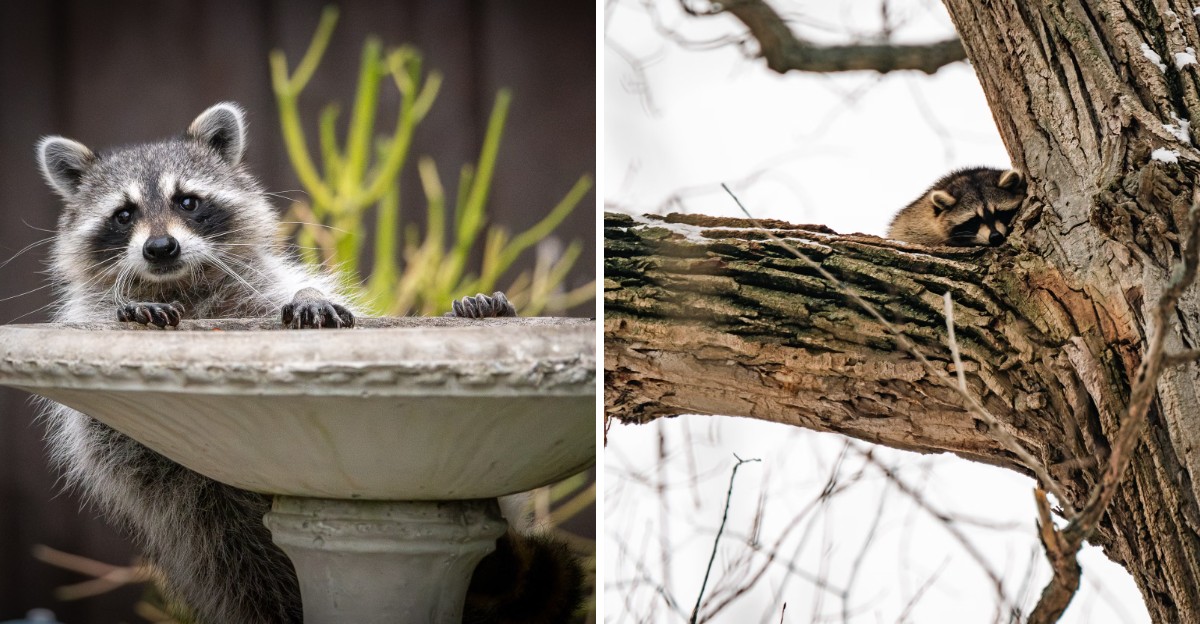
A masked burglar just picked your trash can like a cheap lock. Raccoons across Texas have learned that suburbs pay better than forests. Those front paws hold so many nerve endings that they read food like braille.
You secure a latch, and they study it until it surrenders. Some researchers found urban raccoons out-solved rural ones on trash-can puzzles.
Pet food on the porch sends a dinner invitation. Birdbaths, open compost, and leaky spigots turn that invitation into a reservation. Decks and crawl spaces then become private suites for mothers raising kits.
Meanwhile, their droppings can carry roundworm eggs that threaten kids and dogs. Texas law also regulates how you trap or relocate them.
So you need a plan that outsmarts them before the next midnight concert. Tonight, you lock the buffet, cancel the reservation, and evict that masked bandit.
1. Unsecured Trash Cans By The Garage
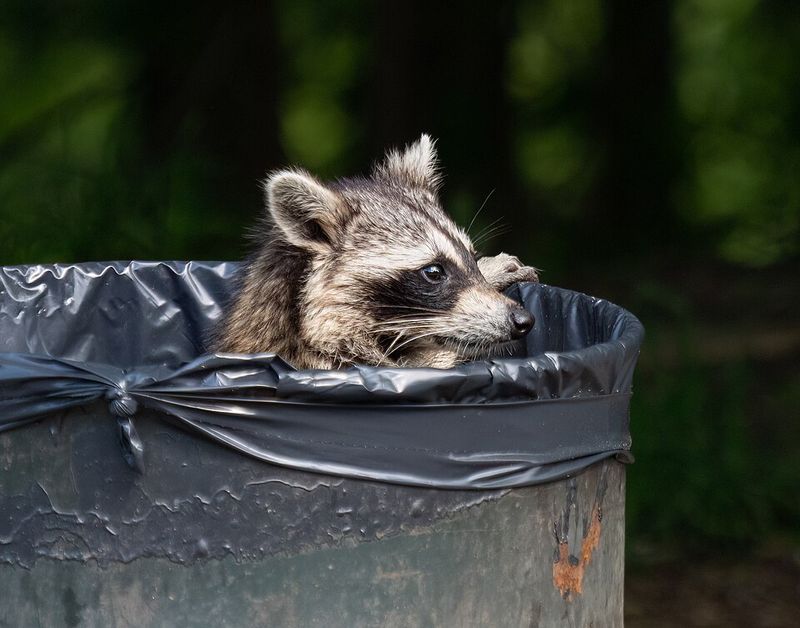
Picture a raccoon as a furry little burglar with nimble hands and no shame. Your trash can is its favorite safe to crack on a warm Texas night.
Raccoons have front paws that work almost like human hands. They can lift loose lids, tip over light bins, and pull out bags with ease.
In September, Texas nights stay warm, so food scraps start to smell strong fast. That smell drifts across the yard and acts like a dinner bell.
Leftover barbecue, chicken bones, and fruit peels are top prizes for a hungry visitor. Even a greasy paper plate can tempt one to start digging.
The fix starts with a sturdy can that has a tight, locking lid. Bungee cords or special latches help keep curious paws out.
Store your bins inside a garage or shed until trash day if you can. If they must stay outside, tie them to a post or fence.
Rinse cans with soapy water every week or two to cut down on smells. A splash of vinegar also helps clear lingering odors.
Try to put trash out the morning of pickup instead of the night before. That small change gives a masked visitor fewer hours to raid your leftovers.
Once the buffet closes, raccoons often move on to easier targets nearby. Your neighbors may not thank you, but your driveway will stay much cleaner and quieter.
2. Pet Food Bowls Left On The Porch
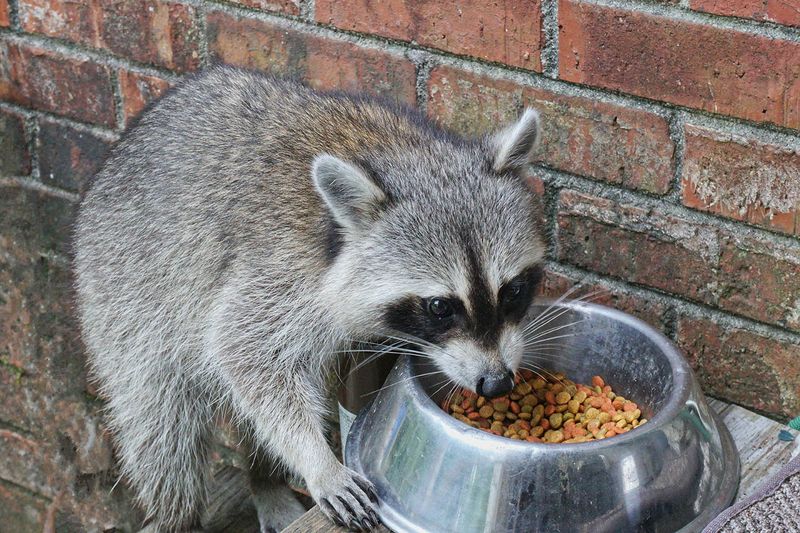
Your dog may think its dinner bowl is private property, but raccoons disagree. They see a porch full of kibble as a free, all-night snack bar.
Pet food is packed with fat and protein, which is exactly what raccoons crave. The crunchy bits are easy to grab and even easier to carry away.
Many Texas families feed pets outside on porches and patios. Sadly, the food left out after sunset becomes a magnet for masked guests.
Water bowls add to the appeal during dry spells. Raccoons often dip food in water because wet paws sharpen their sense of touch, so a full bowl is a welcome find.
Your Texas Garden Changes Every Week. Your Plan Should Too.
Gardening in Texas changes quickly throughout the season. Every Friday you’ll receive a simple weekly plan showing exactly what to plant, prune, fertilize, harvest, and protect so you never miss the right timing.
Feed pets during daylight hours and pick up bowls once they finish eating. A simple routine like this removes the main reason for a visit.
Keep bags of kibble in sealed plastic or metal bins, not paper sacks. Raccoons can chew through bags in a garage if the door stays open.
Run-ins between pets and raccoons can get ugly fast. Raccoons may carry rabies or roundworm, so keeping them apart protects your furry family.
Cat owners should watch out too, since outdoor feeding stations draw crowds. Try an automatic feeder indoors or a raised station you bring in nightly.
Check porches, patios, and back steps for crumbs before bed. A quick sweep takes a minute and leaves nothing tasty behind.
Your pets will still eat like royalty. The only difference is that the uninvited dinner guests will have to find another restaurant.
3. Fallen Pecans And Ripe Fruit In The Grass
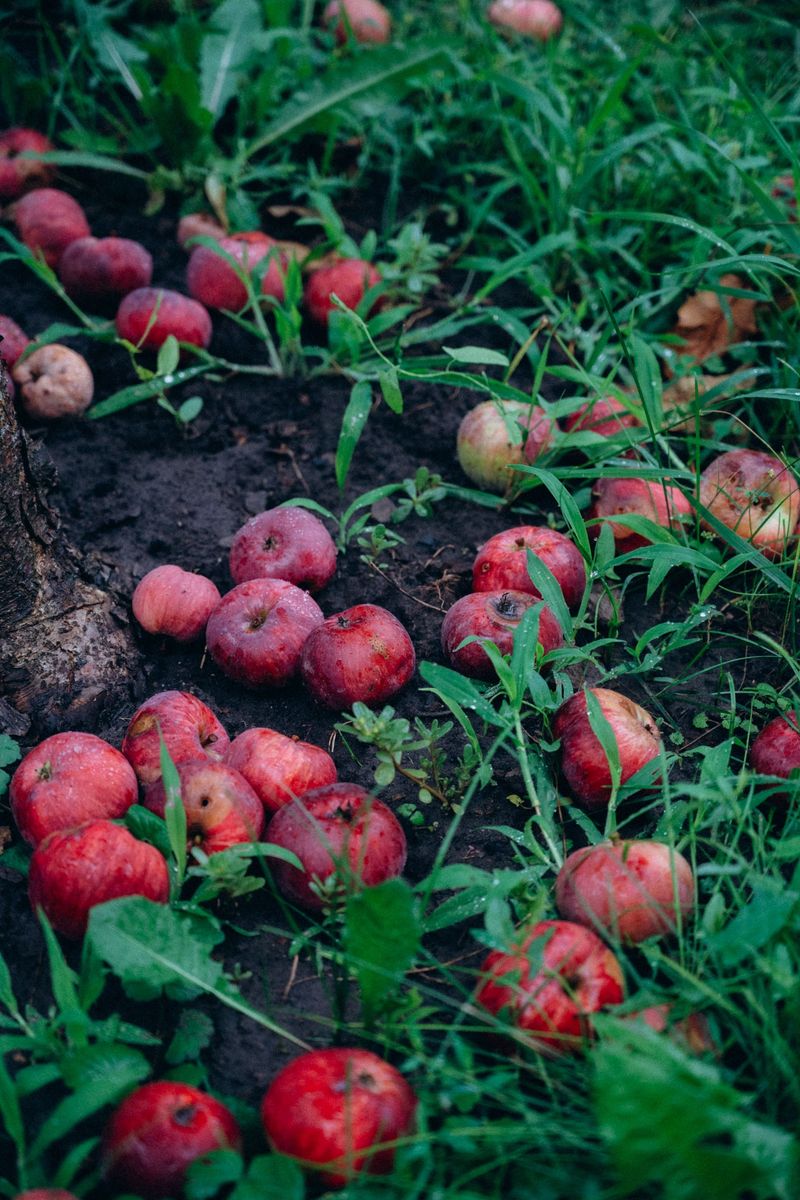
Ask any Texas grandmother about pecan season, and she will tell you raccoons love it too. Early pecan varieties start dropping in early fall, and the main harvest runs from October into winter.
In September, pears and persimmons ripen across much of the state, and late figs and early pecans add to the pile. Fallen fruit piles up fast under busy trees.
Raccoons have a great sense of smell and can find sweet fruit from far away. Rotting fruit smells even stronger, which makes it harder to ignore.
Once a raccoon finds a good tree, it will come back night after night. It may even bring family members along for the feast.
Gardens are at risk as well, especially sweet corn, melons, and late tomatoes. Raccoons tend to take one bite and move on to the next.
Pick up fallen nuts and fruit every day or two during the season. A rake, a bucket, and a few minutes can make a big difference.
Harvest ripe fruit a little early if you can, then let it finish ripening indoors. That way you enjoy the harvest instead of your visitors.
Metal tree collars can stop raccoons from climbing trunks when branches do not touch other trees. For gardens, a low electric fence works well.
Compost the spoiled fruit in a closed bin, not an open pile. Otherwise, you just move the snack bar to a new corner.
Extra pecans make great pies, cookies, and gifts for neighbors. Sharing your harvest with people beats sharing it with a masked bandit any day.
4. Bird Feeders Spilling Seed On The Ground
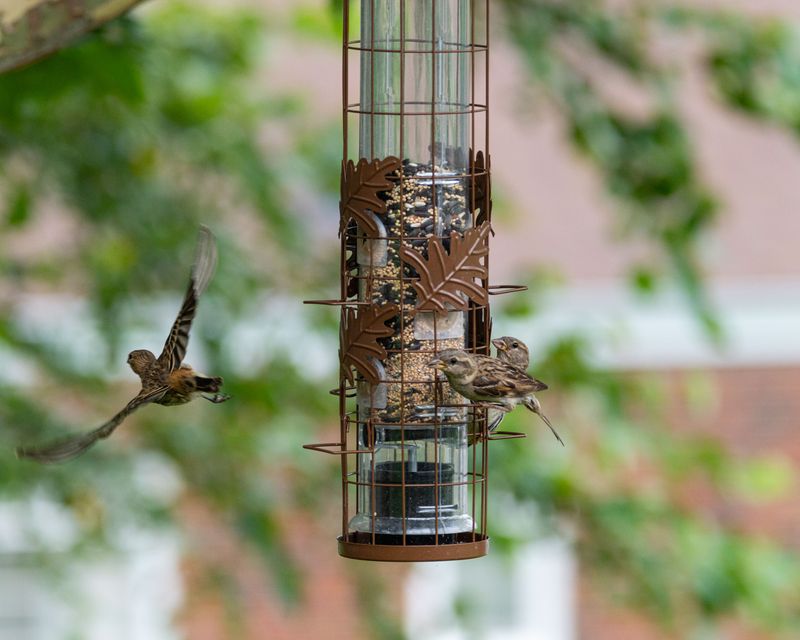
Birdwatchers love waking up to cardinals and blue jays at the feeder. The night shift, however, brings a much fuzzier crowd.
Seed spills from feeders every day as birds pick through their favorites. That scattered seed on the ground is an easy midnight snack for raccoons.
Raccoons are also skilled climbers and can shimmy up poles or hang from branches. Some will tip a whole feeder over just to empty it.
Suet cakes are a special temptation because they are pure fat. Hummingbird feeders filled with sugar water can draw sweet-toothed visitors as well.
In September, fall migration brings many birds through Texas, so feeders stay busy. More birds mean more spilled seed and more chances for trouble.
Bring feeders inside at night, or take them down for a few days if raccoons show up. Birds will return quickly once you refill them.
A baffle on the pole blocks climbers from reaching the top. Place the pole at least ten feet from trees, fences, and roofs.
Use a seed tray under the feeder to catch spills before they hit the grass. No-mess seed blends without shells also leave less waste behind.
Many birdwatchers switch to hulled sunflower hearts to reduce mess. With no shells to drop, far less waste reaches the ground below.
Sweep or rake below feeders every few days to clear leftovers. A clean patch of ground gives raccoons less reason to stop by.
5. Backyard Ponds And Leaky Water Sources
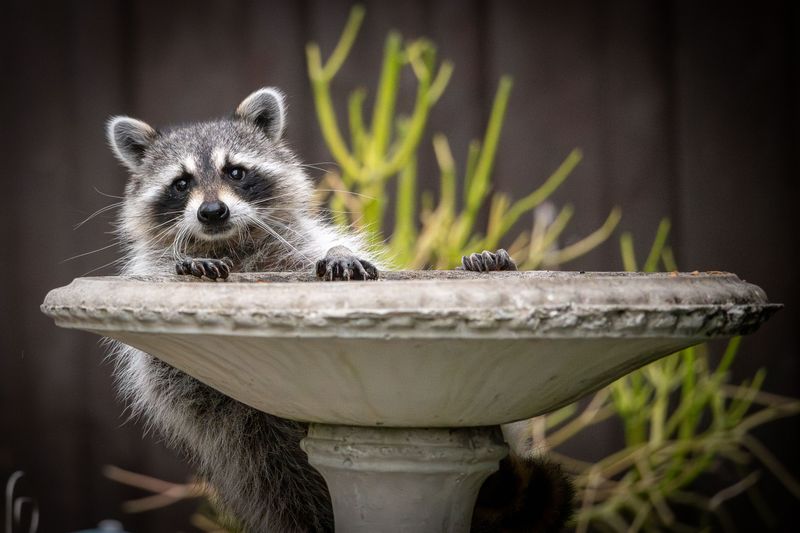
Water is life in a Texas summer, and that heat often lingers well into September. Raccoons need a drink too, and your yard may offer the best one.
Backyard ponds are like a snack bar and a swimming pool rolled into one. Fish, frogs, and crayfish make tasty meals for clever paws.
Raccoons love to wade in shallow water and feel around for food. Koi and goldfish can disappear overnight when a hungry raccoon finds them.
Bird baths, dripping hoses, and leaky sprinkler heads can draw attention too. Even a clogged gutter that holds water can become a rooftop drinking fountain.
Protect your pond with sturdy netting or a metal grid across the surface. Adding steep edges and deep sections gives fish a safe place to hide.
Stack a few rocks or plant pots underwater to create caves for fish. Water lilies also provide cover and shade from curious hunters.
Fix leaky faucets and hoses as soon as you spot them. Empty buckets, kiddie pools, and plant saucers after rain or play time.
Motion-activated sprinklers are a clever trick for ponds and gardens. A sudden spray startles raccoons and sends them running without causing harm.
Clean your gutters in early fall so rainwater flows away from the house. Pooled water there can also invite mosquitoes and other pests.
Keeping water under control saves money on your bill too. Your fish will thank you by staying right where you left them.
6. Open Compost Piles Full Of Kitchen Scraps
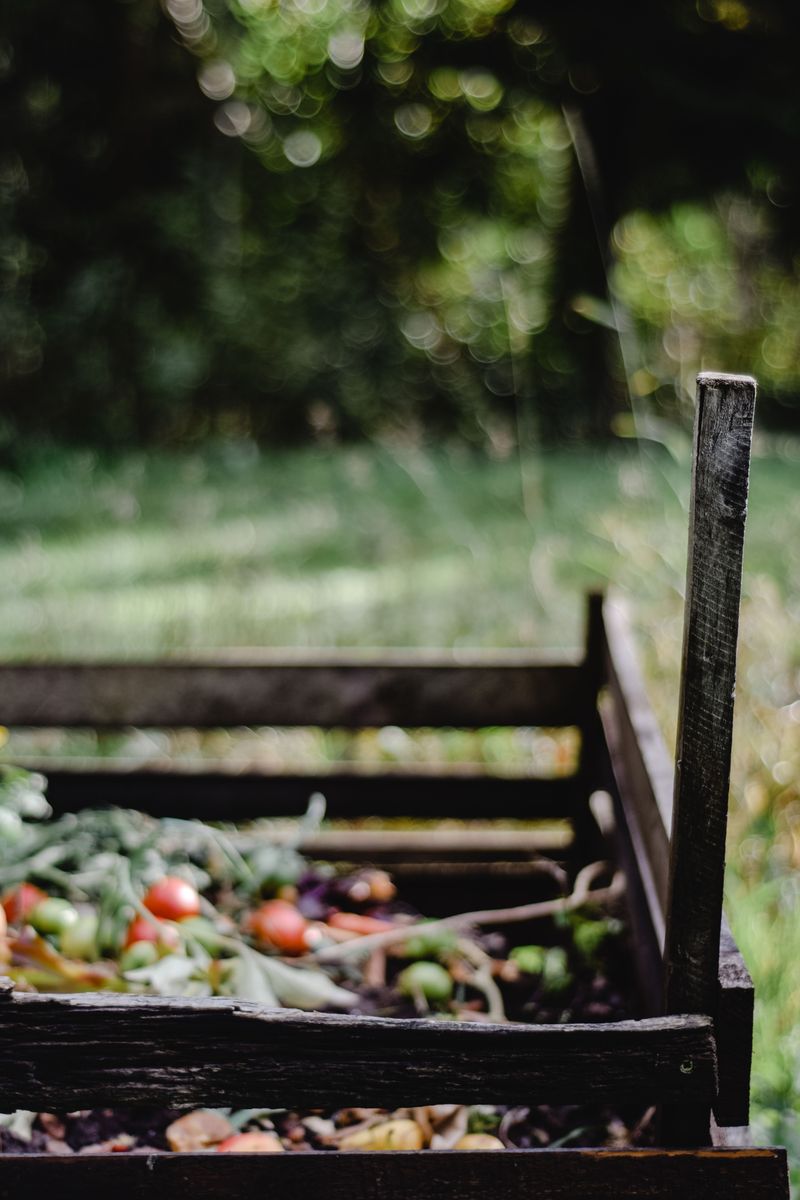
Composting is a smart way to feed your garden, but an open pile feeds raccoons first. To them, it smells like a warm, messy buffet.
Kitchen scraps like melon rinds, corn cobs, and eggshells give off strong scents as they break down. Raccoons can follow that smell across several yards.
Meat, dairy, bread, and greasy leftovers are the biggest troublemakers. They rot fast and attract raccoons, rats, and even stray dogs.
Stick to fruit and veggie scraps, coffee grounds, leaves, and grass clippings. That mix breaks down well and smells less tempting.
A closed bin with a lid is far better than an open heap. Tumbler composters that sit off the ground are even harder to break into.
Bury fresh scraps under a layer of dry leaves or soil each time you add them. Covering them hides the smell and helps the pile heat up faster.
In September, fallen leaves start to pile up in many Texas yards. Those crunchy browns are perfect for covering food waste in your compost.
Turn your compost every week or so to keep it breaking down quickly. A hot, active pile stinks less than one left to sit.
Place bins away from fences, sheds, and trees that raccoons might use as highways. Hardware cloth under the bin blocks diggers from sneaking in below.
Done right, compost gives your garden rich soil for spring planting. Raccoons simply miss out on the free meal.
7. Gaps Under Decks And Sheds
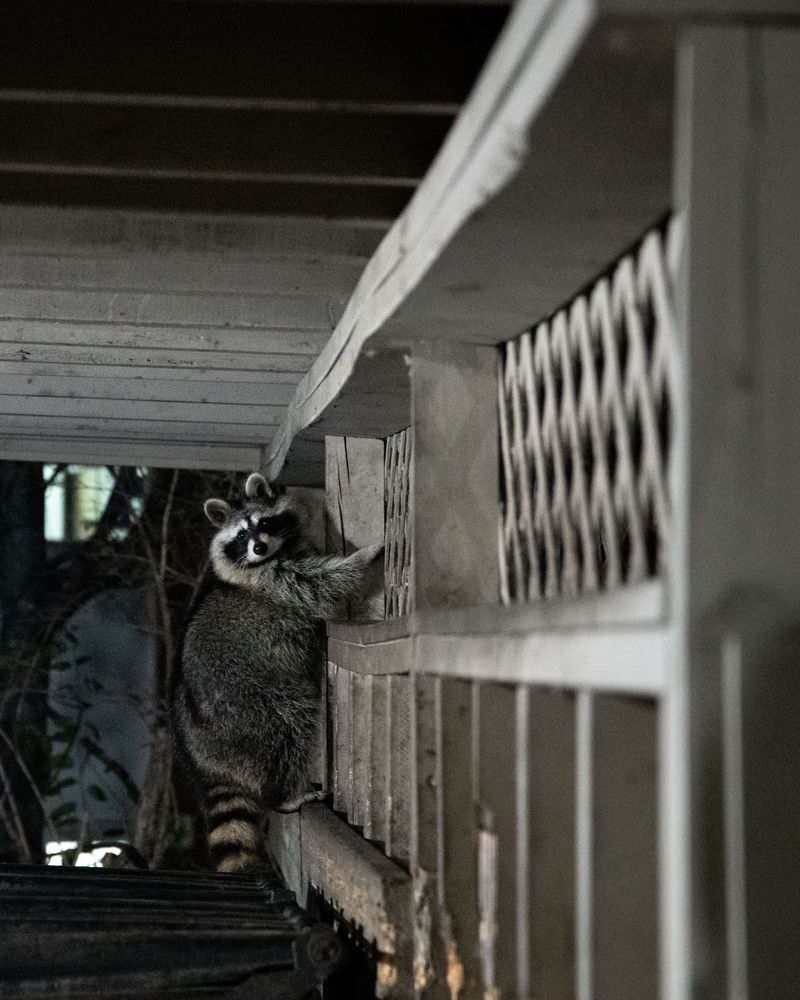
Mother raccoons are house hunters with high standards and sharp claws. A dark, dry gap under your deck looks like a dream home.
Raccoons often look for dens where they can rest during the day and raise babies. Decks, sheds, porches, and crawl spaces fit that description nicely.
Late summer and early fall are when young raccoons start leaving their mothers. Those teenagers go searching for their own places, so fall brings a second wave of den hunting after spring birthing season.
Signs of a tenant include scratched wood, flattened grass, droppings, and strange noises at dusk. You might also smell a musty odor near the opening.
Before sealing any gap, make sure no one is living inside. Sprinkle flour at the entrance and check for paw prints the next morning.
If babies are present, wait until the family leaves or call a licensed wildlife expert. Trapping a mother can leave her young stuck and starving.
In Texas, transporting a live raccoon without authorization is a Class C misdemeanor, so let a licensed professional handle removal.
Once the space is empty, block openings with heavy hardware cloth. Bury the bottom edge about a foot deep so raccoons cannot dig under it.
Check sheds for loose boards, broken vents, and gaps around doors. Even a four-inch hole can be enough room for a determined raccoon.
Stacked firewood, old tires, and piles of lumber make handy hiding spots too. Clear clutter and store wood off the ground on a sturdy rack.
Your deck should be for summer cookouts, not raccoon sleepovers. A weekend of patching now can save headaches later.
8. Overhanging Branches Near The Roofline
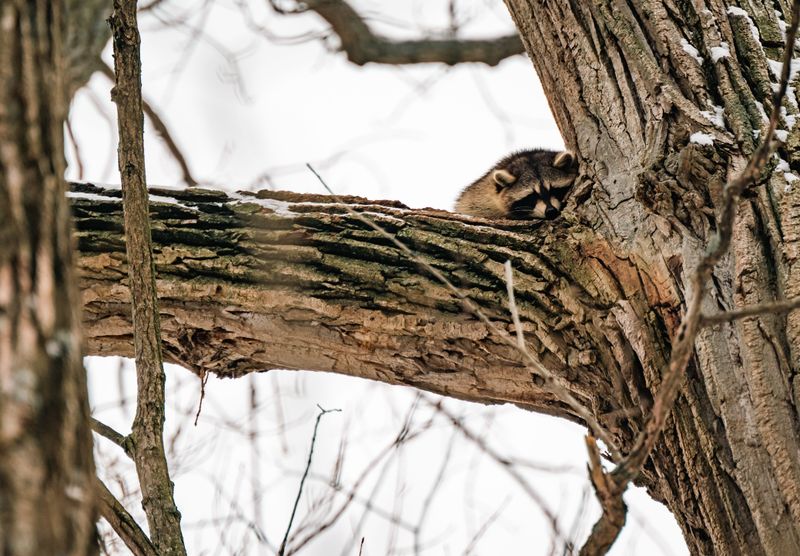
Think of tree branches as sky bridges built just for raccoons. When limbs hang over your roof, you have handed out a free pass upstairs.
Raccoons are excellent climbers with sharp claws that grip bark easily. From a branch, they can drop onto shingles in a single hop.
Once on the roof, they hunt for weak spots like loose vents, chimneys, and soffits. An attic is warm, dry, and safe from Texas storms.
Homeowners often hear the first clues at night. Thumps, scratching, and chattering above the ceiling usually mean someone has moved in.
Raccoons in an attic can tear insulation, chew wires, and leave messy droppings behind. Repairs can cost far more than a simple tree trim.
Trim branches so they sit at least eight to ten feet away from your roof. Hire a certified arborist for large limbs, and call your utility company about branches near power lines.
Check the recommended pruning window for each tree before you cut, especially oaks, which fall under Texas A&M Forest Service oak wilt guidance. Paint fresh oak cuts right away to lower the risk of spreading the disease.
Install a chimney cap and cover vents with sturdy metal mesh. Check your roofline for gaps after big storms or hail.
Wrap a smooth metal sheet around trunks near the house to stop climbers. Keep trellises and vines trimmed so they do not reach the gutters.
Downspouts can serve as ladders too, so consider adding guards to them. Smooth plastic or metal sleeves make climbing much harder.
Your trees can still offer shade and beauty without becoming a ladder. Raccoons will just need to find another penthouse.