Yellow Leaves On A Thanksgiving Cactus? 10 Most Likely Causes
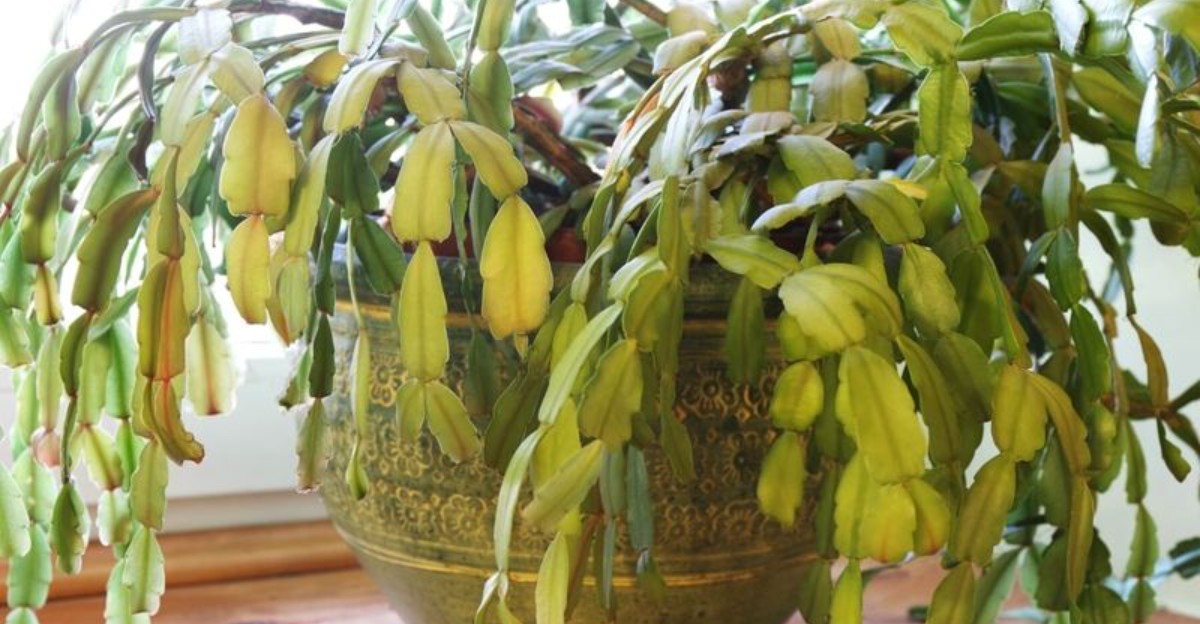
The flat green pads on my favorite holiday bloomer are not leaves at all, but jointed stems called cladodes. Out in the Brazilian rainforest, its wild relatives grow perched on tree branches instead of desert sand.
That treetop lifestyle explains why this plant reacts so strongly to soggy pots and harsh sun. It evolved under shady leaves, sipping rain and humid air, with roots that dried quickly between storms.
I panicked the first time a few segments turned the color of butter on my kitchen windowsill. After some careful detective work, I learned that yellowing is a message rather than a final verdict.
You can usually read that message once you know which clues to check first in the pot. Here are the common culprits behind a yellowing holiday cactus, and how to crack the case.
1. Harsh Afternoon Sun Bleaches Thanksgiving Cactus Stems
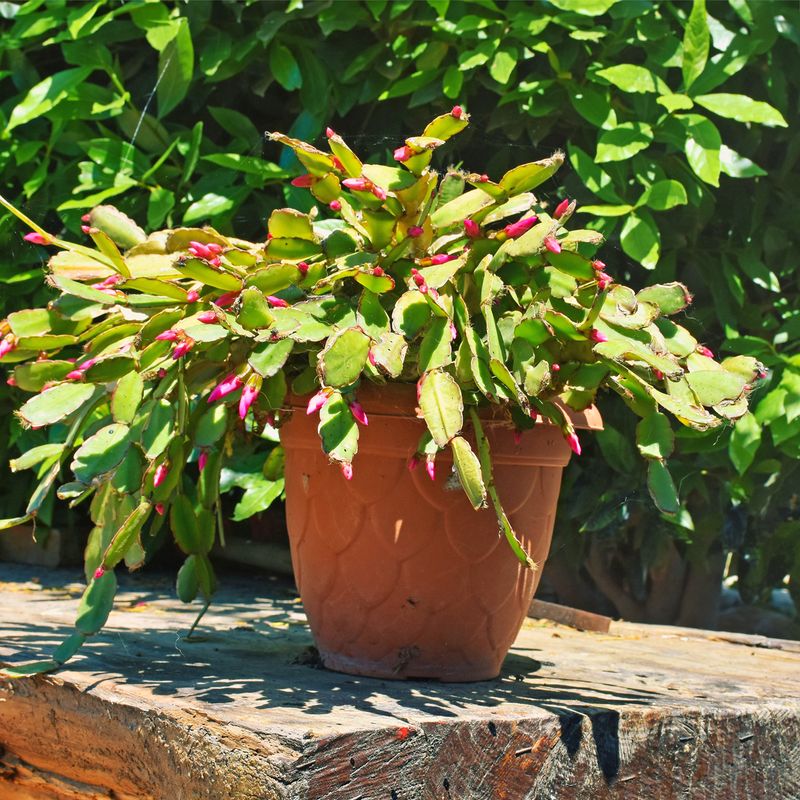
My first holiday cactus spent one summer week on a sunny porch rail and came back looking faded and tired. The glossy green segments had turned a sickly lemon shade, and a few edges even blushed a reddish purple color.
In Brazil, these plants grow tucked under a rainforest canopy, catching only filtered light through the busy leaves above them. Direct midday sun is simply too strong for their tissues, so the green pigment breaks down and the color fades.
Too little light causes trouble as well, since a plant parked in a dim corner slowly turns pale and weak. Without enough brightness, photosynthesis slows down, and the stems lose that rich, healthy green you hope to see every day.
Bright, indirect light is the sweet spot, so try a spot several feet back from a sunny window in your home. A sheer curtain also softens strong rays without leaving your plant stuck in gloomy shadows for most of the day.
Move a sunburned plant gradually, because a sudden switch from heavy glare to deep shade can create fresh stress. Bleached segments rarely regain full color, but new growth should come in nicely green once the light finally improves.
2. Soggy Soil And Mushy Roots From Overwatering
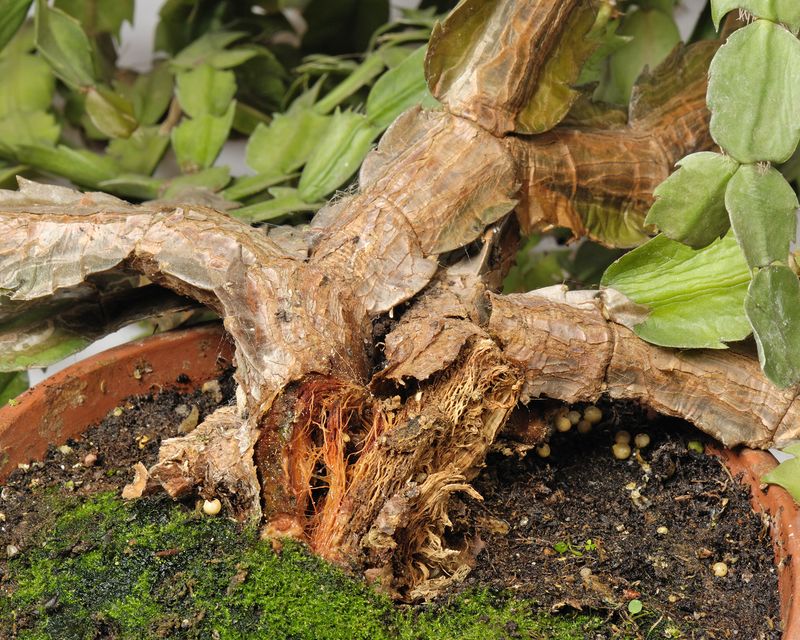
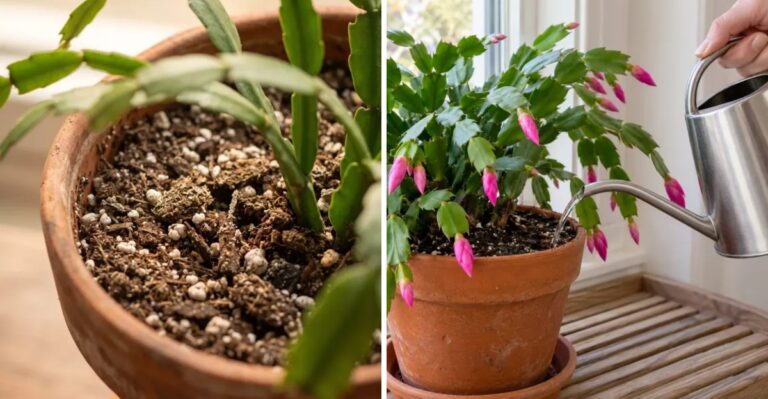
Love can drown a plant, and I learned that lesson after watering my cactus every few days like a thirsty fern. Within a month, the lower segments felt soft and squishy, almost like overripe grapes left out on the counter.
Overwatering ranks among the most common reasons these plants turn yellow, according to many university extension gardening experts. Constantly wet soil pushes oxygen away from the roots, which then rot and can no longer carry water or nutrients upward.
Healthy roots look firm and light colored, while rotting roots turn brown or black and feel slimy between your fingers. You might also notice a musty smell rising from the pot, which is a clear sign that trouble is brewing below.
Let the top inch or two of soil dry before you water again, and check with your finger first each time. If rot has spread, slide the plant out gently and trim away every soft, dark root with clean scissors.
Repot the trimmed plant into fresh, fast draining mix, and hold off on watering for a few days afterward. Terra cotta pots help a lot here because the porous clay pulls extra moisture away from those recovering roots.
3. Shriveled Thanksgiving Cactus Segments From Thirst
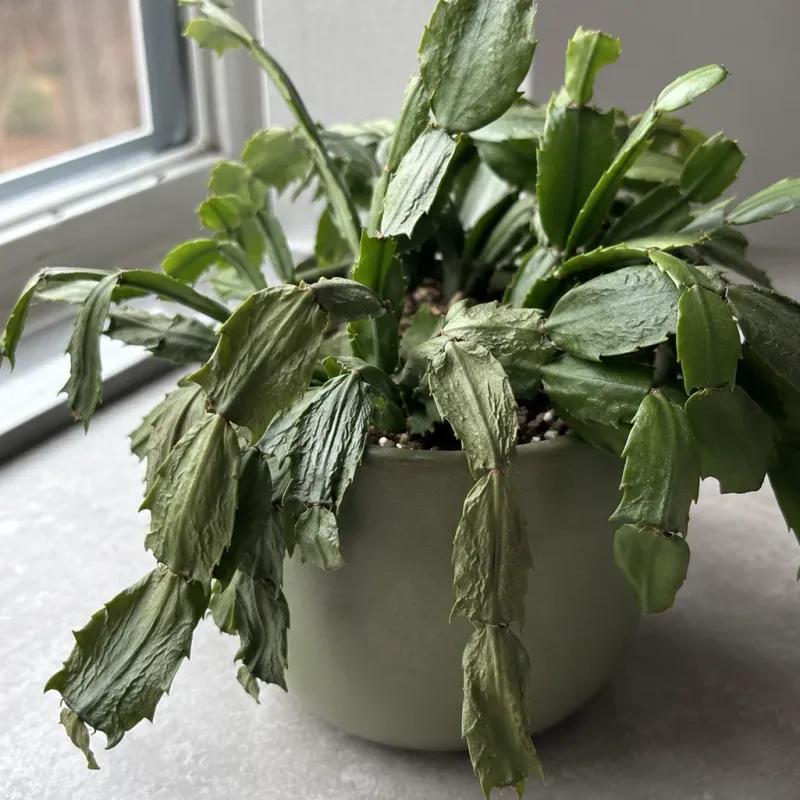
Wrinkles on a cactus segment look a lot like fingertips after a long bath, except the cause is the exact opposite. A thirsty plant starts pulling moisture from its own stems, so the tips shrivel and slowly fade toward yellow.
Because these plants come from rainforest trees, they handle drought far worse than their spiny desert cousins out west. The soil in a neglected pot often feels bone dry, and it may even shrink away from the container edges.
I once forgot a plant behind a curtain during a busy holiday week, and it looked deflated when I found it. A slow, thorough drink brought the segments back to plump and firm within just a few days of steady care.
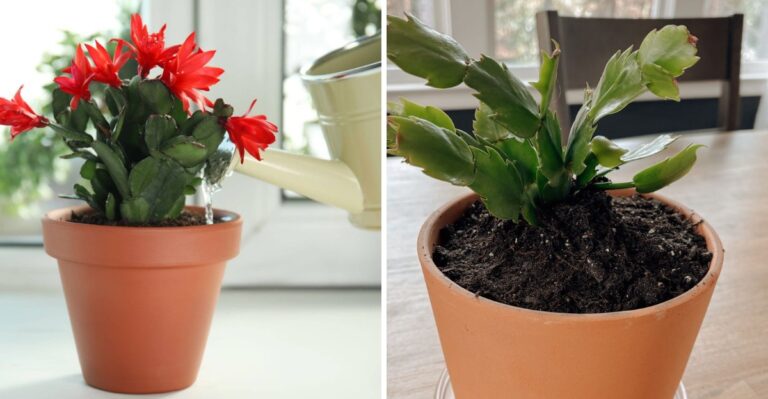
Water deeply until it trickles out the drainage holes, then let the extra drain away instead of sitting in a saucer. Check the soil again when the top inch feels dry, which might be weekly in warm summer weather.
Growth slows in winter, so the plant usually needs less water during those cooler, darker months indoors. Matching your schedule to the season keeps the stems plump without tipping the balance toward soggy, rotting roots underneath.
4. Hungry Thanksgiving Cactus Needs A Fertilizer Boost
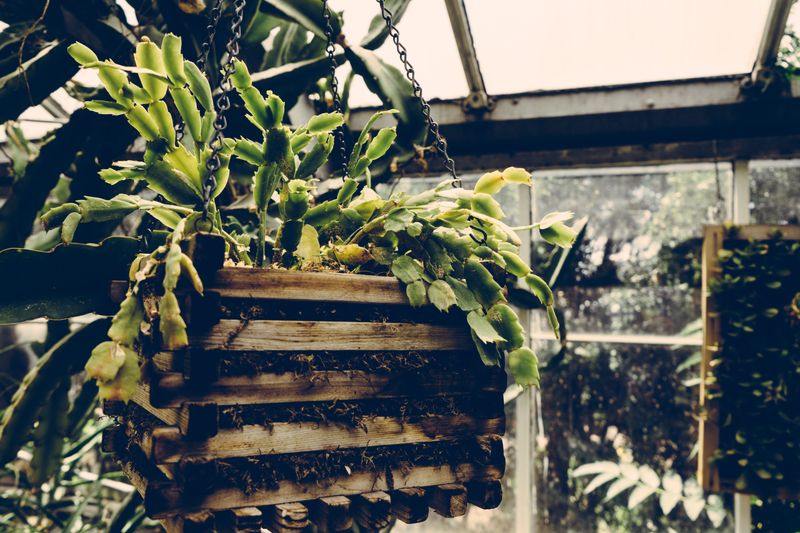
Plants can run low on groceries too, and an old potting mix slowly empties its pantry over the years. When older segments fade to an even, pale yellow across the plant, hunger becomes a likely suspect worth investigating.
Nitrogen shortages are a frequent culprit, since that nutrient helps build the green pigment plants use for making food. Magnesium matters as well, and some growers notice yellowing on low magnesium plants grown in tired soil for years.
I find that uniform paleness points to nutrition, while blotchy spots or mushy patches usually suggest a different problem entirely. That simple difference saves me from guessing wildly and pouring random products into the pot every time something looks off.
Feed monthly from spring through late summer with a balanced liquid houseplant fertilizer mixed at half the normal strength. Skip feeding during winter, because the plant is resting and extra salts can build up around the delicate roots.
Some gardeners add one teaspoon of Epsom salt per gallon of water once a month in the growing season. Keep that treatment in a different week from regular fertilizer, and repot into fresh mix when the old soil looks exhausted.
5. Heavy Potting Soil Traps Water Around Cactus Roots
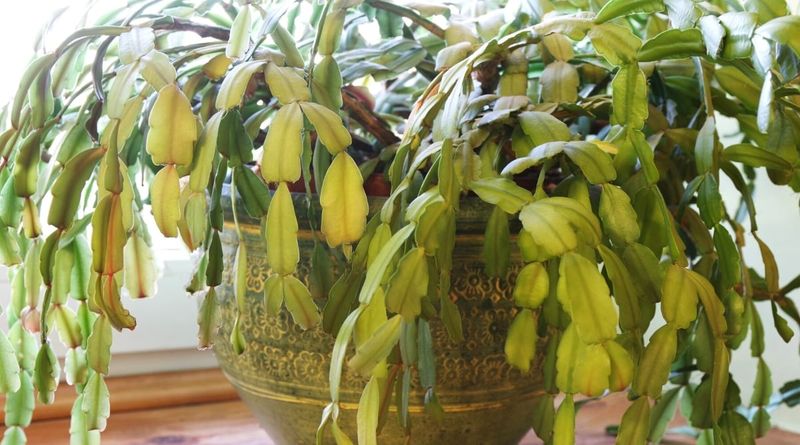
A pretty decorative pot without a drainage hole is basically a tiny swimming pool for your poor cactus roots. I fell for a glazed ceramic container once, and my plant started yellowing from the bottom up within weeks.
Regular bagged potting soil holds plenty of moisture, which suits ferns but feels stifling to a tree dwelling cactus. In the wild, these roots cling to bark and leaf litter that drains quickly after every heavy tropical rain shower.
When water lingers too long, the symptoms look just like overwatering, with soft segments and a stubbornly soggy mix. Even careful watering habits cannot help much if the soil and container refuse to let extra water escape below.
Choose a pot with at least one good drainage hole, and set decorative containers aside unless you use them as covers. Then repot into a mix made for cacti or succulents, which lets air reach the roots between each watering.
You can also loosen regular potting mix by stirring in perlite or coarse sand for a lighter, chunkier texture. Your fingers should feel the difference right away, since a good mix crumbles apart instead of clumping like wet clay.
6. Spider Mites And Scale Insects Hiding On Cactus Segments
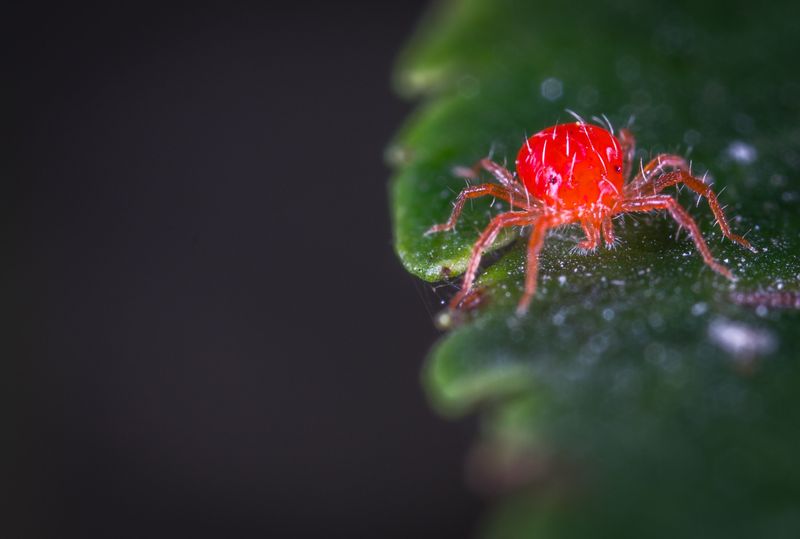
Tiny freeloaders sometimes move in without paying rent, and they love sipping sap from those juicy green cactus segments. Spider mites and scale insects are two common culprits that can slowly drain color from an otherwise healthy plant.
Spider mites are so small that you may spot their fine webbing before you notice the actual pests themselves. Scale insects look like small brown or tan bumps stuck to the stems, and many people mistake them for natural marks.
I keep a magnifying glass near my plants because a quick weekly peek catches problems before they spread around the house. Check the joints and the undersides of segments closely, since pests often hide in those snug, protected spots first.
Wipe away scale with a cotton swab, then treat the plant with insecticidal soap or neem oil following label directions. Repeat treatments are usually needed, because eggs often hatch after the first spray and start a fresh round of trouble.
Fungal and bacterial diseases can also cause yellowing, especially when soggy soil and poor airflow combine over time. Isolate any sick plant from your other houseplants until it recovers, which keeps pests and diseases from hopping between pots.
7. Chilly Window Drafts Shock A Tropical Cactus
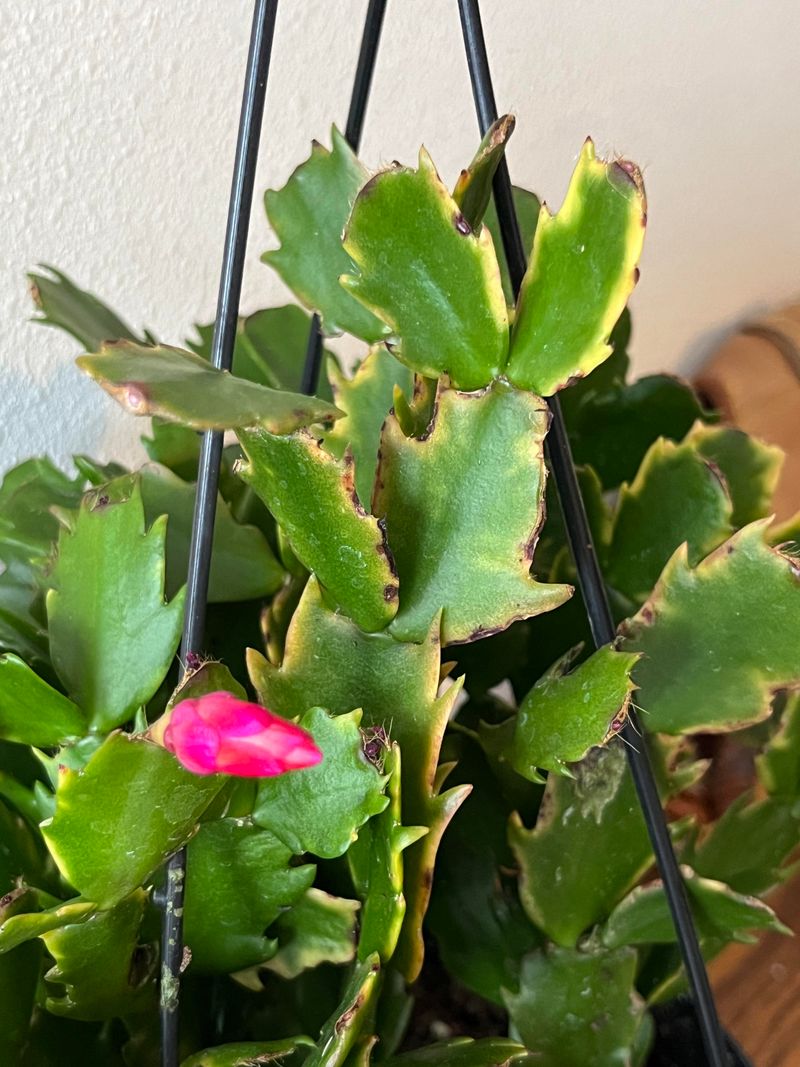
Tropical roots do not appreciate a sneaky blast of cold air every time somebody opens the front door. My cactus once lived beside a leaky winter window, and its segments turned pale and limp within a couple weeks.
These plants come from mild rainforest climates, so they prefer steady temperatures without wild swings between day and night. Cool nights in fall actually help trigger blooms, but sudden icy drafts or frosty glass push the plant into real stress.
Heat causes problems too, since a plant parked above a radiator or beside a vent dries out unevenly and quickly. Air conditioning blasts in summer can create similar shock, leaving segments yellow and sometimes dropping off without much warning.
Find a spot away from doors, heating vents, and cold window panes, especially when outdoor temperatures drop at night. Pulling the pot a few inches back from the glass on cold evenings makes a surprisingly big difference for comfort.
I like to hold my hand near a window to feel for drafts before choosing a home for any plant. If your fingers feel chilly there, your cactus probably feels it too, so move it somewhere cozier right away.
8. Fresh Repotting Or Crowded Roots Stress Your Cactus
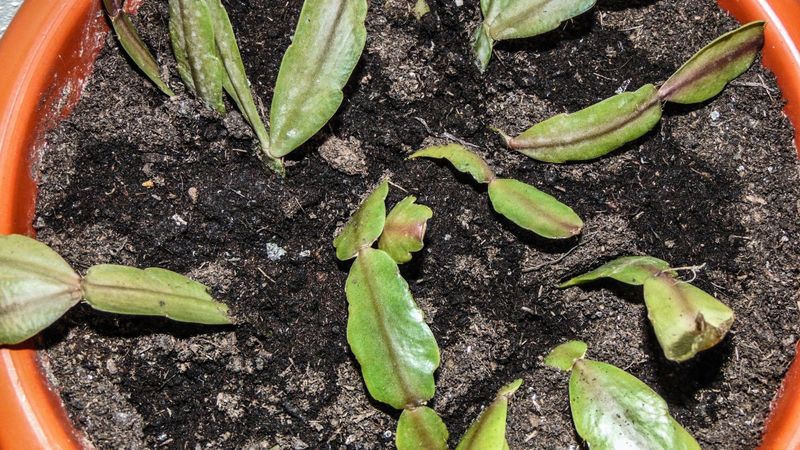
Moving day stresses plants just like it stresses people, and a freshly repotted cactus may sulk for a while. A few yellow segments after repotting or relocating usually signal temporary shock rather than a serious long term problem.
Disturbed roots need time to settle into new soil before they can absorb water and nutrients like before. During that adjustment period, I water lightly and resist the urge to fuss, because extra moisture invites rot in damaged roots.
On the flip side, a plant left too long in one pot can become crowded with tightly packed roots. Once roots fill every inch of space, they struggle to take up enough water and food, and the stems begin yellowing.
These cacti actually enjoy snug quarters, so most only need repotting every two or three years at the most. Slide the plant out and look for roots circling the bottom, which is a clear sign it needs more room.
Choose a new container just one size larger than the old one, since oversized pots hold extra soggy soil. Spring after flowering is a fine time to repot, giving the plant months of growth before the next bloom season.
9. Dry Indoor Air Leaves Rainforest Cactus Thirsty
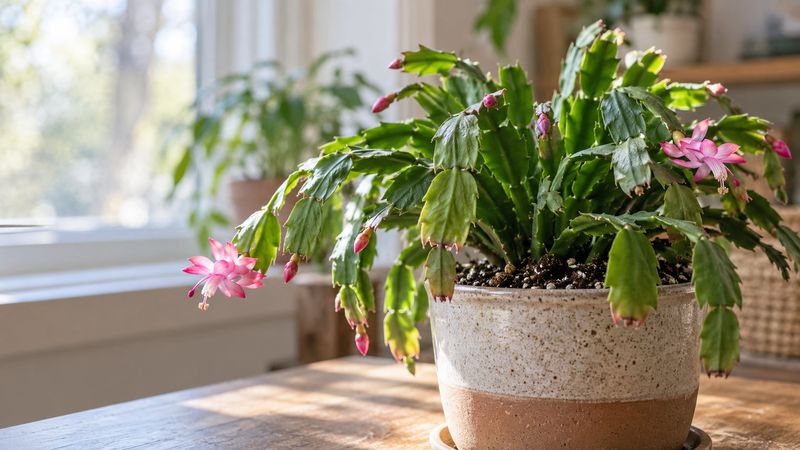
Winter heating can make indoor air as dry as a desert, which feels strange to a plant from humid rainforest trees. When the furnace runs for months, some cacti respond with yellowing segments that look tired and slightly dull.
In their native Brazilian forests, these plants soak up moisture from misty air and frequent rain showers all year. A warm living room with low humidity creates a very different world, and the plant loses water faster through its stems.
I noticed my own cactus looked happier once I grouped it with other houseplants on a shelf near the kitchen. Plants release moisture as they grow, so clustering them together creates a small pocket of friendlier, damper air nearby.
A pebble tray is another simple trick, made by filling a shallow dish with gravel and adding water below the stones. Set the pot on top so it stays above the waterline, letting evaporation raise humidity without soaking the roots.
Misting adds moisture briefly, but it fades quickly and does nothing for thirsty roots down in the soil. Consistent watering whenever the top inch dries remains the most important habit for keeping stems firm and nicely green.
10. Old Lower Segments Naturally Fade With Age
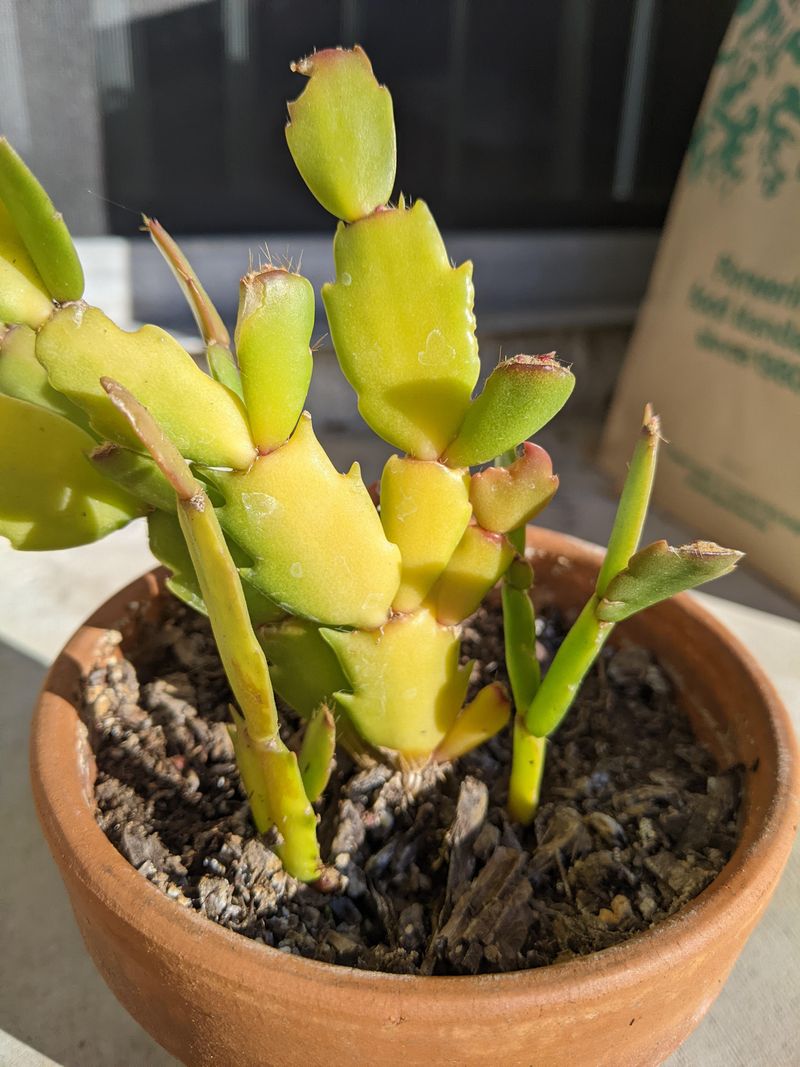
Sometimes a yellow segment is just a plant cleaning out the attic, and nothing more dramatic is going on. One or two old pieces near the base may fade, shrivel, and eventually drop while the rest stays lush.
Older segments eventually reach the end of their useful life, especially near the woody base of a mature plant. The cactus often shifts energy toward fresh growth at the tips, letting tired lower parts fade away on their own schedule.
I used to snip every yellow piece the moment I spotted it, worrying that something terrible was spreading through my plant. Now I check the overall picture first, because a healthy plant with one faded segment rarely needs any rescue effort.
Look closely at the newest growth, which should feel firm and look glossy green if the plant is doing well. If yellowing creeps upward or spreads across many segments quickly, revisit watering, light, and the other causes listed above.
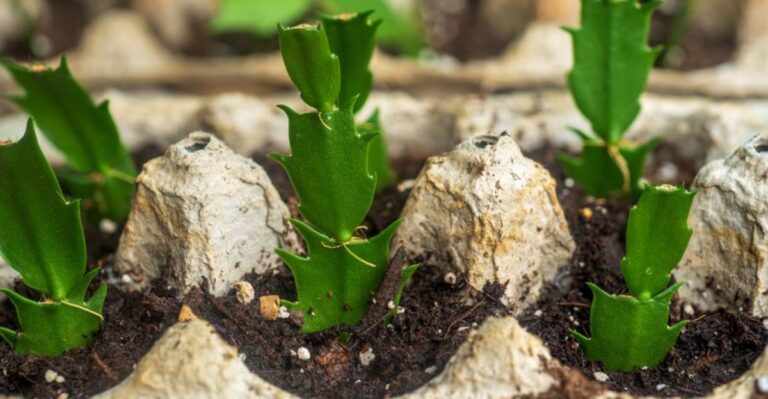
Remove a shriveled segment by gently twisting it off at the joint once it loosens on its own over time. Healthy pieces you break off can even root in moist soil, giving you a brand new plant to share with friends.