You Can Root Almost Any Plant With These 5 Homemade Solutions In Florida
Buying rooting hormone isn’t the only way to grow new plants in Florida. Your kitchen and backyard already hold powerful, natural tools that help cuttings form roots faster and stay healthier during propagation.
Warm temperatures and high humidity create the perfect environment for homemade solutions to work even better, turning small clippings into strong new plants.
Gardeners across the state use simple mixes made with everyday ingredients to boost success rates without spending extra money or adding harsh chemicals to the soil.
This approach saves cash, reduces waste, and keeps your garden growing naturally. Propagating becomes easier, more reliable, and far more satisfying when you watch roots develop using things you already trust.
Whether you grow houseplants, herbs, shrubs, or tropical favorites, these methods fit every style of Florida garden. Stronger roots lead to stronger plants, fuller landscapes, and better long-term results.
One small cutting can quickly become a thriving new addition to your outdoor space.
1. Aloe Gel Root Booster
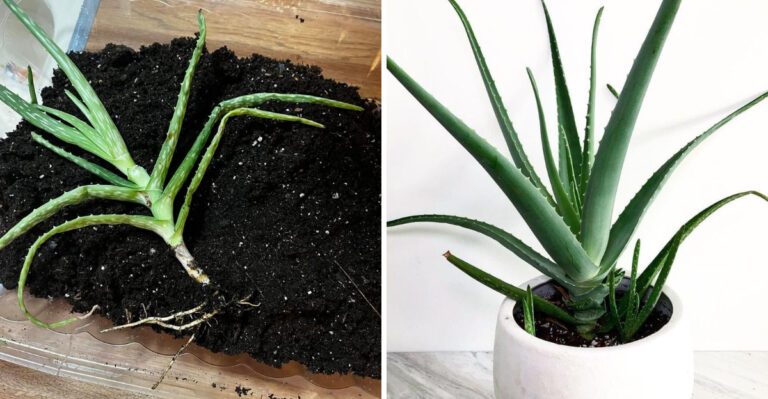
Fresh aloe vera gel contains natural enzymes and protective compounds that support plant cuttings in Florida gardens by reducing stress and preventing infection. Many gardeners keep aloe plants specifically for this purpose, snipping off a leaf whenever they need to propagate something new.
The clear gel inside acts as both a rooting stimulant and a protective barrier against bacteria that could harm vulnerable cut stems. Making this solution couldn’t be simpler if you have an aloe plant growing in your yard or on your patio.
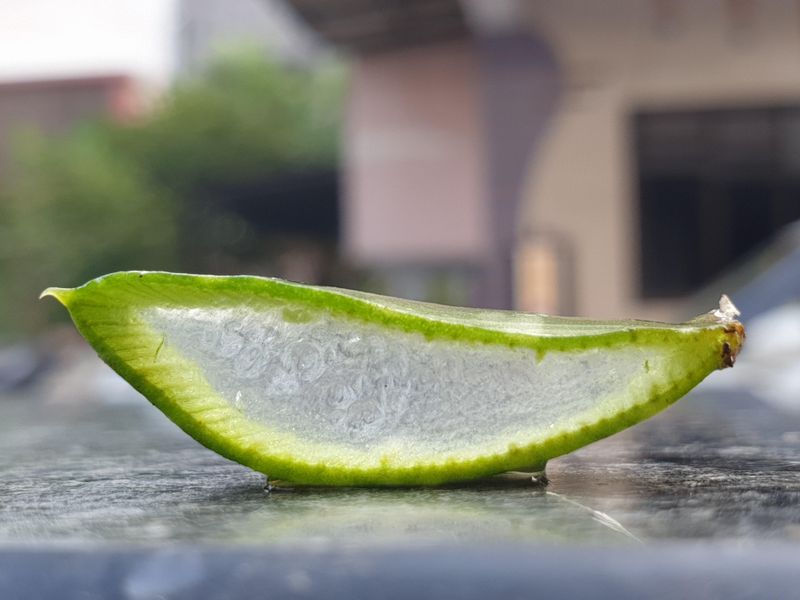
Cut a mature leaf from your aloe plant and slice it lengthwise to expose the gel inside. Scrape out the clear gel with a spoon and mix it with a small amount of water to create a smooth consistency.
You can dip your plant cuttings directly into this mixture before planting them in soil or rooting medium. The beauty of aloe gel is that it contains salicylic acid, which helps prevent fungal infections while supporting healthy tissue recovery at the cut surface.
Florida’s humidity can sometimes encourage unwanted fungi on fresh cuttings, so this natural protection is especially valuable. Roses, succulents, herbs, and tropical plants all respond beautifully to aloe treatment.
For best results, prepare fresh aloe gel each time you take cuttings rather than storing it for long periods. The enzymes are most potent when freshly extracted.
If you don’t have an aloe plant yet, consider getting one since they thrive in Florida’s climate and require minimal care. Many experienced gardeners in the state swear by this method and report faster root development compared to untreated cuttings.
The gel also helps seal the wound on the mother plant where you took the cutting, making it a win-win solution for your entire propagation process.
2. Willow Water Power
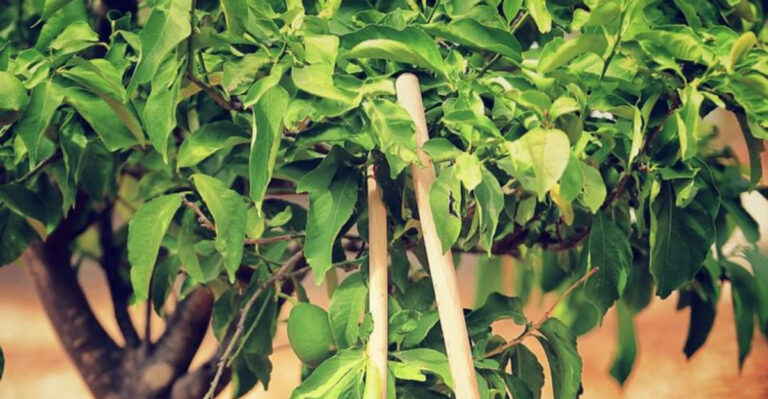
Willow trees contain natural auxins such as indole-3-acetic acid (IAA) along with salicylic acid, which helps reduce stress and improve cutting survival during the rooting process. When you soak willow branches in water, this powerful compound leaches out and creates a potent rooting solution that costs absolutely nothing.
Florida gardeners lucky enough to have willow trees nearby have access to unlimited free rooting hormone throughout the growing season. Creating willow water takes just a few days of patience.
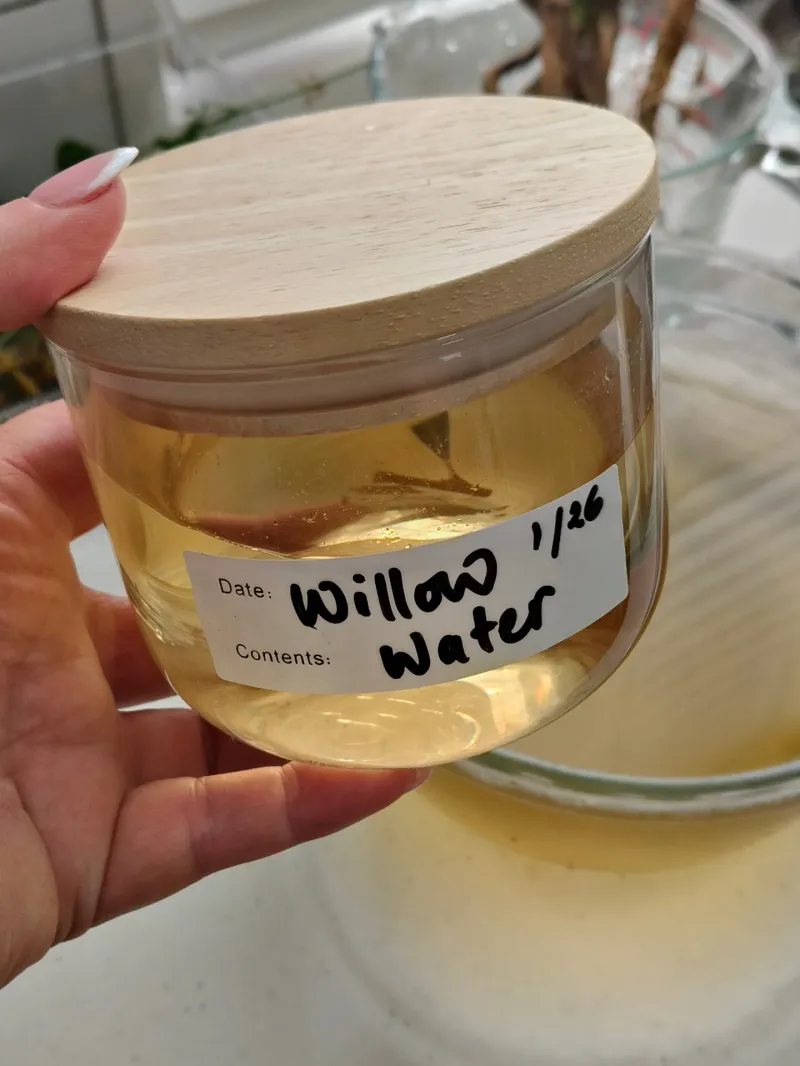
Collect young willow shoots or branches, preferably ones that are green and flexible rather than old and woody. Cut them into pieces about three to four inches long and place them in a container filled with water.
Let this mixture sit for several days, allowing the natural plant compounds and auxins to infuse into the water. The liquid will darken slightly as the compounds dissolve.
Once your willow water is ready, you can use it in two different ways. Either soak your plant cuttings in the solution overnight before planting them, or use it as a watering solution for newly planted cuttings.
Both methods deliver natural plant hormones and supportive compounds directly where they’re needed most. The solution stays effective for about two months when stored in the refrigerator.
This method works exceptionally well for woody plants, shrubs, and fruit trees that can be challenging to root otherwise. Florida gardeners propagating citrus, blueberries, or flowering shrubs find willow water particularly helpful.
If you don’t have willow trees in your neighborhood, ask around at local parks or natural areas where these trees commonly grow near water sources. Many Florida communities have weeping willows in public spaces where you can ethically collect a few small branches without harming the tree.
3. Honey Root Shield
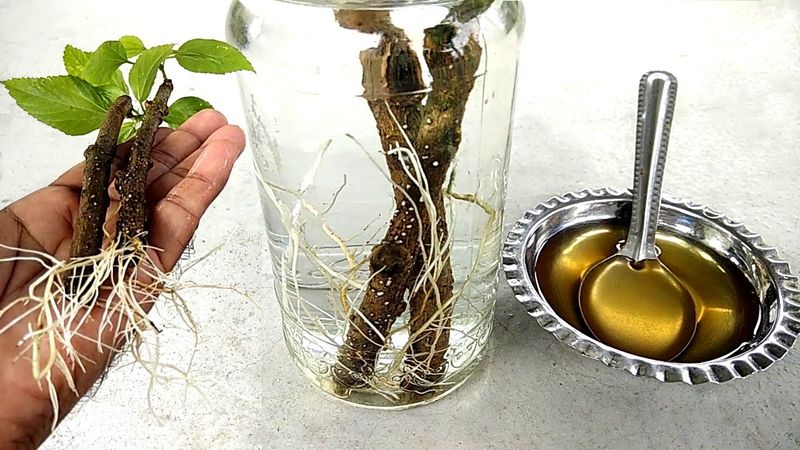
Honey serves as a natural antiseptic that protects your cuttings while improving survival rates during the rooting process. Raw honey contains enzymes, vitamins, and minerals that nourish developing roots and create an inhospitable environment for harmful bacteria and fungi.
Florida gardeners appreciate honey’s dual action since our warm, moist climate can sometimes challenge newly planted cuttings with disease pressure. Using honey for propagation requires no preparation or mixing.
Simply dip the cut end of your stem into raw honey, coating about an inch of the stem before planting it in your rooting medium. The honey creates a protective seal over the wound while slowly releasing beneficial compounds as moisture from the soil interacts with it.
This method works beautifully for herbs, houseplants, and soft-stemmed perennials. Raw, unprocessed honey works better than processed varieties because it retains natural enzymes that help protect fresh cut surfaces from infection.
Many Florida beekeepers sell local raw honey at farmers markets, which supports local agriculture while giving you the best product for your plants. The antibacterial properties in honey are particularly valuable when rooting plants during Florida’s rainy summer months when fungal problems are most common.
Gardeners report excellent success rates with basil, mint, coleus, and begonia cuttings treated with honey. The method is incredibly forgiving and nearly impossible to mess up since honey naturally resists spoilage and contamination.
You can also mix a teaspoon of honey into a cup of warm water to create a soaking solution for multiple cuttings at once. This diluted version still provides protection and rooting benefits while stretching your honey further.
Store your honey in a cool, dark place and it will remain effective indefinitely for all your propagation projects throughout the year.
4. Cinnamon Cut Protection
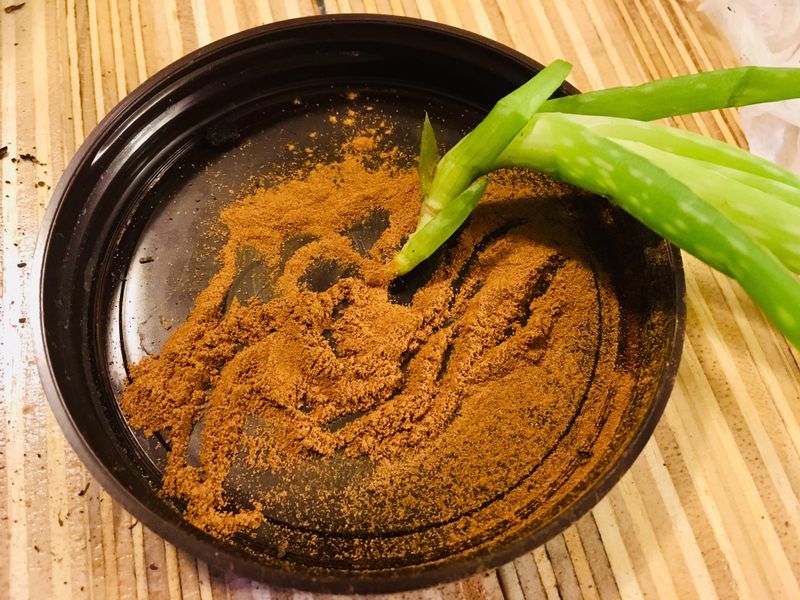
Ground cinnamon acts as a powerful antifungal agent that prevents rot and disease on fresh plant cuttings. While it doesn’t contain rooting hormones like some other solutions, its protective properties significantly improve survival rates by keeping harmful organisms away from vulnerable cut surfaces.
Florida’s combination of heat and humidity creates ideal conditions for fungal growth, making cinnamon an invaluable tool in your propagation toolkit. Application couldn’t be easier with this pantry staple.
Pour a small amount of ground cinnamon into a shallow dish and roll the freshly cut end of your stem in the powder before planting. The cinnamon coats the wound and creates a barrier that fungi cannot penetrate.
You can also sprinkle cinnamon powder on the soil surface around newly planted cuttings to discourage damping-off disease, which sometimes affects young plants in Florida’s climate. The antifungal compounds in cinnamon remain active for weeks, providing ongoing protection as your cuttings develop roots.
This makes it especially useful for slower-rooting plants that take several weeks to establish. Gardenias, azaleas, and camellias all benefit from cinnamon treatment when propagated in Florida gardens.
Many home gardeners use cinnamon as part of their natural propagation routines. Combining cinnamon with other rooting methods creates even better results.
Try dipping your cutting first in honey for rooting stimulation, then rolling it in cinnamon for protection before planting. This double treatment gives your cuttings the best possible start.
Regular ground cinnamon from your spice cabinet works perfectly fine, though some gardeners prefer Ceylon cinnamon for its slightly stronger antifungal properties. Either variety will protect your cuttings and increase your success rate dramatically, especially during Florida’s challenging summer propagation season when disease pressure is highest.
5. Coconut Water Root Booster
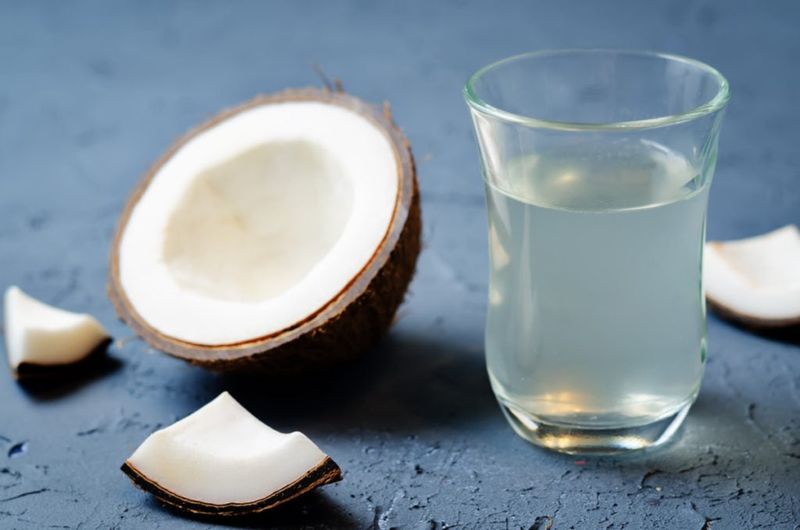
Fresh coconut water is one of nature’s most powerful plant growth stimulators, packed with natural cytokinins, amino acids, and minerals that help cuttings develop strong, healthy root systems. Gardeners in tropical climates like Florida have been using coconut water for generations to boost propagation success, especially with heat-loving plants.
Unlike sugary drinks or acidic solutions, coconut water contains real plant hormones that encourage cell division at the cut surface, helping roots form faster and grow thicker. This makes it especially valuable when propagating during Florida’s warm growing season, when plants are actively pushing new growth.
To make this simple rooting solution, mix one part fresh coconut water with one part clean water. Avoid sweetened or flavored coconut drinks, which contain additives that can harm sensitive cuttings.
Raw, unsweetened coconut water works best and is easy to find at Florida grocery stores and farmers markets. Soak your cuttings in the mixture for two to six hours before planting, allowing the natural nutrients and growth compounds to absorb into the stem tissue.
You can also use the diluted coconut water as a first watering solution after planting to give new cuttings an immediate boost. Florida gardeners report excellent results with hibiscus, pothos, coleus, basil, mint, and many tropical ornamentals when using coconut water as a propagation aid.
The added minerals also help prevent transplant shock, keeping leaves greener and stems firmer during the critical early rooting phase. For best results, prepare a fresh batch each time you propagate and discard any leftover mixture.
Coconut water ferments quickly in Florida’s warm climate, so using it fresh ensures maximum effectiveness and prevents unwanted bacterial growth. This natural booster pairs beautifully with other techniques like cinnamon or aloe gel, giving your cuttings both protection and growth support.
When combined with Florida’s warm temperatures and high humidity, coconut water can dramatically increase your success rate and help you turn one healthy plant into dozens of thriving new starts.