You Need These Low-Maintenance Flowers In Texas Garden In 2026
Keeping a Texas garden colorful and lively does not have to mean constant upkeep or complicated care. Some flowers are naturally tough, thriving in heat, bright sun, and occasional dry spells while still producing beautiful blooms throughout the season.
These easygoing favorites require less watering, minimal pruning, and little attention once established, making them perfect for busy gardeners.
They grow reliably, hold their shape, and continue adding color to beds, borders, and containers even during challenging weather.
Choosing low maintenance varieties also helps reduce work while keeping your landscape looking fresh and inviting. Many of these dependable bloomers are well suited to Texas conditions, delivering both resilience and long lasting beauty.
As the 2026 growing season approaches, adding simple care flowers can help you enjoy a vibrant garden that stays bright, healthy, and full of color without demanding too much time or effort.
1. Blackfoot Daisy
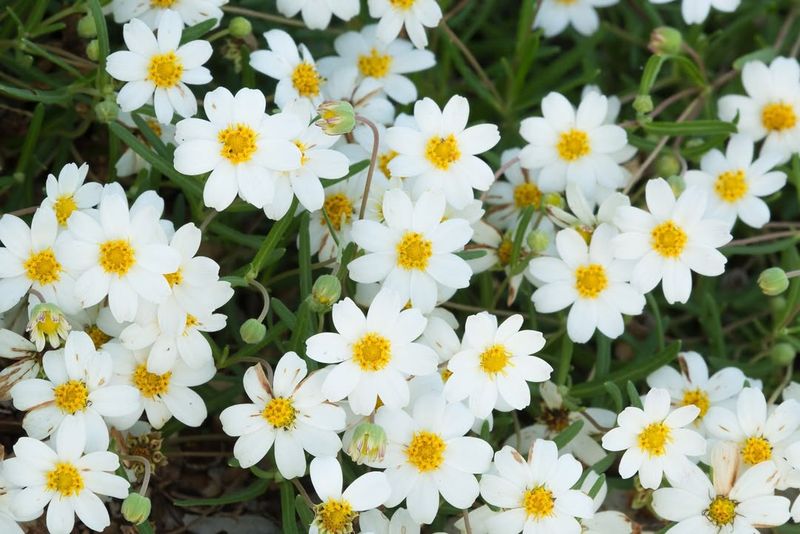
Native Texas wildflowers don’t get much tougher than blackfoot daisy. This charming little plant grows naturally across the state and has spent centuries adapting to harsh conditions.
The delicate white petals with bright yellow centers look fragile, but don’t let appearances fool you.
Blackfoot daisy thrives in places where other flowers would struggle to survive. Rocky soil, intense heat, and long stretches without rain don’t bother this resilient bloomer one bit.
It stays low to the ground, forming neat mounds covered in cheerful flowers that appear throughout the warm months.
Maintenance is almost nonexistent with blackfoot daisy. Once established in your Texas garden, it needs practically no help from you.
Skip the fertilizer, forget about regular watering schedules, and watch it flourish anyway. The plant actually prefers being left alone rather than fussed over constantly.
Perfect for rock gardens, borders, or anywhere you want color without effort, blackfoot daisy fits beautifully into natural landscaping. The long blooming season means you get months of pretty flowers without lifting a finger.
Many Texas gardeners consider this their go-to choice for spots that get neglected or are hard to reach with a hose.
2. Lantana
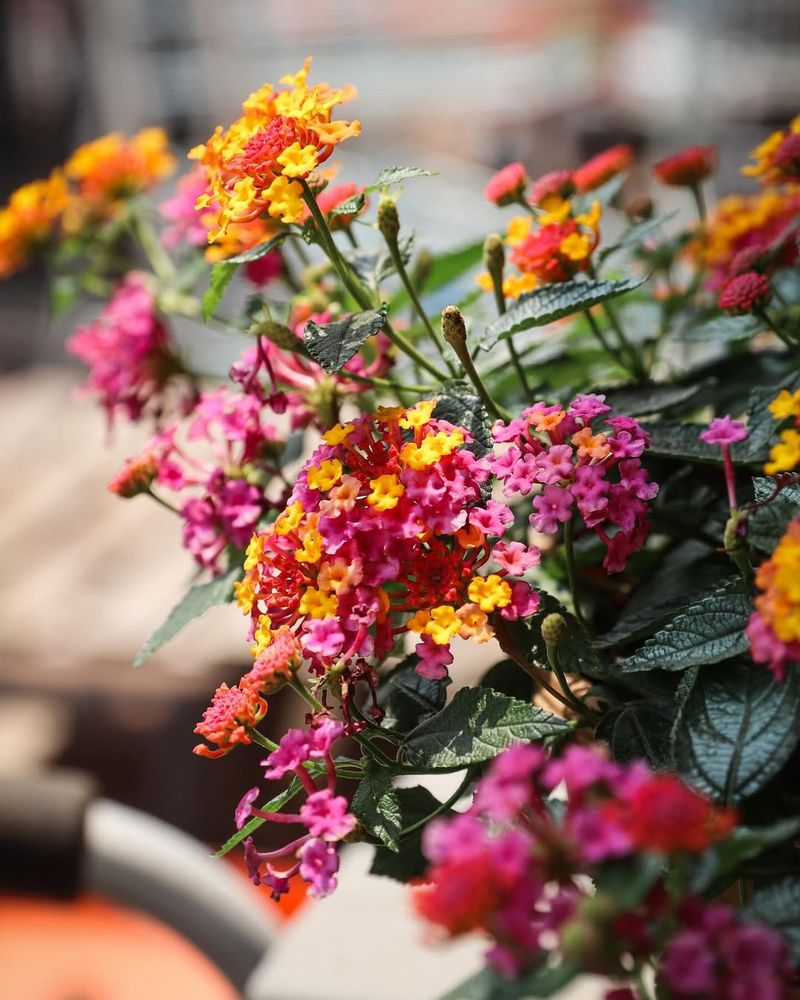
Lantana stands out as one of the toughest flowers you can plant in Texas. Once it gets comfortable in your garden, this colorful beauty practically takes care of itself.
The vibrant clusters come in stunning color combinations like orange and yellow, pink and purple, or pure white that brighten up any space.
What makes lantana special is how well it handles the brutal Texas heat. While other flowers wilt and struggle during those 100-degree days, lantana keeps blooming happily from spring all the way until the first frost arrives.
Butterflies and hummingbirds absolutely love visiting these flowers, so you’ll get a nature show right in your yard.
After the first growing season, you barely need to water lantana at all. It’s adapted perfectly to dry conditions and actually prefers less water over too much.
Just plant it in a sunny spot with decent drainage, and it will reward you with months of color. Trim it back occasionally if it gets too big, but that’s about all the maintenance required.
Texas gardeners have relied on lantana for generations because it simply works. Whether you plant it in the ground or in containers, this flower delivers reliable beauty without demanding your constant attention.
3. Autumn Sage
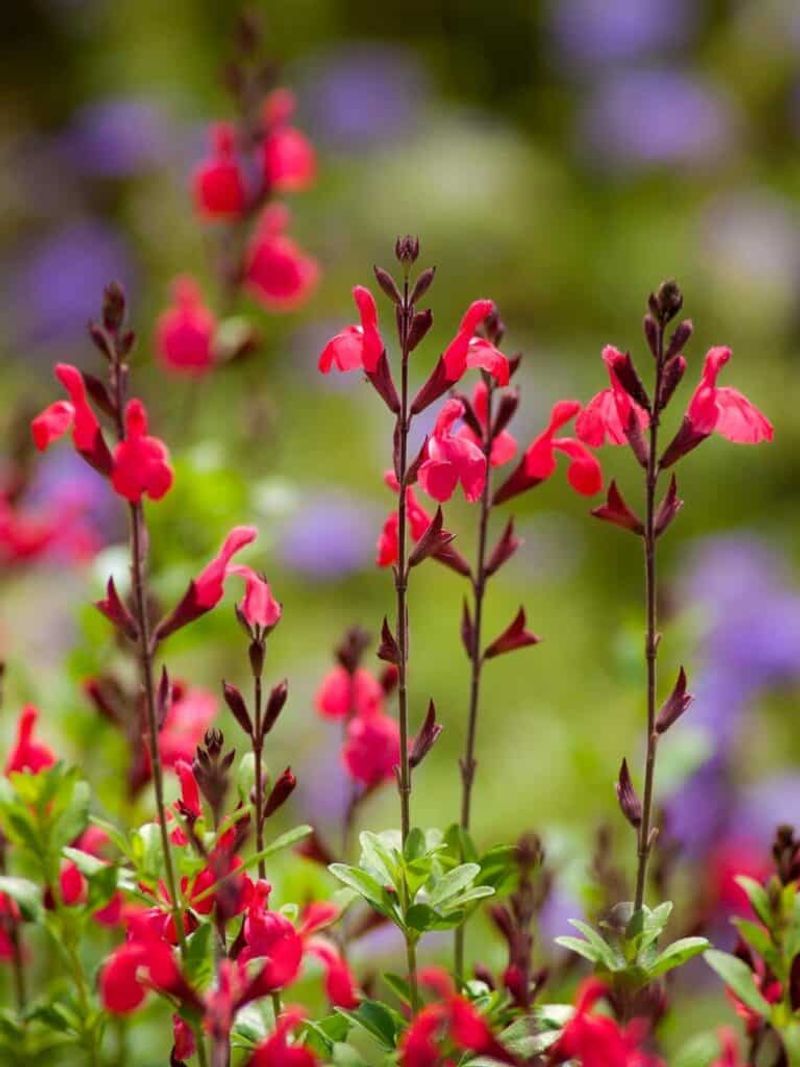
Hummingbirds zoom straight to autumn sage like it’s their favorite restaurant. The tubular flowers come in gorgeous shades of red, pink, purple, coral, or white, and they keep appearing all through the growing season.
This Texas native knows exactly how to handle the local climate because it evolved here. Heat resistance is built right into autumn sage’s DNA. When temperatures soar into the triple digits, this plant keeps producing flowers like nothing happened.
Butterflies join the hummingbirds for frequent visits, creating constant activity around your garden. The aromatic foliage adds another layer of appeal beyond just the pretty blooms.
Watering requirements drop dramatically once autumn sage settles into your garden. During the first season, give it some regular moisture to help roots establish.
After that, occasional deep watering during extreme drought is usually enough. The plant naturally goes dormant during winter in most Texas areas, then bounces back enthusiastically when warm weather returns.
Pruning back the stems in late winter encourages bushier growth and more flowers. Beyond that simple task, autumn sage basically runs on autopilot.
Many Texas gardeners plant several colors together for a stunning display that requires minimal effort but delivers maximum impact throughout the year.
4. Zinnias
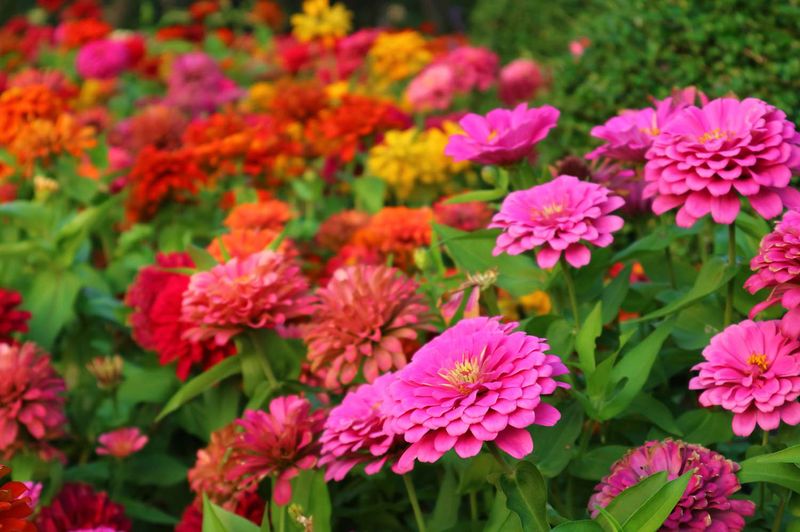
Starting a flower garden from seed might sound intimidating, but zinnias make it ridiculously easy.
Just scatter the seeds in warm soil after the last frost, and you’ll see sprouts within days. Kids love growing zinnias because the results come so quickly and look so impressive.
These cheerful flowers absolutely adore Texas heat. The hotter it gets, the happier zinnias become.
They pump out blooms nonstop all summer long in practically every color you can imagine. Butterflies, bees, and other pollinators flock to zinnias, making your garden a buzzing hub of activity.
Drought tolerance is another zinnia superpower. While they appreciate occasional watering during really dry spells, they handle missed waterings far better than many garden flowers.
The thick stems and sturdy leaves are built to conserve moisture efficiently. Plant them in full sun, give them decent soil, and step back.
Cutting zinnias for bouquets actually encourages more blooms to form, so you can enjoy them indoors and outdoors simultaneously. They’re perfect for Texas gardeners who want spectacular color without complicated care routines.
Whether you choose tall varieties or compact ones, zinnias deliver reliable beauty from early summer until fall arrives in your Texas garden.
5. Coreopsis
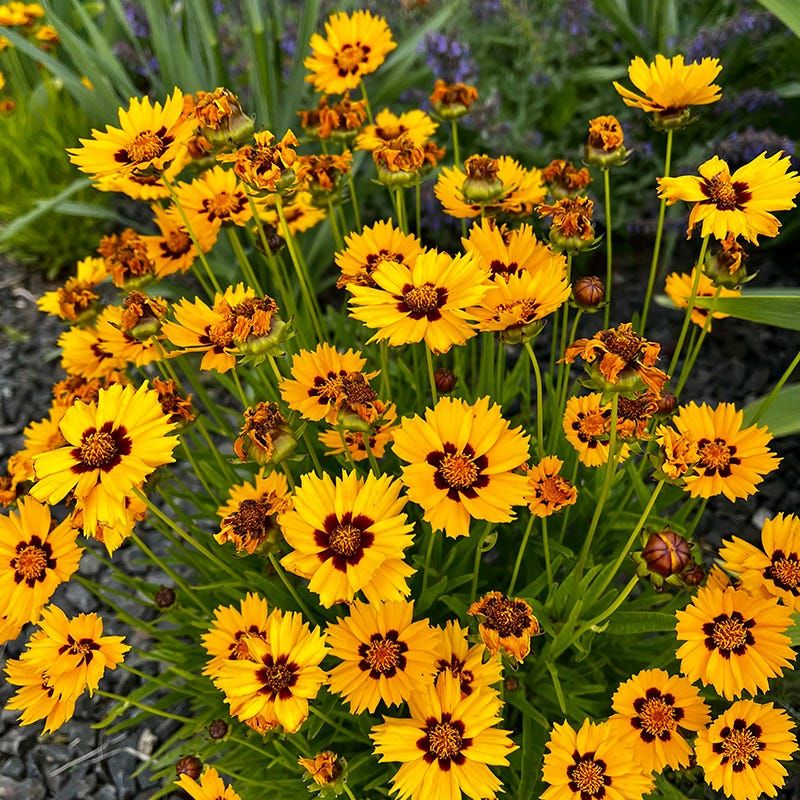
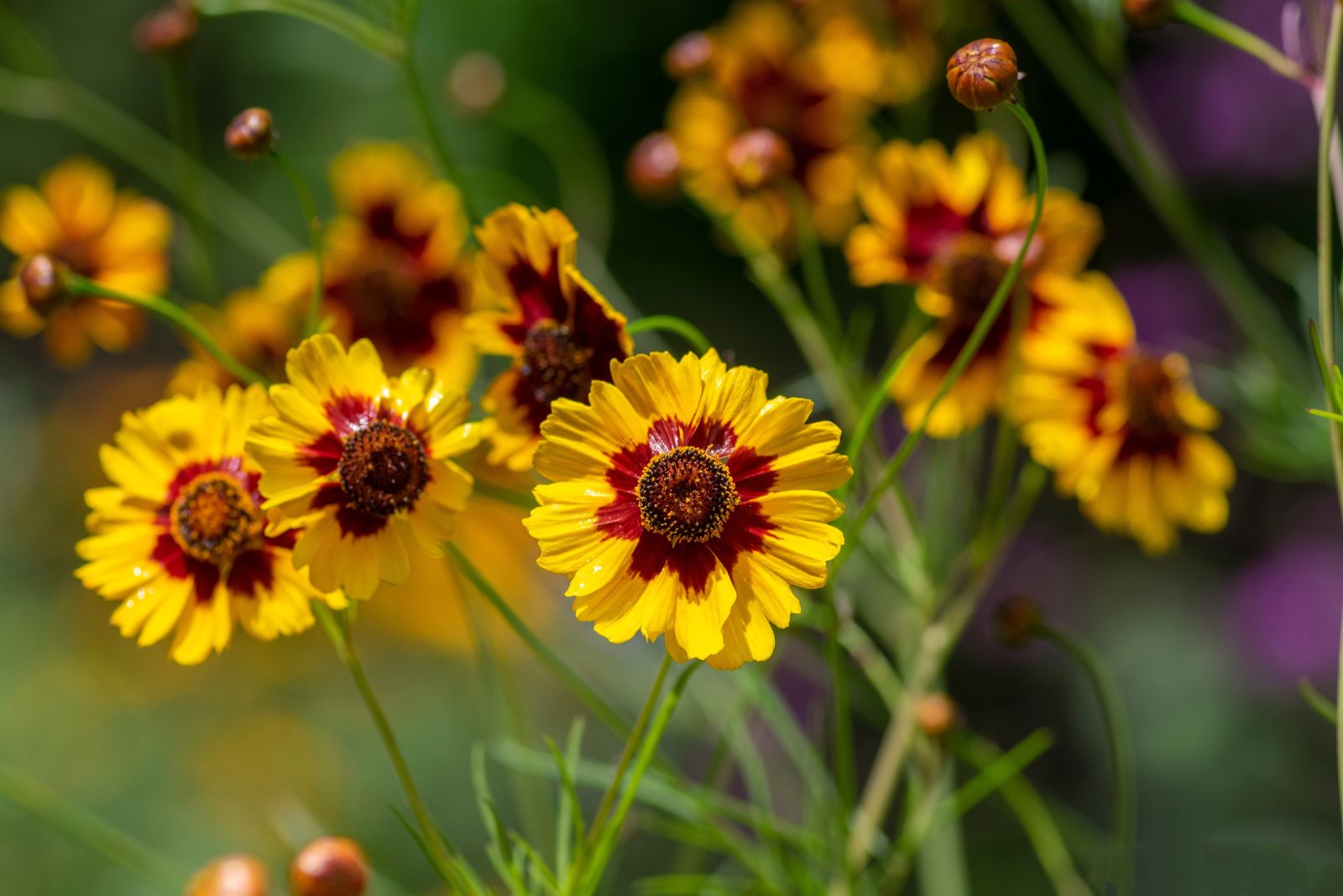
Cheerful yellow flowers dancing on thin stems bring instant happiness to any Texas garden. Coreopsis, also called tickseed, produces masses of bright blooms that seem to glow in the sunlight.
This native plant has mastered the art of thriving in challenging conditions without complaining.
Poor soil doesn’t faze coreopsis one bit. While many flowers demand rich, amended earth, this tough customer grows beautifully in average or even below-average dirt.
Sandy soil, clay soil, rocky ground – coreopsis adapts and blooms anyway. The long flowering season stretches from late spring through fall, giving you months of sunny color.
Drought tolerance ranks extremely high with coreopsis. After it establishes roots during the first season, you can basically forget about watering except during the most severe dry spells.
The plant’s natural resilience comes from its wildflower heritage, making it perfectly suited for Texas conditions. Deadheading spent blooms encourages more flowers, but even if you skip this step, coreopsis keeps performing.
Many Texas gardeners use coreopsis in meadow-style plantings or mixed borders where low-maintenance plants are essential. The bright yellow flowers attract butterflies and beneficial insects while requiring almost nothing from you.
For effortless color that lasts, coreopsis delivers exactly what busy Texas gardeners need.
6. Mexican Sunflower
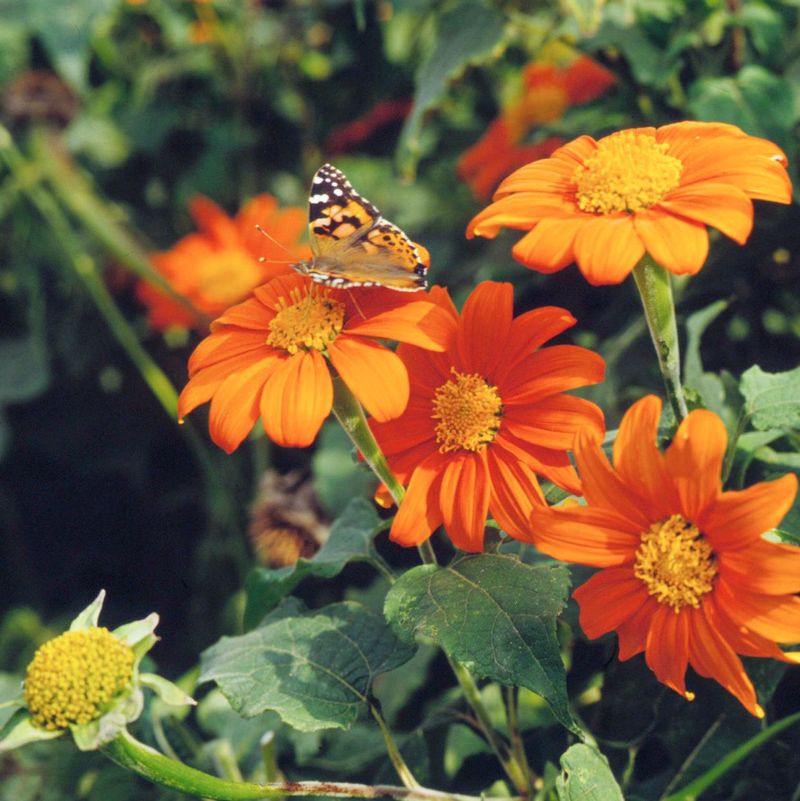
Butterflies treat Mexican sunflower like an all-you-can-eat buffet. The vibrant orange-red blooms act like magnets, drawing monarchs, swallowtails, and dozens of other butterfly species throughout the day.
Watching the constant parade of visitors makes this fast-growing annual worth planting every single year.
Intense Texas heat doesn’t slow down Mexican sunflower at all. While temperatures that bake other plants actually make this one grow faster and bloom harder.
The large, tropical-looking flowers appear nonstop from summer until frost, creating a stunning display that neighbors will definitely notice and ask about.
Drought tolerance is impressive once Mexican sunflower gets going. The plants grow tall and bushy quickly, sometimes reaching six feet or more in a single season.
Despite their size, they need surprisingly little water after the initial establishment period. Full sun and decent drainage are the main requirements.
Growing Mexican sunflower from seed is simple and inexpensive. Plant seeds directly in the garden after frost danger passes, or start them indoors a few weeks earlier for a head start.
The rapid growth and spectacular blooms make this flower a favorite among Texas gardeners who want big impact with minimal fuss. Pollinators will thank you all season long.
7. Blanket Flower
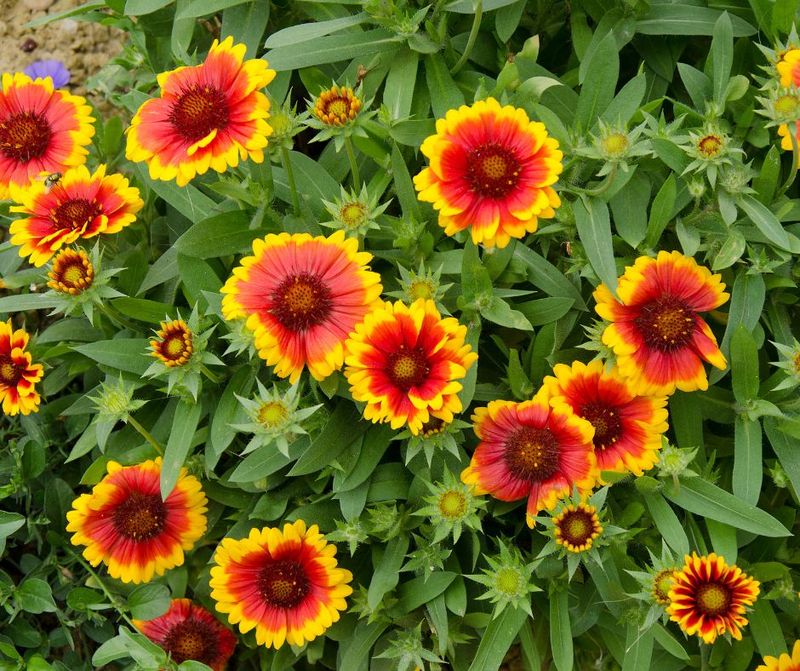
Named for its resemblance to colorful Native American blankets, this flower brings warmth to Texas gardens effortlessly. The distinctive red and yellow petals arranged in circular patterns catch your eye immediately.
Blanket flower is native to the region, which explains why it handles local conditions so perfectly.
Extreme conditions don’t intimidate blanket flower one bit. Blazing heat, extended drought, and sandy soil that drains too fast for other plants – blanket flower thrives in all these situations.
The long blooming season stretches from late spring through fall, providing consistent color when you need it most in your Texas garden.
Water needs drop to almost nothing once blanket flower establishes itself. The deep root system seeks moisture far below the surface, allowing the plant to survive on natural rainfall most of the time.
Even during hot, dry summers, blanket flower keeps producing those cheerful blooms without demanding constant irrigation.
Butterflies and native bees visit blanket flower frequently, making it valuable for supporting local pollinator populations. The flowers also make decent cut flowers if you want to bring some indoors.
Many Texas gardeners plant blanket flower in areas that are difficult to maintain regularly, knowing this tough native will perform beautifully regardless of neglect.
8. Moss Rose
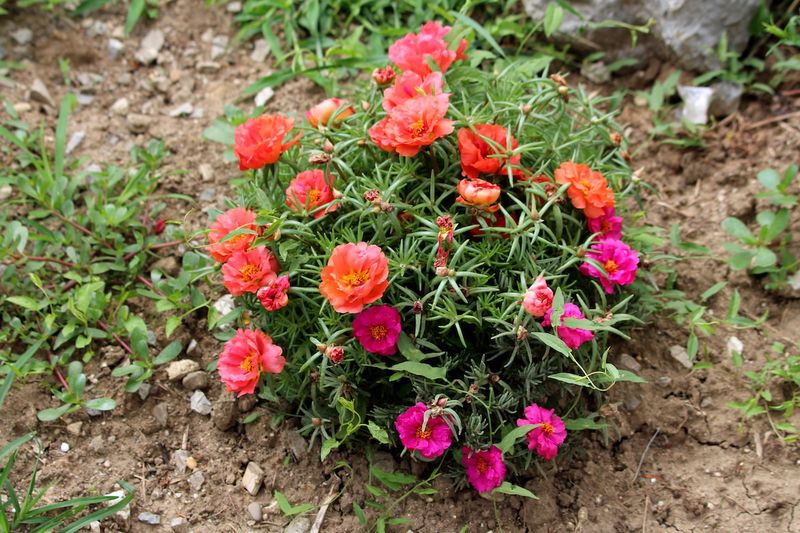
Succulent-like leaves store water efficiently, making moss rose one of the most drought-proof flowers available. The low-growing plants spread into colorful carpets covered with brilliant blooms in shades of pink, red, orange, yellow, white, and purple.
When you need flowers for the hottest, driest spots in your Texas garden, moss rose answers the call.
Full sun and scorching temperatures make moss rose happier, not stressed. This flower actually struggles in shade or cool conditions but absolutely thrives when the heat index climbs.
The fleshy foliage requires almost no watering once established, making it perfect for containers, borders, or rock gardens where irrigation is inconvenient.
Planting moss rose is straightforward and forgiving. Seeds sprout readily in warm soil, or you can buy starter plants from nurseries.
They fill in quickly, creating dense mats of color that suppress weeds naturally. The flowers open in sunlight and close at night or on cloudy days, adding an interesting behavior to their appeal.
Many Texas gardeners rely on moss rose for problem areas where nothing else survives. Slopes, parking strips, and containers that dry out quickly become stunning displays with minimal effort.
The plant reseeds itself in many areas, returning year after year without replanting, making it even more low-maintenance for busy gardeners.
9. Esperanza
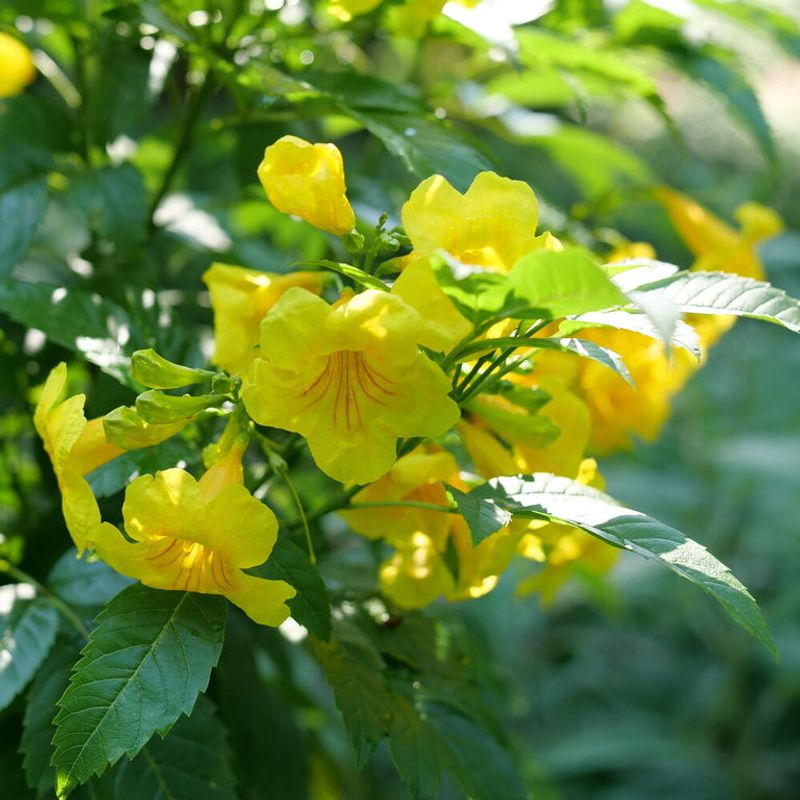
Golden yellow trumpet flowers practically glow against the green foliage of esperanza. Texas gardeners have embraced this heat-loving shrub as a landscape staple because it delivers spectacular color for months with barely any effort.
The bright blooms appear from late spring through fall, creating a sunny focal point wherever you plant it.
Extreme heat energizes esperanza rather than wilting it. During those brutal Texas summers when temperatures stay above 95 degrees for weeks, esperanza responds by producing even more flowers.
Hummingbirds visit regularly, attracted to the tubular blooms that provide nectar throughout the growing season.
Once established in your Texas garden, esperanza becomes remarkably drought tolerant. The first season requires regular watering to help roots develop, but after that, occasional deep watering during extended dry periods is usually sufficient.
The plant naturally drops leaves and goes dormant if winter temperatures drop too low, then rebounds vigorously when warmth returns.
Minimal maintenance makes esperanza ideal for busy gardeners. Light pruning in late winter shapes the plant and removes any frost-damaged stems.
Beyond that simple task, esperanza basically takes care of itself. The combination of stunning yellow blooms, excellent heat tolerance, and low water needs explains why this flower has become a Texas garden favorite.