You Need These Low-Maintenance Flowers In Your Texas Home In 2026
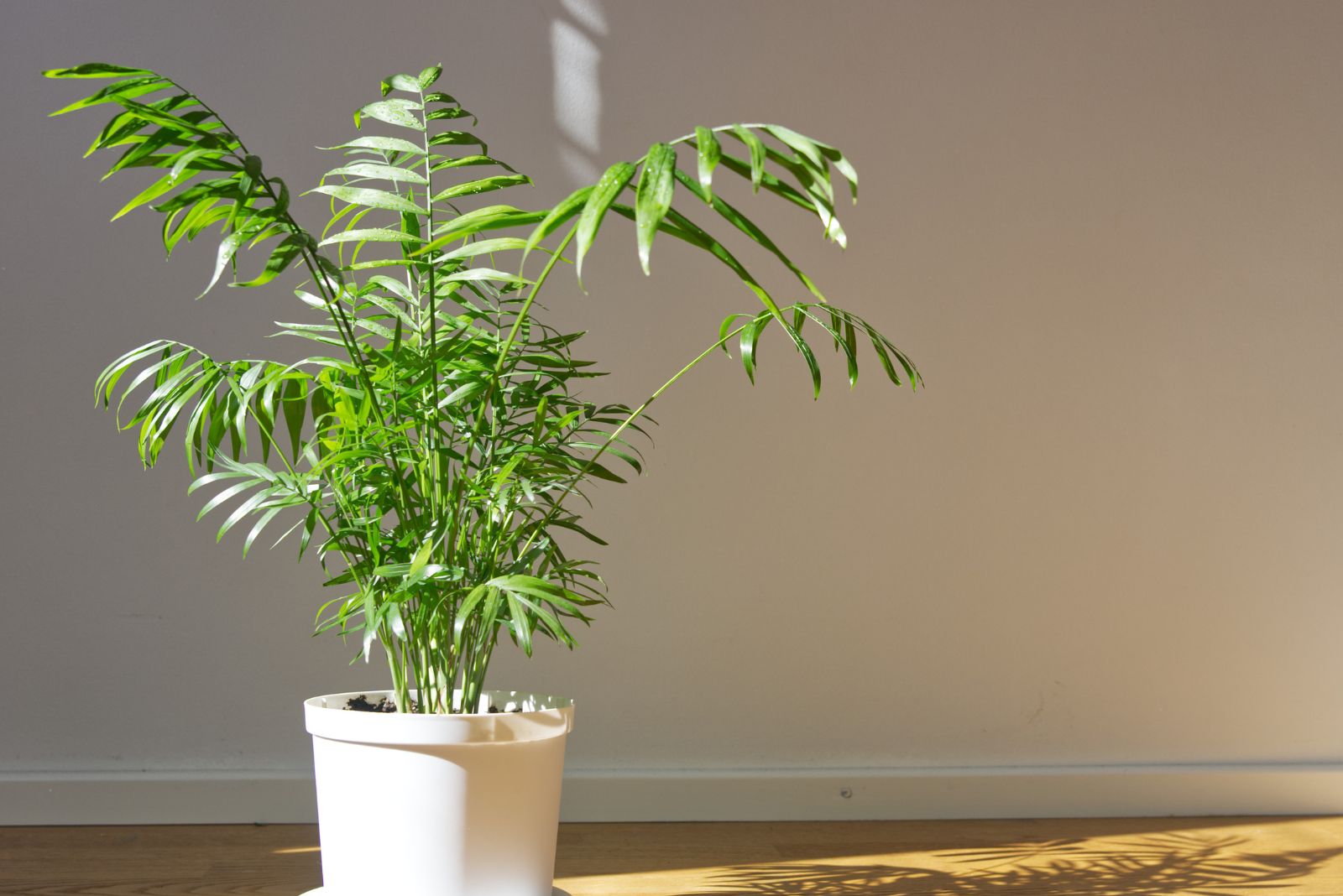
Adding flowers to your Texas home can instantly lift a room, brighten a porch, or bring life to a small balcony. In 2026, low-maintenance blooms are becoming a top choice for homeowners who want beauty without the constant care.
These flowers thrive even in hot, sunny conditions and handle dry spells better than most, making them perfect for Texas climates.
Low-maintenance flowers don’t just look good, they save time and reduce stress. From vibrant perennials to hardy annuals, these blooms return year after year or last throughout the season with minimal watering and attention.
They also attract pollinators like bees and butterflies, adding movement and life to your indoor and outdoor spaces.
Choosing the right low-maintenance flowers lets you enjoy color, texture, and fragrance without worrying about constant upkeep. Your home can stay vibrant, inviting, and full of natural charm throughout 2026 with very little effort.
1. Snake Plant
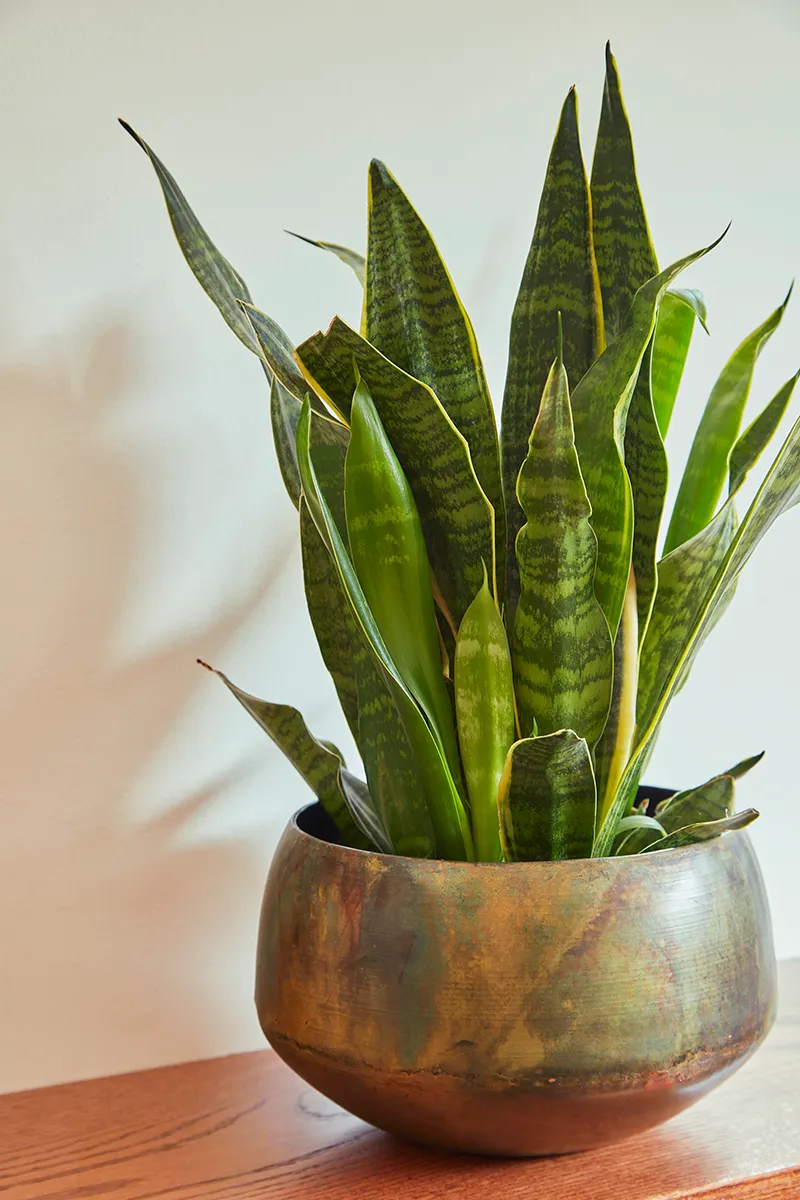
If there were a trophy for the most forgiving houseplant in Texas, the snake plant would win every single time. This upright, architectural beauty has been surviving in tough conditions long before indoor gardening became trendy.
Its stiff, sword-shaped leaves stand tall and proud, making it one of the most stylish plants you can own.
Texas homes can get incredibly dry, especially during those long summer months when the AC runs nonstop. The snake plant handles that dry indoor air without breaking a sweat.
It stores water in its thick leaves, so even if you forget to water it for two or three weeks, it will look just as sharp as the day you brought it home.
Light is flexible with this plant, too. You can place it near a bright window or tuck it in a low-light corner, and it will adapt beautifully.
That kind of flexibility is rare, and Texas homeowners absolutely love it for that reason.
Watering only needs to happen every two to four weeks, depending on the season. In winter, you can stretch that even longer.
Just make sure the soil is completely dry before adding any water, because overwatering is really the only way to run into trouble with this plant.
Beyond its good looks, the snake plant also helps filter indoor air, which is a bonus for any Texas home. It is truly one of the easiest, most rewarding plants you can add to your space in 2026.
2. ZZ Plant
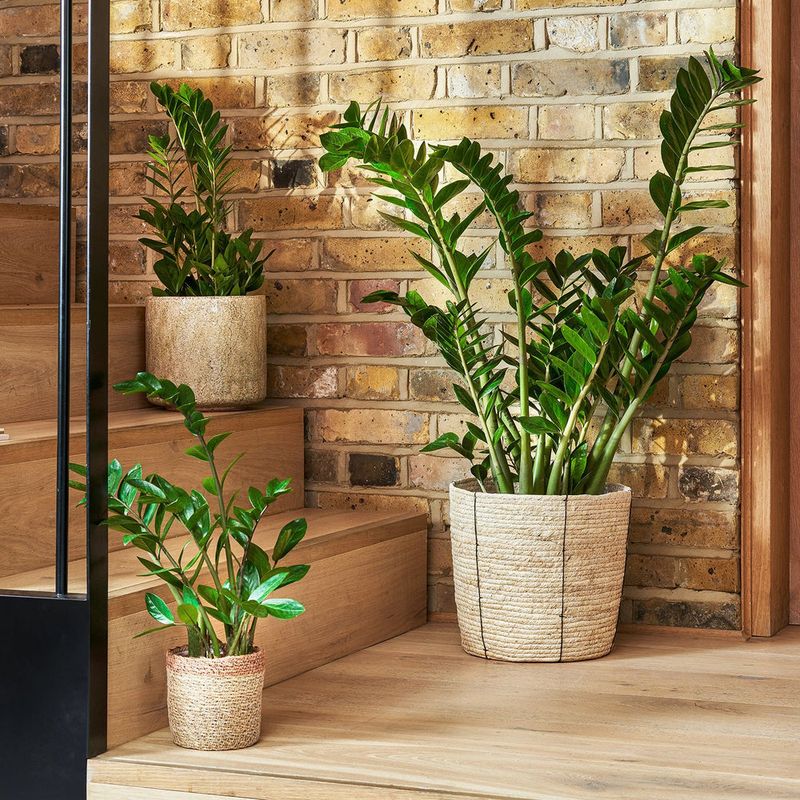
Walk into almost any stylish office or modern Texas home, and you will likely spot a ZZ plant sitting quietly in the corner, looking incredibly polished without asking for much in return. That is exactly what makes this plant so special.
It thrives on neglect, and it does so with a glossy, sophisticated look that most plants could only dream of.
The ZZ plant is one of the toughest houseplants you can find anywhere. Its thick, waxy leaves and underground rhizomes store water for long periods of time.
This means that even if you miss a few watering sessions, the plant simply draws on its own reserves and keeps going strong.
Low light is no problem for the ZZ plant at all. In Texas homes where certain rooms get very little natural sunlight, this plant is a lifesaver.
It adapts to shaded rooms, hallways, and offices without losing its deep green color or its upright, tidy shape.
Growth is slow and steady with this plant, which is actually a great thing for people who do not want to repot or prune constantly. It stays neat and compact for a long time, making it ideal for smaller spaces and busy households across Texas.
One quick care tip: always let the soil dry out fully between waterings. The ZZ plant does not like sitting in wet soil, and that is really the only rule you need to follow.
Simple, stylish, and seriously tough, it belongs in every Texas home in 2026.
3. Pothos
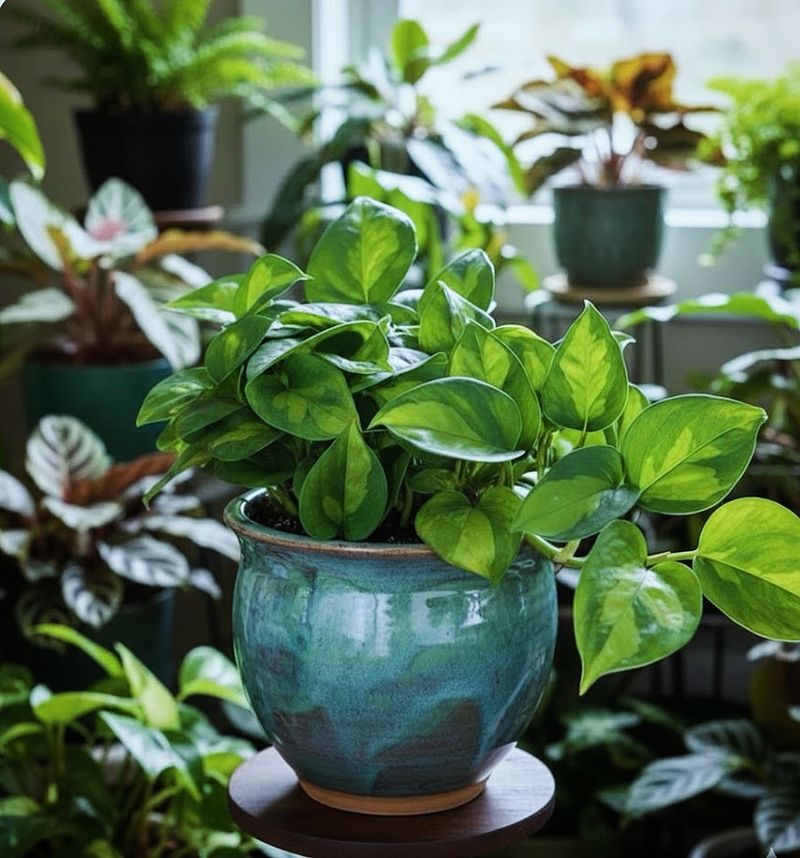
Few plants bring as much life and energy to a room as the pothos. Its long, trailing vines cascade beautifully from shelves, hang from ceiling hooks, or drape gracefully over the edges of tabletops.
For Texas homeowners who want that lush, jungle-inspired look without the hard work, pothos is the answer.
What makes pothos genuinely impressive is how fast it bounces back from neglect. Forgot to water it for a week or two?
No worries at all. The leaves might droop slightly, but a good drink of water will perk them right back up within hours. That kind of resilience is hard to find in the plant world.
Light options are wide open with pothos. It grows well in low light, medium light, and even under fluorescent bulbs, which makes it perfect for Texas apartments, offices, or rooms that do not get much sun.
The leaves tend to develop more vibrant color in brighter spots, but the plant stays happy either way.
Here is something cool that not everyone knows: pothos can actually grow in a jar of water with no soil at all. Just snip a cutting, place it in a glass of water, and watch the roots develop. It is a fun experiment for kids and adults alike.
Soil-grown pothos just needs watering when the top inch of soil feels dry. That is pretty much all the care it requires.
In a Texas home in 2026, pothos is one of the most flexible and rewarding plants you can possibly own.
4. Peace Lily
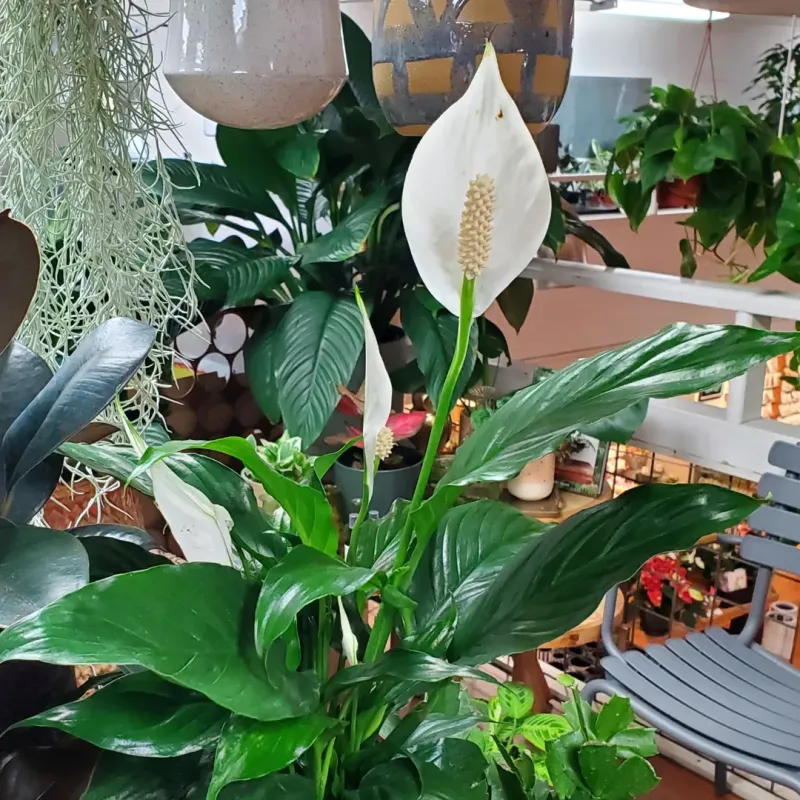
Imagine a plant that actually tells you when it needs water. That is exactly what the peace lily does.
When it gets thirsty, its leaves droop down gently, giving you a clear and obvious signal that it is time to grab the watering can. Once you water it, the leaves bounce back upright within a few hours. Honestly, it is one of the most communicative plants you will ever own.
The peace lily is a low-light champion, making it a wonderful fit for Texas homes where not every room gets flooded with sunshine. It thrives in indirect light and can even manage in dimly lit spaces.
The elegant white blooms it produces add a soft, clean brightness to any room without needing a sunny windowsill to do so.
Watering is simple and straightforward. The peace lily prefers moderate moisture but definitely does not want to sit in soggy soil.
Water it thoroughly when the leaves begin to droop, then let it almost dry out before watering again. That rhythm works beautifully in the dry indoor air common across Texas homes.
One thing to keep in mind is that peace lilies prefer slightly humid conditions. Placing a small tray of water near the plant or misting the leaves occasionally can help, especially during dry Texas winters when indoor air gets extra parched.
For anyone in Texas who wants a flowering indoor plant without complicated care routines, the peace lily is a genuinely smart and beautiful choice heading into 2026.
5. Cast Iron Plant
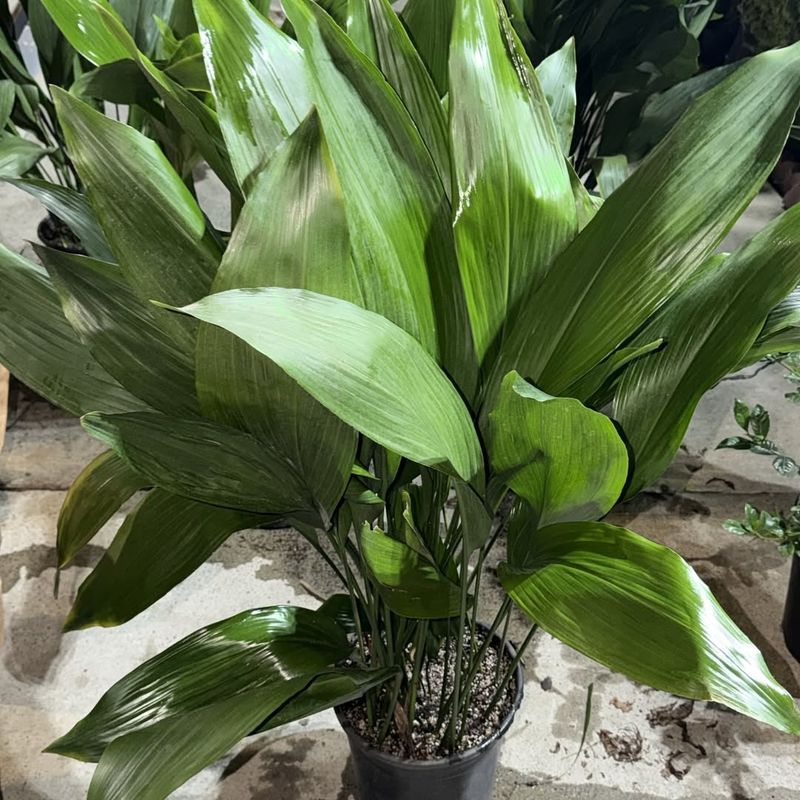
The name says it all. The cast iron plant earned its tough reputation by surviving conditions that would send most other houseplants into a full meltdown.
Neglect? No problem. Deep shade? Absolutely fine. Dry indoor air from Texas air conditioning running all summer? It handles that without complaint.
This plant is practically legendary among experienced gardeners for its ability to endure almost anything.
Native to the forests of Japan and Taiwan, the cast iron plant has been a favorite in Southern homes, including Texas, for well over a century. Its wide, glossy, dark green leaves bring a sense of lush abundance to any space, even rooms that barely get any natural light at all.
Dark hallways, shaded back rooms, and north-facing spaces are all fair game for this incredible plant.
Growth is slow and deliberate, which means you will not be repotting it every few months. That slow pace is actually a feature, not a flaw, because it keeps the plant looking tidy and contained for a very long time.
For busy Texas homeowners, that low-demand growth habit is a genuine blessing. Watering is minimal. Allow the soil to dry out between waterings, and do not stress if you miss a session here and there.
The cast iron plant stores energy efficiently and does not need constant attention to stay healthy.
If you have a dark corner in your Texas home that needs some greenery in 2026, look no further than this incredibly durable and stylish plant.
6. Aloe Vera
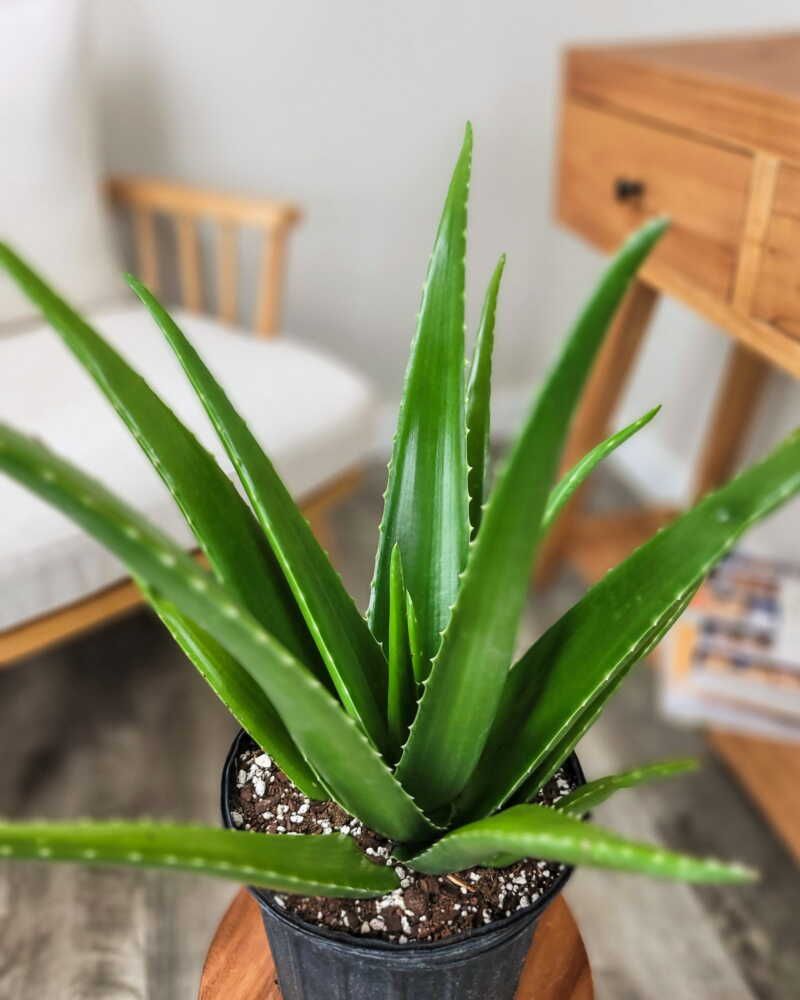
Aloe vera is basically the Swiss Army knife of the plant world. It looks great on a sunny windowsill, asks for almost nothing in terms of care, and then rewards you with a natural, soothing gel that works wonders on minor burns and skin irritation.
In a state like Texas, where summer sun can leave your skin feeling scorched, having an aloe plant within arm’s reach is genuinely useful.
Being a succulent, aloe vera stores water in its thick, fleshy leaves. This means it is built for dry conditions, and Texas homes are exactly the kind of environment where it thrives.
Bright, direct sunlight from a south or west-facing window is ideal, and the plant will reward you with vibrant, healthy growth when it gets plenty of light.
Watering needs are refreshingly minimal. During spring and summer, watering every two to three weeks is usually enough.
In the cooler fall and winter months, you can cut back even further and water once a month or less. Always let the soil dry out completely between waterings to avoid root rot, which is the main thing to watch out for.
Soil matters a lot with aloe. Use a cactus or succulent mix rather than regular potting soil, because good drainage is essential for keeping this plant happy and healthy long-term.
For Texas homeowners heading into 2026, aloe vera is one of those rare plants that is both beautiful and genuinely practical. It earns its spot on any sunny windowsill without question.
7. Parlor Palm
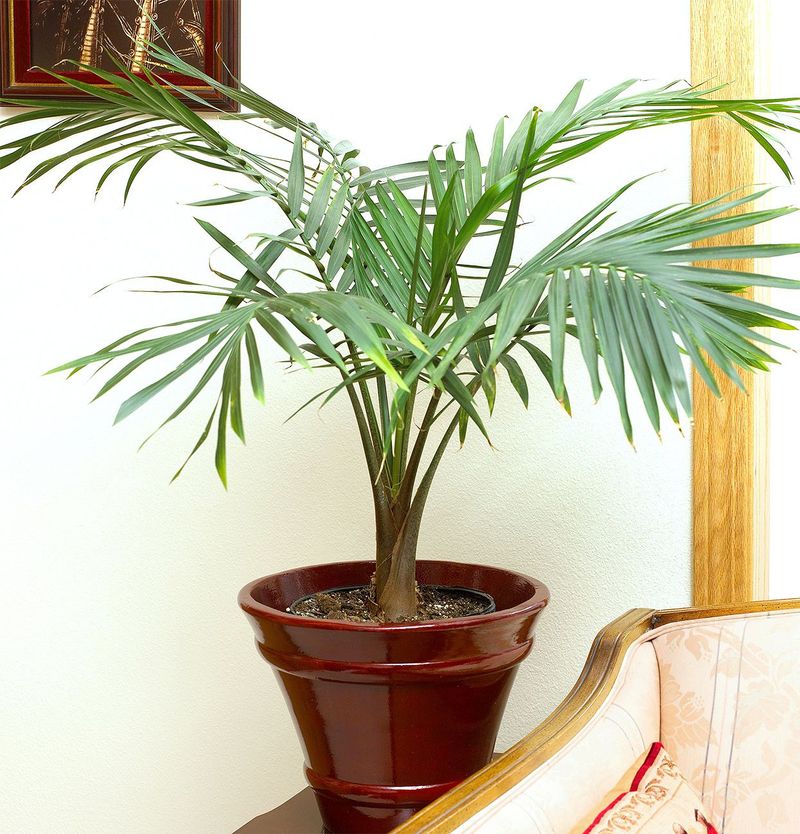
There is something undeniably charming about a parlor palm. Its soft, feathery fronds bring an instant tropical vibe to any room, and yet it asks for almost nothing in return.
Unlike many palms that need intense outdoor sun and lots of space, the parlor palm is perfectly happy growing indoors, even in rooms with low to moderate light. For Texas homes in 2026, that combination of good looks and easy care is simply hard to beat.
Originally from the rainforests of Mexico and Central America, the parlor palm has been a beloved indoor plant since the Victorian era.
People back then loved it for the same reasons we do today: it is compact, elegant, and surprisingly tough for something that looks so delicate.
It fits comfortably in apartments, bedrooms, and living rooms across Texas without taking over the space.
Watering is light and infrequent. Allow the top inch of soil to dry out between waterings, and never let the plant sit in standing water.
During the dry Texas winters when indoor heating pulls moisture from the air, occasional misting of the fronds can help keep the plant looking fresh and vibrant.
One thing to love about the parlor palm is that it grows slowly and stays tidy without much pruning or fussing. Yellow or brown fronds can simply be trimmed away as needed, and the plant will continue producing new growth at its own relaxed pace.
For anyone wanting a lush, tropical feel in their Texas home without the high-maintenance drama, the parlor palm is a wonderful and reliable choice.