You Won’t Believe This Tree Exists In South Florida (It’s More Toxic Than A Rattlesnake’s Venom)
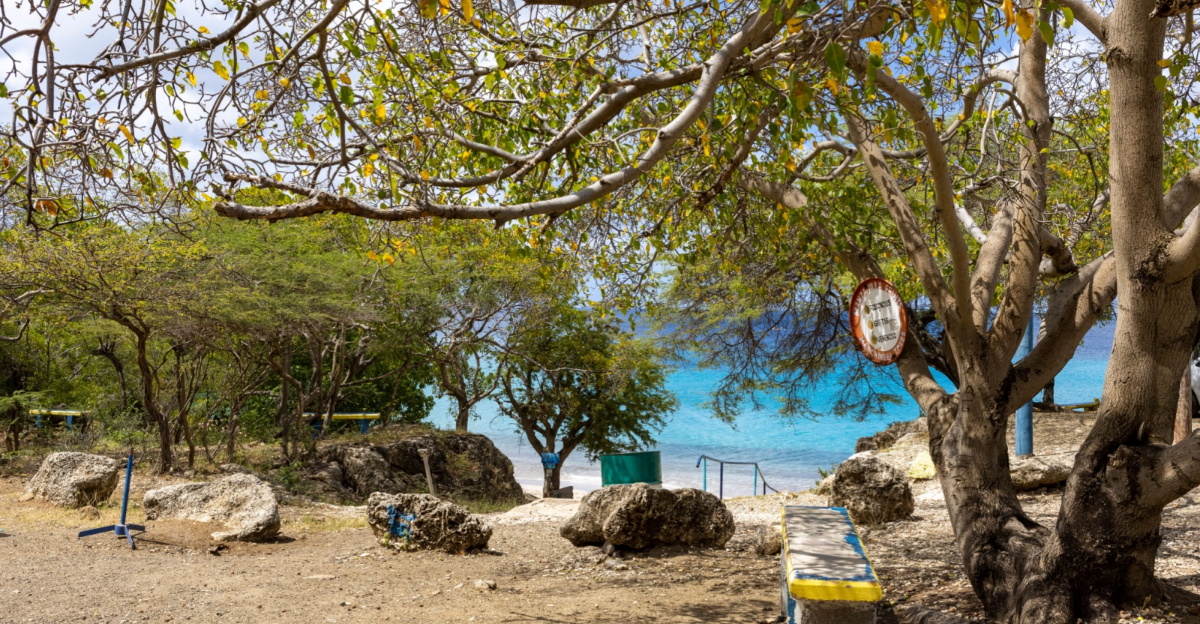
There’s a tree in South Florida that might just make you second-guess your next walk in the woods. It looks harmless, even beautiful, but don’t be fooled, this tree is more dangerous than you can imagine.
Its toxins are so powerful that touching it can cause excruciating skin reactions, and just breathing in its smoke can send you into a dangerous spiral. It’s more dangerous than a rattlesnake’s venom, and yet, it blends in with the landscape like any other tree.
You wouldn’t even notice it until it’s too late. Meet the Machineel tree.
This unassuming plant carries a terrifying secret that makes it one of the most perilous trees in the world.
If you think you can safely enjoy Florida’s outdoors, you’ll want to know why this tree is one you should never get too close to.
1. Meet The Manchineel Tree, South Florida’s Most Toxic Threat
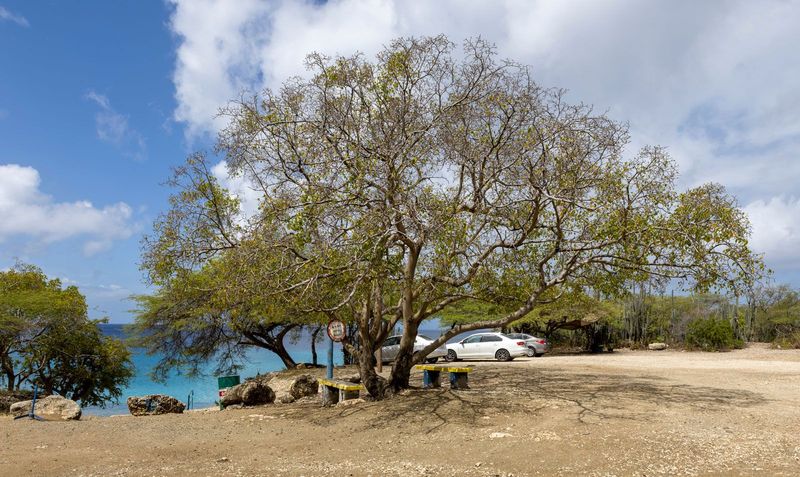
Hidden along the sun-soaked coastlines and wetland edges of South Florida grows a tree so extraordinarily dangerous that even brief contact can send someone to the emergency room. The Manchineel tree (Hippomane mancinella) looks almost inviting at first glance, with bright green leaves and small apple-like fruits that resemble something you might find at a farmers market.
But looks are wildly deceiving here.
Spanish explorers who first encountered this tree in Florida and the Caribbean called its fruit “manzanilla de la muerte,” which translates to “little apple of death.” Every single part of this tree, including its bark, sap, leaves, roots, and fruit, contains powerful toxic compounds that can cause serious harm to humans and animals. The University of Florida IFAS Extension has flagged the Manchineel as one of the most hazardous plants found in the state.
South Florida’s warm, humid climate creates a perfect environment for this tree to thrive, particularly along coastal areas in Miami-Dade, Broward, and Monroe counties. Many hikers and beachgoers in South Florida have no idea this tree even exists, which makes awareness absolutely critical.
Knowing this tree is out there is genuinely the first step toward staying safe outdoors.
2. This Tree’s Poison Is More Toxic Than A Rattlesnake
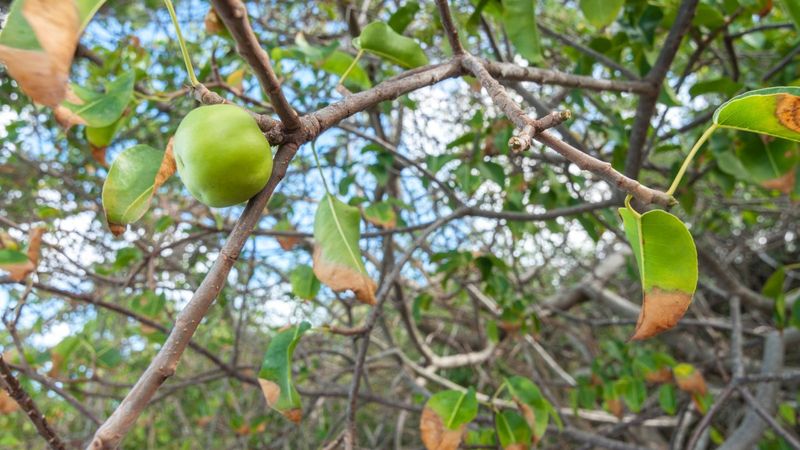
When people think of dangerous things in South Florida, rattlesnakes usually top the list. But the Manchineel tree makes a rattlesnake’s venom look almost mild by comparison.
Research published in toxicology journals has shown that the phorbol esters found in Manchineel sap are extraordinarily potent irritants, with some studies suggesting the tree’s toxic compounds are roughly 12,000 times more concentrated in harmful effect than the venom of a Florida Eastern Diamondback Rattlesnake.
The primary toxic agent in the Manchineel is a compound called hippomanin A, along with a cocktail of phorbol esters and other dangerous chemicals. These compounds trigger intense inflammatory reactions in human tissue almost immediately upon contact.
Even rainwater that drips off the tree’s leaves can carry enough of these compounds to blister exposed skin.
According to the University of Florida IFAS, the Manchineel’s sap is so corrosive that it was historically used by indigenous Caribbean peoples to coat arrowheads. Swallowing even a tiny piece of the fruit can cause severe swelling of the mouth and throat.
Understanding the sheer scale of this tree’s toxicity helps explain why South Florida wildlife authorities take its presence so seriously along coastal trails and nature preserves.
3. The Manchineel Tree Thrives In South Florida’s Wetlands
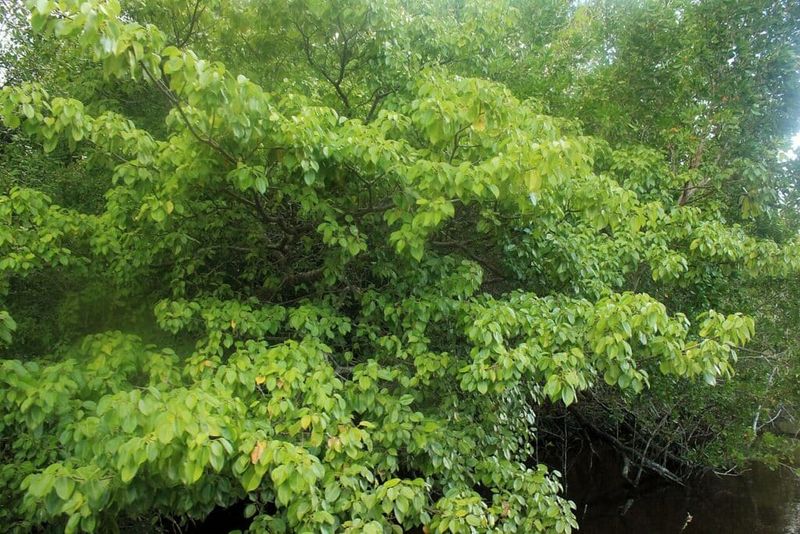
South Florida’s wetlands are some of the most biodiverse ecosystems on the planet, and the Manchineel tree has carved out a very comfortable niche within them. This tree has a strong preference for coastal and near-coastal environments, particularly areas with brackish or salty soil that many other plants simply cannot tolerate.
That makes the edges of Florida’s mangrove forests, coastal hammocks, and saltwater marshes prime real estate for the Manchineel.
You can find concentrations of this tree throughout the Florida Keys, Everglades National Park, and along the Atlantic coast stretching through Miami-Dade and Broward counties. The tree actually plays an ecological role in these wetland systems, helping to stabilize sandy and silty soils along shorelines.
Birds and some wildlife species interact with the tree without suffering the same effects humans do, which is a fascinating quirk of nature.
The Manchineel can grow up to 50 feet tall in ideal South Florida conditions, forming a broad, spreading canopy that can look like a shady, welcoming rest spot on a hot day. That inviting appearance is exactly what makes it so risky for unsuspecting visitors to South Florida’s outdoor spaces.
State and national park rangers in the region sometimes post warning signs near known Manchineel groves to alert hikers and beachgoers.
4. How To Spot The Dangerous Manchineel Tree In The Wild
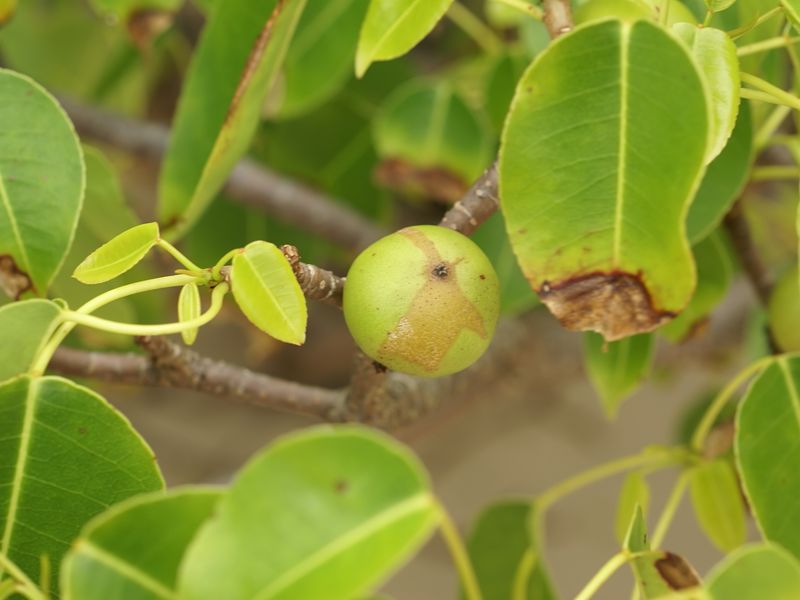
Knowing how to identify the Manchineel tree in the wild is one of the most practical skills any outdoor enthusiast in South Florida can develop. At a distance, this tree can easily be mistaken for a common fruit tree or even a dense shade tree near the beach.
Its appearance can be deceiving, with lush, green foliage and small, apple-like fruit that may seem inviting to the untrained eye. However, up close, there are several distinct features that set it apart from other South Florida species.
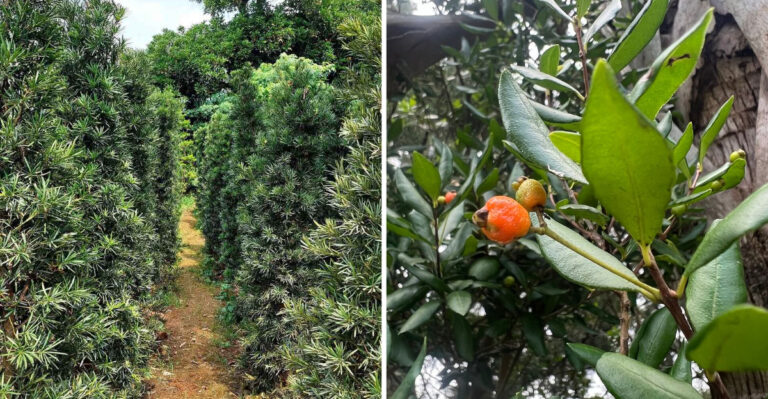
The leaves of the Manchineel tree are oval-shaped, glossy, and bright green, with finely serrated edges. One characteristic to look for is a small gland at the base of the leaf stem, where it meets the blade.
The bark of the Manchineel is grayish-brown and slightly furrowed, giving it a texture that might remind you of some oak species. The most recognizable feature of this tree is its fruit: small, round, and greenish-yellow when ripe, resembling a tiny apple or large grape.
This is why the Manchineel is sometimes called the “beach apple” by locals.
Another key feature to help identify the tree is the milky white sap that oozes from any broken branches or cuts in the bark. This sap can darken to black when exposed to air, making it a clear sign of the tree’s presence.
If you notice these distinctive features near a South Florida beach or wetland, it is critical to keep your distance and warn others nearby. The sap is highly toxic, so it’s essential not to touch any part of the tree or collect samples without proper protective equipment.
5. One Touch Can Trigger Serious Health Risks
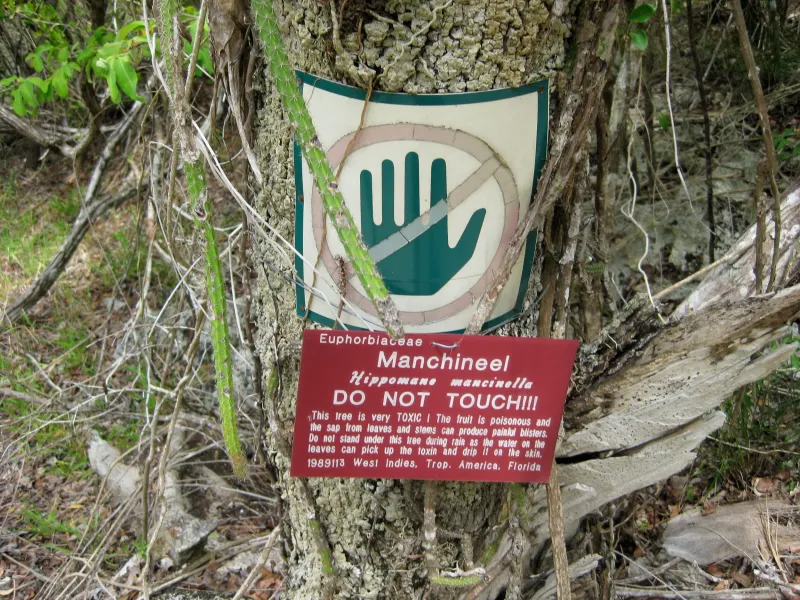
You might assume that a tree’s danger is limited to eating its fruit, but the Manchineel operates on a completely different level. Simply brushing against the bark or leaves can cause a painful, blistering rash similar to a severe chemical burn.
The toxic sap can seep through clothing and reach skin underneath, which means even casual contact in South Florida’s outdoor spaces carries real health risks.
Symptoms of Manchineel exposure typically appear within 15 to 30 minutes of contact. Skin reactions include intense redness, swelling, and fluid-filled blisters.
Eye exposure, which can happen if sap splashes or if someone touches their face after touching the tree, can cause temporary vision problems and extreme irritation. Smoke from burning Manchineel wood is also hazardous, causing respiratory irritation and eye inflammation in people nearby.
Medical professionals in South Florida’s coastal communities are trained to recognize Manchineel exposure symptoms. If you believe you have come into contact with this tree, the recommended first step is to rinse the affected area thoroughly with clean water and seek medical attention promptly.
The Florida Poison Control Center can be reached at 1-800-222-1222 for immediate guidance. Carrying a basic first-aid kit when exploring South Florida’s coastal trails is always a wise precaution.
6. Avoid The Manchineel Tree For Your Safety In South Florida
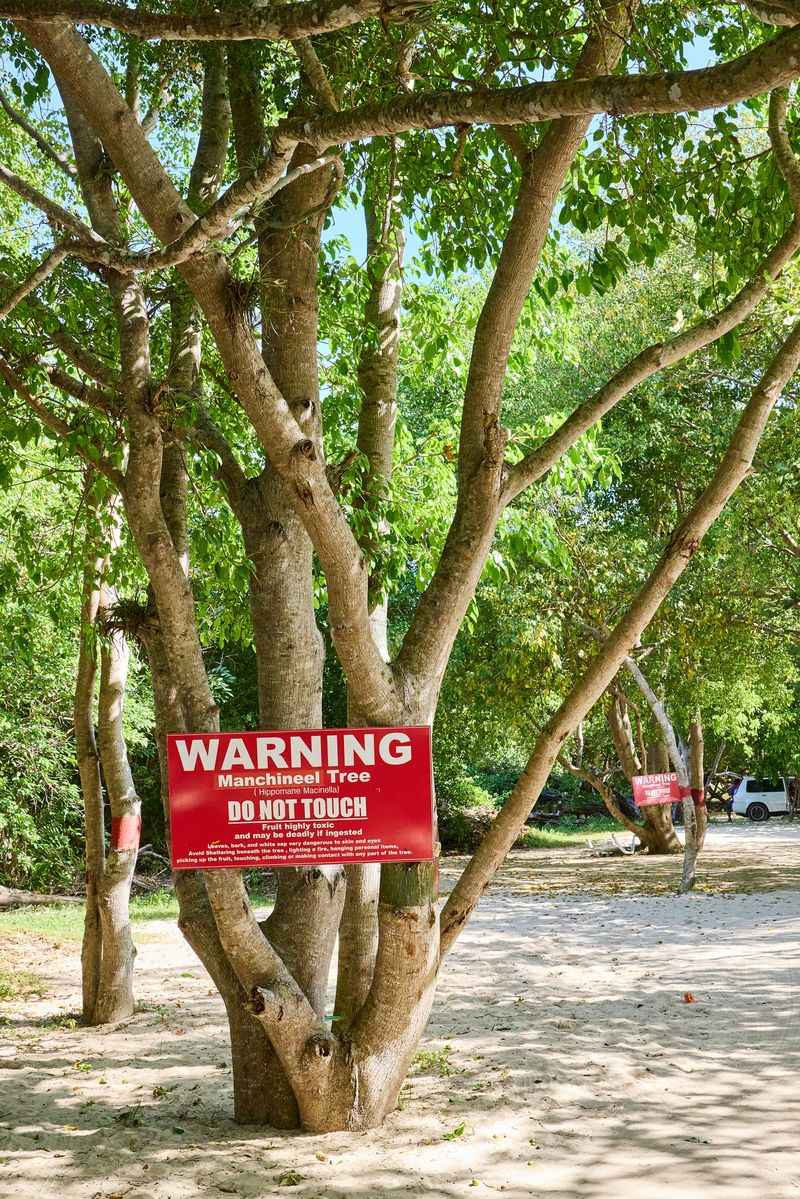
Staying safe in South Florida’s incredible outdoor spaces comes down to preparation and awareness, and the Manchineel tree is a perfect example of why knowing your environment matters. Before heading out to any coastal trail, beach hammock, or wetland boardwalk in South Florida, take a few minutes to familiarize yourself with what this tree looks like.
Snapping a reference photo on your phone before you head out is a simple but genuinely useful habit.
If you spot a tree that matches the Manchineel’s description, the safest action is to give it a wide berth of at least 10 feet and warn anyone in your group. Never allow children to pick up the small apple-like fruits from the ground, as they can look appealing and harmless to young eyes.
Reporting suspected Manchineel trees to local park rangers or the Florida Fish and Wildlife Conservation Commission helps authorities manage and mark these trees for public safety.
South Florida’s natural beauty is absolutely worth exploring, and being informed makes every outdoor adventure safer and more enjoyable. Resources like the University of Florida IFAS Extension and the Florida Department of Environmental Protection offer free guides on identifying hazardous plants in the region.
South Florida’s natural beauty is truly unmatched, but it’s important to remember that some of its most striking features come with hidden dangers. The Manchineel tree may look inviting, but its toxic properties make it one of the most hazardous plants you can encounter.
By knowing how to identify it and understanding the risks it poses, you can ensure that your adventures in the outdoors remain safe and enjoyable. Always stay vigilant, respect warning signs, and share this information with others, because the more people who know about the Manchineel tree, the safer our outdoor spaces will be for everyone.