Young Gardeners Across Texas Are Choosing Vintage Planting Styles
Young gardeners across Texas are choosing vintage planting styles because older techniques feel grounding and creative in a world that moves a little too fast.
Gardeners are mixing classic pots, heirloom varieties, and simple layouts that echo slower, hands-on traditions from past generations.
A garden gains a warm nostalgic charm once these choices come together, giving people a space that feels personal, steady, and full of character.
1. Heirloom Seed Collections
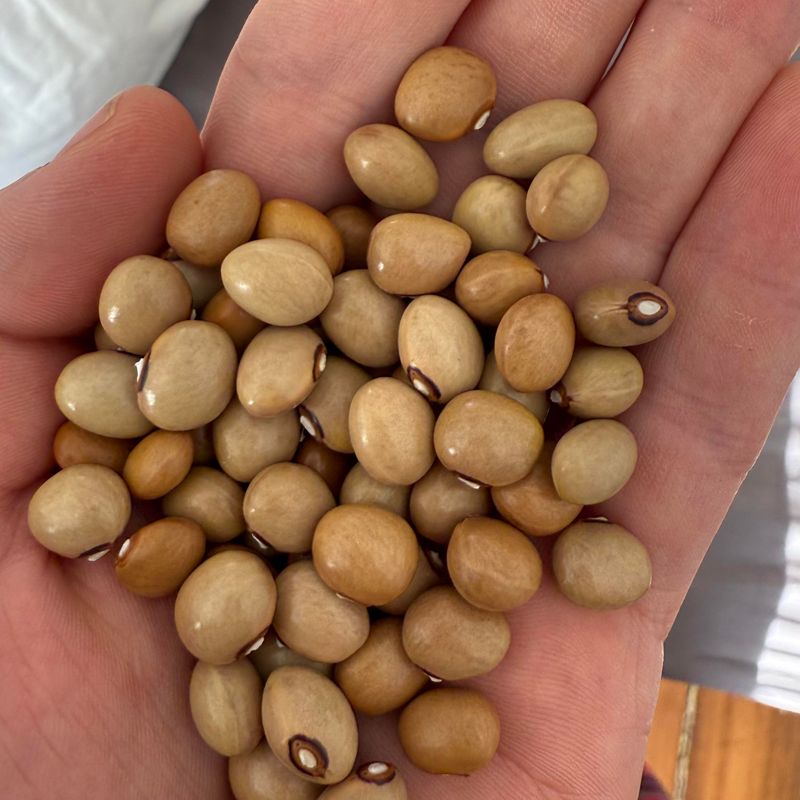
Collecting heirloom seeds has become a favorite hobby among young Texas gardeners who value history and flavor over modern hybrid varieties available at big stores.
Many folks in Dallas and San Antonio now trade rare bean seeds, colorful corn varieties, and unusual squash types at weekend swap meets held in parks.
Heirloom varieties often taste better than store-bought produce because they were selected for flavor rather than shipping durability or uniform appearance over many plant generations.
Saving seeds from one season to plant the next creates a personal connection to the garden that feels rewarding and helps preserve agricultural diversity.
Texas gardeners appreciate how heirloom plants adapt to local soil and climate conditions after growing in the same region for decades or even centuries.
Seed-saving also saves money since gardeners no longer need to purchase new packets every spring, making gardening more affordable for young people on tight budgets.
Online communities and local garden clubs across the state help beginners learn proper seed storage techniques and share stories about plant origins and family histories.
Heirloom gardening connects youth to their grandparents’ gardening traditions while building skills that promote food security and environmental stewardship in Texas communities statewide.
2. Victory Garden Revival
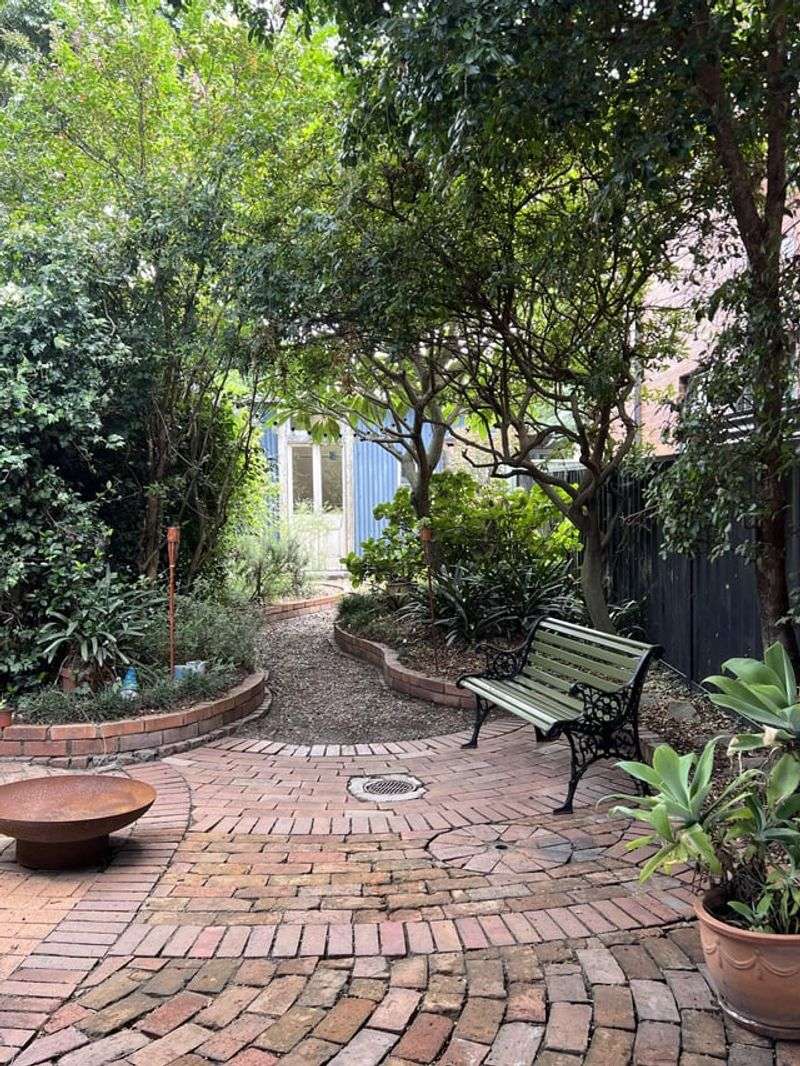
Victory gardens, originally planted during wartime to support food production, are making a strong comeback among environmentally conscious young Texans who value self-sufficiency and community spirit.
Neighborhoods in Fort Worth and El Paso have transformed vacant lots into productive vegetable plots where residents grow carrots, lettuce, and peppers using old-school methods.
Growing your own food reduces grocery bills while cutting down on transportation emissions, packaging waste, and reliance on industrial agriculture systems that use heavy chemicals.
Victory gardens also create beautiful green spaces that bring neighbors together for planting days, harvest celebrations, and shared meals featuring homegrown ingredients everyone helped cultivate.
Young gardeners appreciate the vintage aesthetic of neat rows, hand-painted signs, and simple wooden trellises that give these spaces a nostalgic, purposeful appearance unlike modern landscapes.
Educational workshops teach beginners how to maximize small spaces, rotate crops properly, and preserve surplus harvests through canning, freezing, and drying techniques grandparents once used.
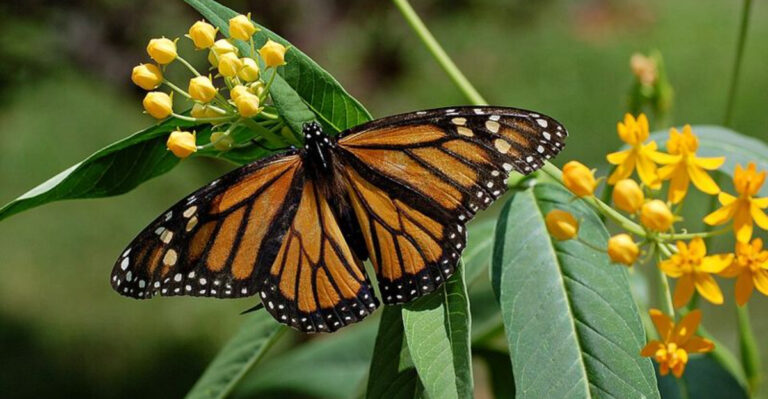
Texas victory gardens often include native plants and pollinator-friendly flowers alongside vegetables, creating ecosystems that support bees, butterflies, and beneficial insects throughout the growing season.
This movement empowers young people to take control of their food sources while honoring the resourcefulness and determination of previous generations who faced similar challenges.
3. Old-Fashioned Flower Borders
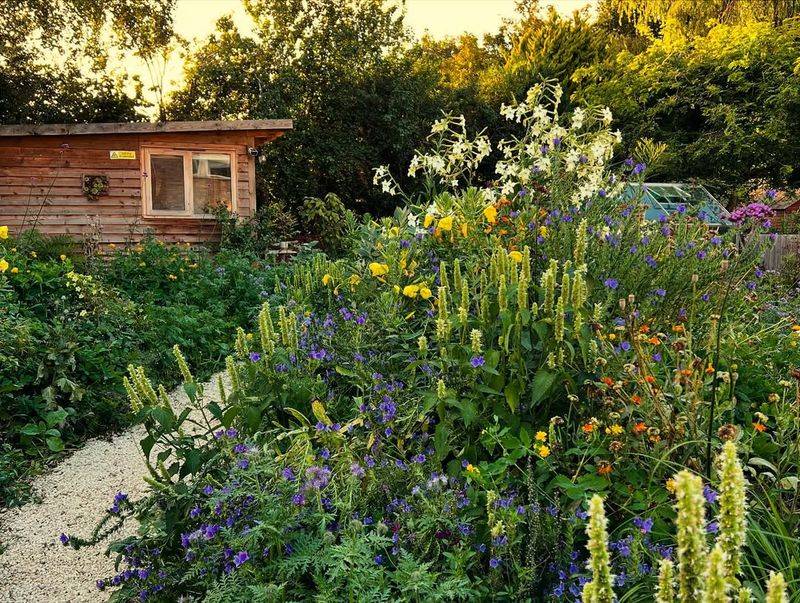
Cottage-style flower borders filled with zinnias, marigolds, hollyhocks, and bachelor buttons are replacing minimalist landscapes in yards across Texas as young gardeners embrace colorful, romantic aesthetics.
These traditional plantings create layers of blooms from spring through fall, attracting hummingbirds and butterflies while providing cut flowers for indoor arrangements that brighten homes naturally.
Gardeners in Austin and Waco appreciate how vintage flower varieties require less water and fewer pesticides compared to fussy modern hybrids bred primarily for appearance.
Old-fashioned flowers often self-seed, meaning they drop seeds that sprout new plants the following year without any extra effort or expense from the gardener.
Planting mixed borders with varying heights, textures, and bloom times creates visual interest that changes throughout the seasons, making gardens feel alive and dynamic rather than static.
Young Texans enjoy the informal, slightly wild look of cottage gardens that feel more relaxed and welcoming than perfectly manicured lawns requiring constant maintenance and resources.
Flower borders also provide habitat for beneficial insects that help control garden pests naturally, reducing the need for chemical sprays that harm the environment and wildlife.
This vintage approach to landscaping transforms ordinary yards into enchanting outdoor rooms where families can relax, play, and connect with nature right outside their doors.
4. Hand Tool Gardening
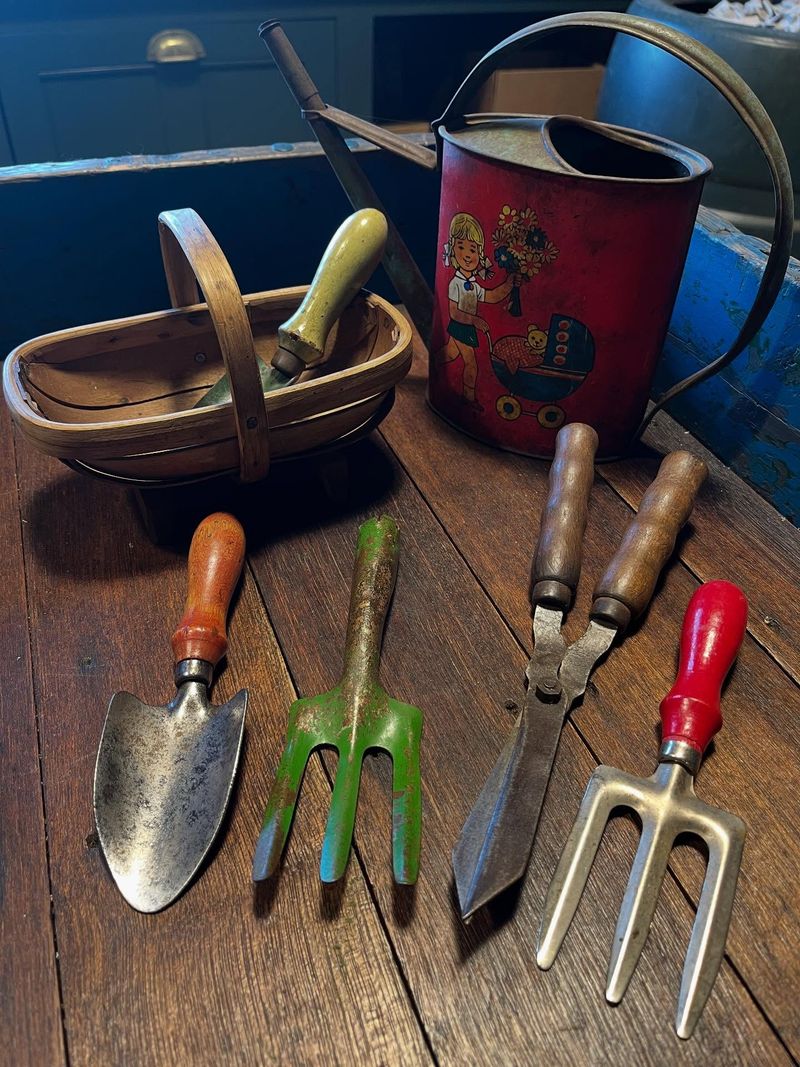
Power equipment is taking a backseat as young Texas gardeners rediscover the satisfaction and environmental benefits of working the soil with simple hand tools their ancestors used.
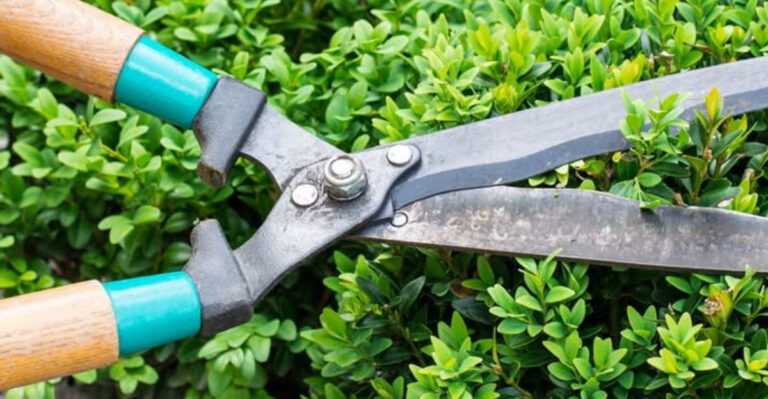
Trowels, hand forks, hoes, and pruning shears allow gardeners to work quietly without disturbing neighbors or wildlife, creating peaceful outdoor experiences that feel meditative and grounding.
Using hand tools builds physical strength and coordination while providing excellent exercise that keeps gardeners healthy without requiring expensive gym memberships or complicated workout routines.
Manual gardening techniques also prevent soil compaction caused by heavy machinery, preserving soil structure and allowing roots to grow deeply and access nutrients more effectively over time.
Young folks in Corpus Christi and Lubbock appreciate how vintage tools last for generations when properly maintained, unlike plastic or battery-powered gadgets that break quickly.
Hand tool gardening uses no fossil fuels, produces no emissions, and creates no noise pollution, making it the most environmentally friendly way to maintain outdoor spaces.
Many gardeners find that working slowly with hand tools helps them notice plant details, spot pest problems early, and develop deeper connections with their gardens and surroundings.
Texas garden centers now stock beautifully crafted traditional tools with wooden handles and forged metal heads that feel substantial, work efficiently, and look attractive hanging in sheds.
5. Companion Planting Methods
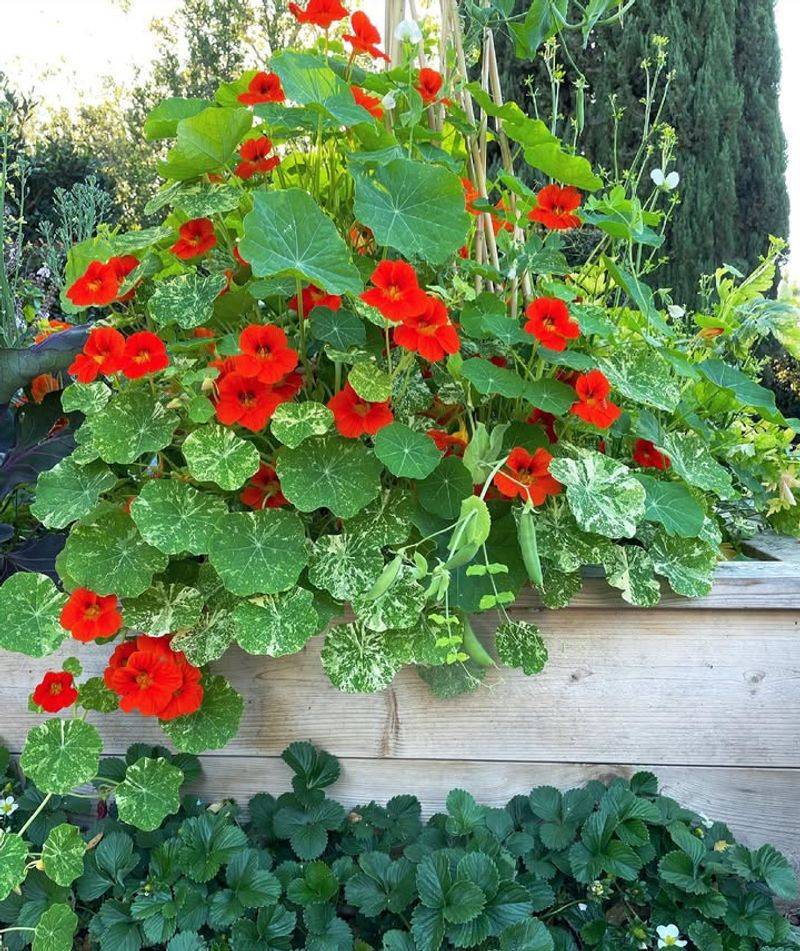
Companion planting, an age-old technique where certain plants grow better together, has captivated young Texas gardeners seeking natural ways to improve harvests without synthetic fertilizers.
Pairing tomatoes with basil, corn with beans, and marigolds with vegetables helps repel pests, improve soil nutrients, and maximize garden space using wisdom passed down through centuries.
Young growers in Houston and Amarillo experiment with these traditional combinations, discovering which partnerships work best in their specific microclimates and soil conditions across the state.
Companion planting reduces the need for chemical pesticides by attracting beneficial insects that eat harmful bugs, creating balanced ecosystems where plants naturally protect each other effectively.
This method also increases biodiversity in gardens, making them more resilient to diseases, weather extremes, and pest outbreaks that can devastate monoculture plantings in commercial agriculture.
Learning companion planting requires observation, experimentation, and patience, skills that help young gardeners become more attuned to natural rhythms and seasonal changes in their environments.
Texas gardeners share companion planting charts, personal success stories, and regional adaptations through social media groups and community workshops that make this vintage knowledge accessible to beginners.
This traditional approach transforms gardens into living laboratories where young people learn about plant relationships, insect behavior, and ecological balance while growing delicious, healthy food.
6. Mason Jar Seed Storage
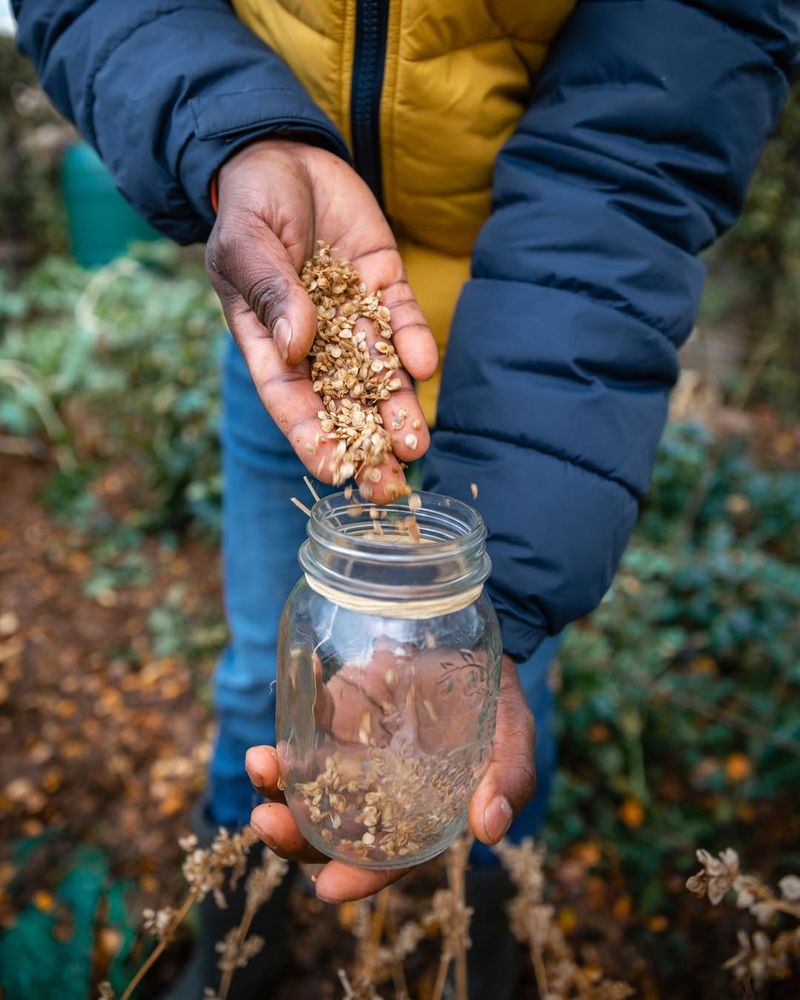
Mason jars, once found in every Texas kitchen for canning and preserving, are now being repurposed by young gardeners as charming, practical containers for organizing saved seeds.
Glass jars protect seeds from moisture, pests, and temperature fluctuations while allowing gardeners to see their collections at a glance, making seed selection easy when planting season arrives.
Vintage blue Ball jars and antique canning jars found at flea markets add nostalgic beauty to garden sheds and potting benches while serving a genuinely useful purpose.
Young Texans in San Antonio and Tyler enjoy decorating jars with handwritten labels, vintage-style tags, and fabric lids that give their seed storage a personalized, old-fashioned appearance.
Proper seed storage extends viability for years, allowing gardeners to build diverse collections without worrying about seeds losing their ability to sprout before planting time.
Mason jar storage also encourages seed saving and trading, as gardeners can easily portion out seeds to share with friends, family, and fellow garden enthusiasts throughout Texas.
This simple, elegant solution costs little or nothing if jars are recycled or inherited from relatives, making it accessible to young gardeners on limited budgets.
Using mason jars connects modern gardeners to traditional preservation practices while creating functional organization systems that look beautiful displayed on open shelving or windowsills year-round.
7. Rainwater Collection Systems
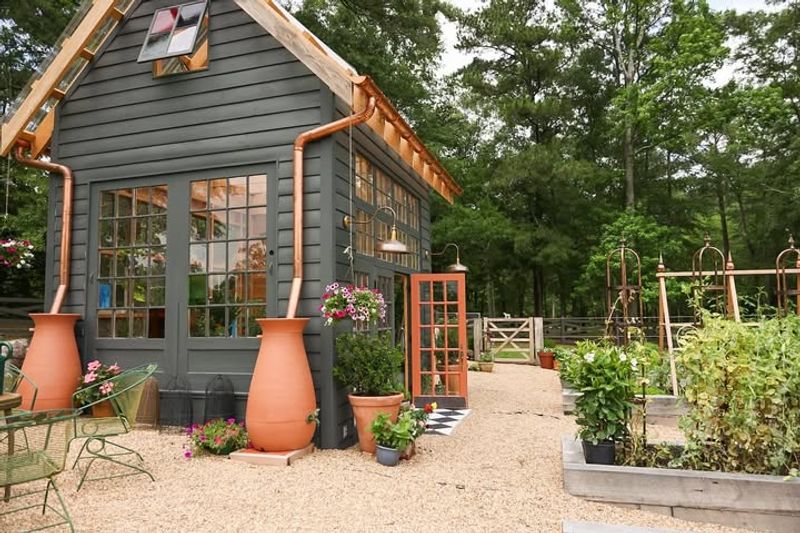
Rainwater harvesting, a practice Texas pioneers relied on for survival, is experiencing renewed popularity among young gardeners seeking sustainable water sources during increasingly frequent droughts.
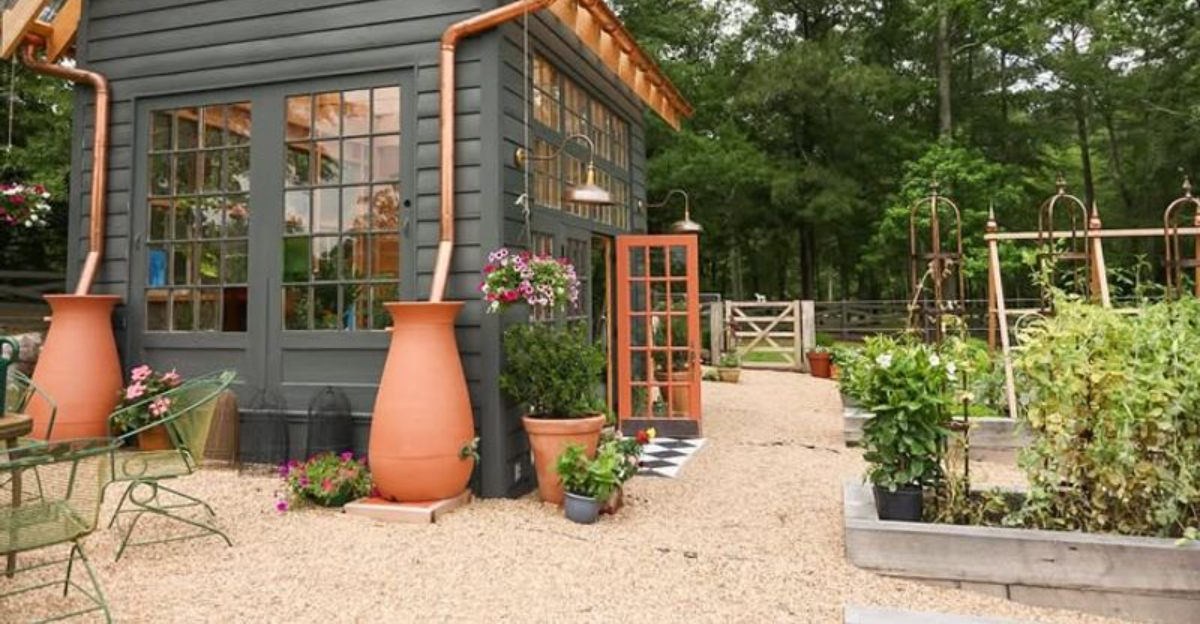
Simple barrel systems connected to roof gutters capture rainfall that would otherwise run off into storm drains, providing free irrigation water for vegetables, flowers, and fruit trees.
Young folks in Austin and Plano decorate rain barrels with vintage-inspired designs, paint, and plantings that transform functional equipment into attractive garden features that spark conversations.
Collected rainwater lacks the chlorine and minerals found in municipal supplies, making it healthier for plants and soil microorganisms that support root growth and nutrient absorption.
Rainwater harvesting reduces demand on city water systems and lowers utility bills, making gardening more affordable while promoting environmental responsibility and resource conservation across Texas communities.
During rainy seasons, barrels fill quickly, providing abundant water reserves that carry gardens through dry spells without requiring expensive irrigation systems or constant watering schedules.
Many cities now offer rebates or free barrels to encourage rainwater collection, making this vintage practice even more appealing to budget-conscious young gardeners starting their journey.
This time-tested method teaches young Texans to work with natural cycles, appreciate precipitation, and develop water-wise gardening habits that will serve them throughout their lives.
8. Heritage Rose Gardens
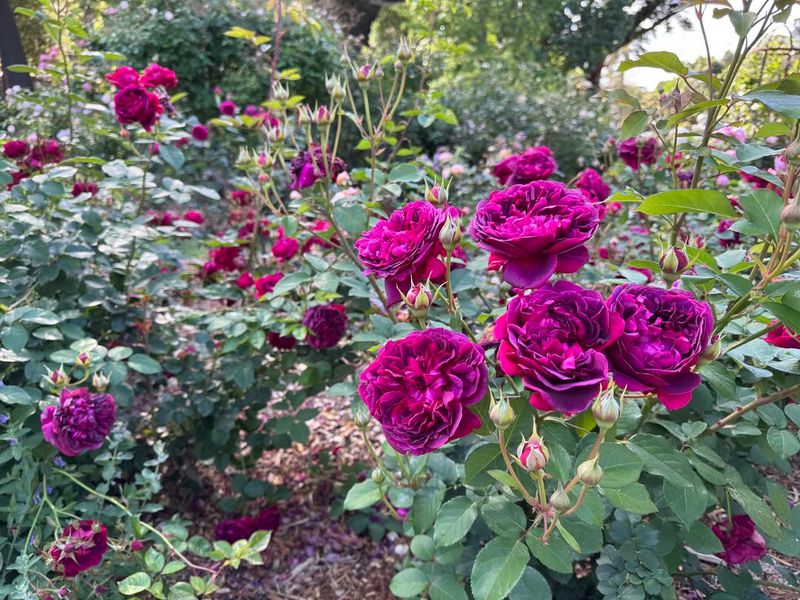
Heritage roses, varieties bred before 1867, are blooming again in Texas gardens as young enthusiasts discover their incredible fragrance, disease resistance, and historical significance to the state.
Unlike modern hybrid tea roses that require constant care, old roses thrive in Texas heat with minimal watering, pruning, or spraying, making them perfect for beginners.
Gardeners in Fredericksburg and Jefferson plant varieties like Old Blush, Madame Alfred Carriere, and Mutabilis that survived in pioneer cemeteries and abandoned homesteads for over a century.
These tough roses bloom repeatedly from spring through fall, providing continuous color and fragrance that fills gardens with romantic scents modern roses often lack completely.
Young Texans appreciate the stories behind heritage roses, many of which traveled to America with immigrants who cherished them as living connections to their distant homelands.
Heritage roses support pollinators better than highly hybridized varieties, producing accessible pollen and nectar that feed bees, butterflies, and other beneficial insects throughout the growing season.
Texas rose societies and specialty nurseries help young gardeners identify, source, and propagate rare varieties, preserving genetic diversity and cultural heritage for future generations to enjoy.
Growing heritage roses connects young people to Texas history while creating gardens that smell amazing, look beautiful, and require far less maintenance than conventional landscapes.
9. Newspaper Pot Making
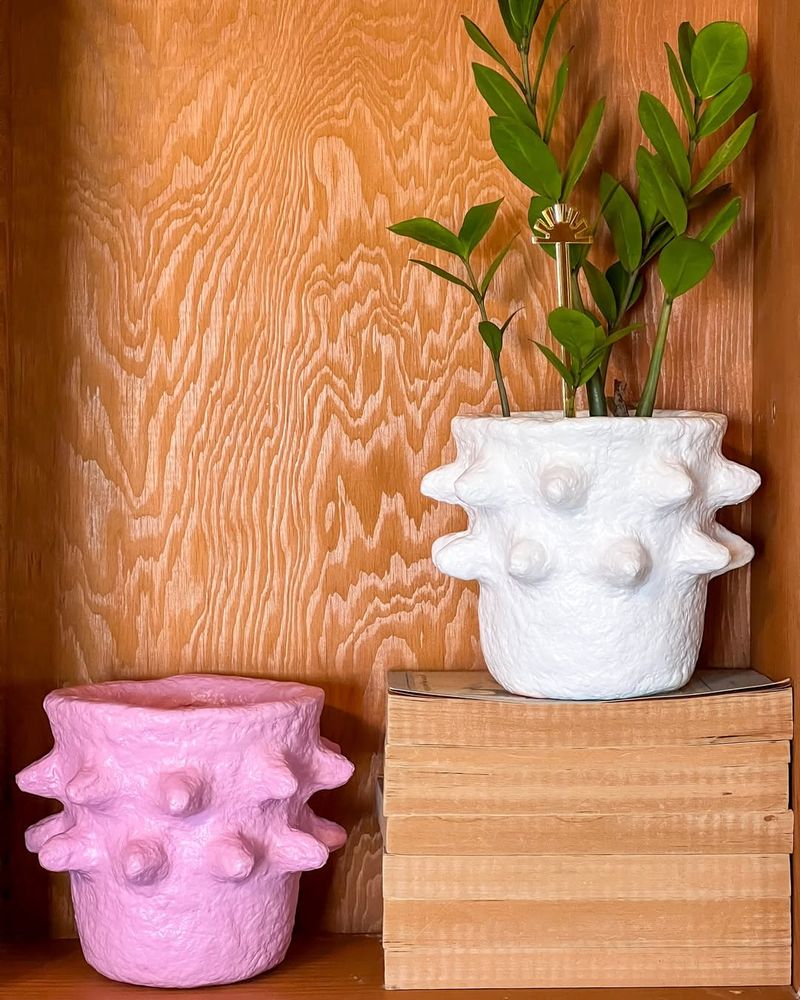
Young Texas gardeners are rolling newspaper into biodegradable seedling pots using simple wooden forms, reviving a Depression-era technique that saves money and reduces plastic waste.
Newspaper pots cost nothing to make, decompose naturally when planted in the ground, and eliminate transplant shock since roots grow right through the paper walls.
Crafting pots by hand provides a satisfying winter activity that prepares gardeners for spring planting while using materials that would otherwise end up in recycling bins.
Gardeners in Dallas and Brownsville host pot-making parties where friends gather to create hundreds of containers while sharing seeds, stories, and plans for upcoming growing seasons.
Newspaper pots work especially well for plants that dislike root disturbance, such as cucumbers, squash, and melons, allowing direct planting without removing seedlings from containers.
This vintage method teaches resourcefulness and creativity, showing young people how simple household items can replace expensive products sold at garden centers and big-box stores.
Black and white newsprint is safe for gardens, as modern inks are soy-based and non-toxic, though gardeners avoid glossy magazine pages that contain problematic chemicals.
Making newspaper pots connects young Texans to the ingenuity of earlier generations who gardened successfully with limited resources, proving that effective solutions need not be complicated or costly.
10. Moon Phase Planting
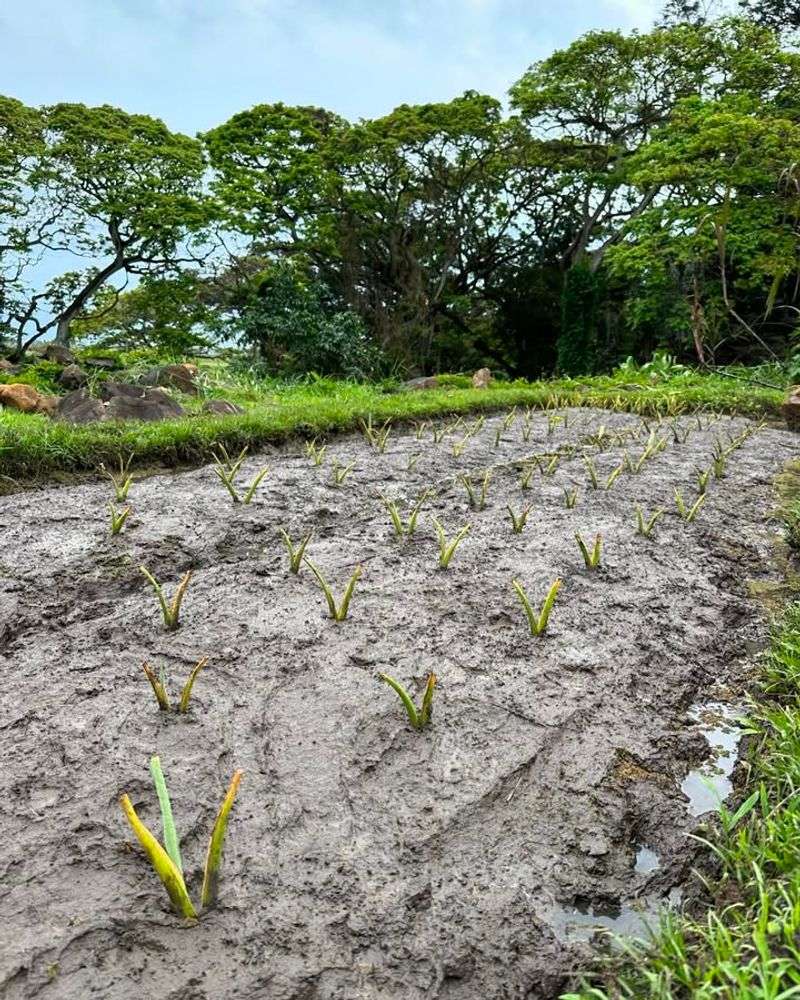
Planting by moon phases, an ancient agricultural practice, is gaining followers among young Texas gardeners who appreciate the connection between celestial rhythms and plant growth patterns.
This traditional method suggests planting above-ground crops during the waxing moon and root vegetables during the waning moon, following gravitational influences on soil moisture and sap flow.
Gardeners in Kerrville and Nacogdoches consult vintage farmers’ almanacs and lunar calendars to time their planting, harvesting, and pruning activities for optimal results throughout the year.
While scientific evidence remains mixed, many practitioners report improved germination rates, stronger plants, and better yields when following moon phase recommendations passed down through generations of farmers.
Moon gardening encourages young people to observe natural cycles, pay attention to seasonal changes, and develop patience as they align their activities with rhythms beyond human control.
This practice costs nothing to implement and adds a mystical, romantic element to gardening that appeals to young Texans seeking deeper connections with nature and tradition.
Online communities and apps now make moon phase gardening accessible to beginners who might not have learned these techniques from older relatives or traditional farming communities.
Following lunar cycles transforms gardening into a more mindful, intentional practice that honors vintage wisdom while creating opportunities for experimentation, observation, and personal discovery across Texas.