Your Amaryllis Will Bloom Again Next Year In Florida With These Tips
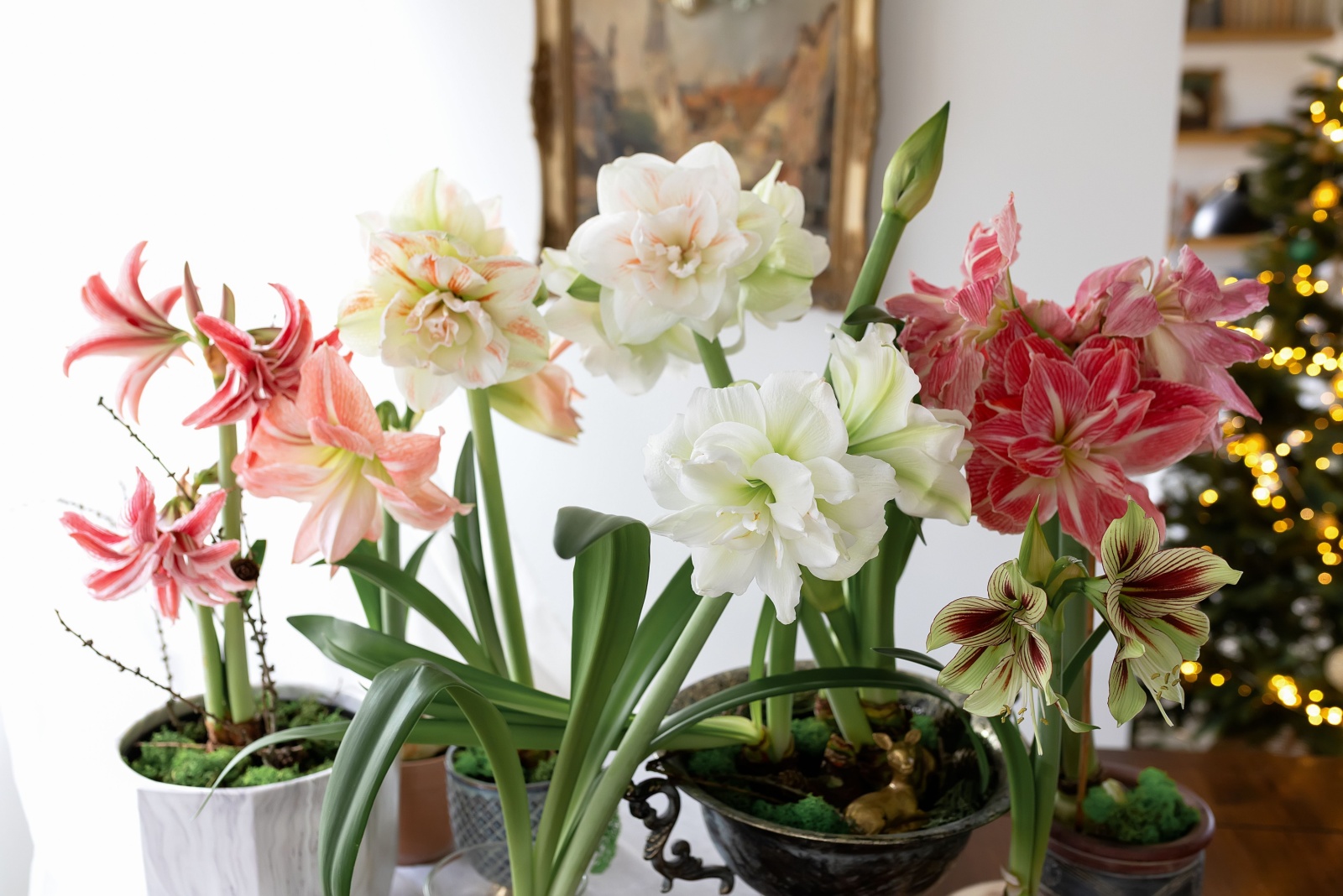
Amaryllis brings a burst of color to Florida homes just when winter feels dull, yet too many gardeners assume those bold blooms are a one time miracle.
After the flowers fade, the plant often looks ordinary, even tired, and it is easy to believe the show is over for good.
In Florida, that assumption could not be more wrong.
Our warm days, mild winters, and long growing season give amaryllis everything it needs to return year after year with even stronger flower stalks and bigger displays.
With the right care after blooming, a single bulb can become a reliable seasonal performer that grows fuller and more impressive over time.
Many of the frustrations people experience come from treating amaryllis like a disposable holiday plant instead of the tropical perennial it truly is in this climate.
When you understand how these bulbs store energy, respond to light, and react to Florida’s subtle seasonal changes, you gain the power to turn a fading plant into a long term garden highlight that delivers dramatic blooms every winter.
1. Why Amaryllis Behaves Differently In Florida Than In Other States
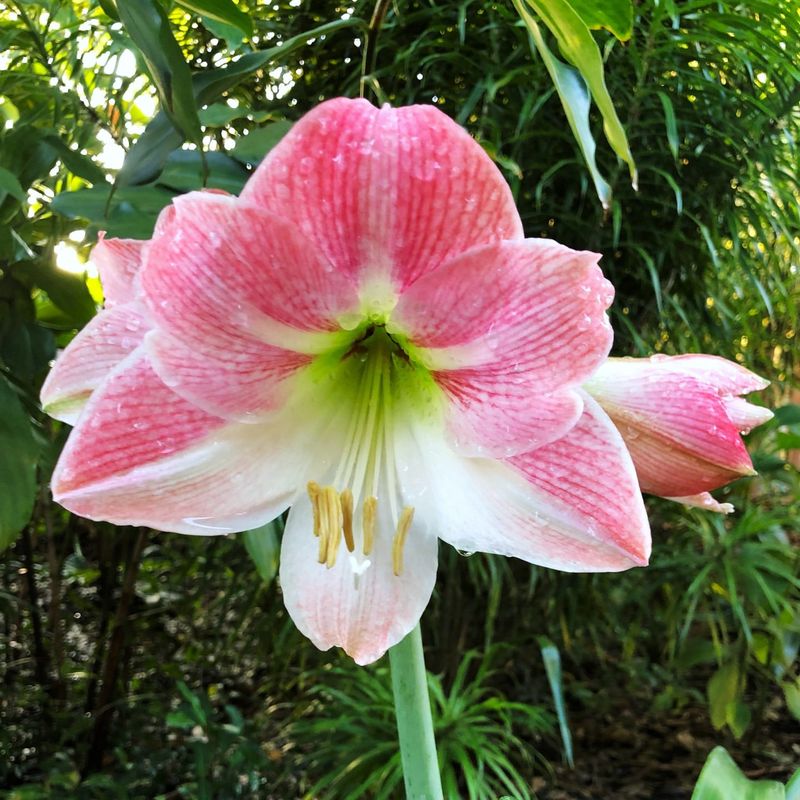
Florida’s climate creates a completely different growing environment for amaryllis compared to northern states where these bulbs are often forced indoors during cold months.
In states with freezing winters, amaryllis naturally goes dormant because temperatures drop low enough to trigger rest periods that prepare the bulb for its next bloom cycle.
Here in Florida, our mild winters allow amaryllis to grow for much of the year, but the combination of shorter days and cooler winter nights naturally signals the bulb to prepare for flowering.
Unlike forced indoor bulbs, Florida-grown amaryllis do not need cold or drying to rebloom, but they still benefit from a seasonal slowdown that allows energy to shift from leaves into flower buds.
You also need to consider our intense summer heat and humidity, which can stress bulbs if they’re not positioned correctly or watered appropriately.
Understanding these Florida-specific factors helps you support the natural cycle amaryllis already follows in our climate.
Your bulb isn’t broken if it doesn’t automatically rest in Florida; it simply needs your guidance to follow a rhythm that works with our subtropical weather patterns instead of against them.
2. What Your Amaryllis Is Telling You After The Blooms Fade
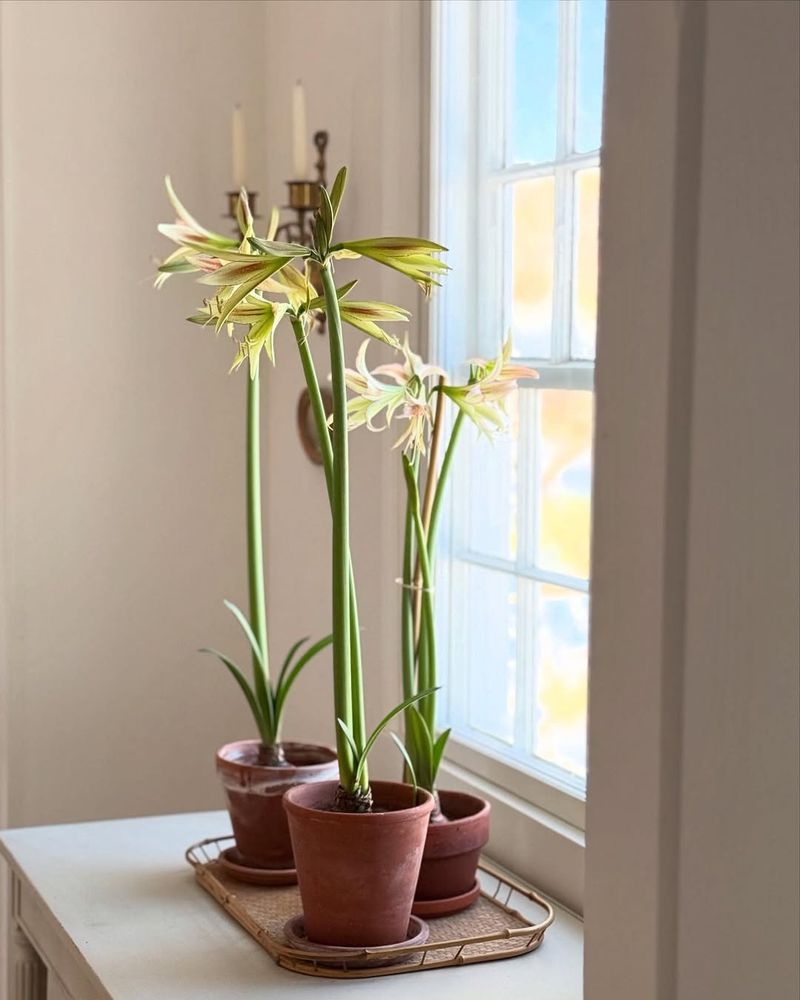
Once those spectacular flowers fade and drop, your amaryllis isn’t finished for the year—it’s actually just getting started on building strength for next season.
Once the flowers fade, cut the flower stalk near the base of the bulb to prevent seed formation and allow the plant to focus on leaf growth.
This prevents rot from traveling down into the bulb tissue while keeping the entry point sealed and protected.
At this stage, your amaryllis is shifting all its energy toward leaf production, which becomes the powerhouse for next year’s bloom.
Don’t be tempted to reduce care just because the showy flowers are gone; this post-bloom period is actually one of the most critical times for your bulb’s future success.
Pay attention to how your plant looks during these weeks—healthy green growth means you’re on the right track, while yellowing or weak leaves suggest adjustments in light, water, or nutrients are needed immediately.
3. How Leaves Power The Next Flower Cycle
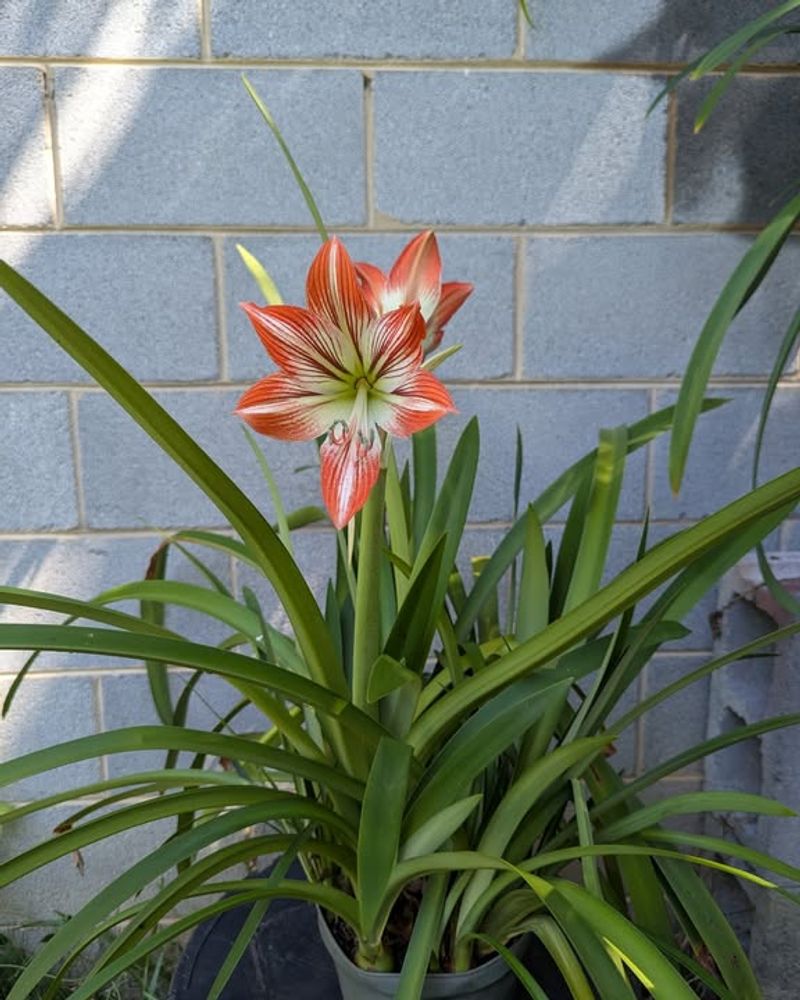
Think of your amaryllis leaves as solar panels that collect sunlight and convert it into stored energy inside the bulb for future flowers.
Every leaf your plant produces after blooming works tirelessly to manufacture sugars through photosynthesis, and those sugars get packed away in the bulb’s layers like a battery charging up.
In Florida, you want to encourage as many strong, healthy leaves as possible during our long growing season from late winter through fall.
The more robust the foliage, the larger and more capable your bulb becomes at producing multiple flower stalks when bloom time rolls around again.
Never cut off green leaves just because they look messy or you want to tidy up your garden space.
Each leaf removed early is energy stolen from next year’s flower show, and you’ll notice the difference in bloom size and quantity if you’re impatient with the foliage.
Keep your amaryllis leaves growing actively until they naturally yellow and wither on their own, which signals the bulb has absorbed all available nutrients and is ready to transition into its rest phase.
4. Where To Place Your Amaryllis For The Strongest Growth
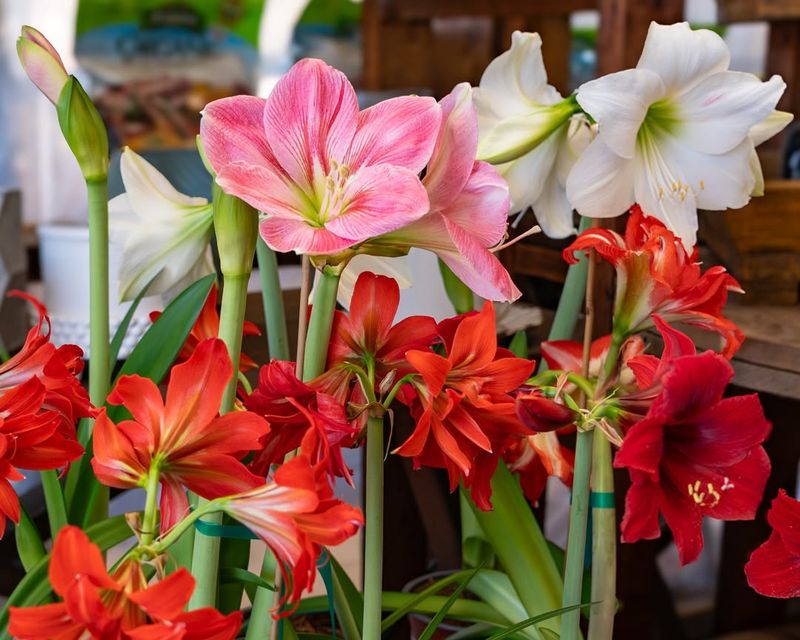
Location makes an enormous difference in how well your amaryllis builds energy for reblooming, and in Florida, finding the right spot means balancing bright light with protection from our intense afternoon sun.
A location with morning sun and dappled afternoon shade works beautifully, giving your plant the light it craves without scorching the leaves during the hottest part of the day.
If you’re growing your amaryllis in a container, consider placing it on an east-facing porch or patio where it receives gentle morning rays and stays cooler as temperatures climb.
Avoid full western exposure, which can overheat pots and stress bulbs even with regular watering.
For in-ground plantings, look for spots under the canopy edge of trees or near structures that cast light shade during peak sun hours.
Your amaryllis should never sit in deep shade all day, as weak light leads to floppy, pale leaves that can’t generate enough energy for strong blooms.
Watch how your plant responds over a few weeks and adjust placement if you notice leaves stretching too tall or turning yellowish, both signs that light levels need tweaking for optimal growth.
5. How Water And Fertilizer Shape Future Blooms
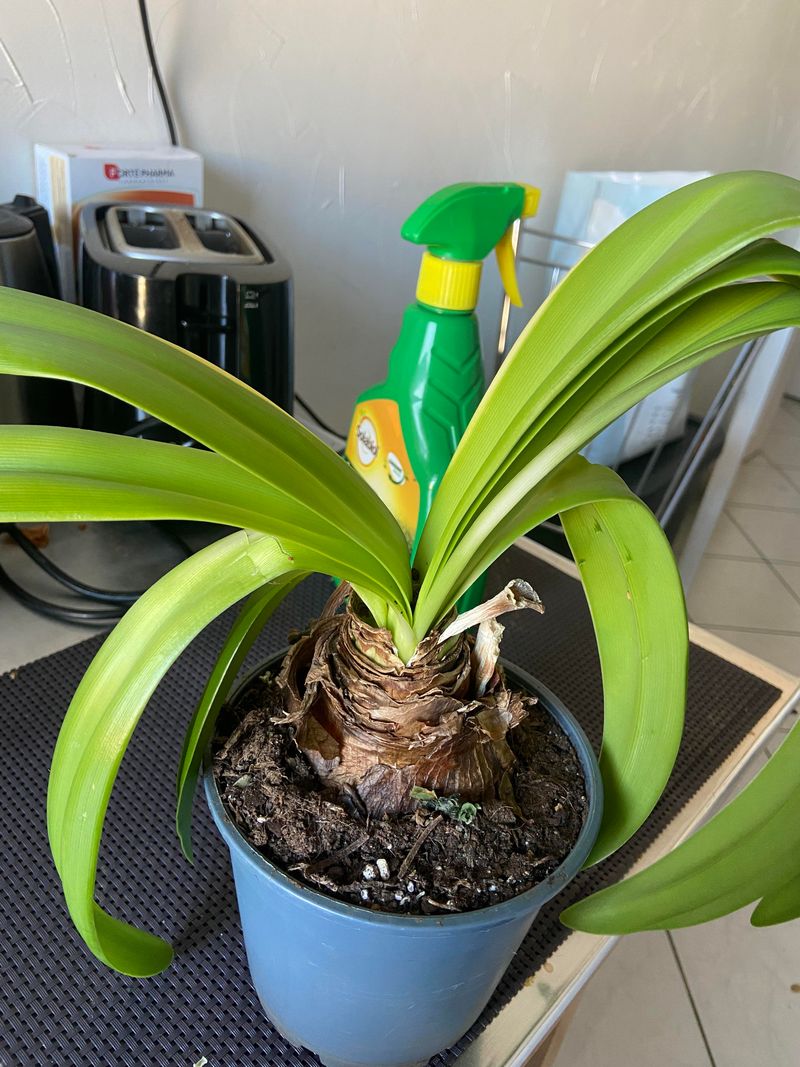
Feeding and watering your amaryllis correctly during the active growing season directly determines whether you’ll see impressive flowers next year or disappointing results.
After your bulb finishes blooming, switch to a balanced fertilizer with equal parts nitrogen, phosphorus, and potassium, applied every two to three weeks while the leaves are actively growing.
Water consistently but never let your amaryllis sit in soggy soil, which rots the bulb faster than almost anything else in Florida’s humid climate.
Check the soil moisture by sticking your finger about an inch deep—if it feels dry, water thoroughly until excess drains from the bottom of the pot or the ground absorbs it completely.
During our rainy summer months, you may need to cut back on supplemental watering since natural rainfall often provides plenty of moisture.
Too much water combined with heat creates perfect conditions for fungal problems that weaken bulbs and prevent flowering.
As fall approaches and you prepare your amaryllis for dormancy, gradually reduce both water and fertilizer to signal the bulb that it’s time to slow down and rest before the next bloom cycle begins.
6. When To Let Your Amaryllis Rest And Why It Matters
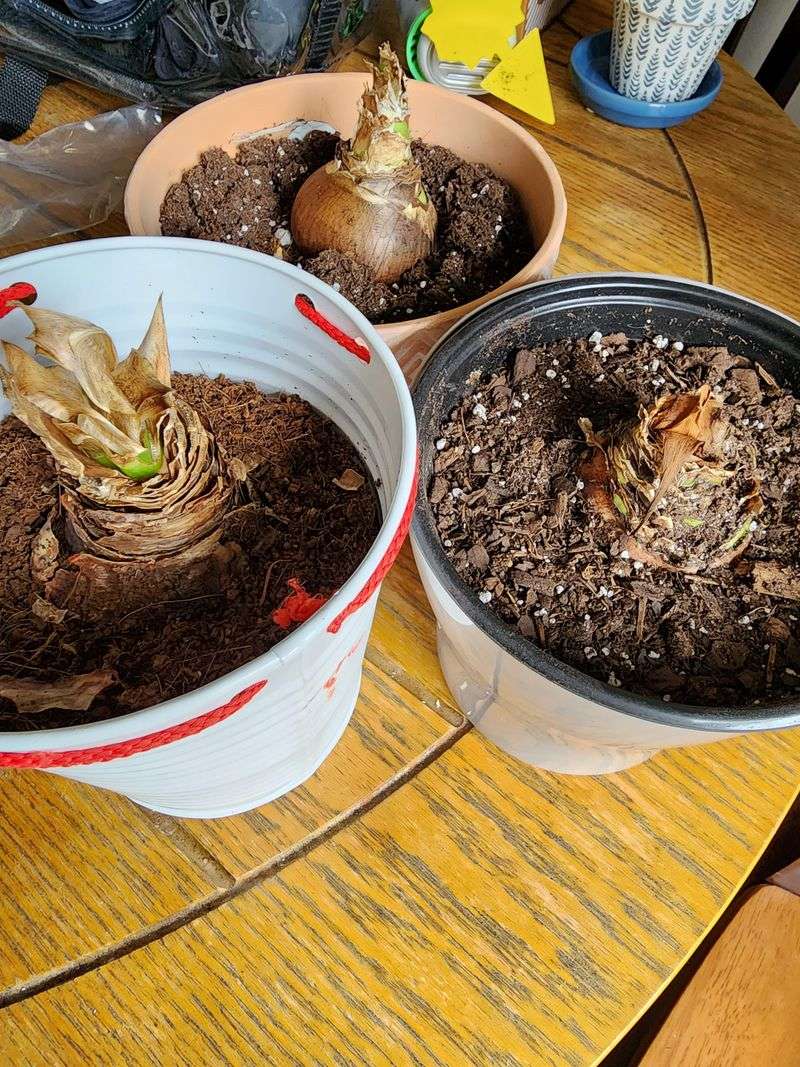
Dormancy is the secret ingredient that resets your amaryllis and prepares it to bloom again, but timing this rest period correctly in Florida requires a bit of planning since our weather doesn’t automatically trigger it.
Most Florida gardeners find success by imposing dormancy in late summer or early fall, typically around August through October, depending on when they want flowers to appear.
In containers, you can choose to induce dormancy if you want to control bloom timing.
This is done by reducing water and allowing the leaves to wither in late summer or fall.
In the ground, Florida amaryllis naturally slow down on their own and do not need to be dried out to bloom again.
The leaves will gradually yellow and collapse as the bulb pulls nutrients back inside, and you can trim them off once they’re fully brown and dried.
Potted amaryllis that are being forced for winter bloom benefit from eight to twelve weeks of rest, but in-ground Florida amaryllis form flower buds naturally as temperatures cool and days shorten.
Skipping this rest or cutting it short often results in no blooms or weak, sparse flowers that don’t match the spectacular show you enjoyed previously.
Mark your calendar so you remember when to wake your bulb back up by resuming watering, which signals the start of a fresh bloom cycle timed perfectly for winter flowers.
7. What Happens During Florida’s Natural Cooling Period
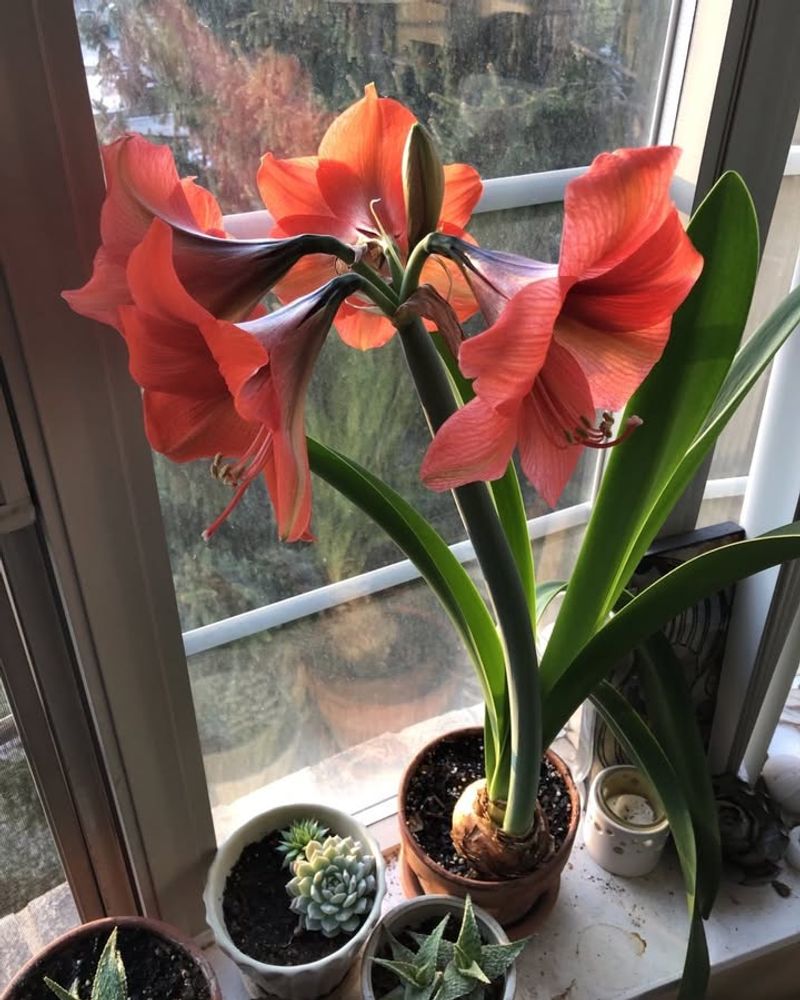
While Florida doesn’t experience harsh freezes like northern states, we do get a natural cooling period during December and January when overnight temperatures dip into the fifties and occasionally lower.
This natural cooling is the primary trigger for flowering in Florida-grown amaryllis.
If you’ve timed your bulb’s rest period correctly and resume watering in November, those cooler nights work alongside your care routine to encourage strong, tall flower stalks.
You don’t need to bring potted amaryllis indoors during these cool spells unless a rare hard freeze is predicted, which happens only occasionally in most Florida regions.
In-ground amaryllis naturally experiences these temperature fluctuations and often responds with vigorous blooming as winter progresses.
The key is ensuring your bulb has already completed its dormancy before the cooling period begins, so it’s primed and ready to channel that stimulus into flower production.
Watch weather forecasts during January and cover your amaryllis with a light cloth if temperatures threaten to drop below freezing, protecting emerging flower buds from damage while still allowing the beneficial cool air to circulate around the plant.
8. How To Prepare Your Amaryllis For Its Next Flower Show
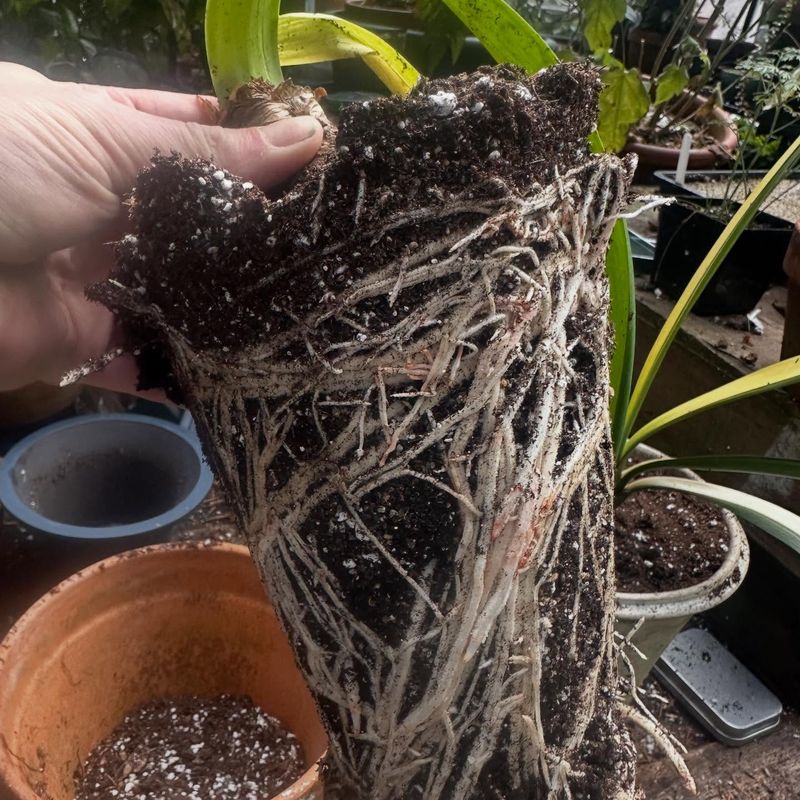
After your amaryllis completes its dormancy period, waking it up properly sets the stage for spectacular blooms that reward all your careful attention throughout the year.
Begin by checking the bulb for firmness and healthy appearance—it should feel solid and heavy, with no soft spots or signs of rot at the base or neck.
Repot your amaryllis if it’s been in the same container for more than two years, using fresh, well-draining potting mix and a pot that leaves about an inch of space around the bulb’s sides.
Plant the bulb so the top third sits above the soil line, which prevents moisture from collecting around the neck and causing rot.
Place your newly potted or refreshed amaryllis in bright, indirect light and water it thoroughly to signal the start of active growth.
Within a few weeks, you should see a flower stalk emerging from the center of the bulb, growing taller each day as it prepares to unfurl those magnificent blooms.
Continue regular watering and resume light fertilizing once the flower stalk reaches about six inches tall, supporting the plant’s energy needs as it produces what will hopefully be an even more impressive display than last year’s show.
9. Growing Amaryllis In The Ground Versus In Containers
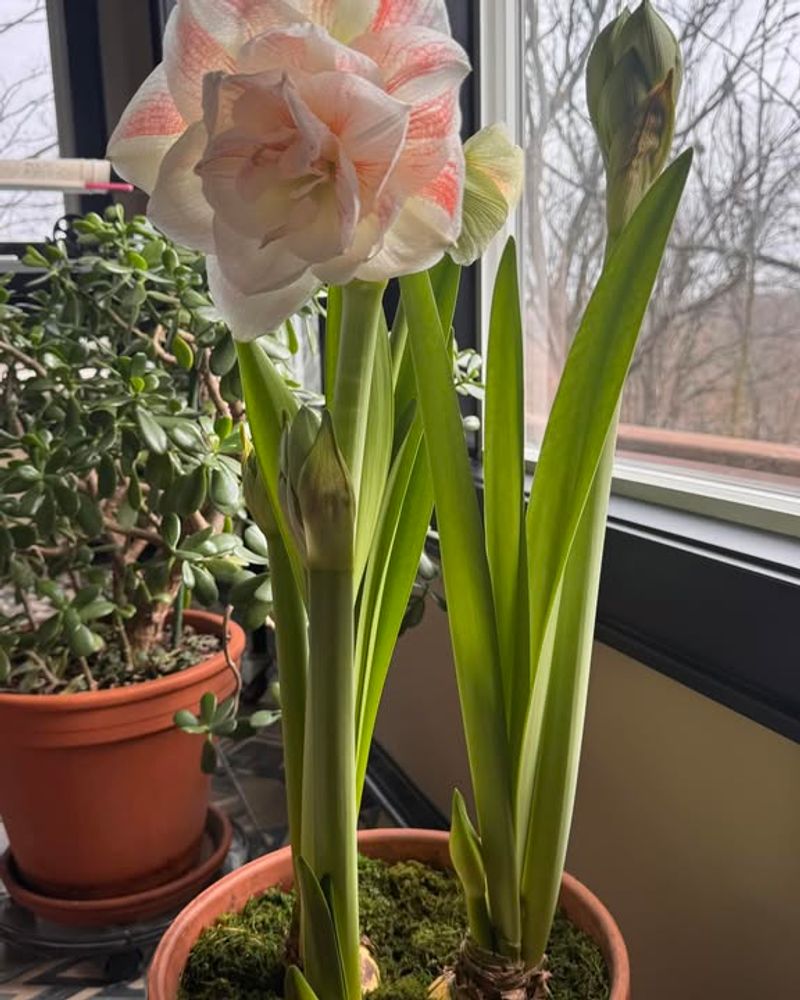
Deciding whether to plant your amaryllis directly in the ground or keep it in a container depends on your garden setup and how much control you want over the bulb’s growing conditions.
In-ground amaryllis often naturalizes beautifully in Florida, forming clumps that multiply over the years and produce multiple flower stalks without much intervention beyond occasional fertilizing and dividing when they become crowded.
Container growing gives you much more flexibility to move your amaryllis to ideal light conditions, control soil moisture precisely, and easily impose dormancy by simply stopping water and relocating the pot.
Containers also make it simple to bring your amaryllis front and center when it’s blooming and tuck it away during the leafy growth phase if you prefer a tidier display area.
If you plant in the ground, choose a spot with excellent drainage where water never puddles after rain, and amend heavy clay soils with plenty of organic matter to prevent bulb rot.
Container amaryllis needs repotting every couple of years as the bulb grows and produces offsets that eventually crowd the pot.
Both methods work wonderfully in Florida as long as you adjust your care approach to match the growing environment and stay consistent with the bulb’s needs throughout its annual cycle.
10. Common Mistakes That Keep Flowers From Returning
One of the biggest mistakes Florida gardeners make is cutting off the leaves too early because they think the plant looks messy or assume it’s finished growing once the flowers fade.
Those leaves are absolutely essential for rebuilding the bulb’s energy reserves, and removing them prematurely almost guarantees poor blooming or no flowers at all the following year.
Another common error with potted amaryllis is skipping a rest period when trying to force winter blooms, while in-ground Florida amaryllis should be allowed to follow their natural seasonal cycle.
Without a rest period, potted amaryllis used for winter forcing may fail to bloom, while Florida landscape amaryllis rely on seasonal cooling rather than drying to trigger flower buds.
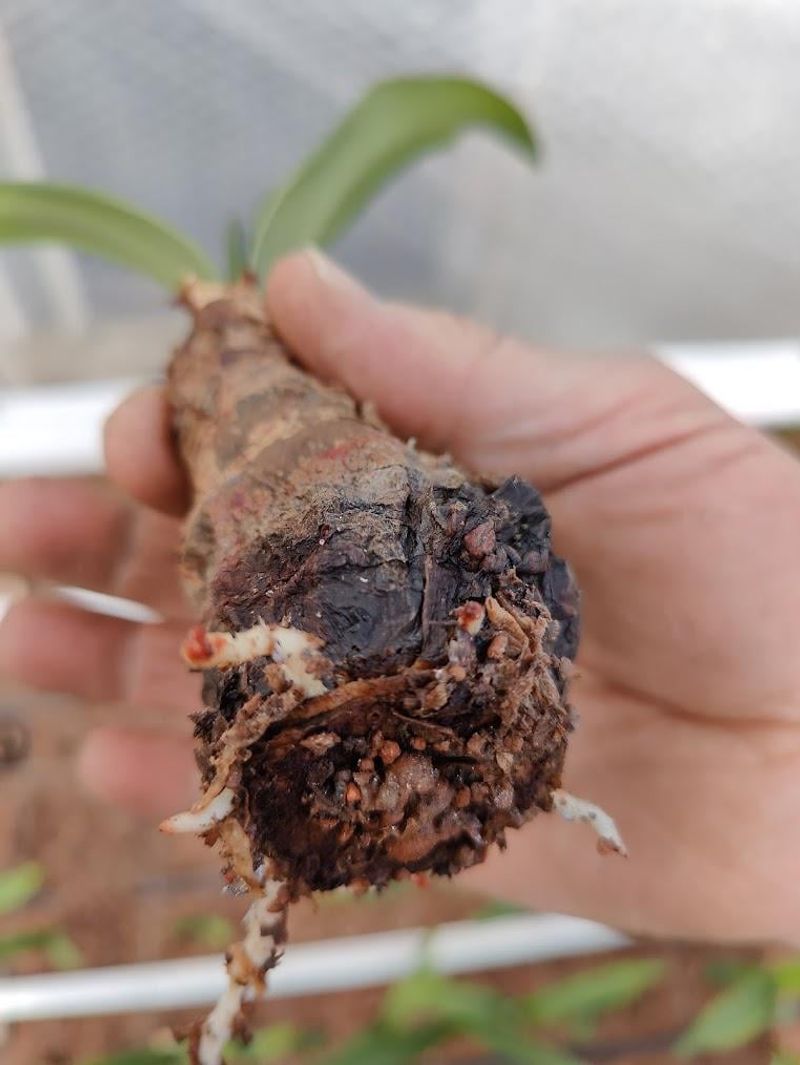
Overwatering ranks high on the list of problems, especially during Florida’s humid summer months when bulbs can quickly develop rot if soil stays too wet.
Always err on the side of slightly dry rather than soggy, and make sure containers have adequate drainage holes that actually allow excess water to escape.
Finally, many people forget to fertilize during the active growing season or use the wrong type of fertilizer that doesn’t support both leaf growth and bulb development.
Following a consistent feeding schedule with balanced nutrients makes an enormous difference in whether your amaryllis has the strength to bloom beautifully year after year.