Your Florida Garden Soil Needs These 9 Things In January
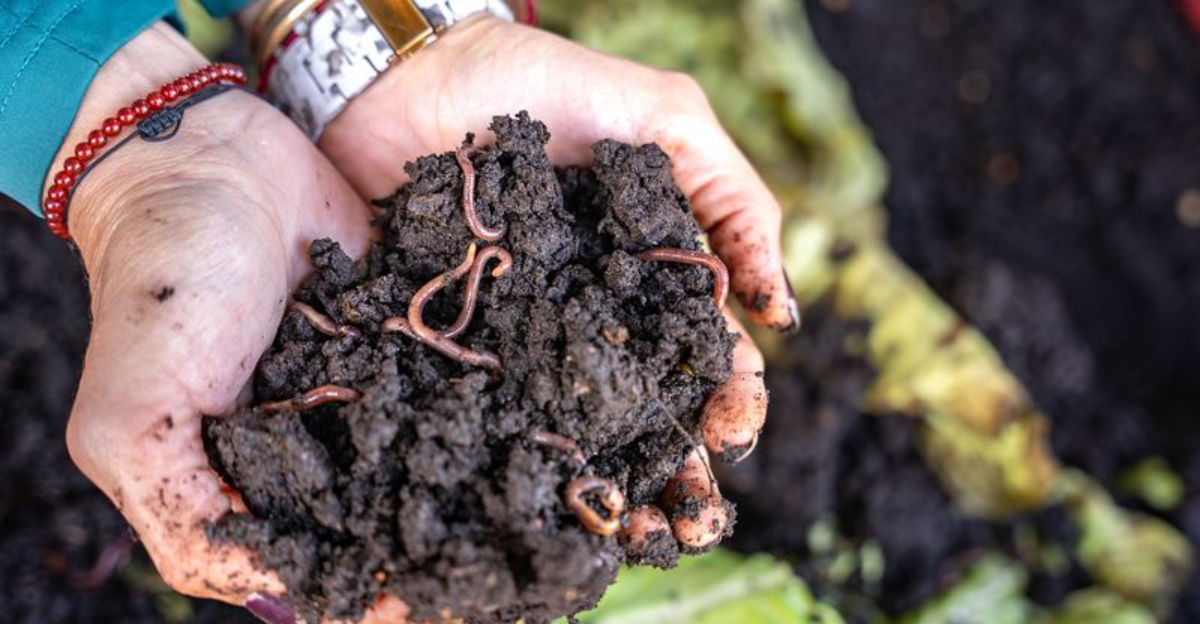
January is when Florida gardens quietly decide how successful they will be.
The soil beneath your plants is storing water, cycling nutrients, and preparing roots for the rapid growth of spring.
When soil is cared for during this mild winter period, plants gain a powerful advantage that lasts for months.
Better structure, improved fertility, and healthier microbes all begin with what happens now.
Florida’s unique climate means soil never truly rests.
Heat, sand, and rainfall constantly shift nutrients and moisture, which can leave garden beds depleted if they are ignored.
January gives gardeners a rare chance to rebuild and stabilize the soil before heavy planting begins.
Small improvements made now lead to stronger growth, fewer problems, and larger harvests later.
Great gardens are not created when plants go in the ground.
They are built weeks earlier through the care given to the soil that supports every root and every leaf.
1. Organic Matter
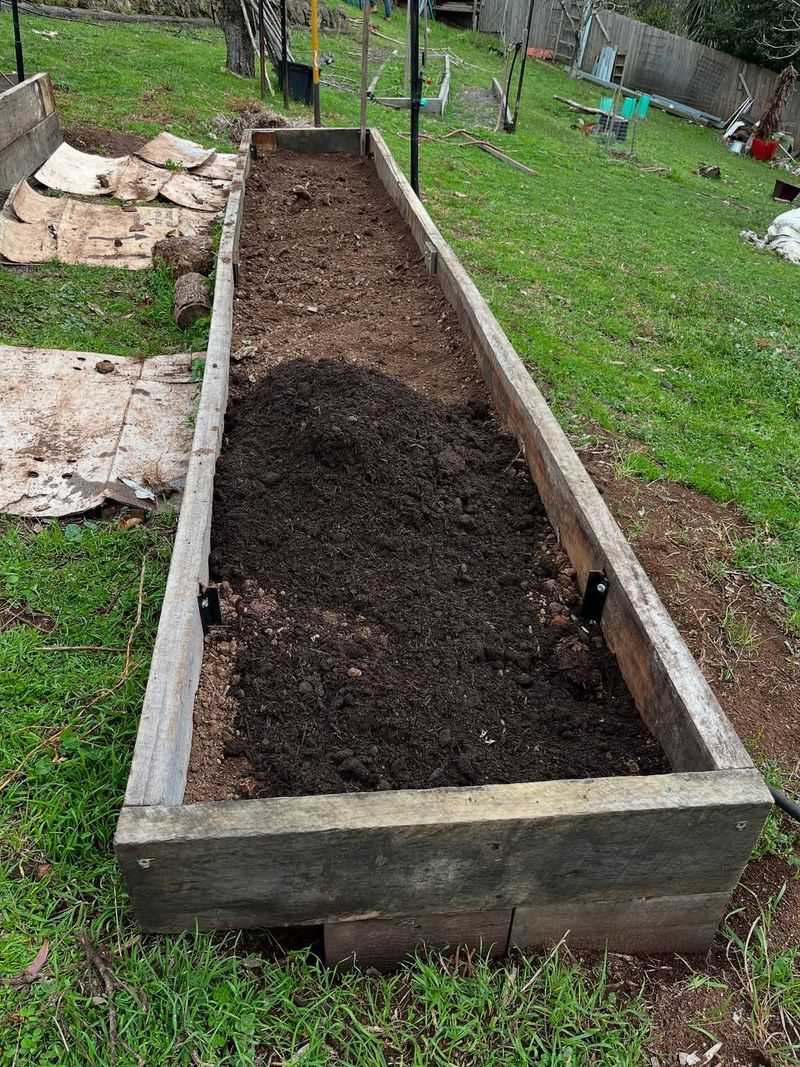
Adding organic matter to your Florida soil in January brings life back into tired garden beds.
Compost, aged manure, and leaf mold break down slowly and feed your plants throughout the growing season.
They also improve soil structure, making sandy Florida soil hold water better and helping clay soil drain more easily.
January is ideal because the cooler temperatures allow organic matter to integrate into the soil without stressing plant roots.
You can spread a two to three-inch layer over your beds and gently work it into the top few inches of soil.
This gives microbes time to break it down before the hot weather arrives.
Many gardeners make the mistake of using fresh manure or uncomposted materials.
These can harm your plants by pulling nitrogen from the soil, producing excess salts, and potentially introducing pathogens as they decompose.
Always use fully aged or composted organic matter to avoid nutrient lockup and keep your garden healthy.
Worm castings are another excellent option for Florida gardeners.
They add nutrients slowly and improve soil texture without the risk of burning sensitive roots.
Mix them into planting holes or spread them across the surface as a gentle soil booster.
2. Balanced Nutrients

Florida soil often lacks essential nutrients because heavy rains wash them away quickly.
Nitrogen, phosphorus, and potassium are the big three that your plants need most.
Each one plays a different role in plant health, from strong roots to vibrant leaves and abundant fruit.
Testing your soil before adding fertilizer helps you avoid overfeeding or creating imbalances.
The University of Florida IFAS Extension offers affordable soil testing that tells you exactly what your garden needs.
Once you know your soil’s nutrient levels, you can choose the right amendments to fill the gaps.
January is a smart time to apply slow-release fertilizers in Central and South Florida, and in North Florida only for cool-season vegetables.
Granular organic fertilizers work well for this purpose.
They release nutrients over several weeks, giving your vegetables and flowers steady nutrition without sudden growth spurts that attract pests.
Avoid using too much nitrogen in January.
Excess nitrogen can cause soft, tender growth that is more vulnerable to cold snaps and insect damage.
Balanced fertilizers with equal or lower nitrogen numbers work best for building strong, resilient plants during Florida’s mild winter months.
3. Proper Drainage
Good drainage keeps your Florida garden soil from becoming waterlogged and suffocating plant roots.
When water sits on the surface or pools around plants, it pushes oxygen out of the soil.
Roots need oxygen just as much as they need water, so proper drainage is essential for healthy growth.
Many Florida gardens have heavy clay soil or compacted areas that hold water too long.
You can improve drainage by adding composted pine bark, compost, or perlite.
Sand should only be used in very large quantities and is usually not practical for home gardens.
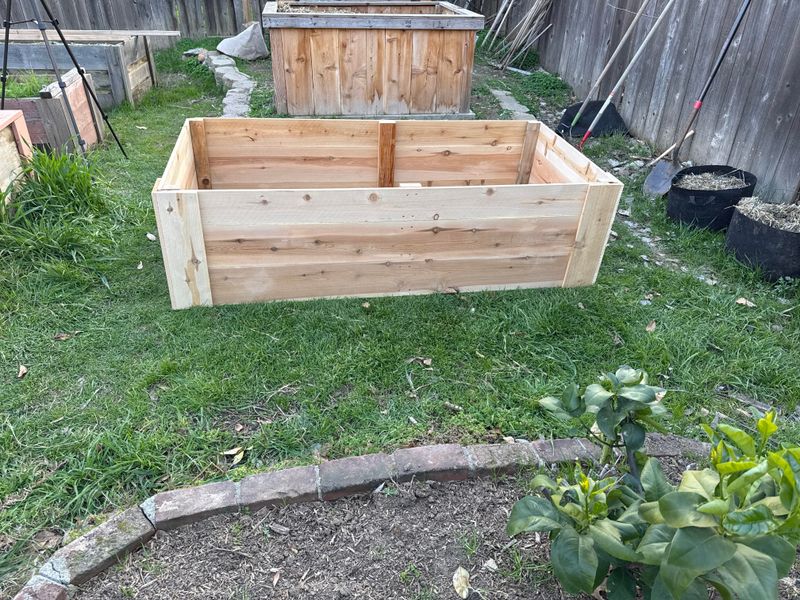
Raised beds also work beautifully in Florida because they lift your plants above problem areas and give you complete control over soil quality.
January is a good month to fix drainage issues because soils are often drier and easier to work than during summer rains.
Check your garden after a heavy rain to see where water collects.
Those spots need the most attention.
Dig in amendments deeply and consider creating slight slopes to guide water away from plant roots.
Some gardeners mistakenly add too much sand to clay soil, which can create a concrete-like mixture.
Instead, focus on organic matter first.
Compost improves both drainage and water retention, making it the best choice for most Florida soils.
4. Mulch Coverage
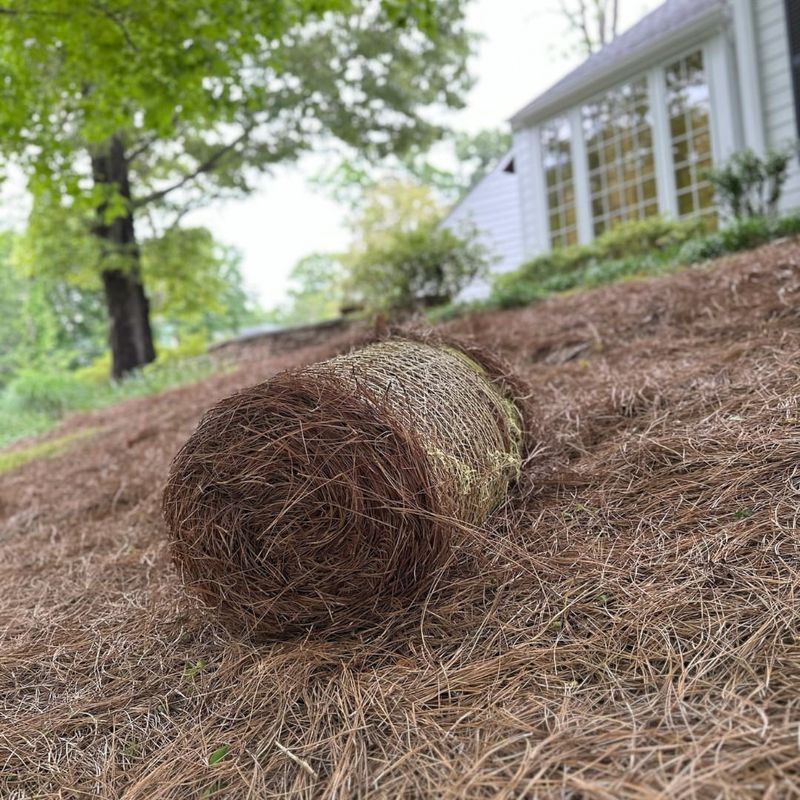
Mulch acts like a protective blanket for your Florida soil.
It keeps moisture from evaporating too quickly, blocks weeds from sprouting, and moderates soil temperature throughout the day.
In January, mulch also protects tender plant roots from occasional cold fronts that dip into Florida.
Pine straw, wood chips, and shredded leaves all make excellent mulch choices for Florida gardens.
Apply a three to four inch layer around your plants, but keep it pulled back a few inches from stems and trunks to prevent rot.
Fresh mulch in January gives your garden a neat appearance and sets up a healthy environment for spring planting.
As mulch breaks down, it adds organic matter to your soil.
This slow decomposition feeds earthworms and beneficial microbes while improving soil structure over time.
You will notice that mulched beds stay moister and require less frequent watering, which saves you time and helps your plants grow stronger.
Many people pile mulch too thickly or push it right against plant stems.
This creates a moist environment where pests and diseases can thrive.
Always leave breathing room around your plants and check mulch depth regularly to maintain proper coverage without overdoing it.
5. Soil Testing
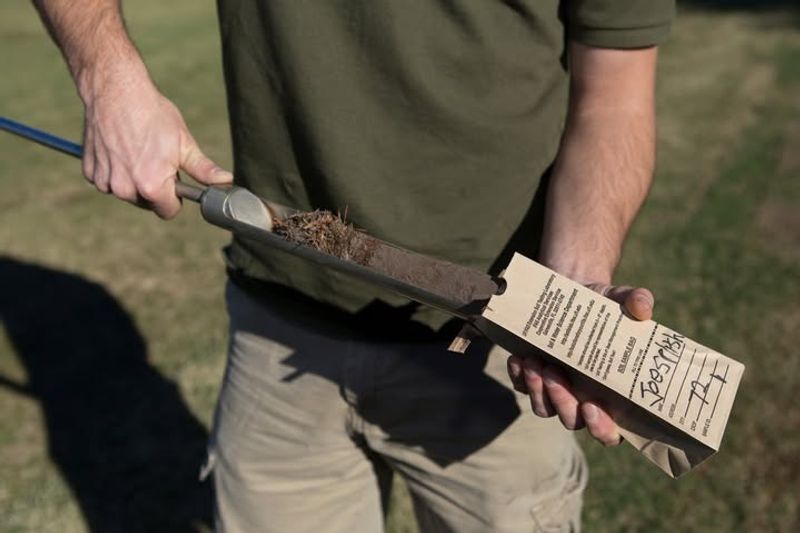
Knowing what is actually in your soil takes the guesswork out of gardening.
A simple soil test reveals pH levels, nutrient content, and any deficiencies that might be holding your plants back.
The University of Florida IFAS Extension provides detailed soil testing services that give you specific recommendations for your garden.
January is an excellent month for soil testing because you have time to adjust pH and add amendments before your main growing season begins.
Collect samples from different areas of your garden, mix them together, and send them to the lab.
Results usually come back within a few weeks, giving you a clear action plan.
Florida soils range from acidic inland sands to alkaline coastal and limestone-based soils.
Most vegetables prefer a pH between 6.0 and 7.0.
If your soil is too acidic, you can add lime.
If it is too alkaline, sulfur helps bring the pH down.
Making these adjustments in January gives the amendments time to work before you plant.
Some gardeners skip soil testing and just add random fertilizers, which can create nutrient imbalances.
Too much of one nutrient can actually block the uptake of others.
Testing ensures you give your soil exactly what it needs without wasting money or harming your plants.
6. Microbial Activity
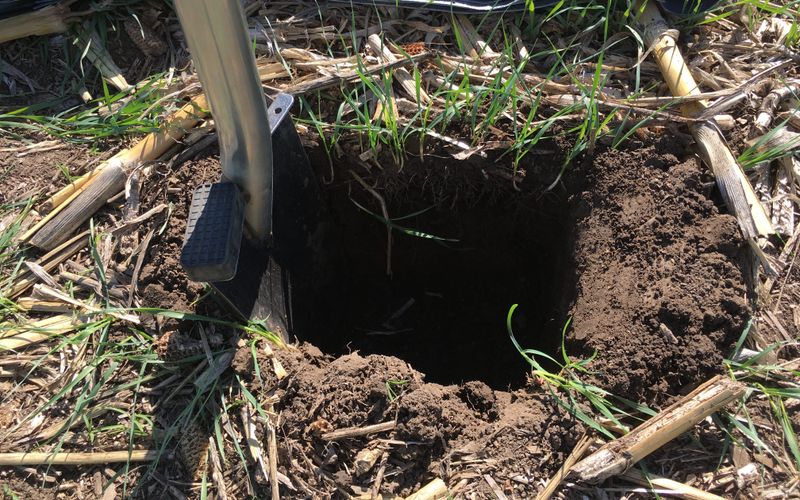
Your soil is alive with billions of tiny organisms that work day and night to break down organic matter and feed your plants.
Bacteria, fungi, and other microbes create a healthy soil food web that makes nutrients available in forms plants can actually use.
Supporting this invisible workforce is one of the smartest things you can do for your Florida garden.
Compost and organic matter naturally provide all the beneficial microbes most gardens need.
Compost tea and microbial inoculants can be used, but research shows they rarely outperform regular compost in healthy soils.
You can brew compost tea at home or buy ready-made products at garden centers.
Apply these liquid amendments to your soil in January to jumpstart microbial activity before the busy growing season begins.
Avoid overusing synthetic fertilizers and pesticides, which can harm beneficial microbes.
These chemicals might provide quick results, but they disrupt the natural balance of your soil over time.
Organic gardening practices support microbial life and create healthier, more resilient soil that produces better crops year after year.
Keeping your soil covered with mulch or cover crops also protects microbes from harsh sun and temperature swings.
These organisms thrive in moist, moderate conditions.
By creating a welcoming environment, you help them multiply and do their job of breaking down organic matter into plant food.
7. Moisture Management
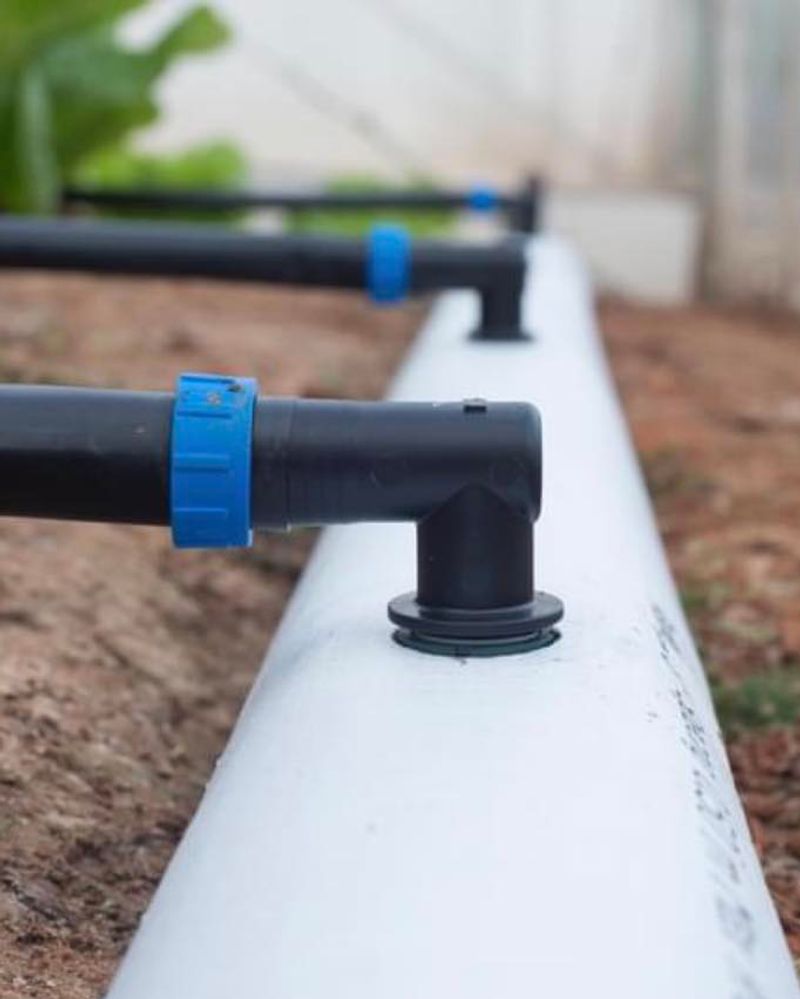
Florida’s January weather can be unpredictable, with long dry spells punctuated by heavy rain events.
Managing moisture levels keeps your soil in the sweet spot where plant roots can breathe and absorb nutrients.
Too much water drowns roots, while too little stresses plants and slows their growth.
Check your soil moisture by sticking your finger two inches deep into the ground.
If it feels dry at that depth, it is time to water.
If it still feels moist, wait another day or two.
This simple test prevents overwatering, which is one of the most common mistakes Florida gardeners make during the cooler months.
Drip irrigation and soaker hoses deliver water directly to plant roots without wasting it on leaves and paths.
These systems also reduce disease problems by keeping foliage dry.
Set up your irrigation in January so you are ready when drier spring weather arrives and your plants need more frequent watering.
Mulch plays a big role in moisture management by slowing evaporation and keeping soil temperatures stable.
A well mulched bed needs less frequent watering and maintains more consistent moisture levels.
This creates ideal conditions for root growth and nutrient uptake throughout the growing season.
8. Compaction Relief

Compacted soil is hard and dense, making it difficult for roots to penetrate and water to soak in.
Heavy foot traffic, equipment, and even repeated tilling can squeeze the air spaces out of your soil.
When roots cannot spread easily, plants stay small and struggle to access the nutrients they need.
A garden fork is your best tool for relieving compaction without turning the soil upside down.
Push the fork into the ground and rock it back and forth to create air channels.
Do this across your entire garden bed in January while the soil is workable but not soaking wet.
This gentle approach improves structure without disturbing beneficial organisms.
Adding organic matter also helps prevent compaction over time.
Compost, aged manure, and other amendments improve soil structure so it resists packing down.
They create a crumbly texture that holds together but still lets air and water move freely through the soil profile.
Walking on wet soil causes the most damage because moisture acts like glue between soil particles.
Always use pathways or boards when working in damp garden beds.
This simple habit protects your soil structure and keeps your growing areas light and fluffy for strong root development.
9. Gentle Feeding
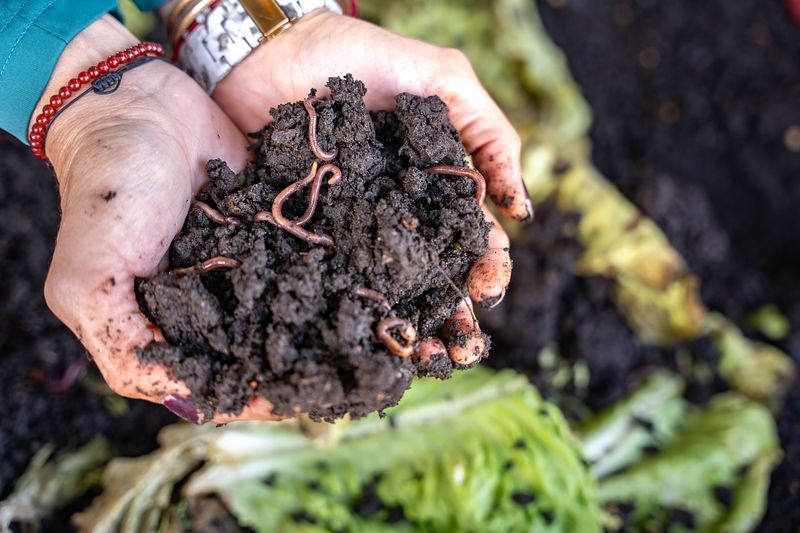
Plants grow more slowly during Florida’s mild winter, so they need less fertilizer than they do in summer.
Gentle feeding with organic amendments provides steady nutrition without overwhelming your crops.
This approach builds soil health while supporting plant growth at a natural, sustainable pace.
Worm castings, fish emulsion, and seaweed extracts are excellent choices for gentle winter feeding.
They release nutrients slowly and will not burn tender roots or encourage excessive soft growth.
Apply these products according to package directions in January in Central and South Florida, and only on actively growing plants in North Florida.
Side dressing is a smart feeding technique where you sprinkle fertilizer in a band alongside your plant rows.
This puts nutrients right where roots can find them without wasting product on empty spaces.
Water the area after applying to help nutrients soak into the soil and become available to plants.
Avoid heavy applications of synthetic fertilizers in January.
These products can leach through sandy Florida soil quickly, especially after winter rains.
They also disrupt soil biology when used too often.
Gentle organic feeding supports both your plants and the beneficial organisms that keep your soil healthy and productive for years to come.