Your Go-To Guide To Growing Healthy Indoor Palm Plants In Texas
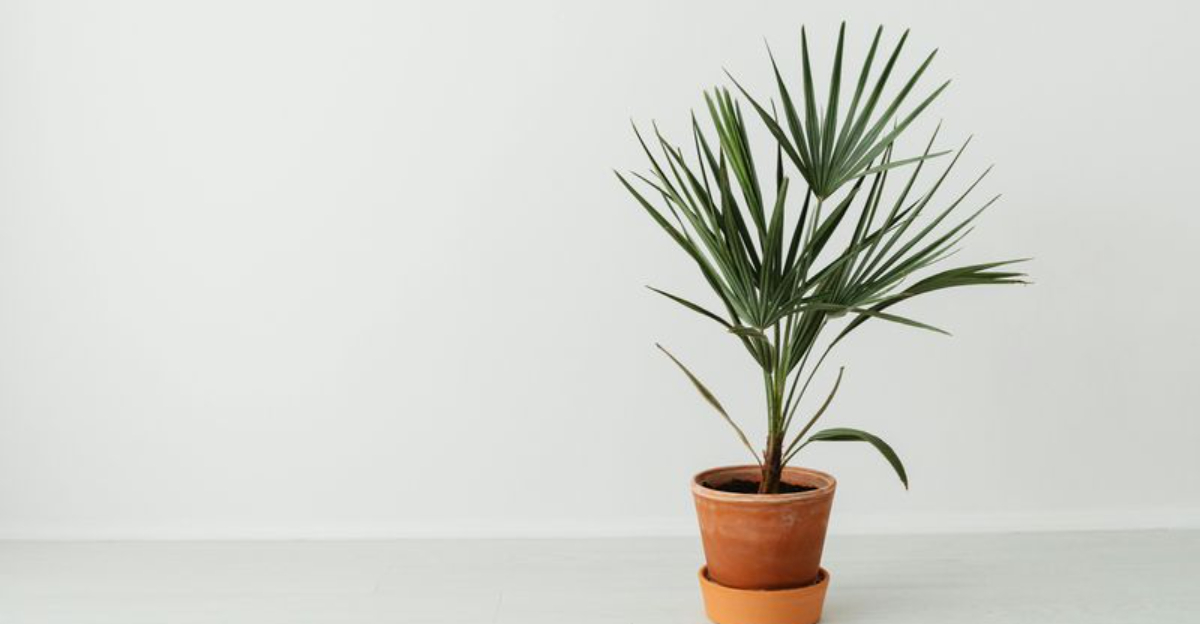
Indoor palm plants can bring a calm, tropical feel to Texas homes, but keeping them healthy takes more than just watering and sunlight. Heat, dry indoor air, and changing seasons can affect palms in ways many people don’t expect.
Turn your home into a mini tropical escape with healthy palms. From choosing the right variety to finding the best spot near a window, small details make a big difference.
Strong palms start with smart care habits. With the right balance of light, moisture, and nutrients, these plants can grow tall, green, and full of life.
Grow palms that stay vibrant all year long. Bring fresh energy and natural beauty into your living space.
With the right approach, your indoor palms can turn into long-lasting statement plants that brighten rooms and grow stronger each season.
1. Choosing The Right Palm Variety For Texas Homes
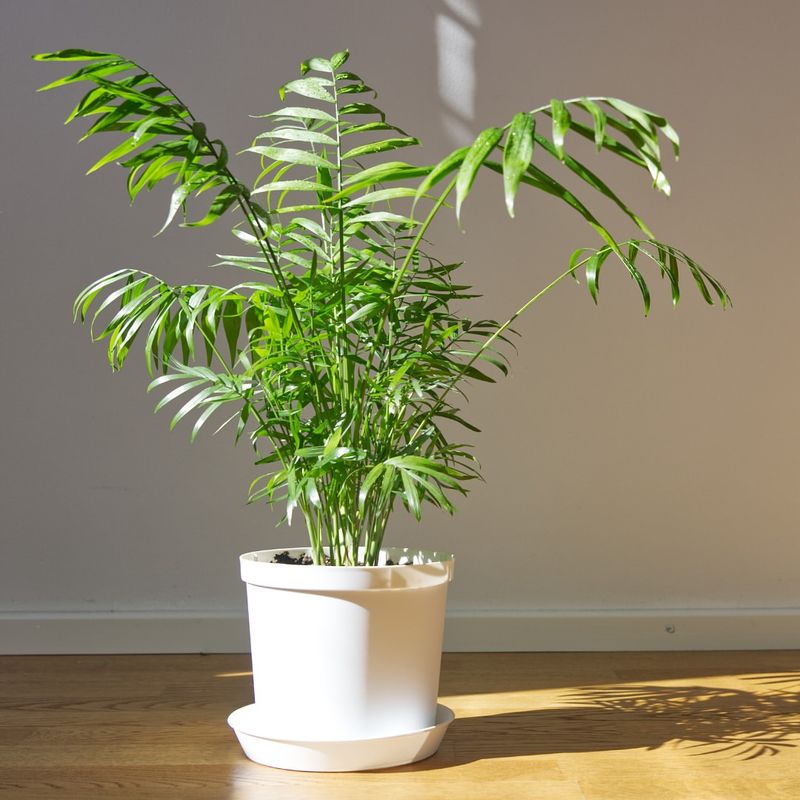
Not all palm plants are created equal when it comes to thriving indoors in Texas. Some varieties handle the dry air from air conditioning better than others, while certain types need more light than your home can provide.
Popular choices like the Parlor Palm, Areca Palm, and Majesty Palm work wonderfully in Texas homes because they tolerate the indoor conditions common throughout the state.
Researching before you buy saves you frustration and helps ensure your new plant will flourish in your specific environment.
Consider the space you have available when selecting your palm variety. Parlor Palms stay compact and work perfectly in smaller apartments or condos common in San Antonio or Fort Worth, while Areca Palms can grow taller and create dramatic statements in homes with high ceilings.
The size of your space directly impacts which palm will work best, so measure your area and think about how much room the plant needs to spread its fronds comfortably.
Temperature tolerance is another crucial factor for Texas residents to consider. Most indoor palms prefer temperatures between 65 and 80 degrees Fahrenheit, which aligns perfectly with typical Texas indoor climate control.
However, avoid placing your palm near heating vents during winter or directly under air conditioning vents during summer, as extreme temperature fluctuations can stress the plant.
Understanding your chosen variety’s specific temperature preferences helps you find the ideal spot in your home where it will stay healthy and happy year-round.
2. Mastering The Perfect Watering Schedule
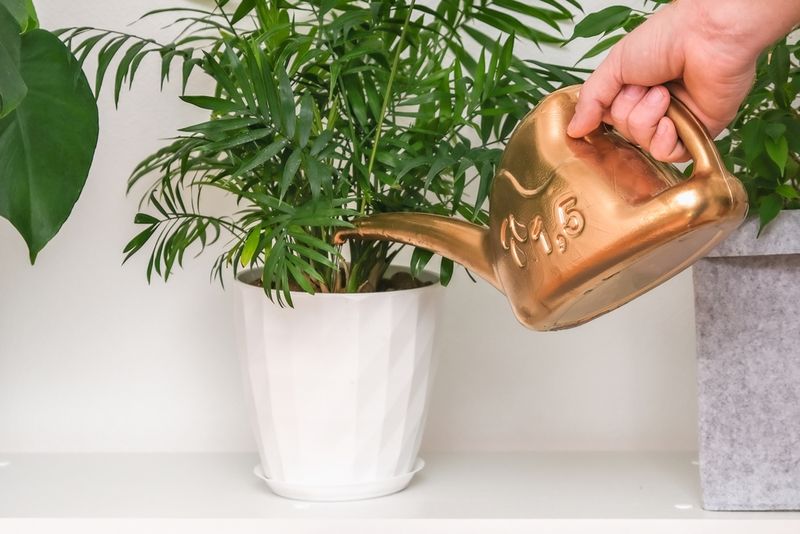
Watering might seem straightforward, but it is actually one of the trickiest aspects of palm care in Texas. Too much water causes root rot and yellowing fronds, while too little leads to brown, crispy tips and stunted growth.
The key is finding that sweet spot where the soil stays slightly moist but never soggy. Most indoor palms need watering once a week during warmer months, but this can change based on your home’s humidity levels and the specific palm variety you own.
Texas homes often have lower humidity during winter when heaters run constantly, which means your palm might need more frequent watering than you expect. Check the soil by sticking your finger about two inches deep into the potting mix.
If it feels dry at that depth, it is time to water thoroughly until excess water drains from the bottom of the pot. Always use pots with drainage holes to prevent water from pooling at the bottom, which creates the perfect environment for root problems.
Water quality matters more than many Texas plant owners realize. If your tap water contains high levels of minerals or chlorine, common in many Texas cities, consider using filtered water or letting tap water sit out overnight before using it.
These minerals can build up in the soil over time and cause brown leaf tips even when everything else seems perfect. Room temperature water works best, as cold water can shock the roots and cause unnecessary stress to your palm.
3. Providing Adequate Light Without Burning Fronds
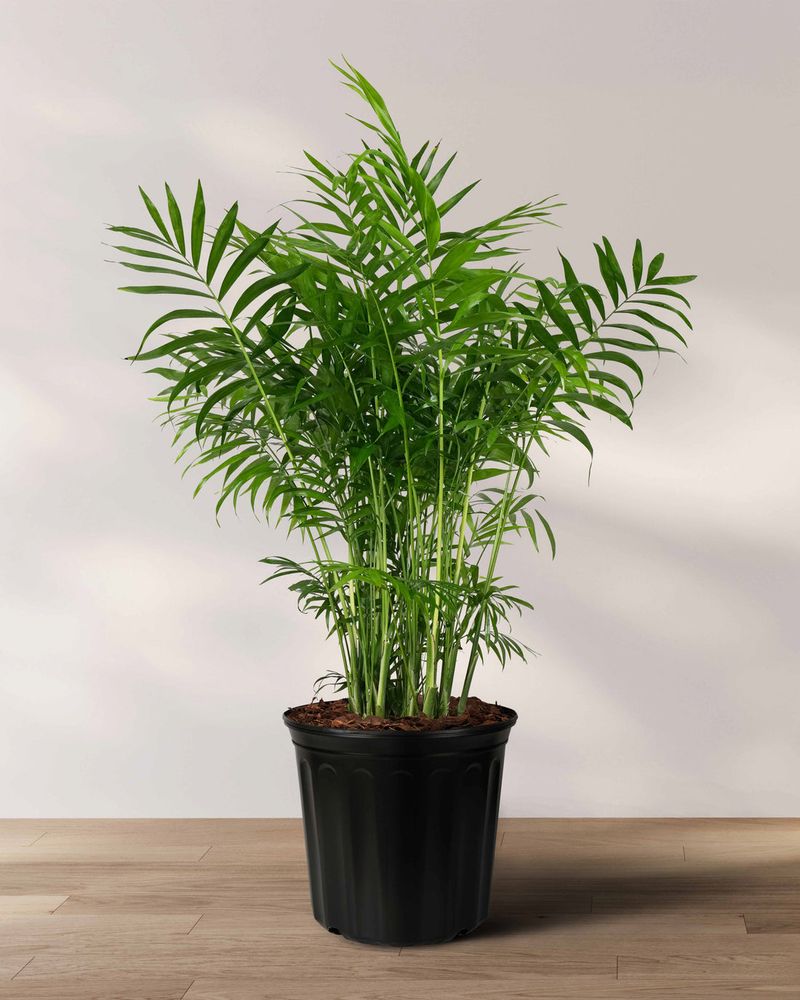
Light requirements can make or break your palm-growing success in Texas homes. While palms naturally grow under the canopy of larger trees in their native habitats, they still need bright, indirect light to thrive indoors.
Placing your palm near an east or west-facing window works wonderfully, as it receives gentle morning or afternoon sun without the intense midday rays that can scorch delicate fronds.
Texas sunlight is particularly strong, especially during summer months, so monitoring your palm’s reaction to its placement is essential.
Signs of too much light include yellowing or bleached-looking fronds, while too little light causes slow growth and dark green leaves that stretch toward the nearest light source.
If you notice these symptoms, adjust your palm’s location gradually over a few days rather than moving it suddenly, which can stress the plant.
Many Texas homeowners find success using sheer curtains to filter intense afternoon sun, creating the perfect diffused light that mimics the palm’s natural environment.
During shorter winter days, your palm might need supplemental lighting to stay healthy and maintain growth. LED grow lights work excellently for this purpose and are energy-efficient options that do not generate excessive heat.
Position grow lights about 12 to 24 inches above your palm and run them for 10 to 12 hours daily to compensate for reduced natural sunlight.
This approach keeps your palm thriving even during the darker months when Texas experiences shorter days and cloudier weather patterns throughout the state.
4. Managing Humidity Levels In Dry Texas Air
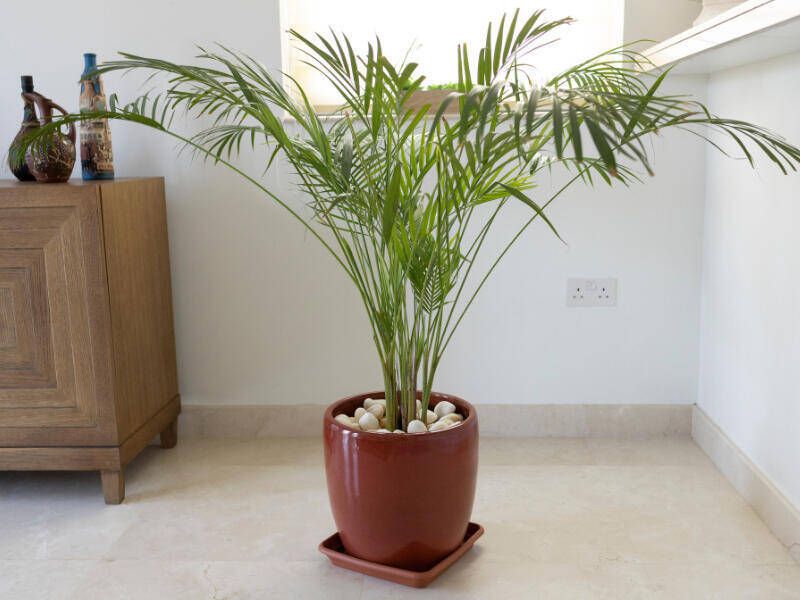
Humidity often gets overlooked, but it plays a massive role in keeping your indoor palm healthy in Texas. Most palm varieties prefer humidity levels between 40 and 60 percent, which can be challenging to maintain in air-conditioned homes during scorching Texas summers or heated spaces during cooler months.
Low humidity causes brown, crispy leaf tips and makes your palm more susceptible to pest problems like spider mites that thrive in dry conditions.
Creating a humidity-friendly environment does not require expensive equipment or complicated setups.
Simple solutions like grouping your palms together with other houseplants creates a microclimate where plants release moisture through transpiration, naturally increasing humidity around them.
Placing a shallow tray filled with pebbles and water beneath your palm’s pot also works wonders, as evaporating water raises humidity levels without making the soil too wet. Just ensure the pot sits on the pebbles above the water line rather than directly in it.
For Texas homeowners dealing with particularly dry conditions, especially in West Texas or during winter months throughout the state, a small humidifier near your palms makes a noticeable difference. Run it for a few hours daily to boost moisture levels without over-saturating the air.
Regular misting with a spray bottle provides temporary relief but is not a long-term solution, as water droplets evaporate quickly and do not significantly impact overall humidity levels.
Combining multiple humidity-boosting methods creates the ideal environment for your palms to flourish beautifully.
5. Fertilizing For Strong Growth And Vibrant Color
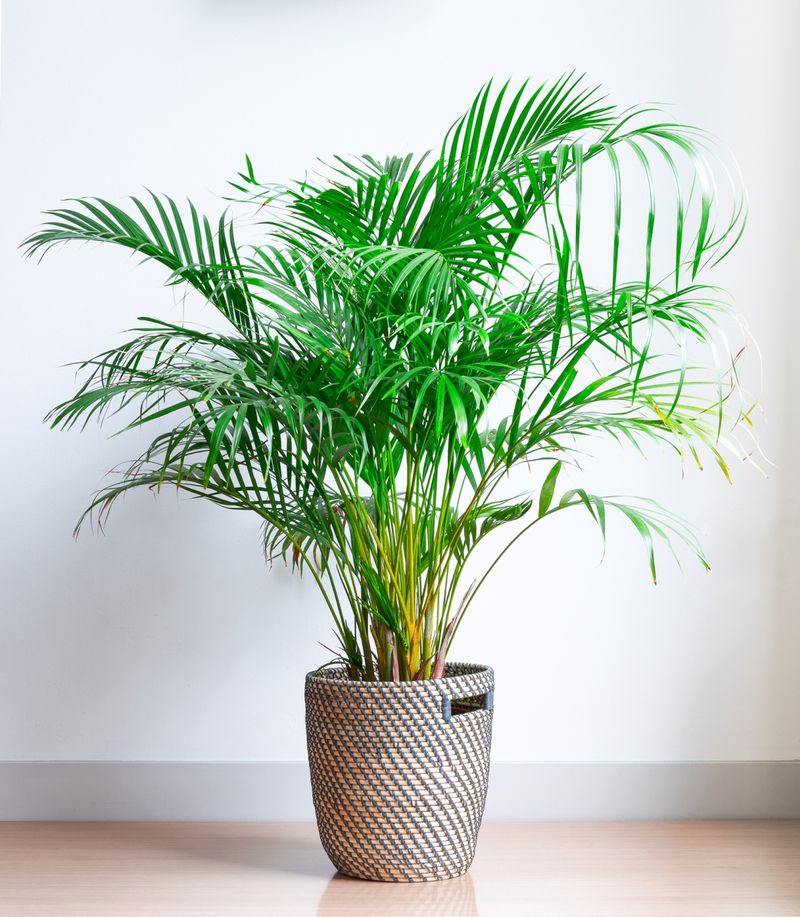
Feeding your palm properly ensures it develops strong fronds and maintains that gorgeous deep green color everyone loves. Indoor palms are not heavy feeders compared to outdoor plants, but they still need regular nutrients to replace what gets used up or washed away during watering.
During the growing season from spring through early fall, feed your palm once a month with a balanced, water-soluble fertilizer diluted to half strength. This gentle approach prevents fertilizer burn while providing consistent nutrition your palm needs to thrive.
Texas gardeners should reduce or stop fertilizing during winter months when palm growth naturally slows down. Continuing to feed during dormancy can cause salt buildup in the soil, which damages roots and causes brown leaf tips similar to watering problems.
If you notice white crusty deposits on the soil surface or around drainage holes, flush the soil thoroughly with water to remove excess salts, then adjust your fertilizing schedule going forward.
Choosing the right fertilizer type matters for optimal palm health. Look for products specifically formulated for palms or tropical plants, as these contain the proper balance of nutrients including magnesium and manganese that palms need in higher amounts.
Slow-release granular fertilizers offer convenience for busy Texas homeowners, as you only need to apply them every few months.
Whichever type you choose, always water your palm thoroughly before and after fertilizing to help distribute nutrients evenly and prevent root burn from concentrated fertilizer touching delicate root systems.
6. Preventing And Treating Common Palm Pests
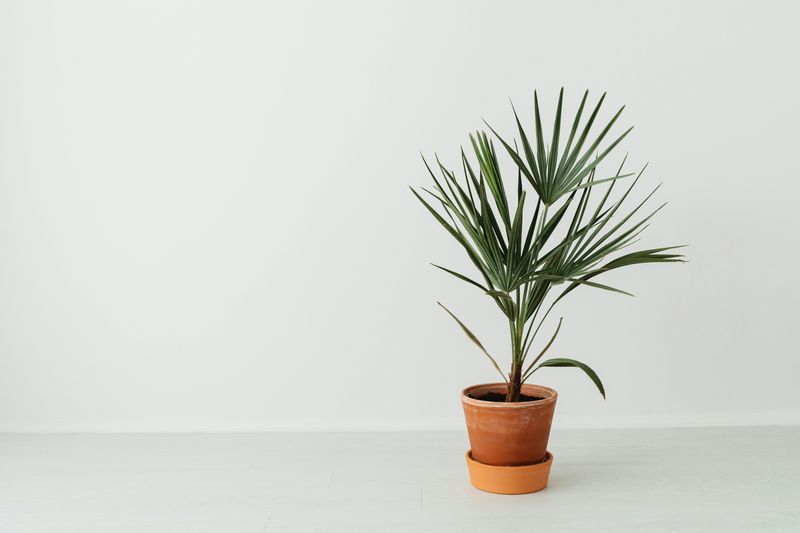
Even with perfect care, indoor palms in Texas can occasionally attract unwanted visitors like spider mites, scale insects, and mealybugs. These pests love the warm, dry conditions often found in Texas homes and can quickly multiply if left unchecked.
Regular inspection is your best defense, so make it a habit to examine your palm’s fronds, especially the undersides where pests like to hide. Catching problems early makes treatment much easier and prevents serious damage to your beautiful plant.
Spider mites are particularly common in Texas homes with low humidity and appear as tiny specks on leaf undersides, often accompanied by fine webbing. Increasing humidity and spraying your palm with a strong stream of water can dislodge many pests and discourage future infestations.
For more stubborn problems, insecticidal soap or neem oil works effectively without harsh chemicals that could harm your palm or your family. Apply treatments in the evening to avoid leaf burn and repeat every five to seven days until pests disappear completely.
Prevention beats treatment every time when it comes to pest management. Keeping your palm healthy through proper watering, lighting, and humidity makes it naturally more resistant to pest problems.
Quarantine any new plants you bring into your Houston, Dallas, or Austin home for at least two weeks to ensure they are not carrying hidden pests that could spread to your existing palms.
Regularly wiping down fronds with a damp cloth removes dust and allows you to spot potential problems before they become serious infestations requiring intensive treatment.
7. Repotting And Root Care For Long-Term Health
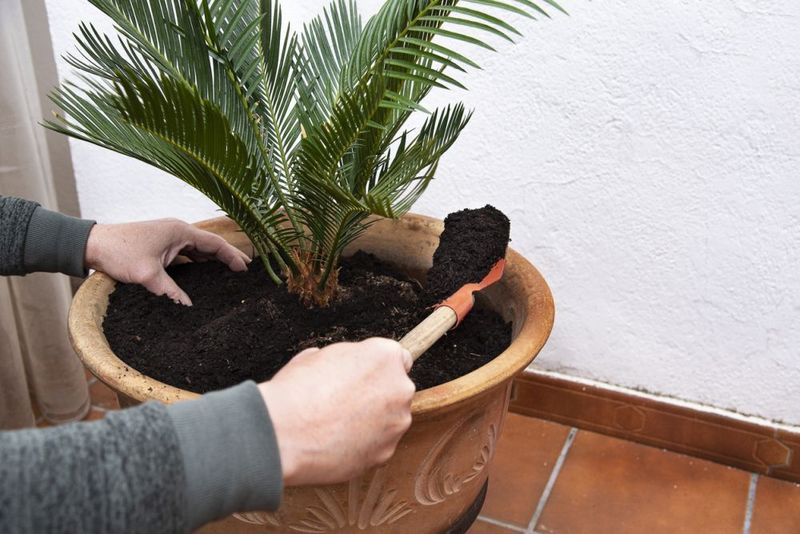
Palms eventually outgrow their containers and need repotting to continue thriving in your Texas home. Most indoor palms need repotting every two to three years, though faster-growing varieties might need it more frequently.
Signs your palm needs a new home include roots growing through drainage holes, water running straight through the pot without absorbing, or growth that seems stunted despite proper care.
Spring is the ideal time for repotting in Texas, as it gives your palm the entire growing season to recover and establish itself in its new container.
Choose a pot only one to two inches larger in diameter than the current one, as palms actually prefer being slightly root-bound and too much extra soil can stay soggy and cause root problems. Always use pots with drainage holes and select a high-quality potting mix designed for palms or tropical plants.
These mixes drain well while retaining enough moisture to keep roots happy. When removing your palm from its old pot, be gentle with the roots and avoid disturbing them more than necessary, as damaged roots take time to heal and can slow growth temporarily.
After repotting, water your palm thoroughly and place it in a spot with bright, indirect light away from direct sun for about a week while it adjusts.
Do not fertilize for at least a month after repotting, as fresh potting soil already contains nutrients and adding more can overwhelm recovering roots.
Many Texas plant owners worry about repotting, but palms are surprisingly resilient and bounce back quickly when given proper care during and after the transition to their new home.