Your Thanksgiving Cactus Is Dropping Leaves For One Of These 8 Reasons
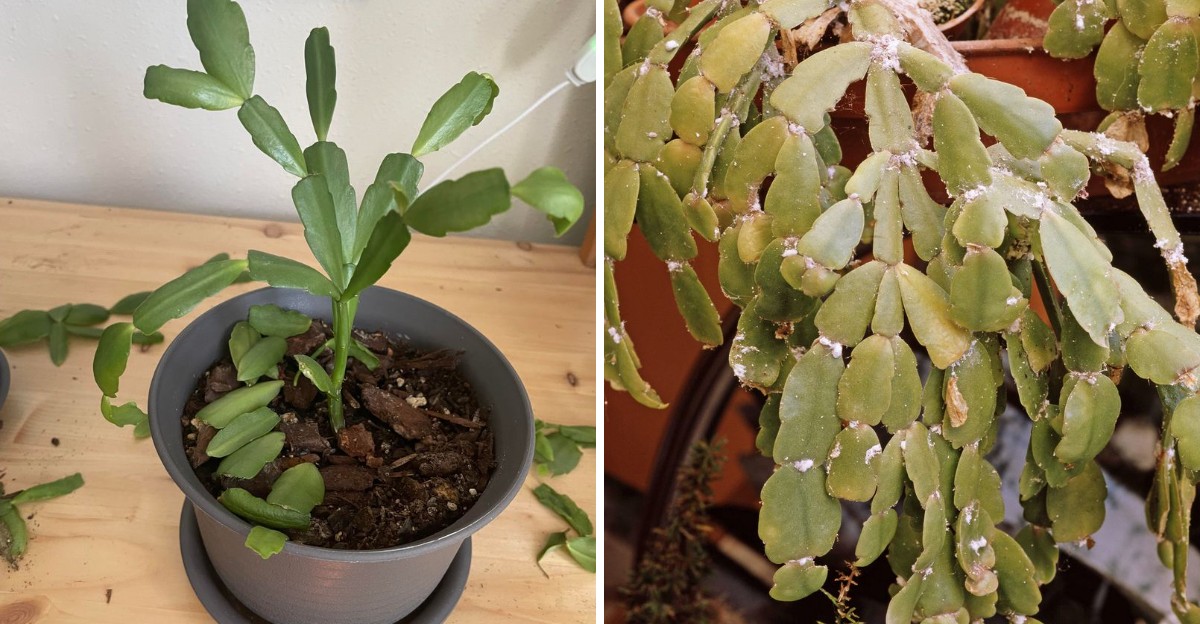
High in the misty mountain forests of Brazil, a famous holiday houseplant grows perched on mossy tree branches. It has no sandy desert in its family history, which explains why so many of us care for it wrong.
Those flat green pads are not leaves at all, but stem segments that store water and make food. When one snaps off and lands on the windowsill, the plant is usually sending a message about its care.
I watched my own plant shed three pads in a single week, right as the first buds appeared. After I tested a few simple fixes, the drop slowed down and the buds hung on for blooming.
Your plant may be dropping pieces for a different reason than mine did, and that matters. Find the hidden habit behind it, fix it, and that cheerful plant will reward you with blooms.
1. Soggy Soil Is Drowning Thanksgiving Cactus Roots
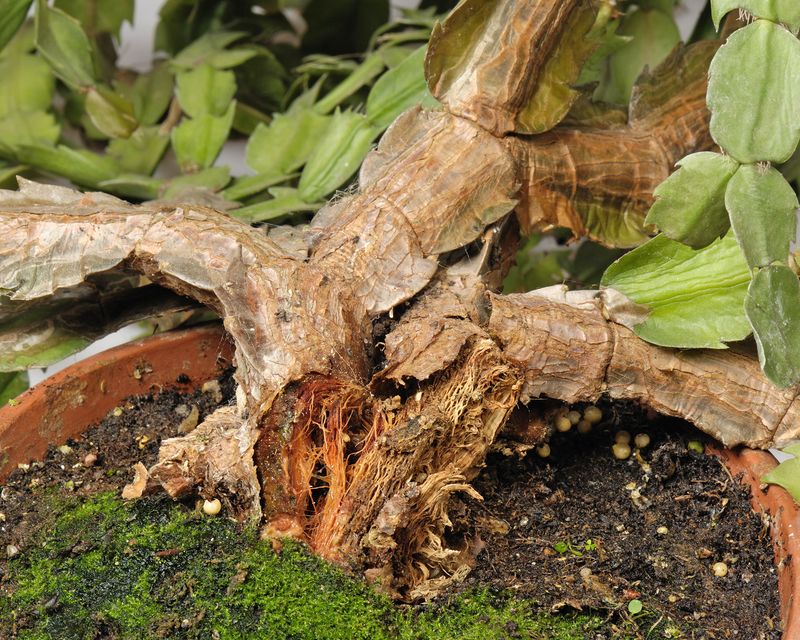
Mushy pads that fold over like wet paper are the most common clue I see from fellow holiday cactus owners. Too much water fills the air pockets in the soil, and roots start to rot without that oxygen.
Healthy roots look pale and firm, while rotting ones turn brown and slip apart when you gently tug them. Once roots fail, the plant cannot hold its segments, so pieces start dropping even though the soil stays wet.
My rule is simple, and it has saved more than one plant on my kitchen windowsill over the years. Push a finger into the pot and water only when the top inch of soil feels dry.
When you do water, soak the pot until extra liquid runs from the drainage holes at the bottom. Then dump the saucer within fifteen minutes so the roots are not sitting in a tiny puddle.
Fall and winter call for less water because cooler rooms and shorter days slow down how fast plants drink. Many growers find watering every one to two weeks works well, but your soil check matters more than a calendar.
If the base of the plant feels soft, slide it out of the pot and look closely at the roots. Trim away brown, mushy roots with clean scissors and repot into fresh, fast-draining mix right away.
Healthy segments from a struggling plant can also be rooted in barely damp mix as a backup. I keep a few of those little starts around because they grow quickly and make lovely gifts.
2. Bone Dry Soil Leaves Thanksgiving Cactus Pads Wrinkled
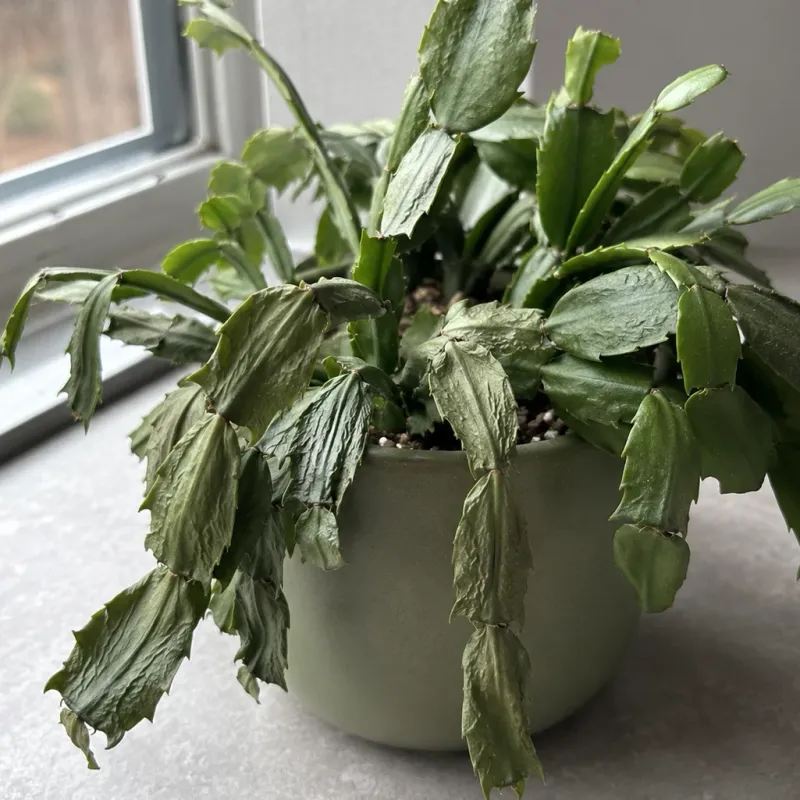
Thin, wrinkly pads that look like old raisins tell a very different story than the soggy kind. Your plant is thirsty, and it may start letting go of segments to save the water it still has.
These plants come from rainforests where roots cling to moss and bark that stay lightly damp most days. They store some water in their stems, yet they cannot handle long dry spells like desert cacti can.
I skipped watering mine during a busy holiday week once, and the drooping pads scolded me for days. A deep drink brought them back, though two of the smallest segments had already fallen onto the table.
Dry soil sometimes pulls away from the pot edges, so water runs straight down the sides and out. Setting the pot in a bowl of water for twenty minutes lets the soil soak moisture back up evenly.
Afterward, let the extra water drain fully before returning the plant to its usual spot near the window. Bottom watering like this works great for peat-heavy mixes that turn hard and crusty when they dry.
Warm rooms near the stove or a sunny window can dry pots faster than you might expect. Check those plants a little more often, especially once the furnace starts running for the cold season.
Plump, firm pads are your goal, and they should bounce back within a few days after proper watering. If they stay limp after a thorough drink, look at the roots because damaged roots cannot absorb water.
3. Harsh Afternoon Sun Scorches Thanksgiving Cactus Segments
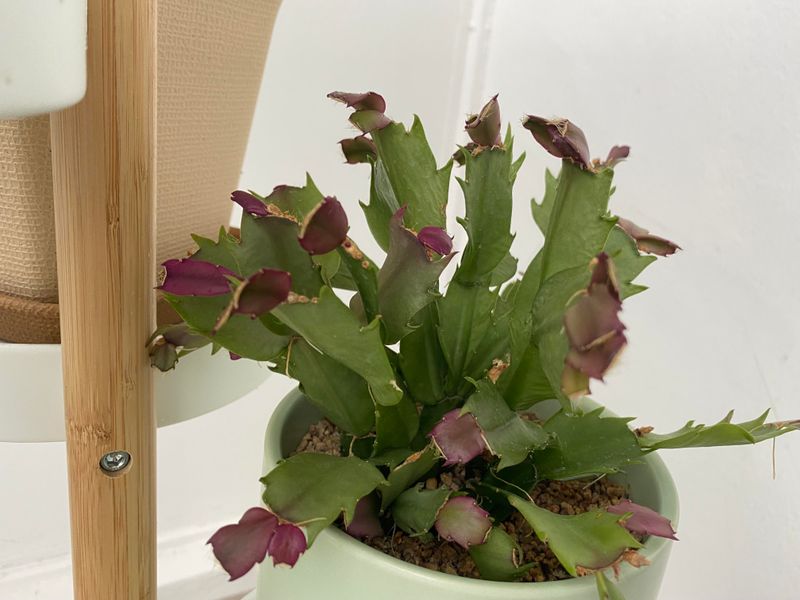
Reddish or purple pads might look pretty at first, but that blush is usually a sunburn warning sign. The plant makes extra pigments to shield itself when the light becomes stronger than it can comfortably handle.
In the wild, these cacti grow under a leafy forest canopy where the sunlight arrives soft and dappled. A hot south or west window in late spring and summer can be far more intense than that.
Scorched segments may turn pale, yellow, or bleached, and badly stressed pieces often shrivel before dropping away. I learned this after moving a plant outdoors in summer without easing it into the brighter light first.
An east-facing window gives gentle morning sun that most holiday cacti seem to enjoy year after year. If you only have bright western light, hang a sheer curtain to soften the strongest afternoon rays.
Some purple tinting can also appear during cool nights or when the plant lacks nutrients, so check other clues. Look at soil moisture and room temperature before you blame the window for every color change.
Once you move a sunburned plant, the color often fades back to green over several weeks. Badly scarred pads may stay marked, but new growth should come in healthy as conditions improve.
Summer trips to a shady porch can be great for these plants in many warm climates. Just bring them indoors before nights drop near fifty degrees, and keep them out of direct afternoon sun.
4. A Dim Corner Starves The Thanksgiving Cactus Of Light
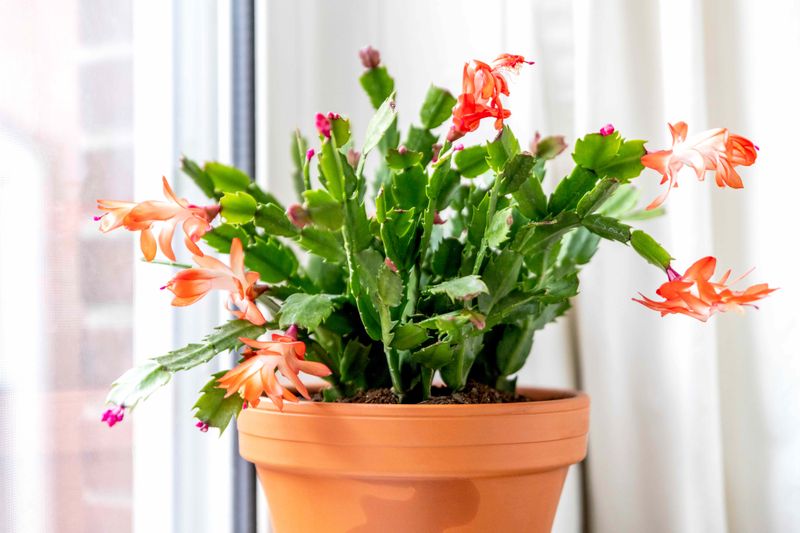
Long, skinny, pale segments stretching toward a window are a plant quietly asking for a brighter spot. Without enough light, it cannot make the energy it needs to keep every pad firmly attached.
Weak growth tends to snap off at the joints, especially when you brush past the plant or water it. Low light also leads to fewer flower buds, which is frustrating when you have waited all year for blooms.
You build a healthier plant by giving it bright, indirect light for most of the day. A spot a few feet from a sunny window or right beside an east window usually works nicely.
Outside of bud season, rotating the pot a quarter turn every week or so keeps growth even instead of leaning one way. I tape a small arrow on my pots so I remember which side faced the glass last time.
Winter days get short, and many homes simply lack bright windows during those long cloudy months. A basic LED grow light placed about a foot above the plant can fill that gap well.
Be careful with timers, though, because these cacti need long, dark nights to set flower buds in fall. Most experts suggest about twelve to fourteen hours of darkness each night for several weeks before blooming.
Even a lamp switched on late in the evening can confuse that bloom signal in a living room. Bright days paired with truly dark nights give you sturdy pads and a cheerful burst of holiday color.
5. Cold Drafts And Heater Vents Stress Thanksgiving Cactus
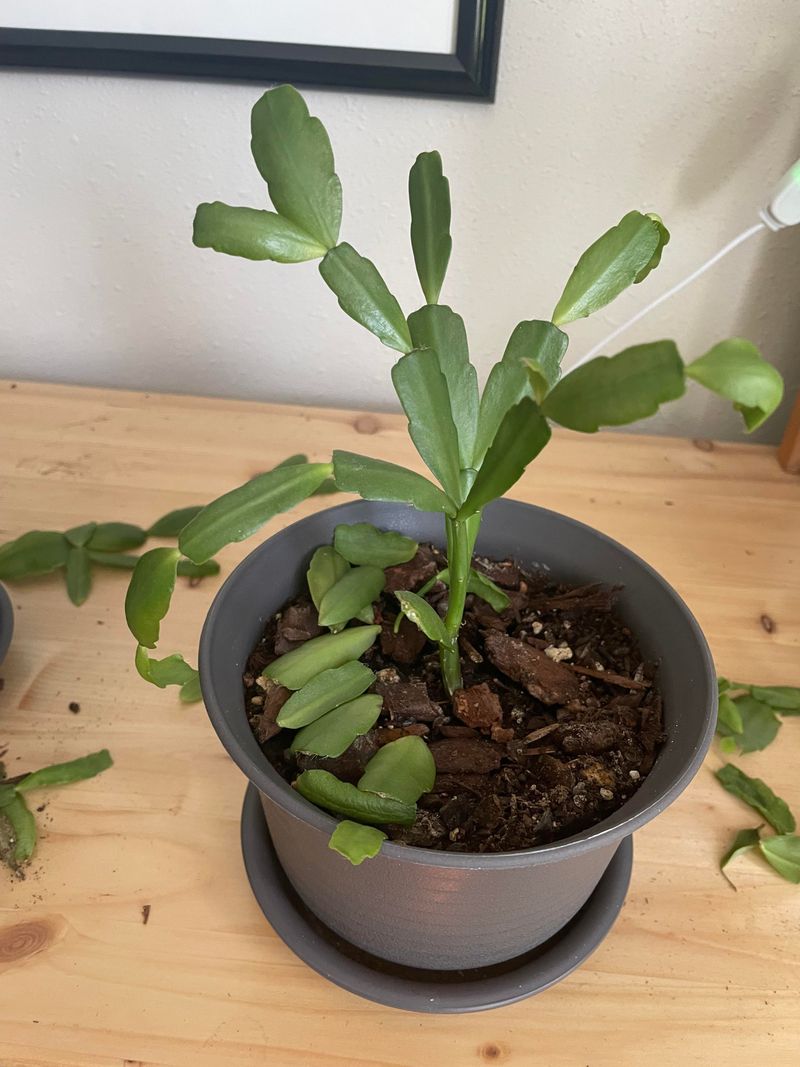
That cozy spot beside the heater vent feels lovely to you, but your cactus may feel blasted by it. Hot, dry air pulls moisture from the pads fast, and stressed segments often loosen and fall off.
Cold drafts cause trouble too, especially near drafty doors or windowpanes that chill overnight in late fall. Pads touching icy glass can get damaged, and buds frequently drop when temperatures swing up and down.
Most care guides suggest daytime temperatures around sixty to seventy degrees Fahrenheit for these tropical forest plants. Cooler nights in the fifties during early fall actually help trigger buds, as long as there is no frost.
I am surprised how often the culprit turns out to be a front door opening all day long. Each burst of cold air during busy holiday gatherings adds a little more stress to a sensitive plant.
Move the pot away from heat sources and any window that feels icy to your hand at night. A table a few feet into the room usually gives steadier temperatures without losing too much light.
Plants that spent summer outdoors need to come inside before nights fall below roughly fifty degrees. Frost can seriously damage the tissue, and the injured pads often turn mushy before they drop away.
Once you find a steady spot, try to leave the plant there through the whole blooming season. Consistency matters more than perfection, and your cactus will reward that calm routine with fewer fallen pieces.
6. Dense Potting Soil Smothers Thanksgiving Cactus Roots
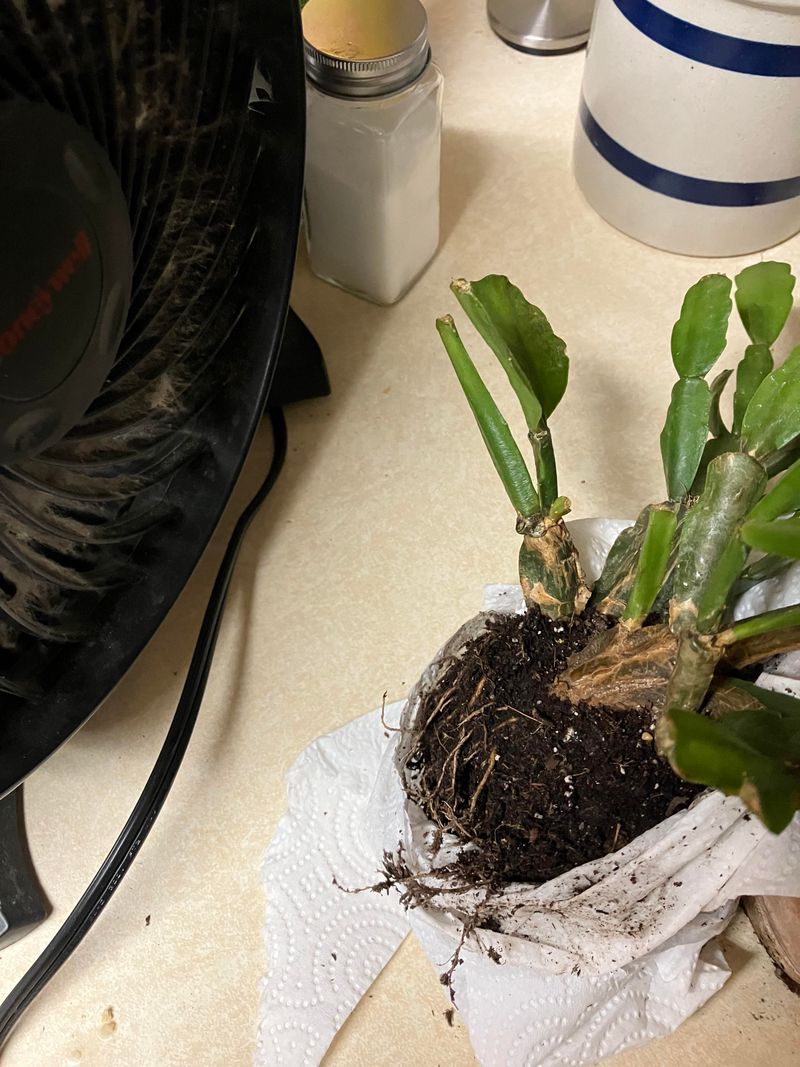
Regular garden soil in a pot feels like a heavy wool blanket to these tree-dwelling cactus roots. In nature, they cling to bark and gather moisture from crumbly leaf litter that drains in seconds.
Dense mixes hold water too long, so roots sit wet and starve for air between waterings. That slow oxygen starvation leads to rot, and the first visible symptom is often segments falling for no reason.
A loose blend works far better, and you can make one easily at home with a few bags. Many growers mix quality potting soil with perlite and orchid bark in roughly equal amounts for good airflow.
I like how that bark mix crunches in my hand, which tells me water will move through quickly. After watering, the pot should feel noticeably lighter within a few days instead of staying heavy for weeks.
Drainage holes are not optional, no matter how pretty a decorative pot looks on your holiday table. If you love a solid cachepot, slip the plastic nursery pot inside and empty any water that collects.
Terracotta pots breathe through their walls, which helps the mix dry faster between drinks in humid rooms. Plastic pots hold moisture longer, so they suit people who tend to forget watering now and then.
Old mix breaks down over time, packing tighter and draining slower with every passing season indoors. Refreshing it every few years, ideally after blooming ends in late winter or spring, keeps roots happy.
7. Repotting Or Moving A Thanksgiving Cactus Triggers Shock
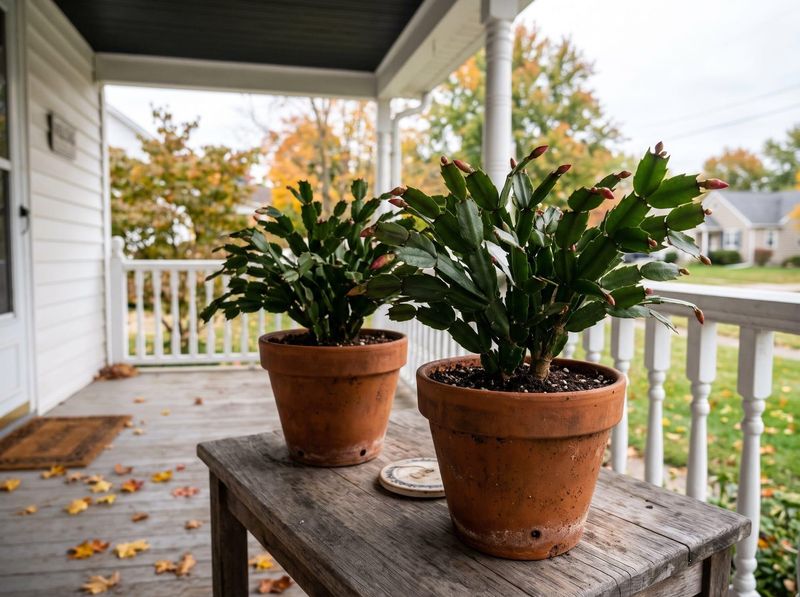
Bringing a plant home from the store and seeing pads scattered in the car is weirdly common. Holiday cacti grown in bright greenhouses often react to a dim living room by shedding a few segments.
Moving the pot around during bud season can also make flower buds drop before they ever open. Changes in light direction and temperature seem to unsettle the plant, so it sheds pieces while adjusting.
Once your cactus settles into a good spot, try to resist the urge to rearrange it for decorating. Turns out patience wins here, since most plants stop dropping pads after a few weeks of steady care.
Repotting causes similar stress, especially when roots get torn or the new pot is far too large. Extra soil around a small root ball stays soggy, which invites the rot problems mentioned earlier.
These cacti generally like being a bit snug, so choose a pot only an inch or two wider. Repot every few years after blooming ends, rather than in fall when the plant is busy forming buds.
Handle the roots gently, and wait about a week before watering so any small wounds can heal over. Skip fertilizer for several weeks too, because tender new roots do not need extra salts right away.
A little evidence gave me peace of mind here, since many extension guides describe this shedding as temporary. If the stems stay firm and green, your plant is probably adjusting rather than struggling with something serious.
8. Mealybugs And Hidden Pests Weaken Thanksgiving Cactus
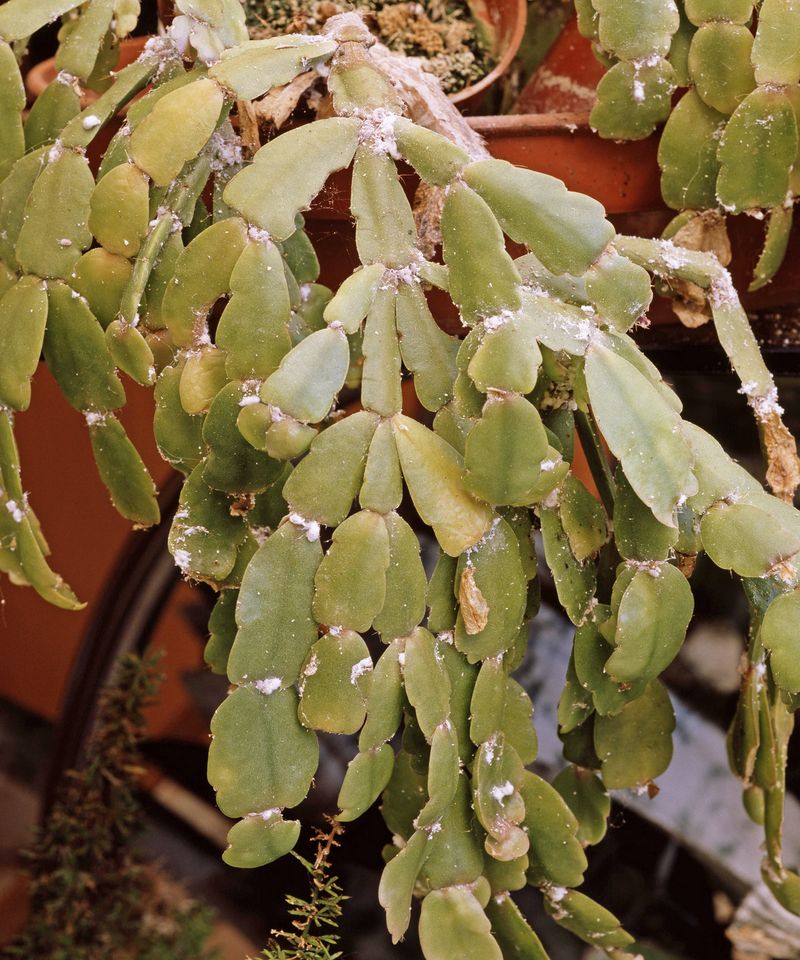
Tiny white tufts tucked into the joints might look like lint, but they could be hungry mealybugs. These soft insects suck sap from the stems and leave sticky honeydew that attracts sooty mold over time.
Scale insects show up as small brown or tan bumps that cling tightly to the flat green pads. Both pests drain energy slowly, so heavy infestations can leave segments weak enough to drop away.
Fungus gnats are another common visitor, often buzzing around damp soil in homes full of overwatered houseplants. Their larvae feed in the soil, and letting the top inch dry out helps break their life cycle.
I check my plants closely each time I water, using a phone flashlight to peek into the joints. Catching a few pests early is far easier than fighting a large colony that has spread for weeks.
Dab mealybugs with a cotton swab dipped in rubbing alcohol, testing a small spot first for any damage. Insecticidal soap sprayed thoroughly and repeated as the label directs can help control both mealybugs and young scale.
Keep an infested plant apart from your other houseplants until several checks in a row come up clean. Pests travel easily on leaves and hands, so wash up after handling the affected pot and tools.
Root diseases caused by soilborne fungi can also cause wilting and segment drop, usually after long wet periods. If stems rot at the soil line, root healthy cuttings and start fresh with clean mix.