Zinnia Mistakes Florida Gardeners Should Avoid This Season
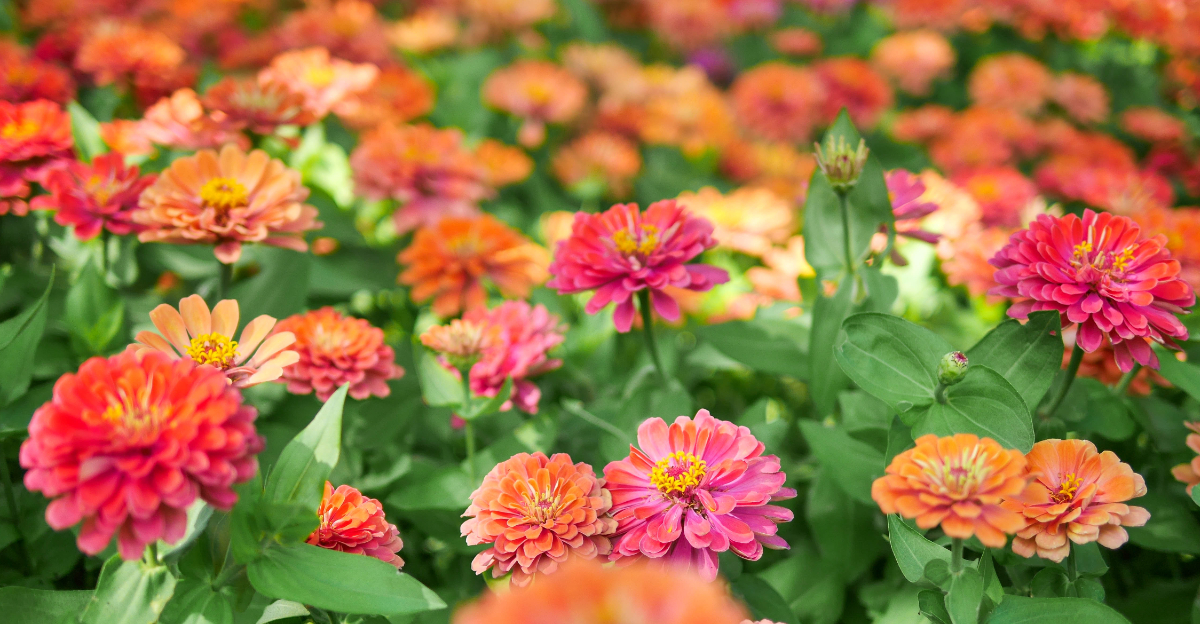
Red, purple, yellow, orange. Say the color and a zinnia will happily show up for it.
There is something about those bright, old fashioned blooms that brings back memories of simple summer gardens and rows of flowers that seemed to handle anything the season threw at them.
Plenty of Florida gardeners plant zinnias expecting easy color that lasts for months. Most of the time they do exactly that.
But a few small habits, especially once the heat and humidity settle in, can quietly hold them back. It is not always obvious at first.
The plants look fine, then the blooms slow down or the leaves start to complain.
Before you grab another packet of seeds or blame the weather, there are a few common slip ups worth checking first. Some of them might surprise you.
1. Planting Too Soon And Watching Them Stall
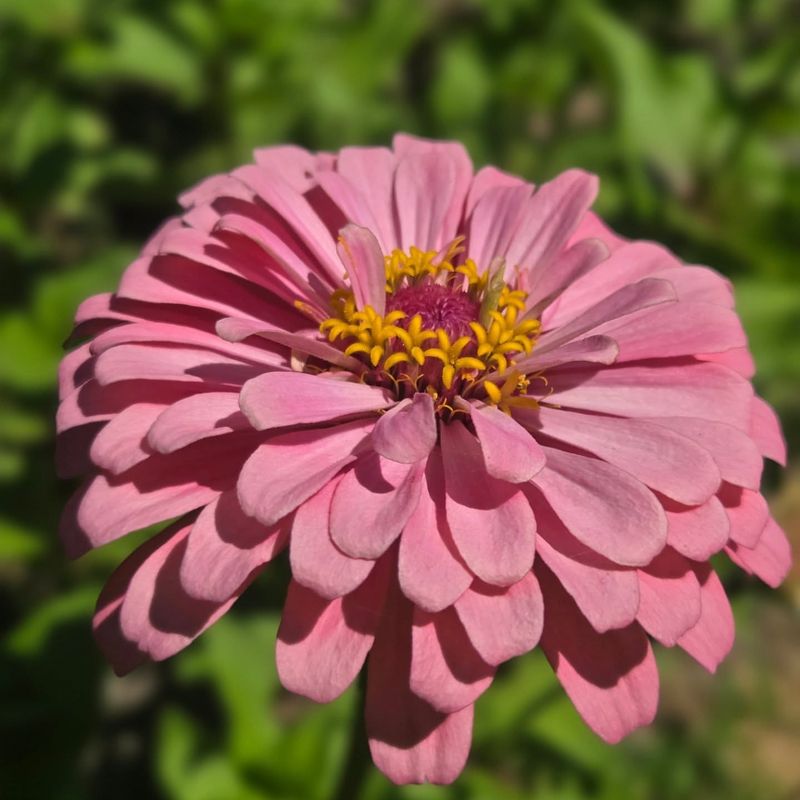
Many Florida gardeners get excited when the calendar says spring and rush to plant zinnias in February or early March. But zinnias are heat lovers that need warm soil to thrive, and planting them before temperatures stabilize can leave them sitting there doing nothing.
When soil stays below 70 degrees, zinnia seeds often rot before they sprout. Even if they do manage to push through, the seedlings grow painfully slow and develop weak root systems that struggle all season.
Wait until nighttime temperatures consistently stay above 60 degrees and daytime highs reach the 80s. In most of Florida, this means late March through April is your sweet spot for direct seeding or transplanting.
You’ll notice that zinnias planted in warmer conditions catch up to and often surpass those put in early. They establish faster, grow more vigorously, and produce flowers weeks ahead of their cold-shocked cousins.
If you’re eager to get started, consider starting seeds indoors about three to four weeks before your ideal planting date. This gives you a head start without exposing tender plants to chilly Florida nights that can stunt their growth.
Patience pays off with zinnias in Florida. Waiting for truly warm weather means your plants will reward you with strong stems, healthy leaves, and an abundance of blooms that last throughout the growing season.
2. Packing Them Tight Like A Flower Traffic Jam
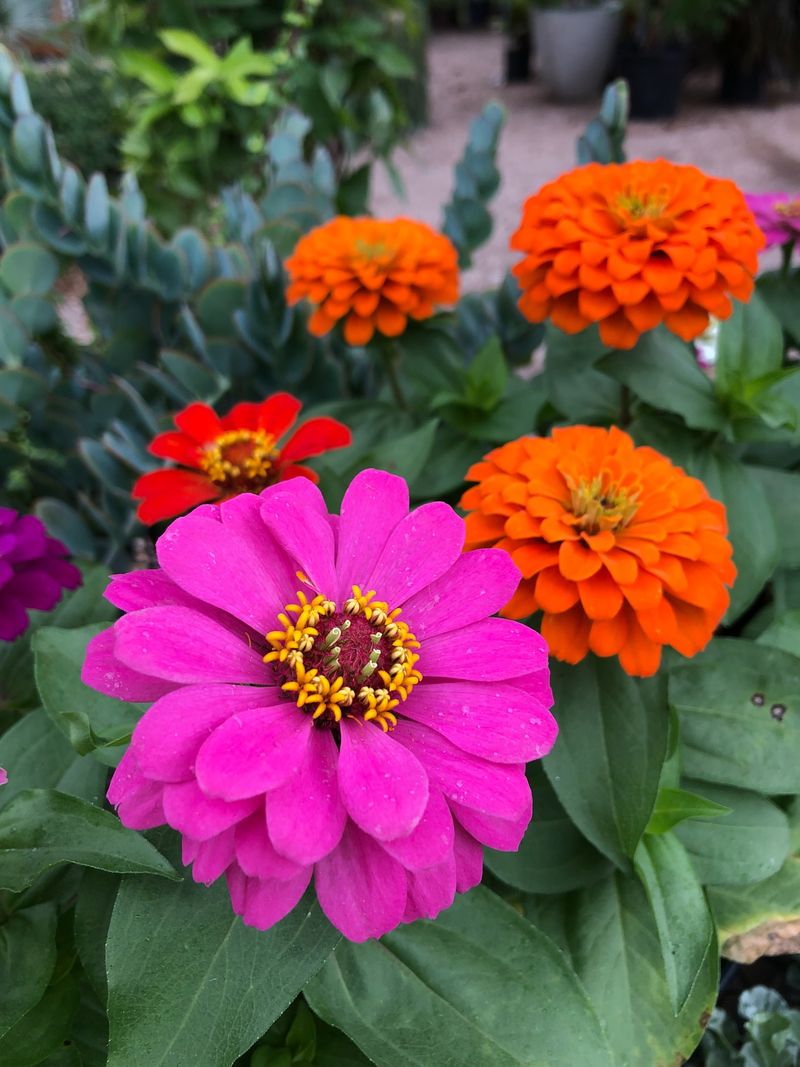
Seeing those tiny zinnia seeds, it’s tempting to sprinkle them generously across your Florida garden bed, thinking more seeds mean more flowers. Unfortunately, overcrowding creates problems that will haunt you all season long.
When zinnias grow too close together, air can’t move freely between the plants. In Florida’s humid climate, this trapped moisture becomes a playground for fungal diseases like powdery mildew and leaf spot.
Crowded plants also compete fiercely for nutrients, water, and sunlight. Instead of producing big, beautiful blooms, they stretch upward trying to outgrow their neighbors, resulting in leggy, weak stems that flop over easily.
Give your zinnias proper spacing based on their mature size. Dwarf varieties need at least 6 to 8 inches between plants, while taller types require 12 to 18 inches of breathing room.
If you’ve already planted too densely, thin the seedlings when they’re a few inches tall. Yes, it feels wasteful to pull out perfectly good plants, but the ones you leave behind will thank you with stronger growth and better flowering.
Proper spacing in Florida gardens also makes it easier to inspect plants for pests and diseases. You can spot problems early and treat them before they spread through your entire zinnia patch, keeping your garden healthier throughout the season.
3. Watering The Leaves And Inviting Mildew
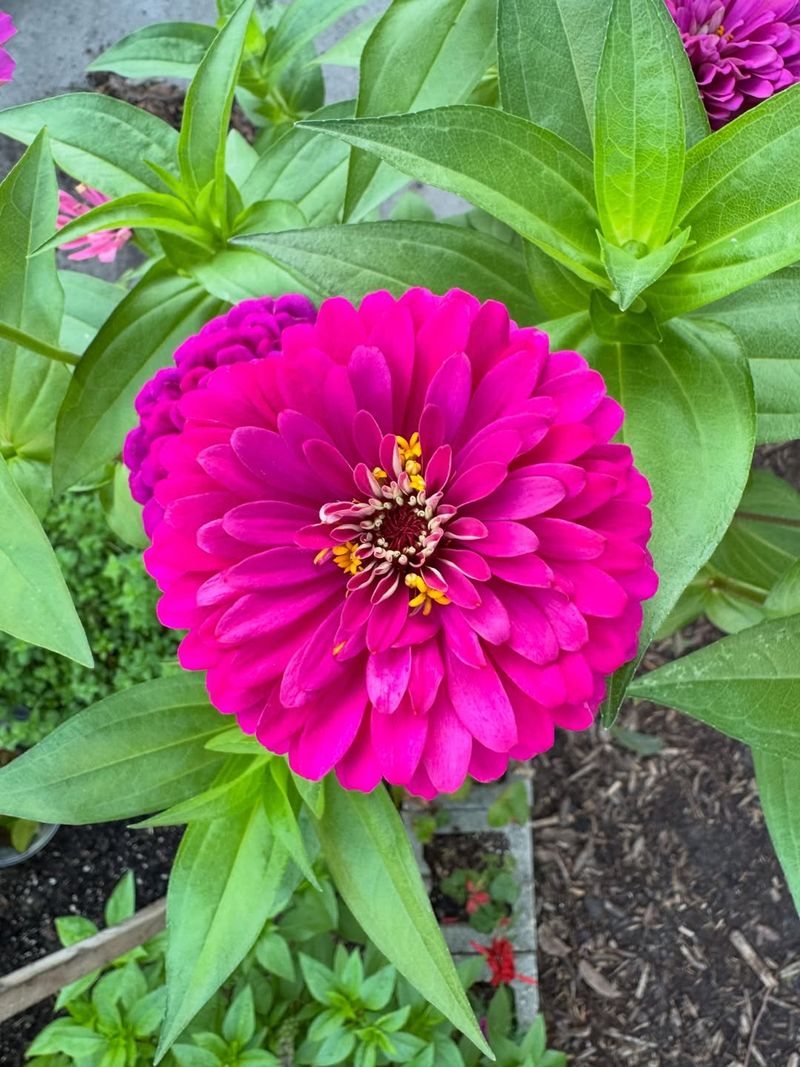
After a hot Florida day, hosing down your entire zinnia plant might seem refreshing, but wet foliage is an invitation for trouble. Overhead watering is one of the quickest ways to encourage powdery mildew and other fungal problems.
Florida’s naturally high humidity already puts stress on zinnias. When you add wet leaves to the equation, especially in the evening when they stay damp all night, you’re creating perfect conditions for disease to take hold.
Always water at the soil level, directing your hose or watering can toward the base of the plant. Drip irrigation or soaker hoses work beautifully for zinnias because they deliver moisture exactly where it’s needed without splashing the foliage.
If you must use overhead sprinklers, run them early in the morning so leaves have the entire day to dry off.
Never water in the evening, as this leaves plants sitting wet through the cool night hours.
Watch for early signs of powdery mildew – white, dusty-looking patches on leaves. If you catch it early and switch to proper watering techniques, you can often slow its spread and keep your zinnias blooming.
In South Florida and other particularly humid regions, consider choosing zinnia varieties bred for disease resistance. Combine resistant varieties with smart watering practices, and you’ll enjoy healthier plants that keep their good looks all season long.
4. Feeding For Leaves Instead Of Flowers
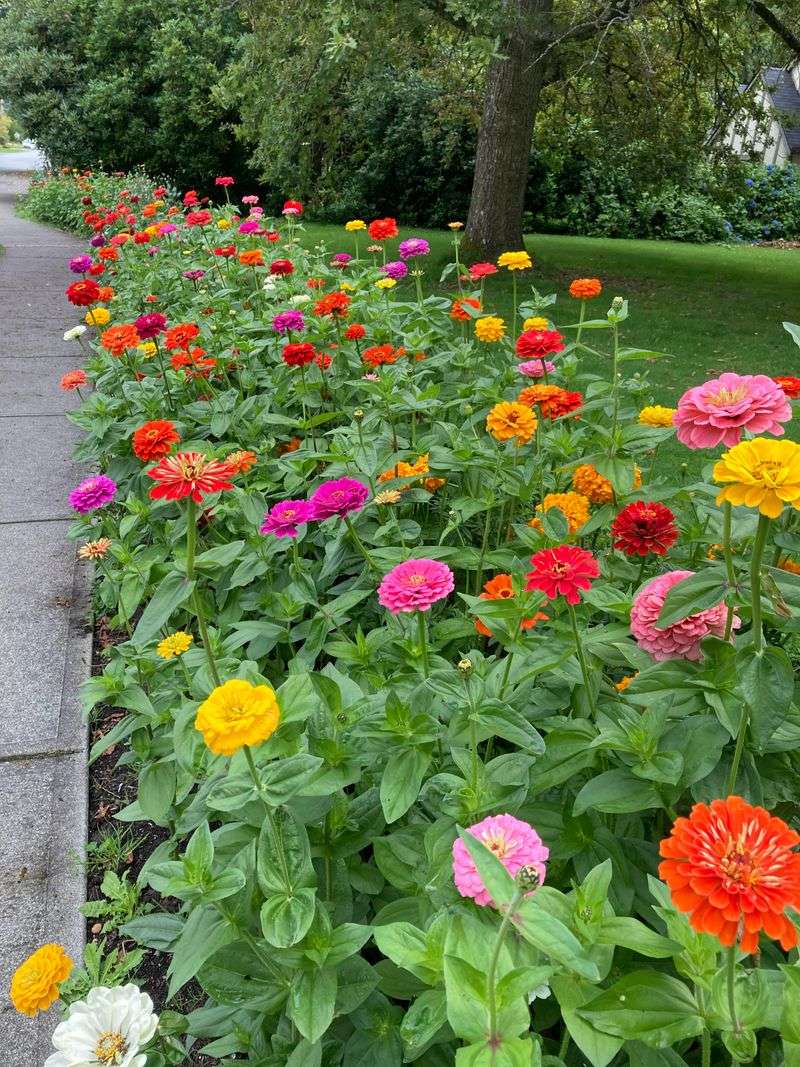
Walking through the garden center, you might grab the first fertilizer you see, thinking all plant food is basically the same. But using high-nitrogen fertilizers on zinnias pushes them to produce lots of lush, green leaves at the expense of the colorful blooms you actually want.
Nitrogen is great for leafy vegetables and lawns, but flowering plants like zinnias need a different nutrient balance.
Too much nitrogen creates bushy plants that look healthy but produce disappointing numbers of flowers.
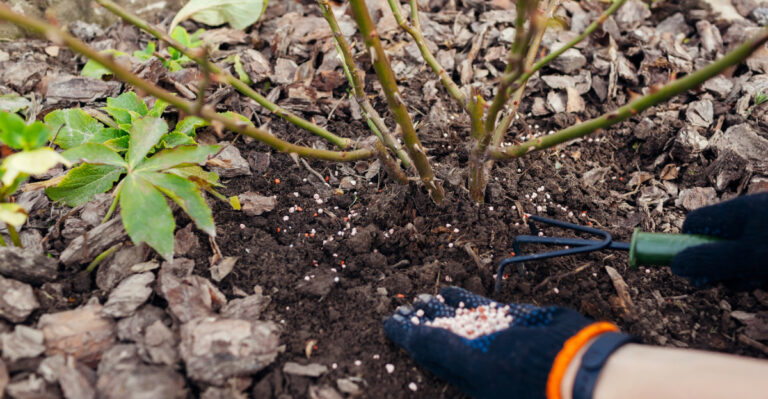
Look for fertilizers with higher phosphorus content – the middle number on the fertilizer package. A balanced formula like 5-10-5 or 10-20-10 encourages strong root development and abundant blooming without excessive leafy growth.
In Florida’s sandy soils, nutrients wash away quickly with our frequent rains. Feed your zinnias lightly every three to four weeks during the growing season rather than dumping on heavy applications all at once.
If you notice your zinnias producing more foliage than flowers, cut back on fertilizer entirely for a few weeks. Sometimes stressed plants actually bloom more profusely as they try to produce seeds before conditions worsen.
Organic options like compost or worm castings release nutrients slowly and won’t cause the dramatic imbalances that chemical fertilizers sometimes create.
Many Florida gardeners find that zinnias grown with organic amendments produce steadier, longer-lasting flower displays throughout the season.
5. Giving Them Shade When They Crave Sun
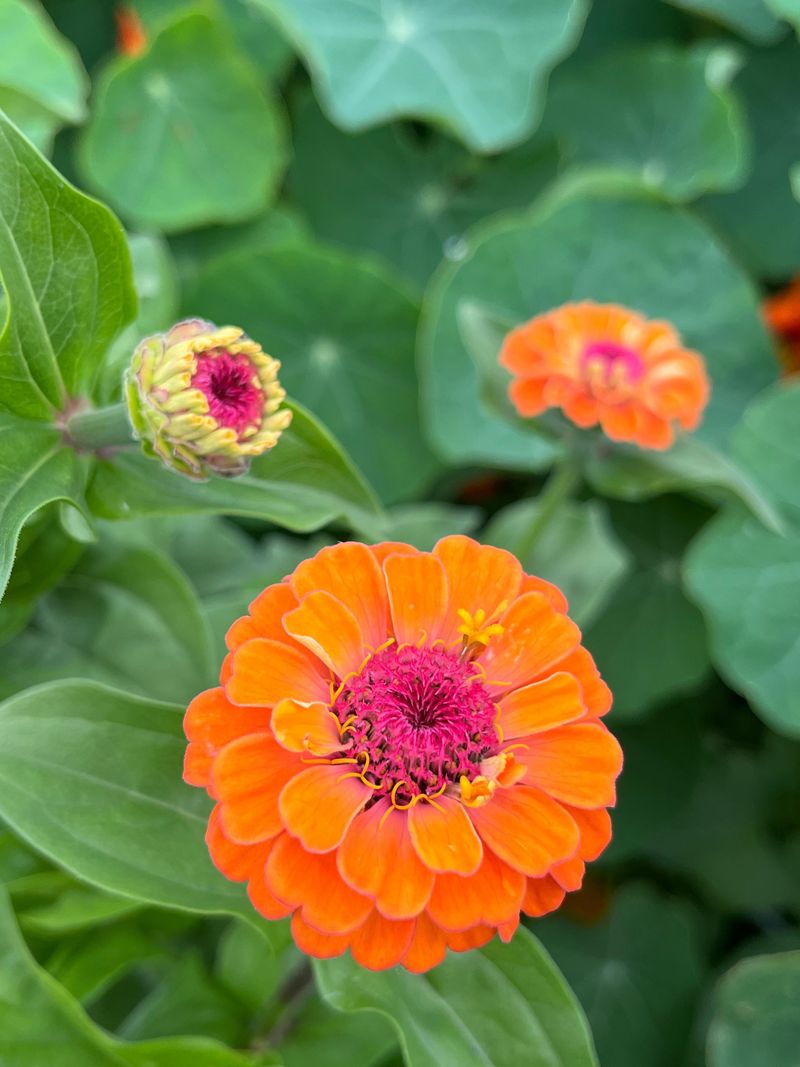
Florida’s intense summer heat makes shade seem like a blessing, and you might think your zinnias would appreciate some relief from the blazing sun.
Reality tells a different story – zinnias are sun worshippers that need at least six to eight hours of direct sunlight daily.
When planted in shade or partial shade, zinnias stretch toward whatever light they can find. This creates tall, spindly stems that can’t support their flower heads properly and often topple over with the first strong breeze.
Shaded zinnias also produce fewer blooms, and the flowers they do make tend to be smaller and less vibrant. The plants put their energy into searching for light rather than creating the colorful display you’re hoping for.
Choose the sunniest spot in your Florida garden for zinnias. Morning sun is particularly valuable because it dries dew quickly, reducing disease problems we discussed earlier.
If your entire yard is shady, zinnias probably aren’t the best choice. Consider shade-loving alternatives like impatiens or begonias instead, and save your zinnia dreams for a sunnier location.
Even in Central and North Florida, where summer heat can be brutal, zinnias handle full sun beautifully as long as they receive adequate water.
Their natural heat tolerance makes them perfect for those scorching summer months when many other flowers fade away or require constant attention to survive.
6. Skipping Deadheading And Losing The Color Show
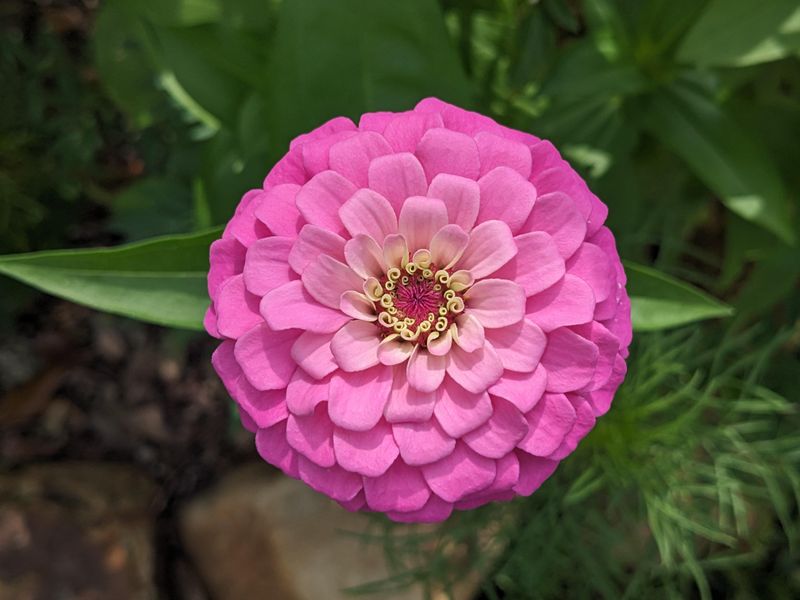
After a long day, the last thing you want to do is fuss with your flowers. But letting spent zinnia blooms sit on the plant tells it that its job is done – it’s made seeds, mission accomplished, time to shut down flower production.
Deadheading, or removing faded flowers, tricks the plant into thinking it hasn’t successfully reproduced yet. This keeps it pumping out new blooms as it tries again and again to create seeds.
The process takes just a few minutes every few days. Pinch or cut off flowers as soon as they start to fade, removing the entire flower head down to the next set of leaves or buds.
Florida’s long growing season means your zinnias can bloom for months if you keep them deadheaded. Plants that get regular grooming often produce twice as many flowers as neglected ones.
If you’re growing zinnias for cut flowers, you’re automatically deadheading every time you harvest bouquets. This is one reason why cutting zinnias frequently actually makes them bloom more prolifically rather than weakening the plant.
Late in the season, you might want to let some flowers go to seed if you plan to collect them for next year’s garden. But during peak blooming months in Florida, consistent deadheading keeps your zinnia display looking fresh and colorful week after week.
7. Letting Roots Sit In Soggy Florida Soil
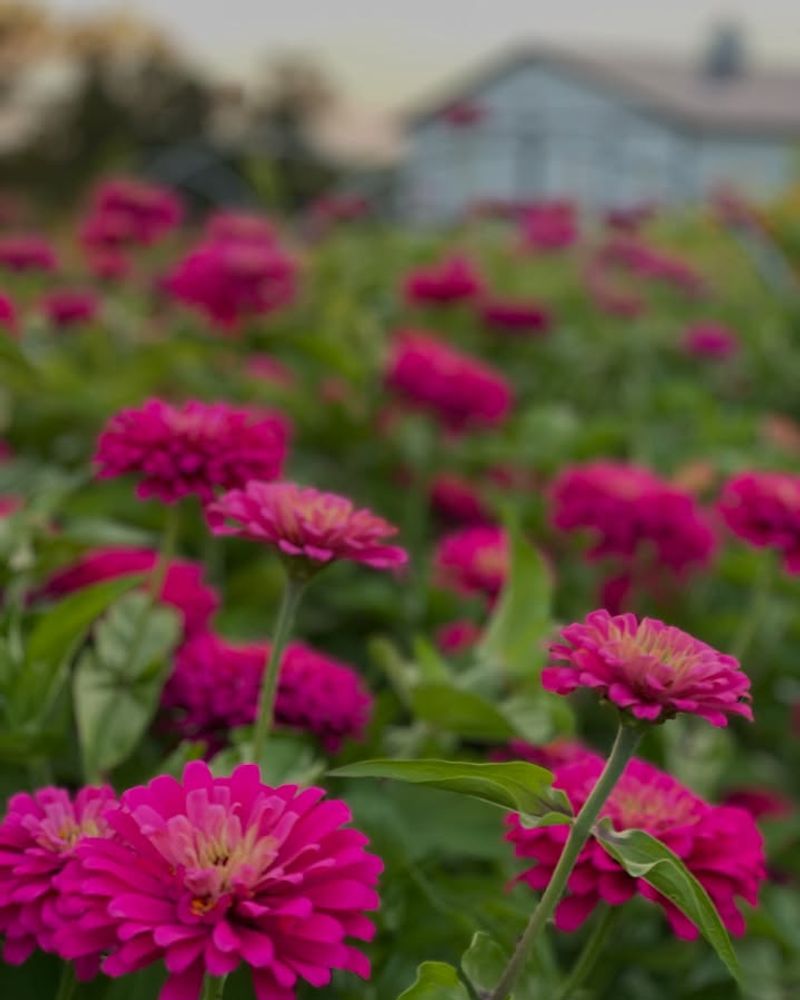
Summer thunderstorms can dump inches of rain in minutes, and our flat terrain often means water sits rather than drains. Zinnias dislike constantly saturated soil, and roots that remain in waterlogged conditions for extended periods are more vulnerable to rot issues.
Clay soils common in parts of Central Florida are particularly challenging because they retain moisture longer after heavy rains. Sandy soils in coastal areas drain more quickly but can still become overly saturated during extended rainy stretches.
Improving drainage before planting makes a noticeable difference. Mixing several inches of compost or other organic matter into planting beds can help clay soils drain more efficiently while improving moisture balance in sandy soil.
Raised beds can also help in areas where drainage is slow. Elevating planting areas even six to eight inches allows excess water to move away from the root zone during intense downpours.
If plants begin wilting despite consistently wet soil, root stress may be developing beneath the surface.
Early intervention sometimes helps if drainage conditions improve quickly, but recovery depends on how long roots have remained saturated.
During Florida’s rainy season, supplemental watering is often unnecessary. Checking soil moisture before irrigating helps prevent overwatering.
If the soil feels damp an inch below the surface, it is usually best to wait, even if leaves appear slightly stressed during humid afternoons.
8. Ignoring Humidity Until Spots Appear
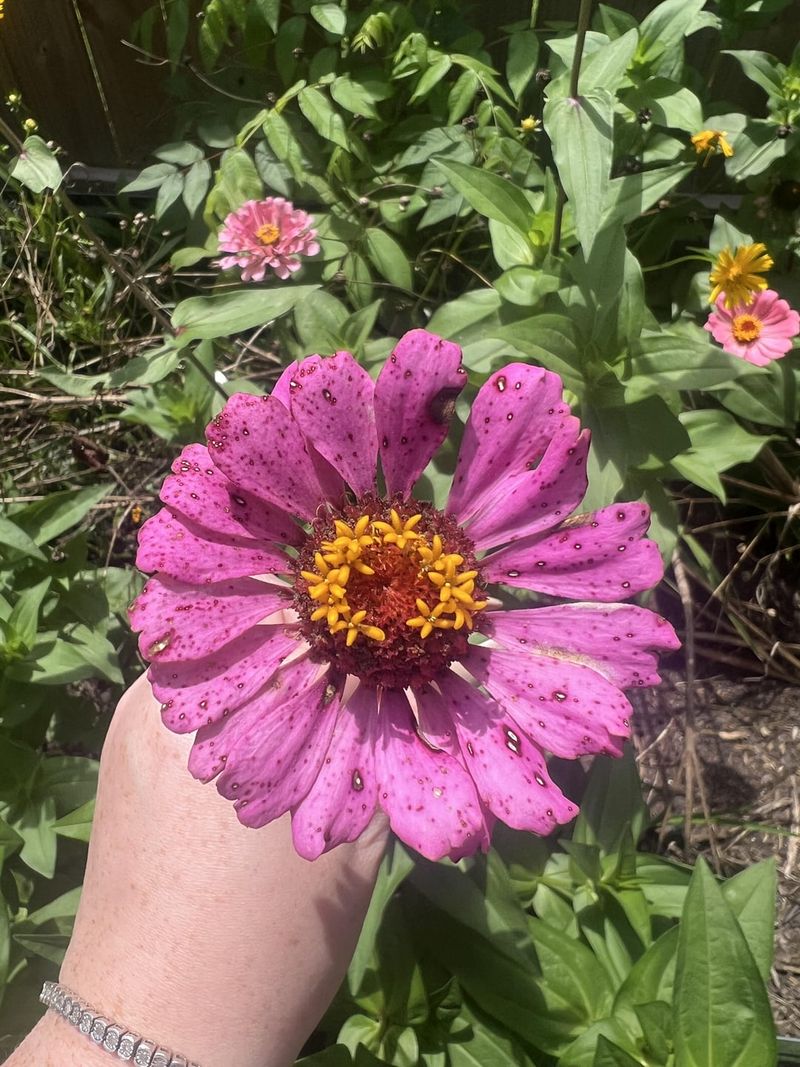
You can’t control Florida’s humidity, but you can definitely manage how it affects your zinnias. Many gardeners don’t think about humidity until they notice brown spots, yellowing leaves, or the white powder of mildew coating their plants.
Fungal diseases thrive in humid conditions, and Florida provides the perfect environment for them to spread rapidly. Once you see symptoms, the disease has already established itself and will be difficult to control.
Prevention starts with variety selection. Some zinnia types, particularly the Profusion and Zahara series, were specifically bred to resist common fungal problems that plague humid climates like ours.
Combine disease-resistant varieties with proper spacing, ground-level watering, and good air circulation.
Avoid planting zinnias in low-lying areas where humidity settles or in spots surrounded by walls or fences that block airflow.
If you do notice spots appearing on leaves, remove affected foliage immediately to prevent spread. Don’t compost diseased plant material – throw it in the trash so you’re not reintroducing those fungal spores to your garden later.
Some Florida gardeners apply preventive fungicide sprays during the most humid months, typically July through September in most regions.
Organic options like neem oil or copper-based sprays can help protect plants before problems start, which is much easier than trying to cure established infections.