10 Early Signs A Frost Is Coming That Your Garden Will Notice First
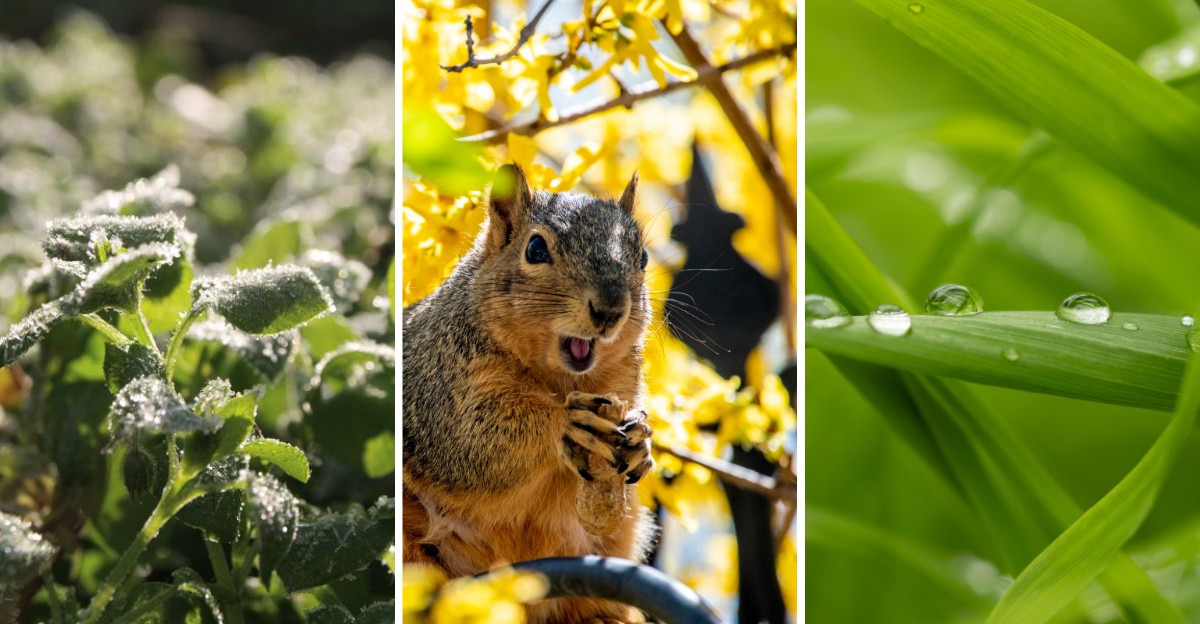
Frost can sneak into your garden while the thermometer on your porch reads safe. Cold air slides downhill and pools around low beds, chilling vulnerable leaves.
Clear skies after sunset let your soil’s stored heat escape fast. Still air removes the gentle mixing that normally protects your plants.
Crickets slow their chirping as temperatures drop, giving you a surprisingly handy gauge. Basil darkens and wilts at temperatures your tomatoes shrug off. Squirrels bury food with fresh urgency as autumn days shorten.
Dry evening air warns you of a low dew point and harder freeze. Read these clues correctly, and you gain precious hours to act. Sheets, buckets, and row covers let you shield tender crops overnight.
Watering your soil in the afternoon helps it radiate warmth after dark. Master these signals now, before tonight’s sky makes the decision for you.
1. Chilly Northwest Winds
Picture a warm September afternoon when the breeze suddenly swings around and smells crisp, like fresh laundry. That shift in direction often signals an approaching cold front, and it deserves your attention.
Across much of North America, winds from the north or northwest carry chilly air down from Canada. Your tall sunflowers and corn stalks may lean south, waving like fans at a parade. Falling humidity and clearing skies often travel with this shift.
Gusty winds usually prevent frost, because moving air keeps ice crystals from settling on leaves. A hard freeze can still arrive on a windy night, so check the forecast low too.
More often, the trouble arrives a night or two later, once those winds calm and the sky stays clear.
Treat a steady northwest wind as your early alarm clock for important garden chores. Pick ripe tomatoes, peppers, and squash before they sit out another chilly night.
Slide potted herbs closer to warm house walls, where stored daytime heat radiates back after sunset. Gather row covers, old sheets, and buckets so they wait within easy reach.
A cheap wind vane or a simple weather app can tell you which way the air is flowing. Checking it each afternoon takes seconds and can save a whole season of hard work.
2. Rising Barometric Pressure
Grandpa’s old barometer on the wall might be the smartest gardener in your house this fall. When its needle climbs quickly after a stormy day, cold and clear weather usually follows close behind.
High pressure means heavy, sinking air that pushes clouds away and dries out the sky. Without that cloudy blanket overhead, warmth rises from the ground and drifts off into space overnight. Calm winds often join the party, letting frost settle on leaves undisturbed.
Fun fact: people have used barometers to predict weather since the 1640s, when Italian scientist Evangelista Torricelli invented one. Sailors trusted them to spot storms, and farmers relied on them to protect their autumn crops.
Luckily, you do not need a fancy antique hanging in the hallway to follow along at home. Many phone weather apps list the pressure, and some add a small arrow showing whether it is rising or falling.
A fast jump in pressure during September is your cue to check the overnight low temperature. If it dips below 36 degrees, grab old sheets and cover your tender plants before sunset.
Tuck the edges down to the soil so trapped ground heat stays underneath until morning. Remove the covers the next day once temperatures climb above freezing, so your plants can breathe.
3. Cloudless Evening Skies
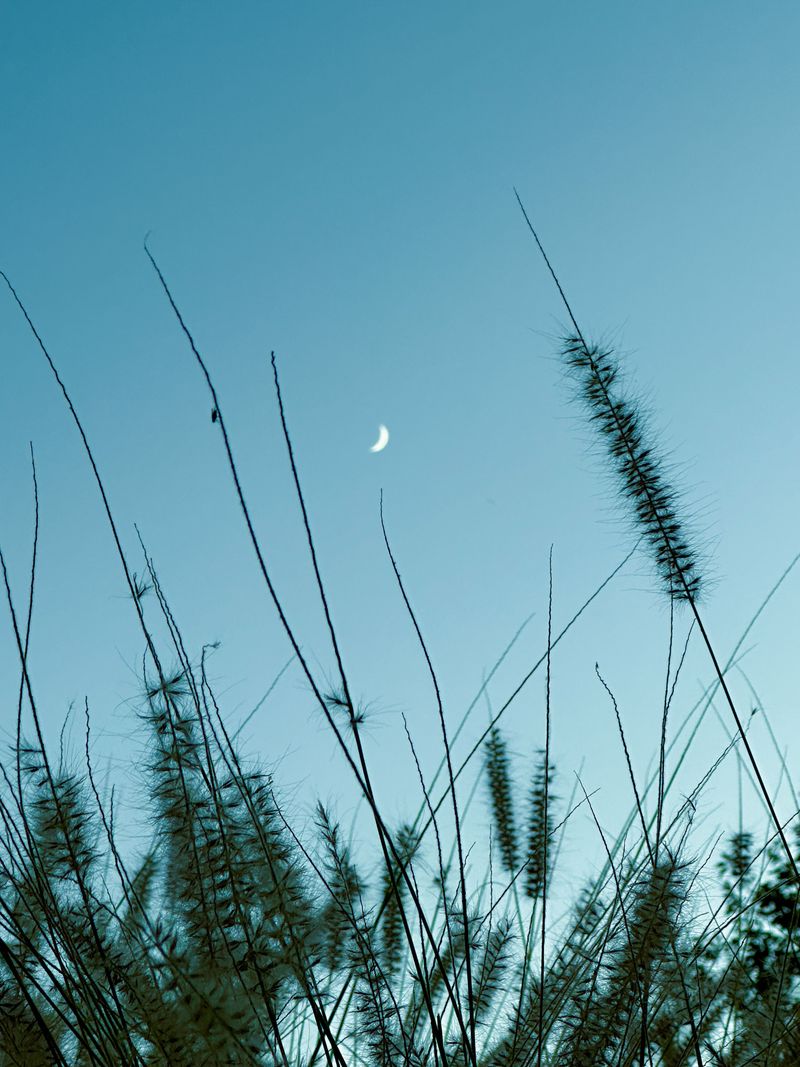
Stargazers love a crystal clear September night, but gardeners should feel a tiny shiver of worry. Clouds act like a fuzzy quilt, trapping the heat that soil and plants soaked up all day.
Remove that quilt, and the warmth escapes upward fast, sometimes dropping temperatures ten degrees or more after dark.
Your leafy greens and basil feel that chill well before you notice it on the porch. Low spots and plants near the ground cool fastest, since cold air sinks and settles there.
An easy test is to step outside after supper and simply look straight up at the sky. If you can spot loads of bright stars twinkling, heat is leaving your garden quickly.
Hazy or cloudy evenings, on the other hand, usually mean your plants will stay cozier until morning. Old-timers liked to say that a starry autumn sky often means a sparkly white lawn by breakfast.
On clear nights, toss a frost cloth, bedsheet, or cardboard box over tender plants before dusk. Avoid plastic sheeting touching leaves, because it conducts cold straight through to the foliage.
For extra protection, drape covers all the way to the ground and weigh the edges with rocks. Remove the covers by midmorning so your plants can soak up the sunshine again.
4. Calm Nighttime Air
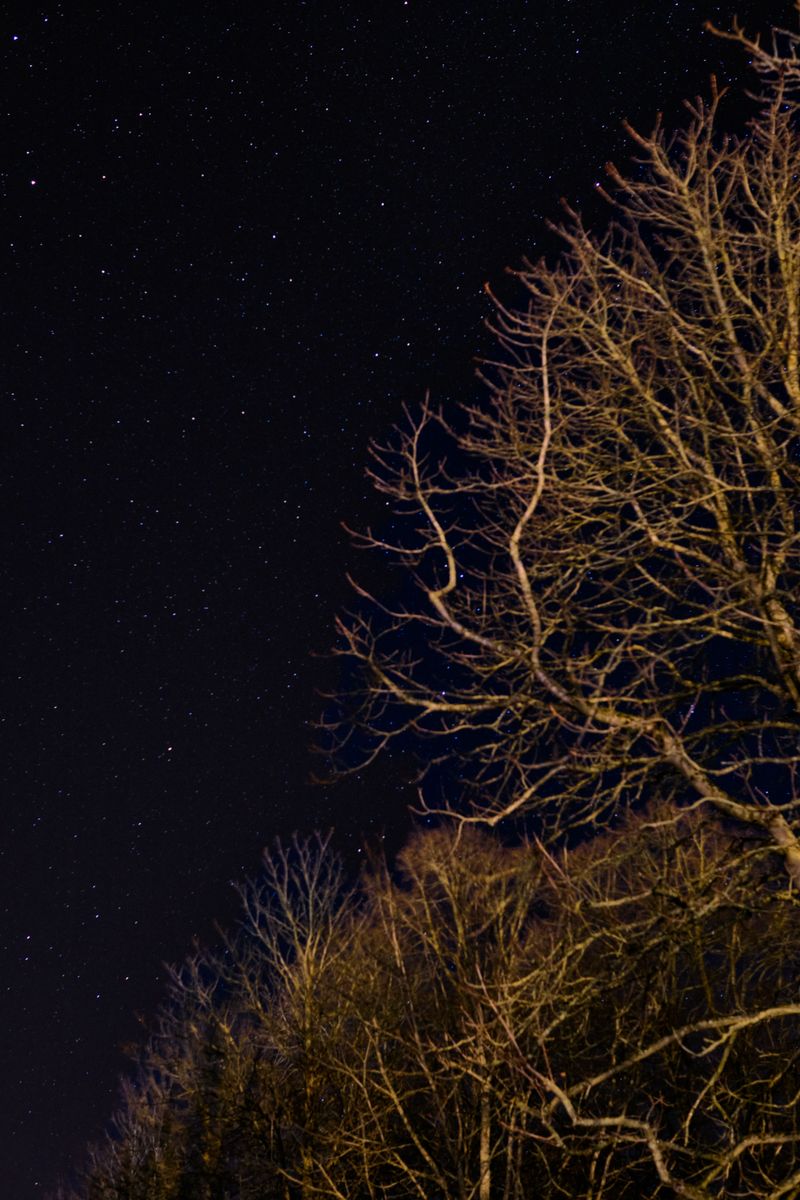
Ever notice how the whole neighborhood goes hushed on certain autumn evenings, like someone pressed a mute button? No rustling leaves, no swaying branches, and not even a wind chime tinkling on the porch.
That peaceful stillness feels lovely, yet it can spell trouble for your garden beds overnight. Without wind to stir things up, the coldest air settles right down at plant level.
Weather experts call this a radiation night, when heat slips away and nothing mixes warmer air back down. The ground can be several degrees chillier than the thermometer hanging on your porch post.
Pair a still evening with clear skies, and you have the classic recipe for icy leaves by dawn. Some orchard growers even run giant fans on calm nights to keep the air moving. Those fans pull down a warmer layer of air that often sits just above the treetops.
Home gardeners can borrow a smaller trick by watering the soil in the afternoon before a calm night. Moist ground holds and releases more heat than dry dirt, giving roots a little extra warmth.
Setting dark jugs of water between plants adds more stored warmth. Skip heavy mulch around tender plants on these nights, since it blocks rising ground heat from reaching the leaves.
5. Plunging Afternoon Temperatures
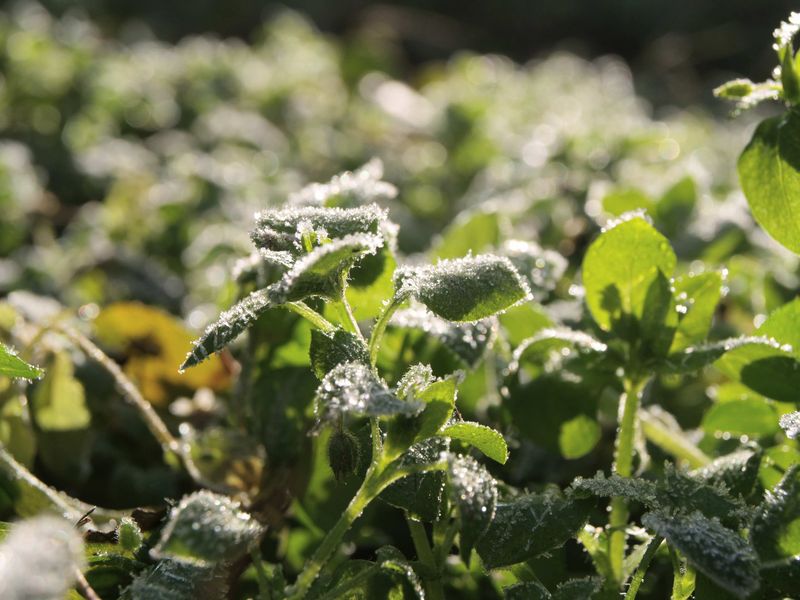
Here is a handy rule many seasoned gardeners swear by when September evenings start feeling crisp. Check the backyard thermometer around 4 p.m., then peek at it again right after the sun sets.
If the reading has fallen into the 40s by dusk on a clear, calm evening, freezing temperatures before sunrise become a real possibility. Temperatures tend to keep sliding all night long and usually hit bottom just before the sun rises.
Your plants notice the drop first, with basil leaves turning dull and losing their shine. Basil is a real drama queen and can show dark, blotchy spots once nights dip below 50 degrees.
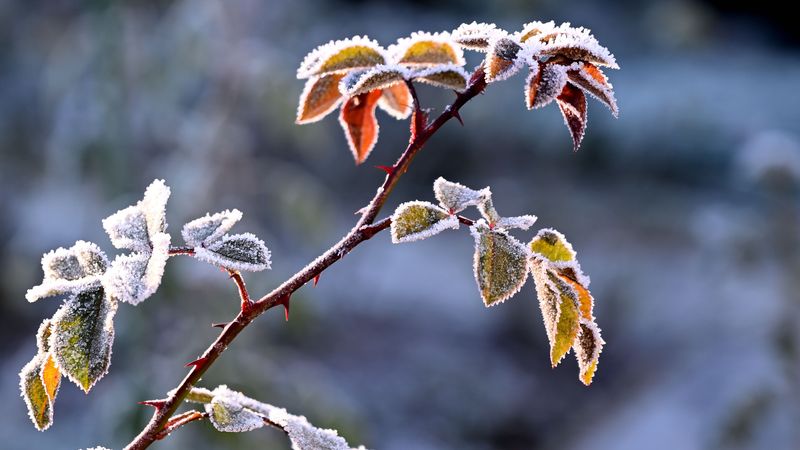
A simple digital thermometer with a remote sensor makes tracking easy from your cozy kitchen table. Place the sensor near your garden beds, about knee high, where your plants actually live.
When the drop looks steep, harvest herbs for pesto and pick tomatoes showing a blush of color. Those half-ripe fruits will finish ripening indoors at room temperature, out of direct sun, within one to two weeks.
6. Dropping Dew Points
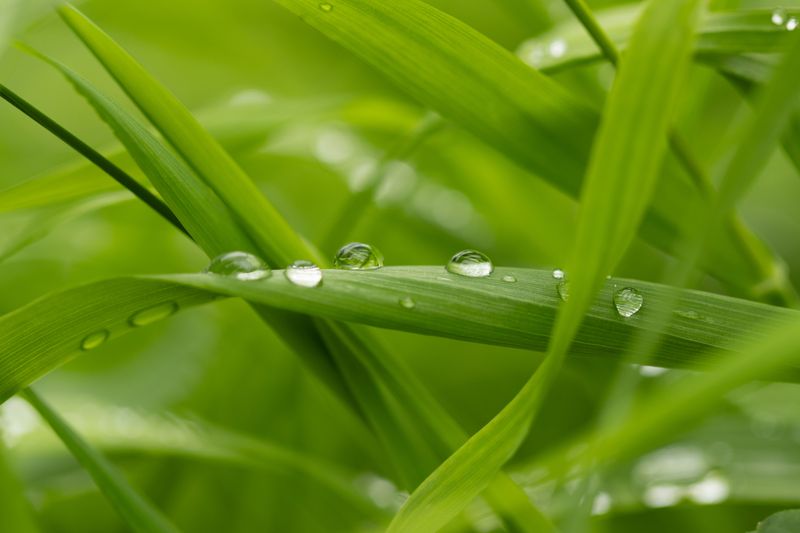
Dew point sounds like science class homework, but it is one of the best frost predictors around. It tells you the temperature at which moisture in the air turns into water droplets or ice.
On muggy summer nights, dew points sit high, and that moisture acts like a built-in space heater. In September, drier air sweeps in, and the dew point can suddenly tumble into the 30s.
Dry air cools off much faster than humid air, so evening temperatures can crash surprisingly fast overnight. Your skin might notice first, feeling tight and itchy, while your plant leaves quietly lose moisture.
Weather apps often list the dew point right next to humidity, so it is easy to find. A dew point near or below 32 degrees is a bright red flag for tender crops.
When that number drops, water your beds by early afternoon and gather row covers for the evening. Low dew points can also mean a black frost, which darkens leaves without leaving any white crystals behind.
7. Frigid Low Spots

Many yards have a sneaky cold corner, and it usually sits at the lowest point of the land. Cold air is heavier than warm air, so it slides downhill and pools like invisible syrup.
Gardeners call these places frost pockets, and they often freeze days before the rest of the yard. Watch for plants in dips, along fences, or near the bottom of a slope.
If your beans in the low bed look wilted or darkened one morning, take it as a warning. The rest of your garden, sitting a bit higher, could be next within just a few nights.
Think of these chilly dips as your personal early warning system, like a canary for vegetables. Plant a few sensitive marigolds or impatiens there on purpose, and check them each morning.
For next year, save low spots for tough crops like kale, cabbage, and garlic that shrug off cold. Keep tender tomatoes and peppers on higher ground, where the air stays a few degrees warmer.
8. Curling Rhododendron Leaves
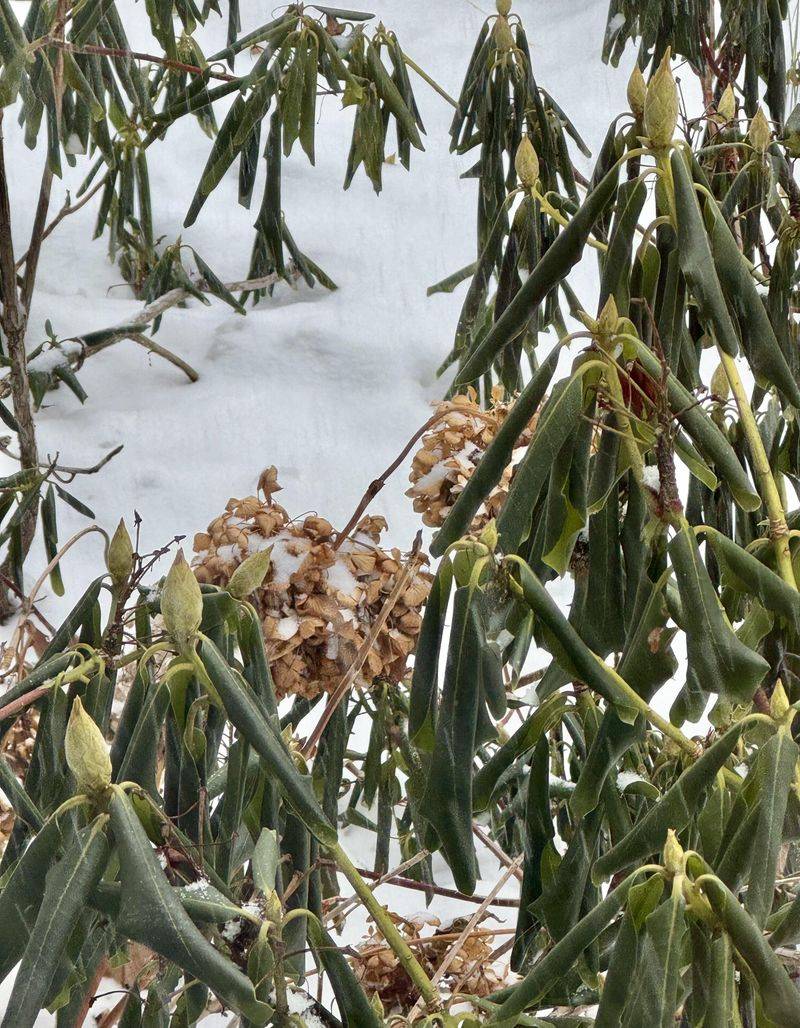
Rhododendrons are basically living thermometers, and they have been quietly reporting the weather for generations. As the temperature falls, their long, glossy leaves droop down and roll inward like skinny green cigars.
The tighter the curl, the colder it is, so some folks can guess the temperature just by glancing. Leaves usually start drooping around 35 degrees and wrap up tightly as the air nears 20.
Scientists think the curling helps protect delicate leaf cells from harsh swings of freezing and thawing in sunlight. Pretty clever for a shrub that just sits by your front steps all year, right?
In September, you might catch the first slight droop on a chilly morning before your other plants react. That small change is a friendly nudge that colder nights are marching closer to your garden gate.
Dry soil can also make leaves curl, so check moisture before trusting the signal. If you lack a rhododendron, mountain laurel may show milder leaf curling when the mercury sinks. Plant one near a window you pass daily, and you will have a free forecast.
9. Slowing Cricket Songs
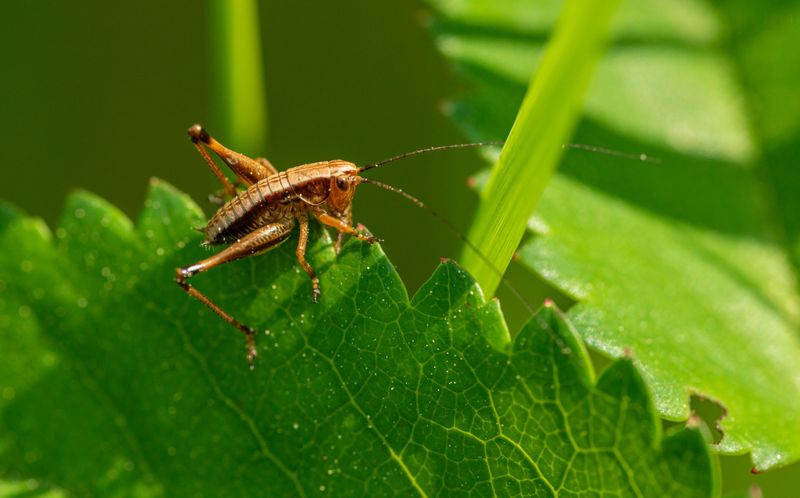
Crickets are nature’s pocket-sized weather reporters, and you can hear them singing from your back steps. Their chirping speeds up on warm nights and slows way down as the air cools off.
A famous trick called Dolbear’s Law, from way back in 1897, turns their song into temperature. Count the chirps of one snowy tree cricket in 14 seconds, then add 40 for a rough Fahrenheit reading.
On a balmy August evening, crickets might sound like a buzzing crowd at a baseball game. By late September, you may notice long pauses, as if the performers are running out of steam.
Once the evening air falls toward 50 degrees, many crickets barely manage a chirp at all. When their music fades to near silence, your garden is probably shivering right alongside them in the dark.
Make it a fun family game by counting chirps together after dinner on September nights. If your cricket math lands near 50, or the chirping stops, tuck blankets over your tender plants before bed.
10. Frantic Squirrel Hoarding
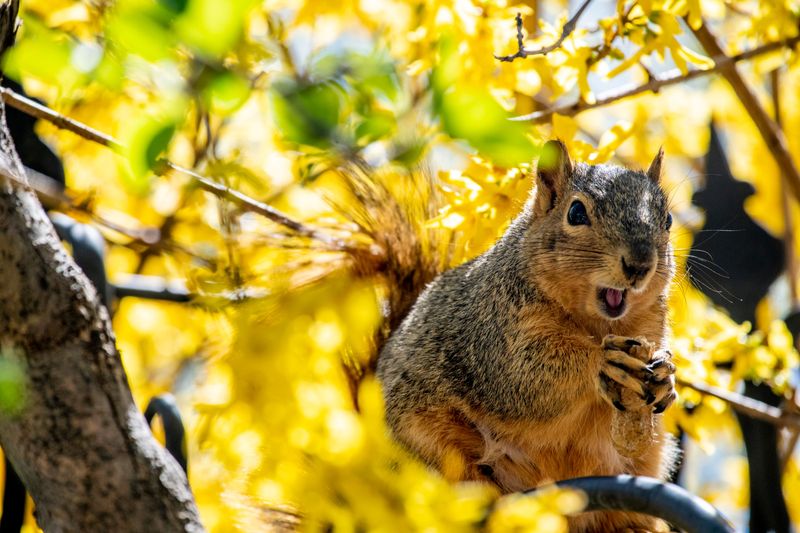
Squirrels turn into furry little delivery drivers in early fall, racing around with acorns clamped in their mouths. Birds join the rush too, crowding feeders and flocking together in noisy, chattering groups at dawn.
Folk wisdom says extra-busy backyard critters mean a cold snap is heading your way pretty soon. Science backs part of it, since shorter days and cooler nights trigger their storing instincts.
Animals cannot read a forecast, of course, but they react quickly to temperature and daylight changes. A burst of digging and hiding often lines up with the season’s chilly nights, but it works as a seasonal cue, not a precise forecast.
Keep an eye on your garden beds, because squirrels love burying treasures in soft, freshly turned soil. You might find mystery holes near your pumpkins or even bulbs dug up and moved.
Laying chicken wire over newly planted bulbs keeps those busy diggers from raiding your spring flower show. When the whole backyard crew seems rushed, check the forecast and get your plant covers ready.