10 Pecan Tree Varieties Worth Planting in Georgia
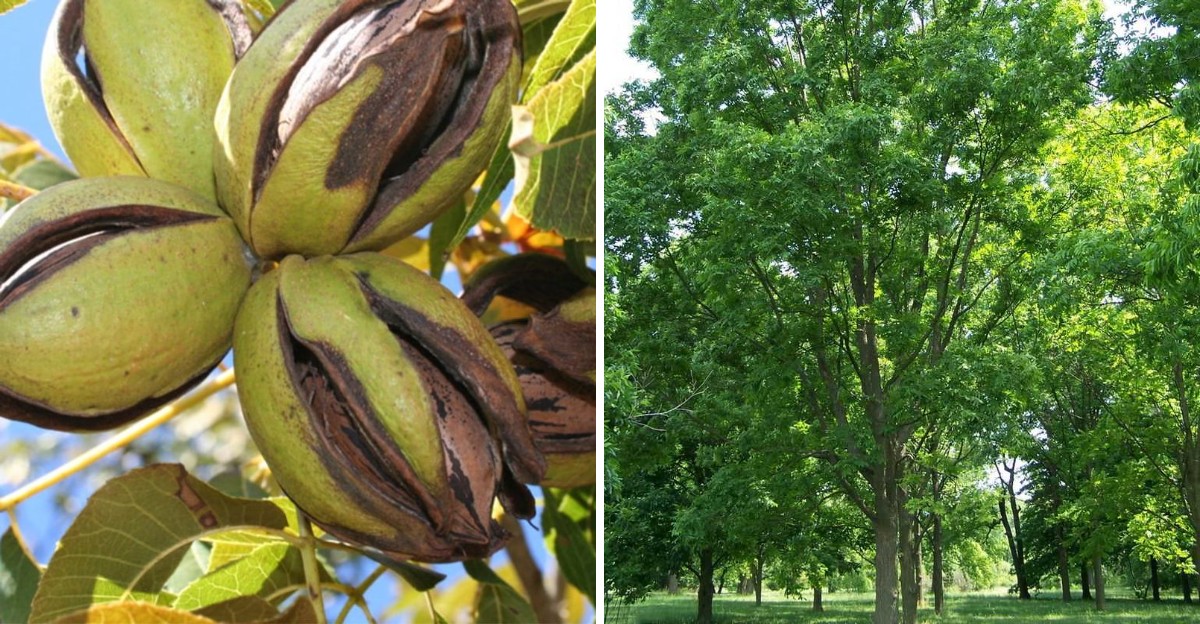
My favorite fall chore involves cracking shells on the porch while the dog begs for every crumb. Store-bought nuts taste like cardboard after you try fresh ones from a tree in your own Georgia yard.
Picking the right tree matters a lot. And many folks learn that lesson the slow and costly way! A poor choice can mean years of waiting for a crop that barely fills a cereal bowl.
A few trees shrug off fungus in our muggy weather and need very little spraying from you. Others start bearing early and fill your buckets within a handful of years after planting day.
Early October is the perfect time to scout nurseries and plan a winter planting in Georgia.
I picked ten varieties that earn their spot, and one even carries a name from a local river.
1. Elliott Pecan
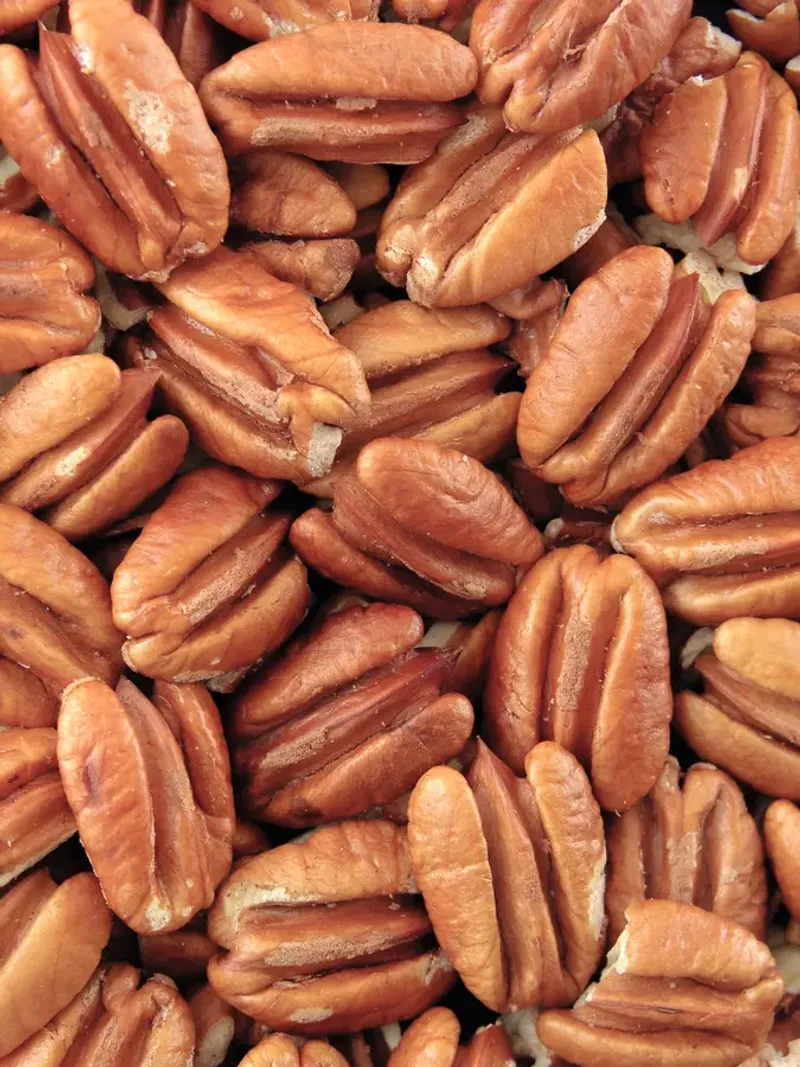
Bakers across the South go a little wild for these tiny teardrop nuts with perfectly smooth halves. You can toss them onto a pie whole, and they look like they came from a fancy bakery.
The flavor leans sweet and buttery, with a light golden color and a gentle hint of hickory. Kernels come out plump and well filled, so a small nut still delivers a satisfying bite every time.
Scab resistance is the real star here, since that fungus troubles many pecans in humid southern weather. Elliott stays clean with far less spraying, which makes it a favorite choice for busy backyard growers.
Patience is part of the deal, because young trees take their sweet time before producing a real crop. Yields also swing up and down between years, though nut quality stays high during the heavy seasons.
Late spring freezes can damage this variety, so experts suggest skipping it in the northern part of the state. South and middle regions suit it far better, where winters stay milder and frosts arrive less often.
Watch young trees for yellow aphids, which can lead to sticky leaves and black sooty mold later on. Powdery mildew may show up too, so check leaves regularly and call your county extension office for help.
As a Type II pollinator, Elliott needs a Type I partner nearby, such as Amling or Caddo. Nuts usually ripen around mid-October, which means this month is when harvest buckets come out.
2. Amling Pecan
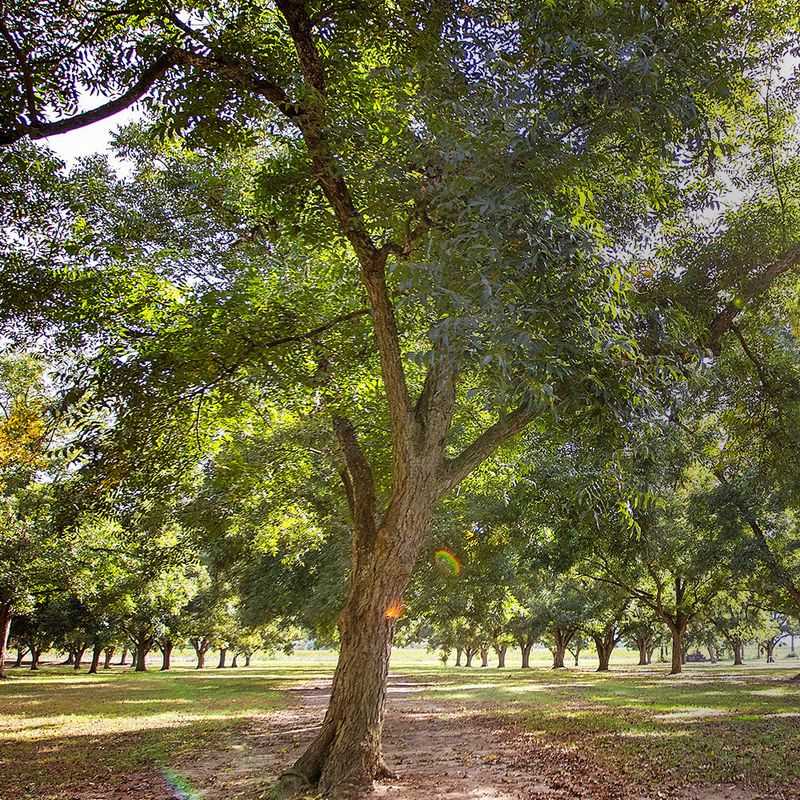
Glossy dark green leaves make Amling one of the handsomest pecan trees you can plant in a yard. I love that it looks great even before a single nut drops onto the lawn below.
Beauty is only half the story, since this tree shows excellent resistance to scab and many common insects. That toughness makes it a smart pick for folks who want a low-input tree without weekly chores.
Nuts are medium sized with thin shells, so cracking them by hand feels easy and rather relaxing. Kernels run long and oily, averaging around 55 percent of the nut, which is a solid return.
Some commercial growers question its yield for big orchards, yet it performs very well as a home tree. Your family likely needs a few buckets, not a truckload, so that tradeoff works out nicely.
Your Georgia Garden Changes Every Week. Your Plan Should Too.
Gardening in Georgia changes quickly throughout the season. Every Friday you’ll receive a simple weekly plan showing exactly what to plant, prune, fertilize, harvest, and protect so you never miss the right timing.
Amling is hardy in USDA Zones 5 through 9 and needs roughly 500 to 700 chill hours. It suits the middle latitudes of the pecan belt, which covers a big chunk of the Southeast.
As a Type I pollinator, it sheds pollen early and pairs nicely with Elliott or McMillan trees. Planting it beside one of those partners can boost nut set for both trees over the long haul.
Harvest usually lands around October 17, so you can gather fresh nuts before the holiday baking rush. Give the tree full sun and plenty of room, since pecans grow into wide and tall giants.
3. Sumner Pecan
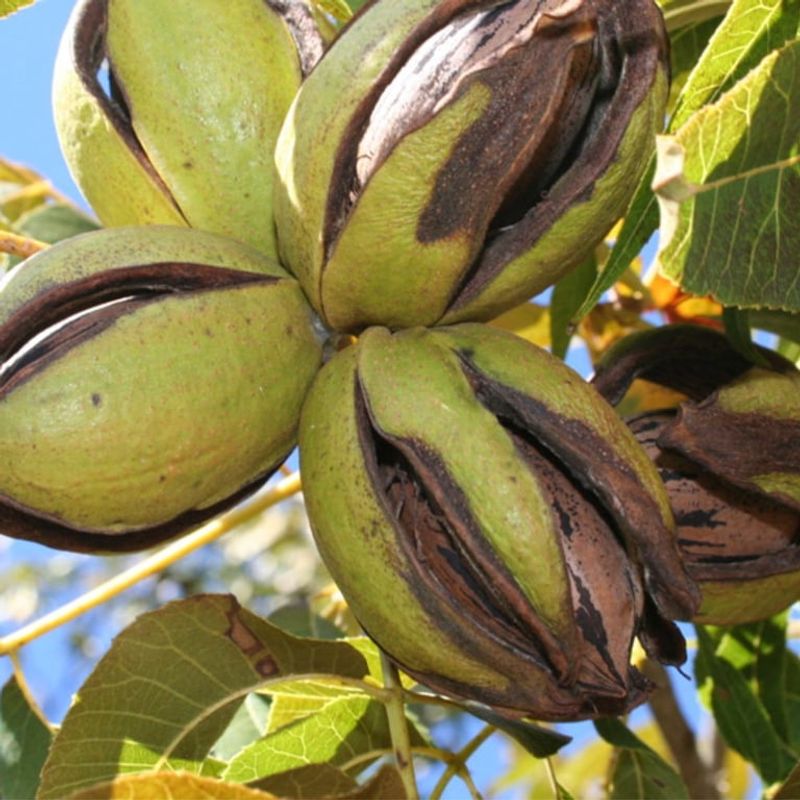
Tifton gave the pecan world a homegrown hero, and many local growers still call Sumner their favorite. Large paper-shell nuts crack open easily, showing rich dark kernels packed with deep and toasty flavor.
Once mature, this tree is known as a heavy bearer with steady and dependable crops year after year. That consistency feels like a real gift for anyone tired of waiting through skimpy off seasons.
Scab resistance is generally good, although recent reports show some local spots where the disease has appeared. Keep an eye on leaves and nut shucks, and ask your extension agent about conditions in your area.
Growth runs vigorous and upright, with a semi-open canopy that lets sunlight filter down to the grass. That shape fits home landscapes well, and it also works nicely in small family orchards across the region.
Sumner is a Type II pollinator, so you will need a Type I tree nearby for good nut set. Oconee or Caddo can fill that role nicely and help your tree reach its full potential each year.
Black pecan aphids like this variety, so check the undersides of leaves for tiny dark insects. Catching them early helps limit leaf damage, and your local extension office can suggest safe control options.
Harvest comes late, usually from late October into November, after many other trees have finished dropping nuts. I like having a late variety because it stretches fresh pecan season right into Thanksgiving week.
4. Caddo Pecan
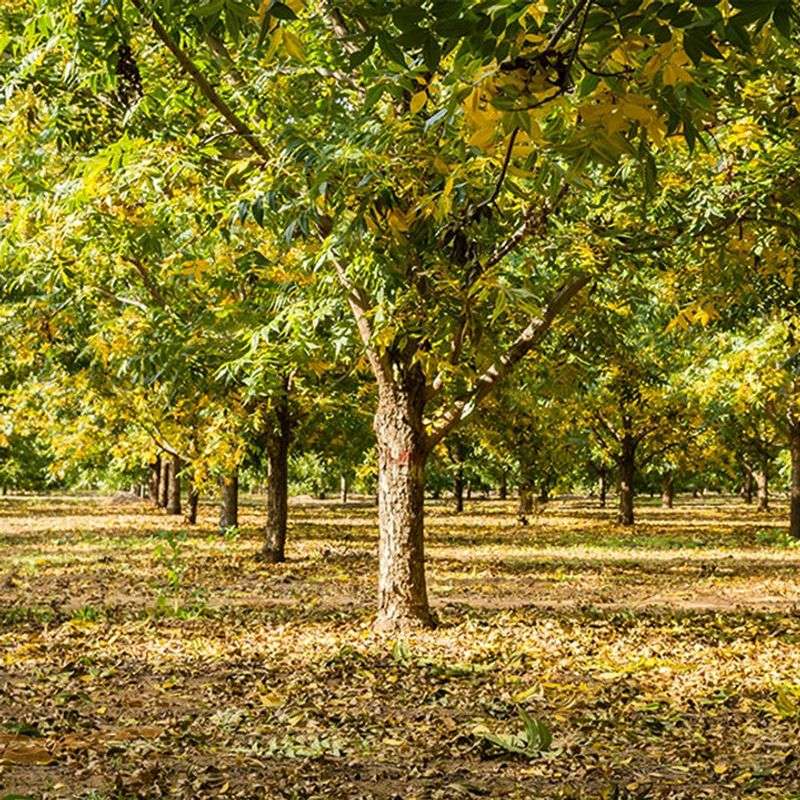
Impatient growers, this one is for you, because Caddo starts bearing nuts at a younger age than many. That early start, called precocity, means fresh pecans arrive sooner and the waiting game feels much shorter.
Yields are impressive, and the tree produces steadily each year without severe swings between big and small crops. Nut quality also holds up well, even when branches are loaded heavy with a large harvest.
Nuts are medium-large, usually running about 66 to 70 per pound with slender golden kernels inside. Their attractive color looks lovely in a glass jar on the kitchen counter during the fall season.
Scab can be a problem for Caddo, so plan on a regular spray program to keep it healthy. Large home trees are hard to spray, so some folks hire a service or accept a few spotted nuts.
Black aphids seem to prefer this variety, which makes regular leaf checks a smart habit through the growing season. Once established, the tree shows moderate drought tolerance, a helpful trait during long dry spells in late summer.
Caddo grows well in USDA Zones 6 through 10 and prefers a spot with plenty of full sun. As a Type I pollinator, it pairs well with Type II trees like Elliott or Sumner.
Harvest arrives fairly early, often around October 11, which means nuts may be dropping right as you read this. Spread an old sheet beneath the branches, and a gentle shake of a limb sends the nuts down.
5. Pawnee Pecan
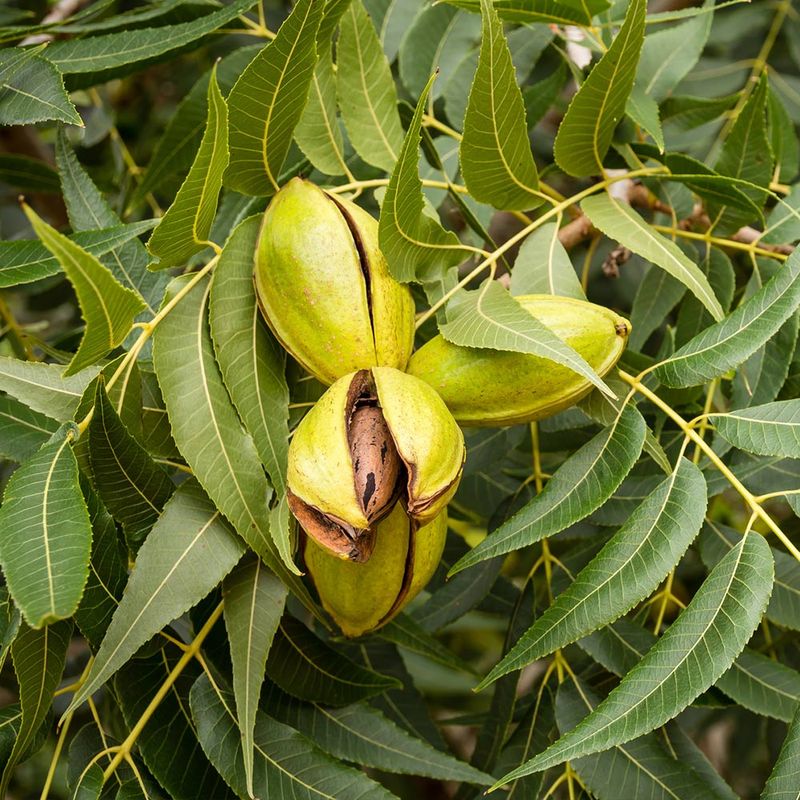
Fresh pecans in September sound almost too good to be true, yet Pawnee often delivers exactly that. It usually ripens two to three weeks ahead of most varieties, giving you a head start on baking.
Big paper-shell nuts crack with a simple squeeze, and the kernels come out large and well filled. Their rich buttery flavor and golden color make them a top choice for pralines and holiday treats.
Production is heavy and reliable, so this tree tends to reward you with generous crops season after season. The shelled nuts store well too, and they freeze beautifully for use all year long in your kitchen.
Scab is the main weakness, so a preventive spray program helps keep leaves and nut shucks healthy. In humid southern weather, that fungus can spread quickly during rainy spells if you skip regular care.
Pawnee handles heat well and grows across a wide range, from southern Zone 5 down through Zone 9. That flexibility makes it a common sight in home yards and orchards across many southern and central states.
As a Type I pollinator, Pawnee needs a compatible Type II partner planted nearby for consistent nut set. Elliott or Sumner can serve that role, and both add their own charm to your growing pecan grove.
Since nuts often drop by late September, early October is a great time to gather the last stragglers. Rake under the tree often, because squirrels and crows love an early feast as much as you do.
6. Oconee Pecan
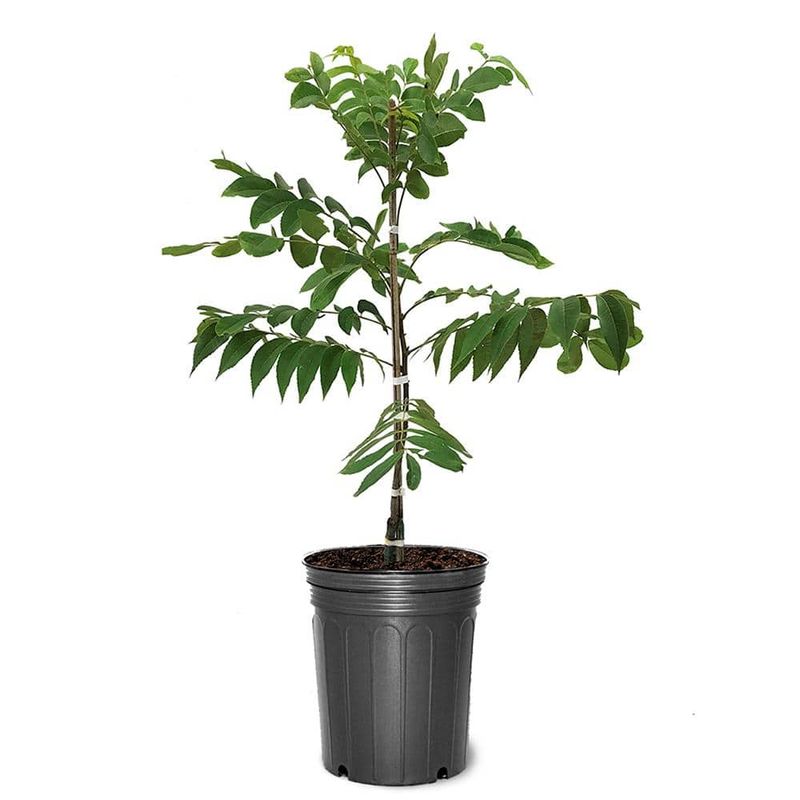
Named after a local river, Oconee carries a little hometown pride in every big and handsome nut. Its large size and excellent kernel quality have made it a popular choice among growers in the Southeast.
Shelling these nuts feels oddly satisfying, because a high share of halves pop out whole and unbroken. That makes Oconee great for decorating pies, where neat halves look far prettier than crumbly little bits.
Scab resistance is rated good to moderate, which keeps disease management simpler than with many other varieties. You may still need some care during wet years, but it rarely demands the heavy spraying others require.
Waiting time is reasonable, since trees often start producing nuts by their fifth year in the ground. Early yields are strong compared with other cultivars that are not considered precocious, giving you quicker rewards.
As a Type I pollinator, Oconee pairs nicely with trees like Elliott and Sumner for a strong nut set. A pair of compatible trees in your yard helps both of them produce fuller crops over time.
Performance can decline if trees grow too close together, so give each one plenty of space from the start. Crowded orchards may need prompt thinning, which is easier to plan now than to fix down the road.
Oconee thrives in USDA Zones 6 through 9, and its nuts often mature around October 12. Personally, I think a mid-October harvest of fat pecans is the best reason to plant this tree.
7. Gloria Grande Pecan
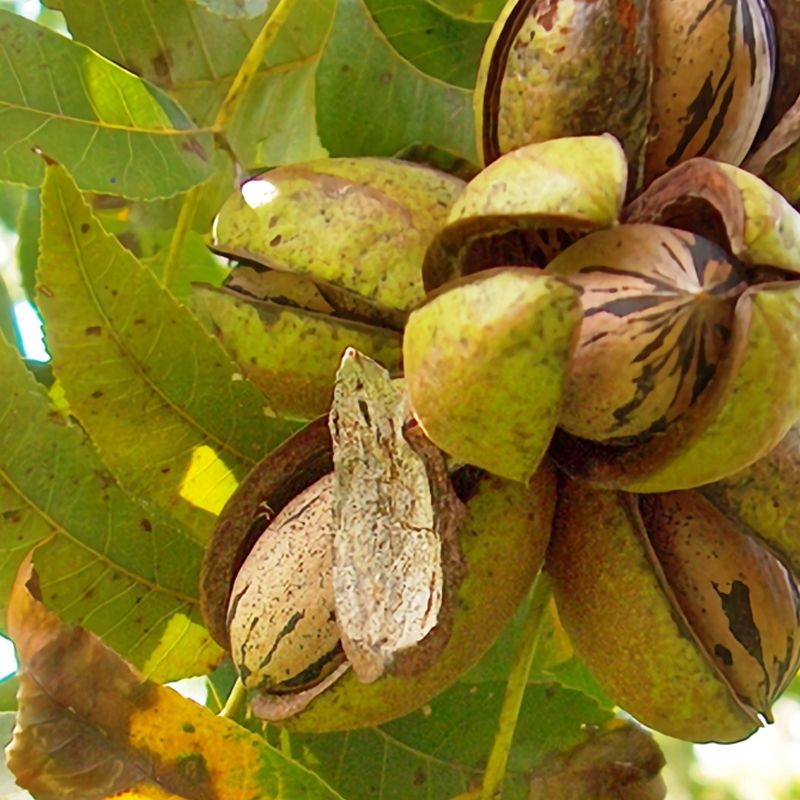
Shade lovers and nut lovers can both be happy with Gloria Grande, a tree that grows wide and generous. It develops into an excellent shade tree, so your porch may feel cooler on warm afternoons for decades.
Scab resistance is where this variety truly shines, since it ranks among the most resistant pecans available. Fewer sprays mean less work for you, which is a big win in our muggy southern weather.
The nuts are large with thick shells, usually averaging around 49 to 50 nuts per pound. Kernels are firm and rich in oil, though some years may produce kernels with a fuzzy surface.
Patience is required, because full production can take around eight to ten years after you plant it. Once mature, the tree tends to reward that wait with consistently high yields and plenty of nuts.
As a Type II pollinator, Gloria Grande needs a Type I partner like Desirable or Mandan nearby. Without a partner, nut set may suffer, so plan your pairings before buying trees this fall season.
Black aphids favor this variety, so look for tiny dark insects and yellowing leaves through the growing months. Your county extension office can help you decide when control is needed and which methods make sense.
Harvest usually happens in late October, so mature trees may be loaded with ripening nuts right now. Thick shells take a sturdy nutcracker, but I find that small effort worth the tasty reward inside.
8. Avalon Pecan
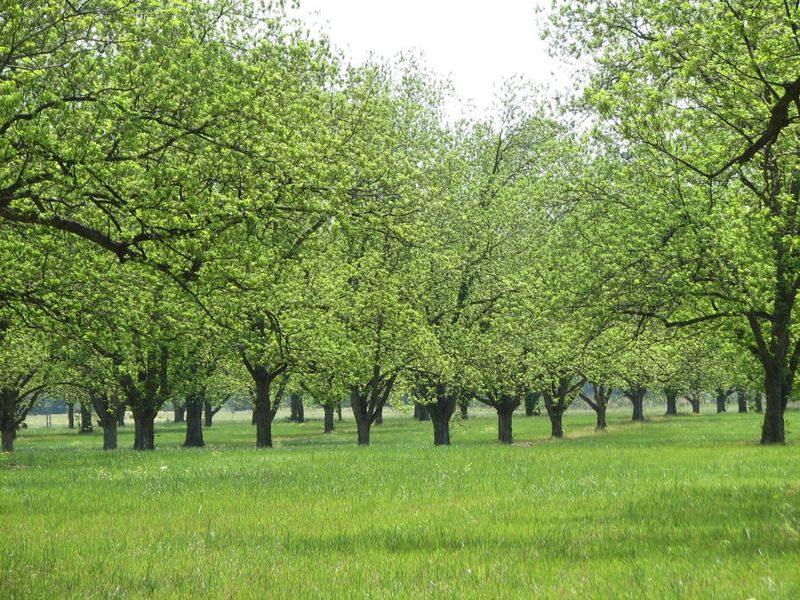
Fresh out of the University of Georgia breeding program, Avalon is one of the newer pecans worth watching. Released in 2017, it was bred with southern growing conditions in mind and has drawn real attention.
Nut size is impressive, landing close to the popular Desirable pecan at around 46 nuts per pound. That means fewer nuts fill a bowl, and each one feels hefty and satisfying in your hand.
Kernel percentage sits at about 53.7 percent, so a good share of each nut is the tasty part. Higher kernel numbers mean more food and less shell waste piling up beside your favorite chair.
Strong scab resistance is a major selling point, especially for growers hoping to cut back on disease control. In a humid climate, a resistant tree can save money and spare you plenty of weekend spraying chores.
Harvest timing falls in the early to mid-season window, so nuts often ripen during the cool October weeks. That timing lets you gather pecans before the busiest holiday baking stretch starts to fill your calendar.
Because Avalon is newer, long-term home yard data is still growing compared with older and well-known cultivars. I suggest checking current extension guidance and nursery details on pollination partners before you buy a tree.
Dormant season planting works best, so early fall is a smart time to reserve bare-root trees now. Choose a sunny site with deep soil, and give the young tree steady water through its first year.
9. Kanza Pecan
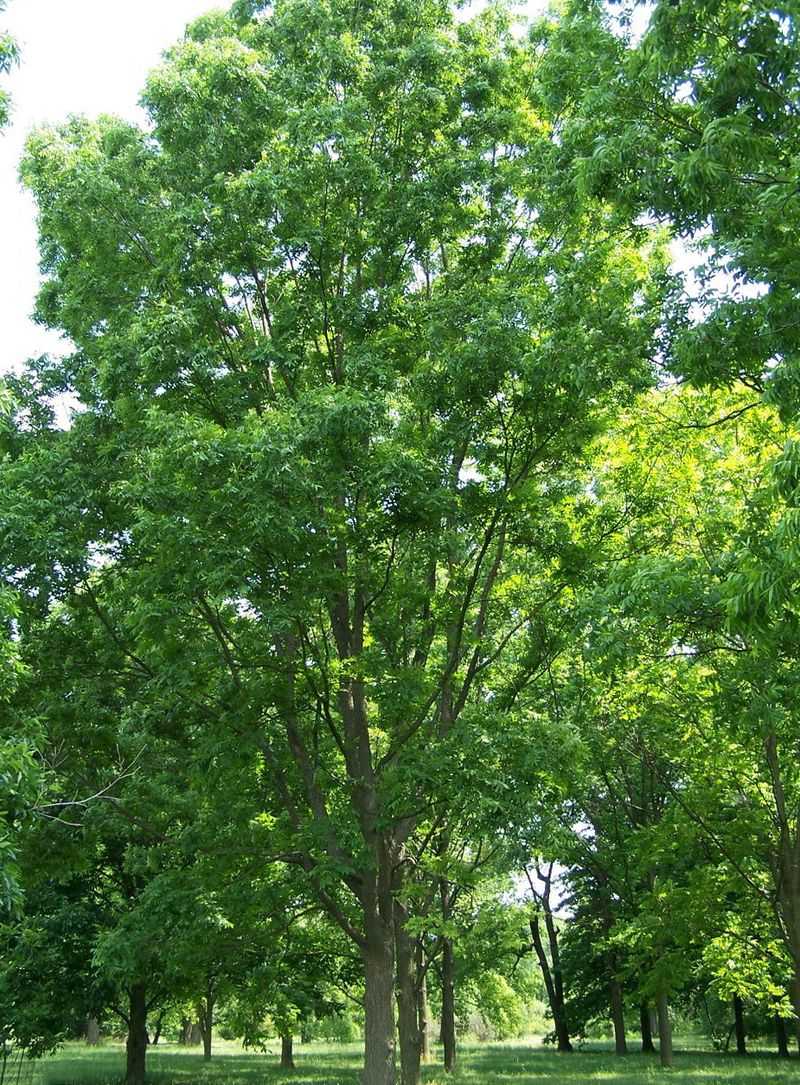
Cold snaps up north can trouble many pecans, but Kanza handles chilly weather better than most of them. That toughness makes it an excellent pick for gardeners in the northern part of the state.
Folks often compare it to Elliott, since the two share many fine qualities in flavor and kernel quality. Kanza adds stronger cold hardiness and tends to start bearing sooner, which shortens your wait for nuts.
Scab resistance is excellent, earning a top rating of 1 on the disease resistance scale used by experts. That rating means far less fungus worry, even in damp years when other trees struggle with spotted leaves.
Nuts are small to medium, but the kernels are well filled and full of rich, sweet flavor. Like many pecans, it can show alternate bearing, with bigger crops one year and lighter crops the next.
As a Type II pollinator, Kanza needs a Type I partner planted nearby to produce a good crop. Pawnee is a popular Type I option, and its early harvest pairs nicely with Kanza in a yard.
Harvest usually arrives in late September to early October, so this month may bring fresh nuts your way. Gather them soon after they fall, because damp ground and hungry squirrels can quickly reduce your haul.
Kanza is hardy in USDA Zones 6 through 9, giving it a wide comfort range across the Southeast. I believe it is one of the smartest choices for families living in cooler hilly areas.
10. Excel Pecan
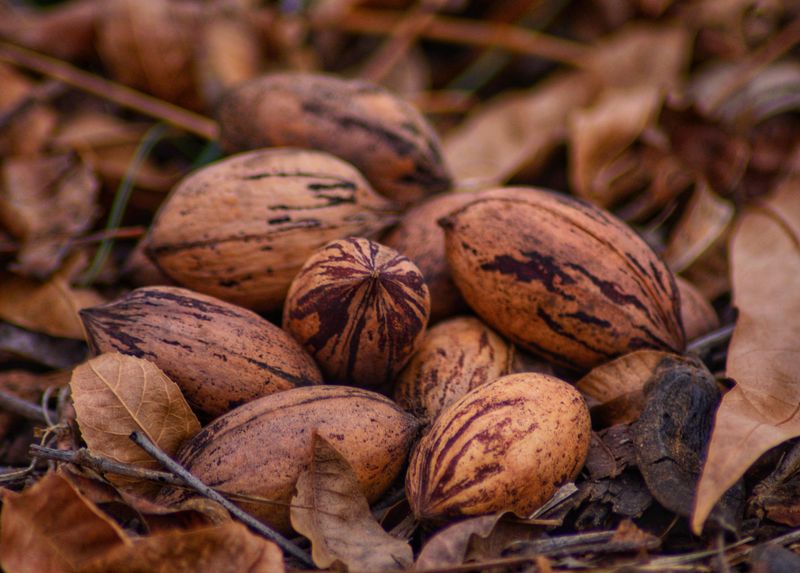
Low-fuss backyard growers will smile at Excel, a variety recommended for home planting throughout the whole state. It earned its spot here thanks to strong disease resistance that keeps weekend chores pleasantly short.
Scab resistance gets a top rating of 1, which is a big deal in our warm and humid climate. That fungus thrives in muggy weather, so a resistant tree saves you plenty of spraying and worry.
Excel also shows good resistance to various pests, which simplifies care for families with busy schedules. You still need to watch your trees, but surprises tend to be smaller and easier to handle.
The nuts are large with fairly thick shells, so plan on using a sturdy cracker at harvest time. Thick shells can help protect kernels, and big nuts make shelling feel a little more rewarding.
As a Type II pollinator, Excel needs a Type I partner nearby for the best possible nut set. Ask your nursery about compatible choices, since bloom timing matters a lot when pairing pecan trees together.
Planting season for bare-root pecans runs through the dormant months, so early fall is perfect for planning. Pick a sunny spot with deep, well-drained soil and plenty of room for a tree that grows large.
Personally, I think a resistant tree like Excel is a gift to your future self on harvest day. Fewer sprays and steady care mean more time enjoying warm pecan pie with the people you love.