Topping Tomato Plants in Arizona: An Optional Way to Limit Late-Season Growth
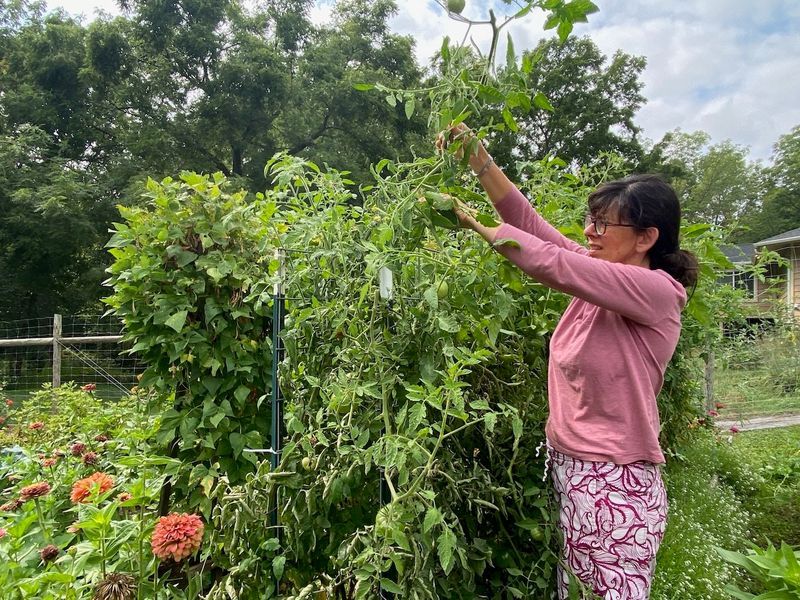
Fall tomato plants in Arizona can keep sending out new shoots and flowers even when the season is running short. Some gardeners cut off the top of the plant to slow that growth.
Does it help, or is it a garden myth? The answer is narrower than most tips you will read, and it depends on your plant and your location.
Topping can stop new growth, but it is not a proven ripening shortcut
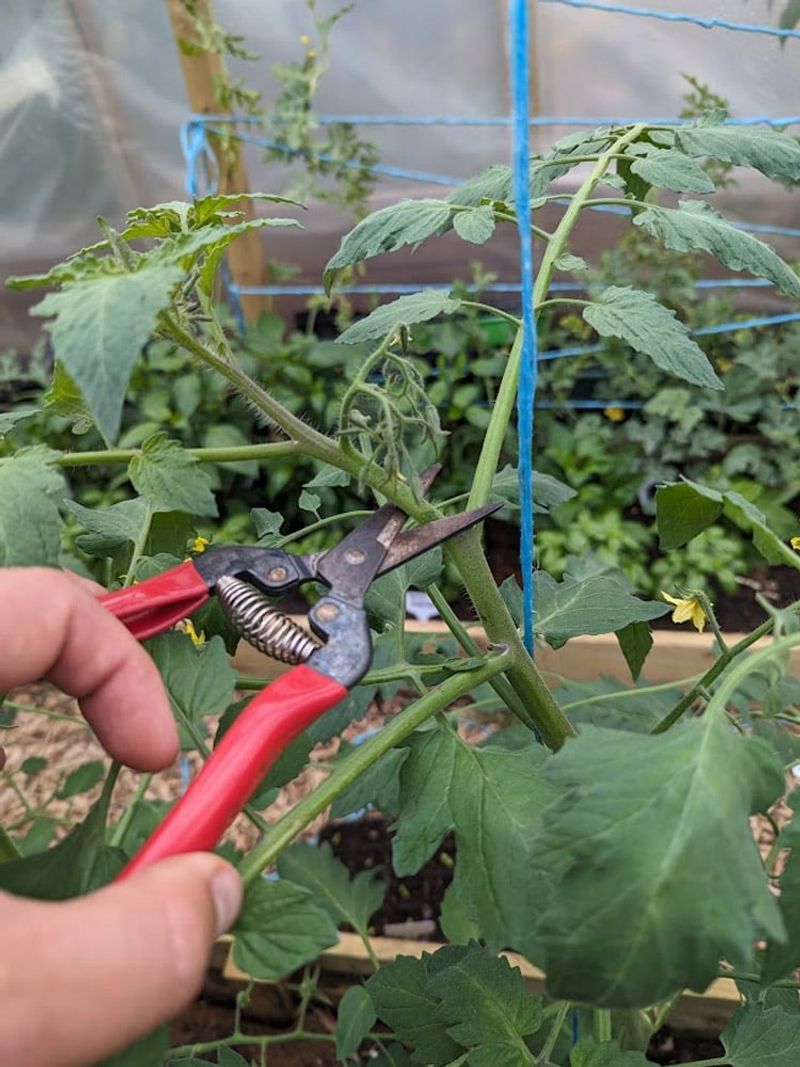
Topping means cutting off the growing tip of a main stem. That is all it is.
The plant stops stretching upward, and it makes fewer new shoots and flowers that probably will not turn into ripe fruit before the season ends.
That limited job is what Oregon State Extension describes when it suggests topping indeterminate plants late in the season to stop further vegetative growth.
You may hear a bigger claim: that topping sends the plant’s energy into the fruit already hanging there and makes it ripen faster. That idea is disputed.
South Dakota State Extension says removing top growth does not change how quickly existing fruit ripens.
So think of topping as an optional tidy-up. It trims growth that is unlikely to pay off.
It is not a ripening trick and it does not shield plants from cold.
Arizona frost timing depends on where the garden is
A Phoenix backyard and a Flagstaff garden live in different worlds. Elevation and local conditions change when cold nights arrive, so no single statewide topping date makes sense.
For Southern Arizona, University of Arizona guidance describes a fall tomato window from September until late November, when the first frost can end the plants. Treat that as a regional example, not a rule for every county.
The same guidance tells gardeners to check local temperatures.
You may also see the advice to top about a month before expected frost. That comes from Oregon State Extension, written for a shorter, cooler growing season.
In parts of low-desert Arizona, plants may keep producing well into November, so a month-before-frost cut could come much later than it would in Oregon.
Look at your own forecast, your own past frost dates, and your neighbors’ experience. Local timing should drive the decision.
Indeterminate tomatoes are the late-season candidates
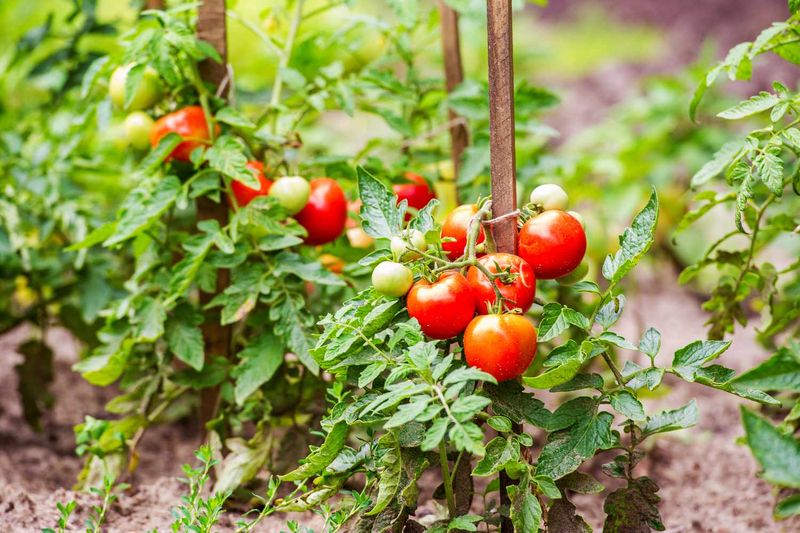
Vining, indeterminate tomatoes keep growing until frost stops them. Many heirlooms and large slicers fall in this group.
Those are the plants where a late stem-tip cut could make sense, since they will otherwise keep pushing out flowers that run out of time.
Determinate tomatoes are different. They grow to a set size and then settle into producing fruit.
Oregon State Extension says determinate plants generally need only limited pruning, and their side shoots can bear fruit. Cutting those shoots could cost you tomatoes.
Check the plant tag or seed packet before you pick up the clippers. If you cannot tell which type you have, watch how the plant behaves.
A sprawling vine that keeps lengthening and flowering at the tips is likely indeterminate.
Your Arizona Garden Changes Every Week. Your Plan Should Too.
Gardening in Arizona changes quickly throughout the season. Every Friday you’ll receive a simple weekly plan showing exactly what to plant, prune, fertilize, harvest, and protect so you never miss the right timing.
Do not make the same cut on every plant in the bed. Treat each variety on its own terms.
A stem-tip cut is not a reason to strip leaves
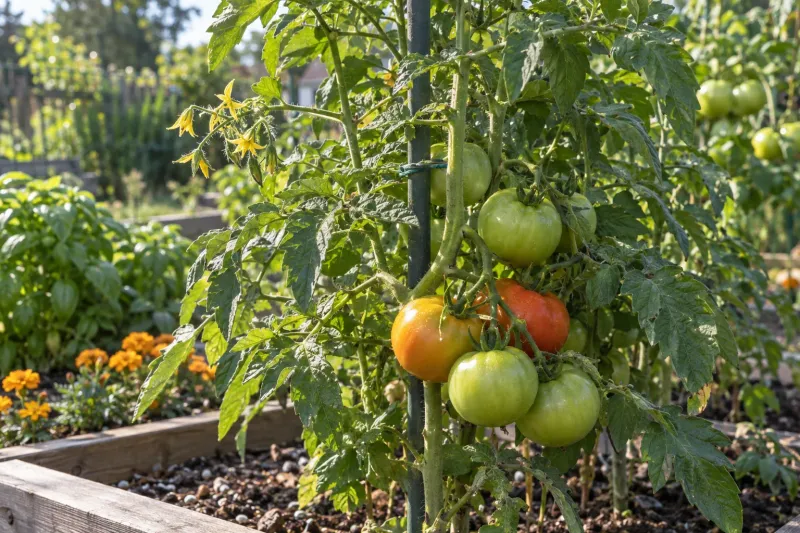
Snipping off a growing tip and pulling off handfuls of leaves are two very different jobs. The first limits new shoots.
The second removes the plant’s food factories.
Leaves capture sunlight for photosynthesis, so heavy stripping cuts into the plant’s capacity. Maine Extension points out that removing leaves also removes photosynthetic capacity.
In Arizona there is another reason to leave them alone. University of Arizona Extension notes that leaves help protect tomatoes from sunscald, and that tomatoes do not require pruning in general.
If you do top an indeterminate plant, make one clean cut at the tip and keep the healthy foliage around your fruit. Remove only leaves that are clearly diseased or yellowed.
More sun does not guarantee faster ripening
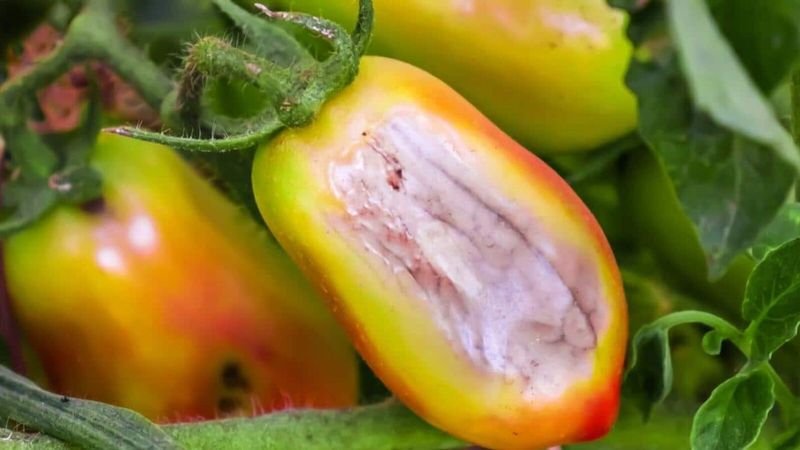
It is easy to assume that a tomato sitting in full sun will turn red sooner. Arizona sun is strong, though, and exposed fruit can get burned instead.
Sunscald shows up as pale, papery patches that make the tomato less pleasant to eat.
University of Arizona Extension warns that fruit can sunburn when it is exposed, which is one more reason not to open up the plant too much.
Sunlight is also not what finishes the job once fruit is picked. South Dakota State Extension says harvested tomatoes do not need sunlight to ripen.
So a windowsill is optional, and a sunny spot will not hurry things along. Cut back leaves to chase color and you may only get burned fruit.
Harvest before frost and sort tomatoes by maturity
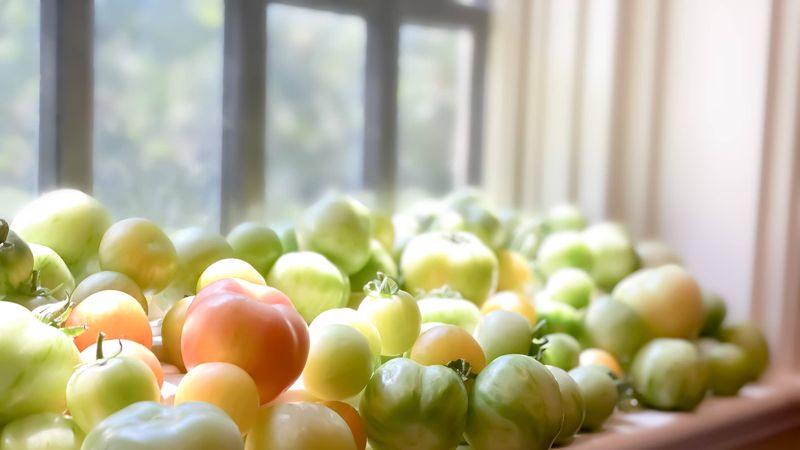
When a killing frost is in the forecast, the best move is to pick, not prune. University of Arizona Extension advises picking green tomatoes before the first killing frost.
Then sort what you collected, because not every green tomato will ripen. Colorado State Extension separates fruit into three groups.
Breaker-stage tomatoes, with a first blush of color, can ripen indoors without losing flavor. Mature-green fruit, full-size and glossy, can also ripen, though the flavor may be less developed.
Immature, matte-green fruit may never ripen off the vine.
Keep the first two groups at room temperature and check them every few days. The small, dull green ones are better used in cooking, such as fried or pickled green tomatoes.
Use topping only when it fits the plant and the forecast
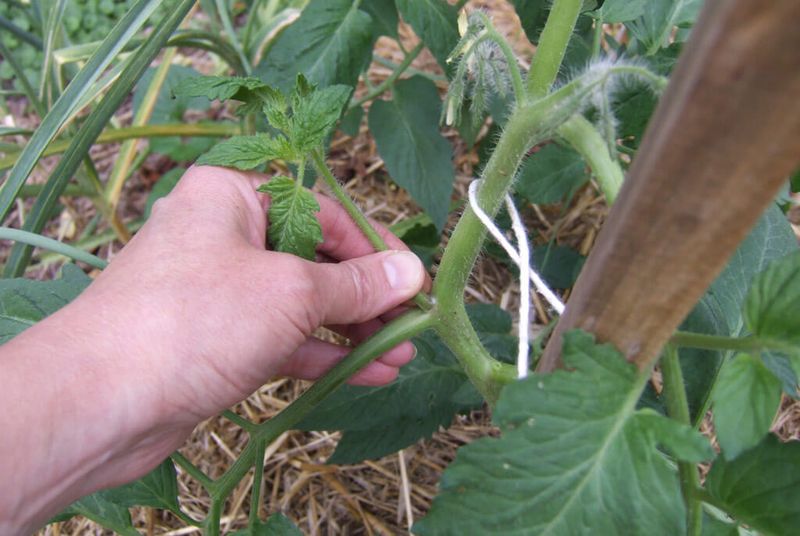
Here is a simple rule. Top only an indeterminate plant, and only when your local frost timing says new growth will not have time to pay off.
Oregon State Extension offers one month before frost as a starting point, but adjust it for your area.
Make one cut at the stem tip and leave healthy leaves in place, since University of Arizona Extension says tomatoes do not require pruning. Topping will not speed ripening or protect against cold, so harvest before a killing frost.
Skipping the cut is a perfectly good choice too.