12 North Carolina Natives That Thrive in Soggy, Wet Yards
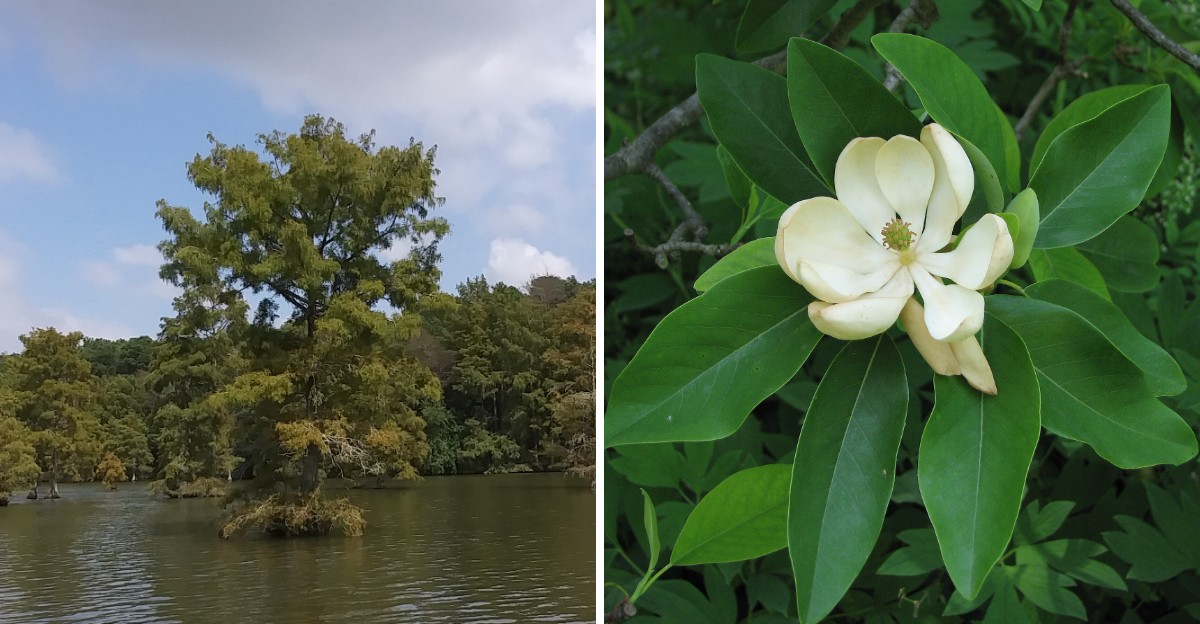
My backyard turns into a shallow pond after every heavy October storm, and my boots sink deep. I used to sulk about that mushy low spot for weeks, wishing the water would just go away.
North Carolina gets plenty of rain, and many yards hold onto it like a sponge for days. Fighting that water with drains and fill dirt often costs more money than most of us want to spend.
I believe the smarter move is planting things that actually love wet feet and muddy roots. Native plants from our own swamps and creek banks handle soggy soil with surprising ease and style.
Fall is a wonderful planting season across North Carolina, with cool air and warm soil helping roots settle in. The twelve picks below could turn your squishiest corner into the liveliest spot on the block.
1. Buttonbush
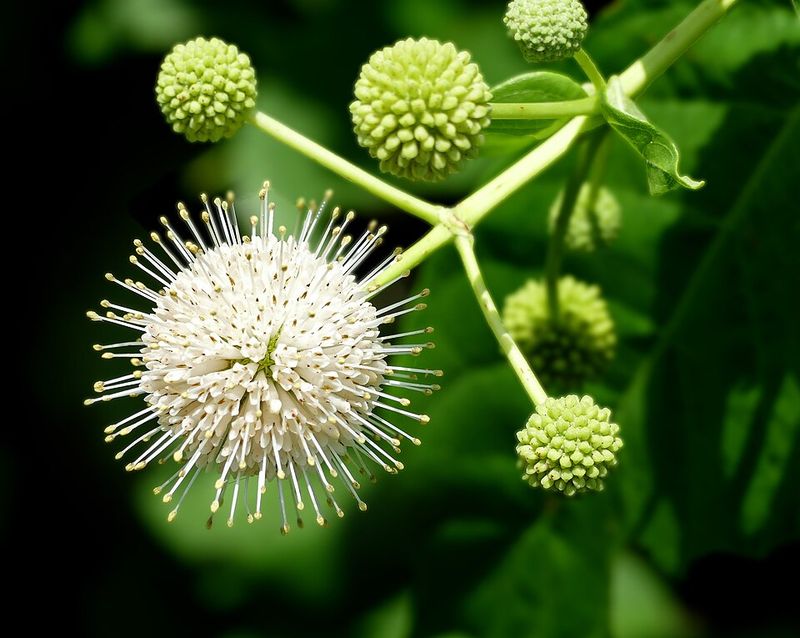
You have to love a shrub that can stand in water up to three feet deep without complaint. Its round white flower clusters look like tiny pincushions, or maybe little spiky moons floating above the leaves.
Buttonbush grows wild across every region of the state, from mountain streams down to coastal swamps and ponds. It usually forms a multi-stemmed shrub between six and twelve feet tall and four to eight wide.
The fragrant blooms appear from June to September, so you may still spot a few lingering into early fall. Bees and butterflies crowd around them like eager shoppers, and hummingbirds sneak in for quick sips too.
After the flowers fade, reddish-brown seed balls form and hang on well into the colder months ahead. Ducks and songbirds rely on those fruits as winter food when other snacks become hard to find.
I’m sure you will appreciate how its roots grip soggy banks and help control erosion along wet edges. Deer show moderate resistance to browsing it, which means fewer chewed stems than many other shrubs suffer.
October is a great month to plant one, since cooler days reduce stress while the soil stays warm. Choose a sunny or partly shaded low spot where water collects after rain and rarely drains quickly.
It grows well in USDA Zones 5 through 9, so it handles nearly any yard in our region. Give it room to spread, and you will have a wildlife magnet that laughs at puddles every year.
2. Cardinal Flower
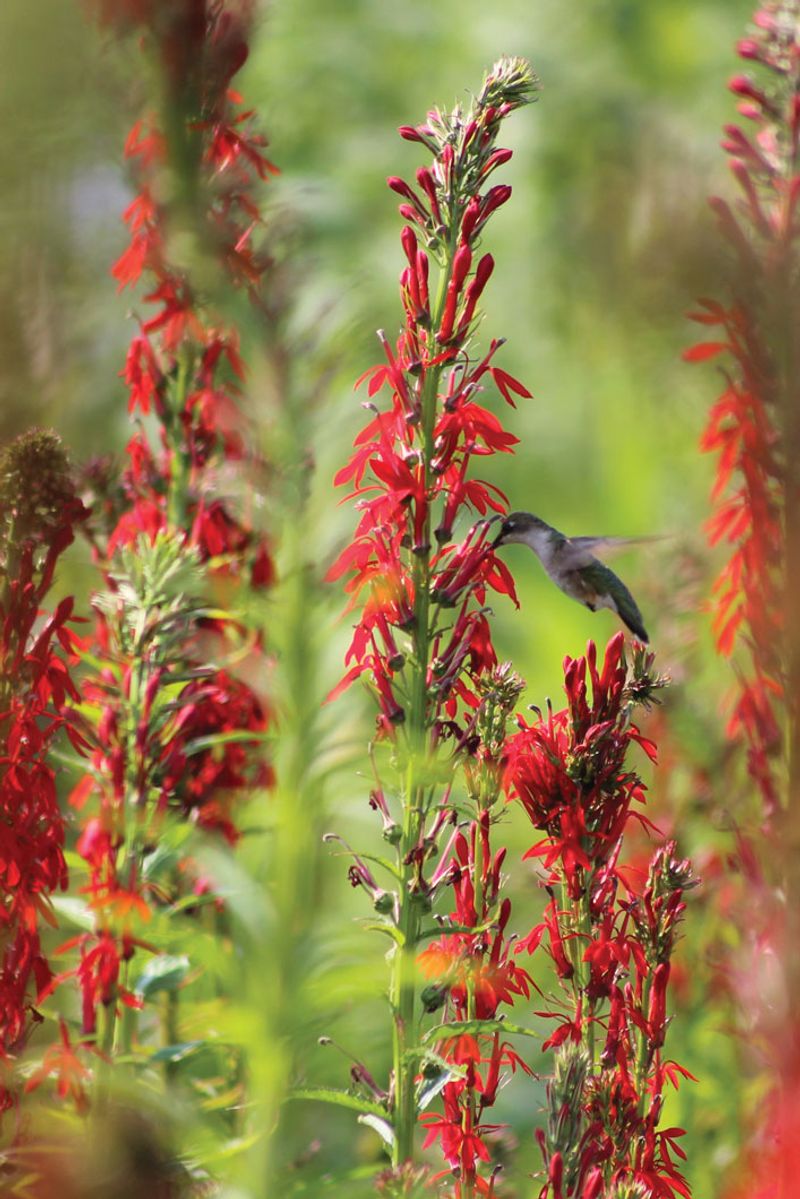
Few colors stop hummingbirds in midair like the blazing red of these tall flower spikes along a creek. I can’t imagine a rain garden without that bold splash of scarlet glowing against dark green leaves.
Cardinal flower grows naturally in moist spots across the state, and it truly demands wet or soggy soil. It tolerates brief flooding and even some standing water, so ditches and swales suit it nicely.
Plants reach two to four feet tall, while the flower spikes can stretch up to five feet high. Each clump spreads only one to two feet wide, making it easy to tuck into narrow wet corners.
Your North Carolina Garden Changes Every Week. Your Plan Should Too.
Gardening in North Carolina changes quickly throughout the season. Every Friday you’ll receive a simple weekly plan showing exactly what to plant, prune, fertilize, harvest, and protect so you never miss the right timing.
Blooms start in midsummer and keep going into mid-fall, so early October gardens often still show color. Ruby-throated hummingbirds are the main pollinators, and they visit often as they fuel up for migration.
Butterflies stop by too, though they reach the nectar less easily than a hummingbird’s slender, probing bill. You will likely see more winged action at these blooms than anywhere else in a soggy yard.
Afternoon shade helps a lot in hot regions, since harsh sun and dry soil cause the plants to struggle. A layer of mulch keeps roots cool and moist, though the leafy crowns should stay mostly uncovered.
Hardy in USDA Zones 3 through 9, this beauty handles cold winters as well as steamy southern summers. Plant a few together this fall, and next year they may reward you with a fiery red show.
3. Bald Cypress
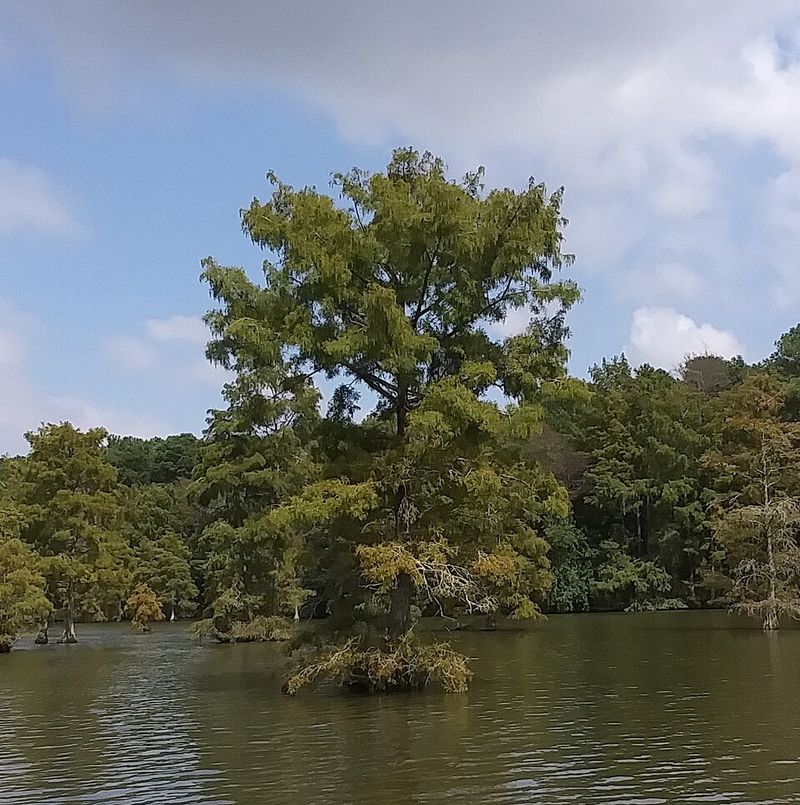
Odd wooden bumps poking out of the water around this tree look like a crowd of tiny garden gnomes. People call them cypress knees, and scientists think they may help the roots get oxygen in flooded soil.
Bald cypress is a deciduous conifer, which means it carries needles yet drops them each fall like a maple. Its feathery green foliage turns rusty orange and golden brown before letting go in late autumn.
In coastal swamps and rivers across North Carolina, these trees stand right in the water for long stretches. Your poorly drained clay yard will feel like an easy assignment compared to that wild, watery home.
Expect a mature height of fifty to seventy feet with a spread of roughly twenty to thirty feet. Young trees show reddish-brown bark that peels in thin strips, adding texture even during the bare winter months.
Its toughness is impressive, with good resistance to deer and strong winds that topple many other big trees. It also handles salt and pollution well, making it useful near busy roads and coastal neighborhoods alike.
Knees mostly form when trees grow in or near water, so a drier lawn may produce few or none. I wonder how many homeowners plant one and then get surprised by those bumpy little visitors years later.
Bald cypress grows in USDA Zones 4 through 11, so it fits nearly any part of the Southeast with ease. Early fall planting gives the roots months to settle before next year’s warm growing season finally arrives.
4. River Birch
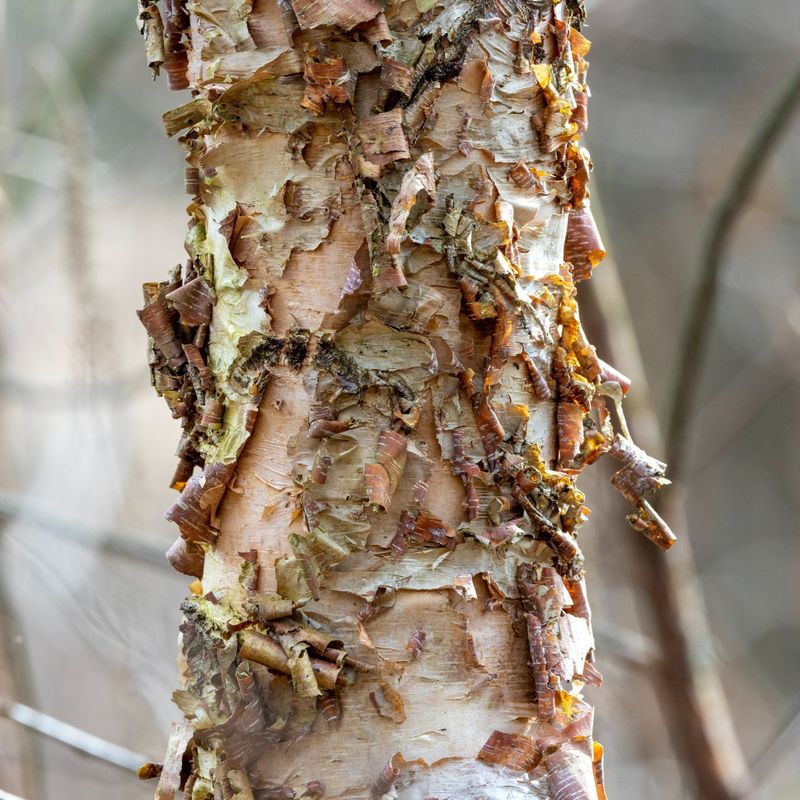
Peeling bark that curls like cinnamon sticks makes this tree look gorgeous even in the bare days of winter. Kids love touching those papery strips, and honestly, I do too whenever I walk past one outside.
River birch grows wild along streambanks and floodplains, so soggy ground feels like home sweet home to it. It handles extended flooding well, making it a smart pick for low areas that stay wet after storms.
Growth is quick, and mature trees may reach forty to eighty feet tall with a broad, airy crown. Give it plenty of space away from your house, since that spread can stretch forty to sixty feet wide.
Right now in early October, the leaves start turning a cheerful yellow before drifting down across the yard. Once they fall, the cinnamon-brown bark becomes the star, revealing lighter layers underneath as it slowly peels.
Wildlife benefits too, since birds eat the small seeds and hummingbirds sip the sweet sap from bark openings. You may notice more feathered visitors once a river birch settles in and starts producing seed each year.
Heavy clay and hot summers rarely bother this tough tree, which handles Southern conditions better than many birches. Its roots also help control erosion in low wet spots where soil tends to wash away during downpours.
River birch grows in USDA Zones 4 through 9, fitting comfortably into yards across our whole region. Plant it this fall, and you will enjoy that famous peeling bark for many cozy winters to come.
5. Sweetbay Magnolia
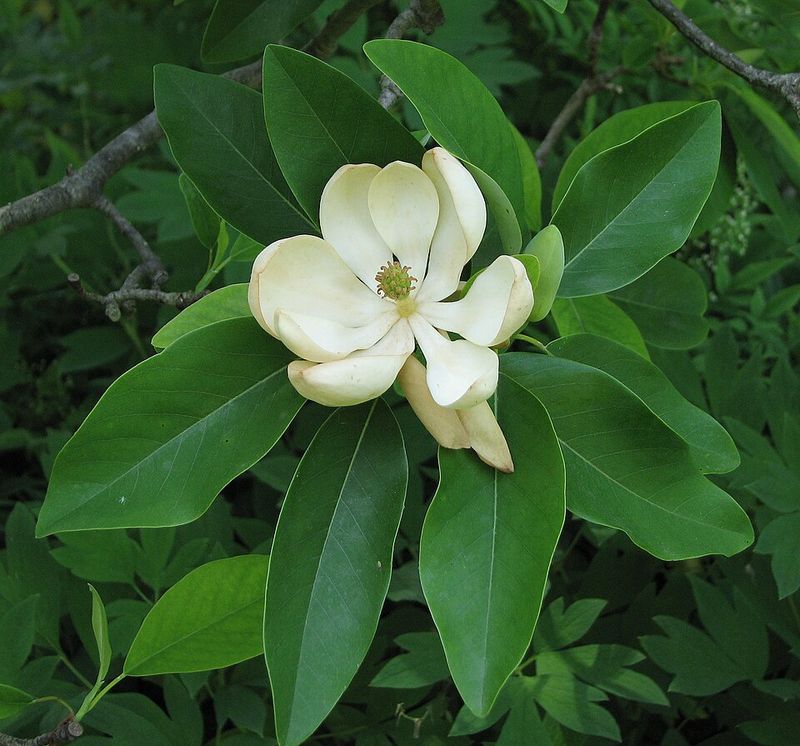
When the wind blows, the leaves flash silvery undersides that shimmer like coins tossed into bright sunlight. That sparkly effect alone makes sweetbay magnolia one of my favorite small trees for a damp yard.
Most magnolias sulk in wet ground, but this one happily handles swampy, boggy soil and occasional flooding. It grows naturally in coastal swamps and shaded woods, preferring acidic soil rich in organic matter.
Expect a slender shape reaching ten to thirty-five feet tall, with a width that often matches its height. Depending on your winters, it may hold some leaves year-round or drop them in colder weather.
Creamy white flowers about two to three inches wide open in mid-spring, smelling sweet on warm evenings. A few blooms may pop up later in summer, giving you surprise bursts of perfume along the way.
Early fall brings another treat, as cone-like fruits split open to show bright red seeds tucked inside. Birds and small mammals notice quickly, so enjoy the show before hungry visitors clean those cones out.
Butterfly fans should know it hosts caterpillars of both spicebush swallowtails and eastern tiger swallowtails. Planting one gives those gorgeous butterflies a place to raise their young right outside your kitchen window.
Sweetbay magnolia grows well in USDA Zones 5 through 9, fitting most gardens across our warm region. Choose a spot with sun or partial shade, and keep the soil moist while young roots get established.
6. Joe Pye Weed
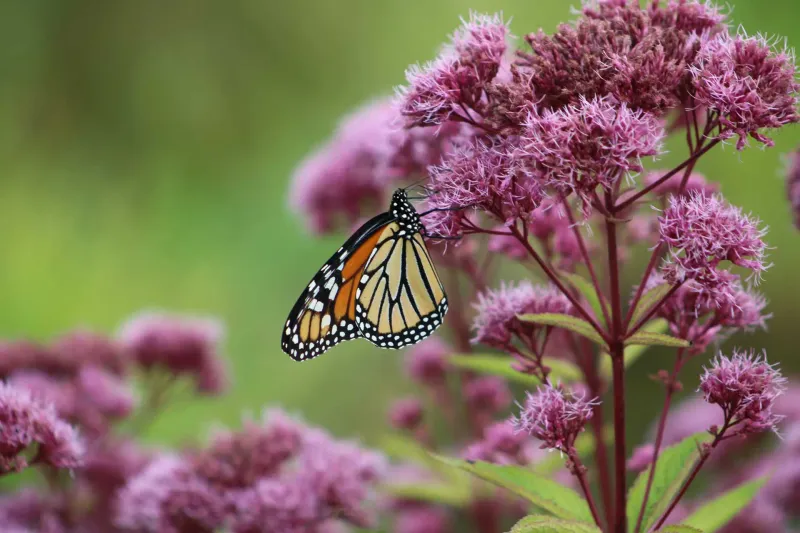
Some plants politely stay small, but this one can tower up to ten feet tall by late summer. Standing beside it feels like visiting a friendly giant wearing a fluffy pink hat on its head.
Hollow-stemmed Joe Pye weed grows in wet meadows and along stream banks across eastern North America. It thrives in moist to wet soil and tolerates flooding, so sunny soggy spots suit it very well.
Large rounded flower clusters in pink to purple shades appear from mid to late summer each year. Lean in close, and you may catch a light vanilla scent drifting from those big fuzzy blooms above.
Butterflies swarm the flowers so thickly that the whole plant sometimes seems to flutter in the breeze. Bees and wasps join the party, and songbirds pick at the seeds once the flowers fade in fall.
Fun fact, it was chosen as the 2017 North Carolina Wildflower of the Year, a well-earned honor for this giant. Deer and rabbits tend to leave it alone, which means fewer chewed stems and more blooms for you.
Clumps spread two to four feet wide, so give each plant breathing room near the back of borders. In early October, you can cut back faded stalks or leave some standing for hungry seed-eating birds.
Joe Pye weed is hardy in USDA Zones 4 through 9, handling cold winters and humid summers well. Plant it this fall in a soggy sunny spot, and next summer it should grow into a buzzing tower.
7. Southern Blue Flag Iris
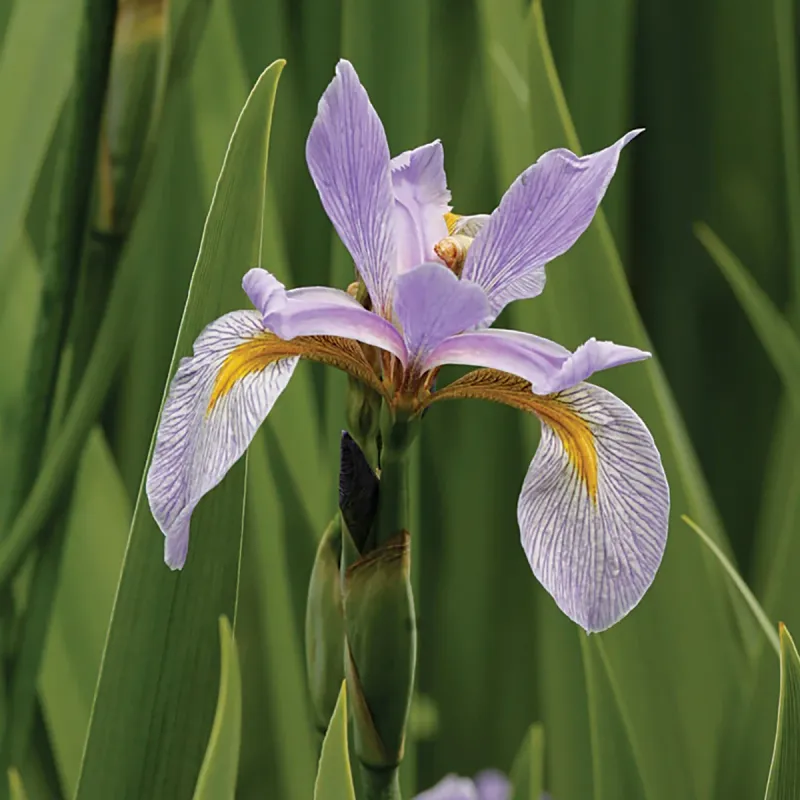
Sword-shaped leaves rising straight out of shallow water give this iris a bold, almost sculpted look. I believe every soggy pond edge deserves at least one clump of those elegant blue-violet blooms nearby.
Southern blue flag grows naturally in wetlands across the state and loves moist to very wet soil. It can handle up to six inches of standing fresh water, which makes boggy corners feel like paradise.
Plants usually reach one to three feet tall, keeping a tidy size that fits small yards and rain gardens. Bright green foliage stays attractive through the growing season, long after the flowers have finished their show.
Late spring brings light blue to violet petals, often marked with white and a golden flare near the center. Bees and skippers visit eagerly, and hummingbirds sometimes drop by for a quick sip of nectar too.
One key rule matters a lot, since this iris struggles when its soil dries out during the growing season. Mulch and a low, wet location help keep roots happy even during long stretches without any rain.
Deer tend to ignore it, which saves you from waking up to chewed leaves and trampled clumps. The plant spreads slowly by rhizomes, so it fills space gradually without running wild across your garden beds.
Hardy in USDA Zones 4b through 9, this iris handles our winters without much fuss or extra care. Early fall is a fine time to divide or plant rhizomes so they settle in well before frost.
8. Pickerelweed
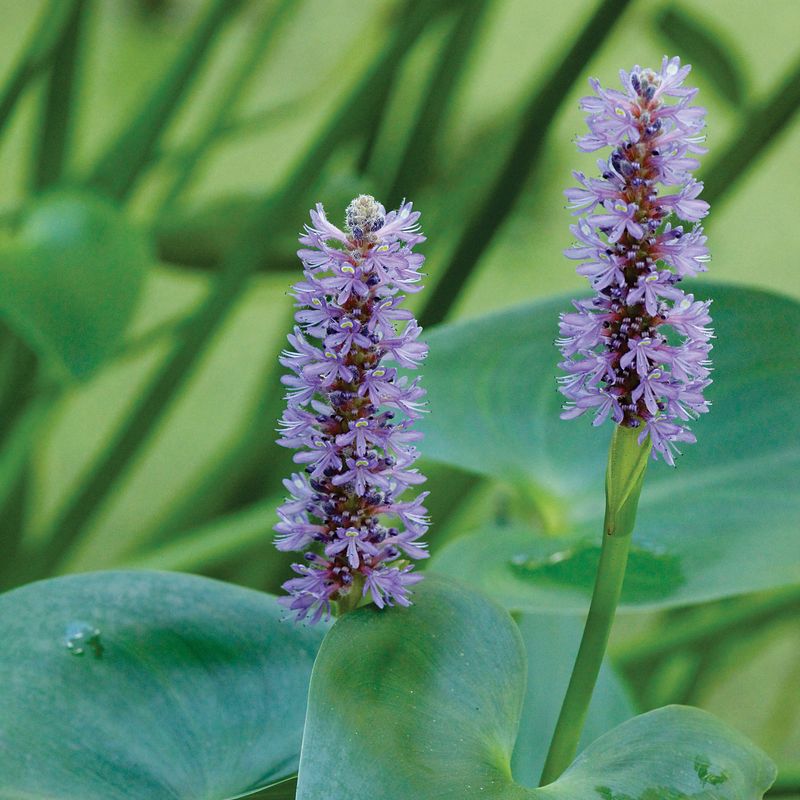
Glossy heart-shaped leaves standing in shallow water make this plant look like it belongs in a storybook pond. Add spikes of violet flowers, and you have a scene that practically begs for a quick photo.
Pickerelweed is an aquatic perennial that grows in native wetlands throughout eastern North America, including our marshes. It flourishes in standing water, so flooded corners and pond margins become its favorite places to hang out.
Mature plants usually reach two to four feet tall and spread about one and a half to two feet. Creeping rhizomes help it slowly form colonies, so give it room or plant it in a large container.
Blooms run from late spring through late summer, and some keep going into early fall in warm years. Most flowers are violet, though you may also find shades of blue or even pure white on occasion.
Butterflies and bumblebees love working those flower spikes, buzzing from bloom to bloom on sunny afternoons. Later, the seeds drop into the water, where ducks happily gobble them up as a tasty seasonal snack.
Believe it or not, the young leaves and seeds of pickerelweed are edible, according to several native plant sources. I’d still suggest checking with a local expert first before tasting anything you pulled from a muddy pond.
Pickerelweed grows in USDA Zones 3 through 9, so cold snaps rarely trouble its sturdy underground roots. October planting works well in water gardens, letting roots anchor themselves before winter slows everything down.
9. Lizard’s Tail
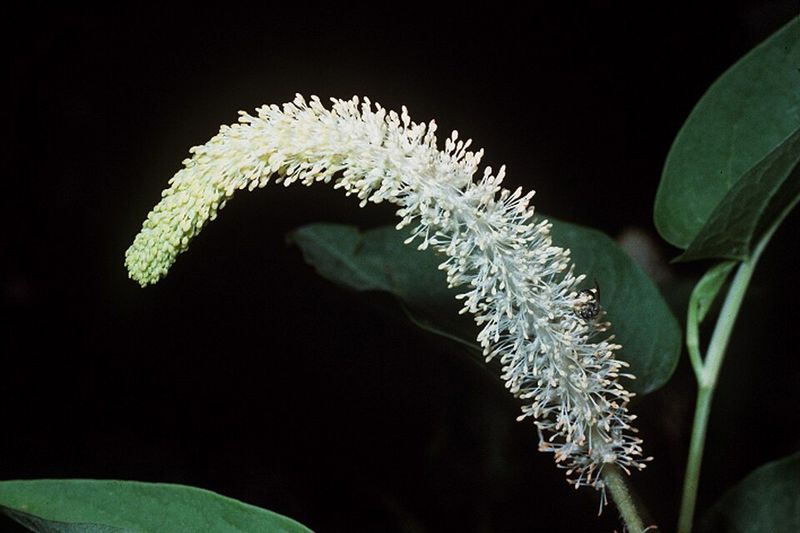
Drooping white flower spikes that curve like a lizard’s tail gave this quirky plant its memorable name. Once you see them nodding over a wet ditch, I’m sure you will remember that name for good.
Lizard’s tail grows in swampy lowlands and along stream and lake edges throughout the southeastern United States. It tolerates saturated soil with up to four inches of standing water, which makes soggy shade much easier.
Unlike many wetland plants, it performs well in partial to full shade, filling gloomy wet spots with lush leaves. It can take full sun too, as long as the soil stays consistently moist all season long.
Broad heart-shaped leaves create a rich green backdrop, and plants typically grow one to four feet tall. Starting in June, small fragrant white flowers pack into dense spikes that sway with every passing breeze.
Rhizomes help it spread and sometimes form large colonies, so plan ahead if your space feels limited. A buried edging or a large pot keeps it from wandering into places you would rather keep open.
Wildlife loves this plant, as it offers cover for waterfowl and seeds for hungry birds in fall. Many beneficial insects visit too, and deer mostly pass it by without bothering to take a single bite.
Lizard’s tail is hardy in USDA Zones 3 through 9, handling cold winters across nearly every region. Plant divisions this October in a shady wet corner, and watch that dull spot turn green next year.
10. Swamp Milkweed
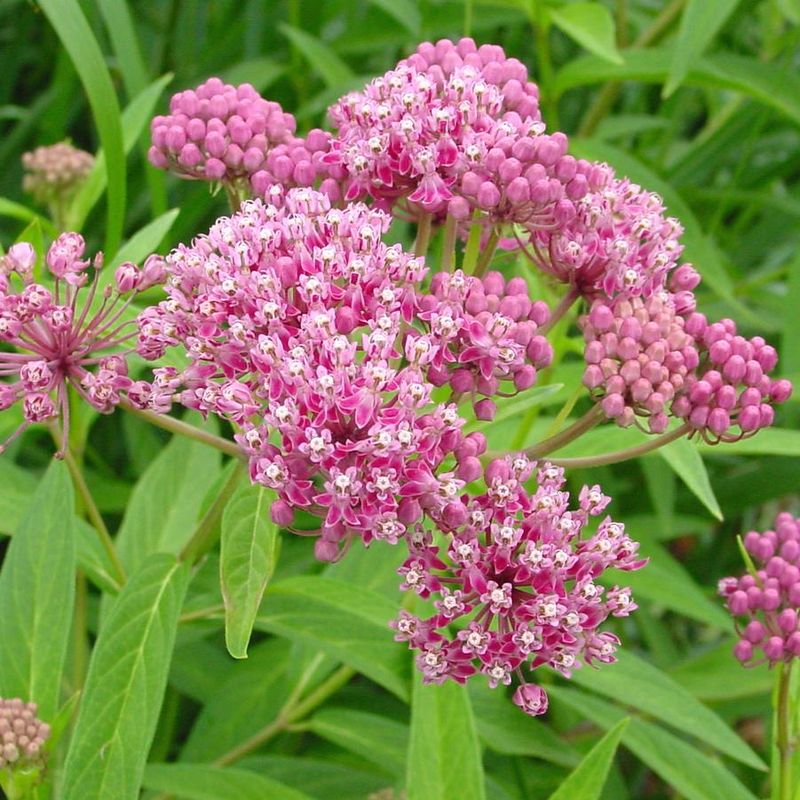
Monarch caterpillars depend on milkweed leaves for food, and this species happens to love wet feet. That makes it one of the easiest ways to help monarchs while fixing a soggy patch in your yard.
Swamp milkweed grows naturally along streams and pond edges in the central and eastern United States. It handles heavy clay and mucky ground, yet it can also adapt to drier sites once properly established.
Plants grow up to five feet tall and two to three feet wide, forming sturdy upright clumps. The leaves are narrower than common milkweed, giving the plant a cleaner, more graceful look in mixed borders.
Pink to rose-purple flower clusters bloom from mid-spring into early fall, smelling sweet on warm days. Pollinators flock to them, and you might count dozens of visitors on a single sunny afternoon in the garden.
Early October is a fun time to check your plants, because seed pods split and release fluffy seeds. Each seed rides the wind on silky threads, drifting off to start new plants in other damp places.
Deer usually avoid swamp milkweed, so your monarch buffet stays mostly untouched by browsing visitors. If you spot striped caterpillars munching leaves, resist the urge to remove them, since that is the whole point.
Hardy in USDA Zones 3 through 10, it handles a huge range of climates with little trouble. Fall planting gives roots a head start, so blooms and caterpillars can arrive right on schedule next year.
11. Swamp Rose Mallow
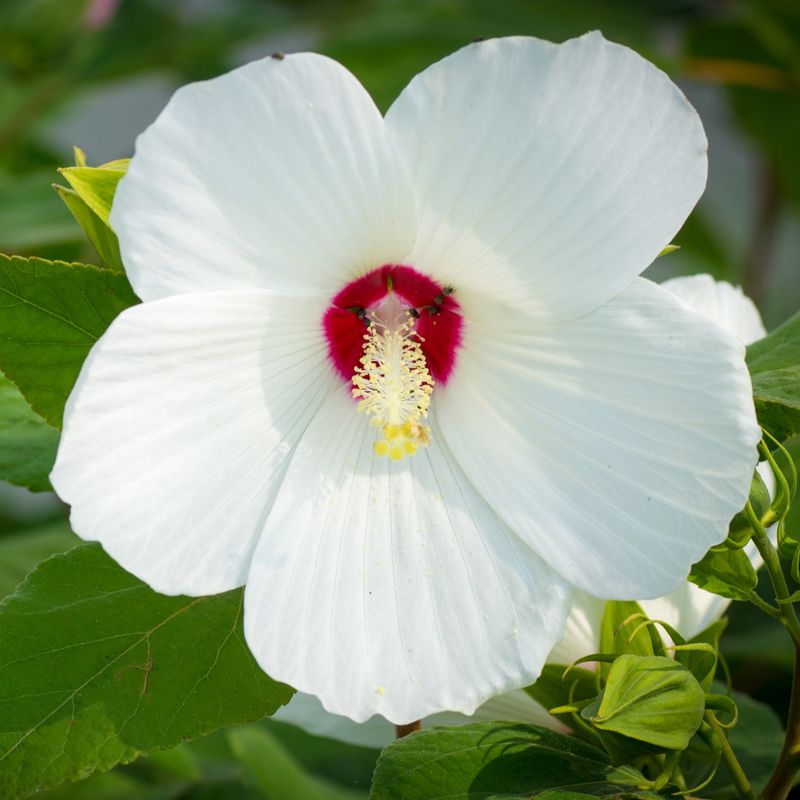
Flowers as wide as a dinner plate seem almost too tropical for a backyard ditch in the Southeast. Yet swamp rose mallow pops out giant blooms measuring six to ten inches across like it owns the place.
Native to wetlands and creek edges throughout North Carolina, this plant adores full sun and soggy soil. Seasonal flooding and heavy, slow-draining ground rarely bother it, which is a relief for anyone stuck with clay.
It grows two to seven feet tall and two to five feet wide within a single growing season. Each winter the stems fade back to the ground, then fresh shoots return the following year with renewed energy.
Blooms range from white to deep red, often with a contrasting central eye that looks freshly painted on. Each flower lasts only a day or two, but new buds keep opening from midsummer into fall.
In early October, you may still catch a few late flowers glowing brightly in your wet garden. Hummingbirds and many bees visit, including a specialist called the rose mallow bee that relies on these plants.
Caterpillars of the Io moth and painted lady butterfly feed on the leaves, so some holes are normal. Consistent moisture matters most for strong growth, and it even tolerates a little salt near the coast.
Swamp rose mallow is hardy in USDA Zones 5 through 10, handling both mountain chill and coastal heat. Mark its spot with a stake this fall, since new shoots emerge late in spring and are easy to forget.
12. Loblolly Bay
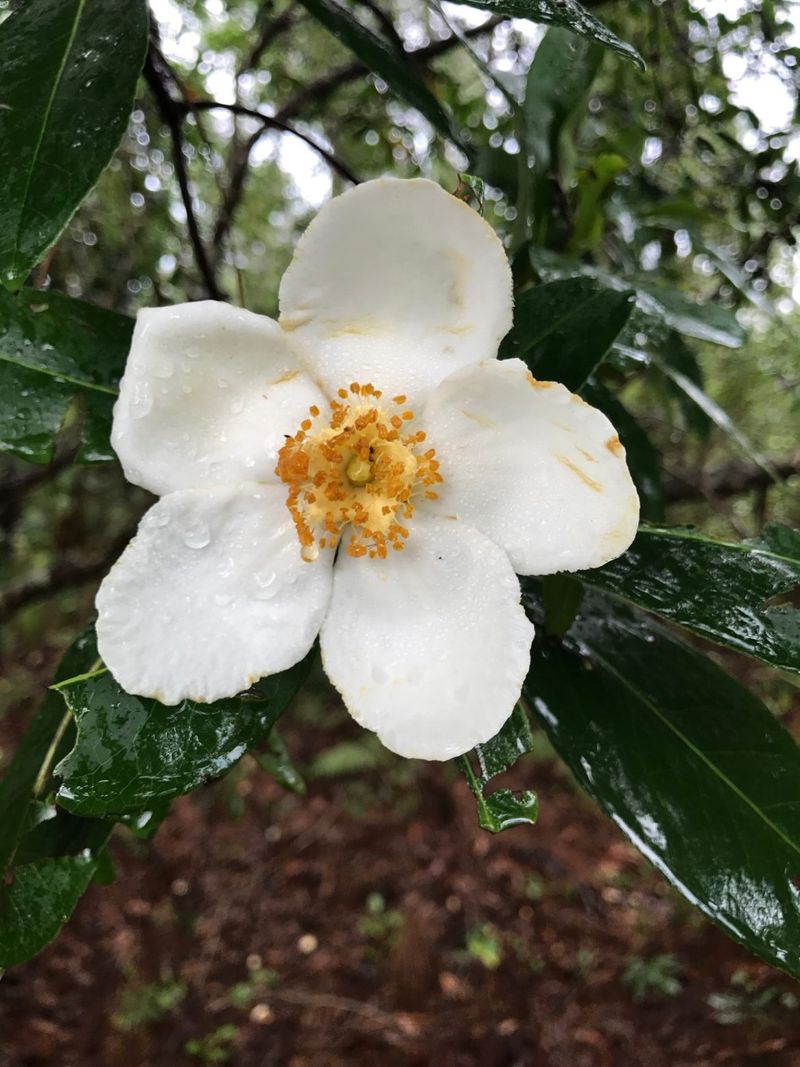
Fragrant white flowers shaped like camellias make this evergreen feel like a hidden treasure of southern swamps. I wonder why more people do not plant it, because it deserves far more attention than it gets.
Loblolly bay grows wild in pocosins and acidic swamp forests across the coastal plain of North Carolina. Those wet, peaty habitats tell you exactly what it wants, which is soil that stays moist most of the time.
A small warning belongs here, since some sources caution against permanently waterlogged or standing-water spots. It does best in consistently moist or occasionally wet ground, rather than sitting in a puddle year-round.
Mature trees reach thirty-five to seventy feet tall but only spread about ten to fifteen feet wide. That narrow shape fits nicely along property lines where wider trees would crowd your house or driveway.
Blooms about two to three inches wide open from late spring through summer, sometimes lingering until frost. Butterflies visit the flowers, and you may still catch a few blossoms during mild early October weather.
Even though it keeps foliage year-round, individual leaves turn brilliant scarlet before they drop, adding sparks of color. Depending on moisture, it may grow as a multi-stemmed shrub or rise into a sizable, stately tree.
Loblolly bay is hardy in USDA Zones 7A through 9B, so it suits warmer eastern and southern areas best. Gardeners in colder mountain towns should choose another wet-loving native from this list instead.