The North Carolina Invasive Plants Experts Want Pulled Out Before They Spread Any Further This Fall
You step off your back porch on a cool October morning in the Piedmont, coffee in hand, and notice a vine has swallowed half your fence overnight. It looks harmless, almost pretty, but it is stealing sun, soil, and space from the plants you actually want. Fall is the sneaky season for invasive plants in North Carolina, because they keep growing while your natives slow down for winter. Pull the worst offenders now and you save yourself a brutal spring, plus you give your dogwoods and pollinators room to breathe.
1. Chinese Privet Turns Your Fence Line Into A Wall
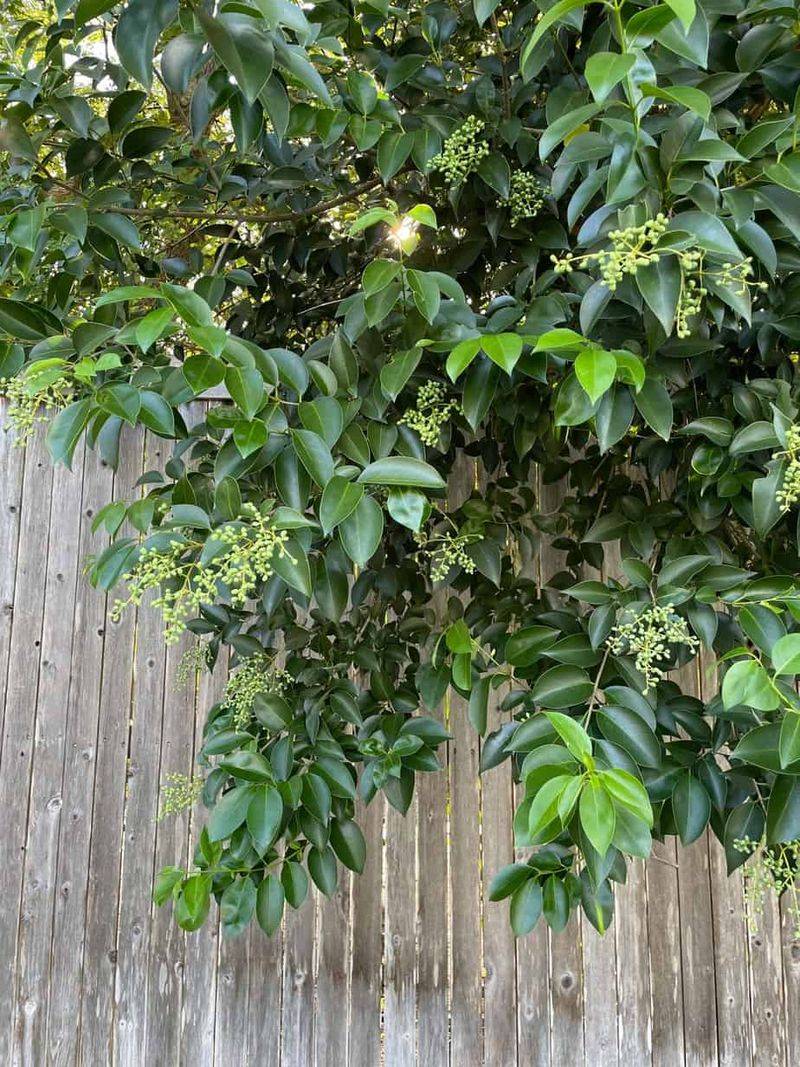
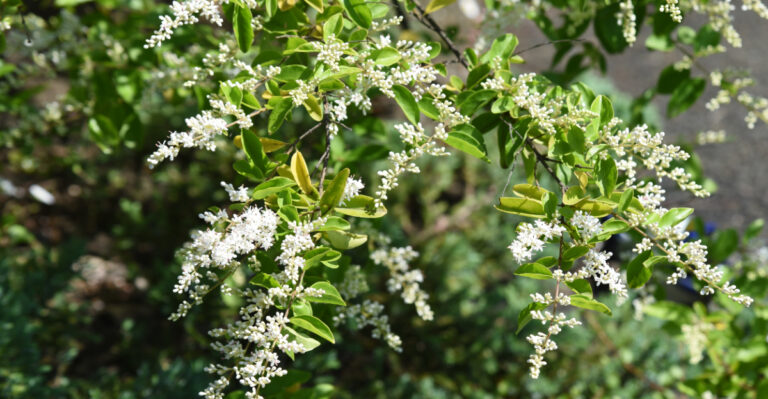
You walk your property edge in late fall and realize the hedge you never planted has quietly closed in around you. Chinese privet, Ligustrum sinense, is the culprit behind a huge share of overgrown fence lines across the Piedmont, and it spreads because birds eat the dark berries and drop seeds everywhere they perch.
Here is where it gets tricky. Privet keeps its leaves late into the season, so fall is genuinely the easiest time to spot it against the bare branches of your native trees. A single mature shrub can push out thousands of seedlings, shading out the wildflowers monarchs and other pollinators actually need.
So grab a pair of loppers and a weed wrench on a cool day, ideally after a rain when the red clay loosens its grip. Pull seedlings under 2 feet by hand, roots and all. For trunks thicker than your thumb, cut them low and treat the fresh stump within 5 minutes, which NC State Extension notes gives the best control before regrowth starts.
Clearing that living wall does not just tidy the yard. It hands sunlight back to the plants you chose on purpose, and the fence you paid for finally shows its face again.
2. Kudzu Is Still Marching Across The South
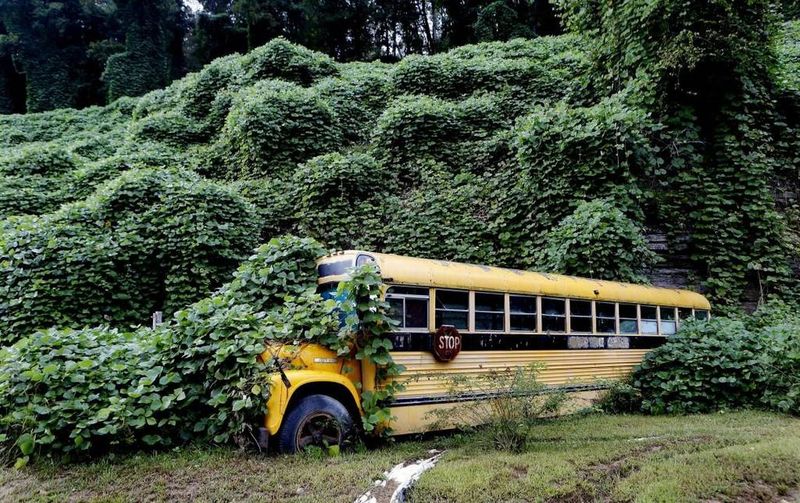
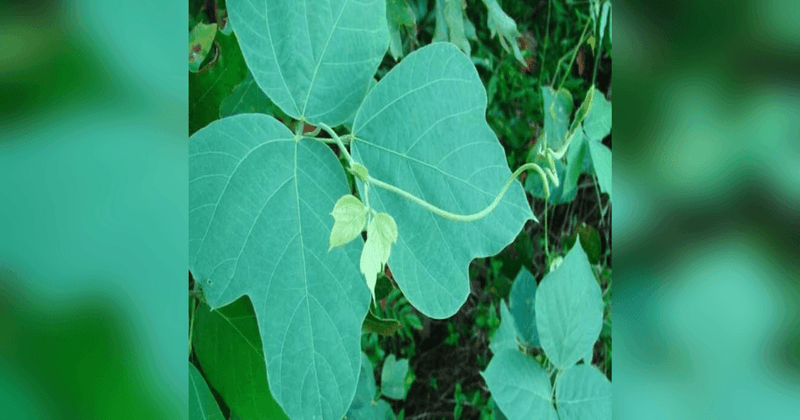
Drive any rural road in the Sandhills and you have seen it, entire hillsides draped in green like someone tossed a blanket over the trees. Kudzu, Pueraria montana, earned its nickname as the vine that ate the South for good reason, growing up to a foot a day in the muggy heat of a Carolina summer.
By fall it looks like it is finally slowing down, and that is exactly the trap. The vines die back on top, but the massive taproots, some as deep as 6 feet, are storing energy for a spring comeback that will bury your yard again.
Attacking the roots now pays off. Dig out crowns where the vine meets the ground, since killing those growing points is what genuinely sets kudzu back. On small patches, mow or cut repeatedly to starve the root, and bag every cut piece because stray fragments can root on their own.
Do not expect one weekend to finish it. Kudzu is a multi-season fight, one layer of persistence stacked on the next. But every crown you dig out this fall is ground it does not get to reclaim.
3. Bradford Pear Splits Apart And Reseeds Wild
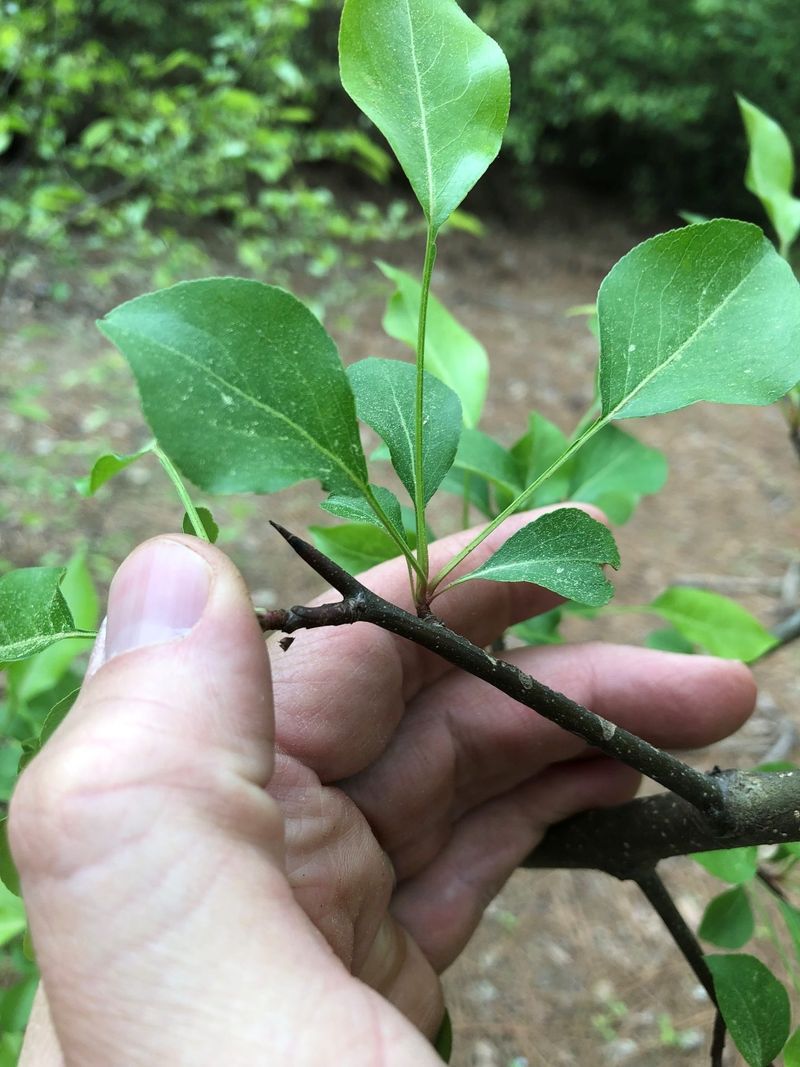
Every spring your neighborhood glows white with those blooms, and every strong storm leaves a Bradford pear cracked down the middle in someone’s yard. Pyrus calleryana was sold for decades as the perfect street tree, but it turned out to be a weak-wooded, thorny mess that reseeds into wild thickets along roadsides and field edges.
Your North Carolina Garden Changes Every Week. Your Plan Should Too.
Gardening in North Carolina changes quickly throughout the season. Every Friday you’ll receive a simple weekly plan showing exactly what to plant, prune, fertilize, harvest, and protect so you never miss the right timing.
The problem got worse when different varieties started cross-pollinating. Those wild seedlings grow inch-long thorns tough enough to puncture a tractor tire, and they crowd out native dogwoods and redbuds that feed local wildlife.
Fall is a smart time to take one down while the ground is soft and the sap has slowed. For young volunteers under 3 inches around, pull or dig the whole root. Larger trees usually need cutting followed by a stump treatment, because a bare stump will resprout with a vengeance.
Some North Carolina counties even run buyback events, swapping your removed Bradford pear for a free native tree. Replace it with a serviceberry or a redbud, and you trade two weeks of flowers for a tree that will not explode in the next hurricane.
4. Japanese Stiltgrass Carpets Your Shade Beds
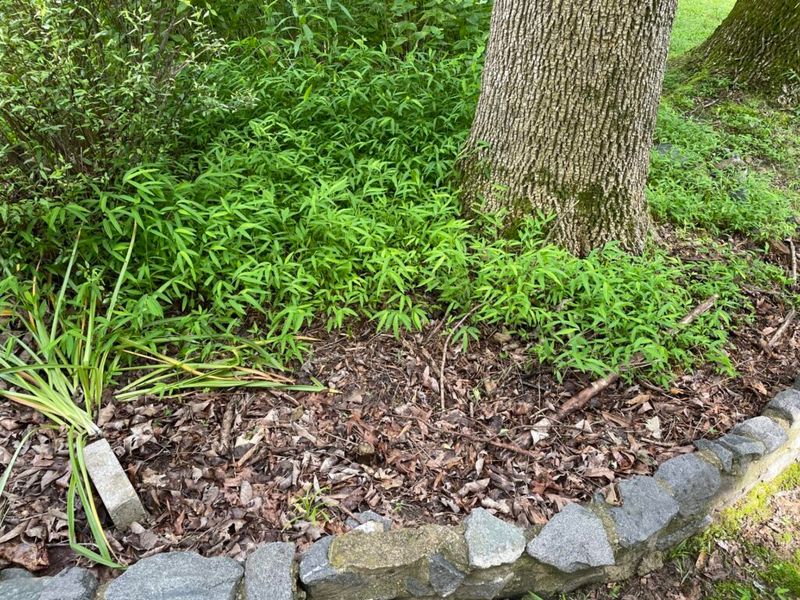
That soft, bamboo-looking grass filling in the shady spots under your trees is not a lucky ground cover. Japanese stiltgrass, Microstegium vimineum, spreads into a thick mat that smothers the woodland natives and gives ticks a cozy, humid place to wait for your ankles.
And it plays a long game. A single plant can drop hundreds of seeds that stay alive in the soil for 5 years or more, so one ignored patch becomes a decade of pulling.
Timing is your best weapon here. Pull or mow stiltgrass in early fall, before it sets seed, which usually happens around September and October across the Piedmont. It has shallow roots, so a good tug lifts whole handfuls, and doing it before those seeds mature stops next year’s carpet cold.
Mulch the bare ground afterward or tuck in shade natives like Christmas fern so stiltgrass does not just move back in. Fewer humid mats near the yard can mean fewer ticks brushing your legs on the way to the mailbox, and that is a payoff you feel every single day.
5. English Ivy Strangles Your Best Shade Trees
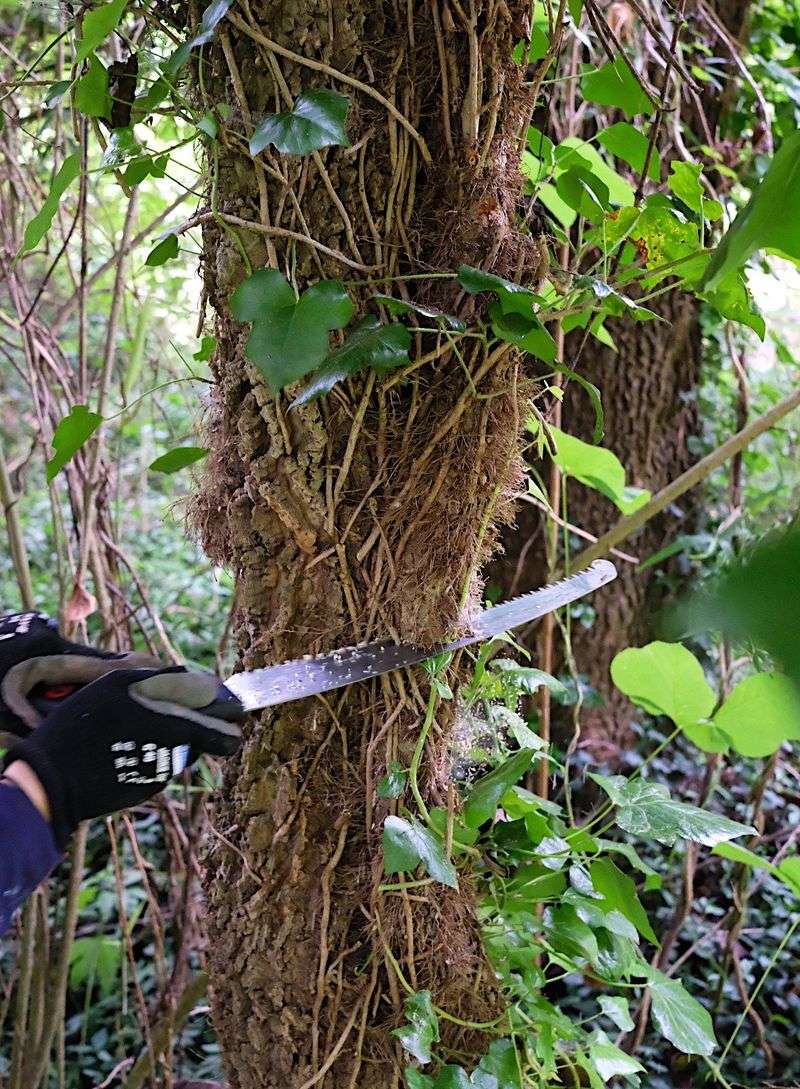
Look up at that big oak with ivy climbing the trunk and you might think it looks charming, like something out of an old storybook. English ivy, Hedera helix, is anything but charming once it reaches the canopy, where it adds weight that makes trees topple in high winds and blocks the light your tree needs to feed itself.
Down on the ground it is just as greedy, forming a dense evergreen mat that shades out native wildflowers and offers almost nothing to pollinators. Because it stays green all winter, fall and winter are actually the perfect window to spot it and get to work.
Start with the trees. Cut a wide band through every ivy stem around the trunk, at least a hand’s width, and let the upper vines die in place rather than yanking them down and damaging bark. On the ground, roll the mat back like a rug, pulling roots as you go.
Your oak will thank you by holding firm through the next storm season, and the sunlight you free up gives spring ephemerals a fighting chance.
6. Autumn Olive Fools You With Fall Berries
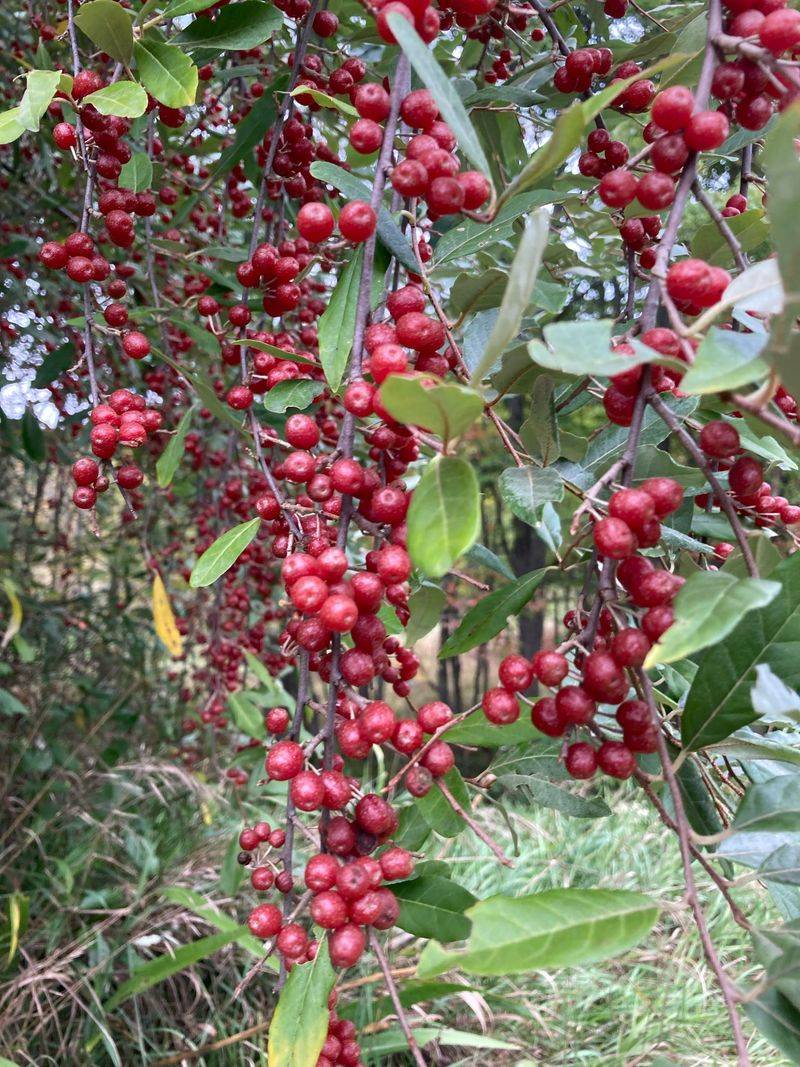
A shrub loaded with speckled red berries in October sounds like a gift for the birds, and that is exactly how autumn olive tricks so many well-meaning gardeners. Elaeagnus umbellata was once planted on purpose for wildlife and erosion control, but it turned into one of the fastest-spreading shrubs across North Carolina fields and mountain slopes.
The catch is in those berries. Birds gobble them and scatter the seeds for miles, and a single bush can produce tens of thousands of them in one season. The plant also feeds its own soil with extra nitrogen, changing the ground so native plants struggle to compete.
Because fall is when it fruits, it is your clearest chance to find and remove it before the birds finish the delivery service. Pull seedlings by hand while the sandy or clay soil is damp. Cut established shrubs low, then treat the stump promptly, since autumn olive resprouts fast from a cut base.
Swap it for a native winterberry holly if you want berries for the birds. You get the same cheerful fall color without unleashing a shrub that refuses to stay put.
7. Nandina Berries Can Poison Your Backyard Birds
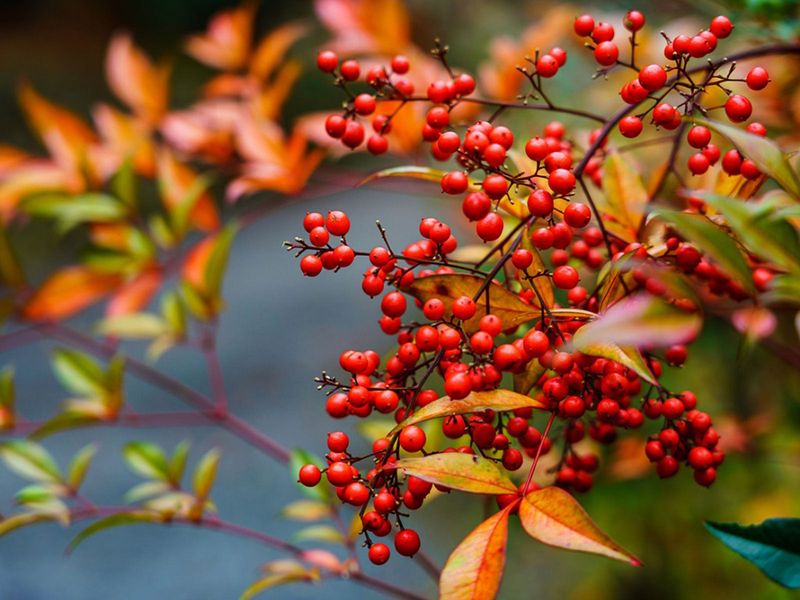
Those bright red berry clusters on the shrub by your porch, the ones that look so festive against a mild Carolina December, carry a quiet danger. Nandina, Nandina domestica, often sold as heavenly bamboo, produces berries that contain cyanide compounds, and cedar waxwings have died in flocks after gorging on them.
It spreads the same way privet and autumn olive do, with birds carrying seeds into natural areas where it forms dense stands. So the plant meant to decorate your yard ends up harming the very birds you love to watch from the kitchen window.
Removal is refreshingly doable. Nandina roots are tough but shallow enough that digging out a clump with a spade works for most yard-sized plants, and fall’s softer ground makes the job easier. At the very least, clip off and bag the berry clusters now so no bird mistakes them for a meal.
Plenty of native shrubs give you red winter berries without the risk. A winterberry holly or an American beautyberry keeps the color coming and turns your yard into a safe stop on the fall migration route instead of a hazard.