15 Fruit Trees Oregon Gardeners Plant Once and Harvest From for Decades in Willamette Valley Soil
Planting a fruit tree is one garden purchase you never have to feel guilty about, even if three more are already waiting in the back of the car. Willamette Valley gardeners in zones 8a to 9a get mild, wet winters and dry summers, which many long-lived fruit trees happen to love.
Pick the right ones and you could be sharing fruit with your grandkids someday. Here are 15 trees, plus one sneaky vine, that can turn a single planting day into decades of harvests.
1. Apple Trees
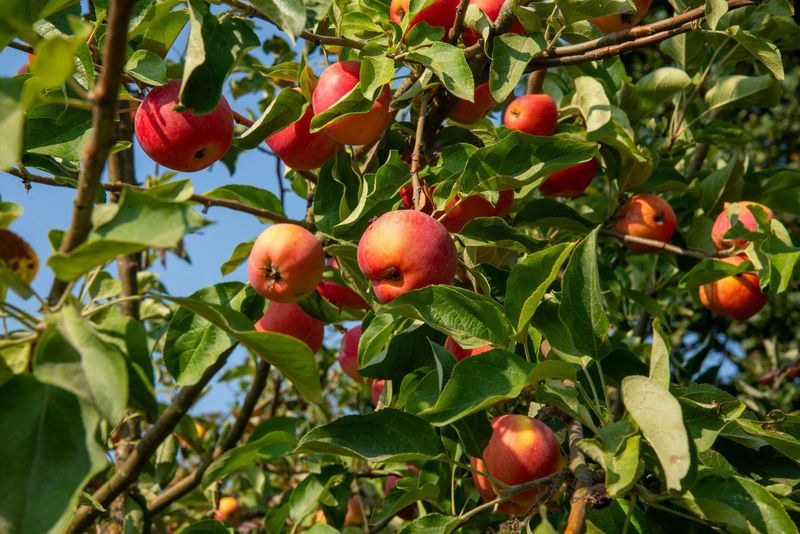
Every old farmhouse in the valley seems to have one gnarled apple tree still cranking out fruit long after anyone remembers who planted it. That kind of staying power is exactly why apples lead this list.
Give a young tree good drainage and full sun, and it can easily outlast your mortgage.
The catch in western Oregon is apple scab, a fungus that loves our soggy springs. Scab-resistant picks like Liberty, Akane, and Enterprise shrug off the rain far better than fussier types.
Gravenstein is a west-of-the-Cascades favorite that ripens early, before the fall rains settle in.
Honeycrisp, Gala, and Fuji are tempting too, though Honeycrisp can be picky about soil. Most apples need a second variety nearby for pollination, which is a wonderful excuse to buy two trees.
Bare-root season in late winter is the easiest and cheapest time to bring them home.
Codling moths and apple maggots will likely show up at some point. Bagging young fruit or hanging traps can reduce damage without a lot of spraying.
Meanwhile, the spring blossoms feed early bees, so your tree pulls double duty for the wildlife you care about.
2. Pear Trees
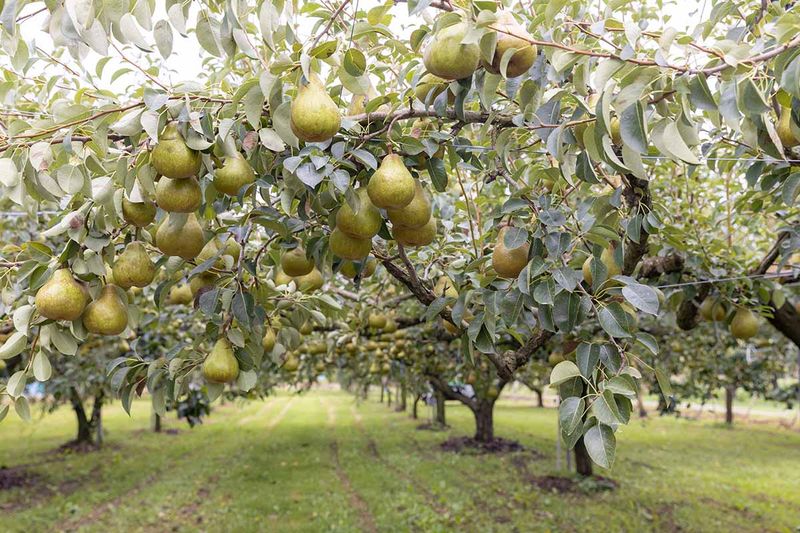
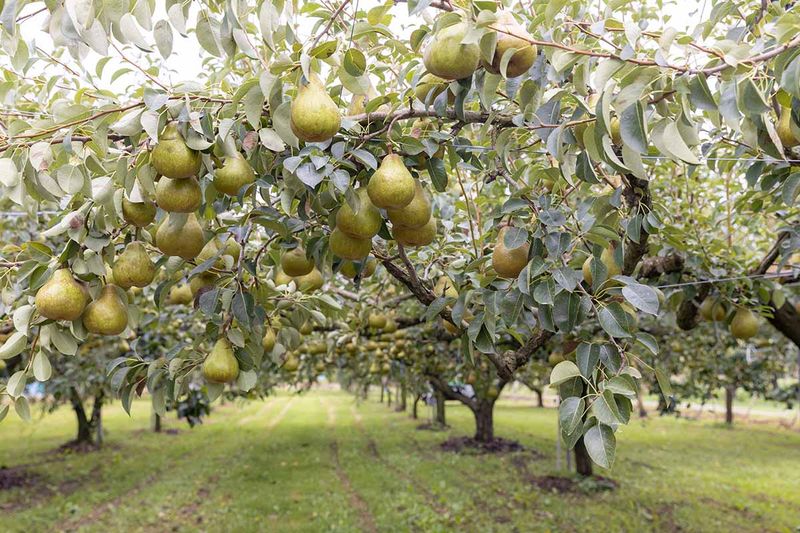
Here is a fun bit of trivia for your next garden club meeting: the pear is Oregon’s official state fruit. It earned that title honestly, since pears grow beautifully across the valley and often handle heavy clay better than apples do.
If your yard is more mud than loam, a pear might be your new best friend.
Longevity is where pears really shine. A well-sited tree can keep bearing for 75 years or more, which means your planting day could feed three generations.
European classics like Bartlett and Comice are valley staples, while little Seckel packs candy-sweet flavor and tends to resist disease.
Newer to fruit growing? Asian pears such as Hosui and Chojuro are forgiving, cope with rain well, and ripen right on the branch.
European pears, on the other hand, taste best when picked firm and finished on the kitchen counter.
Plan for a pollination partner, since most pears set more fruit with a buddy nearby. Watch for fire blight during warm, wet spring spells, and prune out any blackened shoots quickly.
3. Cherry Trees
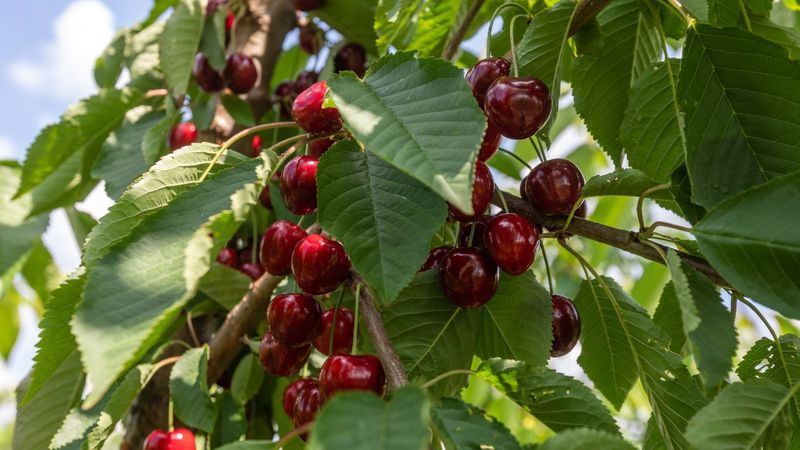
Nothing says spring in the Willamette Valley quite like a cherry tree in full bloom, humming with bees on the first warm afternoon of March or April. Those blossoms are pure joy, and the fruit that follows is even better.
Your Oregon Garden Changes Every Week. Your Plan Should Too.
Gardening in Oregon changes quickly throughout the season. Every Friday you’ll receive a simple weekly plan showing exactly what to plant, prune, fertilize, harvest, and protect so you never miss the right timing.
Cherries are practically a Northwest birthright.
Rain is the one real villain here. A downpour right before harvest can split sweet cherries open, and the popular Bing is especially prone to cracking.
Later-ripening Lapins and Sweetheart handle wet weather better, and both are self-fertile, so a single tree can set fruit.
Stella is another self-pollinating sweet cherry for small yards. If pie is your love language, Montmorency is a tart cherry that bakes like a dream and tends to be more forgiving of our weather.
Birds will absolutely find your tree. A lightweight net tossed over a smaller tree can save most of the crop, though leaving a few branches for the robins feels generous.
Choosing a dwarfing rootstock keeps everything reachable, and a happy cherry can produce for 30 years or more.
4. Plum Trees
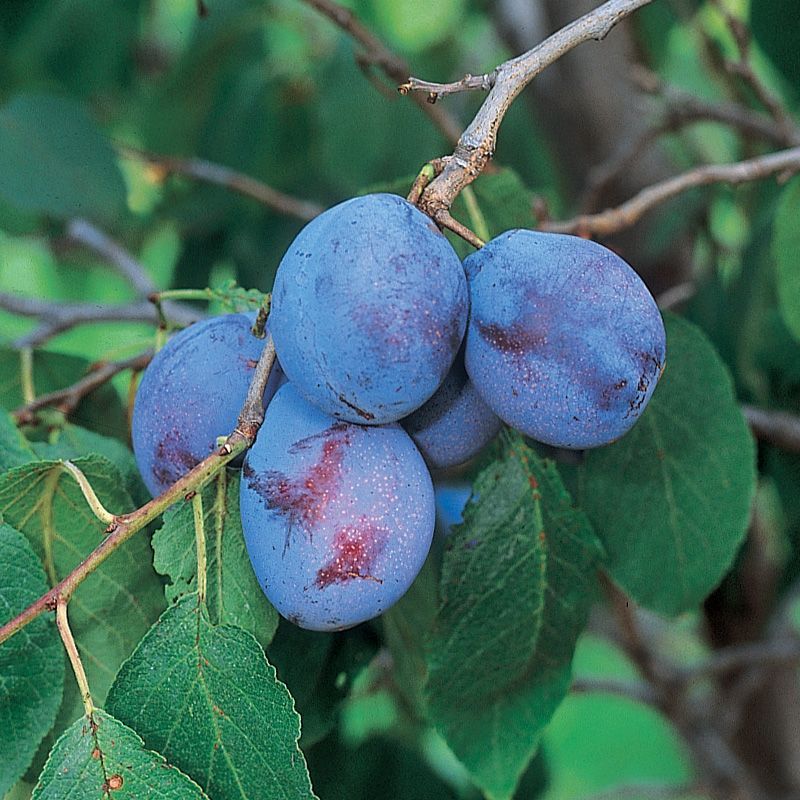
Grandma’s plum jam. If those three words make you a little misty, you already understand why plums belong in a Willamette Valley yard.
They are tough, generous trees that tolerate cold, wet winters without much fuss.
Italian Prune is the valley’s classic, a European plum that dries, cans, and freezes beautifully. Damson brings a tart bite that practically begs to become preserves.
For fresh eating, Golden Gage offers small, honey-sweet fruit, and Shiro is a juicy yellow Japanese plum.
Some plums are self-fertile, like Italian Prune, while many Japanese types want a partner. Check the tag before you commit, or simply plant two and call it a pollination plan.
Nobody at the nursery will judge you.
The spring bloom is a showstopper, often one of the first big flushes of flowers in the garden. Early-emerging mason bees and other native pollinators may find a welcome meal there.
Keep an eye out for black knot, a fungal swelling on branches, and prune it out during dry weather.
5. Fig Trees
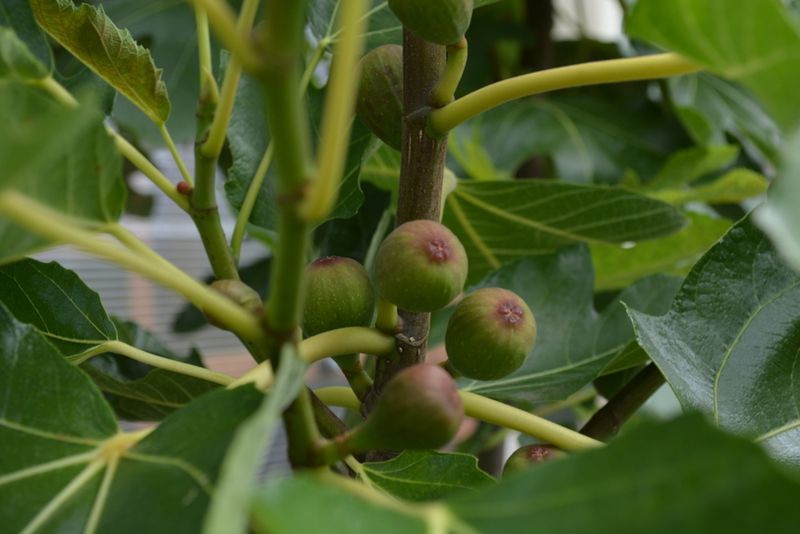
Walk through older Portland and Salem neighborhoods in late summer, and you may spot a fig tree the size of a garage sprawling against a sunny wall. Most people do a double take.
Figs look like they belong in the Mediterranean, yet they have quietly made themselves at home west of the Cascades.
Variety choice matters more than anything. Desert King is the valley superstar because it reliably ripens a big early crop, called the breba crop, in midsummer before the fall rains arrive.
Lattarula and White Kadota also perform well, and Brown Turkey is a hardy, large-fruited option.
Planting on the south side of a house or fence can give figs the extra warmth they crave. A hard freeze may kill back branches, but trees often resprout from the base with surprising enthusiasm.
Figs grow happily in average soil as long as it drains. Once established, they need little summer water compared to many fruit trees.
Pests are few, though you may be competing with neighborhood squirrels for the ripest fruit.
6. Peach Trees
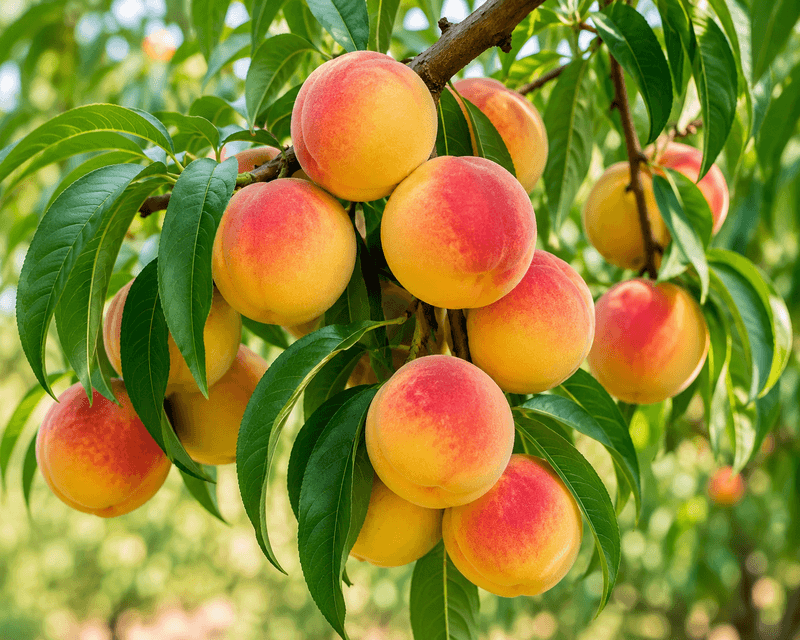
Let’s be honest: peaches are the fruit tree that makes Oregon gardeners feel a little reckless. They are not the easiest choice on this list, but a sun-warmed peach picked in August is worth the effort.
Think of it as a relationship that requires some communication.
Peach leaf curl is the big hurdle in our cool, damp springs. The fungus puckers and reddens new leaves, and it can weaken trees over time.
Frost is the variety most gardeners reach for because it tends to resist leaf curl, and Reliance is another hardy option that copes with cooler Northwest summers.
Plant in the warmest, sunniest spot you have, ideally with good airflow. Some growers build a simple rain shelter over young trees in late winter, since keeping buds dry can reduce leaf curl infections.
Peaches are self-fertile, so a single tree can fruit on its own. They typically live shorter lives than apples or pears, often 15 to 25 years in home gardens.
Still, that adds up to a lot of summers of cobbler.
7. Asian Persimmon Trees
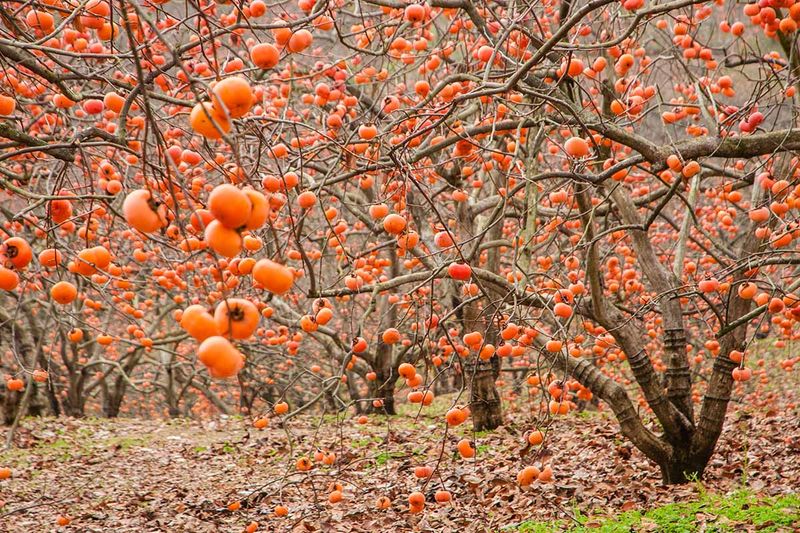
Picture a bare tree in November, every branch dangling glowing orange fruit like ornaments. That is an Asian persimmon in late fall, and it might be the most beautiful thing in a Willamette Valley garden once the leaves drop.
Neighbors will ask about it.
Asian persimmons are cold hardy for our zones and usually self-fruitful, so one tree is enough. Fuyu is a popular non-astringent type you can eat crisp like an apple.
Varieties sold as Chocolate or Coffee Cake can develop darker, spiced flesh with rich flavor.
They adapt to many soil types and become fairly drought tolerant once established, which is a gift during our dry summers. Pests and diseases tend to be few, so you get more harvesting and less worrying.
Before the fruit even steals the show, the leaves turn brilliant orange and red. Astringent kinds like Hachiya need to soften completely before eating, so patience pays off.
A persimmon can bear for decades, lighting up the garden just as everything else goes quiet.
8. Olive Trees
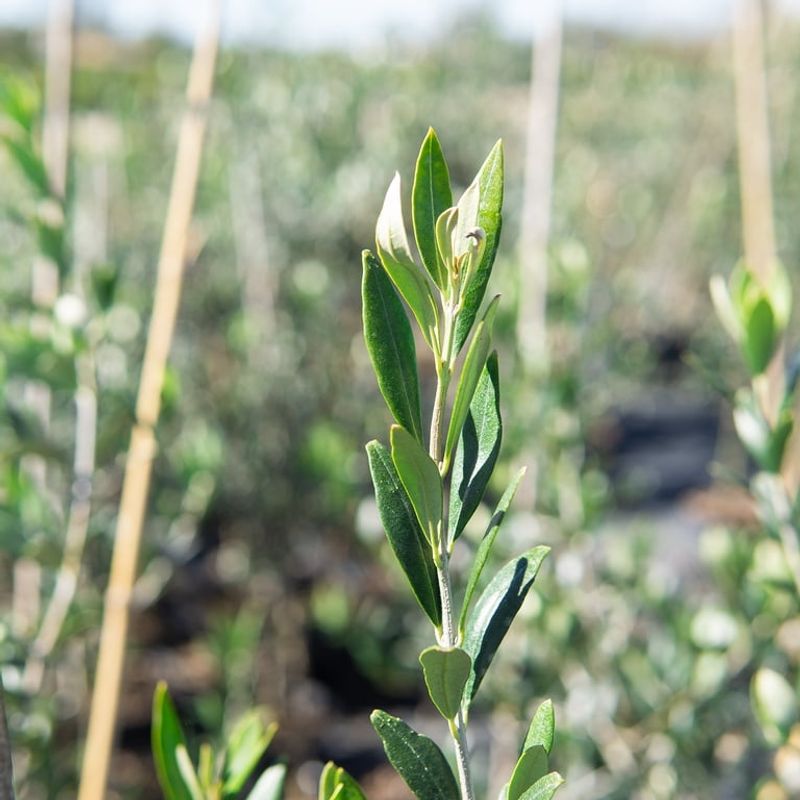
Olives in Oregon? A few years ago, that would have earned a polite laugh at the garden center.
Now small groves are popping up around the valley, and home gardeners are catching on to these silvery, sage-leaved trees.
Cold is the main limit. Olives generally need protection when temperatures drop below about 15 degrees Fahrenheit, which the valley sees during some winters.
Cold-tolerant varieties such as Arbequina and Mission are often suggested, and a sheltered spot near a south-facing wall can help.
Drainage is non-negotiable. Olives hate wet feet, so heavy clay may call for a raised mound or a big container.
Once established, they are admirably drought tolerant, which fits our dry summers nicely.
Even if you never cure a single olive, the tree earns its keep as an evergreen with a Mediterranean feel. Olives can live for centuries in warm climates, and a happy Oregon tree could easily outlive you.
Keep frost cloth on standby as your insurance policy.
9. Pineapple Guava (Feijoa)
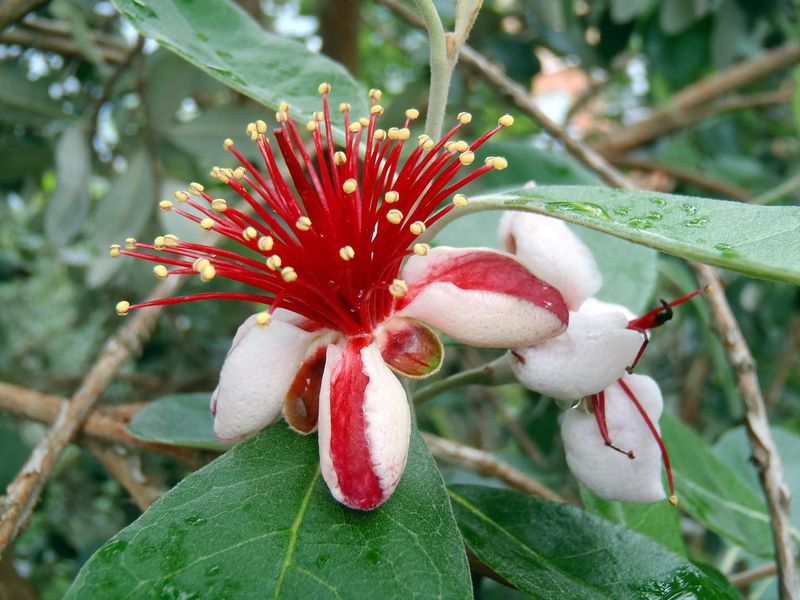
Some plants win you over with fruit, and some with flowers. Pineapple guava does both, with fuzzy crimson-and-white blooms whose petals taste faintly sweet, like garden candy.
Hummingbirds may visit them too, a lovely bonus for wildlife-minded gardeners.
Native to South America, this evergreen shrub or small tree grows egg-shaped green fruit that looks a bit like a tiny avocado. The soft, fragrant flesh tastes like a mix of pineapple, mint, and guava.
Fruit usually drops when ripe in fall, so harvesting can be as simple as gathering from the ground.
Plant in spring in the sunniest spot you can find. Feijoa handles valley winters reasonably well and is quite drought tolerant once established.
Extra water between flowering and fruiting helps support a better crop.
Our cooler summers can mean smaller harvests some years, so manage expectations. Planting two varieties, or choosing a self-fertile one like Nazemetz, may improve fruit set.
Even in a lean year, the silvery leaves make a handsome evergreen screen.
10. Jujube Trees
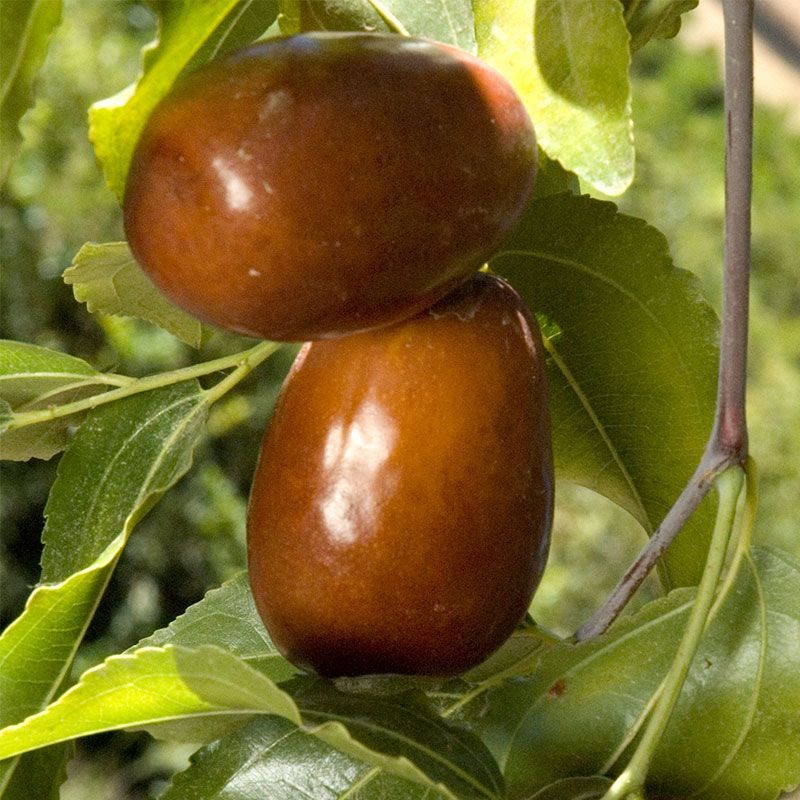
Call it the date that thinks it’s an apple. Jujube fruit starts out crisp, sweet, and apple-like, then wrinkles into a chewy, date-like treat if you leave it on the counter.
It has been grown in China for thousands of years, and it is slowly finding fans in Oregon.
Jujubes are famously tough. They adapt to many soil types, tolerate drought once rooted, and rarely suffer from serious pests or diseases.
For a gardener who has battled scab and leaf curl, that low drama feels like a vacation.
Heat is the one thing they crave. Larger-fruited varieties may need long, hot summers to ripen fully, so valley growers often favor early-ripening types like Li or Honey Jar.
Give them your hottest spot, perhaps near pavement or a south wall.
Leaves emerge late in spring, so do not panic when your tree looks dead in April. Watch for thorns on some varieties and suckers from the roots.
A well-placed jujube can produce for decades with very little help.
11. Quince Trees
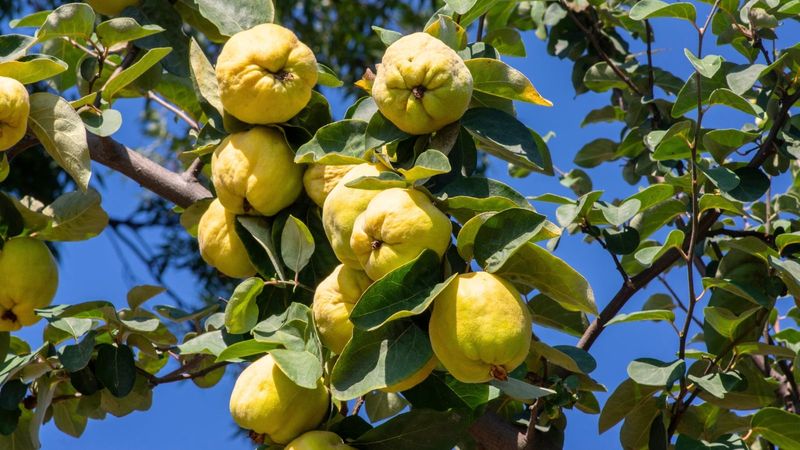
Quince is the fruit tree for gardeners who love a little mystery. The golden, lumpy fruit is hard and sour when raw, yet a single ripe one can perfume an entire kitchen with a scent like pineapple, rose, and pear.
Cook it slowly and the pale flesh blushes pink.
Willamette Valley conditions suit quince well. Trees tolerate heavier soil, stay small enough for most yards, and are generally self-fertile.
Pineapple and Orange are common varieties, while Smyrna produces large, fragrant fruit.
Long before apples ruled grocery stores, quince was a staple in home orchards, prized for jelly and paste. Some storytellers suggest the golden apple of ancient myths may actually have been a quince.
Planting one feels a bit like reviving a lost tradition.
The big, cupped pink-white flowers arrive later than many fruit blossoms, helping them dodge early frosts. Fire blight can appear in warm, wet weather, so prune infected shoots promptly.
Pick fruit in October once it turns fully yellow and the fuzz rubs off easily.
12. Apricot Trees
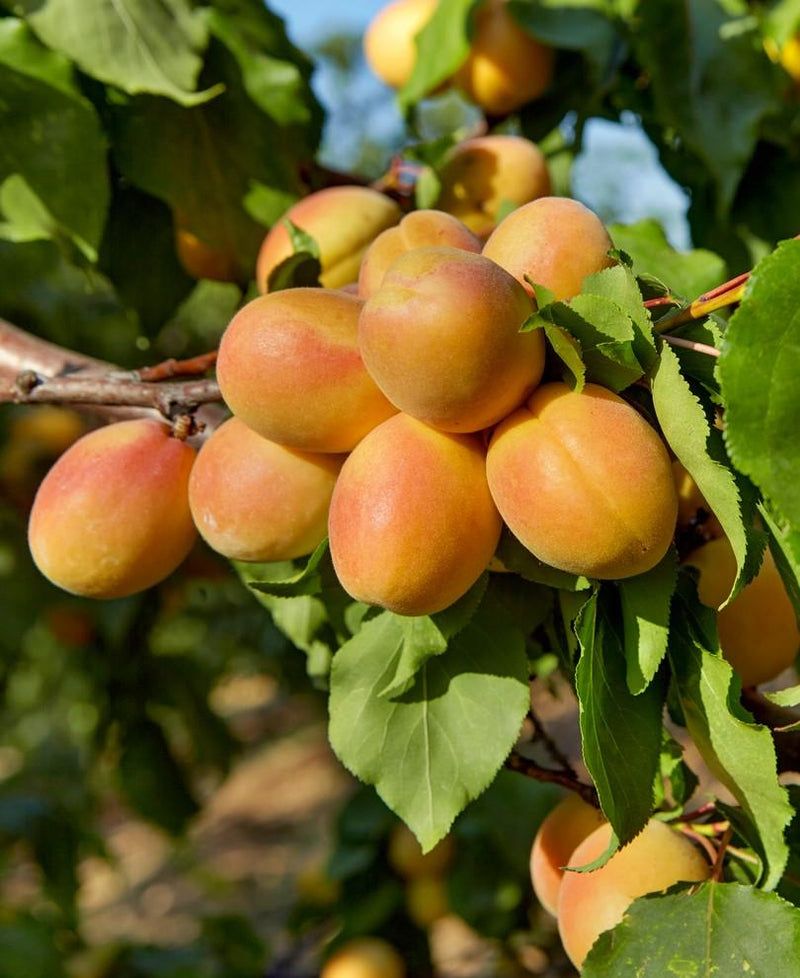
Apricots are the gamblers of the valley orchard. Their blossoms open very early, often in February or March, which puts them right in the path of cold rain and late frosts.
When they win, though, the jackpot is sweet, sun-warmed fruit you rarely find this good in stores.
Choosing later-blooming varieties can help dodge wet spring weather. Puget Gold was selected for maritime Northwest conditions, and Harcot and Tomcot are often recommended for cooler, wetter climates.
Warmer pockets of the valley generally have better luck.
Plant on a slope or in a spot with good air drainage, where cold air slides away. A south-facing wall adds warmth, and pruning in summer rather than winter may reduce disease problems.
Many apricots are self-fertile, so one tree can be enough. Expect some years to be misses.
Most gardeners who stick with apricots say the good seasons more than make up for the rest.
13. Nectarine Trees
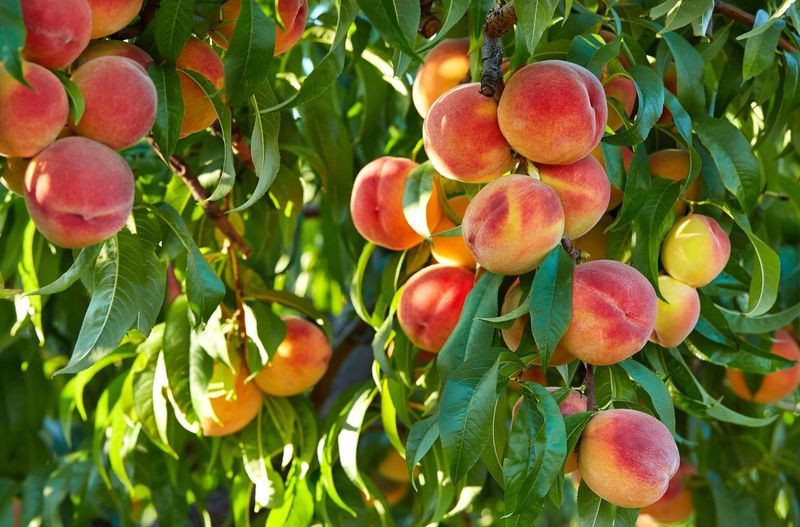
A nectarine is essentially a peach that skipped the fuzz, one tiny genetic difference with a delicious result. Plenty of Portland gardeners report happy harvests, which surprises folks who assume the valley is too damp.
Success mostly comes down to site and variety.
Nectarines share the peach’s biggest weakness, leaf curl, and their smooth skin can be a bit more prone to brown rot in wet weather. Look for curl-tolerant varieties such as Hardired.
A dry winter shelter over the canopy, even a simple roof of clear panels, can help reduce infections.
Full sun is essential, along with good drainage and airflow. Thin the fruit when it is marble-sized so each one has room to size up and dry out after rain.
Most nectarines are self-fertile. A dwarf tree in a large pot on a warm patio is a clever option for small spaces, since you can roll it under the eaves in winter.
With care, you could enjoy 15 to 20 summers of smooth-skinned fruit perfect for eating over the sink.
14. Mulberry Trees
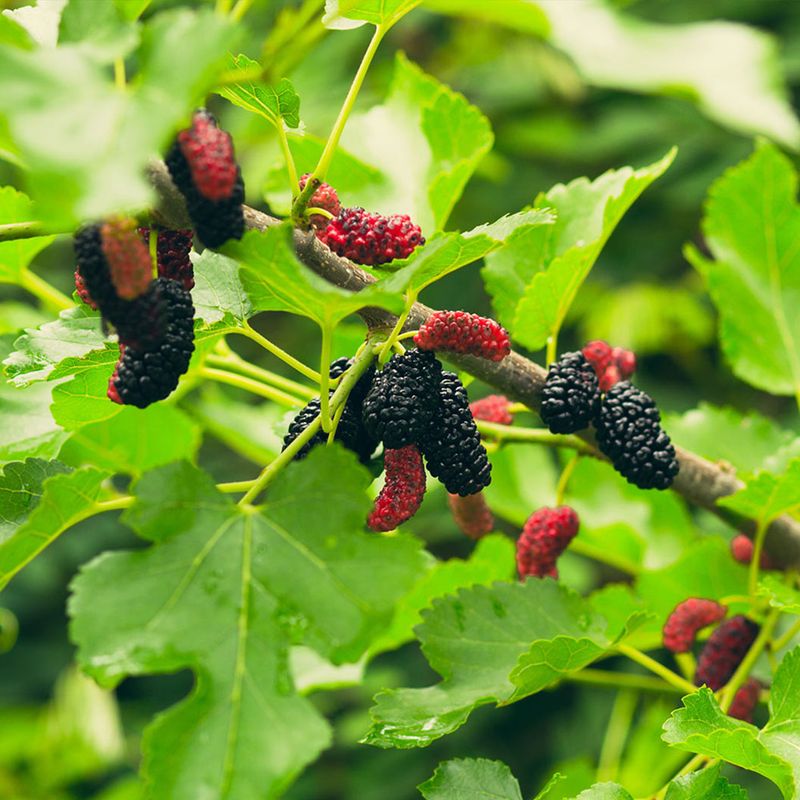
Mulberries have a slightly messy reputation, and honestly, it is earned. Purple-stained sidewalks and birds with berry-dyed beaks come with the territory.
But if you want a tree that feeds your family and local wildlife at the same time, few can match it.
The fruit ripens over several weeks rather than all at once, so you get a steady trickle of sweet berries instead of a single overwhelming harvest. Robins, cedar waxwings, and other songbirds can flock to the branches, turning your yard into a busy feeding stop.
Weeping varieties, including the weeping Teas mulberry, stay compact and do well in Oregon gardens. Illinois Everbearing is another option known for a long picking season.
Mulberries handle a range of soils, tolerate drought once established, and are rarely bothered by serious pests.
Plant away from driveways and patios to avoid stains. Spread an old sheet under the branches and give a gentle shake for easy harvesting.
A mulberry can grow for many decades, becoming the tree your neighborhood birds plan their summer around.
15. Hardy Kiwi (Kiwiberry)
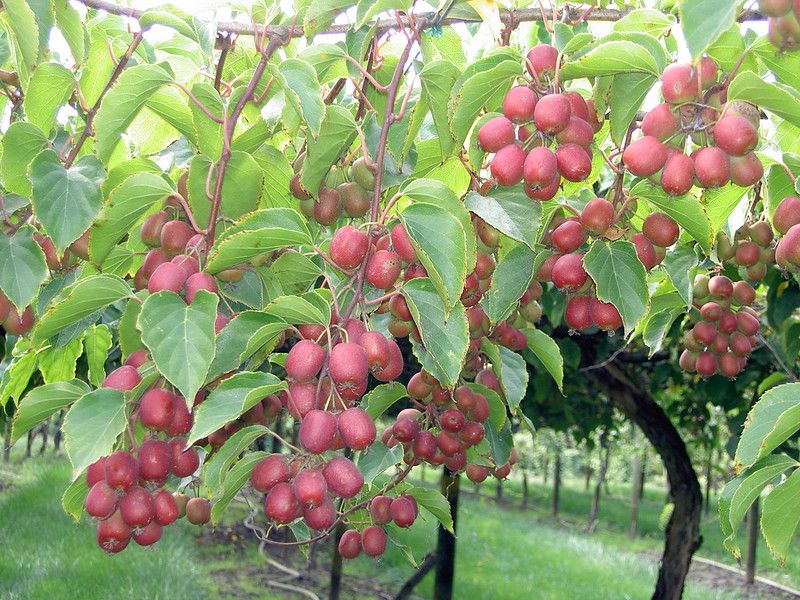
Okay, confession time: the hardy kiwi is a vine, not a tree. It sneaks onto this list because it can produce for decades once established, and Oregon happens to be one of the country’s leading kiwiberry producers.
Rules can bend for something this delicious.
Kiwiberries are grape-sized, smooth-skinned, and eaten whole, no peeling required. Actinidia arguta handles valley winters well, while Actinidia kolomikta, often called Arctic kiwi, is even more cold tolerant and shows off pretty pink-and-white splashed leaves.
Most varieties need both a male and a female plant, with one male able to pollinate several females. Self-fertile options like Issai exist, though they may produce less.
Either way, build a sturdy arbor or pergola, because these vines grow vigorously and get heavy.
Plant after the mid-April last-frost window, since tender new shoots can be nipped by late cold. Harvest in early fall and let the fruit soften on the counter.
Years from now, you may find yourself sitting under a shady kiwi arbor, snacking straight off the vine.