4 Pennsylvania Perennials To Cut Back In Early July And 4 To Leave Alone
Your garden is sending mixed signals right now, and not every perennial wants the same response.
Some plants are begging for a trim as their first flush of blooms fades, while others will reward you big time if you just leave them alone and let them finish what they started.
Knowing which is which can mean the difference between a tired, patchy garden and one that looks lush and full all summer long.
Early July is still very much in the window for this kind of work, and the choices you make in the coming weeks will shape how your perennial beds look straight through to fall.
Cutting back too aggressively can rob a plant of the energy it needs for next year’s blooms. Leaving the wrong plant untouched can mean a sprawling, floppy mess by August.
The trick is knowing exactly which four plants want the shears right now and which four need to be left completely alone.
Here is a practical guide to help you work smarter, not harder, in your Pennsylvania garden this season.
Cut Back Catmint For A Fresh Flush
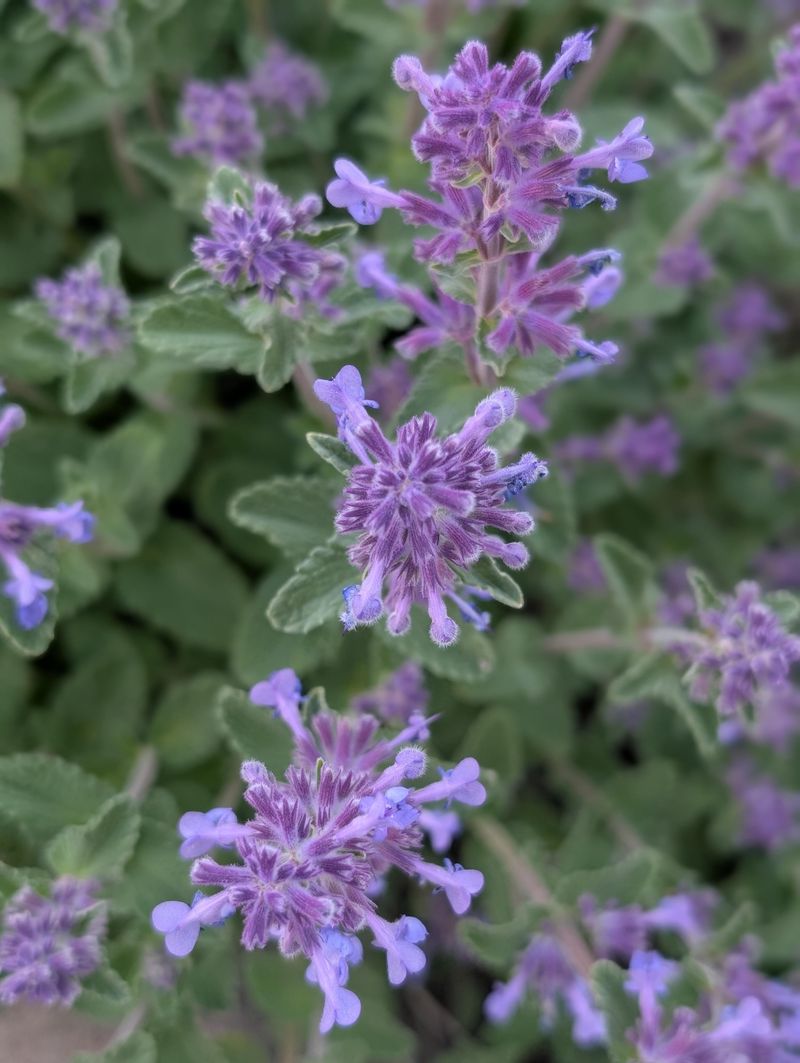
Few plants put on a show quite like catmint in late spring.
Those soft purple-blue flower spikes fill garden beds with color and attract pollinators by the dozens. But once those blooms start looking tired and floppy, catmint is practically waving a white flag and asking you to give it a haircut.
Cutting catmint back by about one-third to one-half right now encourages a strong second flush of blooms later in summer.
You are not hurting the plant at all. You are actually helping it redirect energy from spent flower stalks back into root strength and fresh shoot production for the rest of the season.
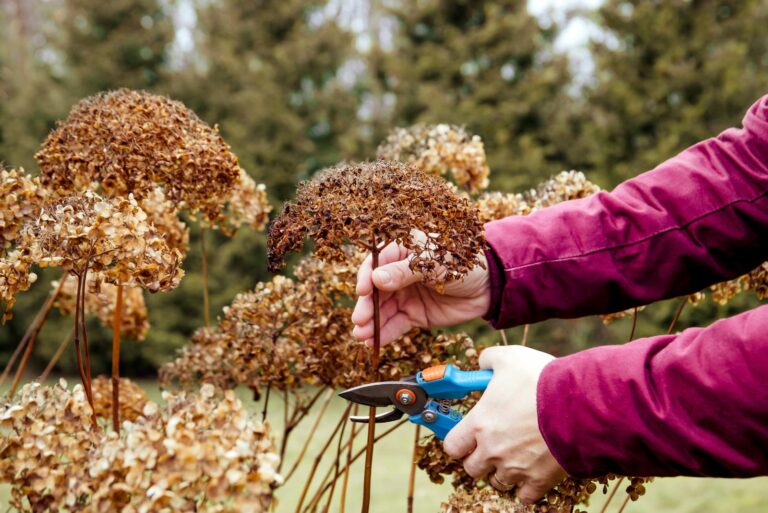
Use clean garden shears and cut just above a set of healthy leaves.
Do not scalp it all the way to the ground. Leave a few inches of green growth so the plant has something to work with. Within two to three weeks, you should see fresh new stems pushing up from the base.
Penn State Extension recommends this type of light shearing for catmint after the first bloom period to keep plants tidy and productive.
It also prevents the plant from self-seeding excessively, which can crowd out neighboring perennials. Catmint is a tough, drought-tolerant plant once established, and a mid-season trim only makes it tougher.
One good cut now equals a second wave of beautiful blooms that will carry your garden right into August and September.
Trim Salvia After The First Show
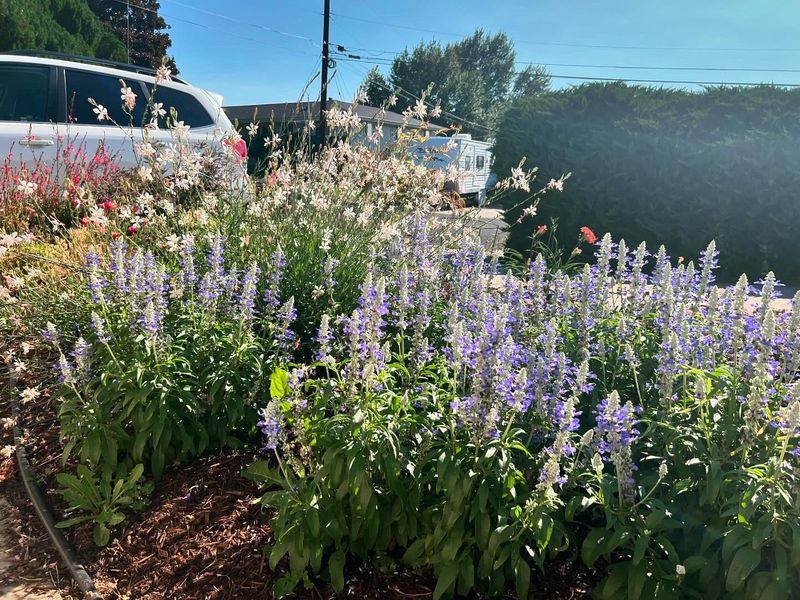
Salvia puts on a spectacular early-summer display, but once those upright flower spikes start turning brown and crispy, the plant can look a little worn out.
That is your cue to step in with a pair of sharp shears and tidy things up.
Removing old flower stalks down to the next set of healthy leaves encourages salvia to put its energy back into producing new growth.
Many gardeners skip this step and wonder why their salvia looks ragged by midsummer. A quick trim makes a huge difference in how the plant looks and performs for the rest of the season.
Your Pennsylvania Garden Changes Every Week. Your Plan Should Too.
Gardening in Pennsylvania changes quickly throughout the season. Every Friday you’ll receive a simple weekly plan showing exactly what to plant, prune, fertilize, harvest, and protect so you never miss the right timing.
Cut the flower stems back by roughly one-third.
You want to leave healthy green foliage intact so the plant can continue photosynthesizing and building root energy. Avoid cutting into woody older stems at the base, as those can be slow to recover in the heat of summer.
According to Penn State Extension guidance, deadheading and light shearing of perennial salvias after the first bloom cycle keeps plants looking tidy and promotes repeat flowering.
Salvia is a workhorse in Pennsylvania perennial gardens, thriving in full sun and handling summer heat with ease.
Give it this one small favor now and it will reward you with a fresh round of blooms in late summer, with bees and hummingbirds taking notice almost immediately.
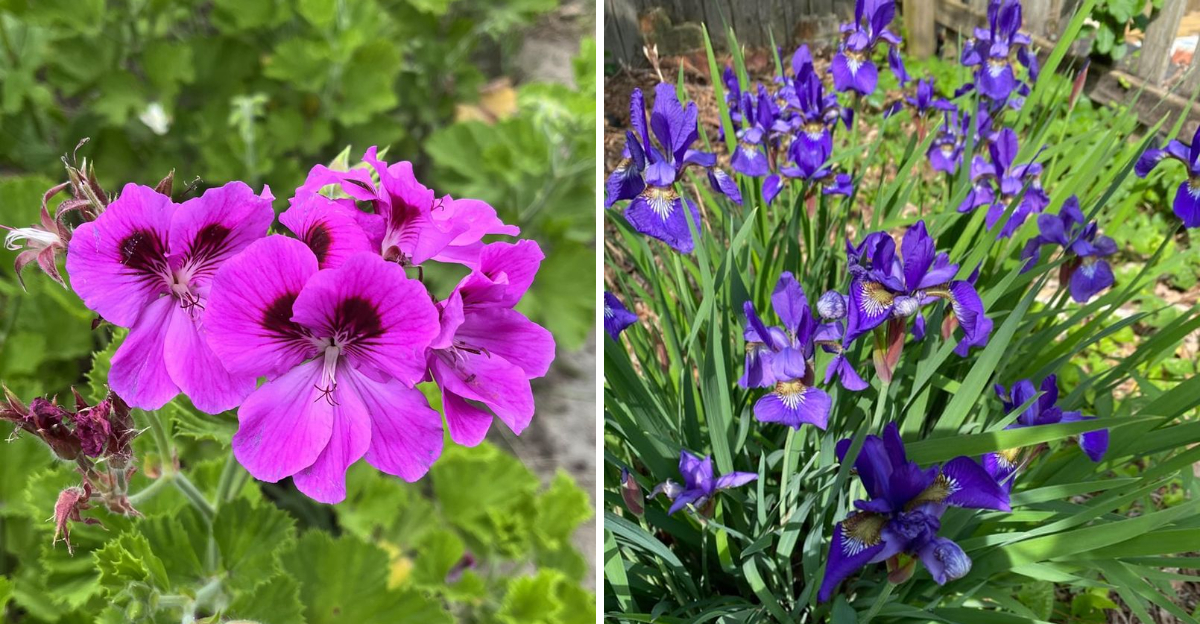
Shear Hardy Geraniums When Tired
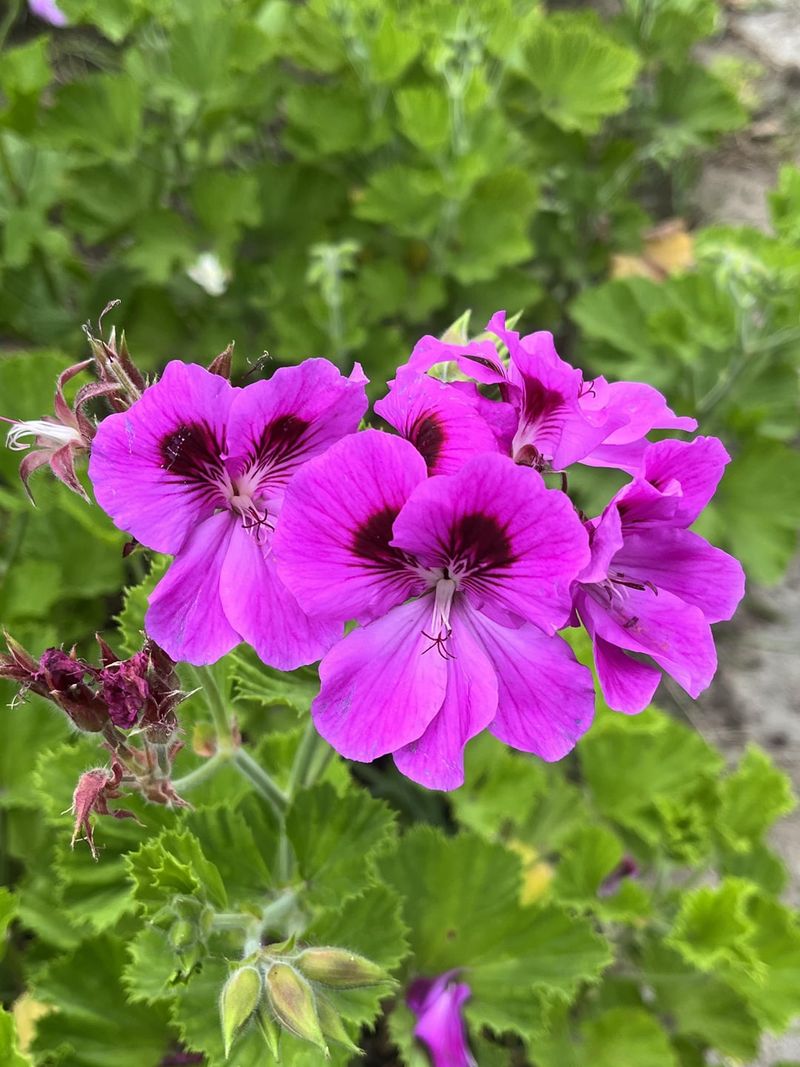
Hardy geraniums, also called cranesbills, are some of the most reliable perennials in Pennsylvania gardens.
They spread easily, bloom generously, and ask for very little in return. But once their foliage starts looking tired, yellowed, and a bit sprawling, that is the perfect time to give them a good shearing.
Cutting hardy geraniums back hard, sometimes almost to the ground, after their first bloom period triggers a fresh flush of clean new foliage.
It sounds dramatic, but these plants bounce back quickly. Within a few weeks, a compact mound of fresh green leaves will emerge, and in many cases, a second round of blooms will follow in late summer.
Use clean, sharp shears and cut the entire plant back by about half to two-thirds.
If the foliage looks especially worn or shows signs of fungal spotting, cutting lower is actually better. Removing old leaves reduces humidity around the crown and helps prevent disease from taking hold in the summer heat.
Penn State Extension notes that this type of rejuvenation pruning for hardy geraniums is both safe and beneficial.
The plant’s strong root system stores plenty of energy to fuel that fresh regrowth. One good shearing per season keeps them from sprawling out of control and ensures they look tidy and vibrant rather than overgrown and patchy.
Cut Yarrow For A Cleaner Rebound
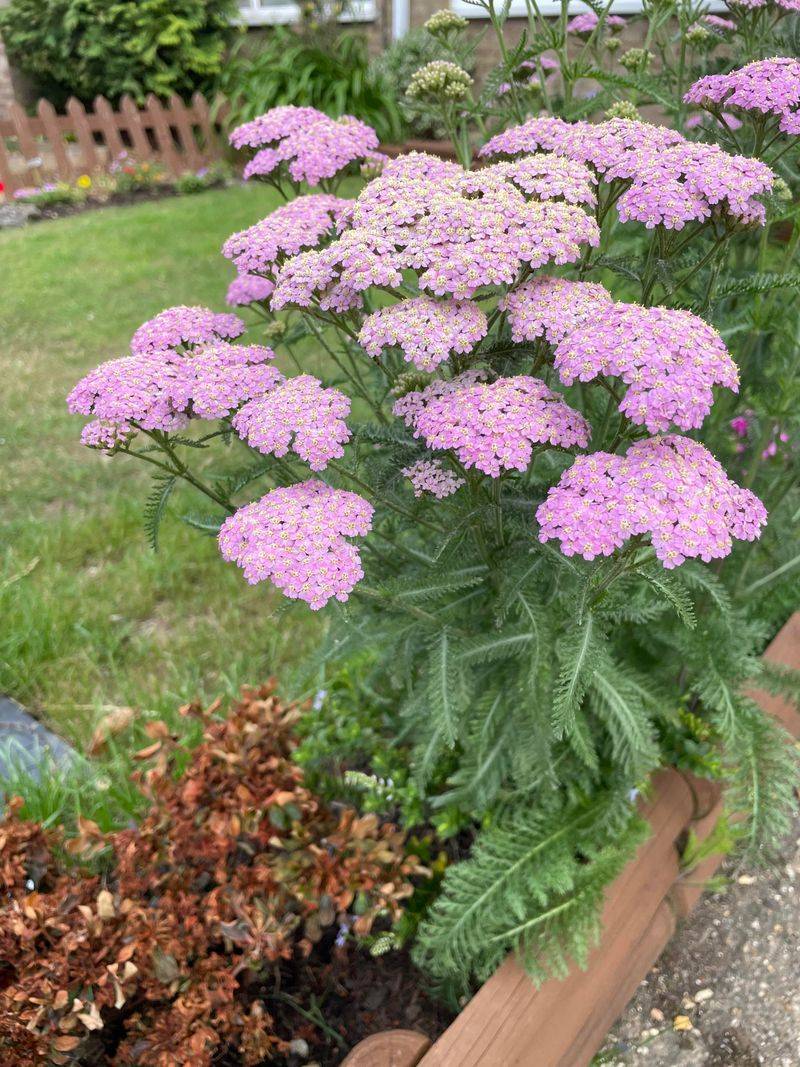
Yarrow is a bold, cheerful perennial with flat-topped flower clusters in shades of yellow, white, pink, and red.
It blooms reliably in early summer across Pennsylvania gardens and handles heat and drought without complaint.
But once those flower heads start fading and the stems begin to flop, yarrow can quickly look messy and overgrown.
Cutting spent flower heads back to the next set of lateral buds or healthy leaves encourages yarrow to produce a second flush of blooms later in summer.
It also keeps the plant from flopping open at the center, which is a common complaint among gardeners who skip this step. Flopping yarrow can smother neighboring plants and create a cluttered look in the bed.
Remove spent stalks cleanly and check for any stems that have already fallen over. Those can be cut back more aggressively to a healthy set of basal leaves near the ground.
Yarrow spreads vigorously through rhizomes, so removing spent flower heads also limits unwanted self-seeding in beds where you want to keep things controlled.
Penn State Extension recommends deadheading and light cutting of yarrow after the first bloom to maintain plant vigor and appearance.
It attracts butterflies and beneficial insects, making it a valuable addition to any pollinator garden. A clean cut now sets yarrow up for a stronger, more compact second act later in the season.
Leave Peonies To Feed Their Roots
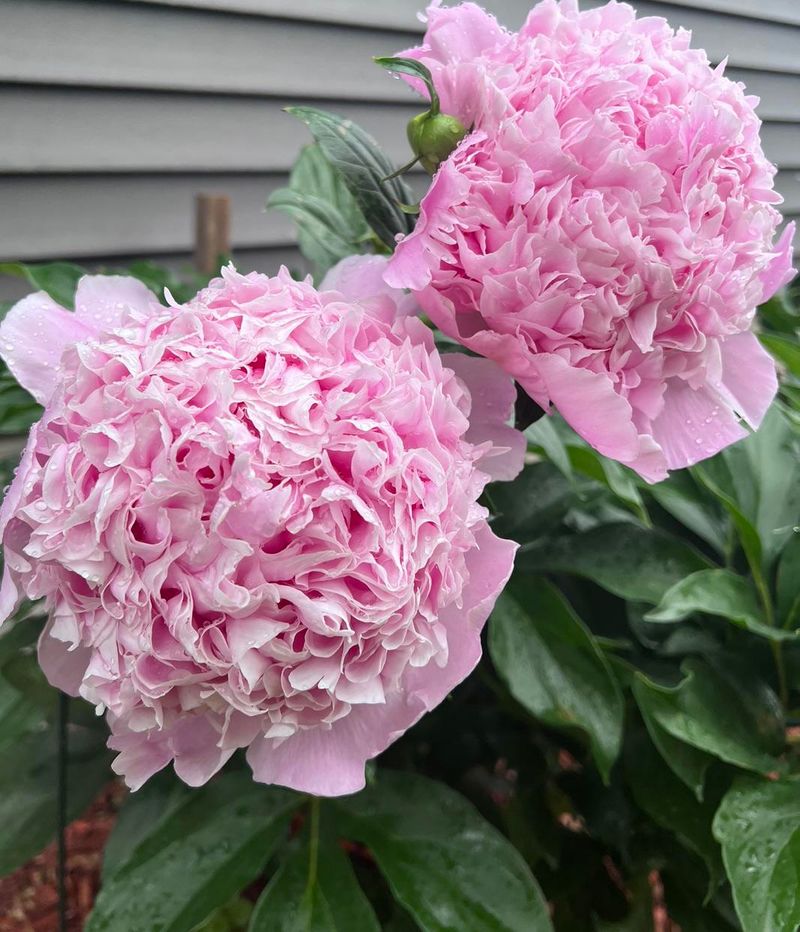
Peonies are among the most beloved perennials in Pennsylvania, famous for their enormous, fragrant blooms that arrive in late spring.
Once those gorgeous flowers fade and petals drop, it can be tempting to cut the whole plant back to tidy things up. Resist that urge completely. The foliage you see after blooming is doing critical work underground.
Peony leaves act like solar panels after the blooms are gone.
They capture sunlight and convert it into energy that travels down into the root system, building up the reserves the plant will need to produce those spectacular flowers again next year.
Cutting the foliage back too early in summer essentially starves the roots of that stored energy.
Leave peony foliage completely intact through the summer months. The leaves will naturally begin to yellow and decline as fall approaches, and that is the right time to cut them back.
Until then, let them do their job without interference.
Penn State Extension guidance strongly advises against cutting peony foliage back after bloom, noting that the leaves are essential for root energy storage.
If you want to tidy up the appearance, you can remove any individual leaves that show signs of fungal disease like botrytis, but leave healthy foliage alone.
Giving them a full growing season of uninterrupted foliage is one of the simplest things you can do for their long-term health.
Iris Leaves Should Stand Until Fall
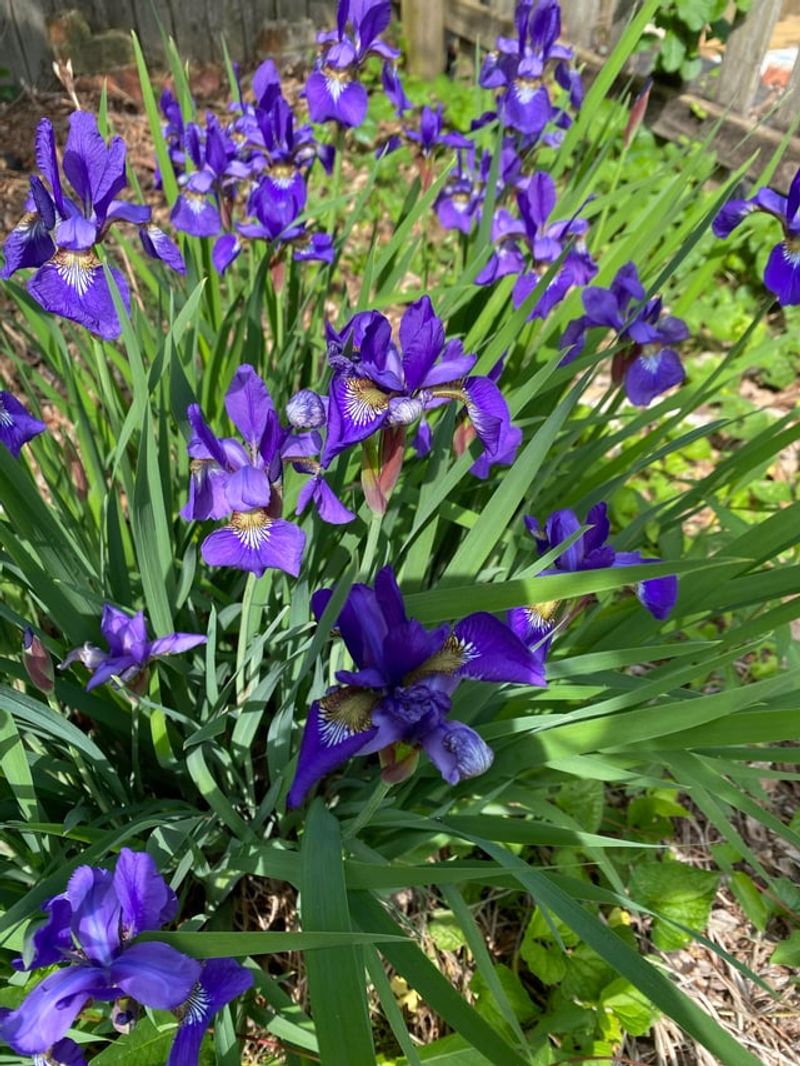
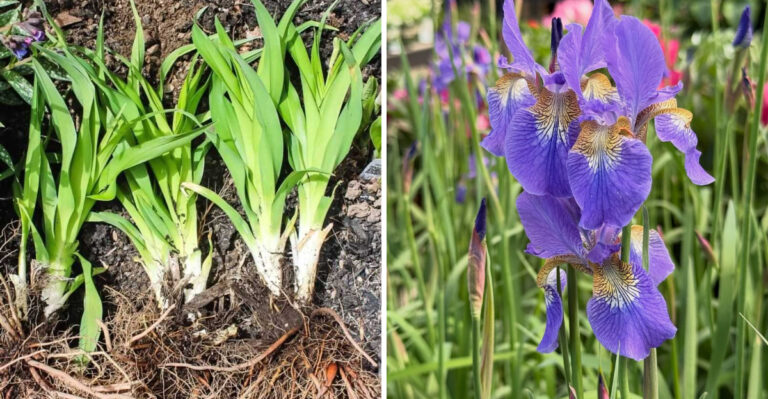
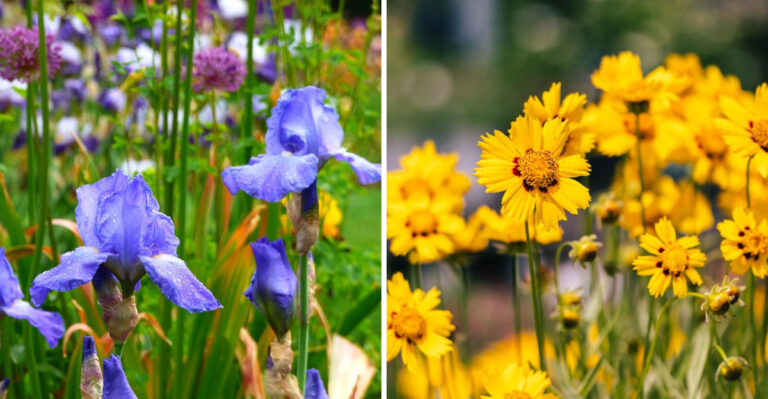
Bearded irises deliver one of the most dramatic floral displays in any Pennsylvania garden. Those ruffled, velvety blooms in shades of purple, gold, white, and burgundy are genuinely stunning.
But once the flowers are gone, many gardeners make the mistake of cutting the foliage back too aggressively, thinking the job is done for the season.
Iris leaves are actually hard at work long after the blooms have faded.
Those tall, sword-shaped leaves photosynthesize throughout the summer, channeling energy back into the rhizomes buried just below the soil surface.
Strong, healthy rhizomes are what produce the vigorous bloom stalks you will enjoy next spring. Cutting the foliage too soon interrupts that process.
You can remove spent flower stalks once blooming is finished, cutting them off cleanly at the base.
But leave the green foliage standing until it naturally begins to yellow and brown on its own, which usually happens in late summer or early fall. At that point, you can trim leaves back to a fan shape about six inches tall.
Penn State Extension advises iris gardeners to allow foliage to remain through the growing season for exactly this reason.
Healthy foliage equals healthy rhizomes, and healthy rhizomes equal better blooms next year. Irises also benefit from good air circulation, so avoid piling mulch on top of them.
Ferns Earn Their Keep Left Alone
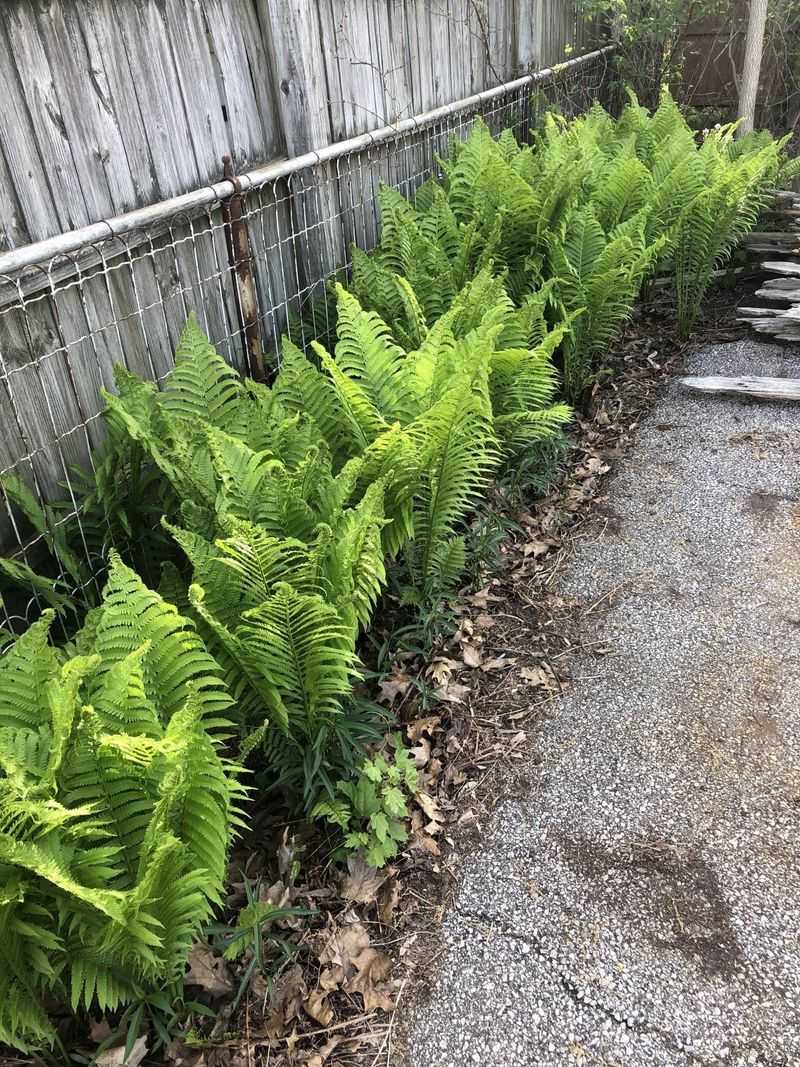
Walk into any shaded corner of a Pennsylvania garden in summer and you will likely find ferns doing what they do best: looking effortlessly beautiful without asking for a thing.
Ferns are the unsung heroes of the shade garden, providing rich green texture and structure when other plants struggle under the tree canopy.
Many gardeners instinctively want to tidy ferns up during the growing season, trimming back fronds that look slightly tattered or touched by early spring frost.
In most cases, that is unnecessary and can actually work against the plant.
Fern fronds are actively photosynthesizing throughout summer, and removing healthy green growth reduces the plant’s ability to build energy reserves. Unless a frond is completely brown and crispy, leave it alone.
Healthy green and even slightly imperfect fronds are still contributing to the plant’s overall vigor.
Ferns spread naturally through rhizomes and spores, and a full canopy of fronds helps shade out weeds at the base of the plant, which is a built-in bonus for the gardener.
Penn State Extension notes that native Pennsylvania ferns like cinnamon fern, ostrich fern, and Christmas fern thrive with minimal intervention during the growing season.
Their foliage provides valuable structure in shade gardens where flowering perennials struggle to perform, and they also help retain soil moisture and reduce erosion on sloped shaded areas.
Baptisia Rewards Patience With Pods
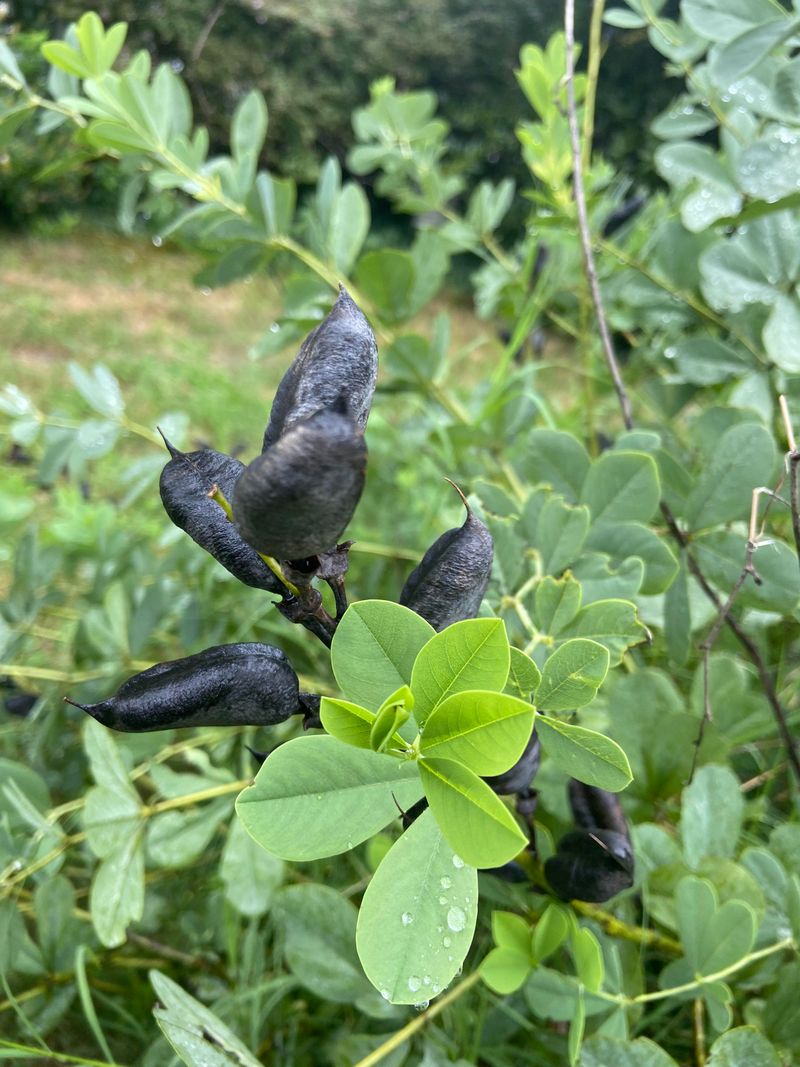
Baptisia, commonly called wild blue indigo, is one of the most structurally interesting perennials you can grow in Pennsylvania.
After its blue-purple flower spikes fade in late spring, something even more interesting takes over: large, inflated seed pods that turn charcoal gray and rattle in the breeze by late summer.
They are genuinely ornamental and worth keeping around.
Cutting baptisia back after bloom is one of the most common mistakes gardeners make with this plant.
Those developing seed pods are not just decorative. They represent the plant directing energy through its full natural cycle, which ultimately strengthens the root system.
Baptisia develops a deep, woody taproot over time, and allowing the plant to complete its seasonal cycle without interruption supports that root development.
The seed pods dry beautifully on the plant and can even be used in floral arrangements later in the season.
Birds and other wildlife are also attracted to the dried pods in fall. Cutting the plant back mid-season removes all of that ornamental and ecological value in one swipe of the shears.
Penn State Extension highlights baptisia as a long-lived native perennial that requires minimal maintenance and should not be divided or cut back unnecessarily.
It can take several years to establish fully, but once it does, it becomes a stunning, self-sufficient anchor in the garden.
Leave it alone through summer and into fall, and let those remarkable seed pods be the conversation starter your garden deserves.