6 Things A Well-Planned Florida Garden Should Be Doing That Yours Probably Isn’t
A Florida garden that just looks pretty is leaving a lot on the table. The yards that really work in this climate do more than one thing at once.
They manage water, support wildlife, suppress weeds, handle heat without constant intervention, and still manage to look like someone put real thought into them. Most Florida gardens are doing two or three of those things at best.
Not because the homeowner does not care, but because nobody ever laid out what a well-planned Florida garden is actually capable of. Florida’s climate is demanding, but it is also genuinely generous to the right plants and the right design decisions.
A yard that works with this environment instead of against it runs itself with far less effort than most people spend fighting their current setup. There are specific things a high-functioning Florida garden does consistently.
Most yards are missing at least a few of them.
1. Cooling The Soil Before Summer Heat Takes Over
By late spring, bare soil in a sunny Florida yard can reach surface temperatures that stress shallow roots and dry out the ground faster than rain or irrigation can keep up. Sandy soils common across much of this state hold very little moisture on their own.
When left exposed, they heat up quickly and lose water fast, making it harder for plants to stay healthy through summer.
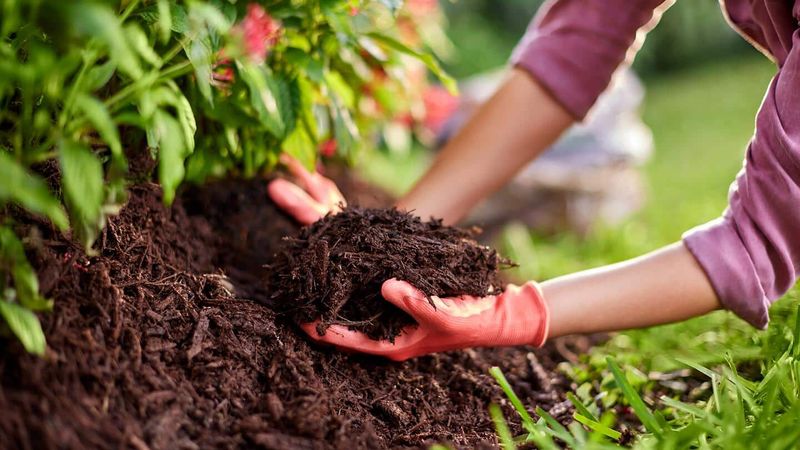
Mulch is one of the most practical tools available to home gardeners here. A two to three inch layer of organic mulch, such as wood chips, pine bark, or pine straw, shades the soil surface, slows moisture loss, and moderates temperature swings.
According to UF/IFAS, mulch can lower soil temperature noticeably and reduce how often you need to water. That matters in a state where water restrictions are common during dry periods.
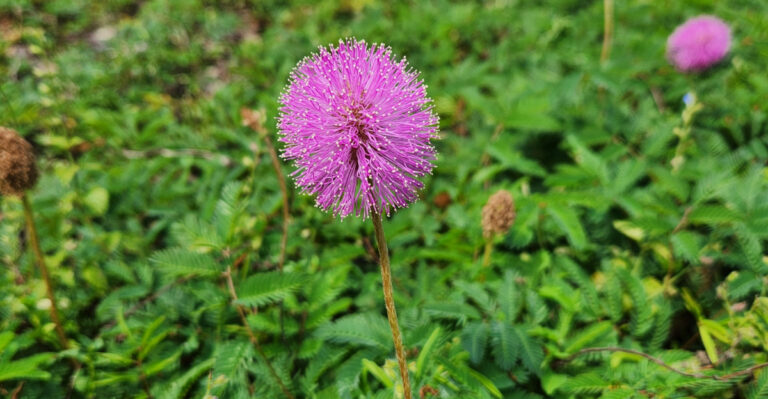
Living groundcovers add another layer of protection. Low-growing plants like sunshine mimosa, frogfruit, or Asiatic jasmine spread across the soil and shade it naturally while their roots hold it in place.
Layered planting, where taller plants provide canopy over shorter ones, also reduces direct sun exposure on the ground below.
Plant spacing plays a role too. Crowding plants too tightly causes other problems, but spacing them thoughtfully so their canopy eventually covers bare ground reduces heat and weed pressure over time.
The goal is to leave as little exposed soil as possible without creating a tangled mess.
One important caution from UF/IFAS: never pile mulch against plant trunks, stems, or crowns. That traps moisture against the base of the plant and can lead to rot and pest problems.
Keep mulch a few inches away from the base of every plant for healthy results.
2. Feeding Pollinators Across More Than One Season
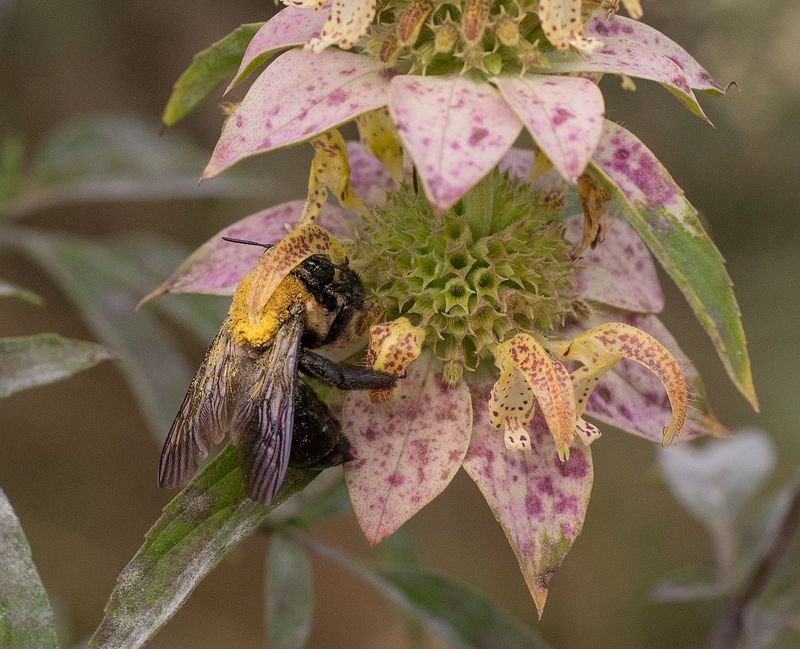
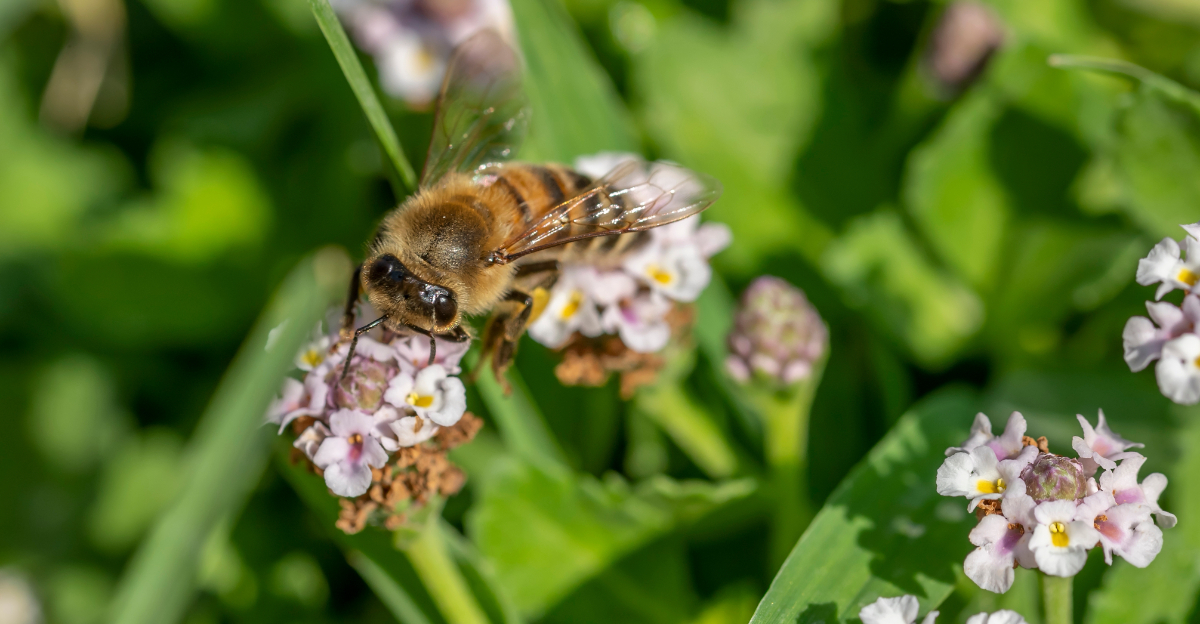
Walk through a yard that only has one or two flowering plants, and you will notice something missing: pollinators. A single showy plant that blooms for a few weeks each year is not enough to support bees, butterflies, and other beneficial insects through the full growing season.
Your Florida Garden Changes Every Week. Your Plan Should Too.
Gardening in Florida changes quickly throughout the season. Every Friday you’ll receive a simple weekly plan showing exactly what to plant, prune, fertilize, harvest, and protect so you never miss the right timing.
Pollinators need consistent food sources, and this state’s year-round warmth means they are active far longer here than in cooler climates.
The Florida Wildflower Foundation and UF/IFAS both recommend mixing native plants that bloom at different times of year. Spring bloomers like blue-eyed grass and wild blue indigo give early-season pollinators a head start.
Summer plants like tropical sage, coreopsis, and native sunflowers carry the season forward. Fall and winter options like goldenrod, saltbush, and beauty berry keep the supply going when other plants slow down.
Native plants are especially valuable because they have co-evolved with local pollinators. Many native bees depend on specific plants for pollen or as host plants for their larvae.
Milkweed, for example, is the only plant monarch butterfly caterpillars can use. Removing it from the yard removes that support entirely.
Nectar plants attract adult pollinators, but host plants complete the picture. A garden that includes both gives pollinators a reason to stay, reproduce, and return season after season.
That builds a more stable and active pollinator presence than any single showpiece plant can provide.
Pesticide use is worth reconsidering too. Even products labeled as safe can harm beneficial insects when applied during bloom time or in the wrong conditions.
UF/IFAS Extension recommends using targeted treatments only when needed and avoiding spraying open flowers. A pollinator-supportive yard is not pesticide-free by default, but it is pesticide-thoughtful by design.
3. Catching Rain Before It Runs Off The Yard
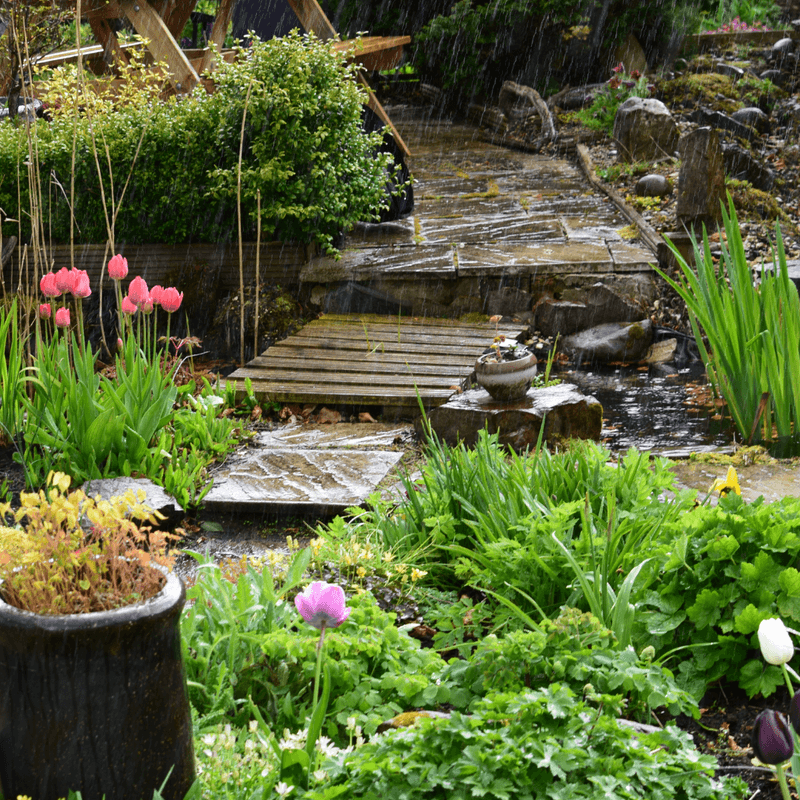
Picture a summer afternoon storm dropping two inches of rain in under an hour. On a yard with compacted soil, a concrete driveway, and little plant cover, most of that water rushes off the property within minutes.
It carries soil, fertilizer, and debris with it, often ending up in storm drains or nearby water bodies. That kind of runoff is a common problem across urban and suburban yards in this state.
Rain gardens are one practical response. A rain garden is a shallow, planted depression that captures runoff from roofs, driveways, or bare slopes and holds it long enough for the soil to absorb it.
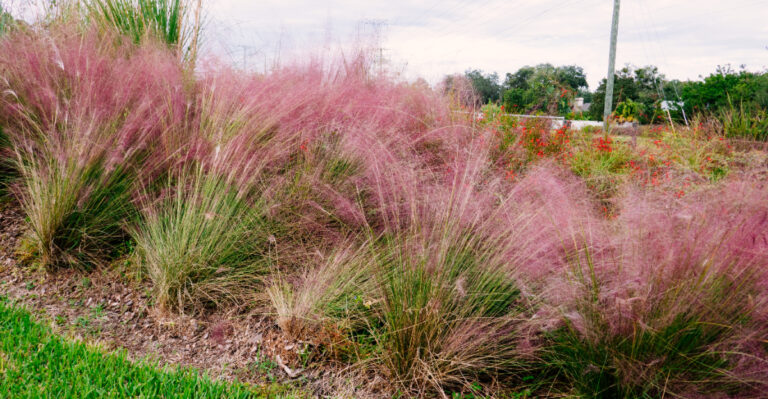
UF/IFAS notes that rain gardens work best when planted with deep-rooted native plants that can handle both wet and dry conditions. Blue flag iris, swamp milkweed, and muhly grass are examples that perform well in these spots.
Swales, which are gently sloped channels designed to slow and direct water across a yard rather than letting it rush off, serve a similar purpose on larger properties.
Even small adjustments, like redirecting a downspout toward a planted bed instead of a paved surface, can reduce the volume of water leaving the yard quickly.
Mulched beds absorb more water than bare soil or turf. Organic mulch acts like a sponge, slowing the movement of water across the surface and giving it more time to soak in.
Permeable surfaces like gravel paths or stepping stones also allow water to move down rather than across.
No rain garden or swale can handle every storm, and that is a reasonable expectation to set. The goal is to reduce pressure on drainage systems and keep more water on site where plants can use it, not to solve every drainage challenge a yard might face.
4. Creating Shade Without Crowding The House
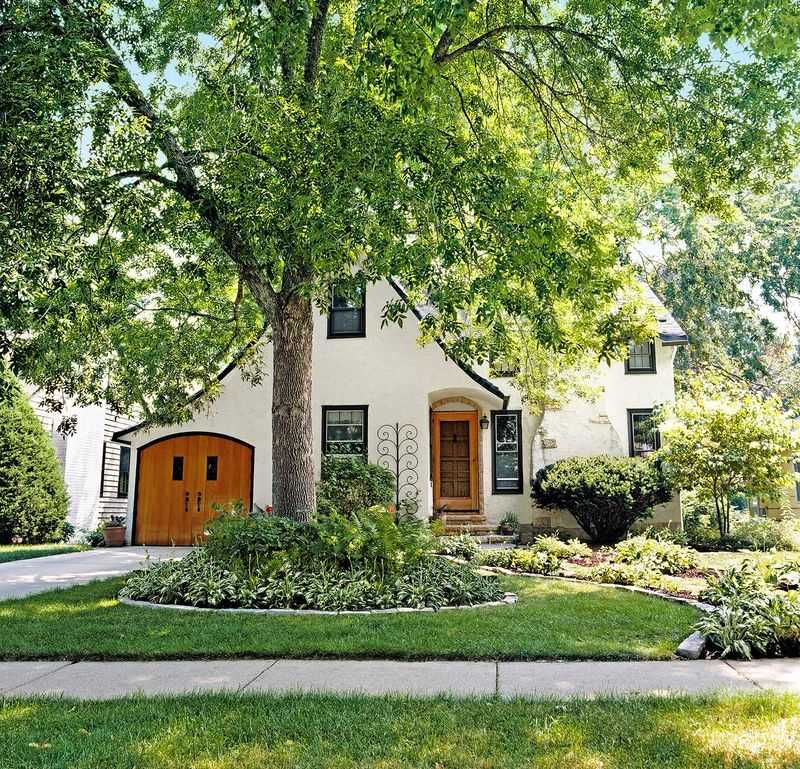
Shade is one of the most underused tools in a warm-climate yard. A well-placed tree can cool an outdoor space noticeably, protect heat-sensitive plants from afternoon sun, and reduce the temperature near windows and walls.
In a state where summer afternoons regularly push past 90 degrees, that kind of natural cooling has real value for both people and plants.
The mistake many homeowners make is planting without thinking about how large a tree will eventually grow. A small tree purchased at a nursery can become a 40-foot canopy within a decade or two.
When planted too close to a house, that growth can push against rooflines, damage gutters, lift foundations, block airflow around the structure, or interfere with power lines and air-conditioning units.
UF/IFAS recommends researching a tree’s mature height and canopy spread before planting and spacing it accordingly. Large trees should generally be placed far enough from the house that their mature canopy does not overhang the roof.
Smaller ornamental trees can go closer, but they still need room to grow without pressing against walls or blocking ventilation.
Good airflow around a home matters more in this state’s humid climate than in drier regions. Dense plantings pressed against the house can trap moisture, reduce air circulation, and create conditions that invite mold, rot, and pests.
Keeping a clear zone of at least a few feet between large shrubs or trees and the home’s exterior is a practical standard worth following.
Native shade trees like live oak, Southern magnolia, and East Palatka holly offer long-term value when placed thoughtfully. They provide canopy, support wildlife, and hold up well against wind.
Choosing the right tree for the right spot is what separates a smart shade plan from a future maintenance problem.
5. Covering Bare Ground Before Weeds Move In
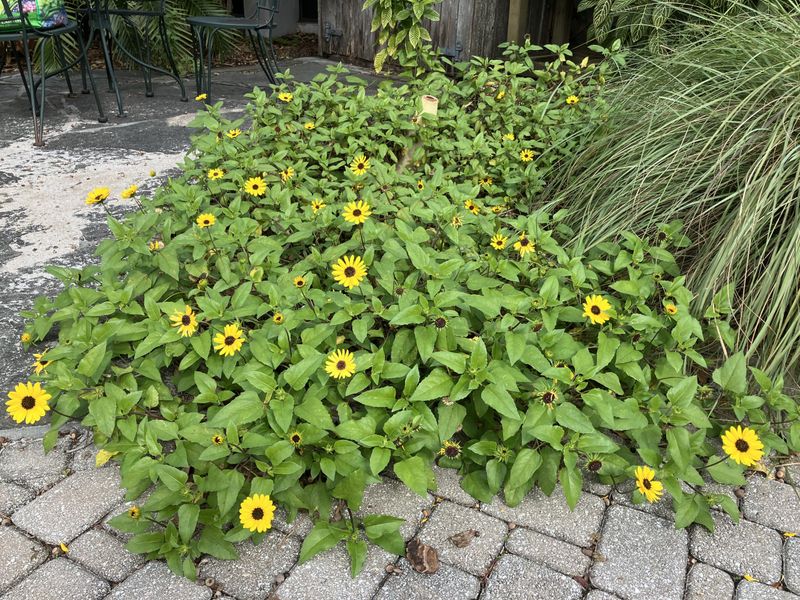
Empty ground in a warm, humid climate is an open invitation. Weed seeds blow in, wash in, and sprout fast in bare soil that gets plenty of sun and seasonal rain.
Once weeds establish, they compete with garden plants for water and nutrients, and some spread aggressively enough to take over a bed within a single growing season. Covering the ground before that happens is far easier than clearing it out afterward.
Native groundcovers are one of the most effective long-term solutions. Plants like sunshine mimosa, frogfruit, Walter’s viburnum as a low hedge, and Florida native sedges spread naturally to fill gaps, shade the soil, and crowd out weeds without needing much intervention once established.
UF/IFAS and Florida-Friendly Landscaping guidelines both recommend using low-growing plants to reduce bare soil in landscape beds.
Mulch fills in where plants have not yet spread. A consistent two to three inch layer of organic mulch blocks light from reaching weed seeds and slows germination.
Refreshing mulch once or twice a year keeps that barrier effective as it breaks down and improves soil health over time.
Layered beds, where taller plants anchor the back and shorter ones fill the front and middle, leave little open ground for weeds to claim. The goal is a managed, intentional planting that covers the soil without becoming a tangled overgrowth.
Coverage with control is the right standard.
Bare soil also contributes to erosion and heat buildup, especially on slopes or in areas exposed to heavy rain. Groundcovers and mulch work together to hold soil in place and keep surface temperatures lower.
A yard with well-covered ground simply requires less reactive maintenance than one left open between plants.
6. Supporting Wildlife Without Inviting Pest Problems
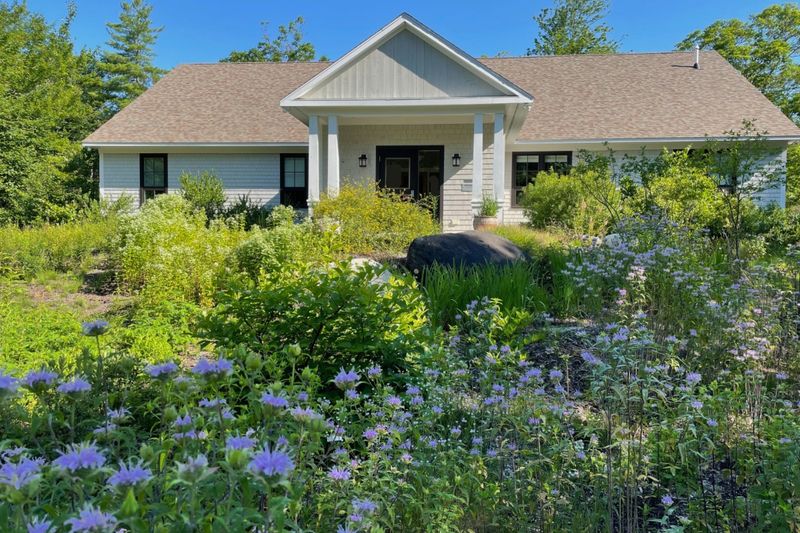
A backyard that attracts birds, butterflies, bees, and lizards is genuinely rewarding to spend time in. Native plantings, water sources, and layered habitat can turn a plain yard into a lively space that supports local biodiversity.
But an unmanaged wildlife garden can also attract rodents, raccoons, mosquitoes, and other pests if certain habits are not kept in check.
Fallen fruit is one of the most common problems. Citrus, avocado, and other fruit trees drop fruit that rots on the ground and draws rats, opossums, and insects quickly.
Collecting fallen fruit regularly, especially during the rainy season when it accumulates fast, reduces that attraction significantly. UF/IFAS Extension guidance on urban wildlife consistently lists food sources as a primary reason pests move into residential yards.
Compost bins need covers and regular turning to stay managed. An open or neglected pile becomes a food source and nesting spot for pests.
Outdoor pet food left on a porch or patio overnight is another easy attractant that is simple to remove from the equation.
Dense plantings pressed against the house or piled up near doors and windows give pests a sheltered path indoors. Trimming shrubs and groundcovers back from the home’s exterior, keeping a clear zone around entry points, and removing clutter like stacked pots or debris near the foundation all reduce that risk.
Wildlife habitat works best when it is positioned thoughtfully. Brush piles, dense native shrubs, and water features are more effective and less problematic when placed away from the house, toward the back or edges of the yard.
That way, birds, lizards, and beneficial insects have what they need without setting up residence right next to the door. Balance is what makes a wildlife-friendly yard sustainable long term.