7 Deer Protection Tricks Georgia Gardeners Should Try Before Plants Disappear
Walking outside on a Georgia morning to find your tomato plants stripped bare or your hostas chewed to the ground is one of the more deflating experiences a gardener can have.
Deer are bold, hungry, and surprisingly clever, and Georgia’s mild climate means they are active and hungry almost year-round, with very little seasonal pause to give your plants a break.
A single deer can wipe out weeks of hard garden work in one quiet night, often without leaving much warning beforehand.
The good news is that you do not have to surrender your garden to the local wildlife.
There are smart, practical tricks that real gardeners across Georgia have used to protect their plants, and most of them are easier and cheaper than you might expect.
The key is to act early, layer your defenses, and stay one step ahead of deer before they turn your garden beds into their personal buffet.
Seven proven protection strategies can help you keep more of what you grow, and several of them work even better when combined.
Whether you are growing vegetables, nurturing young fruit trees, or trying to keep your flower beds looking beautiful through the season, these tricks give you a fighting chance against some of Georgia’s most persistent garden visitors.
1. Fence Vegetable Beds First
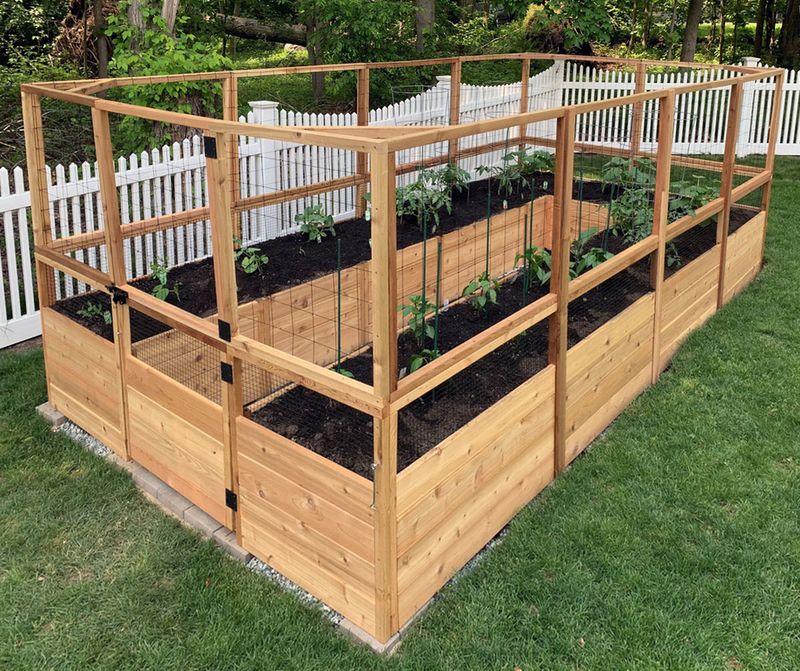
Walk through almost any Georgia neighborhood where people grow vegetables, and you will notice something pretty quickly: the gardens that survive deer pressure usually have some kind of fence around them.
Fencing is the single most reliable physical barrier you can put between a hungry deer and your food crops. It does not rely on smell, timing, or deer behavior. It just works.
Deer can jump surprisingly high, so height matters.
The University of Georgia Extension recommends fences of at least 8 feet tall for reliable protection against whitetail deer.
A shorter fence might slow them down, but a determined deer will clear a 6-foot fence without much effort, especially if your tomatoes are on the other side.
Electric fencing is another option, and some gardeners bait it lightly with peanut butter to train deer to avoid it.
Slanted or double-fence designs can also be effective. Deer are reluctant to jump into a space that looks narrow or uncertain, so two shorter fences placed a few feet apart can outsmart even the boldest browsers.
Hardware cloth or welded wire work well for smaller beds and are fairly budget-friendly.
Start fencing your vegetable beds before planting season begins. Once deer discover a reliable food source in your yard, they will return night after night.
Getting your fence in place early prevents that habit from forming in the first place, saving you a lot of headaches later in the season.
2. Protect Young Trees With Cages
Young trees are among the most vulnerable plants in any Georgia garden.
Their bark is tender, their trunks are thin, and their lower branches sit right at deer nose level. Bucks also rub their antlers against young tree trunks during the fall rut, which can cause serious damage that affects the tree for years.
Your Georgia Garden Changes Every Week. Your Plan Should Too.
Gardening in Georgia changes quickly throughout the season. Every Friday you’ll receive a simple weekly plan showing exactly what to plant, prune, fertilize, harvest, and protect so you never miss the right timing.
A tree that looks fine on the outside might have stripped bark underneath that cuts off the flow of nutrients.
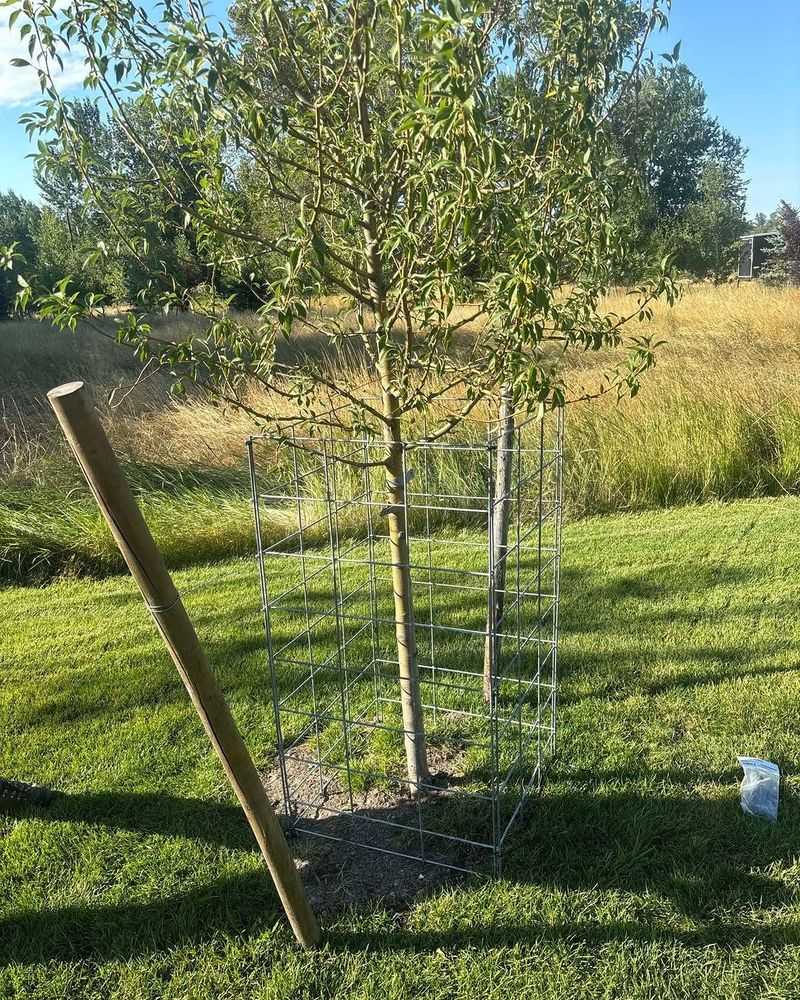
Wire cages are one of the most effective and affordable solutions for protecting new plantings. Use hardware cloth or welded wire fencing formed into a cylinder around the trunk and lower branches.
Make sure the cage is at least 5 to 6 feet tall, since deer can reach higher than most people expect. The cage should stand a few inches away from the trunk so deer cannot press through and nibble the bark directly.
Plastic tree guards and spiral wraps offer some protection for trunks, but they are less effective against heavy browsing pressure.
For a young fruit tree or ornamental tree that you have invested real money in, a proper wire cage is worth the extra effort. Check the cage regularly to make sure it has not shifted or been pushed over.
Remove or expand cages as trees grow so the structure does not restrict the trunk.
A tree that outgrows its cage without adjustment can end up with bark damage from the wire itself, which defeats the whole purpose of putting it there in the first place.
3. Use Repellents Before Browsing Starts
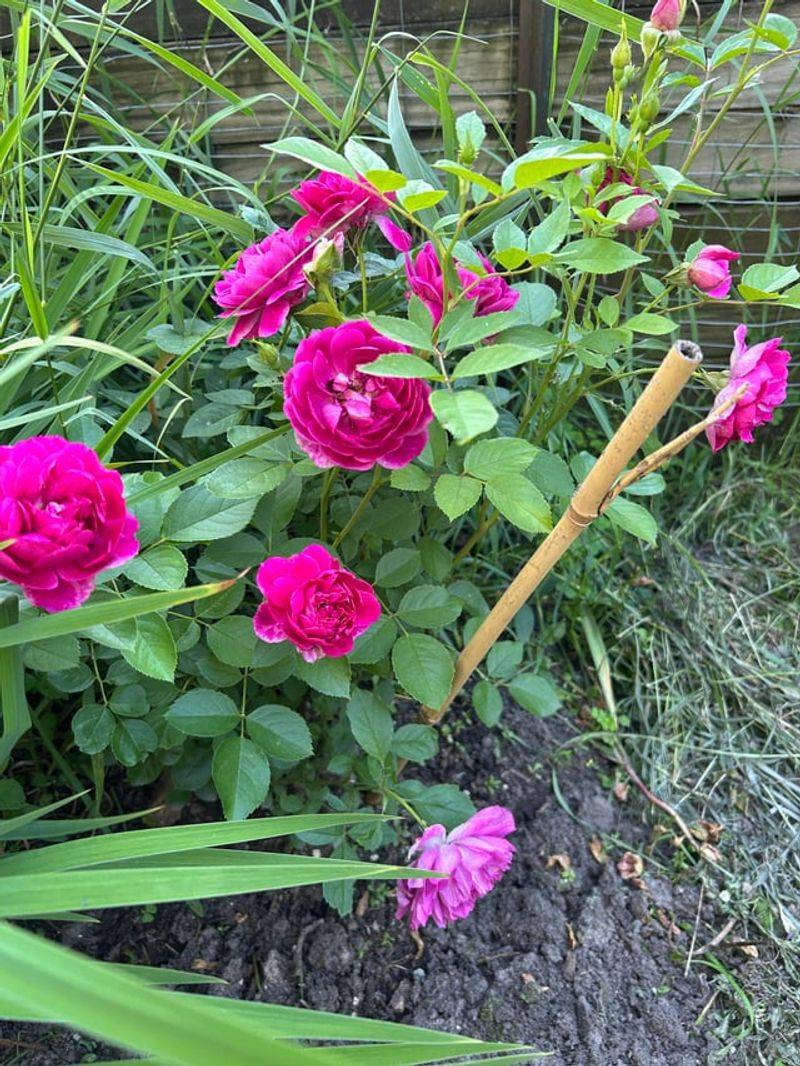
Repellents are most powerful when you use them before deer ever take a single bite.
Once a deer discovers that your garden smells like dinner, breaking that habit is much harder. Starting early, before browsing begins, gives repellents the best possible chance of working.
Think of it less like a cure and more like a prevention strategy.
Scent-based repellents are the most common type available to home gardeners. They work by making plants smell or taste unappealing to deer.
Products containing putrescent egg solids, garlic, or capsaicin have shown consistent results in University of Georgia Extension trials.
Spray directly on foliage and around the perimeter of your beds, following the product label closely for coverage rates and safety around edible crops.
Timing your first application matters.
Apply repellent in early spring when new growth begins, and again anytime you notice fresh deer tracks or nibbled edges nearby.
Waiting until you see real damage means deer have already found your plants worth visiting, and reversing that pattern takes more work.
Homemade repellents like soap bars hung near beds or human hair scattered around plants have mixed results.
They may offer some deterrent effect, but commercial products tend to be more consistent, especially during periods of high deer pressure. No repellent is foolproof, but starting early stacks the odds in your favor.
4. Reapply Sprays After Rain
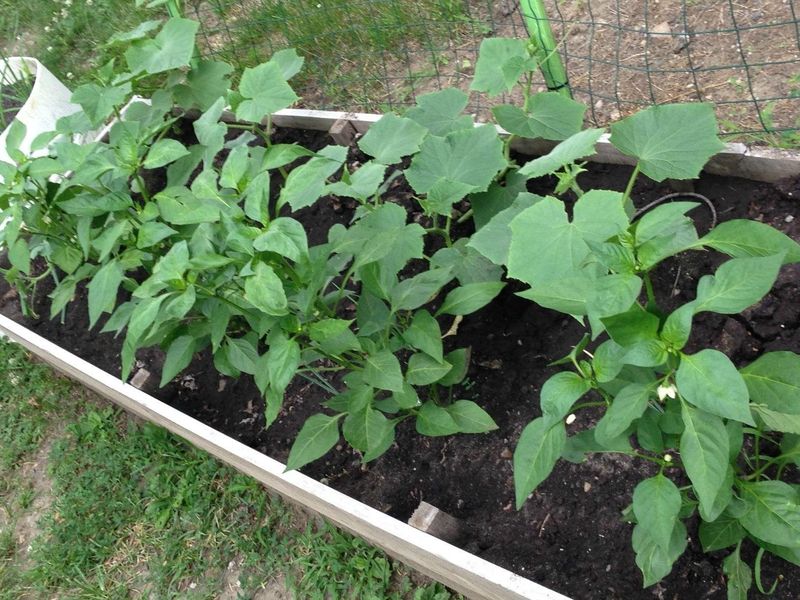
Rain is the enemy of repellent coverage.
A heavy Georgia thunderstorm can wash away even a freshly applied coat of deer spray in a matter of hours, leaving your plants completely unprotected just when you think they are covered.
Many gardeners apply repellent once and assume it will last, but that is one of the most common mistakes in deer management.
Always read the product label before applying any repellent.
Most commercial deer sprays list a reapplication schedule based on weather conditions. Some products are rain-resistant after they dry, but they still need to be reapplied every 7 to 14 days under normal conditions and more frequently after heavy rainfall.
Georgia summers bring frequent afternoon storms, which means your reapplication schedule may need to be more aggressive than the label suggests.
Keep a simple garden log or set a reminder on your phone to track when you last sprayed and when rain has fallen.
This small habit makes a big difference in keeping your repellent barrier consistent. Gaps in coverage are exactly the openings deer are looking for, even if they are not doing it intentionally.
Concentrate reapplication efforts on the most vulnerable plants first, especially anything that deer have shown interest in before.
New growth is particularly attractive to deer and tends to emerge quickly after rain, making fresh application after wet weather doubly important.
5. Move Favorite Plants Away From Edges
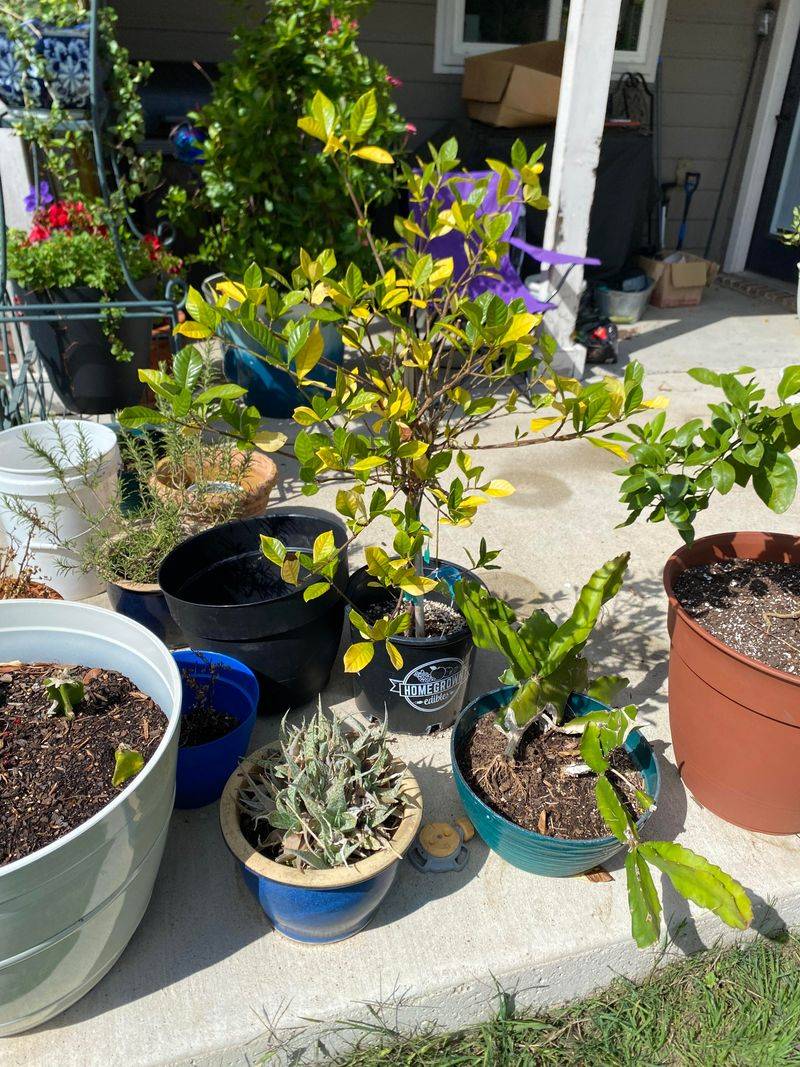
Deer are creatures of habit, and they tend to follow the same paths night after night.
In most suburban and rural Georgia neighborhoods, those paths run along fence lines, woodland edges, and the borders between yards.
Any plant you place right along those travel routes is practically an invitation to browse. Moving your most prized and most palatable plants away from those edges is a simple strategy that does not cost a single dollar.
Think about where deer enter your yard.
Look for tracks, droppings, or flattened grass along the perimeter. Those entry points tell you exactly which areas carry the highest risk.
Beds placed within 10 to 15 feet of those zones are in the danger zone, especially at night when deer feel most comfortable moving through open spaces.
Relocating vulnerable plants like hostas, daylilies, and roses toward the center of your yard or closer to your house puts natural distance between them and the main deer travel corridors.
Deer prefer to stay near cover when possible, so the closer a plant is to your home, the less likely they are to risk approaching it.
You do not have to redesign your entire garden to make this work.
Even shifting a few pots or replanting one or two beds can reduce browsing pressure noticeably. Pair this trick with repellents or motion devices for even stronger results.
6. Plant Less Preferred Borders First
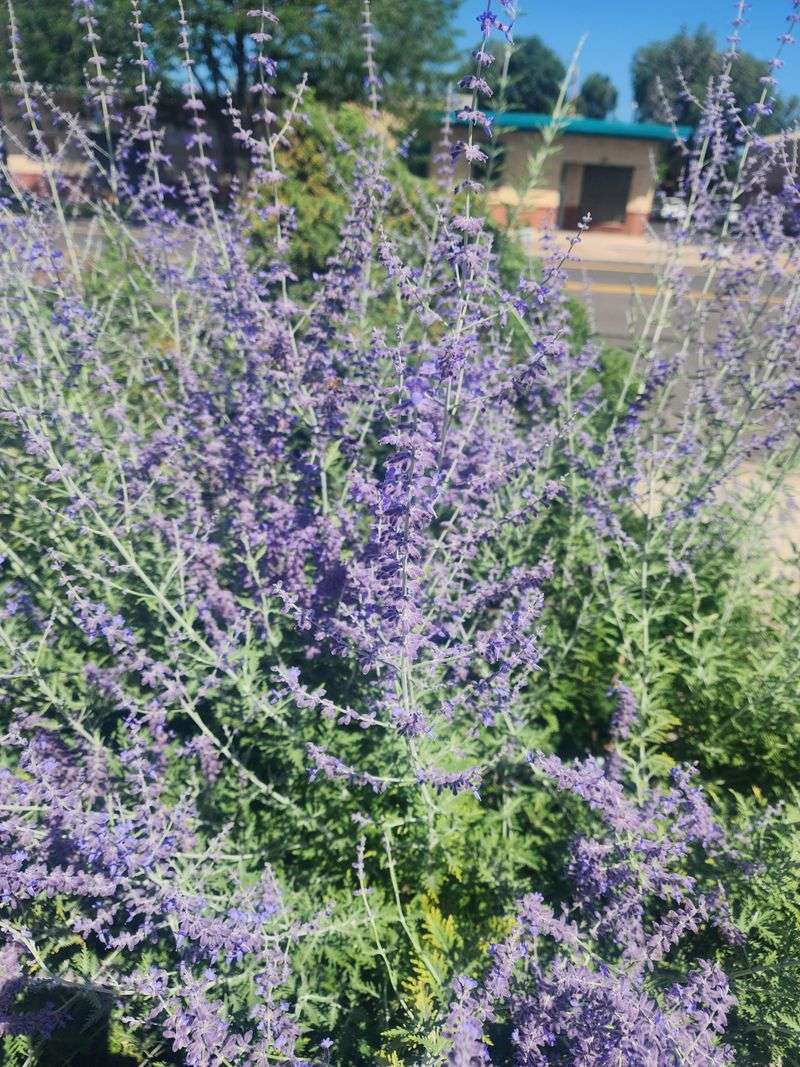
Deer do not eat everything equally. They have preferences, and savvy gardeners can use those preferences against them.
Planting a border of less appealing species around the outside of your garden creates a natural buffer zone that makes deer think twice before pushing deeper into your beds. It is a strategy that works with deer behavior rather than against it.
Plants with strong scents tend to be lower on the deer menu.
Lavender, rosemary, Russian sage, and catmint all have aromatic oils that deer generally find unpleasant. Ornamental grasses are another good border choice, since deer tend to avoid them unless food options are extremely limited.
Thorny plants like barberries or hollies can also serve as effective outer layers that slow deer down physically.
The University of Georgia Extension publishes lists of plants that are less preferred by deer in the Southeast, and those lists are a great starting point when planning a protective border.
Keep in mind that no plant is completely deer-proof. During drought, hard winters, or times when deer populations are high, even strongly scented plants can get browsed.
Mixing several less preferred species together in your border tends to work better than planting just one.
Variety makes the outer layer less predictable for deer and harder to push through, and over time, a well-planned border can train deer to route around your garden entirely.
7. Add Motion Devices Before Habits Form
Surprise is one of your best tools in the garden defense toolkit.
Motion-activated devices startle deer before they settle into a comfortable browsing routine, and the earlier you deploy them, the better your chances of keeping deer from claiming your garden as a regular stop.
Once deer get comfortable in a space, it takes much more effort to push them out.
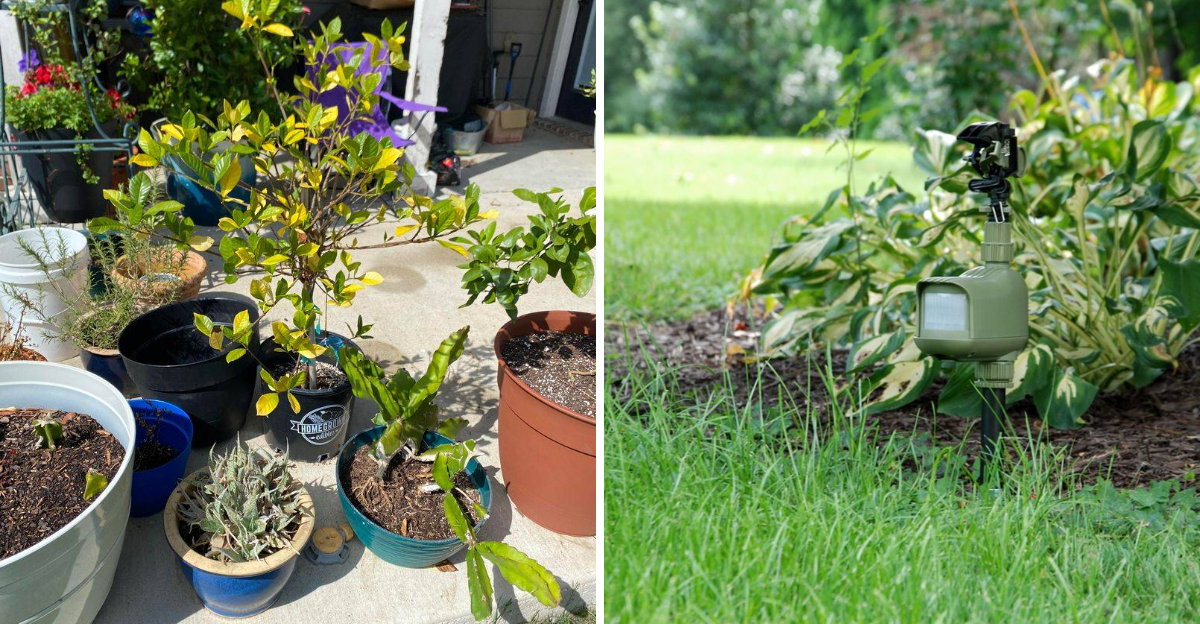
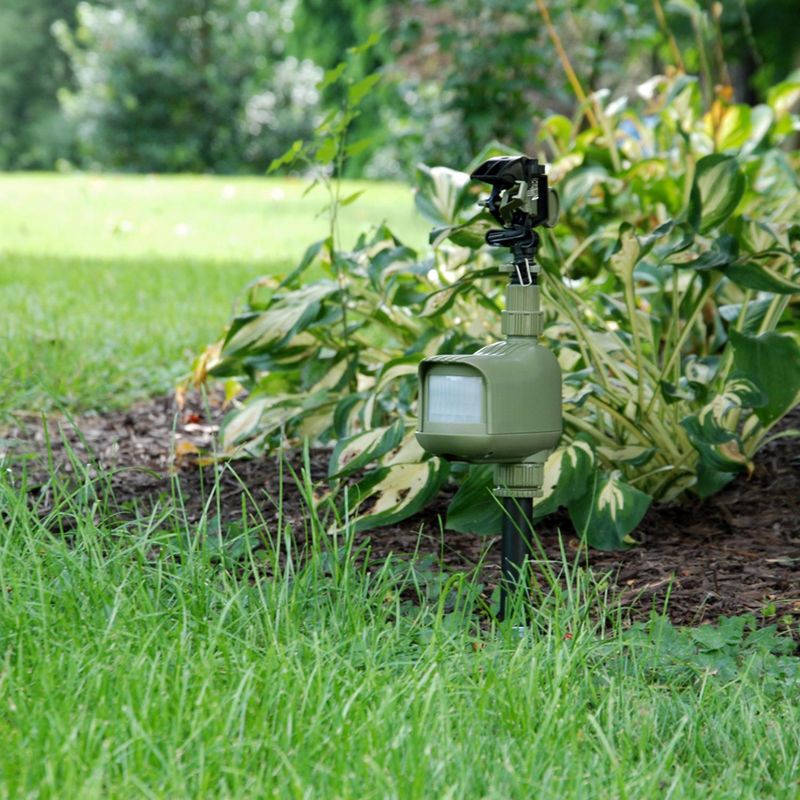
Motion-activated sprinklers are among the most popular and effective options for Georgia gardeners. They detect movement and blast a short burst of water, which startles deer without harming them.
Brands like Orbit Yard Enforcer have solid reviews from home gardeners and work on other garden pests too, which is a nice bonus. Position them near entry points and vulnerable beds for maximum coverage.
Lights with motion sensors can also help, especially along woodland edges where deer feel sheltered by darkness.
Solar-powered options are easy to install and cost nothing to run after the initial purchase. Noise devices, including wind chimes or battery-powered alarms, add another layer of unpredictability that deer find uncomfortable.
The important thing with any motion device is to change its position regularly.
Deer are adaptable animals, and they can learn to work around a stationary deterrent after a few weeks.
Moving sprinklers or lights to different spots every week or two keeps deer guessing, and combining motion devices with repellents and physical barriers creates a layered defense that is far more effective than relying on any single trick alone.