Can Your California Neighbor Force You To Trim A Tree On Your Own Property
A tree on your side of the fence can still become a neighbor issue when branches cross the line. California homeowners often wonder where their rights end and a neighbor’s complaints begin.
The answer depends on more than simple annoyance. Overhanging limbs, blocked access, property damage, safety concerns, and local rules can all change the situation.
A neighbor may be allowed to trim growth that reaches onto their side, but forcing you to cut your own tree is a different question. Protected trees or city permit rules can add another layer too.
Before anyone grabs a saw or sends a demand, it helps to understand the basics. Tree disputes can get tense quickly, but knowing what California law usually allows can keep a trimming request from turning into a bigger fight.
1. Your Neighbor Usually Cannot Force You To Trim A Healthy Tree
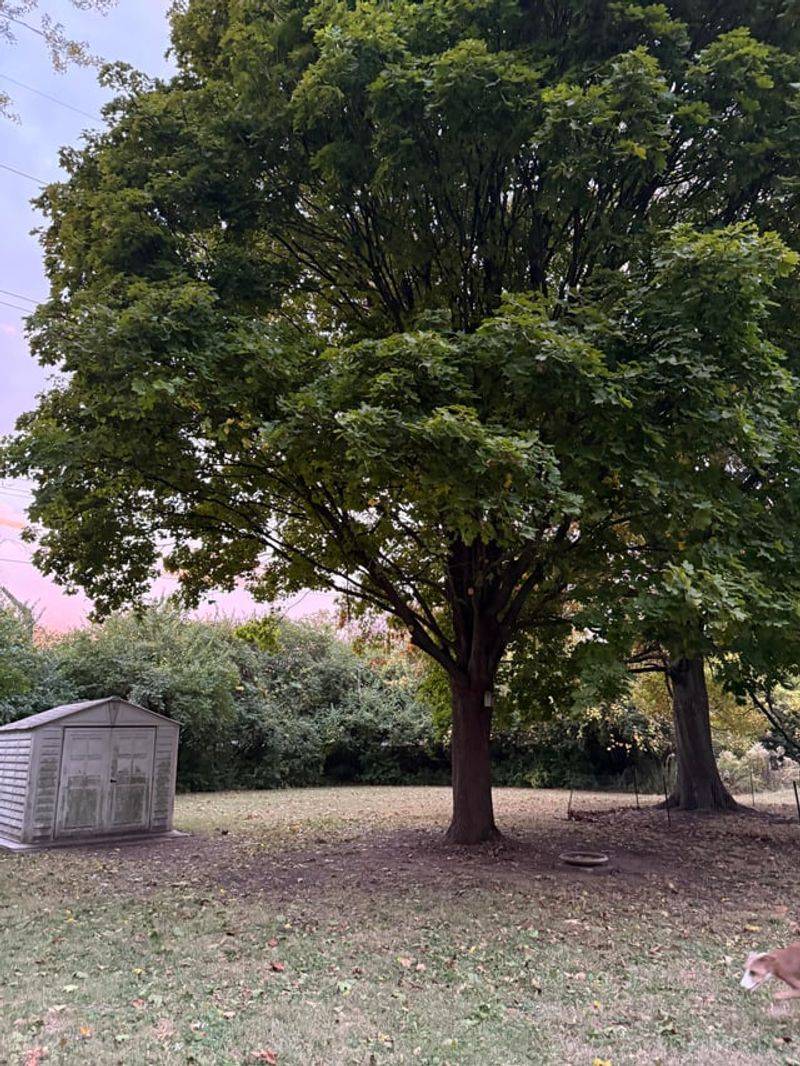
Most homeowners are surprised to learn just how much control they actually have over trees on their own land. In California, a tree that sits entirely within your property boundaries belongs to you.
Your neighbor has no legal authority to demand that you cut it, shape it, or remove it simply because they do not like how it looks.
California law generally respects private property rights when it comes to trees. As long as your tree is healthy and not posing a direct threat to anyone, you are not legally required to trim it just because a neighbor asks.
Their personal preferences, such as not liking the shade or the falling leaves, are not valid legal reasons for you to take action.
That said, being a good neighbor still matters. If your tree is causing minor issues for the person next door, a friendly conversation can go a long way.
Sometimes a simple agreement works better than any legal rule. But remember, a polite request from a neighbor is very different from a legal obligation.
You are in charge of your tree, and no one can force you to trim a healthy one without a valid legal reason backing them up. Keeping that boundary clear protects both your property and your peace of mind.
2. Overhanging Branches Are A Different Issue
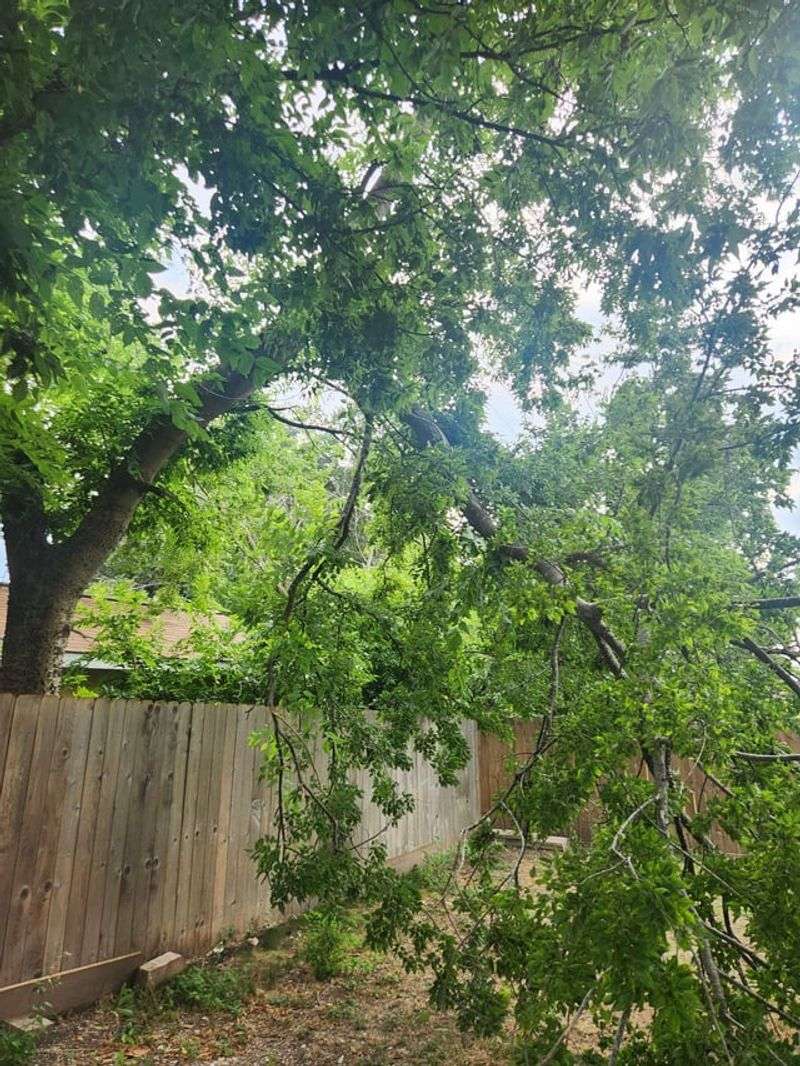
Here is where things start to shift a little. Even if your tree is rooted firmly on your side of the property line, branches that grow over into your neighbor’s yard are a different matter entirely.
Under our state’s laws, your neighbor does have the right to deal with those overhanging branches themselves.
The law in California allows a neighbor to trim any branches that cross over the property line, but only up to that boundary. They do not need your permission to do this, and they do not have to ask you first.
However, they are expected to do the trimming in a reasonable and careful way. They cannot simply hack away at your tree with no regard for its health or structure.
What this means for you as a tree owner is that you should stay aware of how your tree is growing.
Your California Garden Changes Every Week. Your Plan Should Too.
Gardening in California changes quickly throughout the season. Every Friday you’ll receive a simple weekly plan showing exactly what to plant, prune, fertilize, harvest, and protect so you never miss the right timing.
If branches are creeping into your neighbor’s space, it is a good idea to trim them yourself before the situation becomes a problem.
Proactive trimming keeps your tree looking its best and avoids any disputes about how the job gets done.
A well-maintained tree is less likely to cause friction with the people living next door, and it keeps your property looking clean and well cared for all year long.
3. Your Neighbor May Trim Only To The Property Line
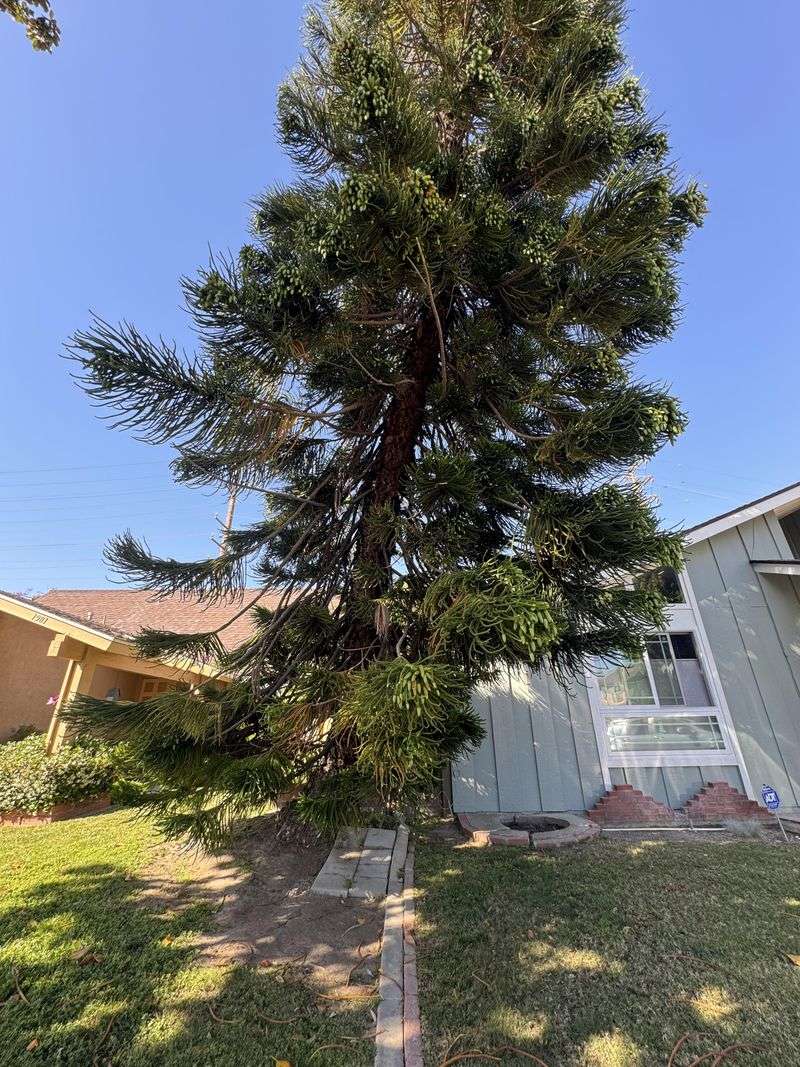
One of the most misunderstood parts of neighbor tree law is how far trimming rights actually go.
Your neighbor is allowed to trim branches and roots that cross onto their property, but that right stops exactly at the property line.
They cannot come onto your land to do it, and they cannot trim branches that are still on your side of the fence.
Many people assume that if a branch is causing them trouble, they can cut it back as far as they want. That is not how the law works here.
Trimming beyond the property line without your permission could actually be considered trespassing or even destruction of property.
If they cause serious damage to your tree by over-cutting, you may have legal options available to you.
It helps to think of the property line as an invisible wall. Your neighbor’s trimming rights exist only on their side of that wall.
Anything on your side is yours to manage. If you are worried about how your neighbor might handle trimming on their end, consider doing it yourself first.
That way, you stay in control of how your tree is shaped and cared for. A quick trim along the fence line once or twice a year is usually enough to keep things clean and prevent any unwanted disputes from starting up in the first place.
4. They Cannot Enter Your Yard Without Permission
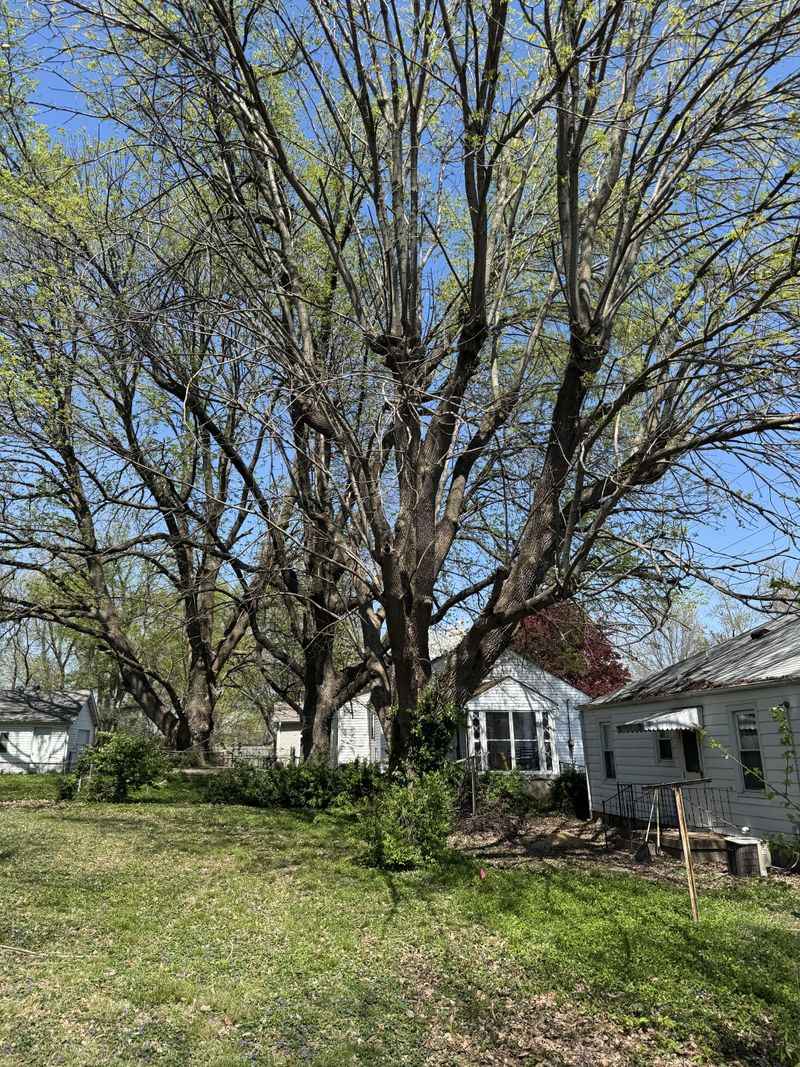
No matter how frustrated your neighbor gets about your tree, they do not have the right to walk onto your property without your permission. Entering someone else’s yard without consent is trespassing, plain and simple.
Even if the reason is tree-related, that rule still applies firmly under law.
Some neighbors might feel bold enough to hop the fence and start trimming on their own. That move could get them into serious legal trouble.
If your neighbor enters your yard without permission and damages your tree in the process, you could potentially take legal action against them.
Trespassing is a civil matter, and property damage adds another layer of potential liability for the person who crossed the line.
The best approach if you suspect your neighbor might try something like this is to have a clear, calm conversation first. Let them know your boundaries politely but firmly.
If the situation feels tense, putting your boundaries in writing, such as a short letter or email, creates a record of your communication.
You can also contact your local city or county office if you believe someone is about to trespass.
Knowing your rights ahead of time gives you confidence. You are not being difficult by protecting your property.
You are simply exercising the legal rights that belong to every homeowner in California.
5. They Cannot Cut In A Way That Harms The Tree
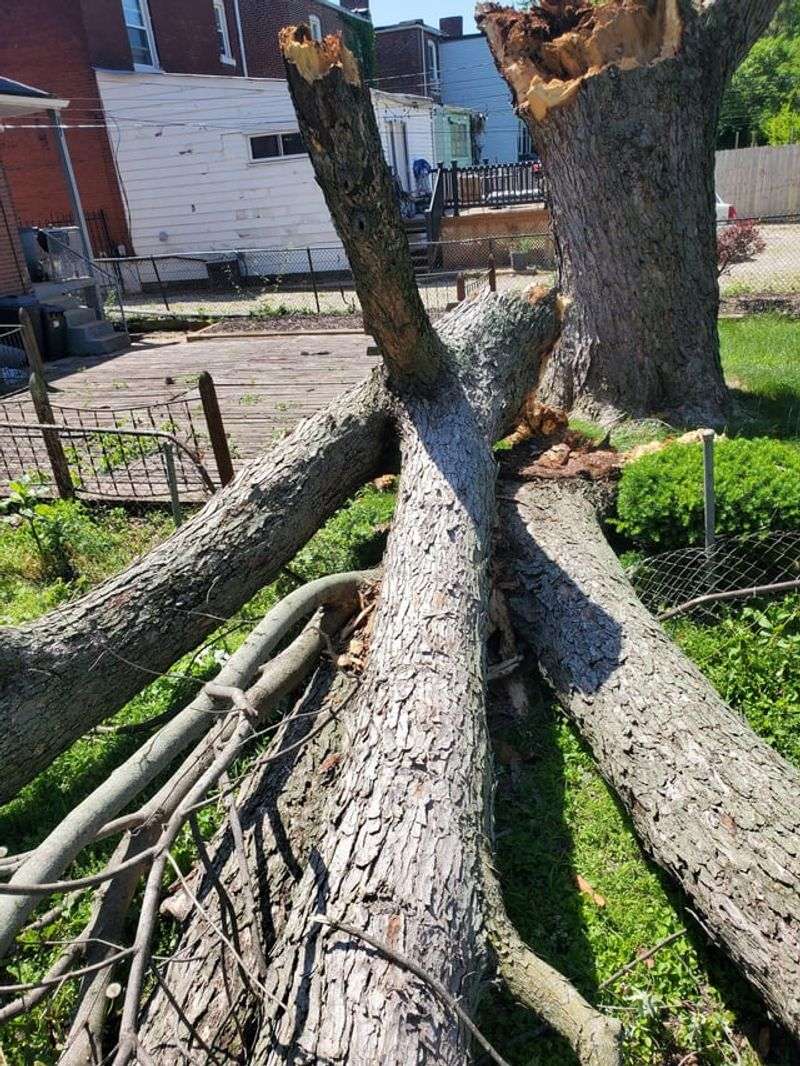
Even when a neighbor has the legal right to trim branches on their side of the property line, they are not allowed to do it carelessly.
California’s courts have recognized that trimming must be done in a way that does not seriously harm or weaken the tree.
Reckless cutting that causes major damage could make your neighbor legally responsible for the harm they caused.
There have been real court cases in California where neighbors were ordered to pay significant amounts of money because their trimming went too far and hurt the tree.
The value of a mature tree can be surprisingly high, especially if it provides shade, privacy, or adds to the look of the property.
Damaging a neighbor’s tree is not just a gardening mistake. It can turn into a costly legal problem.
If your neighbor trims in a way that you believe has seriously harmed your tree, document everything right away.
Take photos of the damage, note the date, and keep any communication you have had with them.
You may want to contact a certified arborist to assess the tree’s condition and provide a written report. That report can be very useful if you decide to pursue a legal claim.
Protecting your tree means knowing when trimming crosses a line from reasonable maintenance into actual property damage worth addressing.
6. A Dangerous Tree Can Change The Legal Picture
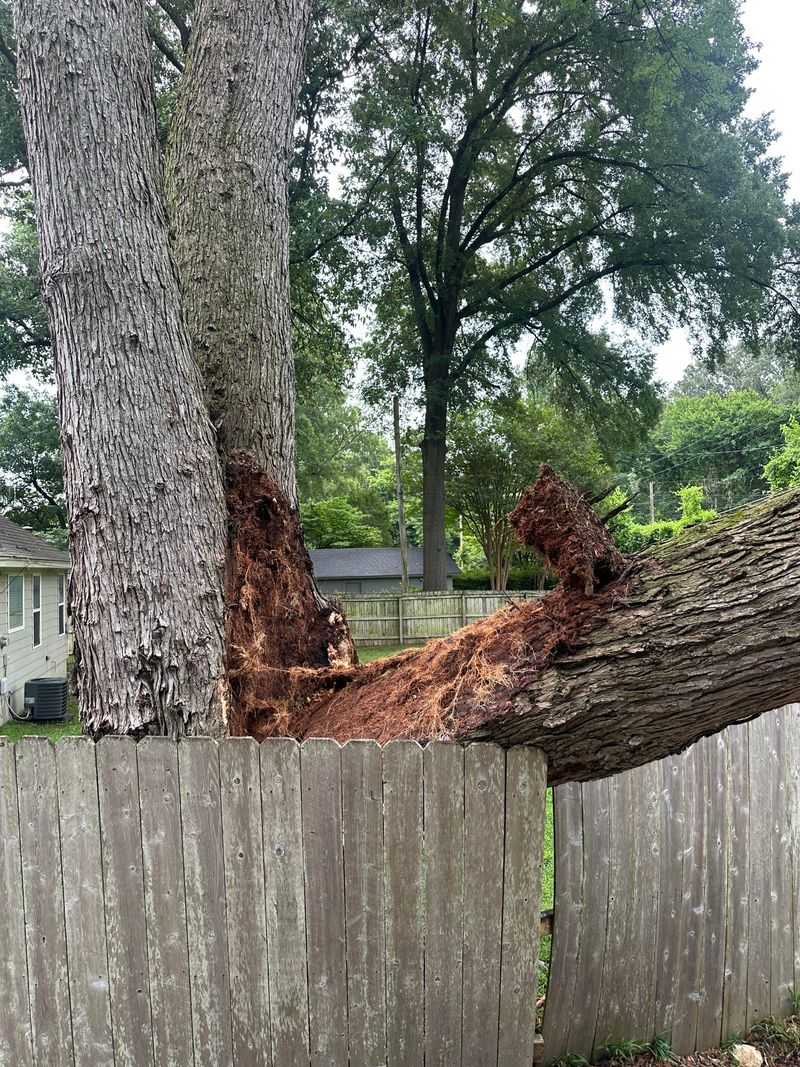
Up to this point, most of the rules have favored the tree owner. But things shift noticeably when a tree becomes a genuine safety hazard.
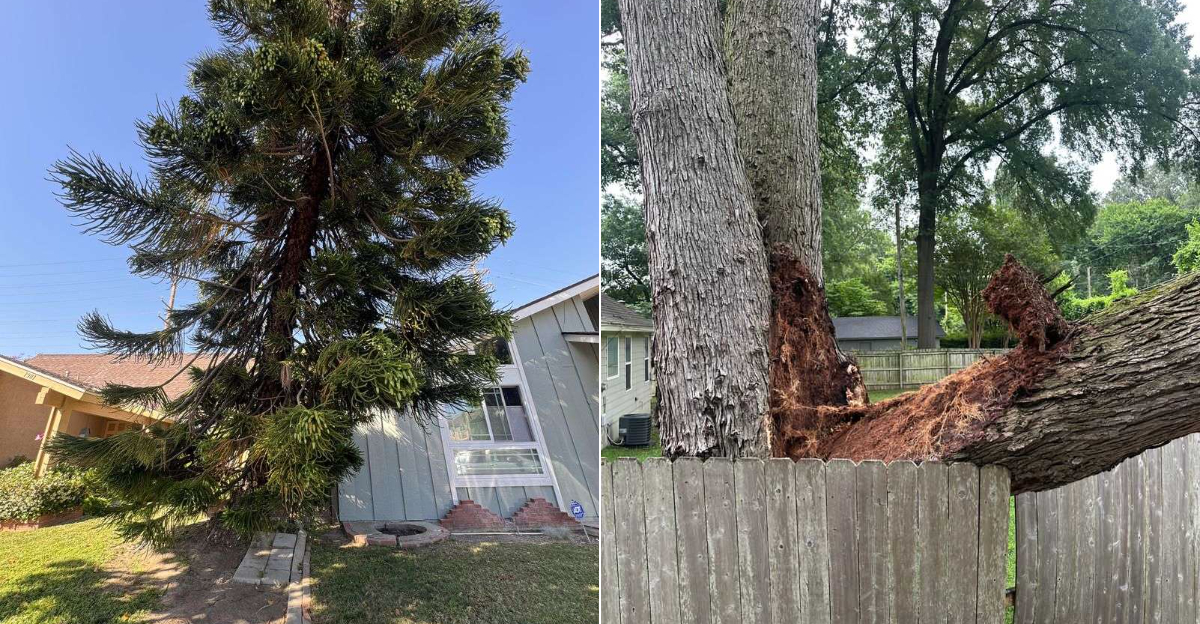
If your tree is leaning dangerously, has large cracked limbs, or shows signs of serious structural weakness, your neighbor may have stronger grounds to push for action.
California property owners have a duty of care when it comes to hazardous trees. If you are aware that your tree poses a risk and you do nothing about it, you could be held responsible if it causes damage or injury.
Your neighbor can notify you in writing about the danger, and that notice matters legally. Once you receive it, ignoring the problem becomes much riskier for you.
Local cities and counties across California, from the Bay Area to Southern California, often have ordinances that give officials the authority to require removal or trimming of a tree that poses a public safety risk.
If your neighbor reports the tree to the city, an inspector may come out to assess it.
Being proactive is always the smarter move. Hire a certified arborist to evaluate any tree you are unsure about.
Getting ahead of potential problems protects your finances, your relationships with neighbors, and your standing with local authorities who take hazardous tree complaints seriously in residential neighborhoods.
7. Damage To A Fence, Roof, Or Pipe May Raise Liability Questions
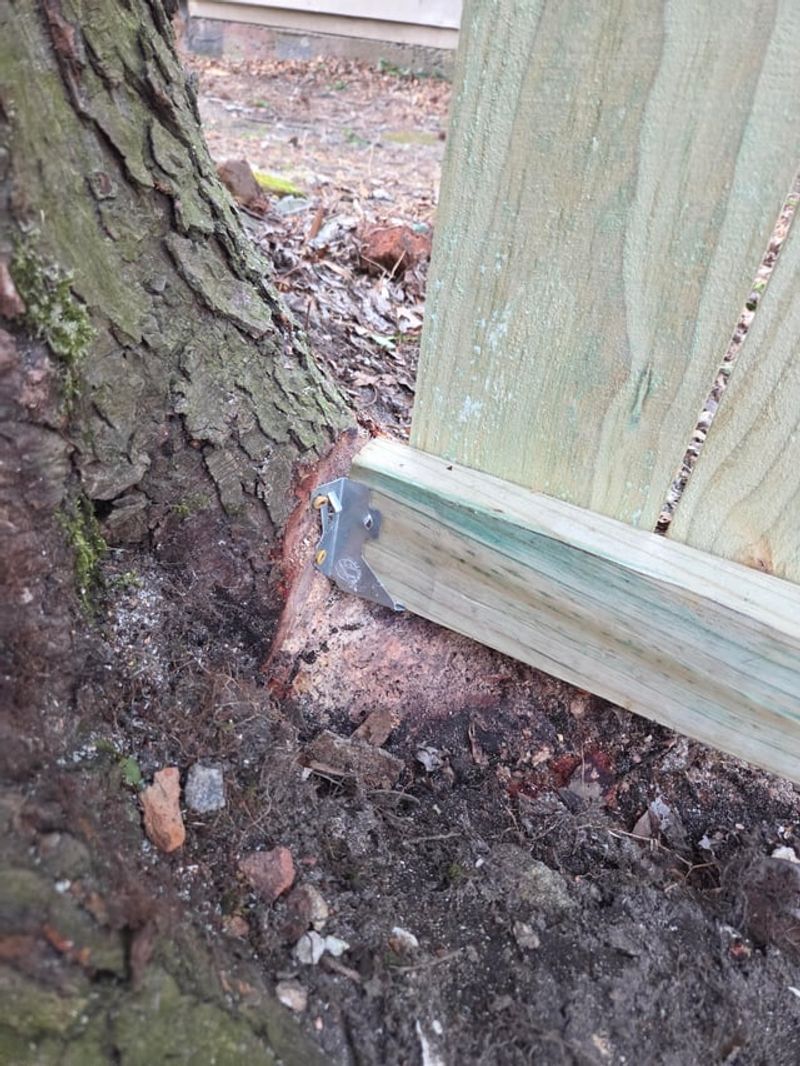
Roots and branches do not care about property lines, and sometimes they cause real damage to structures on the neighboring side.
When a tree’s roots crack a fence, lift a driveway, or break into underground pipes, the question of who pays for repairs becomes a serious one. This is where liability law gets more complicated.
California courts have generally held that a tree owner is not automatically responsible for damage caused by a healthy tree.
However, if the owner knew the tree was causing damage and did nothing to stop it, the situation changes.
Negligence plays a big role in these cases. Being aware of a problem and ignoring it is very different from not knowing it existed at all.
If your neighbor’s tree is damaging your fence or other structures, start by documenting everything carefully. Photos, dates, and written communication are your best tools.
Send your neighbor a written notice explaining the damage and asking them to address it. Keep a copy for yourself.
If they refuse and the damage continues to grow, small claims court is an option for lower-cost disputes. For larger damage amounts, consulting a property attorney makes sense.
These situations can feel overwhelming, but staying organized and keeping records from the start puts you in a much stronger position if the matter ever needs to be resolved through legal channels.
8. Local Tree Rules May Limit What Either Neighbor Can Do
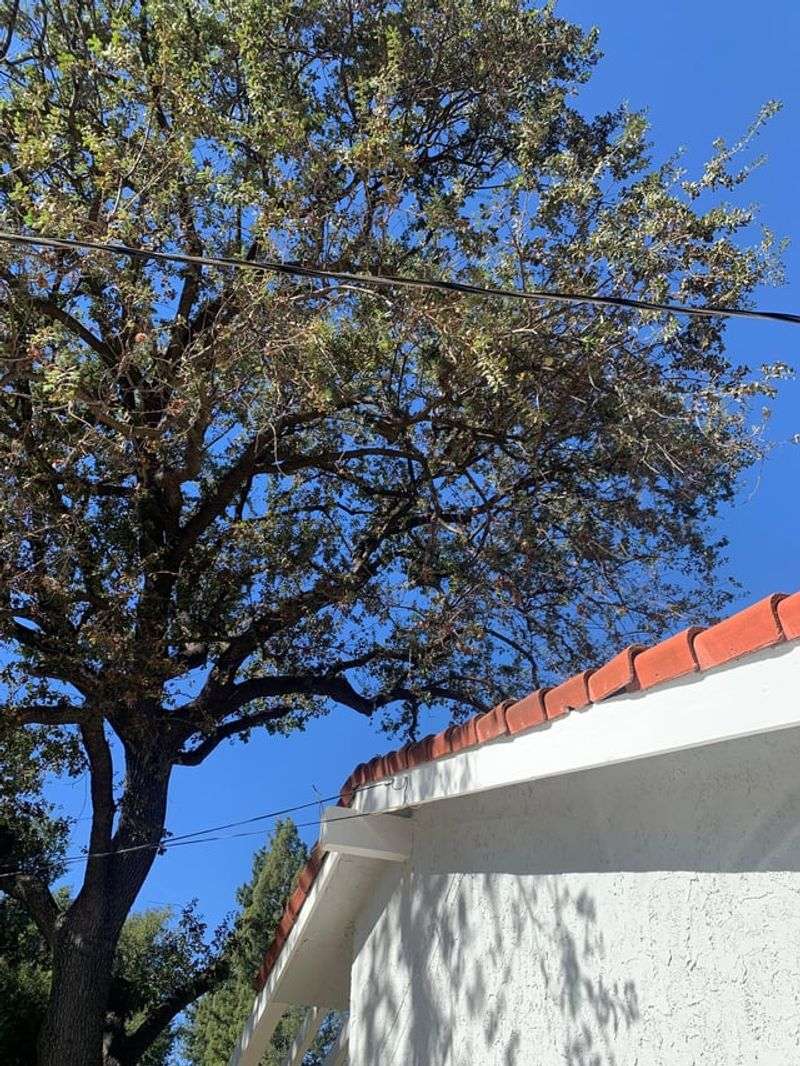
Beyond state law, local rules add another layer that both homeowners need to understand. Many cities and counties across California have their own tree ordinances that regulate what you can and cannot do with trees on your property.
These local rules sometimes offer more protection for trees than state law does on its own.
Some municipalities, especially in the northern regions like the Bay Area, have strict protected tree lists.
Certain species, or trees above a specific size, may require a permit before any trimming or removal can take place.
Violating these rules can result in fines that add up quickly. Even if your neighbor thinks your tree should come down, local law may say otherwise.
Before making any decisions about trimming or removing a tree, check with your local city or county planning department.
A quick phone call or visit to the city’s website can tell you whether your tree falls under any special protections.
This step protects you from accidentally breaking local rules even when you think you are doing the right thing.
It also gives you solid ground to stand on if a neighbor pressures you to take action you are not legally required to take.
Knowing your local rules makes you a more informed and confident property owner every step of the way.