7 Herbs That Grow Well On A California Windowsill
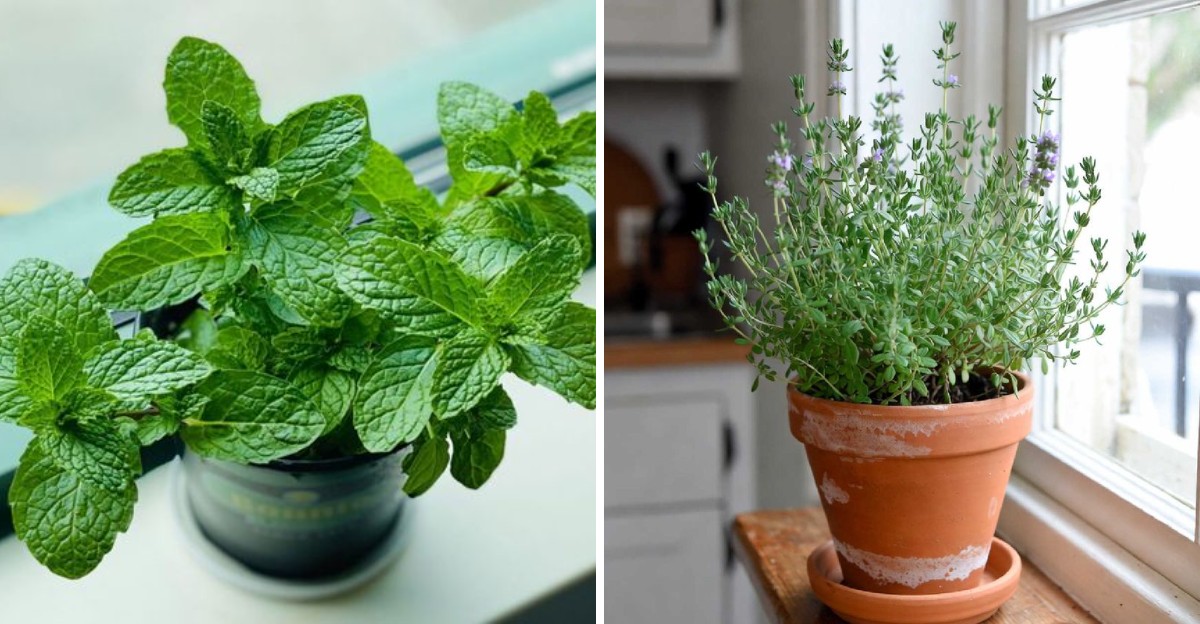
Kitchen windowsills across California hold a quiet kind of promise. A few small pots, a little sunlight, and a pair of scissors can turn an ordinary ledge into a fresh flavor station.
Not every plant feels at home behind glass, though. Indoor light runs far weaker than an open garden bed, even in the sunniest corners of the state.
Some leafy favorites sulk in those conditions, while others settle in happily and keep producing for months.
Pot choice, watering rhythm, and regular snipping all play a part in the difference.
Seven contenders stand out, each with its own personality, from easygoing to downright fussy.
A well-chosen row of pots can keep dinner a few steps closer to delicious all year.
Basil Wants The Brightest Sunny Window
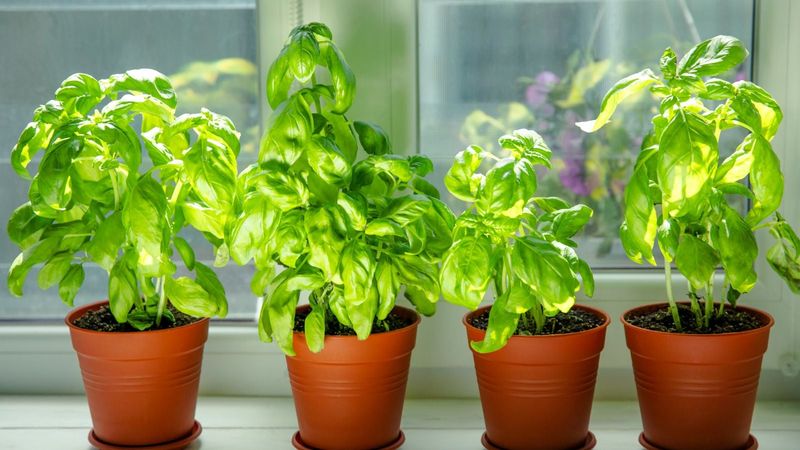
Pale, floppy stems leaning toward the glass signal a plant begging for more sun. Of all seven herbs here, basil sulks fastest in a dim room.
The warmest, brightest window in the house suits it best, ideally facing south or west. Warmth matters as much as light for this summer favorite.
Cold drafts from a winter window can turn leaves dark and spotty. Moving the pot away from chilly glass at night helps, and spots near air conditioner vents are best avoided.
During short winter days, a small grow light placed a few inches above the leaves keeps growth steady. That boost can make the difference between leggy stems and a full plant.
Watering works best once the top of the soil feels dry to a fingertip. Basil likes evenly moist soil, but soggy roots invite rot.
A pot with a drainage hole matters here. Emptying the saucer after watering keeps the roots from sitting in a puddle.
Pinching brings the fun part. Once a plant has a few sets of leaves, snipping the top of each stem just above a leaf pair sends out two new shoots.
That simple cut helps the plant grow bushy instead of tall and skinny. Repeating the pinch every week or two keeps the shape going.
Flower buds deserve attention, too, since blooming basil puts its energy into seeds and its leaves can turn bitter.
Removing buds early keeps the plant leafy and full, and pasta sauce tastes better for it.
Chives Thrive On A Sunny Sill
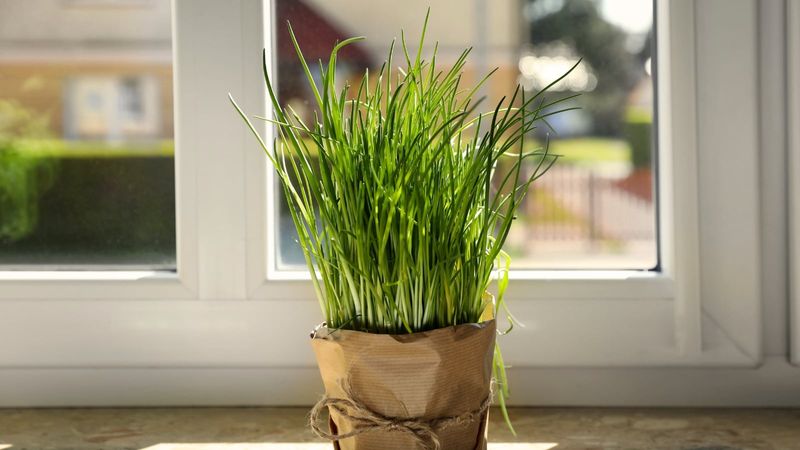
A handful snipped for scrambled eggs barely leaves a mark, and a week later the clump looks untouched. Few herbs forgive a busy cook quite like chives.
They grow from small bulbs packed tightly together, sending up fresh, grassy shoots again and again. That steady supply makes them a windowsill favorite.
A sunny sill suits chives well, though they handle a bit less light than basil or rosemary. An east-facing window with bright morning sun often works fine.
More light still means thicker, greener leaves. Thin, pale shoots signal that the pot needs a spot closer to the brightest window available.
Watering stays simple. Lightly moist soil works best, with the surface drying a little before the next drink.
Your California Garden Changes Every Week. Your Plan Should Too.
Gardening in California changes quickly throughout the season. Every Friday you’ll receive a simple weekly plan showing exactly what to plant, prune, fertilize, harvest, and protect so you never miss the right timing.
Drainage holes matter here, since those tiny bulbs can rot when water collects around them. Regular potting mix suits this easygoing herb just fine.
Harvest time is where chives really shine. Clean scissors cutting the leaves an inch or two above the soil give the best results.
Whole leaves make better cuts than trimmed tips, which turn brown and look messy. Starting from the outside of the clump keeps fresh growth coming from the center.
Purple, puffball flowers may appear in spring, and they look lovely sprinkled over a salad since they’re edible.
After a year or two, a crowded clump may slow down. Dividing it into smaller sections for repotting brings plenty to spare and share.
Mint Stays Happy In Its Own Pot
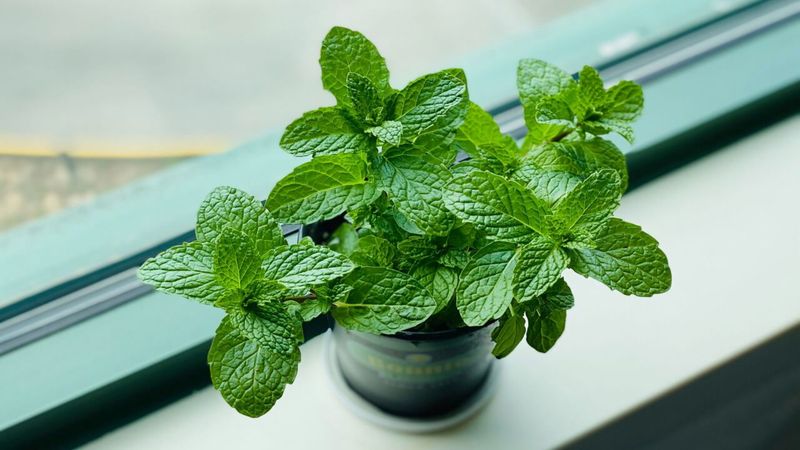
A shared container rarely stays shared for long once mint moves in. Within a few months, it can take over the whole thing.
Mint spreads using runners, which are underground stems that creep sideways and pop up new shoots. Neighboring herbs simply get crowded out.
A pot all its own solves the problem. A container about 8 to 10 inches wide gives roots room to grow without needing a new home too soon.
Drainage holes and good potting mix cover the basics. Mint is a tough plant, so nothing fancy is required.
Light needs stay flexible. Mint grows best in a bright window, though it tolerates a bit less sun than many herbs.
Too little light leads to stretched stems and small leaves. A south- or west-facing window keeps the plant compact and full of flavor.
Unlike thyme or rosemary, mint likes its soil fairly moist. Frequent checks help, especially during hot, dry California summers when indoor air can bake.
Watering works well once the top of the soil starts to feel dry. Standing water in the saucer is best avoided.
Regular trimming keeps mint from turning scraggly. Cutting stems just above a pair of leaves encourages fresh growth, and the clippings brighten tea, lemonade, or fruit salad.
Pinching off flowers as they appear keeps leaves coming. A peek at the drainage hole every so often helps, too, since roots love to sneak out and explore.
Parsley Handles Bright Indirect Light
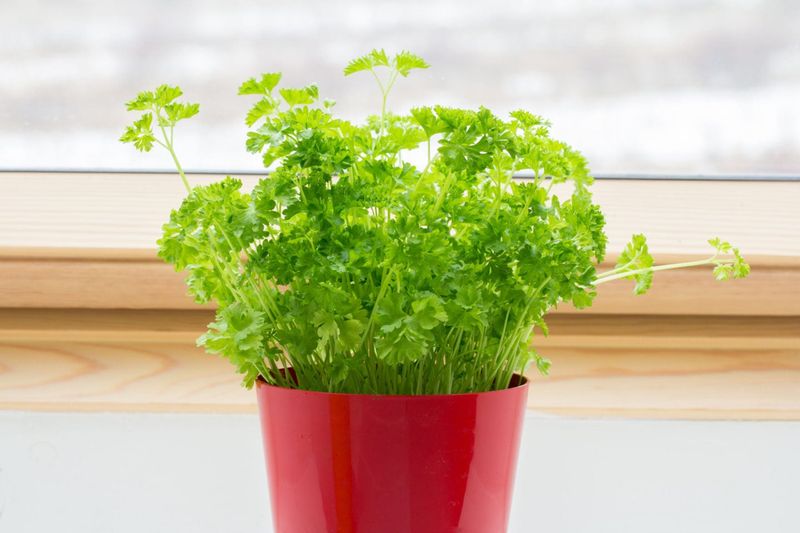
Not every kitchen gets blasted with afternoon sun, and parsley takes that in stride. A window facing east, or one behind a sheer curtain, can still yield a steady supply of fresh green leaves.
Bright indirect light suits this herb well. It handles spots that would leave basil pale and droopy.
Parsley still needs plenty of light to grow thick and leafy, though. Long, weak stems signal a need to move the pot closer to the glass or add a small grow light in winter.
Moisture is where parsley gets picky. It prefers steady, even moisture rather than a cycle of bone dry followed by soaked.
Checking the soil every couple of days keeps things on track. Watering once the top feels slightly dry works well, and drainage holes let extra water escape.
A long taproot means parsley settles in best in a deeper pot. Many gardeners find a young plant easier to start than seeds, which can take their time sprouting.
Both curly and flat-leaf types grow well indoors. Flat-leaf tends to carry a stronger flavor, while curly makes a classic garnish.
Harvesting works best from the outer stems, cut near the base. New growth comes from the center, so those young stems are best left alone.
Regular cutting keeps the plant producing. Parsley grows for two seasons and often flowers and fades in its second year.
A fresh pot started around then keeps the garnish coming.
Thyme Loves Sun And Dry Roots
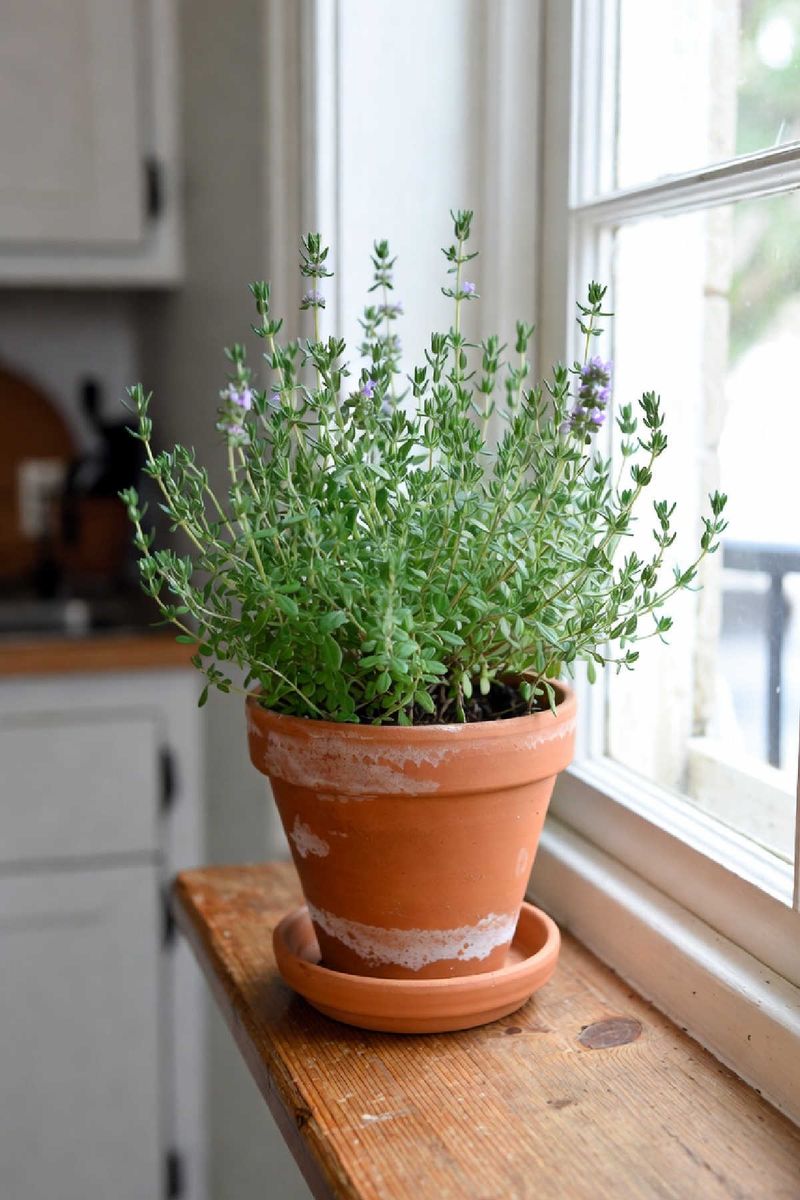
Rocky Mediterranean hillsides baking under the summer sun are home turf for this tiny-leaved herb. Hot, bright conditions feel familiar, and plenty of sun with dry roots brings fragrant little leaves in return.
Strong light comes first. A south- or west-facing window makes the best match, with as many hours of direct sun as possible.
In a dim spot, thyme turns thin and woody with few leaves. During winter’s short days, a small grow light keeps it compact and healthy.
Soil comes next. Thyme dislikes wet feet, so a fast-draining mix works best, much like the gritty slopes it comes from.
Many gardeners blend some sand or perlite into regular potting soil. Terracotta pots help, too, since the clay lets moisture escape, and drainage holes remain essential.
Overwatering ranks as the most common reason thyme struggles indoors. Letting the soil dry between waterings, then watering deeply until it drains from the bottom, keeps roots happy.
A quick finger test before each drink takes the guesswork out. Soil that still feels damp signals a few more days of waiting.
Frequent trims keep the plant bushy. Snipping the soft green tips works far better than cutting into the old, woody base, which is slow to regrow.
A light trim every few weeks encourages fresh shoots. The clippings make a fine addition to roasted potatoes or soup, keeping flavor just a snip away from the stove.
Oregano Bounces Back After Trimming
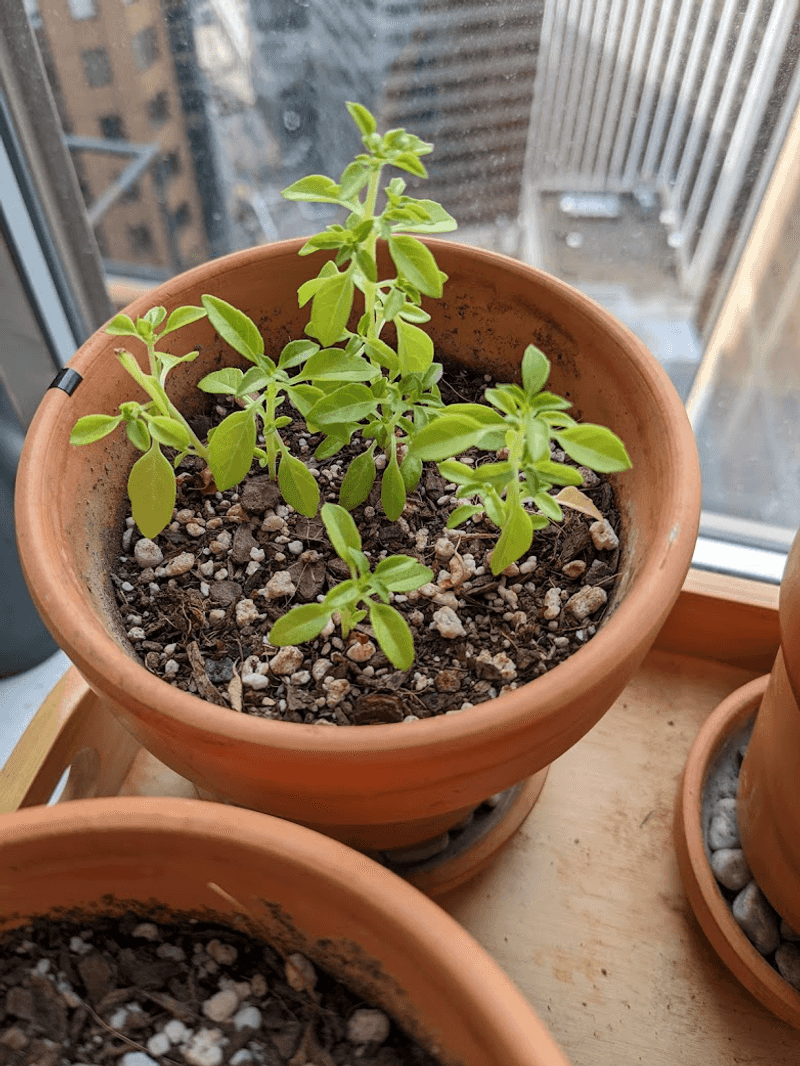
A good haircut rarely bothers this Mediterranean herb. Within a couple of weeks, fresh shoots usually pop up from the cut stems, leaving the plant fuller than before.
That bounce-back habit makes oregano one of the most rewarding choices for a sunny sill. It also forgives the occasional overzealous snip.
Like thyme and rosemary, oregano wants strong light. A south- or west-facing window suits it best, and leaves grown in bright sun tend to carry a bolder flavor.
In winter, a small grow light can keep stems from turning long and floppy. Steady light through the darker months means steady harvests.
Soil should drain fast. Potting mix with extra perlite or coarse sand works well, paired with a pot that has drainage holes.
Letting the top inch or so dry before watering again keeps roots comfortable. Oregano handles a little dryness far better than soggy roots.
Trimming brings out its best. Cutting stems back by about a third, just above a set of leaves, sends new growth sprouting from those spots.
Regular cuts also keep the plant from sprawling across the sill and blocking light from its neighbors. A tidy mound shares space nicely.
Tiny pink or white flowers show up eventually, and many cooks pinch them off to keep the focus on leaves.
The name oregano traces back to Greek words often translated as joy of the mountains, and a little sun and regular snipping keep that joy growing above the kitchen sink.
Rosemary Needs Strong Light And Sharp Drainage
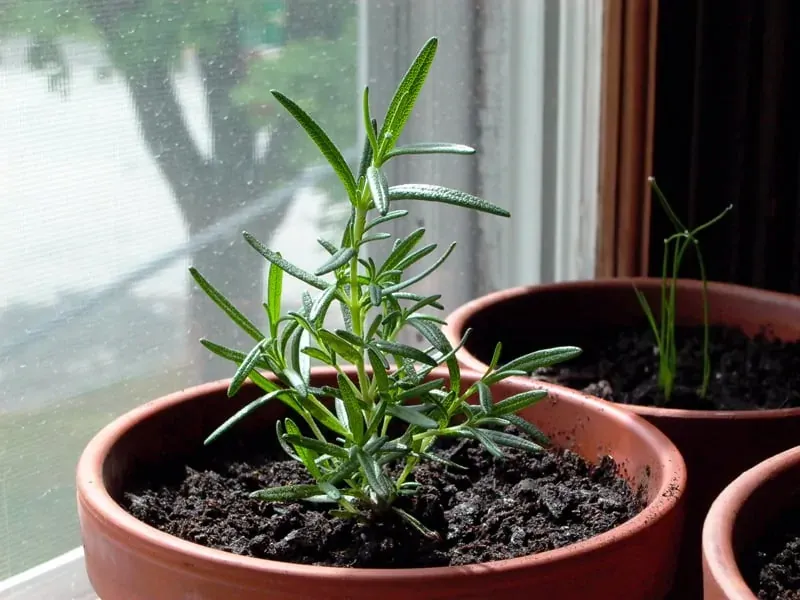
Outdoor plantings across California yards often grow into tough, sprawling shrubs with little help. Indoors, the story changes quickly.
Of all seven herbs here, rosemary is the hardest to keep happy on a windowsill. Patience and planning go a long way.
Light presents the biggest challenge. Rosemary needs the strongest light available, which usually means the sunniest south- or west-facing window.
Even then, winter days may fall short. A small grow light set close above the plant can make a big difference during those months.
Drainage comes in a close second. A sharp, gritty mix, such as potting soil blended with plenty of perlite or coarse sand, keeps roots from staying wet.
An unglazed terracotta pot with a drainage hole helps the soil dry evenly. A saucer full of water is best emptied right away.
Watering takes a careful hand. Letting the soil dry well between drinks, then watering thoroughly, suits it best.
Soggy roots cause plenty of trouble indoors, yet a pot left bone-dry for too long creates problems as well. Rosemary may drop needles before showing clear signs of thirst.
Light, frequent trims keep the plant bushy. Snipping soft green tips works better than cutting deep into woody stems, and the sprigs make a tasty match for chicken or roasted vegetables.
In mild weather, some gardeners move their rosemary outdoors for a sunny vacation. With steady care and plenty of light, this tough little shrub can become the sill’s proudest resident.