The Shrubs California Fire Officials Want Removed Near Every Home
Not every green, well-kept shrub deserves a spot right beside the house. In wildfire-prone parts of California, landscaping that looks perfectly ordinary on a calm day can take on a very different significance once dry conditions, wind, and flying embers enter the picture.
That does not mean homeowners need to declare war on every bush in the yard. The bigger question is how certain shrubs grow, what happens as they mature, and where they sit in relation to buildings.
A beautifully landscaped foundation can still deserve a second look when fire safety becomes part of the conversation. Suddenly, “nice and bushy” does not sound quite as reassuring.
California fire officials often encourage homeowners to think about vegetation in terms of broader characteristics rather than obsessing over a single named plant.
That makes inspecting the yard less about memorizing a botanical blacklist and more about noticing what is growing closest to vulnerable areas.
Take a walk around the outside of your home with fresh eyes. Some familiar shrubs may deserve a new job somewhere farther away.
1. Shrubs Growing Right Against The House Are The Biggest Concern
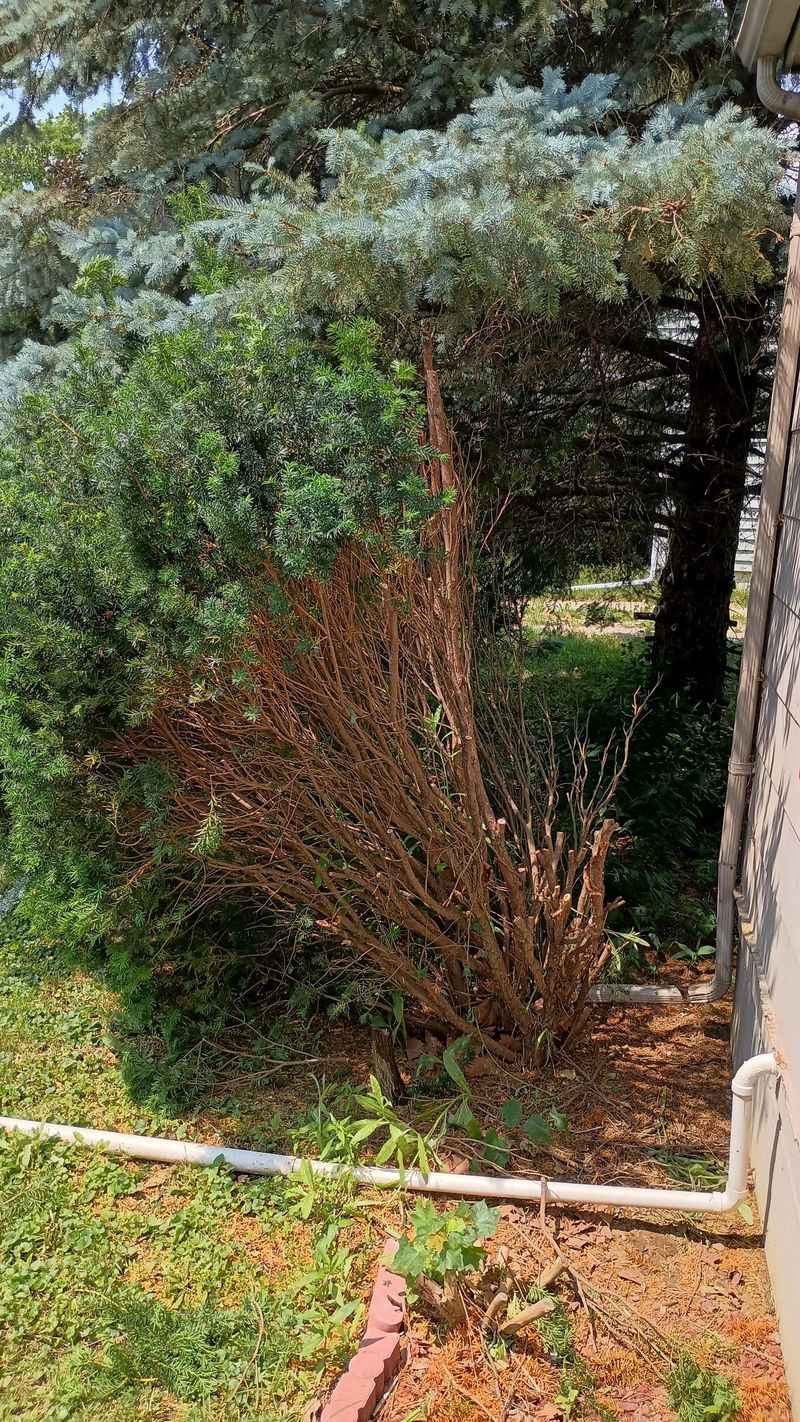
Everyone usually plants shrubs close to the house because it looks nice and fills in bare spots along the foundation. But fire officials say this is one of the most dangerous landscaping choices a homeowner can make.
When a bush is touching your siding, fence, or wall, it acts like a ladder that connects the ground directly to your home.
Shrubs planted right against the house tend to trap heat and dry out faster than plants placed farther away. Once they catch fire, the flames can spread to wood siding, window frames, and roof overhangs in minutes.
Fire agencies in California recommend keeping all plants at least three feet away from any exterior wall, and that distance should be even greater on slopes.
Even shrubs that look green and healthy can dry out at their core and become a serious fire risk. The inside of a dense bush near a wall often holds withered wood and dry leaves that never get watered or cleared.
Removing shrubs from the foundation zone entirely is the safest choice. If you want greenery near the house, fire officials suggest replacing dense shrubs with low-growing, fire-resistant ground covers that stay well-watered and trimmed.
Making this one change can dramatically reduce the chance that a passing ember or small ground fire ever reaches your home’s structure.
2. Dense Bushes Beneath Windows Can Give Flames A Direct Path
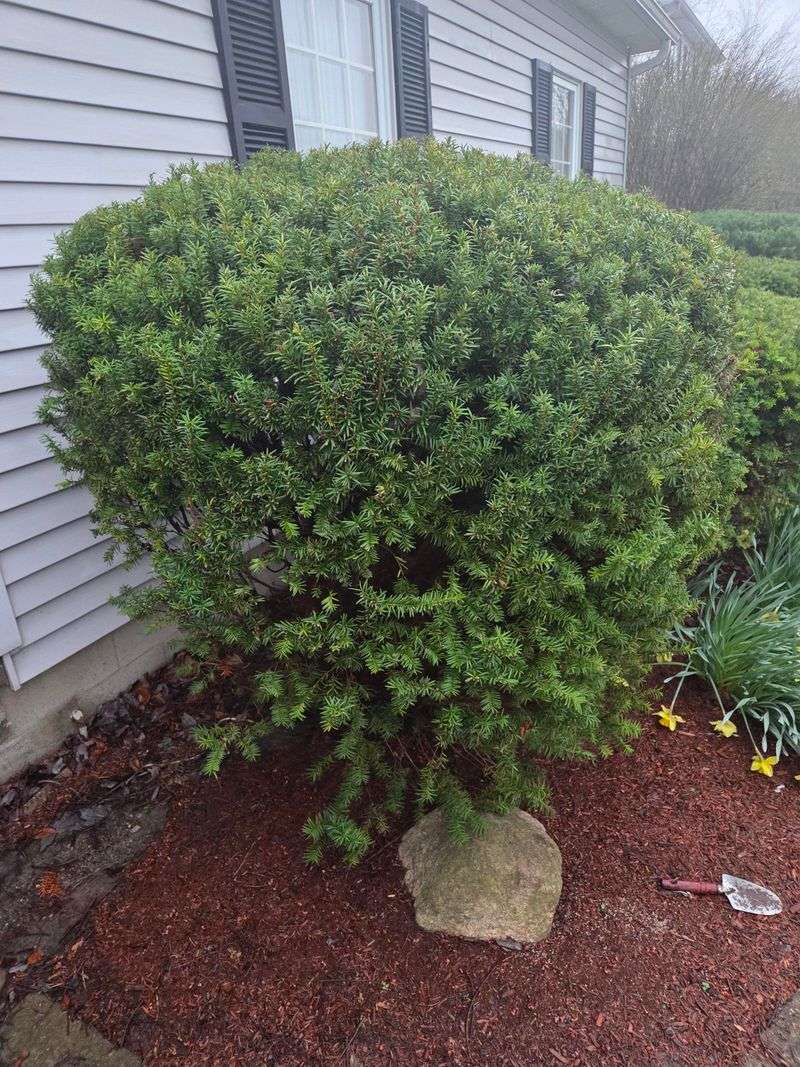
Windows are one of the weakest points on any home during a wildfire. Glass can crack from intense heat even before flames arrive, and once a window breaks, fire and embers can enter the house quickly.
Having dense bushes right below a window makes that risk much worse. A thick shrub under a window works almost like a torch pointed at the glass. When it catches fire, it sends heat and flames upward in a concentrated stream.
That direct heat can shatter a window in seconds and push burning material into the room. Fire officials specifically call out this placement as one of the most avoidable dangers in residential landscaping.
Your California Garden Changes Every Week. Your Plan Should Too.
Gardening in California changes quickly throughout the season. Every Friday you’ll receive a simple weekly plan showing exactly what to plant, prune, fertilize, harvest, and protect so you never miss the right timing.
Shrubs like arborvitae, juniper, and photinia are commonly planted under windows for privacy and curb appeal. They grow thick and hold a lot of dry material inside, making them especially risky.
Trimming them back is not enough if they are still sitting right below the glass. The safer move is to remove them entirely from that zone and leave at least three to five feet of cleared, non-combustible space under each window.
Gravel, stone, or bare soil in that area gives fire nothing to climb. You can still add color with potted plants that can be moved during fire alerts. Small changes like this make a real difference when embers are falling and time is short.
3. Withered And Dying Shrubs Should Come Out First
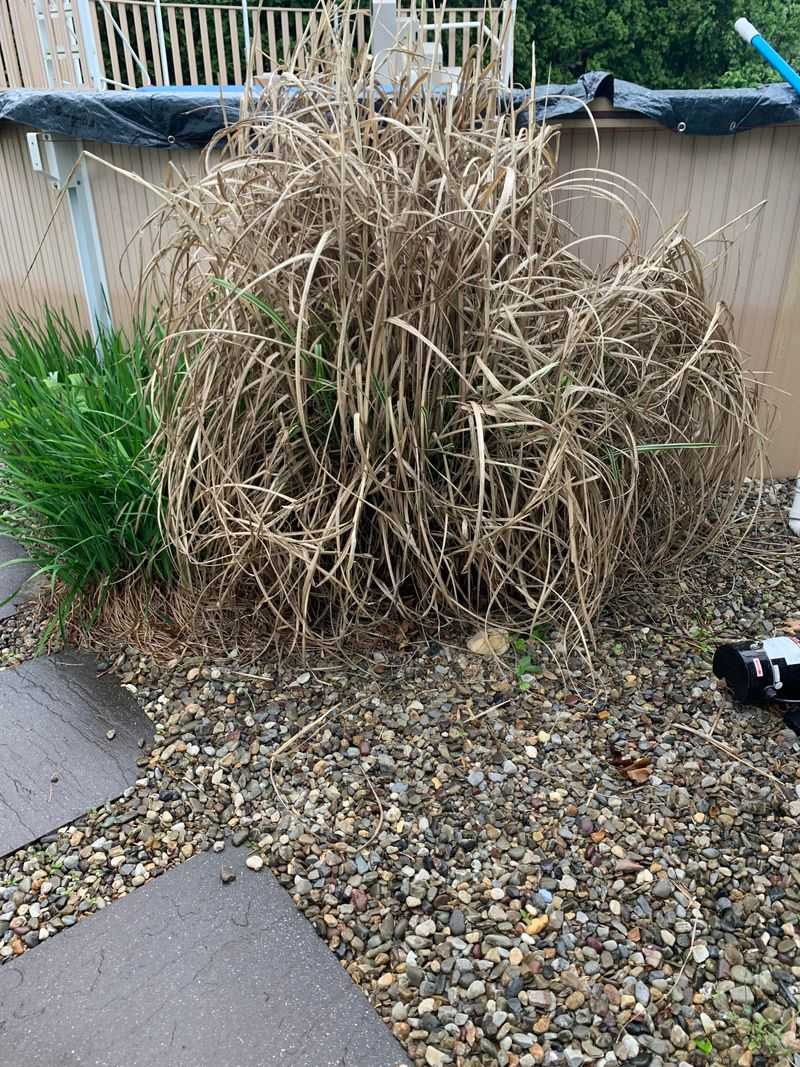
If there is one thing fire officials agree on across every fire-prone region, it is this: withered plants are the first things that need to go.
A dried-out shrub is basically a pile of kindling sitting next to your house. It takes almost no heat to ignite, and once it starts burning, it burns fast and hot.
Brown, brittle shrubs are easy to overlook, especially in the backyard or along a fence line where you do not spend much time.
But those forgotten plants are exactly the kind of fuel that helps a small grass fire grow into something that threatens a structure.
Even one withered shrub sitting close to a wall or deck can make a big difference in how fast fire spreads.
Many California homeowners leave withered shrubs in place because removal feels like a big job. But in most cases, a pair of loppers and a yard waste bag are all you need to get started.
Cut the plant down to the ground and remove as much of the root material as you can. If the roots are deep, at least clearing the above-ground growth takes away the immediate fire risk.
Fire officials recommend doing a full walk-around of your property at the start of every fire season. Look for anything that is brown, crumbling, or no longer producing leaves.
Removing those plants right away is the single fastest way to reduce your home’s fire risk before anything else.
4. Resinous Plants Can Burn More Intensely Near Structures
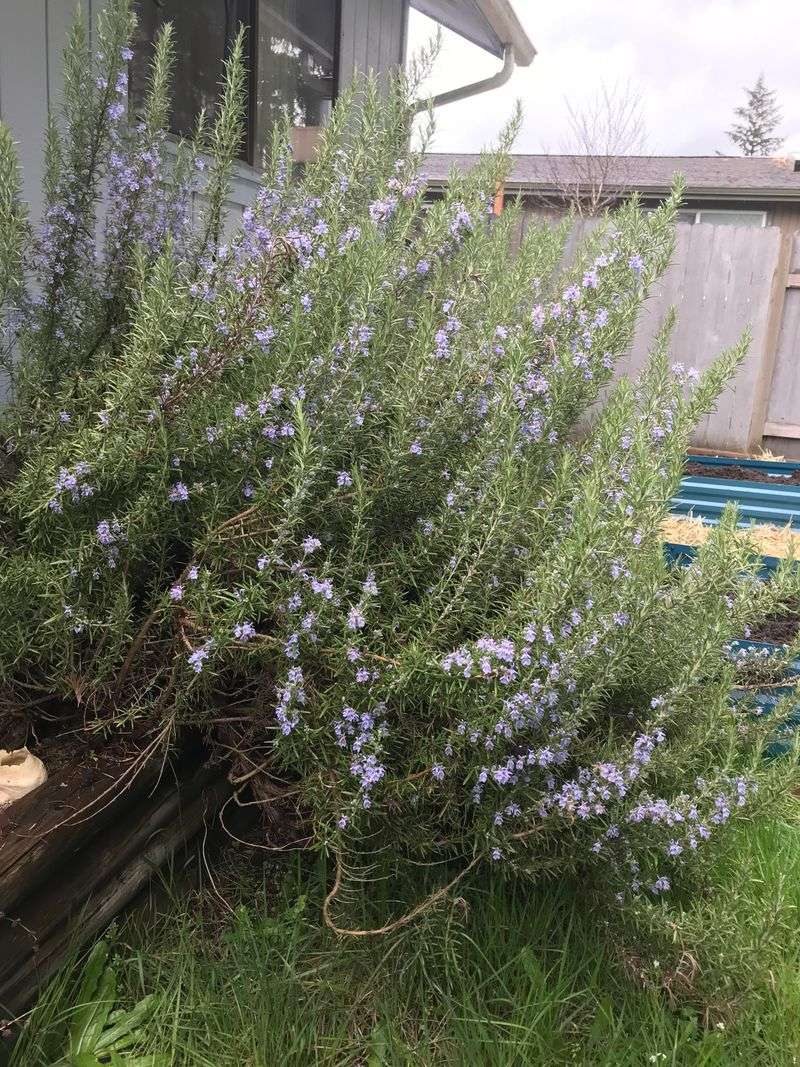
Not all shrubs burn the same way. Some plants contain natural oils and resins inside their leaves and stems that make them burn hotter and faster than other plants.
Fire officials point to these resinous shrubs as especially dangerous when they are growing close to a home.
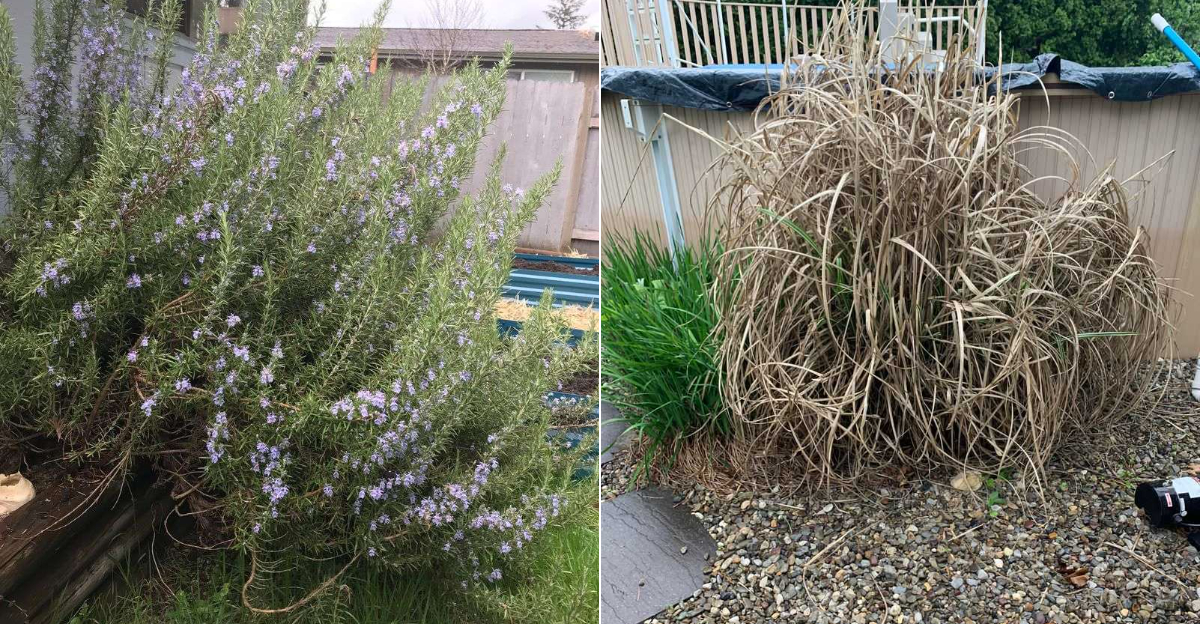
Rosemary is one of the most well-known examples. It smells wonderful in the kitchen, but it is packed with flammable oils that cause it to flare up intensely when exposed to flame.
Juniper is another common offender. Its dense, waxy foliage holds oils that can cause the entire plant to go up in seconds.
Cypress trees and some ornamental grasses also fall into this category.
What makes these plants so risky near structures is not just that they burn, but how they burn. Resinous plants often produce a high-intensity flame that radiates more heat outward.
That extra heat can damage siding, melt gutters, and ignite nearby materials even before flames make direct contact.
Replacing these plants with fire-resistant options like salvias, succulents, or native bunch grasses is a smart move in any fire-prone area. Fire-resistant does not mean fireproof, but it does mean slower to ignite and less intense when burning.
Keeping any resinous shrubs well-watered and trimmed back also helps lower their risk level. But in the zone closest to your home, removing them entirely gives you the strongest protection.
5. Overgrown Shrubs Can Connect Ground Fire To The Home
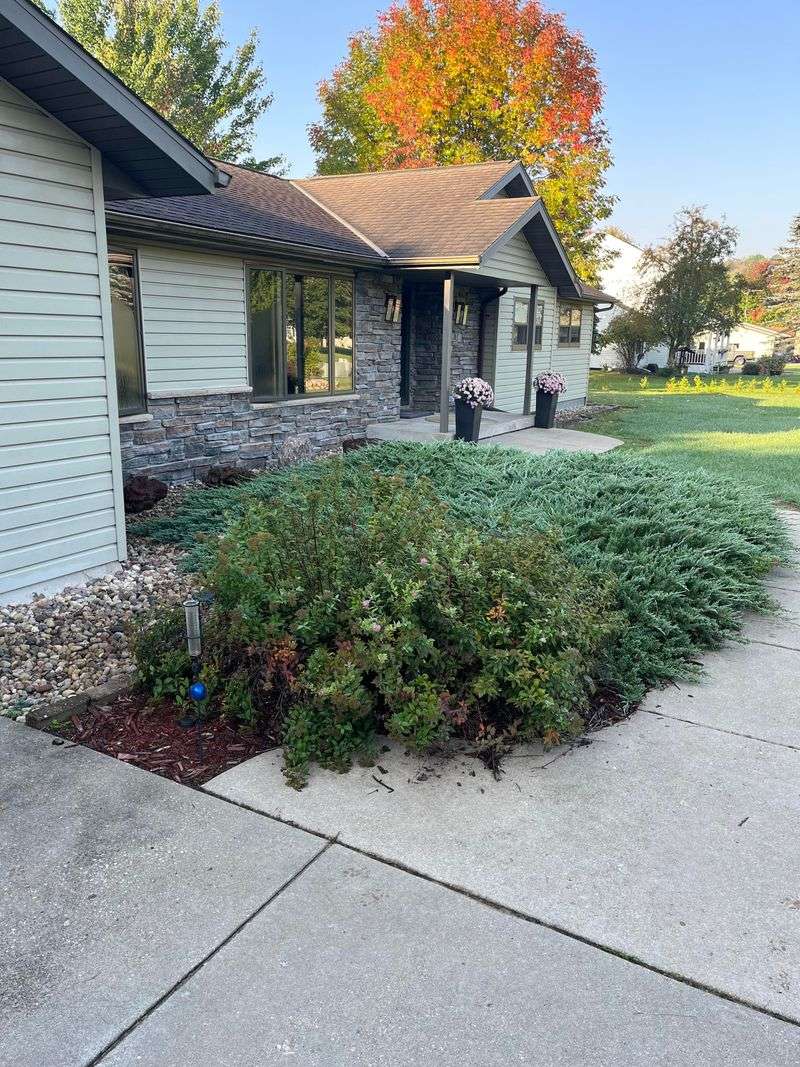
Fire scientists use the phrase “ladder fuels” to describe plants that help fire climb from the ground up into taller structures. Overgrown shrubs are one of the most common ladder fuels found in residential yards.
When a shrub grows tall enough to touch tree branches above it, or reaches close to a roofline, it gives fire a direct route upward.
Ground fires often start in dry grass or leaf litter and stay low at first. But if they reach an overgrown shrub, they can climb quickly.
From there, fire can jump to a fence, a tree, or the side of the house. What started as a small grass fire can reach the roof in a matter of minutes when ladder fuels are in place.
Overgrown shrubs along fences are a particularly common problem. A wooden fence already acts as a fuel source, and when a large shrub is leaning against it, the combination creates a fast-moving path toward the house.
Fire officials recommend keeping shrubs trimmed to no more than 18 inches in height within the closest zone around the home.
Thinning out the interior of large shrubs also helps by removing the dry, withered wood that builds up inside over time. A well-maintained, open plant is much less likely to sustain a strong flame than a thick, overgrown one.
Regular trimming is one of the easiest habits you can build to protect your property year-round.
6. Bushes Under Decks And Stairs Create Hidden Fuel
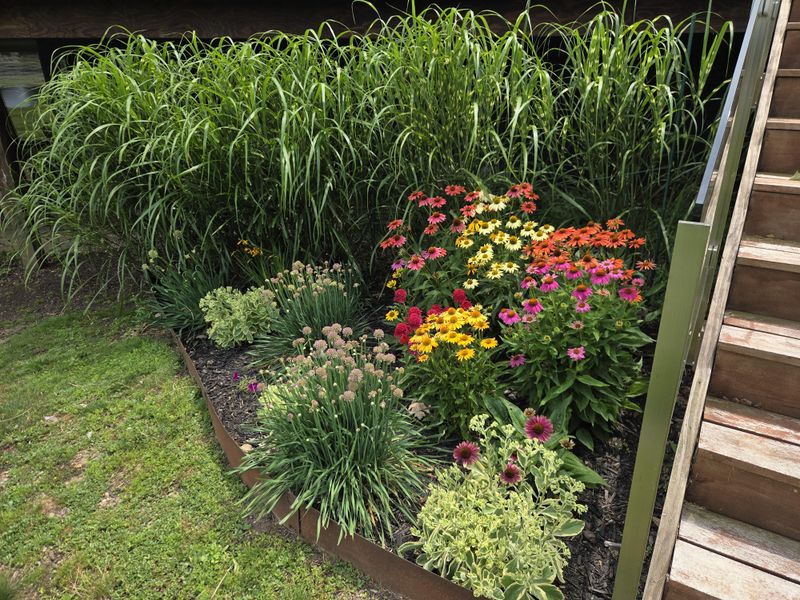
The space under a deck or set of outdoor stairs might seem harmless, but fire officials call it one of the most overlooked danger zones on any property. Plants growing in that shaded area tend to dry out over time because they get limited water and sunlight.
When they do, they become a hidden pocket of fuel sitting directly beneath a wooden structure.
Decks are often made of wood, and the underside of a deck is rarely treated with fire-resistant coatings. Embers that land in dry vegetation under a deck can smolder for a while before bursting into flame.
By the time the fire becomes visible, it may already be burning the deck structure from underneath.
Shrubs like boxwood, privet, and wild lilac often end up growing under decks because they were planted nearby and spread over time. Even ornamental grasses that look attractive can build up a thick layer of dry material at their base.
That dry layer is what catches embers and holds a flame long enough to spread.
Clearing out everything under a deck and replacing it with gravel or concrete pavers is one of the best things you can do for fire safety.
If you want to keep some greenery nearby, choose plants that stay small, hold moisture well, and do not produce a lot of dry debris.
Checking under decks and stairs at the start of fire season should be a regular part of your home safety routine.
7. Closely Packed Shrubs Make Fire Easier To Spread
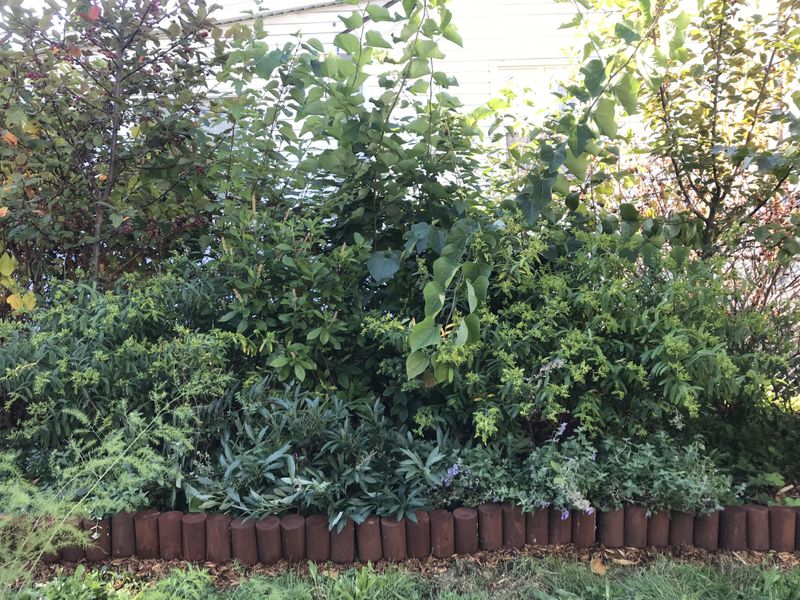
Spacing matters a lot when it comes to fire safety in the yard. When shrubs are planted close together, they create a continuous blanket of vegetation that fire can travel across without stopping.
Fire officials call this kind of layout a “continuous fuel bed,” and it is one of the main reasons neighborhood fires spread so quickly.
A single burning shrub in an isolated spot is a manageable problem. But when that shrub is touching three or four others, the fire jumps from plant to plant with almost nothing to slow it down.
In a yard full of closely packed bushes, fire can cross the entire property in under a minute during dry, windy conditions.
Spacing guidelines from fire agencies typically recommend leaving at least six feet between individual shrubs in the zone closest to your home. On slopes, that spacing should be even wider because fire moves faster uphill.
Shrubs on a hillside should be spaced at least nine to twelve feet apart to give fire fewer places to grab hold.
Thinning out an overpacked yard does not have to mean losing all your plants. Choosing which shrubs to keep and which to remove based on their location and species can make a big difference.
Keeping plants well-spaced, low to the ground, and free of dry debris gives fire far fewer opportunities to build momentum. A little planning now can protect your home when it matters most.