7 Low-Growing Oregon Natives That Replace Lawn In Full Shade
Grass is stubborn, but it has limits.
Under dense tree canopies, along north-facing slopes, or beneath the overhang of old conifers, lawn simply refuses to cooperate. It thins out, turns patchy, and leaves bare muddy ground that erodes every time it rains.
Many gardeners respond by throwing more seed at the problem, watering more, fertilizing more, and getting roughly the same disappointing result every spring.
Oregon’s native woodland plants have spent thousands of years adapting to exactly these conditions.
Many of them grow low enough to serve as a true lawn alternative without asking for the kind of maintenance that lawn demands in return.
The trick is choosing the right plant for your specific shade type and soil moisture, because full shade under a Douglas fir is a completely different situation from damp shade beside a creek.
Seven low-growing Oregon natives can replace struggling lawn in full shade while supporting local insects, birds, and soil life in ways that turf simply cannot match.
If you are tired of fighting your shade, these plants are ready to work with it instead.
1. Inside Out Flower Covers Woodland Soil
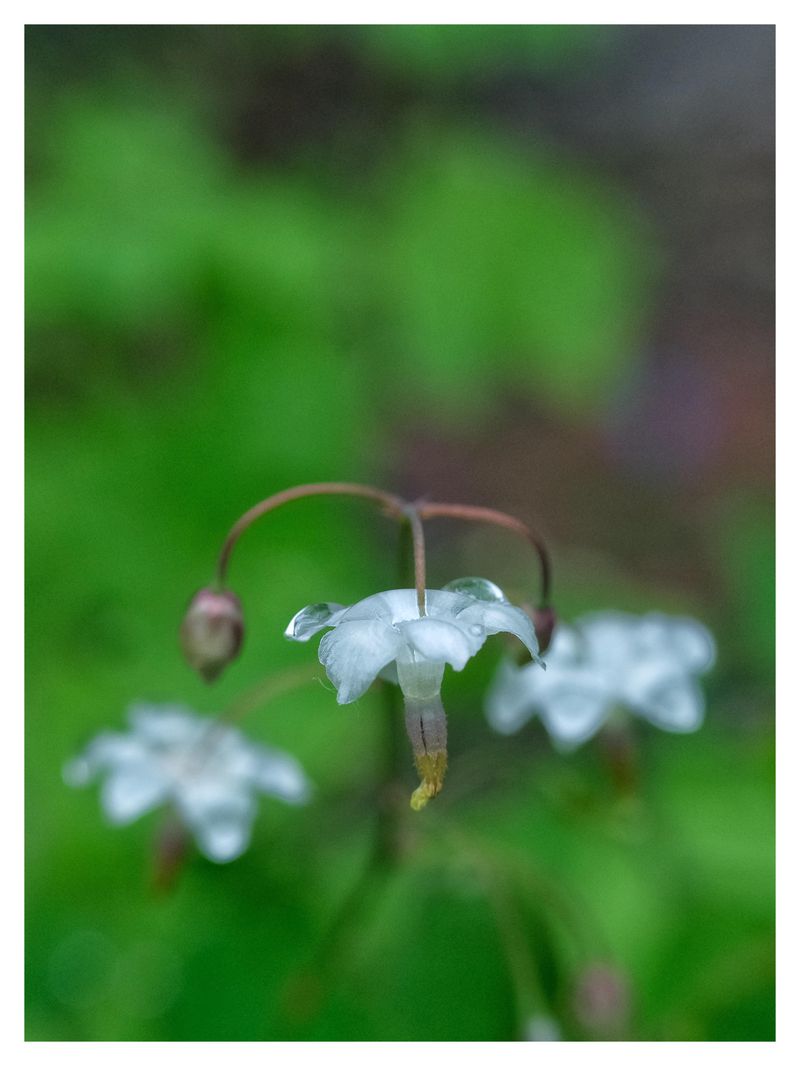
Flip a flower upside down and you start to understand how Vancouveria hexandra got its common name.
The tiny white blooms of Inside Out Flower sweep backward, giving each one a miniature swept-back look that is unlike anything else growing on an Oregon forest floor. It is quirky, charming, and surprisingly tough for something so dainty.
Vancouveria hexandra is native to moist, shaded forests west of the Cascades, where it creeps steadily along the ground using underground rhizomes.
Over time it forms a weed-suppressing mat that holds soil in place and keeps moisture from evaporating too quickly.
The compound leaves are small and scalloped, staying low enough that they never block views or create a crowded, tangled mess. Mature plants reach about twelve inches tall at most.
Oregon State University Extension recognizes this plant as one of the better choices for replacing lawn in full to partial shade.
It grows slowly at first, so patience is required during establishment. Water it consistently through the first summer, and plan on a second season before it really starts to fill in.
Plant it in clusters rather than single specimens to speed up coverage. Combine it with native ferns or sword fern for a layered, natural look.
Once established, it handles dry shade under conifers better than most alternatives, which in Oregon is exactly the condition that defeats most lawn replacements before they even get started.
2. Redwood Sorrel Makes A Soft Carpet
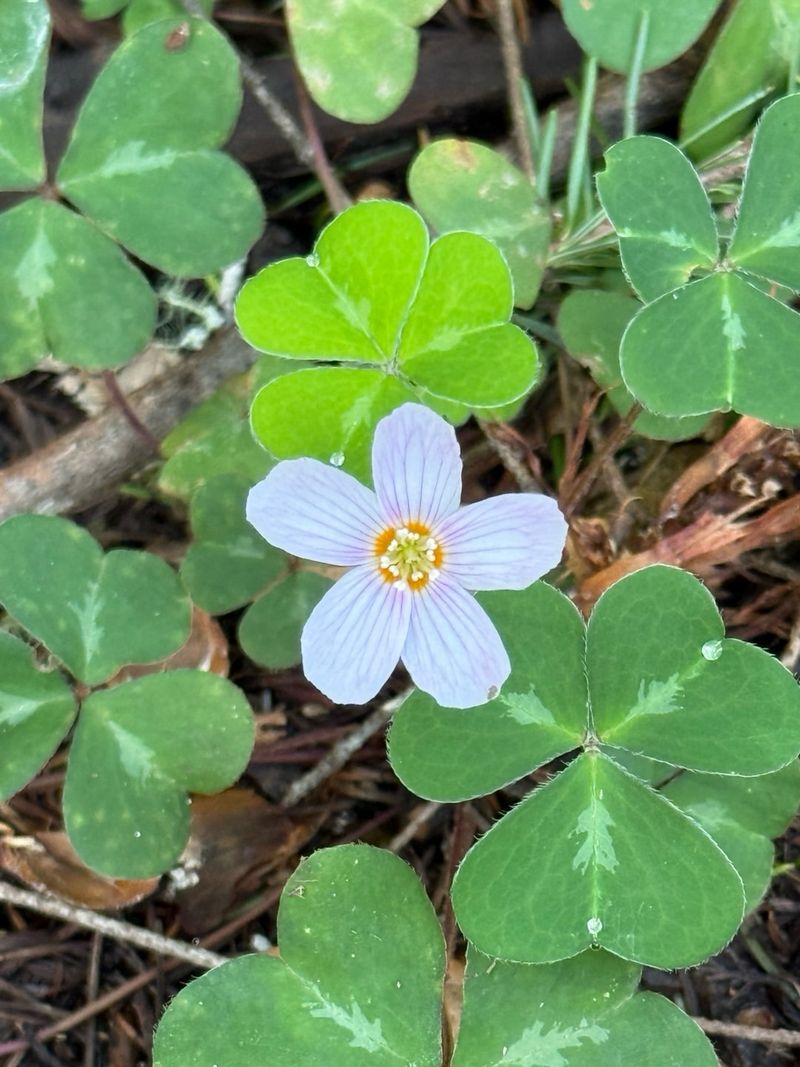
Walk through an old-growth coastal forest in western Oregon and you will almost certainly step on Oxalis oregana without realizing it.
Redwood Sorrel blankets the forest floor in a dense, shamrock-like mat that looks almost too perfect to be natural.
The heart-shaped leaflets fold downward at night or during intense light, giving the plant a subtle, almost animated personality that makes it interesting even when it is not blooming.
This native thrives in consistently moist, deeply shaded spots where almost nothing else will grow.
Your Oregon Garden Changes Every Week. Your Plan Should Too.
Gardening in Oregon changes quickly throughout the season. Every Friday you’ll receive a simple weekly plan showing exactly what to plant, prune, fertilize, harvest, and protect so you never miss the right timing.
It spreads through rhizomes and seeds, filling gaps steadily without becoming aggressive in the way that non-native ground covers often do.
Leaf color shifts from bright green to a deeper olive depending on available light and moisture, which keeps the planting looking dynamic across seasons.
Oxalis oregana produces small flowers in pink or white during spring and occasionally again in fall.
They are not showy, but they add a gentle seasonal interest that bare soil or struggling lawn cannot provide. The plant stays under four inches tall in most conditions, making it one of the lowest-growing options on this list.
Establishment requires consistent moisture, especially during Oregon’s dry summers.
Water deeply once or twice a week through the first growing season. After that, plants in naturally moist sites often need very little supplemental water at all.
Avoid planting in areas with standing water, as soggy roots will weaken the colony over time.
3. Wood Strawberry Spreads Under Trees
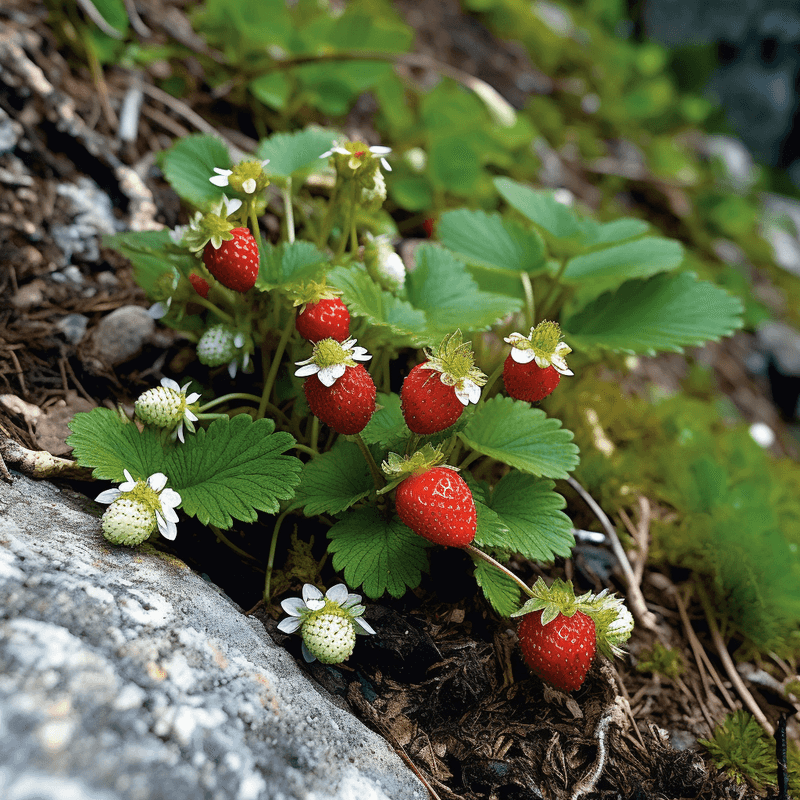
There is something almost nostalgic about finding tiny wild strawberries tucked beneath the canopy of an Oregon oak or bigleaf maple.
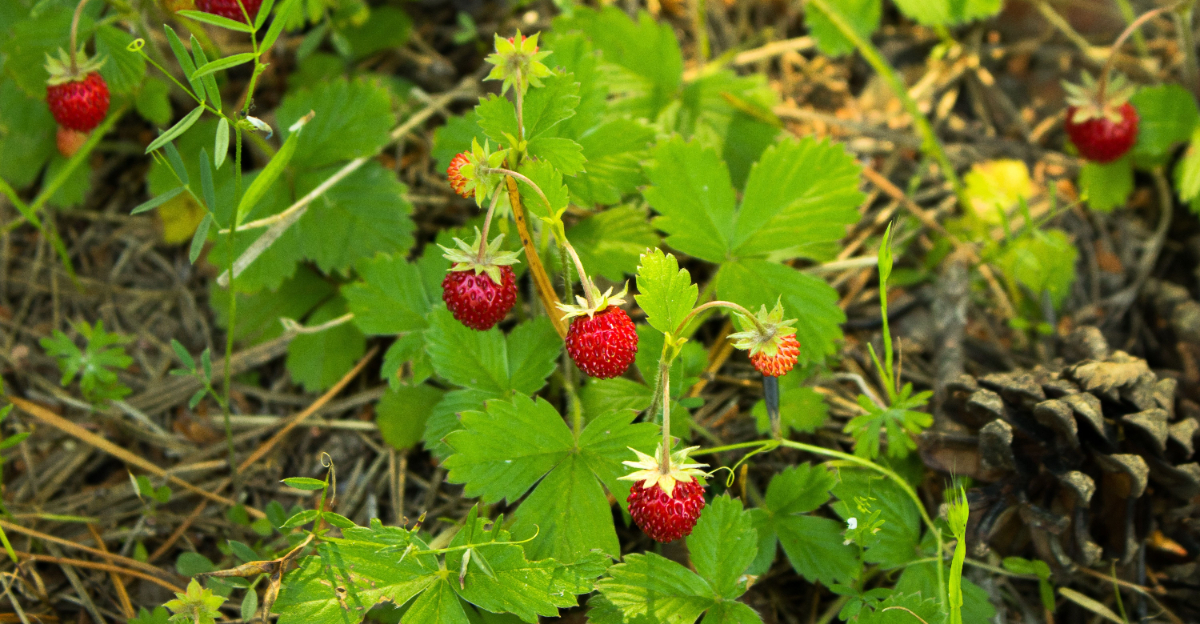
Wood Strawberry, known botanically as Fragaria vesca, brings that same woodland charm to shaded home gardens while doing the practical work of filling bare ground under trees where lawn has long since given up.
This plant spreads by runners, sending out horizontal stems that root wherever they touch soil.
Coverage builds gradually, but once a colony gets going it is remarkably self-sustaining. The trifoliate leaves stay low, rarely exceeding six inches, and they remain semi-evergreen through mild Oregon winters.
Spring brings a flush of small white flowers, followed by tiny red fruits that birds and small mammals find irresistible.
Wood Strawberry is documented in Oregon native plant guides as a shade-tolerant species suited to woodland edges and understory conditions.
It performs best in light to moderate shade rather than the deepest, darkest corners of the yard. Moist, well-drained soil gives the best results, though established plants show decent drought tolerance once their root systems mature.
During the first growing season, water regularly to help runners root successfully. Mulch lightly between new plants to retain moisture and reduce competition from weeds.
Over two to three seasons, Wood Strawberry can replace patchy turf under large trees while providing real ecological value through fruit, shelter, and foliage for native wildlife.
4. Stream Violet Fills Damp Shade
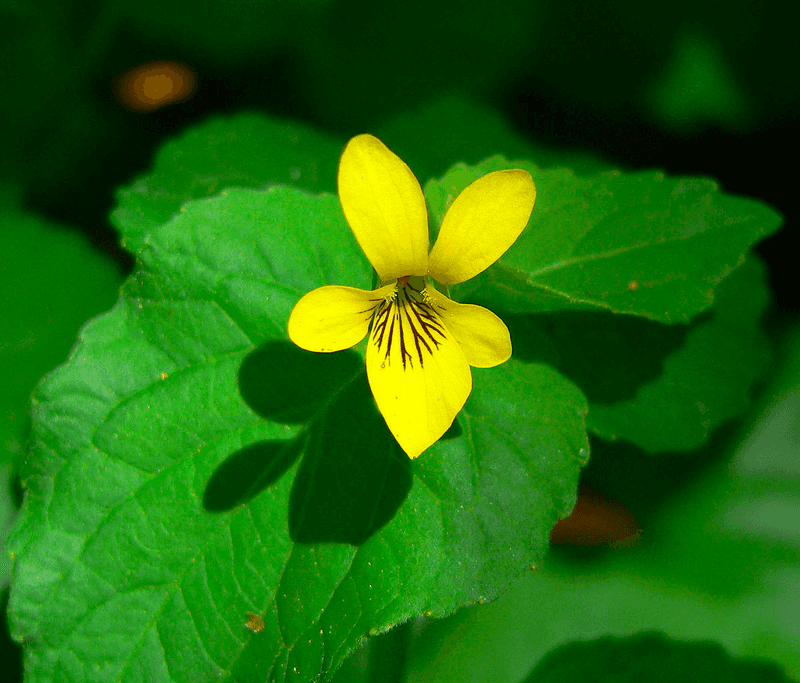
Damp, dark corners of the yard often feel like a problem with no good solution. Stream Violet, or Viola glabella, disagrees.
This cheerful native thrives in exactly the kind of soggy, deeply shaded spots that defeat most plants, arriving each spring with a burst of bright yellow flowers that look almost out of place in such dim conditions.
Native to moist forests and streamside habitats throughout western Oregon, Viola glabella forms low clumps of heart-shaped leaves that stay close to the ground.
It spreads slowly through rhizomes and self-seeds into nearby gaps, gradually filling shaded areas with a soft, irregular texture that feels more like a woodland floor than a manicured lawn. Plants typically reach four to eight inches in height.
The yellow flowers appear from March through May and are genuinely striking in low light.
They also support early-season native bees and other pollinators that are active before most garden plants have begun to bloom.
After flowering, the foliage stays attractive through summer as long as moisture remains consistent in the soil.
Stream Violet works especially well along the shaded edges of rain gardens, under downspouts, or beside shaded retaining walls where moisture collects naturally.
In naturally damp sites it often needs very little help after year one. Combine with Oxalis oregana or native ferns to build a layered, low-maintenance shade planting that holds soil and supports local wildlife year-round.
5. Pacific Bleeding Heart Softens Bare Ground
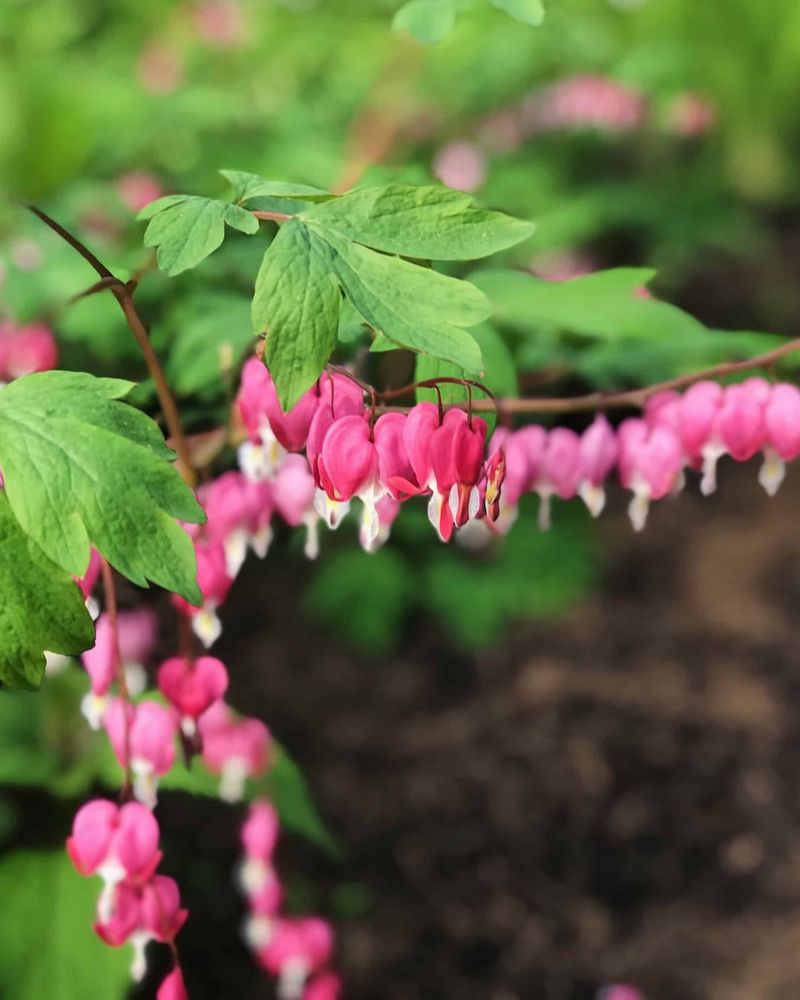
Few plants transform a shadowy patch of bare ground as quickly and dramatically as Pacific Bleeding Heart.
The ferny, blue-green foliage of Dicentra formosa emerges in early spring with a lushness that feels almost tropical for western Oregon, and the dangling clusters of pink, heart-shaped flowers that follow are genuinely hard to ignore.
This native spreads through rhizomes and self-seeding, gradually expanding into a soft, weed-suppressing mass.
In moist, shaded conditions it can cover several square feet within two or three growing seasons.
The foliage stays attractive from early spring through summer, then fades back during the dry season, which is normal expected behavior rather than a sign of trouble.
Pacific Bleeding Heart is listed in multiple Pacific Northwest native plant guides as one of the most reliable low-growing natives for full shade.
It tolerates a wide range of soil types as long as drainage is reasonable. Overly compacted or waterlogged soils will limit its spread, so loosen planting areas and add compost before getting started.
Water consistently through the first growing season, especially during summer dry spells.
Established colonies handle Oregon’s dry summers reasonably well, particularly when planted under trees where root competition keeps the soil cool.
Avoid cutting back foliage too early in fall, as the plant continues to photosynthesize and store energy for the following spring.
Pair with Inside Out Flower for a layered, all-native woodland planting that looks intentional and feels completely at home.
6. Fringecup Seeds Into Shady Patches
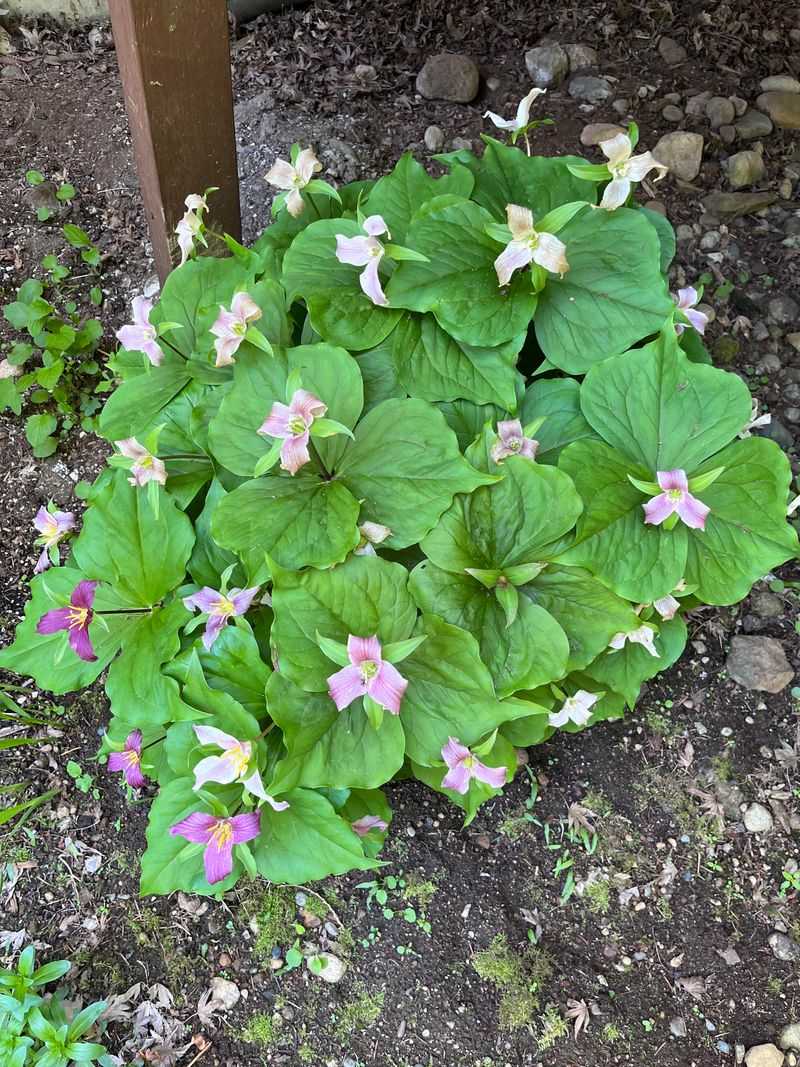
Some plants politely stay where you put them. Fringecup is not one of those plants, and that is exactly why it belongs in this list.
Tellima grandiflora self-seeds with impressive enthusiasm, quietly filling shaded gaps and bare patches over time in a way that feels less like gardening and more like letting the forest take back its space.
Native to moist, shaded forests throughout western Oregon, Fringecup forms a basal rosette of scalloped, hairy leaves that stay low and tidy through winter.
In spring, slender flowering stalks rise to two feet or so, lined with small, fringed flowers that shift from greenish-white to pink as they age. The effect is delicate and textural rather than bold, which suits a woodland setting perfectly.
After flowering, seeds scatter naturally into surrounding soil.
Seedlings establish readily in disturbed or bare shaded ground, which makes Fringecup particularly useful for covering areas where lawn removal has left the soil exposed.
Its value as a self-sustaining native for shaded understory conditions is well established in Oregon native plant literature.
Water during establishment, especially through the first dry season.
Once plants are settled in, they handle dry shade under conifers better than most flowering natives. Remove spent flower stalks to limit self-seeding, or leave them in place and let the plant do what it does naturally.
Combine with Vancouveria hexandra for a ground-level planting that covers soil effectively while adding seasonal height variation through Fringecup’s spring flower spikes.
7. False Lily Of The Valley Creeps Low
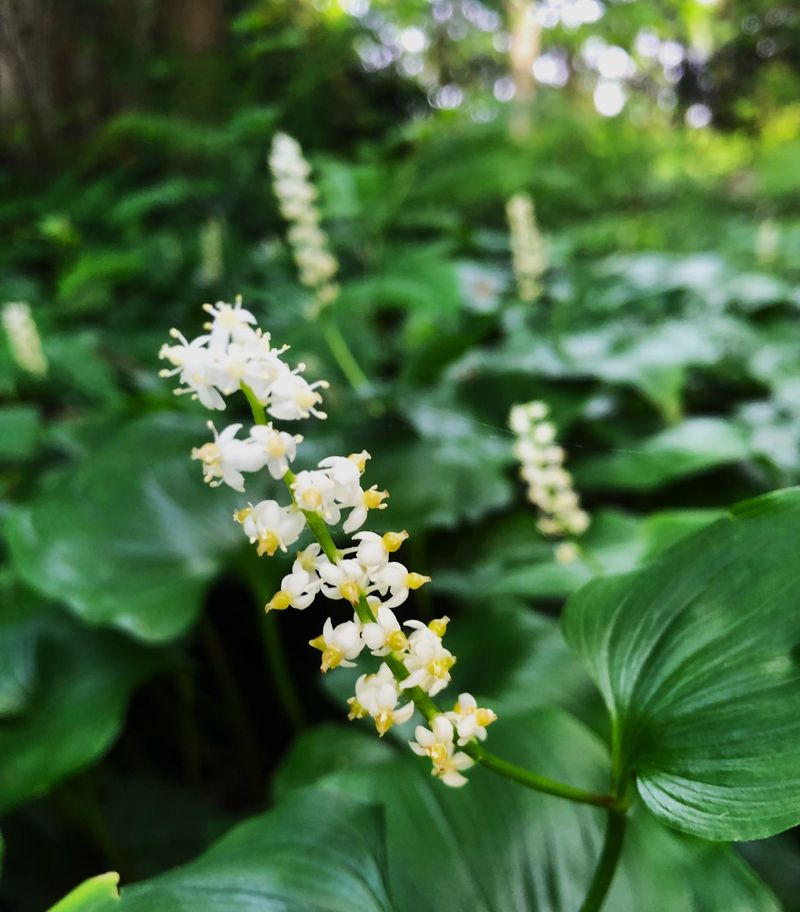
Quiet and patient, False Lily of the Valley earns its place in a shade garden the old-fashioned way. It shows up every spring, spreads a little further each year, and asks for almost nothing in return.
Maianthemum dilatatum is a native of moist, shaded coastal and lowland forests in Oregon, and it brings a clean, architectural quality to woodland plantings that is hard to replicate with other ground covers.
The broad, heart-shaped leaves emerge in spring on short stems that rarely exceed eight inches.
They overlap to form a dense canopy over the soil, blocking light from reaching weed seeds below.
Clusters of small white flowers appear in late spring and produce red berries by summer, which birds find attractive and consume readily, helping to spread the plant into new areas naturally.
Maianthemum species are well documented in Pacific Northwest native plant literature as reliable creeping ground covers for full shade.
They perform best in consistently moist soil but adapt to moderately dry conditions once established. Avoid planting in heavy clay without amending first, as poor drainage slows establishment significantly.
Water regularly through the first two growing seasons to help rhizomes spread and anchor the colony.
After that, plants in naturally moist or mulched sites often need very little supplemental irrigation. Combine with Redwood Sorrel for a two-layer carpet that covers soil completely and provides year-round interest.
This is a slow-build solution, but the results are genuinely low-maintenance once the colony reaches maturity, and a shade problem that used to stress you out starts looking like a feature you planned all along.