7 Native North Carolina Bloomers That Handle Mailbox Heat Better Than Petunias
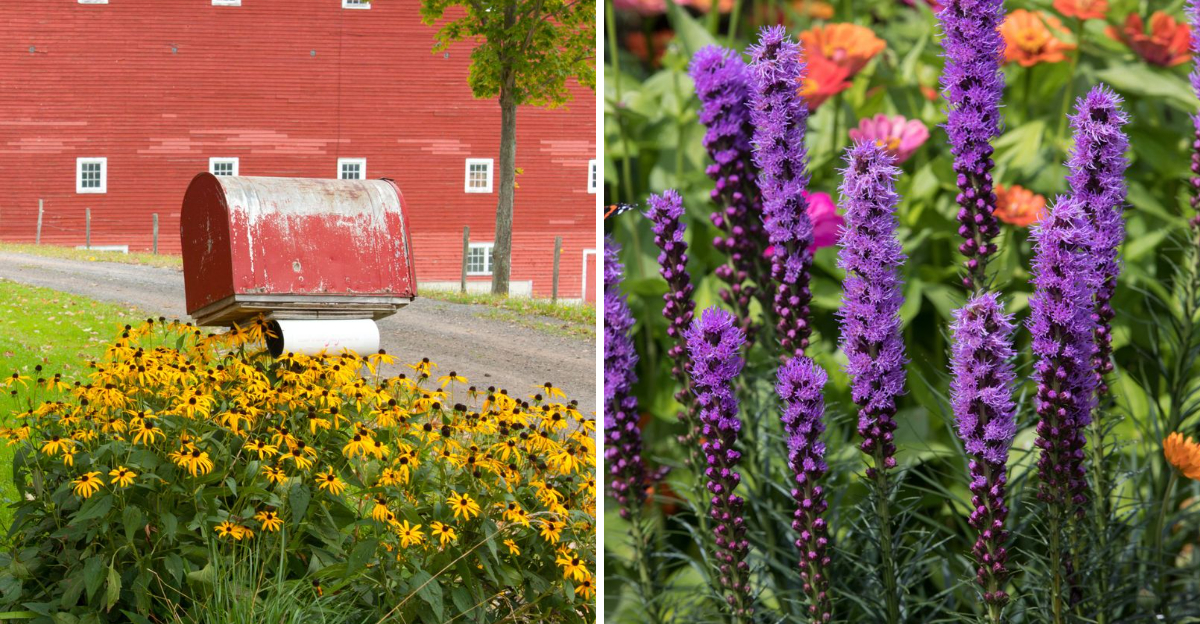
A mailbox bed looks innocent until July gets dramatic.
Then the pavement radiates heat, the soil dries fast, and each car seems to add another degree. That cheerful spring bed can look tired long before summer decides to ease up.
Petunias often get the blame, but the real issue sits underground and all around them.
This tiny patch deals with more stress than many flower beds ever see. Heat bounces off the road. Soil gets compacted. Rain can disappear for weeks. Shade usually clocks out before breakfast.
So what actually belongs in a spot like that?
North Carolina already grows plants that know the assignment.
Some stay low and tidy. Others bring bold color, pollinators, fragrance, or structure without a constant rescue mission. A few even seem to treat roadside heat like free publicity.
The trick is the right plant in the right patch.
Your mailbox may be small, but the flowers around it can still steal the whole street’s attention. And no weekly garden rescue routine. That sounds better.
1. Let Butterfly Weed Take The Heat
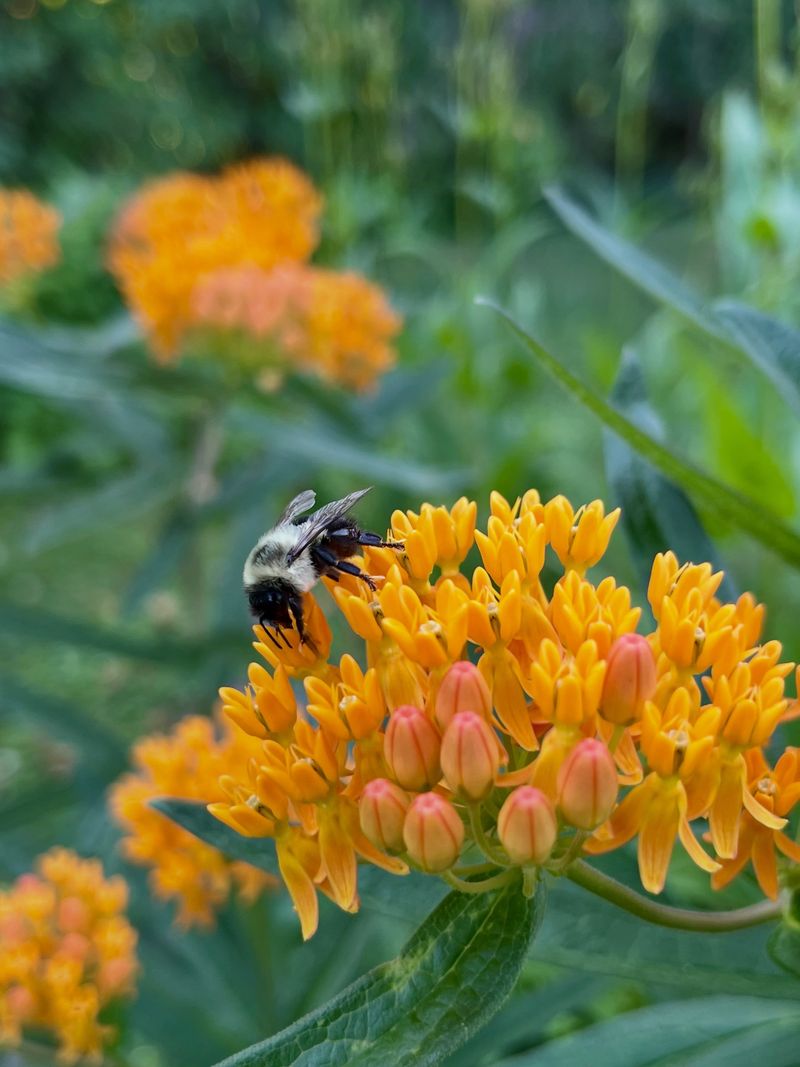
That strip beside the pavement can feel like a hot skillet by midafternoon. Butterfly weed barely seems impressed.
Asclepias tuberosa brings vivid orange flower clusters into the hottest part of summer. Monarchs, swallowtails, and other pollinators often find the blooms quickly, so the mailbox can turn into a tiny roadside café.
Its secret sits below the soil.
A deep, fleshy taproot helps the plant reach moisture and stay anchored through dry spells. That same root also makes relocation difficult after the plant settles. Choose the spot with care, then let it claim the address.
Full sun suits it best. Lean, well-drained soil also works in its favor. Rich compost and frequent fertilizer can push softer growth, while soggy ground can cause crown trouble.
Give it patience during the first year. The top may look modest while the root system develops below. Flower power often improves during the second or third season.
Mark the spot before winter. Butterfly weed can emerge late in spring, and an eager gardener with a trowel can accidentally evict it before showtime.
Mature plants usually stay around 1 to 2 feet tall, which keeps them clear of the mailbox door and driver sightlines.
Roadside beds rarely offer luxury conditions. Butterfly weed does not ask for them. Give it sun, drainage, and a little patience, then let the orange fireworks handle the curb appeal.
2. Use Purple Coneflower For Long Color
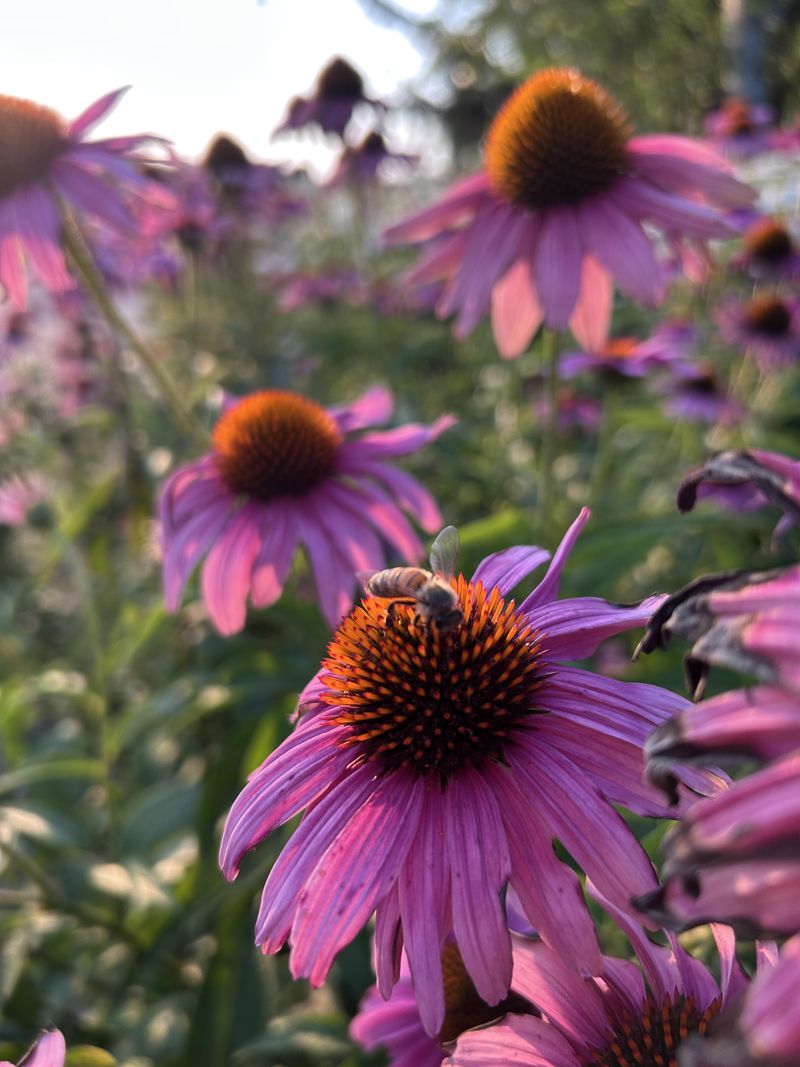
Long summer color sounds ambitious beside hot pavement. Purple coneflower makes the idea feel much more realistic.
Echinacea purpurea can bloom from early summer well into fall. That stretch matters around a mailbox, where one strong perennial can carry the bed after spring flowers lose momentum.
Full sun brings the best display. The plant also tolerates lean or somewhat compacted soil, which gives it an advantage near roads and driveways. Good drainage still matters, especially after heavy summer storms.
Give each plant about 18 to 24 inches of space.
That gap does more than make the bed look tidy. Air can move between the stems, which helps reduce powdery mildew during humid North Carolina summers.
Your North Carolina Garden Changes Every Week. Your Plan Should Too.
Gardening in North Carolina changes quickly throughout the season. Every Friday you’ll receive a simple weekly plan showing exactly what to plant, prune, fertilize, harvest, and protect so you never miss the right timing.
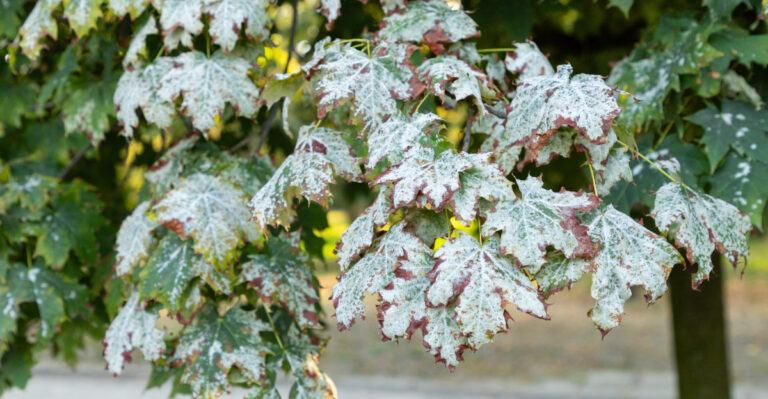
A pale film on leaves may look dramatic, but it often stays cosmetic rather than turn into a major plant problem.
Water near the soil instead of across the foliage late in the day. Your coneflowers do not need an evening shower before a humid night.
Once flowers fade, you get a choice.
Remove some spent blooms to encourage more color. Leave others in place so goldfinches and other seed-loving birds can visit later. The dried cones also bring structure through colder months.
A few seedlings may appear nearby, which can gradually fill empty spaces without another nursery run.
Purple coneflower knows how to stretch a season. Around a mailbox, that means more flowers, more bird visits, and fewer sad gaps that beg for another impulse purchase.
3. Plant Coreopsis Along The Sunny Edge
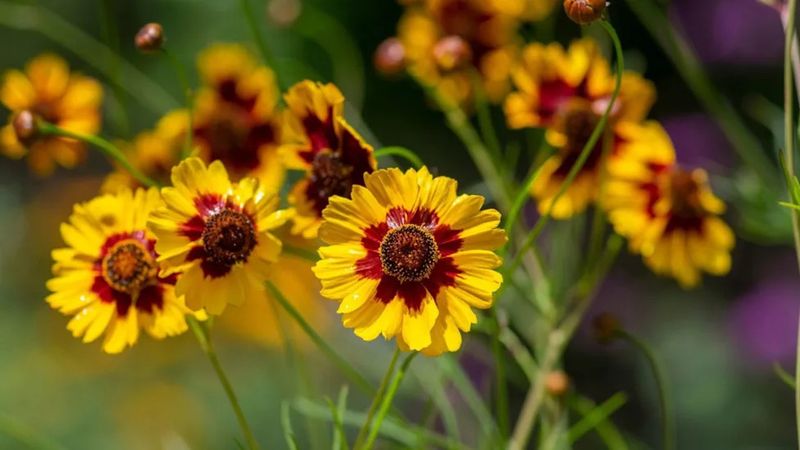
Yellow flowers near a black mailbox can look almost ridiculously cheerful. That is part of the charm.
Lance-leaved coreopsis, Coreopsis lanceolata, fits the front edge of a roadside bed particularly well. It usually reaches about 1 to 2 feet tall, so it adds color and keeps the mailbox door and driveway view clear.
Late spring often starts the show. Blooms can continue into midsummer, especially after you remove faded flowers from time to time.
You do not need to fuss over every spent bloom.
Clip enough to keep the patch tidy, then leave a few seed heads alone. Volunteers may pop up in open soil later and help fill thin spots. Free flowers are hard to argue with.
Lean soil suits this plant better than a heavily enriched bed. Too much fertilizer can create floppy stems that lean toward the road like they are curious about traffic.
Full sun and good drainage matter more.
Avoid low spots where stormwater sits after rain. Constantly wet roots can shorten the plant’s stay. Sandy or loamy soil often gives the crown the open soil it prefers.
Coreopsis also works nicely in front of taller natives. That layered setup keeps the mailbox bed colorful and avoids a wall of stems.
Sun, drainage, modest soil, and occasional cleanup can go a long way. Coreopsis brings the yellow; you get to take credit from the curb.
4. Give Appalachian Blazing Star Sharp Drainage
Every small flower bed benefits from one plant that refuses to stay at ankle height.
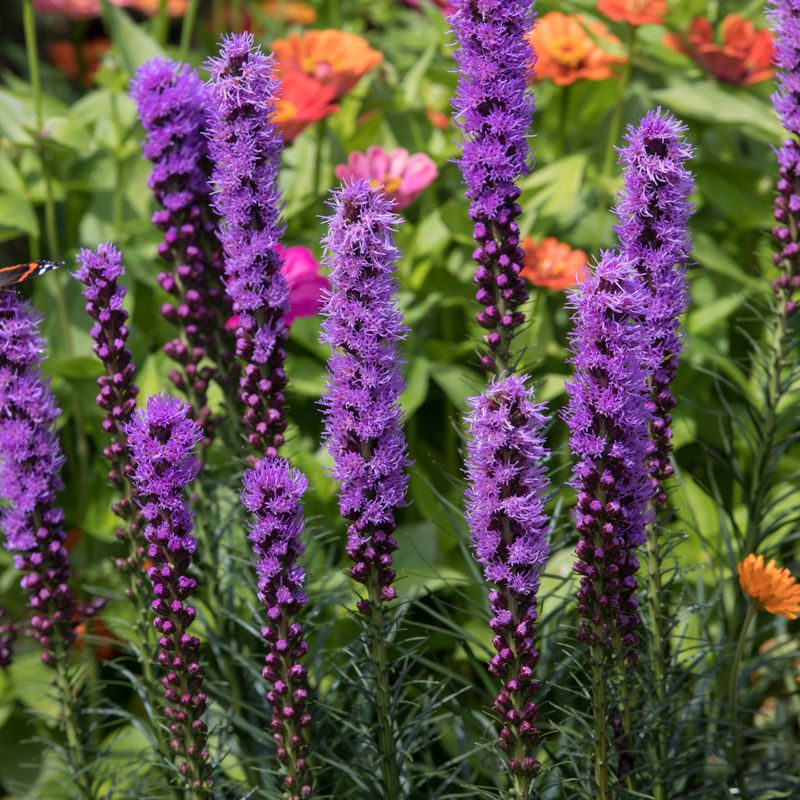
Appalachian blazing star brings that vertical punch. Purple flower spikes can reach about 2 to 3 feet tall, which adds height without a broad canopy that swallows the whole mailbox.
Its flowers open from the top downward, an unusual little trick that keeps fresh blooms available over a longer stretch. Bumblebees and monarchs often take notice.
The real challenge hides below ground.
This perennial grows from a corm, and that corm dislikes soggy soil. A roadside dip that collects runoff can turn a good spot into a poor match. Sharp drainage matters more here than rich soil.
A gentle slope can work well. Sandy ground or a slightly raised bed can also help excess water move away from the crown.
Regional conditions deserve attention too.
Mountain and Piedmont gardens often offer the sharper drainage this plant prefers. Coastal Plain gardeners should inspect the site after a hard rain. Water that disappears quickly gives the plant a better chance than a puddle that lingers.
Full sun keeps the stems sturdier. Too much shade can leave them stretched and floppy.
Once the roots settle into the right site, summer care stays fairly simple. The plant can handle dry spells with little fuss.
Blazing star gives a mailbox bed some exclamation points. Just make sure those exclamation points stand on dry feet, or the punctuation gets complicated.
5. Anchor The Corner With Blue False Indigo
A mailbox bed can use one plant with enough presence to make the whole design look intentional.
Blue false indigo fits that role beautifully.
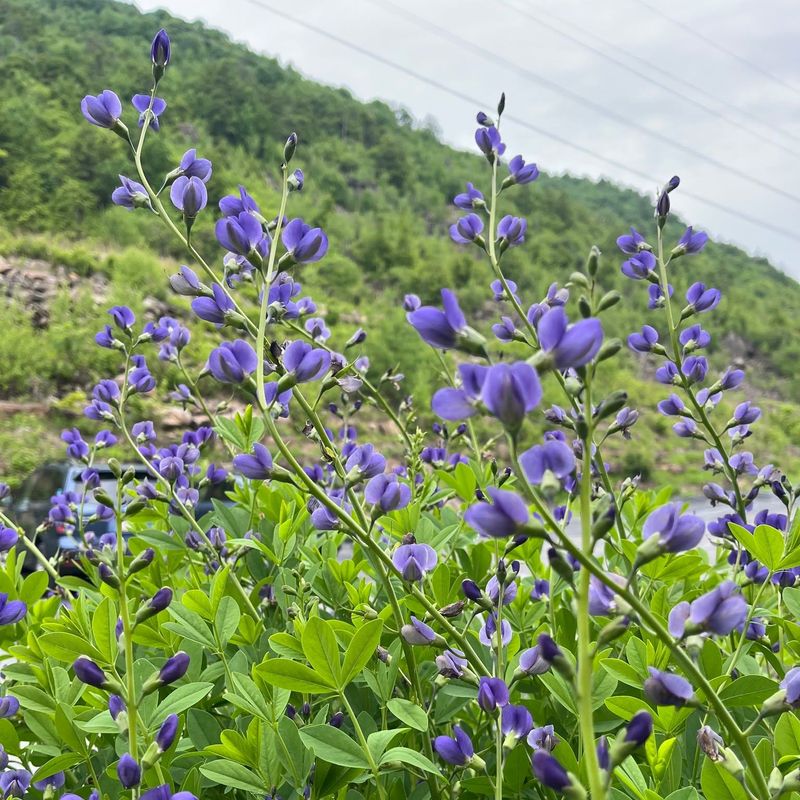
Baptisia australis can reach about 3 to 4 feet tall and nearly as wide. Spring brings blue-purple flower spikes, followed by a rounded mound of blue-green foliage that keeps its shape through summer.
Place it toward the back corner of the bed, away from the mailbox door, road edge, and driver sightline. Give it room at the start because a mature clump does not appreciate relocation.
The roots explain why.
Blue false indigo develops a deep, woody root system that helps it handle dry periods and stay firmly anchored. The tradeoff comes early. Young plants may look modest for the first season or two while most of the real work happens below ground.
Then patience starts to pay.
By the third year, the plant often fills its space with confidence. Regular water during establishment helps, but mature plants can handle dry stretches with less attention.
Full sun and well-drained soil support the strongest form. Avoid low spots where water stays after storms.
Later in the season, inflated seedpods turn charcoal gray and may rattle in the breeze. Leave some for texture or cut a few for dried arrangements.
Blue false indigo is not a short-term fling. It settles in, builds roots, and becomes the dependable friend who somehow keeps the whole mailbox bed together.
6. Keep Wild Bergamot Back From The Road
The front edge of a mailbox bed is not always the best seat for the most enthusiastic plant.
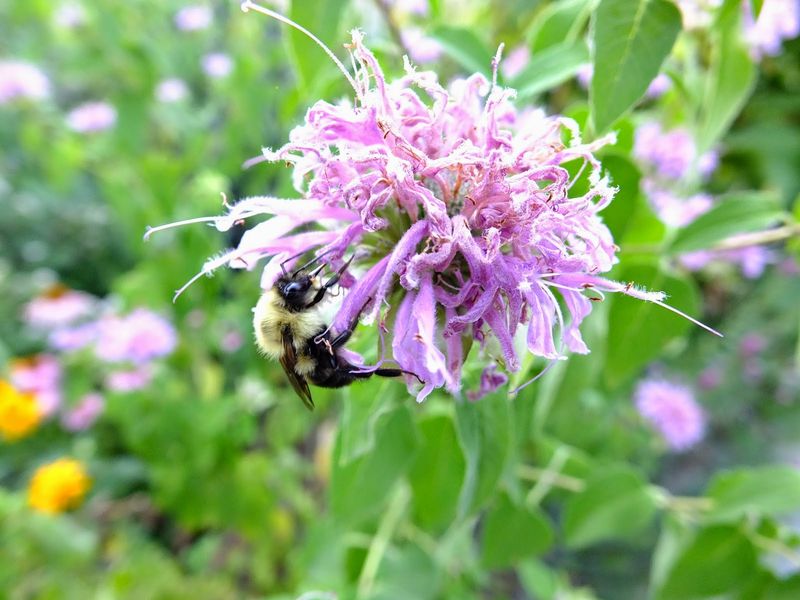
Wild bergamot, Monarda fistulosa, can spread through seed and rhizomes once it feels comfortable. Give it a little distance from the road and mailbox post, and that enthusiasm becomes an asset instead of a traffic problem.
Set it behind shorter plants such as coreopsis or coneflower.
From midsummer into early fall, lavender-pink flower heads bring steady activity. Bumblebees, native bees, hummingbirds, and swallowtails often visit, so this part of the bed can feel busier than the street beside it.
Rub a leaf and you may notice an oregano-like scent too.
Space matters for another reason.
North Carolina humidity can encourage powdery mildew on crowded clumps. The pale film usually causes more cosmetic annoyance than serious harm, but better airflow can keep the foliage cleaner.
Leave space between plants. Thin a dense clump early in the season when needed, and clear affected foliage after the season ends.
Full sun suits wild bergamot. Medium to dry soil with decent drainage also helps keep the plant sturdy.
You may need to pull a few adventurous shoots that wander too far forward. That beats a battle with the whole clump after several years.
Wild bergamot brings fragrance, movement, and pollinators to a harsh roadside patch. Give it boundaries, though. Every garden party needs one guest who gets a friendly reminder about personal space.
7. Finish With Black-Eyed Susan
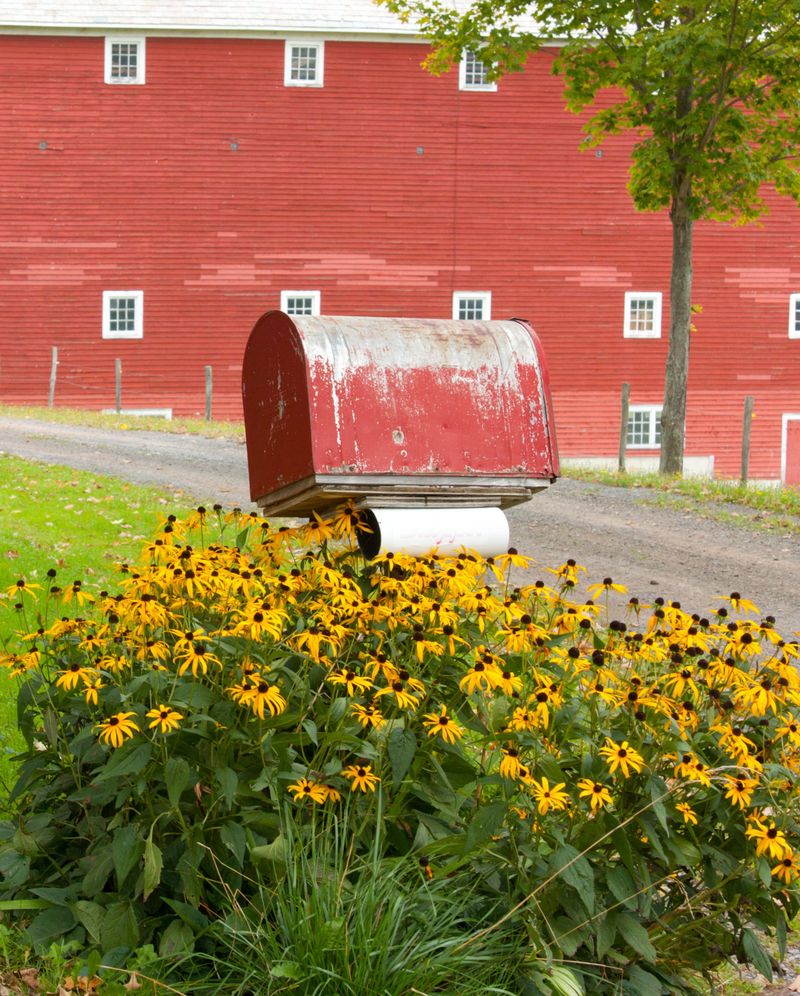
Some flowers look like they were designed for a roadside summer.
Black-eyed Susan has golden petals around a dark center, and that combination can keep a mailbox bed lively from early summer into fall.
Rudbeckia hirta also handles the kind of conditions that make many annuals sulk. Full sun, reflected heat, and lean soil rarely seem to ruin the show once plants settle into the site.
The catch comes with its lifespan.
Individual plants may act as short-lived perennials or biennials, so the same clump may not return forever. Fortunately, black-eyed Susan often replaces itself through seed.
That creates a loose, natural display rather than a perfectly fixed arrangement.
Keep an eye on volunteers near the lawn or road edge. Pull extras while they stay small, and let the best-placed seedlings remain. You can also remove most faded flowers to slow the spread.
Leave a few seed heads for birds and for next year’s crop of seedlings.
Space plants about 12 to 18 inches apart. That extra room helps air move through the foliage during humid weather and can reduce leaf problems.
Good drainage also keeps the roots happier after summer storms.
Black-eyed Susan works especially well near the front or middle of a mailbox bed, where the flowers stay easy to see and keep access clear.
It is cheerful, easygoing, and slightly self-employed. Give it one good patch of sun, and it may take over next year’s flower schedule for you.