7 Native Ohio Alternatives To Creeping Jenny That Won’t Escape Into Natural Areas
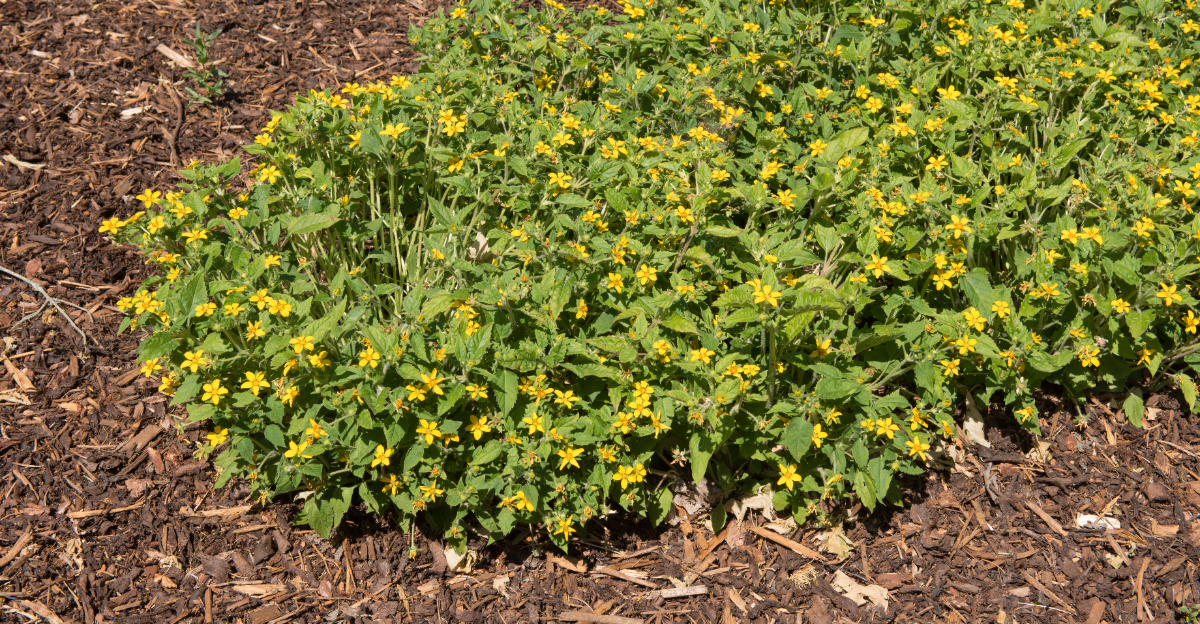
Creeping jenny looks innocent enough in a container or a garden border. Low, bright, cheerful, and it fills in fast.
That last quality is exactly where the trouble starts. Fast in a controlled bed means invasive in a natural area, and Ohio’s wetlands, stream banks, and woodland edges have been paying the price for years.
Ohio’s native plant palette has solid alternatives that deliver the same groundcover effect without the ecological baggage. Some match the color.
Some match the spread. A few do both while actively supporting the local insects and wildlife that creeping jenny never could.
Swapping an invasive groundcover for a native one is one of the more satisfying garden decisions you can make. The yard still gets what it needs and the natural areas nearby stop taking the hit.
Seven natives earn a real look here.
1. Plant Wild Ginger For A Native Shade Carpet
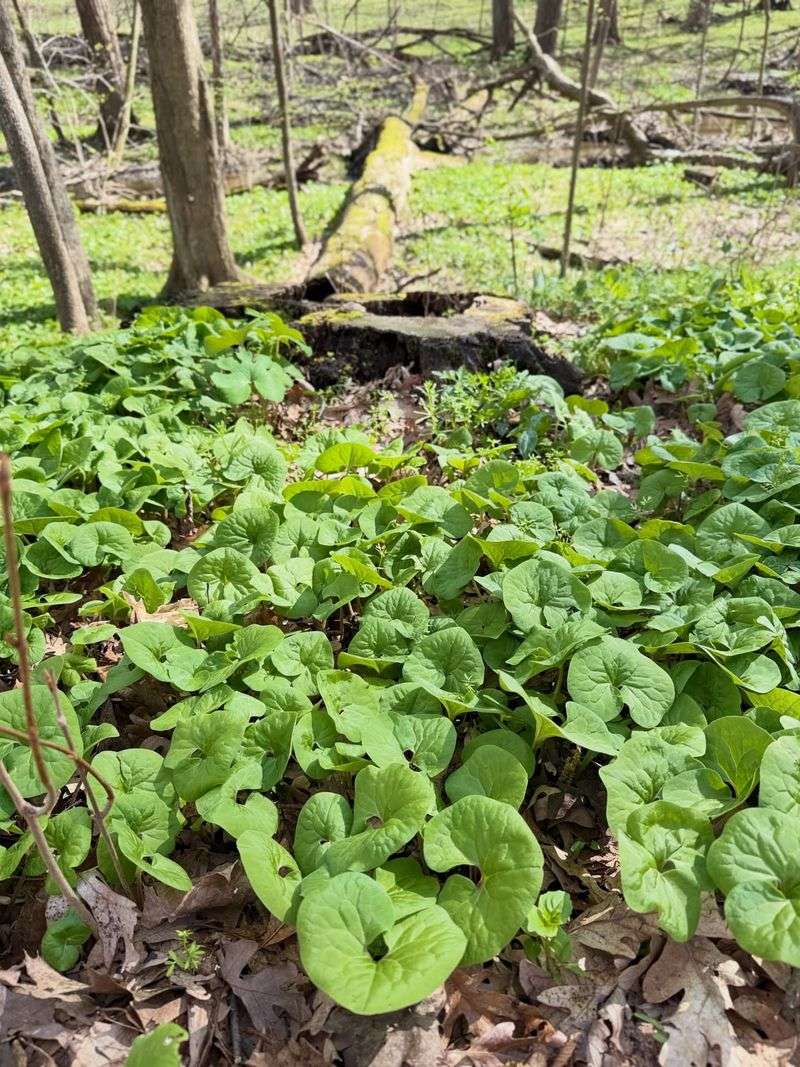
A shady bed can look bare for years when the only thing growing well is mulch. Wild ginger, known by its botanical name Asarum canadense, offers a leafy solution for those hard-to-fill shaded spots under trees or along north-facing foundations.
Its broad, heart-shaped leaves form a low, dense layer that blocks weeds and holds moisture in the soil below.
This plant is grown almost entirely for its foliage, not its flowers. The small, reddish-brown blooms appear in spring, but they hide beneath the leaves and are easy to miss.
That is fine, because the real draw is the rich, overlapping canopy of green that builds up over time.
Wild ginger spreads by underground rhizomes, but it does so slowly. In most home gardens, it takes several seasons to fill in noticeably.
That slow pace makes it manageable, and it rarely becomes a problem near natural areas the way creeping Jenny can. It is not aggressive, but it is persistent.
For best results, plant wild ginger in rich, moist, well-drained soil with consistent shade. It does not handle drought well once established without some help during dry spells.
Amending the soil with compost before planting gives it a strong start. Avoid hot, sunny spots entirely, as the leaves will scorch and the plant will struggle.
Wild ginger also has a small wildlife benefit. Ants are attracted to the seeds and help carry them short distances, which is a natural dispersal process called myrmecochory.
It is a quiet, reliable groundcover that earns its place without causing trouble in the surrounding landscape.
2. Use Pennsylvania Sedge Instead Of Spreading Moneywort
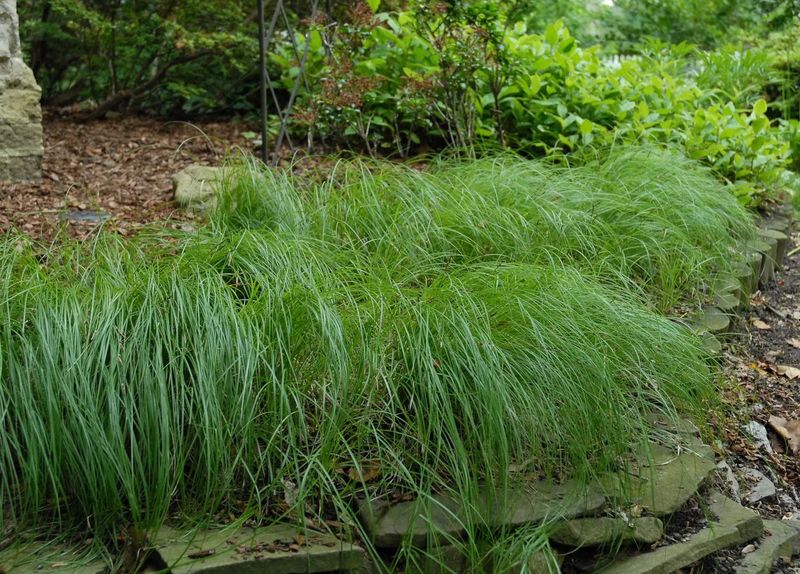
Dry shade under a big oak or maple is one of the toughest spots to fill in any home landscape. Most groundcovers want moisture, and many want sun.
Pennsylvania sedge, Carex pensylvanica, is one of the few Ohio native plants that genuinely handles dry to average shade without complaint. It forms a soft, grassy layer that looks relaxed and natural rather than stiff or formal.
Creeping Jenny spreads aggressively by rooting stems and can move into wet ditches and stream banks. Pennsylvania sedge spreads by rhizomes at a pace that most gardeners find easy to manage.
Your Ohio Garden Changes Every Week. Your Plan Should Too.
Gardening in Ohio changes quickly throughout the season. Every Friday you’ll receive a simple weekly plan showing exactly what to plant, prune, fertilize, harvest, and protect so you never miss the right timing.
It is a native sedge that belongs to local plant communities across this state. Planting it near natural areas carries far less ecological risk than using moneywort.
Pennsylvania sedge works well under trees, along shaded walkway edges, or in naturalized sections of a yard where mowing is inconvenient. It stays relatively low, usually under a foot tall, and has a fine texture that blends well with other woodland natives.
It does not need fertilizer or heavy watering once it settles in.
One practical note: Pennsylvania sedge can be slow to establish from plugs or small divisions. Watering regularly during the first growing season helps it root in properly.
After that, it becomes much more self-sufficient. Spacing plants about eight to twelve inches apart gives them room to fill in without crowding out each other too early.
For gardeners dealing with that impossible dry-shade problem, this sedge is one of the most honest choices available. It is also one of the most dependable options at local nurseries and native plant sales.
3. Let Violets Fill Bare Soil Without The Escape Risk
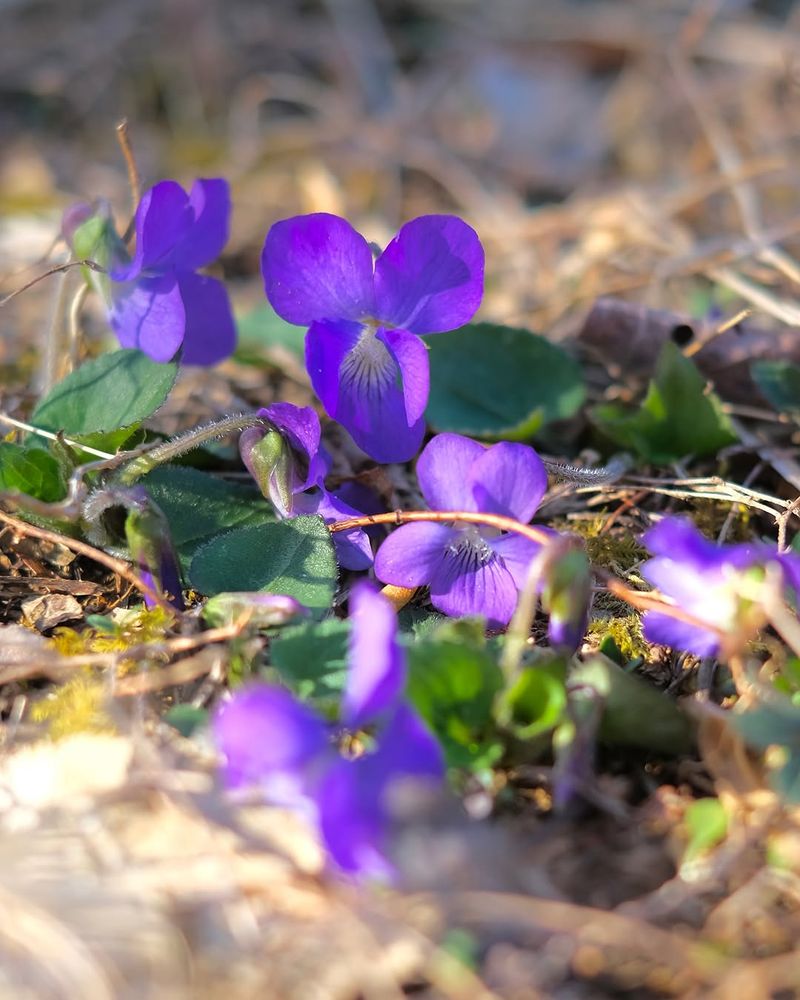
Bare soil in a garden bed is basically an open invitation for weeds. Native violets, particularly Viola sororia and related species suited to local gardens, are one of the most practical ways to fill that gap.
They also do something useful for wildlife. Fritillary butterfly caterpillars depend on violet leaves as a food source, making these plants a genuine link in the local food web.
Violets can self-seed and spread, so they are not a tidy, controlled groundcover in the traditional sense. Gardeners who like a neat, uniform look may find them frustrating.
But for anyone who enjoys a naturalistic planting style, violets bring color, texture, and ecological function all at once. The purple, white, or bicolored spring flowers are a bonus that comes before most other plants even leaf out.
One honest point worth making: violets can multiply faster than expected in loose, fertile soil. They are not invasive in the ecological sense, but they can become abundant in a bed that suits them well.
Pulling extras is straightforward, and they transplant easily if you want to move them around.
Native violets handle a wide range of conditions, from part shade to full sun, and from average to moist soil. They are not fussy about soil quality, which makes them useful in spots where other plants struggle.
They stay low to the ground and do not compete aggressively with shrubs or perennials growing nearby.
For a relaxed, wildlife-friendly yard with ground-level coverage, native violets are among the most rewarding and honest choices a home gardener can make in this region.
4. Choose Foamflower For Soft Woodland Groundcover
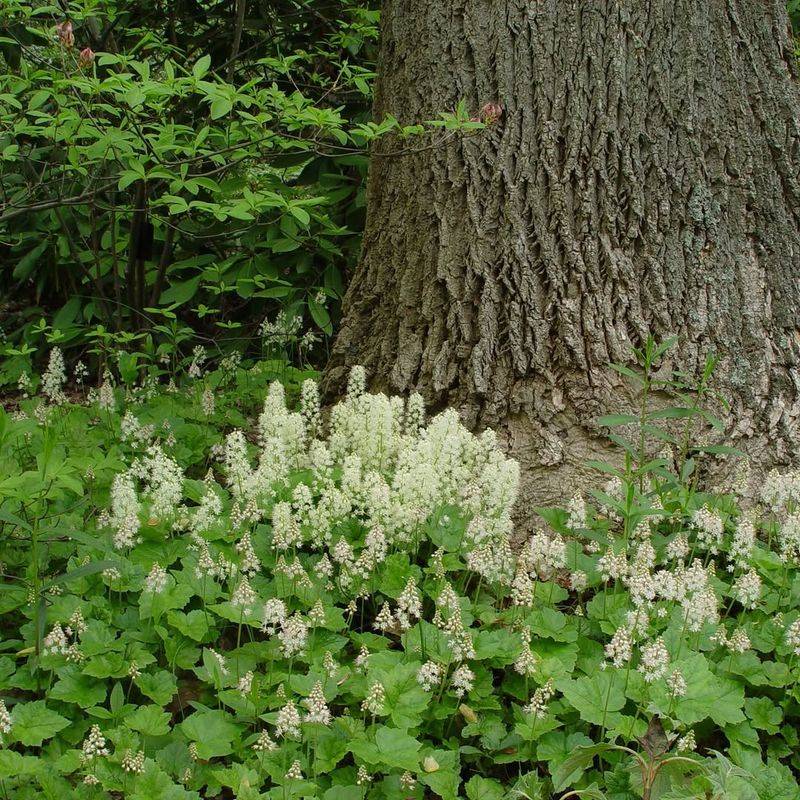
Moist, shaded beds often go underplanted because the options feel limited. Foamflower, Tiarella cordifolia, is an Ohio native woodland plant that fills those spots with real elegance.
In spring, airy white flower spikes rise above a low mat of lobed, mapple-like leaves, creating a soft, layered look that feels genuinely at home under tree canopy.
The foliage is the main event for most of the growing season. Leaves often develop reddish or bronzed markings along the veins, especially in cooler weather.
This gives the plant visual interest even after the spring bloom fades. The texture is soft and slightly fuzzy, which adds a tactile quality to a shaded bed that smooth-leaved plants cannot provide.
Foamflower spreads by stolons, which are short above-ground runners, in conditions it finds suitable. It is not a fast spreader, but it will gradually expand in moist, humus-rich soil with consistent shade.
Gardeners should expect it to fill in slowly over several seasons rather than instantly covering ground. That pace is actually an advantage in most home settings.
This plant is not suited for hot, dry, or exposed locations. Full sun will scorch the leaves, and dry soil will stress the plant significantly.
It belongs in woodland-style plantings, rain gardens with filtered light, or shaded borders near water features. Pairing it with wild ginger or Pennsylvania sedge creates a layered native groundcover combination that looks intentional and works well ecologically.
Foamflower is widely available at native plant nurseries and spring sales across this state, making it one of the more accessible choices on this list for home gardeners.
5. Grow Wild Strawberry Where Sun Reaches The Soil
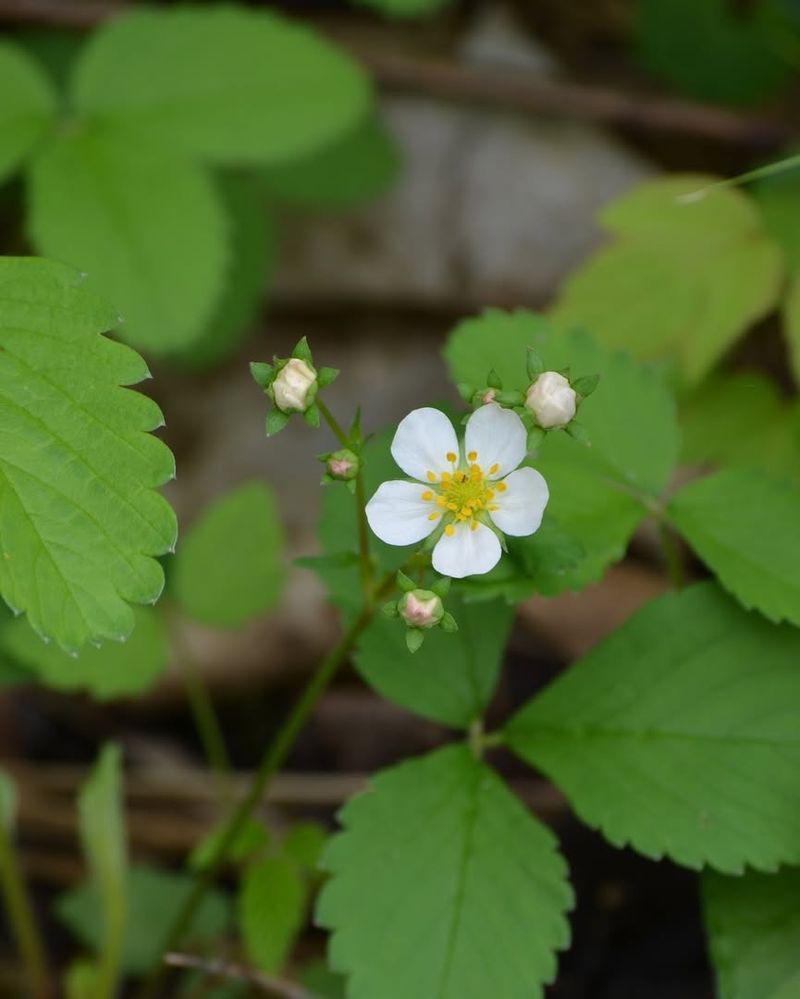
Some of the best groundcovers do double duty, covering soil and producing something edible along the way. Wild strawberry, Fragaria virginiana, is a native plant that works as a spreading ground layer in sunny to partly shaded spots.
It produces small white flowers in spring, followed by tiny but genuinely flavorful red fruits that birds and other wildlife find irresistible.
This plant spreads by runners, much like its cultivated cousins. In a spot it likes, wild strawberry can fill in a patch fairly quickly over two or three seasons.
That spreading habit is useful when you want coverage, but it means you should place this plant where some expansion is welcome. Tight formal beds or spots right next to delicate perennials are not the best fit.
Wild strawberry handles a range of soil conditions better than many native groundcovers. It prefers average to well-drained soil and does not do well in consistently waterlogged spots.
Sun to part shade works best. In deep shade, flowering and fruiting drop off noticeably and the plant becomes less vigorous overall.
From a wildlife perspective, wild strawberry punches above its weight. The flowers attract native bees and small pollinators.
The fruit feeds birds, small mammals, and even box turtles in areas where they still roam. The leaves host several native moth and butterfly species, adding another layer of ecological value to what looks like a simple groundcover.
For a sunny slope, a naturalized lawn edge, or a low-maintenance border in full sun, wild strawberry brings strong coverage. It also offers wildlife value and seasonal interest that few other native groundcovers can match.
6. Add Green And Gold For A Brighter Native Mat
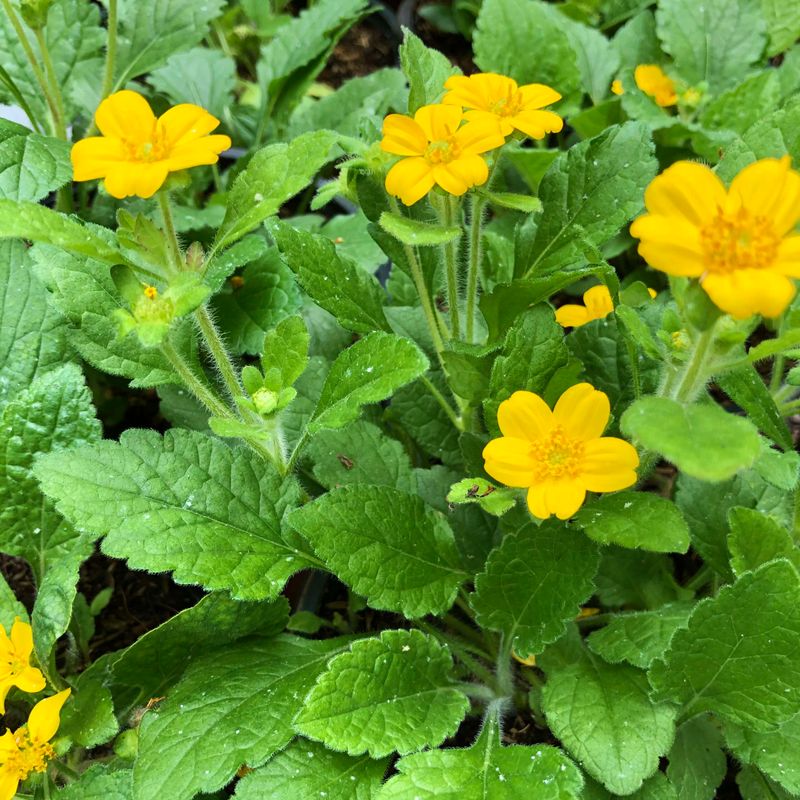
Most Ohio native groundcovers for shade lean toward foliage rather than flowers. Green and gold, Chrysogonum virginianum, breaks that pattern with cheerful yellow blooms that appear in spring and sometimes again in fall.
The flowers are small, daisy-like, and held just above a low mat of dark green leaves. In part shade, they create a bright patch that stands out without being overwhelming.
This plant is native to the eastern United States, and it can perform well in parts of this state. It is especially suited to southern and central regions where conditions more closely match its native range.
Performance can vary depending on variety, microclimate, and soil conditions. Gardeners in northern regions may find it less reliable through harsh winters.
Asking a local native nursery about regional performance is a smart step before planting a large area.
Green and gold prefers moist, well-drained soil with partial shade. It does not thrive in heavy clay that stays wet, and it struggles in full sun during hot summers.
Amending the planting area with compost and ensuring good drainage gives it the best chance of establishing well.
Spreading is gradual and manageable in most home garden settings. It does not send out long runners the way wild strawberry does, and it is not known to cause problems near natural areas.
That makes it a reasonable choice for shaded beds close to woodland edges, as long as soil drainage is adequate.
The combination of spring color, low habit, and native status makes green and gold a plant worth getting to know. That is especially true for gardeners who want something beyond plain green foliage in a shaded bed.
7. Use Wild Stonecrop For Dry Rocky Garden Edges
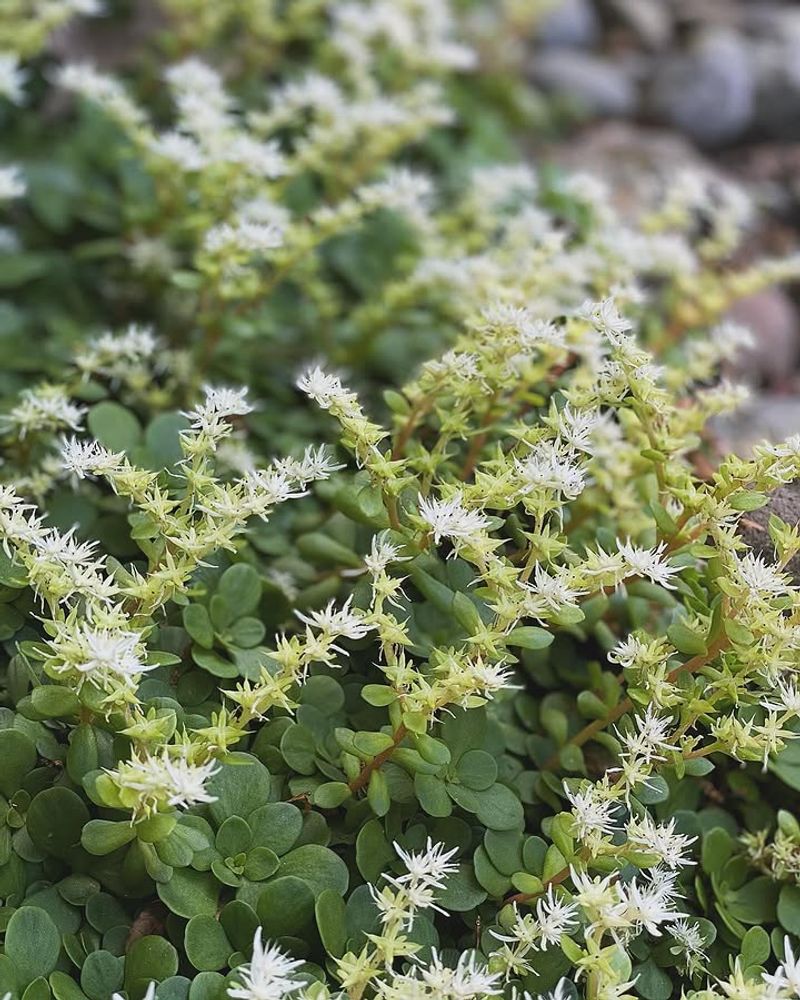
Rocky, dry spots at the edge of a garden path or along a stone wall are the kind of places where most groundcovers give up. Wild stonecrop, Sedum ternatum, is a native succulent that actually prefers those conditions.
It forms a low, spreading mat of small, rounded, fleshy leaves that stay green through most of the growing season. In spring, clusters of white, star-shaped flowers appear and cover the plant for several weeks.
Many non-native sedums sold at big-box garden centers come from outside this region. Wild stonecrop is native to woodland edges and rocky outcrops across the eastern United States, including parts of this state.
It fits naturally into local plant communities and does not carry the escape risk that comes with European or Asian sedum varieties. That distinction matters when planting near natural areas or woodland edges.
Drainage is the single most important factor for this plant. It will not survive in wet, poorly drained soil.
Clay soils that hold water through winter are particularly problematic. Rocky soil, sandy loam, or amended beds with excellent drainage are where wild stonecrop performs best.
Shaded to partly shaded exposures suit it better than full sun in most local conditions.
Wild stonecrop stays low, usually under six inches tall. That makes it useful for filling gaps between stepping stones, softening rocky garden edges, or carpeting a dry slope under light tree canopy.
It spreads slowly and does not become a nuisance in most garden settings.
For gardeners dealing with stubborn dry, rocky corners, wild stonecrop is a practical and ecologically sound answer. It fills places that nothing else wants to fill and earns its place without much fuss.