These Are The Ohio Container Garden Mistakes That Make Summer Pots Look Rough By July
Ohio container gardens look great in May. Fresh soil, new plants, everything full and promising.
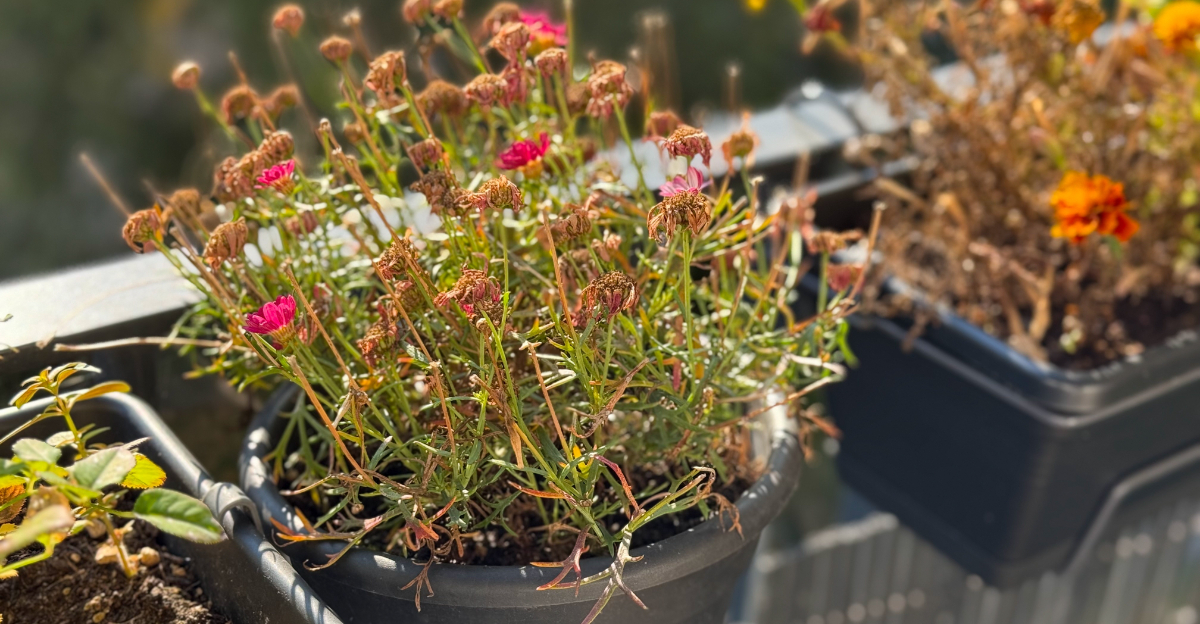
Then July shows up. The heat locks in, the humidity climbs, and pots that looked magazine-ready two months ago start looking tired, leggy, and rough around the edges.
Most gardeners blame the weather. The weather is not the problem.
A handful of container mistakes made back in spring are usually responsible, and by July they have had enough time to fully play out.
Wrong pot size, poor drainage, plants competing for the same resources, watering habits that work fine in cooler months but fail completely once Ohio summer heat takes over.
The gap between a pot that thrives all summer and one that collapses by midsummer often comes down to a few decisions made at planting time. Some of them are easy to fix right now.
Others are a lesson to carry into next season.
1. Choosing Tiny Pots Sets Summer Roots Up For Stress
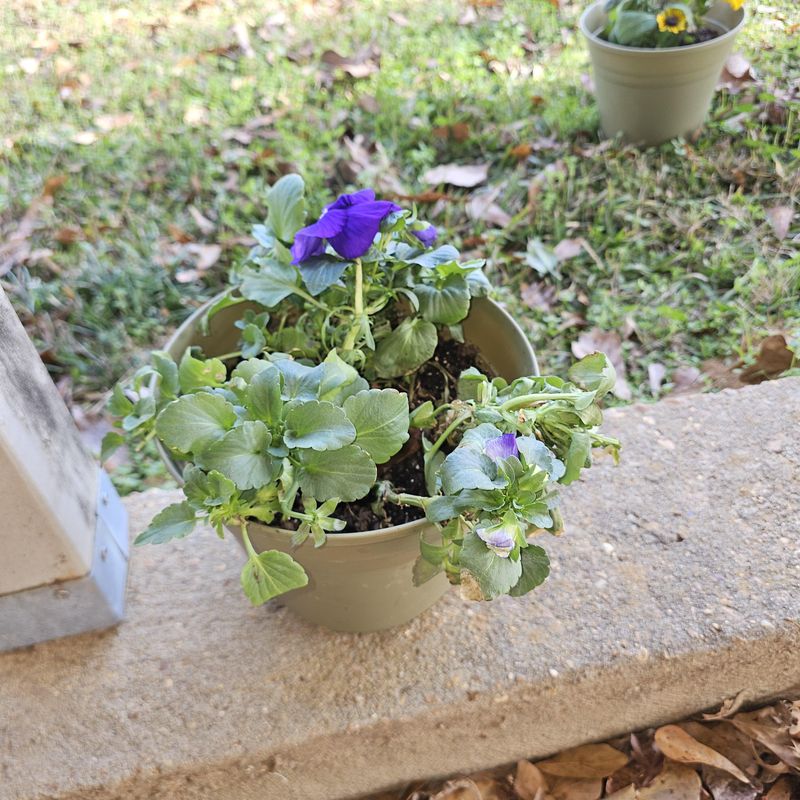
That cute little six-inch pot might look charming at the garden center in May, but roots do not stay small for long. As summer annuals grow, their root systems expand quickly, and a small container fills up fast.
Once roots run out of room, plants struggle to take up enough water and nutrients to keep pace with the heat.
Small pots also heat up faster than large ones. According to State University Extension, containers in full sun can reach soil temperatures much higher than in-ground beds.
Less soil volume also means less buffer against that heat. A small pot sitting on a concrete patio in July can feel almost hot to the touch, which stresses roots significantly.
Larger containers hold moisture more evenly and give roots space to spread out through the season. For thirsty annuals like petunias, zinnias, or impatiens, choose the largest pot that fits your space.
A pot that is at least twelve inches wide gives most summer annuals a fighting chance. Tiny decorative containers can still work for compact herbs like thyme or chives, but they need much closer attention to watering.
Check them daily during heat spells and never let them dry out completely between waterings.
2. Skipping Drainage Leaves Plants Sitting In Trouble
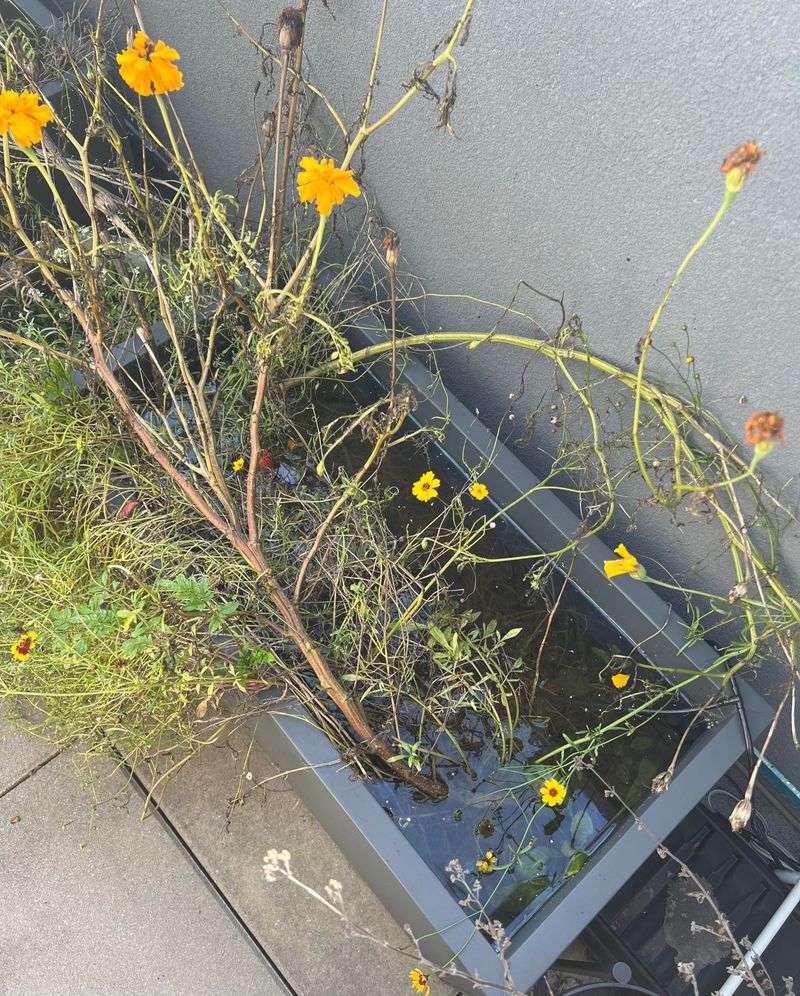
A pot without drainage holes is basically a bucket waiting to cause problems. After a heavy summer rain, which Ohio gets plenty of, water has nowhere to go.
It pools around roots, pushes out oxygen, and creates conditions that weaken plant stems and roots over time. Plants may look okay for a few days, then suddenly collapse with no obvious explanation.
Ohio State University Extension emphasizes that proper drainage is one of the most important factors in container success.
Every pot used for outdoor summer displays should have at least one drainage hole, and that hole should be clear and open before planting.
Check it by running water through the pot before adding plants. If the hole is blocked by old roots or debris, clear it out.
Saucers are another place where trouble hides. A saucer that holds standing water under a pot can keep roots too wet even when the pot itself drains fine.
Your Ohio Garden Changes Every Week. Your Plan Should Too.
Gardening in Ohio changes quickly throughout the season. Every Friday you’ll receive a simple weekly plan showing exactly what to plant, prune, fertilize, harvest, and protect so you never miss the right timing.
Empty saucers within a few hours after watering or rain. If your decorative pot does not have drainage, consider using it as a cachepot by placing a draining nursery pot inside.
Raising pots slightly off flat surfaces using pot feet or small bricks also helps water move freely and keeps drainage holes from sitting flat against the ground.
3. Using Garden Soil Makes Containers Heavy And Soggy
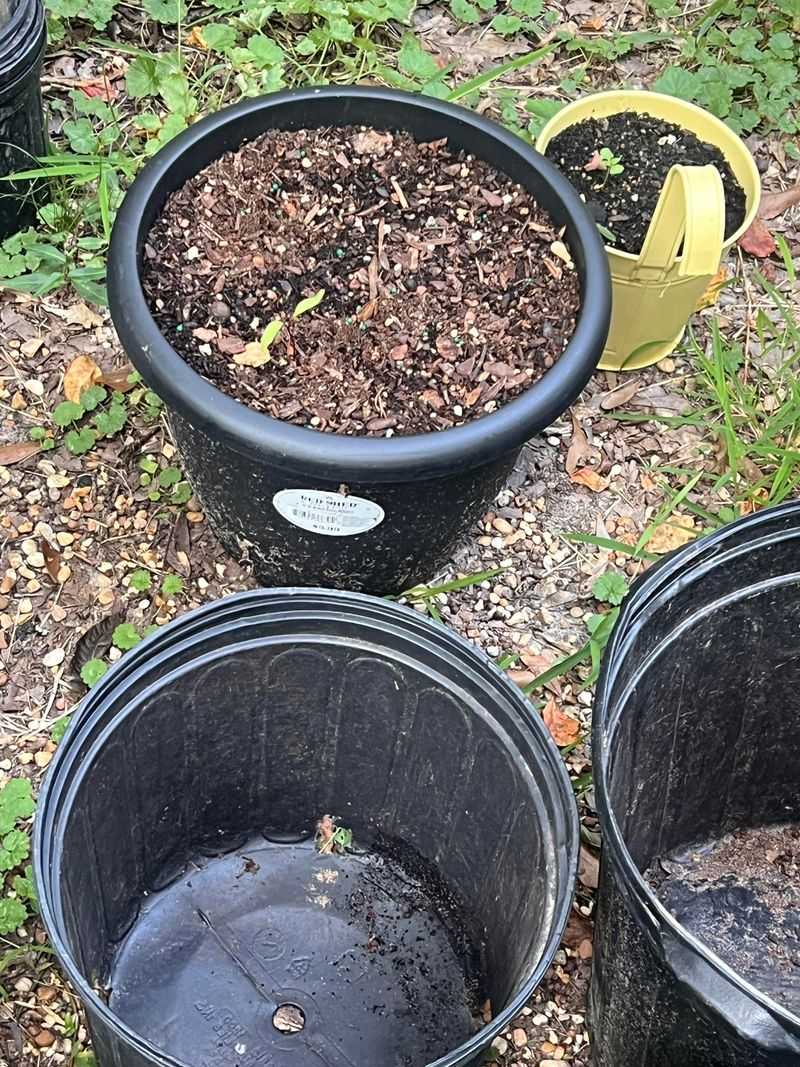
Grabbing a shovel and filling a pot from the garden bed seems like a perfectly reasonable shortcut. It is free, it is right there, and it looks like good dark soil.
The problem is that garden soil behaves very differently once it is inside a container. Without the natural drainage pathways of an in-ground bed, it compacts quickly, holds too much water, and leaves almost no air space around roots.
Ohio State University Extension recommends using a quality potting mix specifically designed for containers rather than garden or topsoil.
Container mixes are usually made with ingredients like peat moss, perlite, or bark that keep the mix lighter and better aerated.
That balance between moisture retention and drainage is exactly what container plants need to thrive through a long, hot summer.
Old potting mix that has been sitting in pots through a previous season can also compact and break down, losing its structure. Before replanting the same container, refresh the mix by adding new potting mix or compost to improve texture.
Do not top off tired, compacted mix with just a thin layer of new material and expect it to perform well. If the mix in a pot smells sour or clumps into a dense block when squeezed, it is time to start fresh with a new bag designed for container use.
4. Forgetting July Heat Turns Watering Into A Daily Battle
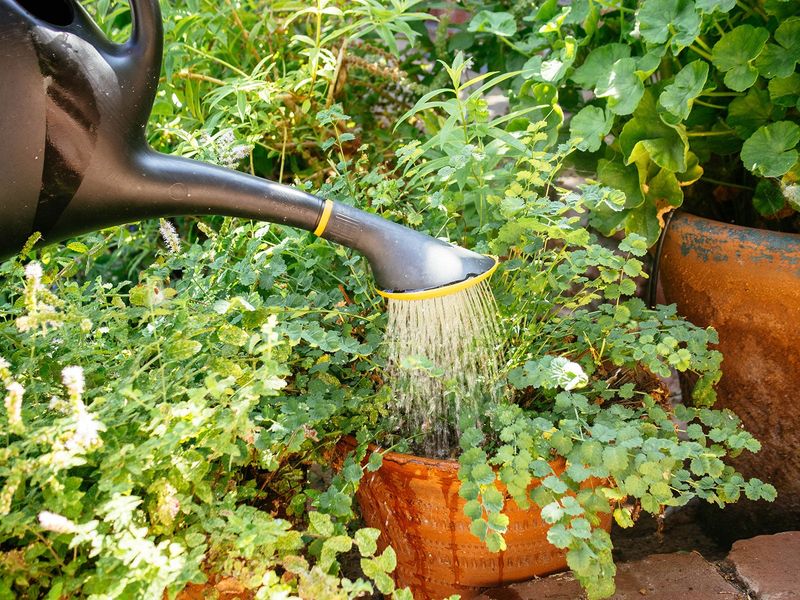
May watering routines almost never survive July intact. What worked every other day in spring can leave containers bone dry by afternoon once midsummer heat sets in.
Temperatures across this state regularly climb into the upper 80s and 90s in July, and full-sun containers can lose moisture surprisingly fast when the wind picks up too.
Ohio State University Extension advises checking soil moisture before watering rather than following a fixed schedule. Push your finger about an inch into the potting mix.
If it feels dry at that depth, it is time to water. When you do water, do it thoroughly.
Water until excess drains from the bottom of the pot, which ensures the entire root zone gets moisture rather than just the top layer.
Morning watering is generally the best approach during hot spells. It gives foliage time to dry before evening, which can reduce fungal issues, and it gets water to roots before the hottest part of the day.
Full-sun pots on south-facing patios or driveways may genuinely need daily watering in July, while a shaded balcony pot might need water every two or three days. Check each container individually rather than treating all pots the same.
A moisture meter can be a helpful tool for gardeners who find it hard to judge by feel alone.
5. Packing Plants Too Tightly Creates A Crowded Midseason Mess
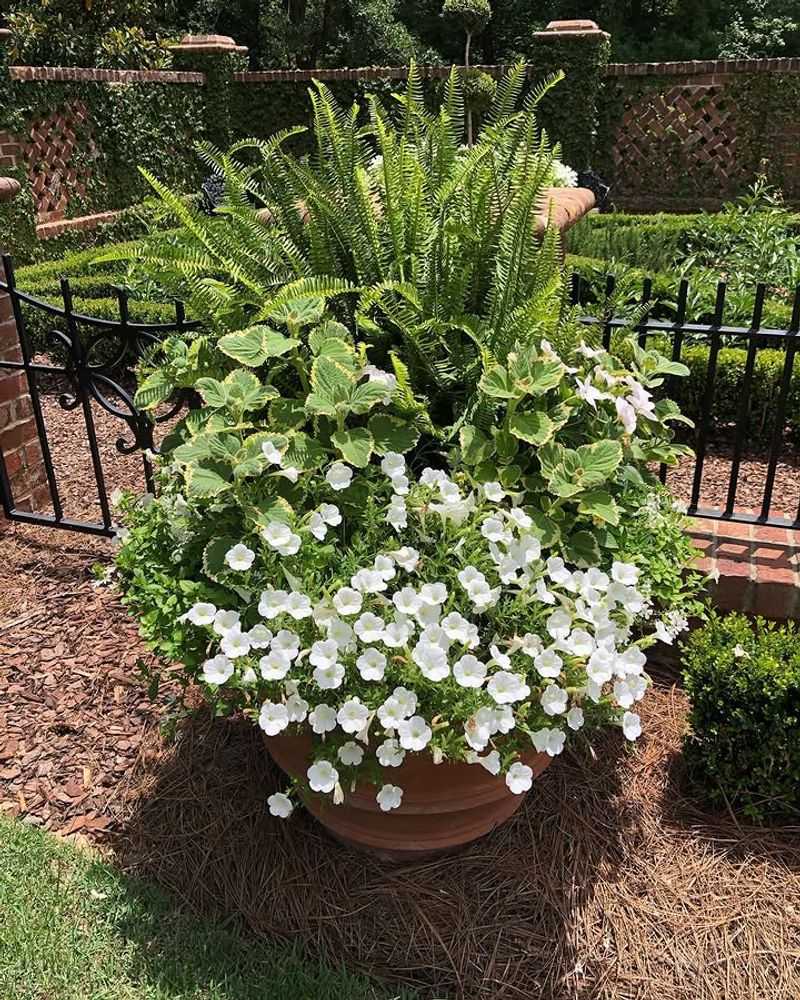
Spring nursery plants look so small sitting in their little cell packs that it is tempting to fill a pot with as many as possible. The display looks lush right away, and that instant fullness is satisfying.
By July, though, those same plants have expanded into each other, blocking airflow and competing hard for water and nutrients with every root in the pot.
Crowded containers can also hide problems. Pests and disease love the humid, tangled conditions that develop when plants press together without space between them.
You may not notice aphids, spider mites, or powdery mildew until the damage is already widespread. Good airflow between plants is one of the simplest ways to keep a container healthier through the season.
The State University Extension guidance suggests following mature size recommendations on plant tags. Do not plant only based on how small the transplant looks at purchase.
Choosing three or four strong plants that will fill a container gracefully beats cramming in seven or eight that fight each other all summer.
If a pot does become too crowded by mid-July, remove the weakest or most struggling plant rather than letting it drag down the whole arrangement.
Pinching back overgrown stems can also buy space and encourage fresh growth in the remaining plants.
6. Ignoring Fertilizer Leaves Hungry Pots Running On Empty
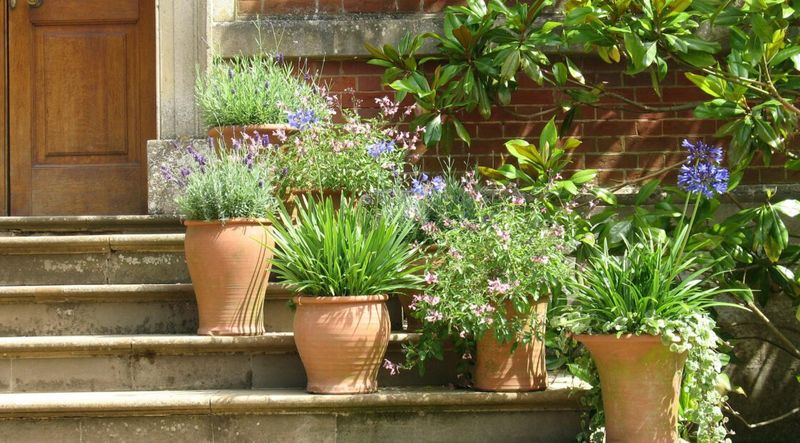
Container plants are in a tough spot when it comes to nutrients. They rely entirely on what is in their potting mix, and frequent watering moves nutrients down and out of the pot faster than most gardeners expect.
A container planted in fresh potting mix in May may start running low on nutrients well before July arrives, especially if watering has been heavy.
Ohio State University Extension recommends regular fertilizing for container plants during the growing season. A balanced, water-soluble fertilizer applied according to label directions can help maintain steady growth and flowering.
Slow-release granular fertilizers mixed into potting mix at planting time are another option. However, they may not be enough for heavy-feeding summer annuals like petunias or calibrachoa that bloom continuously.
Yellowing leaves, pale color, reduced flowering, and weak, stretched growth can all suggest a nutrient shortage. Those same symptoms can also point to overwatering, underwatering, root crowding, or pest pressure.
Before adding more fertilizer, check the basics first. Make sure the pot drains properly, roots have space, and light levels match the plant’s needs.
Overfertilizing is a real risk too, so always follow label rates rather than guessing. A little fertilizer applied consistently through the season beats one large dose that overwhelms the plant.
7. Leaving Faded Blooms Behind Slows Fresh Color
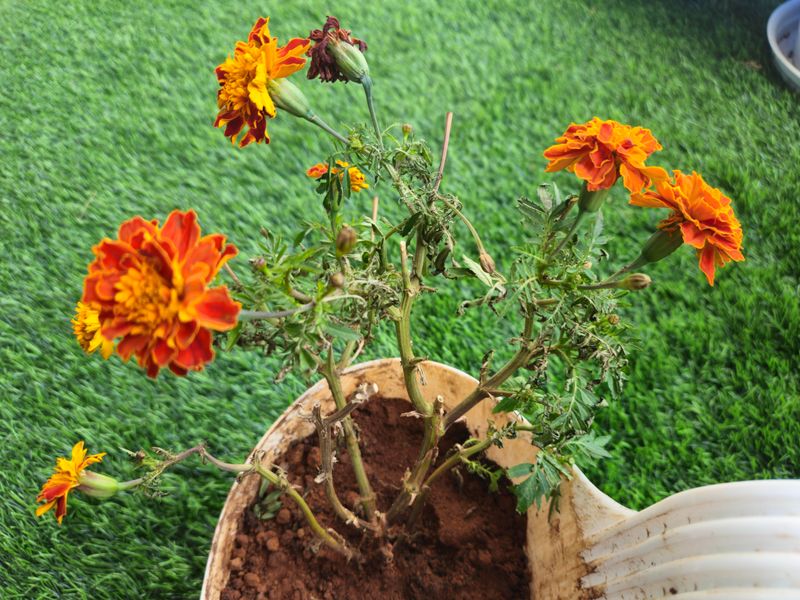
Spent blooms left on flowering annuals are not just an eyesore. For many plants, a fading flower is a signal to shift energy toward making seeds rather than producing more blooms.
Removing those spent flowers before they go fully to seed keeps the plant focused on flowering, which is exactly what most container gardeners want all summer long.
Petunias, marigolds, geraniums, and zinnias are classic examples of annuals that respond well to regular trimming. Pinch off the faded bloom along with the small stem beneath it rather than just pulling off the petals.
This keeps the plant tidy and removes the developing seed structure. Some newer petunia and calibrachoa varieties are bred to be self-cleaning.
They drop their own spent blooms without help, so check your plant tags before spending extra time on those.
Grooming goes beyond trimming. Trimming leggy stems back by about one third in mid-July can refresh a container that has started looking stretched and tired.
Remove any yellowed or damaged leaves while you are at it. This kind of hands-on time with your pots is also when you are most likely to spot early signs of spider mites, aphids, or dry soil before they become bigger problems.
Make grooming a weekly habit rather than a once-a-month chore.
8. Mixing Sun And Shade Plants Guarantees Uneven Growth
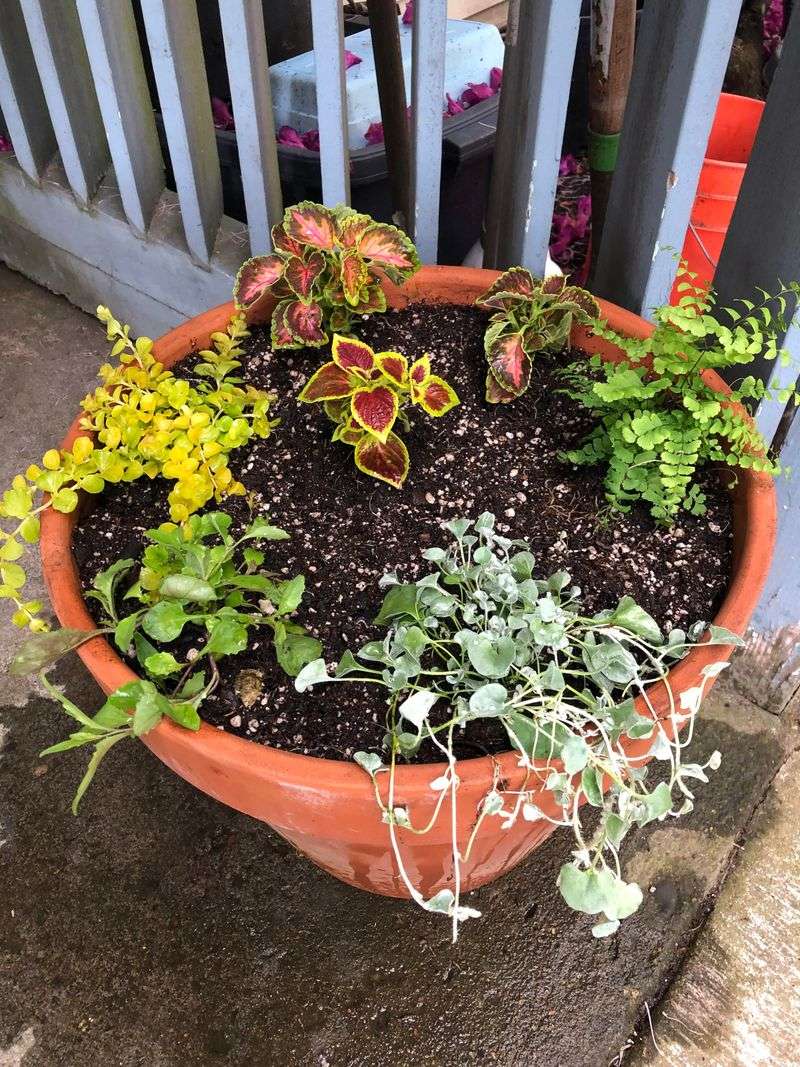
Pairing a sun-loving zinnia with a shade-preferring impatiens in the same pot might seem like a creative mix, but one of them will always lose. Full-sun plants placed in shade get leggy and produce few flowers.
Shade plants placed in full sun get scorched, drop leaves, and look rough within a few weeks. That mismatch is one of the fastest ways to ruin a container that started out looking great.
Porches, patios, balconies, and driveways across this state can have very different microclimates even within the same yard.
A south-facing concrete patio might bake in full sun all afternoon, while a covered porch on the north side of a house stays shaded most of the day.
Knowing which spot you are working with before choosing plants saves a lot of frustration later in the season.
Always read plant tags before buying, and group plants with similar sun and water needs together in the same pot. If a container ends up in the wrong spot, moving it is often the simplest fix.
Many pots are portable enough to shift a few feet and land in a better microclimate. If a plant combination is clearly not working by early July, do not hesitate to replace the struggling plant.
Choose something better suited to that exact spot rather than watching the whole pot decline.