This Ohio Herb Repels Mosquitoes Better Than Citronella And You Probably Have Room For It
Ohio mosquitoes do not respect patio plans. You light the candle. You settle into the chair. You pretend the evening will be peaceful.
Then the first mosquito arrives like it checked the calendar.
That is why one familiar potted herb is getting a second look from Ohio homeowners. It is easy to grow, pollinator-friendly, happy in containers, and surprisingly interesting to researchers studying mosquito-repelling plant compounds.
No, it will not turn your deck into an invisible bug-free bubble. That would be too convenient, and mosquitoes do not allow that kind of joy.
But as one layer in a smarter patio setup, this humble herb can earn its space. Place it well, keep it healthy, use it realistically, and it may help make your favorite outdoor corner a little less inviting to the wrong tiny guests.
So what should Ohio gardeners know before counting on it?
Start with the plant, the pot, the oils, and the fact that good mosquito control always works best as a team effort.
Meet The Catnip
A lot of Ohio gardeners already grow basil, mint, and maybe some rosemary, but catnip often gets overlooked as just a cat toy.
That reputation undersells it badly.
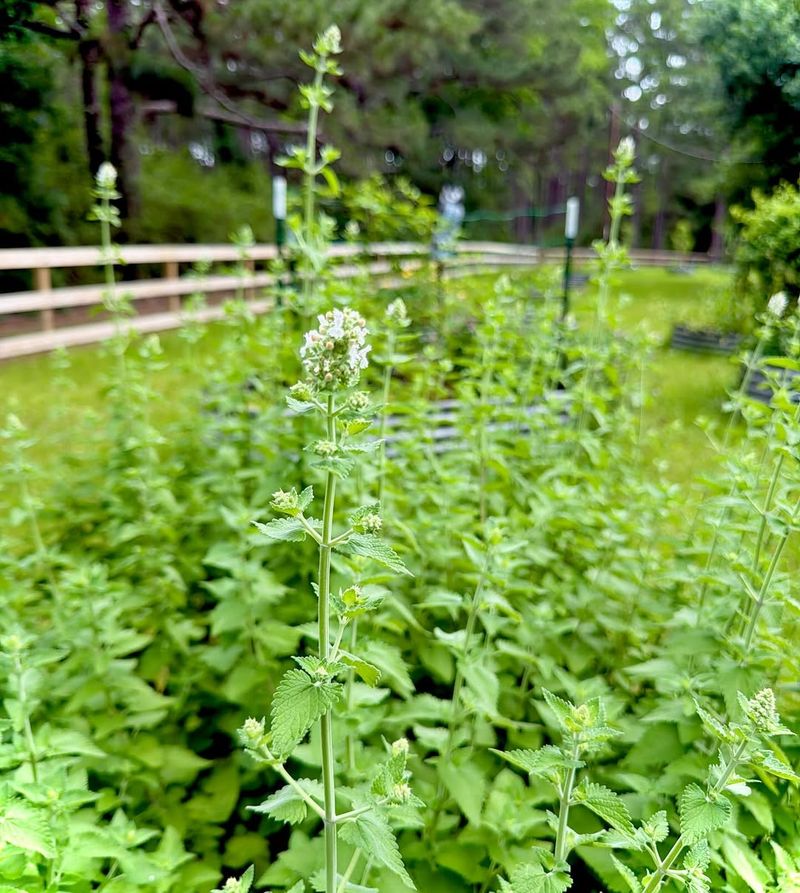
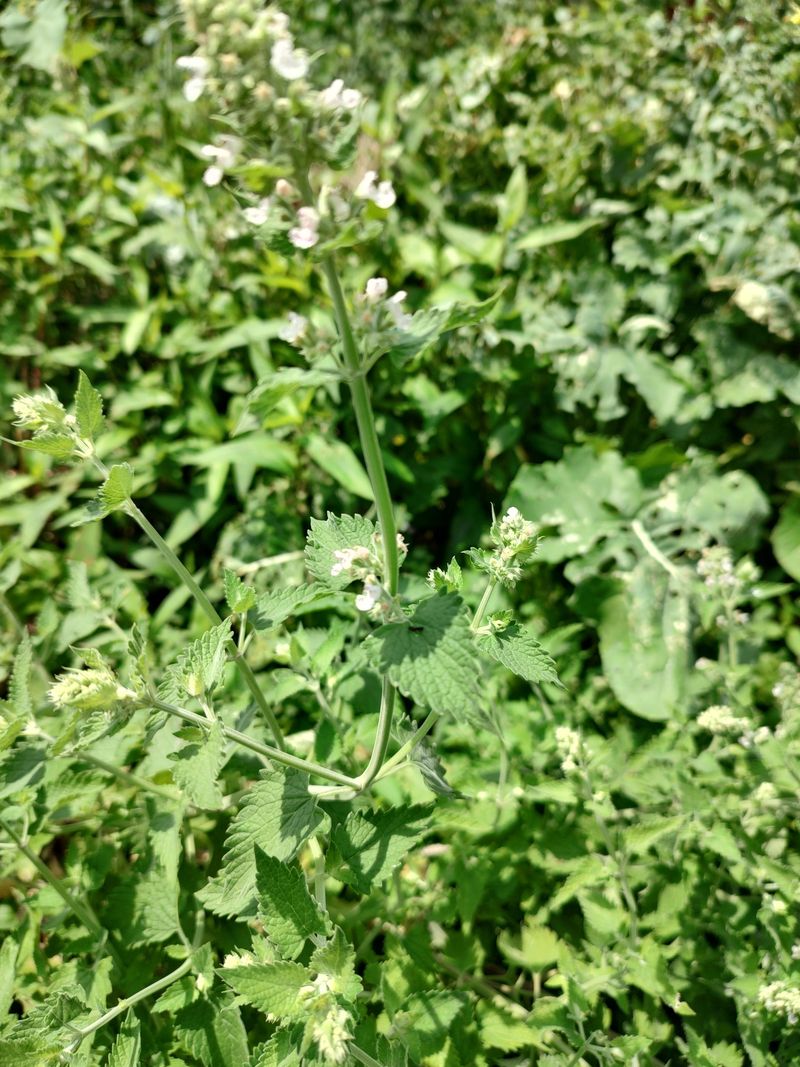
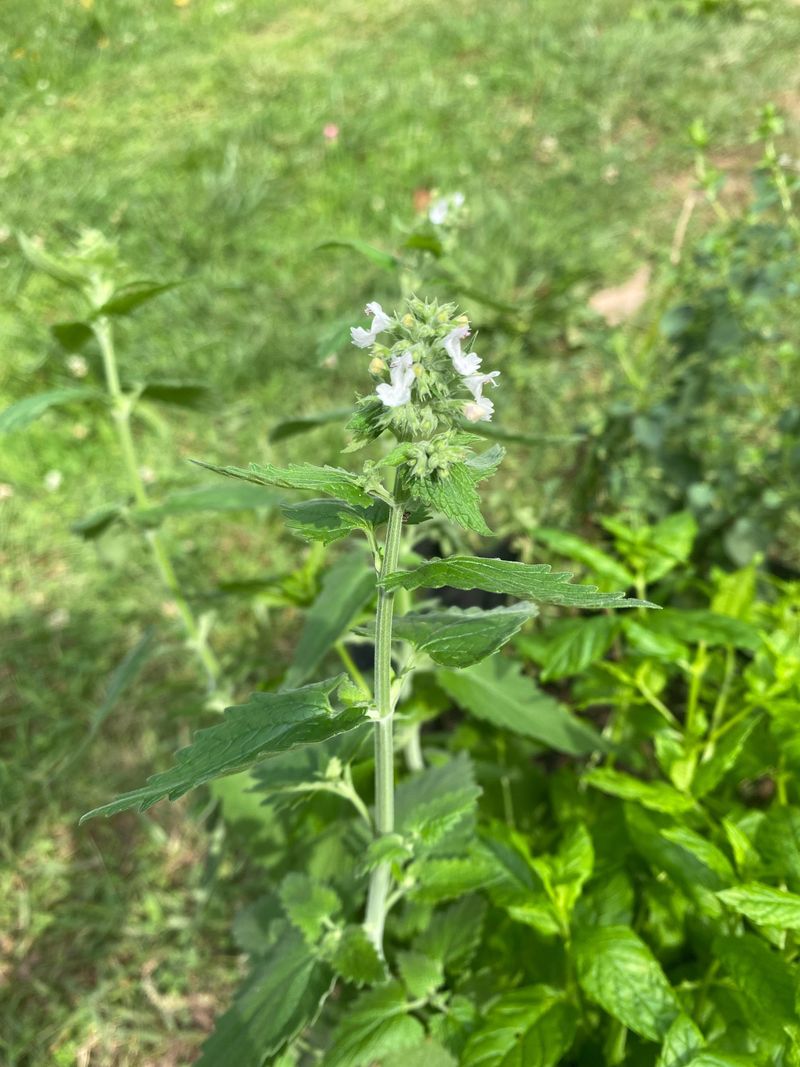
Catnip, known scientifically as Nepeta cataria, is a member of the mint family and a tough, adaptable perennial that handles Ohio summers with ease.
It grows low-maintenance, bounces back after a trim, and asks for very little beyond decent sun and average soil.
What makes it interesting beyond the cat crowd is its essential oil, nepetalactone. Research has pointed to this compound as a mosquito repellent with real staying power.
A study often cited in pest management circles found nepetalactone to be more potent than DEET in laboratory settings, though real-world outdoor conditions are more complicated than a controlled lab.
OSU Extension encourages Ohio gardeners to think carefully about which plants actually earn their pot space.
Catnip earns it on multiple levels: it repels pests, feeds pollinators when it blooms, and stays manageable in a container.
You do not need a large garden bed or a sprawling yard to grow it. A sunny corner of a porch, a balcony railing planter, or a small raised bed all work perfectly well.
If you have ever thought about adding an herb with more than one purpose, catnip is a genuinely practical pick for Ohio patios of any size.
Aromatic Oils Do The Work
A mosquito candle flickering on the picnic table smells pleasant, but the active ingredient doing the actual work in any repellent is always the oil.
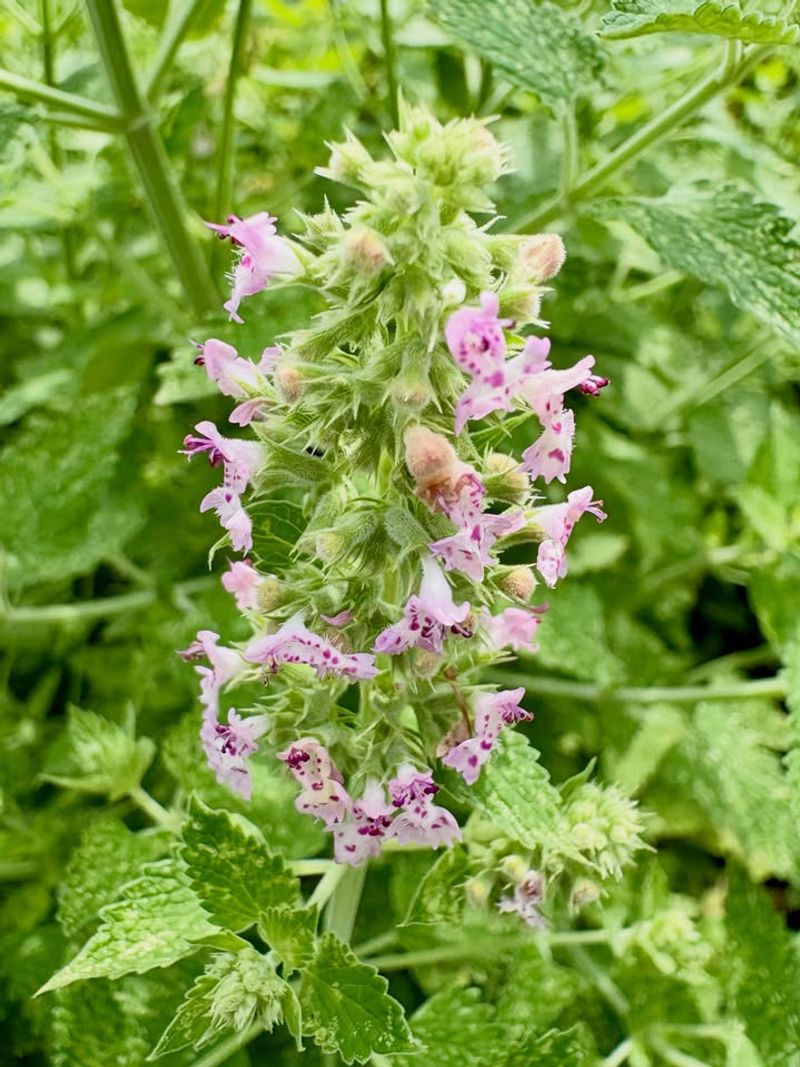
With catnip, that oil is nepetalactone, a volatile compound stored in tiny glands on the surface of the leaves and stems.
The plant sitting quietly in its pot releases some of that scent passively, but the real repellent power comes when those glands are disturbed.
Researchers at Iowa State University found that nepetalactone repelled mosquitoes roughly ten times more effectively than DEET in direct lab comparisons.
That is a striking number, but the key detail is that those tests used concentrated oil, not a whole potted plant parked on a patio.
Your Ohio Garden Changes Every Week. Your Plan Should Too.
Gardening in Ohio changes quickly throughout the season. Every Friday you’ll receive a simple weekly plan showing exactly what to plant, prune, fertilize, harvest, and protect so you never miss the right timing.
The plant alone is not a bubble of protection.
Extracting or concentrating the oil makes it far more useful.
Some gardeners crush a handful of fresh leaves and rub them lightly on exposed skin, though anyone with sensitive skin should do a small patch test first.
Others steep crushed leaves in a carrier oil to create a simple homemade rub.
The scent fades faster than commercial repellents, so reapplication matters.
Thinking of catnip as an oil source rather than a passive air freshener is the mindset shift that makes this herb genuinely useful in your outdoor routine rather than just decorative.
Pots Keep It In Bounds
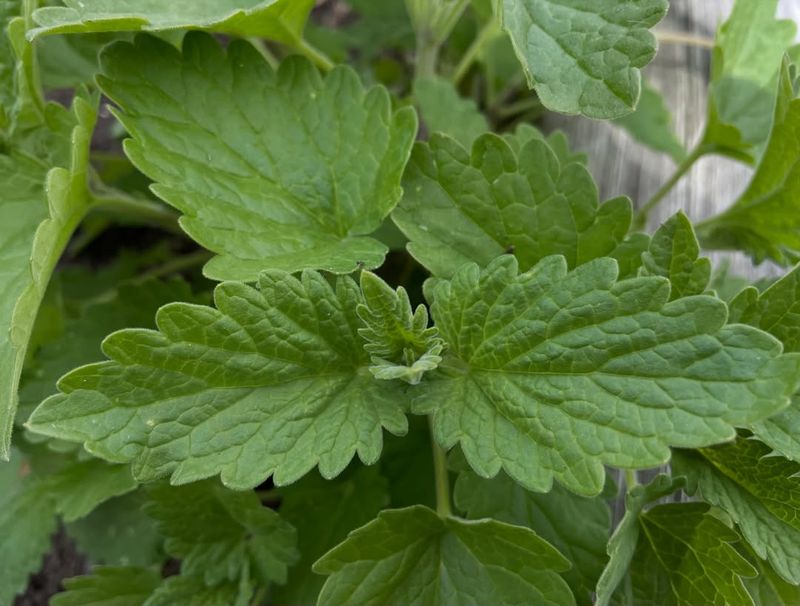
Catnip and mint have something important in common: both will wander aggressively through a garden bed if you let them.
Catnip spreads by seed and by runners, and an in-ground planting can take over a raised bed faster than you might expect.
For Ohio gardeners working with tidy landscaping or limited space, that spreading habit is a real concern worth planning around from the start.
Containers solve this problem almost completely.
A pot twelve inches wide and equally deep gives catnip plenty of room to grow a full, healthy plant without letting it creep into your tomatoes or crowd out your perennials.
Terra cotta pots work well because they allow airflow to the roots and dry out between waterings, which catnip prefers.
Plastic containers hold moisture longer, so if you go that route, be careful not to overwater.
Growing in pots also gives you the flexibility to move the plant where it does the most good.
Slide it next to your seating area on hot evenings, bring it closer to the door on nights when mosquitoes are especially active, or move it to a sunnier spot if growth slows.
Ohio Extension garden guides consistently recommend container growing for spreading herbs like mint and catnip as the most practical management approach.
You get the benefit of the plant without the headache of pulling it out of every corner of your yard for the next three seasons.
Crushed Leaves Release More Scent
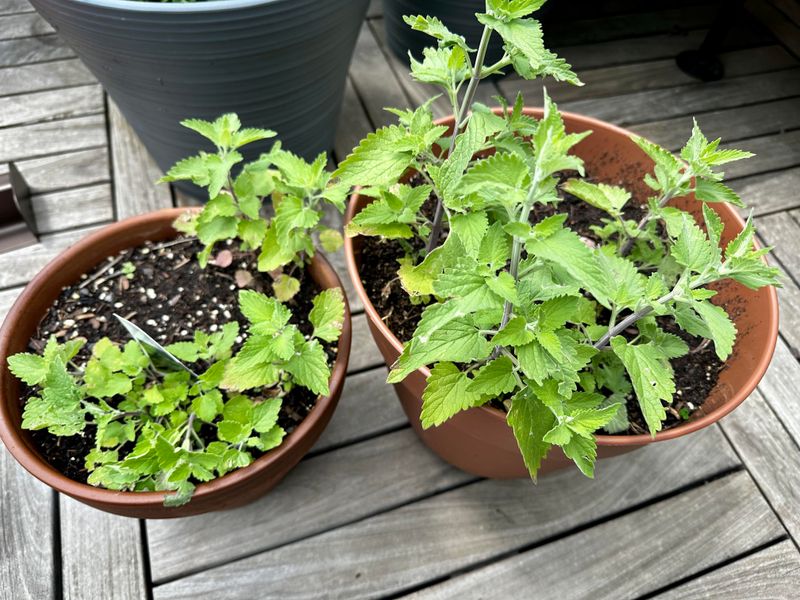
Brushing past a catnip plant while carrying lemonade to the patio table releases a quick burst of that minty, herbal scent.
That brief moment is actually a glimpse into how the repellent chemistry works.
The leaves store nepetalactone in surface glands, and any pressure on those glands pushes the volatile oil into the air around the plant.
Passive release from an undisturbed plant is light and fades quickly in outdoor air, especially on a breezy Ohio evening.
To get more from the plant, a gentle crush or a light rubbing of a few leaves dramatically increases the amount of oil released.
Some gardeners keep a small bunch of fresh catnip near their seating area and give it a squeeze every thirty minutes or so to keep the scent active.
Dried catnip can be bundled loosely and tucked near outdoor seating cushions or hung near a screen door.
The dried form retains some nepetalactone but at a lower concentration than fresh leaves.
The core idea is the same regardless of method: the more you interact with the plant and release its oils, the more useful it becomes.
Think of it less like a decoration and more like a tool you actually pick up and use on evenings when the bugs are out in full force.
Patio Placement Matters Most
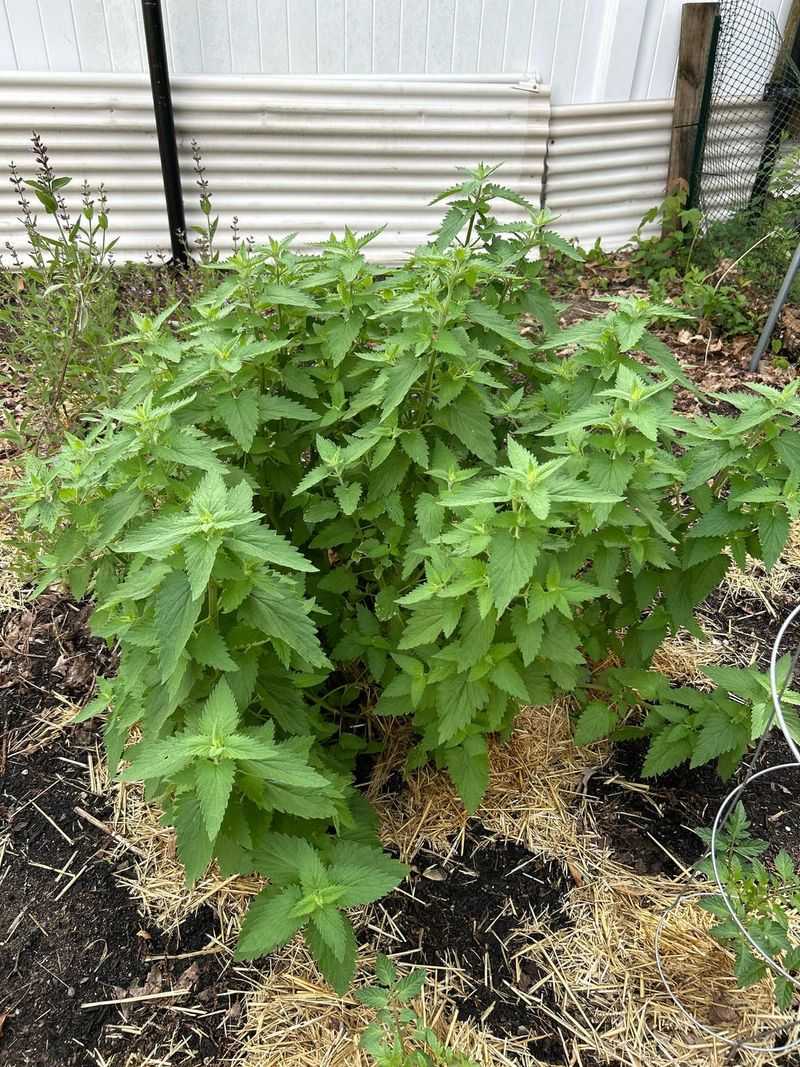
A buzzing summer evening on an Ohio patio can go from relaxing to itchy very quickly once the mosquitoes find you.
Where you set your catnip pot makes a bigger difference than most people realize.
Placing it across the yard near the fence line does almost nothing for the people sitting near the grill. Position matters because the aromatic oils need to be in close proximity to have any deterrent effect.
Aim to place catnip pots within two to three feet of your main seating area.
Cluster two or three pots together for a stronger combined scent presence.
Corners of the patio where air tends to pool are good spots, as are spots right beside outdoor chairs or a dining table.
If you have a porch ceiling fan running, the airflow can actually help distribute the scent across a wider zone, which works in your favor.
One honest note: even perfectly placed catnip will not create a mosquito-free zone.
No single plant can promise that, and anyone claiming otherwise is overselling the herb.
What catnip can do, when placed thoughtfully and combined with other strategies, is add a layer of aromatic deterrence that makes your patio a slightly less inviting target.
OSU Extension recommends layered approaches to mosquito management, and smart plant placement is one genuinely useful layer you can put in place this weekend without much effort or expense.
Flowers Feed Pollinators Too
Most mosquito-repellent herb guides focus entirely on pest control and forget to mention that catnip has a whole other life once it starts blooming.
Let some stems go to flower and you will have a quiet little pollinator station right on your patio.
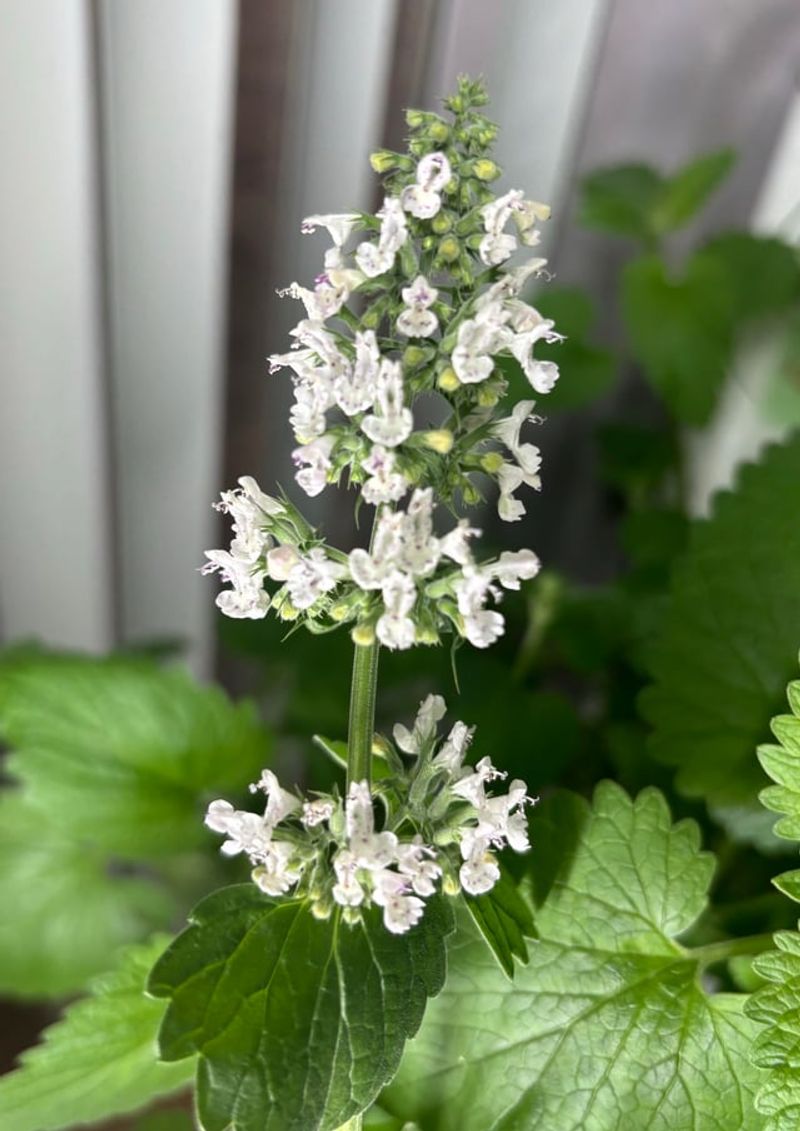
The small white and pale lavender flowers that appear in midsummer attract bees, especially small native bees, as well as butterflies and beneficial wasps.
Ohio has seen steady declines in native pollinator populations, and OSU Extension actively encourages gardeners to include pollinator-friendly plants in even the smallest spaces.
A single blooming catnip plant in a pot contributes to that effort in a real and measurable way.
You do not need a full pollinator garden to make a difference. One flowering herb on a balcony or patio step counts.
There is a trade-off worth knowing about.
Once catnip flowers, the essential oil content in the leaves tends to shift slightly, and some sources suggest the foliage becomes marginally less potent as a repellent.
You can manage this by cutting back some stems before they flower to keep fresh leaf growth coming, while letting other stems bloom for the pollinators.
This approach gives you both benefits without sacrificing one entirely for the other.
It is a simple pruning habit that takes about five minutes and keeps the plant productive all season long from late spring through early fall in most Ohio growing zones.
Heat Can Weaken The Effect
Ohio July heat is no joke, and it turns out that extreme temperatures affect catnip the same way they affect a lot of aromatic herbs.
When temperatures push past ninety degrees Fahrenheit for several days in a row, the plant can go into a kind of stress mode.
Growth slows, leaves may droop or yellow slightly, and the concentration of volatile oils in the foliage can drop noticeably.
This matters because nepetalactone is a volatile compound, meaning it evaporates quickly in heat.
On the hottest days of an Ohio summer, the very conditions that bring out the most mosquitoes may also be the conditions that reduce catnip’s effectiveness as a deterrent.
That is not a reason to abandon the plant, but it is a good reason to set realistic expectations and not rely on it as your only line of defense.
To keep the plant healthier during heat waves, move potted catnip to a spot with afternoon shade.
Morning sun and afternoon shade is actually the sweet spot for catnip in Ohio summers.
Water consistently but do not let pots sit in standing water. A light trim after a heat wave encourages fresh growth with higher oil content.
Think of catnip like a good teammate who needs a water break on the hottest days.
You would not bench the whole team over one tough afternoon, so keep the plant going and give it a little extra care when temperatures spike.
Use It As Backup
Catnip is a useful tool, but treating it like a complete solution sets you up for a frustrating evening of scratching.
The most effective mosquito management around any Ohio patio uses multiple strategies working together, and catnip fits neatly into that layered approach without replacing the other pieces.
Start with the basics that OSU Extension consistently recommends.
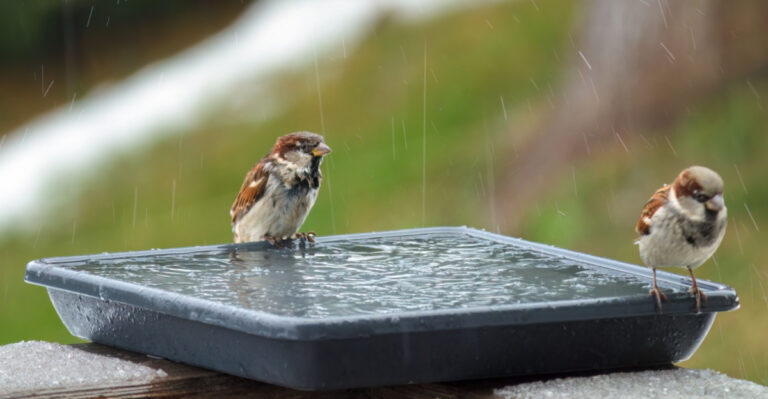
Remove standing water from any containers, gutters, birdbaths, or low spots in the yard at least once a week. Mosquitoes breed in as little as a bottle cap of still water, so elimination at the source is the most powerful step available.
Add a box fan or two near your seating area because mosquitoes are weak fliers and even a modest breeze pushes them away reliably.
Screens on porches and patios block mosquitoes without any chemistry at all.
For personal protection on high-activity evenings, EPA-registered repellents containing DEET, picaridin, or oil of lemon eucalyptus remain the most reliable options according to public health guidance.
Catnip fits in as a pleasant, pollinator-friendly, aromatic layer that adds deterrence and a bit of patio personality without any harsh smell or chemical concern.
Crush a few leaves, enjoy the minty scent, let the bees visit the flowers, and keep your fan running.
That combination gives you a patio strategy that is practical, grounded in real science, and genuinely enjoyable to maintain all season long across Ohio.