7 November Aloe Jobs for Bigger Winter Blooms in Arizona
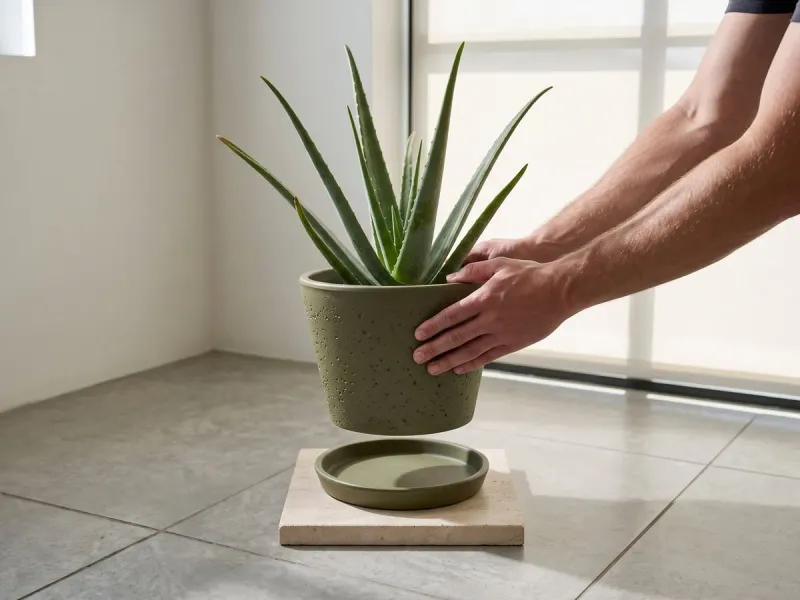
Some desert succulents wait for the coolest, shortest days of the year to launch their tallest flower spikes. Those coral and orange torches can stretch two feet high while most backyard plants rest quietly.
What surprises me most is the timing, because many of these plants come from South African regions with cool, dry winters. Their internal calendar still follows that faraway rhythm, even in a Phoenix side yard or a Tucson patio pot.
I have to admit that I ignored mine for years and wondered why the flower show looked so thin. You might notice the same thing in Arizona yards, where one plant blazes while its neighbor sulks.
The difference often comes down to a handful of small chores done in late fall, well before the buds open. Which simple task do you suspect matters most, and would you guess it involves doing less?
1. Cut Back Watering on Your Aloe Plants
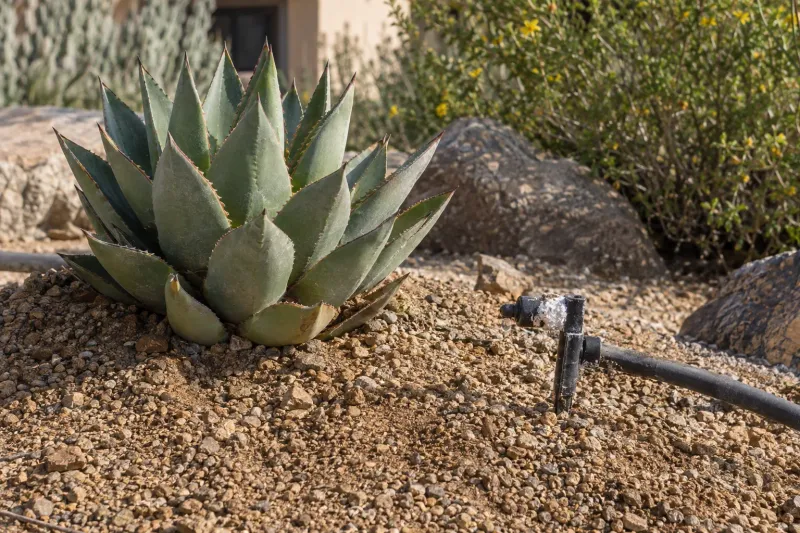
Cooler soil holds moisture far longer than it did during those blazing summer weeks, and aloe roots notice right away. I learned this lesson after a soggy pot turned mushy at the base before December even arrived.
Most landscape aloes in the low desert need a deep soak only every two to four weeks once nights cool down. Push a finger or wooden skewer several inches deep, and water only when the soil feels dry there.
Winter rain can handle much of the work for in-ground plants, so skip the hose after a good storm. Potted aloes dry faster, yet they still prefer a thorough drink followed by a real dry spell.
Personally, I like watering in the morning, since damp soil sitting through a chilly night invites rot problems. A drip line set for summer can drown aloes now, so adjust your timer before forgetting about it.
Slightly lean watering also helps flower stalks form firm, sturdy tissue instead of soft, weak growth. You want a plant that feels plump and healthy, though never swollen or squishy at the leaf bases.
2. Cover Tender Aloe Flower Spikes With Frost Cloth
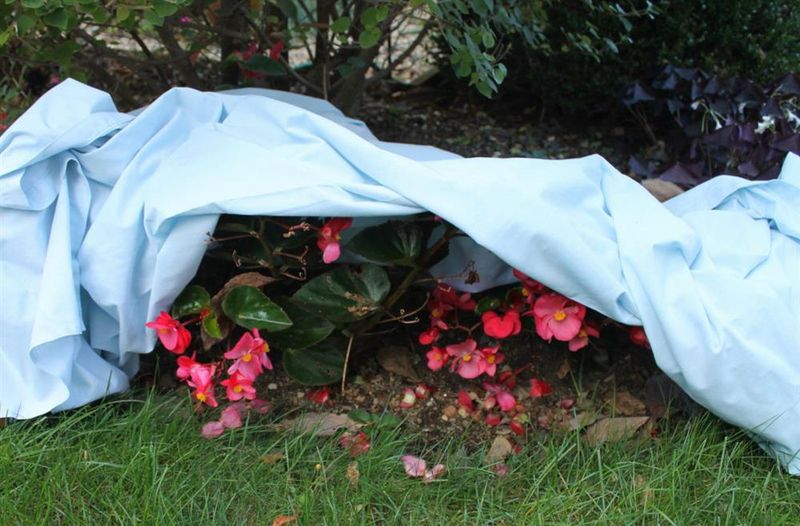
Those young flower spikes look tough, yet a single hard freeze can turn them mushy and brown overnight. Many aloes handle light frost on their leaves, but the developing buds struggle much sooner.
Temperatures in the upper twenties can harm many common aloes, and some tropical types complain even near freezing. Higher elevation spots like Prescott see much colder nights than Phoenix, so local forecasts matter a great deal.
Keep frost cloth handy by the garage door so covering plants takes minutes on a surprise cold evening. Drape the fabric loosely to the ground, letting stored warmth from the soil rise beneath it.
I prefer breathable frost cloth over plastic, since plastic touching the leaves can transfer cold and cause damage. Remove the covers the next morning once temperatures climb, or the trapped heat and sunlight can stress the plants.
Potted aloes have an easier escape route, so slide them under a patio roof or against a warm wall. You might be surprised how much a sheltered corner raises nighttime temperatures for a delicate bloom stalk.
3. Move Aloes Into Bright Winter Sun
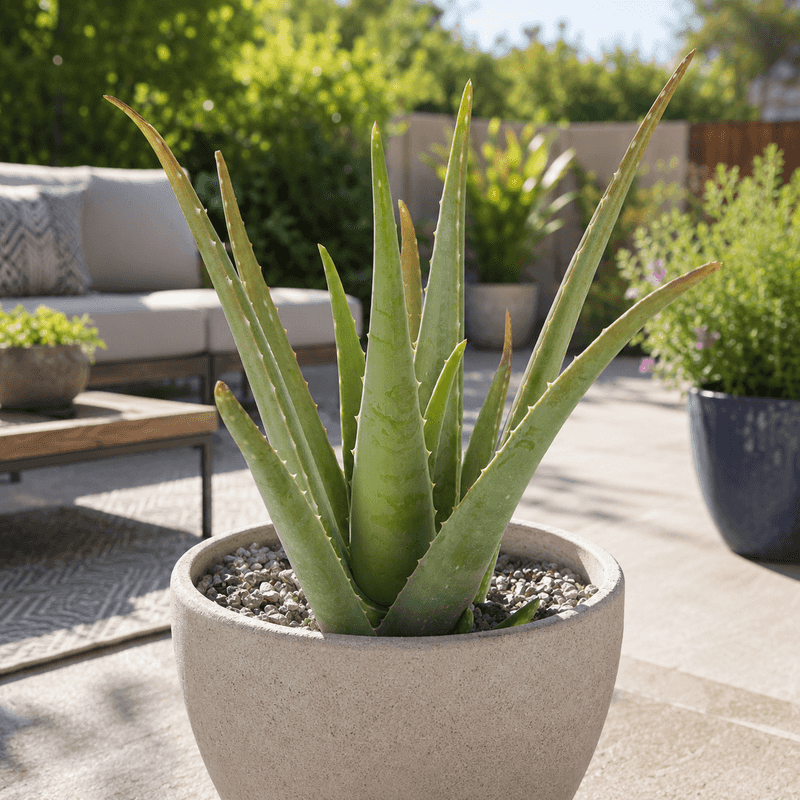
Lower winter sun creeps across the yard at a sharper angle, and shadows suddenly stretch into places they never reached before. An aloe that baked all summer may now sit in shade for most of the afternoon.
Bloom production leans heavily on stored energy, and that energy comes from steady light during these shorter days. Many aloes flower more generously with several hours of direct sun, especially in the gentler cool season.
Take a slow walk around your yard on a November afternoon and note which plants lose their sunshine. You might notice a block wall or a neighbor’s tree casting much longer shade than in June.
Potted aloes are easy to shift toward a south or west exposure where winter rays linger. I love how the leaves often blush with red or bronze tones when they receive strong, cool light.
Shift pots gradually over a week if they spent summer in deep shade, since sudden exposure can scorch them. In-ground plants cannot move, yet trimming a low overhanging branch may open up useful light.
4. Skip Heavy Fertilizer for Winter Aloes
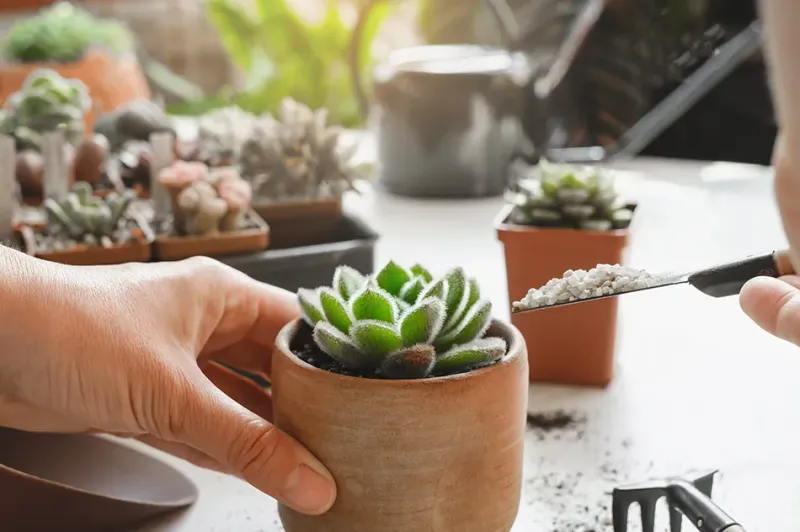
Reaching for plant food feels generous, but aloes in our desert soils rarely need much help to flower. Too much nitrogen mostly pushes soft leafy growth while the bloom display stays modest or smaller.
Many aloes are actively building flower stalks in late fall, so this is not a total pause in growth. Still, extension guidance for succulents favors light feeding, if any, rather than rich doses in cool weather.
Personally, I skip fertilizer on in-ground aloes and let natural soil nutrients do the quiet work. Potted plants can benefit from a diluted cactus fertilizer once, ideally applied earlier in the fall season.
Fertilizer salts can build up in containers, especially with our mineral-heavy tap water across much of the valley. Watering deeply now and then flushes extra salts through the drainage holes and protects tender roots.
Save heavier feeding for spring, after the flowers fade and warmer weather fuels new leaves. Your aloe will reward that patience with sturdy spikes instead of floppy foliage that bends under its weight.
5. Trim Old Aloe Flower Stalks and Dry Leaves
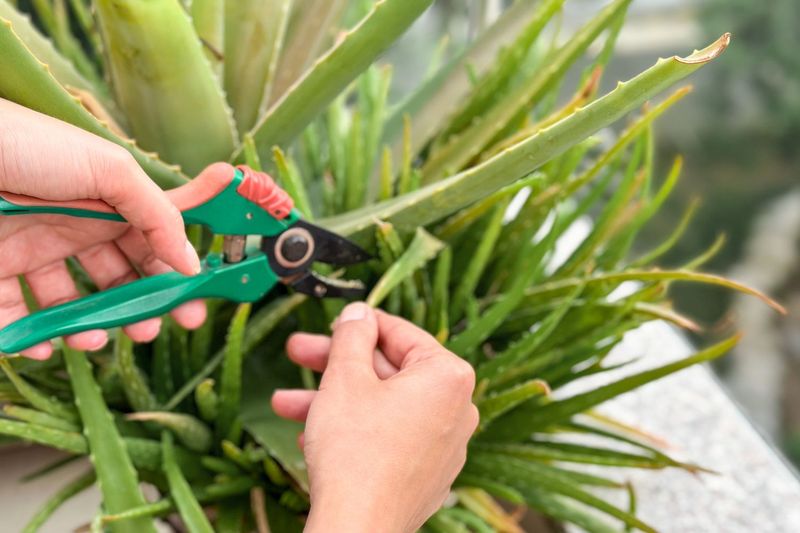
Crispy old stalks poking above a rosette look a little like forgotten birthday candles after the party ended. Removing them makes room for the new spikes and lets you spot fresh buds sooner.
Cut each spent stalk close to the leaves with clean, sharp pruners, wiping the blades between plants. Withered lower leaves can be pulled gently or trimmed near the trunk once they feel papery and brown.
I like doing this chore on a cool morning, wearing gloves since many aloes carry sharp teeth along their leaf edges. Leave healthy green leaves alone, because they store water and energy for the upcoming bloom season.
Tidying the base also reduces hiding spots where pests and debris collect around the plant. Scorpions and crickets love cluttered piles of dried plant material, so a neater base feels more comfortable for barefoot visits.
Overcrowded clumps can be divided later in spring, when roots recover faster in warming soil. For now, a gentle cleanup is plenty, and the plant keeps its full energy for flowering.
6. Check Aloe Soil and Drainage Before Winter Rain
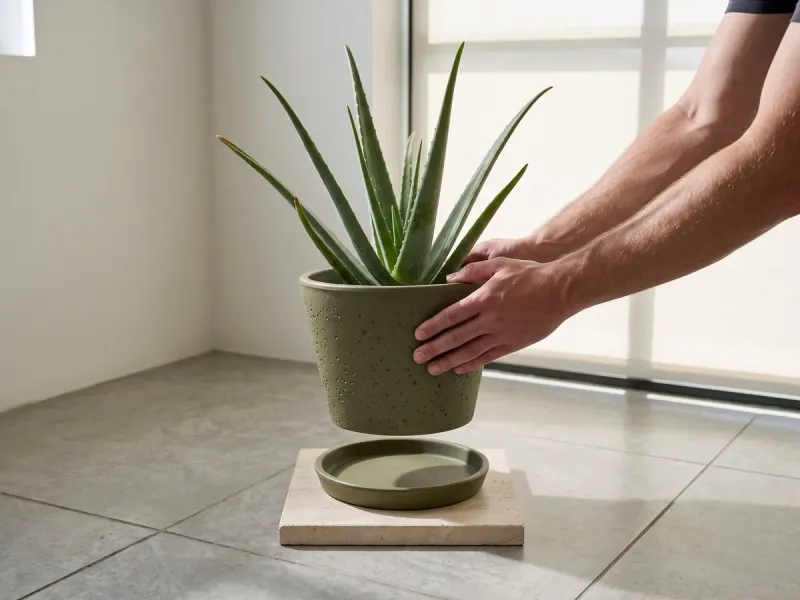
Winter storms can soak our yards for days, and poorly drained soil turns into a cold, soggy trap. Roots sitting in that wet mess often rot long before the leaves show any warning signs.
Look around in-ground aloes for low spots where puddles linger after watering or a passing shower. A raised mound or a few inches of added gravel nearby can steer water away from the crown.
Containers deserve a quick inspection too, starting with drainage holes that might be clogged with roots or compacted soil. Saucers that hold standing water should be emptied or removed until the warmer months return.
I have to admit that terracotta pots are my favorite, because the clay breathes and dries quickly after rain. A gritty cactus mix with pumice or coarse sand keeps roots happier than heavy bagged garden soil.
Repotting is better left for warmer weather, so simply note any pot that stays wet too long. Fixing drainage before the rainy season is one of the quiet chores that pays off with healthier flowers.
7. Watch Aloe Flowers for Hummingbirds and Pests
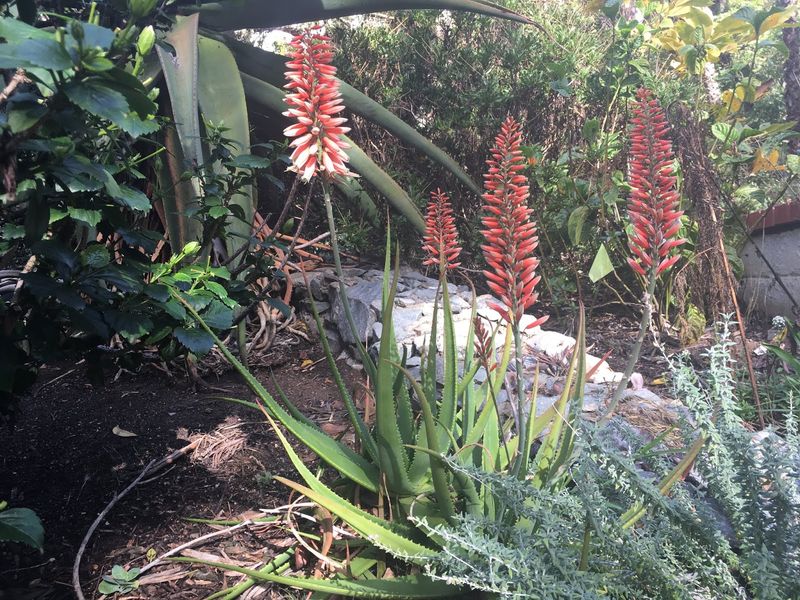
Anna’s hummingbirds stay in much of the low desert through winter, and aloe flowers are a favorite nectar stop. One blooming clump can turn your yard into a busy refueling station on chilly mornings.
I love how those tiny birds chase each other around the spikes, defending every tubular orange blossom. Planting aloes near a window gives you front-row seats without disturbing their feeding routine.
Healthy plants attract fewer problems, yet you should still check buds and leaf bases every week or so. Aphids sometimes cluster on tender flower stalks, and mealybugs can hide deep in the folds near the center.
A firm spray of water often knocks aphids loose, and lady beetles can help control the rest naturally. Insecticidal soap works for stubborn spots, but apply it carefully away from open flowers that hummingbirds visit.
Aloe mite causes lumpy, twisted growth, and badly affected tissue should be cut out and bagged promptly. Catching trouble early keeps the plant’s energy focused on blooms and keeps your feathered visitors returning all season.