Don’t Wait for a Frost Warning to Figure Out Which Ohio Patio Plants Are Coming Inside
A tropical plant can suffer cold damage on a night when your thermometer still reads 45 degrees. No ice, no frost, just a quiet chill that browns leaves and stalls growth.
I learned this the hard way one October. My potted favorite looked fine at dinner and sulked for weeks after one cool night on the patio.
In Ohio, the first frost often lands somewhere between early and late October, depending on where you live. Lake breezes, river valleys, and hilltops all shift the timing a little.
Your plants feel those swings long before the weather app sends a warning.
Personally, I think the smartest move happens in late summer, with a clipboard and a cup of coffee. You walk the patio, check every pot, and decide who earns a spot by the window.
So which of your summer stars truly needs a winter home?
1. Patio Pots Start Shivering Well Before the Thermometer Hits 32
Frost gets all the attention, but it is not the first threat. Many tropical patio plants come from places where nights rarely drop below 60 degrees.
To them, a 48-degree Ohio night feels like a polar plunge.
Gardeners call this problem chilling injury. It happens above freezing, and it can show up as dark spots, curled leaves, mushy stems, or sudden leaf drop a few days later.
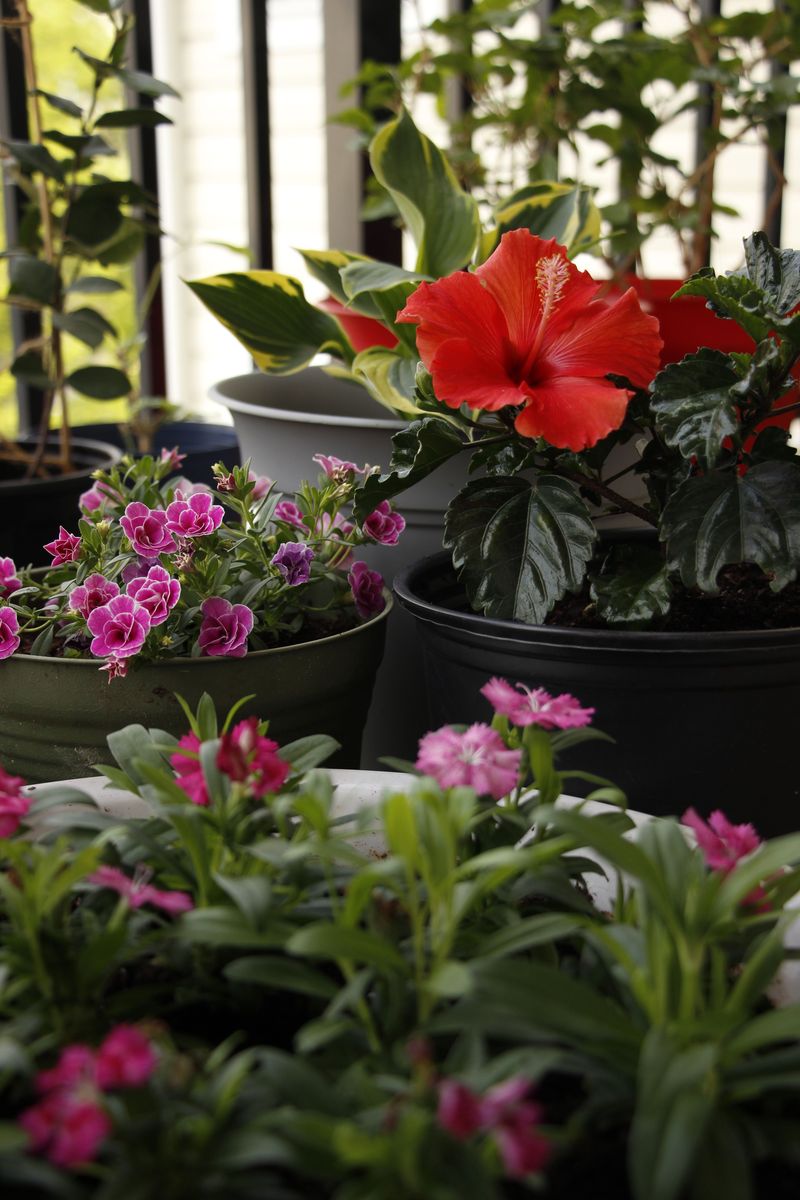
Plants like hibiscus, mandevilla, and many houseplants are especially touchy.
A handy rule from extension experts is to start moving tender plants once nights settle into the 50 to 55 degree range. In much of the state, that window opens in September.
Northern counties and low spots near valleys may cool off sooner than southern areas near the Ohio River.
I keep a cheap outdoor thermometer near my pots for this exact reason. Your local forecast reports conditions at one spot, while your patio might be a few degrees colder.
Cold air sinks, so plants on low decks or ground-level slabs feel it first.
Watch the overnight lows for a week. When they keep sliding toward the low 50s, the clock is ticking for your tender crowd.
2. Hibiscus, Mandevilla, and Geraniums Top the Moving Day List
Grab a notepad and sort your pots into three groups. Tropical plants, tender perennials, and houseplants that vacationed outside all summer need to come in.
Hardy perennials and shrubs in large pots may handle winter outside with some protection.
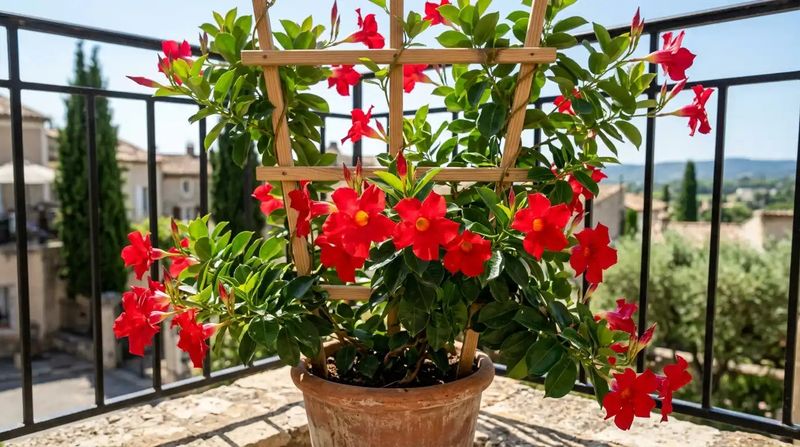
Tropical hibiscus is a classic indoor guest, along with mandevilla and bougainvillea. Geraniums overwinter nicely in a sunny window, and you can also take cuttings to save space.
Boston ferns, coleus, fuchsias, and begonias belong on the list too.
Succulents and cacti that soaked up summer sun outdoors should head inside before cold, wet nights arrive. Citrus trees, figs in small pots, and rosemary also appreciate shelter.
Rosemary is hardy in only the mildest spots, so most Ohio gardeners bring it in.
Not sure about a plant? Check its tag for the USDA hardiness zone.
Most of the state sits in Zones 6a and 6b, with some pockets of 5b and 7a.
A plant rated for Zone 5 in the ground may still struggle in a pot. Roots in containers face much colder temperatures than roots tucked into soil.
When in doubt, move it to a garage or shed.
3. A Garden Hose Bath Keeps Aphids and Mealybugs Outdoors
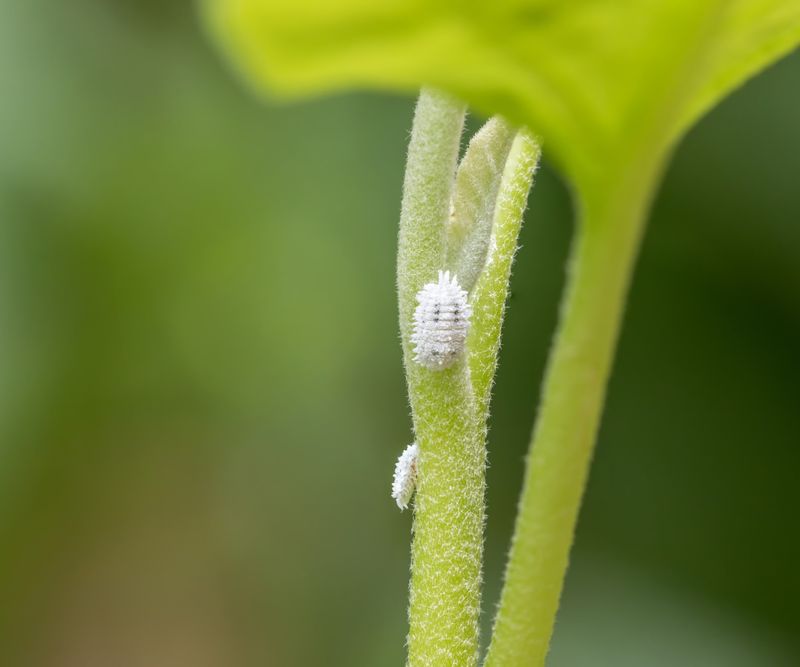
Ask anyone who has battled spider mites in January. Those tiny freeloaders usually rode in on a patio plant back in fall.
Indoors, with no rain or predators, they multiply quickly.
Start with a strong spray from the hose. Aim at the undersides of leaves, leaf joints, and stems, since that is where aphids, whiteflies, mealybugs, and scale like to hide.
Let the plant dry outside in the shade.
Next, inspect closely with good light or a magnifying glass. Sticky leaves, fine webbing, white cottony clumps, or tiny bumps on stems are red flags.
If you spot trouble, treat with insecticidal soap or neem oil and follow the label directions carefully.
Soil can hide pests too. Gently slide the plant out of its pot and look for slugs, ants, earwigs, or grubs.
Some gardeners soak pots in a tub of lukewarm water for about 15 minutes to drive bugs out of the soil.
I also keep newcomers apart from my regular houseplants for two weeks. A spare room or a separate window works fine.
That short quarantine has saved my whole collection more than once.
4. Shady Porch Time Helps Sun-Loving Plants Adjust
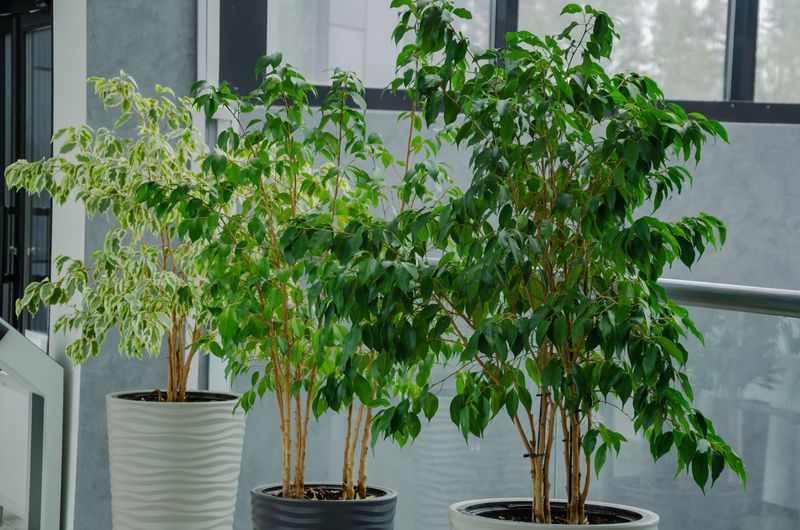
Sunlight outdoors is far stronger than most people realize. Even a bright window indoors offers only a fraction of the light a patio gets on a clear day.
That sudden drop can trigger a big leaf shed.
Gradual change is the answer. About 10 to 14 days before moving day, shift your pots into a shadier spot outside.
A covered porch, the north side of the house, or under a tree all work well.
Plants respond by producing leaves better suited to lower light. You still may see a little yellowing, but it is usually milder.
Ficus trees are famous for dropping leaves when moved, so they benefit most from this slow shift.
Keep a close eye on the forecast during this period. If a sudden cold snap shows up, carry the pots into a garage overnight and back outside in the morning.
Few things feel better than dodging an early chill with a little planning.
Timing helps here too. Starting in early September gives you plenty of breathing room.
By the time the cool nights become steady, your plants are already used to softer light and ready for indoor life.
5. South-Facing Windows Make the Coziest Winter Plant Spots
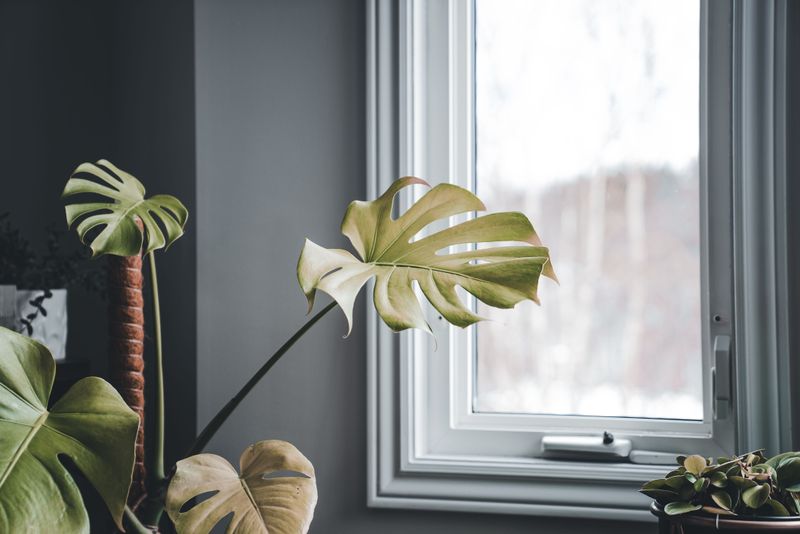
My best winter real estate sits right in front of a big south window. Geraniums bloom there in February, and nobody believes me until they see it.
Light is the most precious thing you can offer an indoor guest.
South and west windows give the most sun during short winter days. East windows suit ferns and begonias that prefer gentler light.
North windows rarely provide enough for flowering plants, so add an LED grow light if that is all you have.
Placement matters beyond the window direction. Keep plants away from heating vents, which blast dry air.
Avoid drafty doors and leaves pressed against cold glass, since both can cause chilling damage indoors.
Winter air inside heated homes is often quite dry. Pebble trays filled with water, grouping plants together, or running a small humidifier can help humidity-loving plants like Boston ferns and fuchsias.
Do you have an unheated room or bright basement? Some plants, like geraniums and rosemary, actually prefer cooler indoor temperatures in the 50s and 60s.
A chilly sunroom can be a perfect fit, as long as it stays above freezing.
6. Watering Cans and Fertilizer Deserve a Winter Slowdown
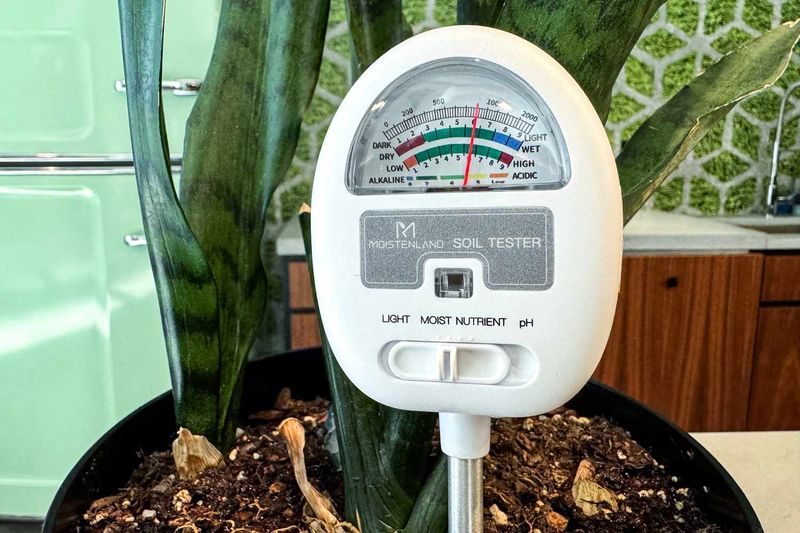
Overwatering causes more winter plant trouble than cold ever does indoors. Shorter days and cooler rooms slow growth, so roots drink far less.
Soggy soil invites root rot and fungus gnats.
Skip the summer routine of daily watering. Push a finger about an inch into the soil, and water only when it feels dry.
Many plants need water every week or two, and succulents may go even longer.
When you do water, soak the soil thoroughly with room-temperature water. Let the excess drain out, then empty the saucer.
Standing water around roots is a quick path to mushy stems.
Fertilizer needs a break too. Most overwintering plants are resting rather than growing, so extra food can build up salts in the soil.
Many gardeners stop feeding from late fall through late winter, then restart lightly once days lengthen in March.
One exception is a plant that keeps blooming in bright light, like a happy hibiscus. A diluted feeding once a month can support it.
Watch your plants and let them guide you, since leaf color and growth tell you plenty.
7. Dahlia Tubers and Canna Rhizomes Can Snooze in the Basement
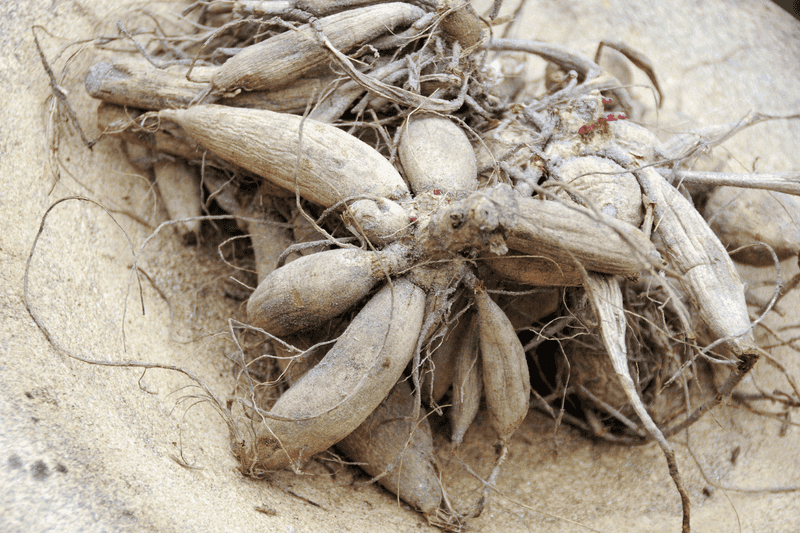
Not every plant needs a sunny window. Some tender bulbs prefer a long winter nap in a cool, dark place.
Dahlias, cannas, caladiums, gladiolus, and tuberous begonias all fit this group.
Timing for these is a little different. Many gardeners wait until a light frost blackens the foliage on dahlias and cannas, then dig within a few days.
Caladiums and tuberous begonias are more sensitive, so dig those sooner.
Shake off loose soil and let the tubers dry for several days in a garage or shed. Trim the stems to a few inches.
Label each variety with a marker, because they all look alike by spring.
Pack them in boxes or paper bags filled with peat moss, wood shavings, or vermiculite. Store them somewhere between roughly 40 and 50 degrees.
An unheated basement or insulated garage often works well in the Buckeye State.
Check them once a month. Shriveled tubers need a light misting, and soft, moldy ones should be tossed.
A quick inspection keeps one bad tuber from spoiling the rest of the batch.
8. Falling Leaves on Your Indoor Ficus Rarely Mean Trouble
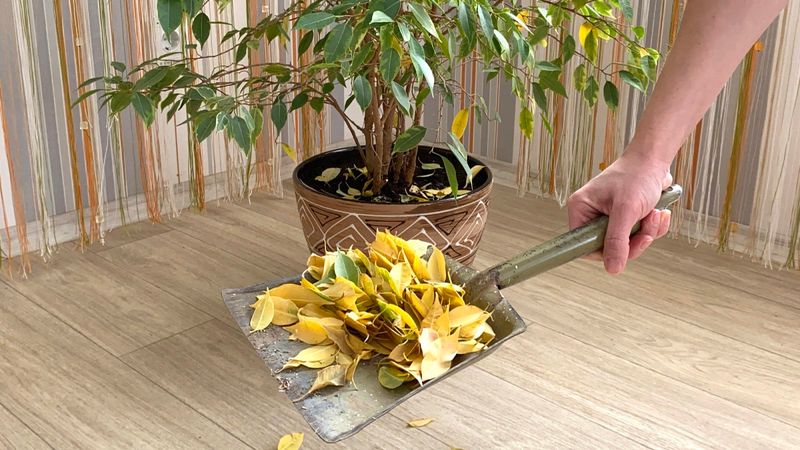
Expect a little sulking after the big move. Yellow leaves, a few dropped flower buds, and some leggy stems are normal during the first few weeks.
Plants are adjusting to new light, air, and humidity.
Resist the urge to fuss too much. Moving a pot from window to window or watering extra often adds stress.
Give each plant a steady spot and a consistent routine, then let it settle.
Pick off yellow leaves so they do not invite mold. Trim back spindly stems in late winter to encourage bushier growth.
Rotate pots a quarter turn every week or so to keep them from leaning toward the glass.
Spring brings the reverse trip. Wait until nights stay above about 55 degrees, often mid to late May in much of the state.
Then use the same gradual shade-to-sun approach to prevent scorched leaves.
My biggest takeaway is simple. Make your plant plan in late August, not the night of a frost warning.
A little early sorting, cleaning, and scouting for window space turns a frantic rescue into a calm, cozy winter with your green friends.