Tennessee Trees Slowly Declining From Ambrosia Beetles Despite Looking Healthy
Your trees are leafing out, blooming, doing exactly what they’re supposed to do. But somewhere under that bark, a beetle smaller than a sesame seed just drilled a hole straight into the wood.
You won’t hear it. You won’t see sawdust piling up on the ground. Ambrosia beetles don’t announce themselves, they tunnel in, plant a fungus that feeds their larvae, and let that fungus quietly choke off the tree’s water supply from the inside.
By the time branches start wilting or bark starts oozing thin strands of compressed sawdust, the damage is already done. Tennessee’s warm, wet springs practically roll out the welcome mat for these pests, and young or stressed trees make the easiest targets.
If something in your yard has looked a little ‘off’ lately, this is the moment to look closer, before the problem becomes much harder to fix.
1. Crape Myrtle
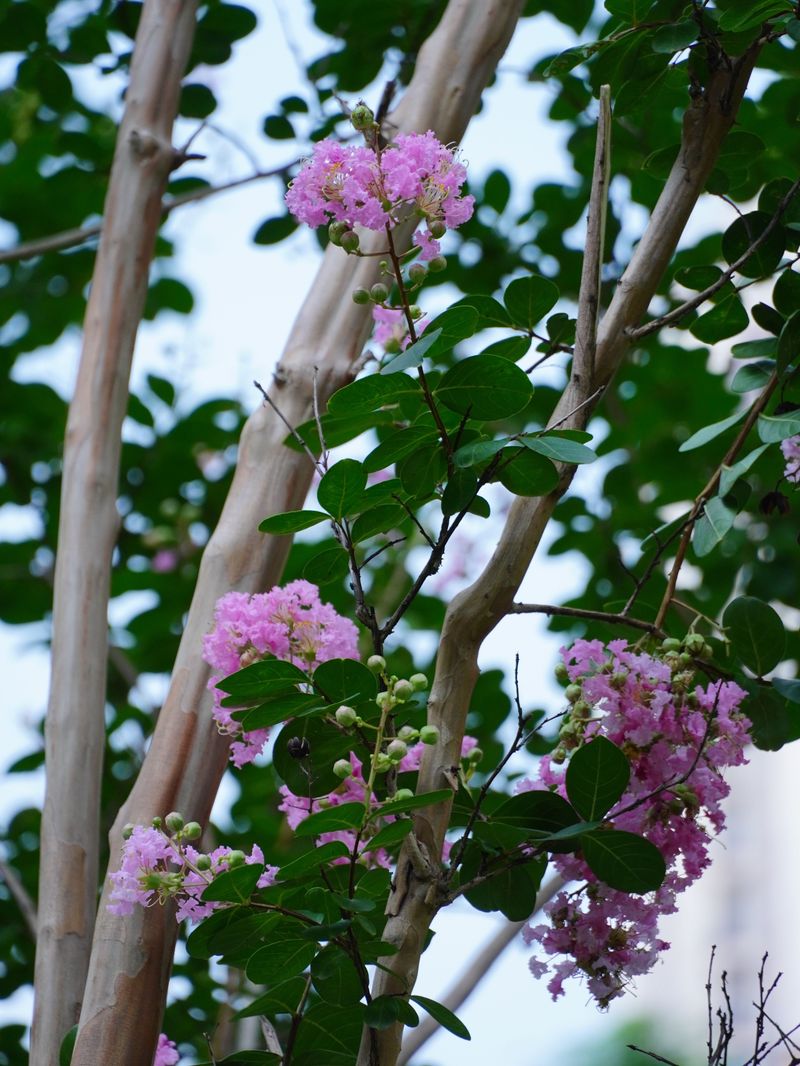
Crape myrtles are the crown jewel of Southern yards, but ambrosia beetles have found a favorite target. These trees are especially vulnerable when stressed by drought, flooding, or poor soil conditions.
Beetles bore tiny holes into the trunk, pushing out sawdust tubes that look like toothpicks. Spotting those tubes early is your best shot at saving the tree.
Beetles carry a fungus called ambrosia, which they farm inside the tunnels for food. That fungus clogs the tree’s water-moving vessels, cutting off nutrients to the branches above.
Stressed crape myrtles release chemical signals that attract beetles like a dinner bell. Keeping your tree healthy and well-watered is one of the most powerful prevention tools you have.
Avoid heavy pruning, which is called crape murder by landscapers, because fresh wounds invite beetle attacks. Mulch around the base, water during dry spells, and skip the harsh fertilizers that push weak growth.
Insecticide drenches applied to the soil around the base can offer some protection. Talk to a certified arborist before treating, because timing matters more than most people realize.
A crape myrtle that looks healthy today could be struggling silently inside. Catching the toothpick tubes early gives you a fighting chance to turn things around.
2. Dogwood
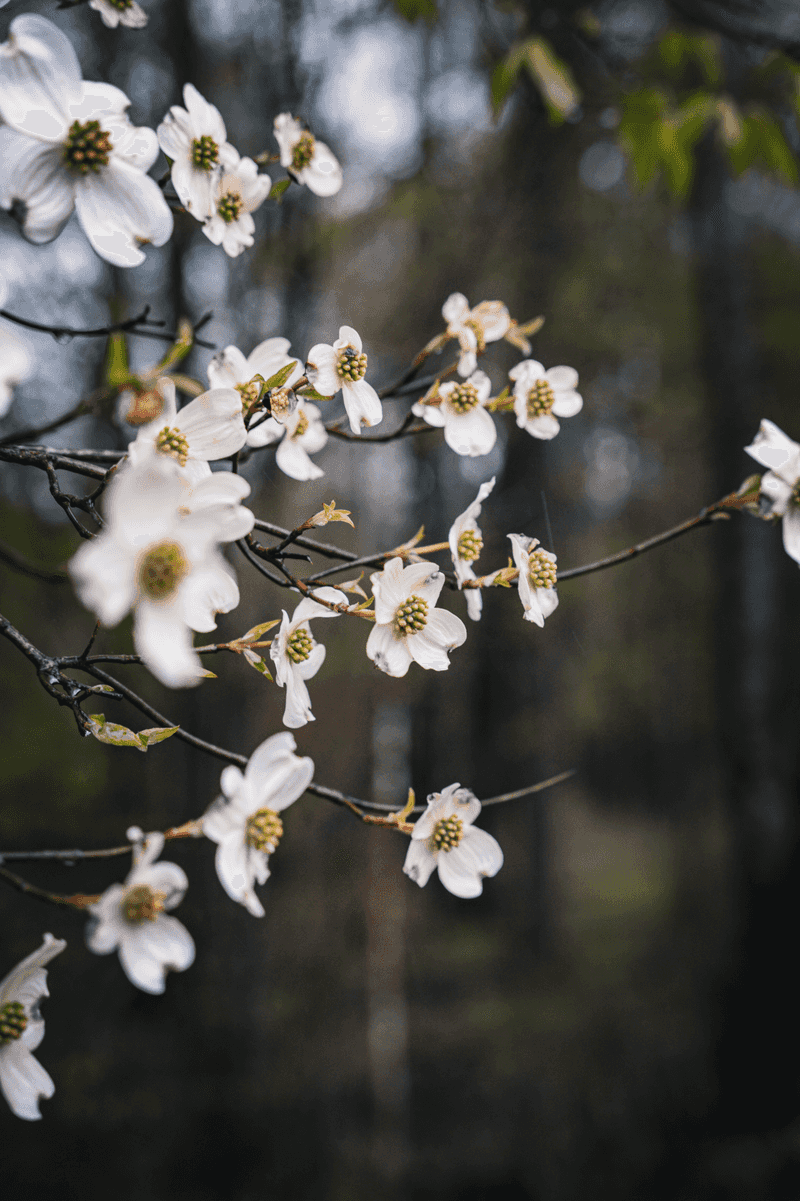
Few trees stop traffic like a blooming dogwood in spring, which makes losing one to beetles especially heartbreaking. Dogwoods are already sensitive trees, and ambrosia beetles exploit that sensitivity without mercy.
Native dogwoods across Tennessee may be facing more pressure as beetle populations expand. Warmer winters can help more beetles survive, which may lead to more attacks each spring season.
Tennessee trees slowly declining from ambrosia beetles often include dogwoods that seem to leaf out normally. Then, by midsummer, branches start wilting in a pattern called flagging.
Flagging looks like someone forgot to water one section of the tree. Those drooping branches signal that fungal blockages have cut off water flow to that part of the canopy.
Dogwoods near streams or low-lying areas face extra risk because saturated soil stresses roots fast. Beetles can detect that stress and move in within days of a heavy rain event.
Your Tennessee Garden Changes Every Week. Your Plan Should Too.
Gardening in Tennessee changes quickly throughout the season. Every Friday you’ll receive a simple weekly plan showing exactly what to plant, prune, fertilize, harvest, and protect so you never miss the right timing.
Planting dogwoods in well-drained soil with morning sun and afternoon shade reduces stress significantly. A happy dogwood is a far less attractive target for a beetle looking for a weak host.
Once tunnels are inside the trunk, sprays rarely reach them or reverse the damage already done. Prevention and early detection are the only tools that actually work for protecting these trees.
Walk your yard after every major storm and check dogwood trunks for tiny holes or sawdust. Catching the problem early could mean the difference between a thriving tree and one that never recovers.
3. Redbud
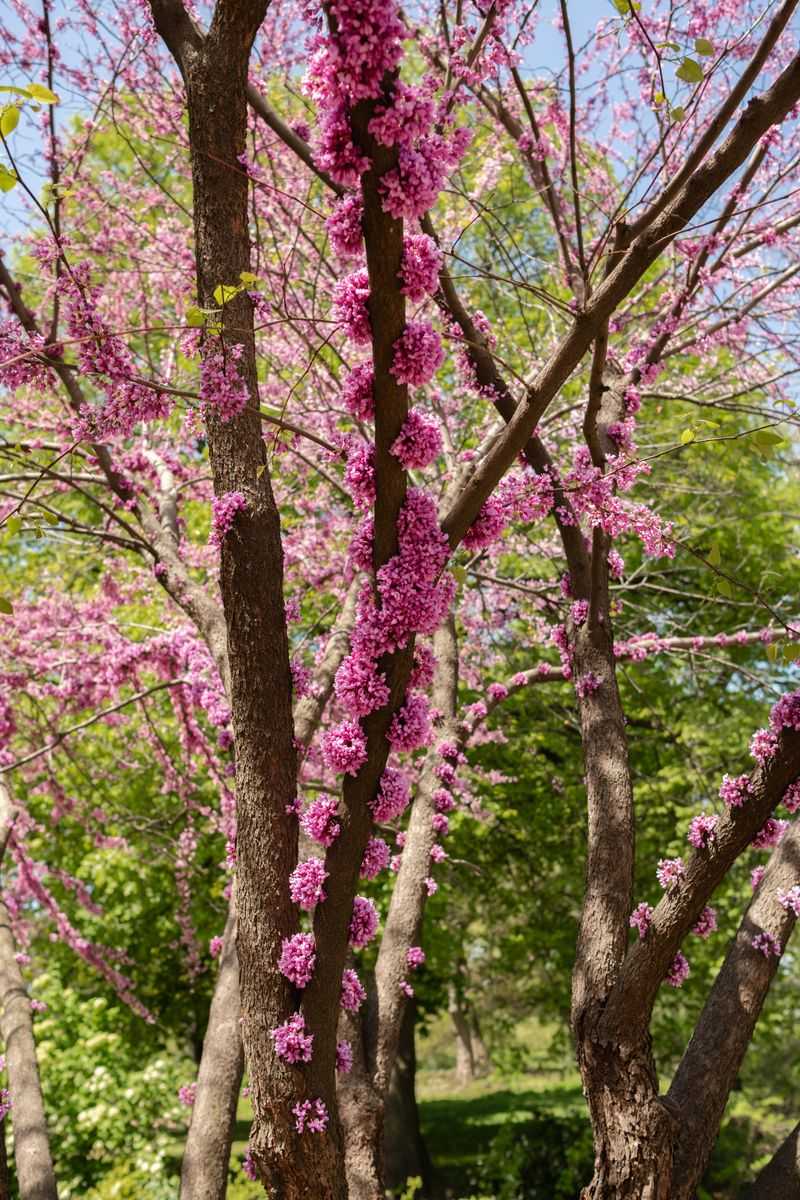
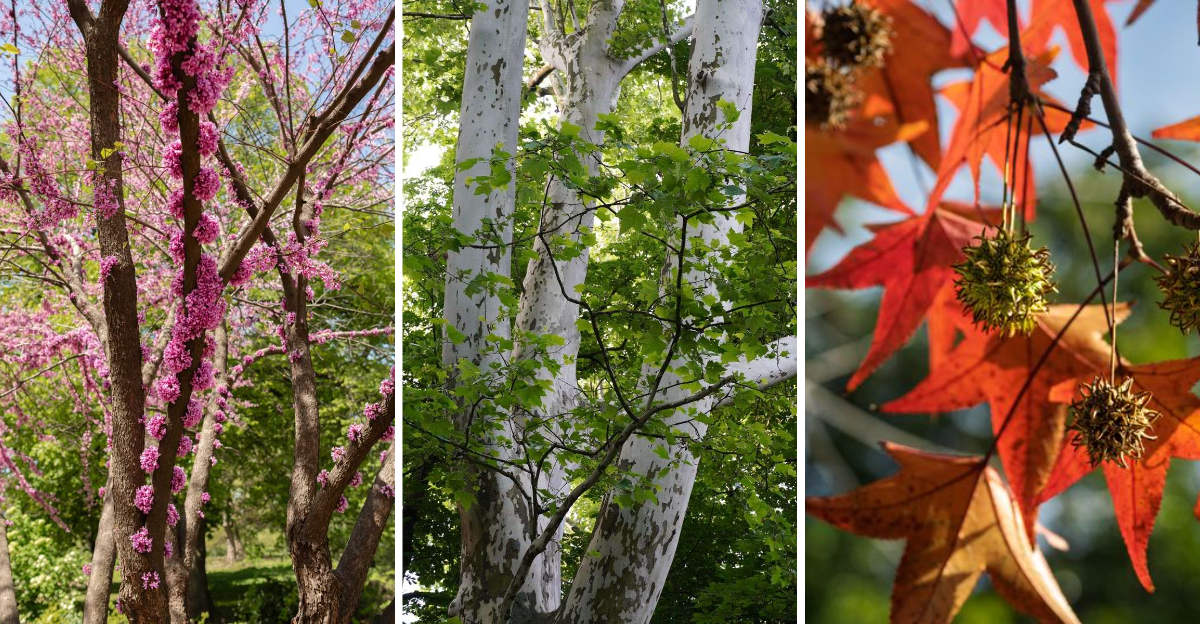
Redbuds put on one of nature’s best shows each April, coating their branches in vivid pink-purple blooms before a single leaf appears. But beneath that gorgeous display, ambrosia beetles can already be at work.
These trees are shallow-rooted and respond quickly to soil stress, making them easy targets after drought or compaction. Beetles pick up on the stress chemicals a redbud releases and move in fast.
Gardeners often overlook redbud trunks because the flowers grab all the attention in spring. By the time the blooms fade, beetles may have already established tunnels deep inside the wood.
In redbuds, the damage usually starts small, branch tips wither first, then the decline creeps inward toward the trunk. Leaves on affected branches curl, brown, and drop while the rest of the tree still looks normal.
Wrapping young redbud trunks with protective covers during high-risk seasons can reduce beetle entry points. Pairing that with proper mulching keeps soil moisture steady and roots less stressed overall.
Systemic insecticides have shown mixed results on redbuds because of their thin bark and unique chemistry. Always consult a local extension agent before applying any treatment to native flowering trees.
Your redbud’s spring show is worth protecting with a little extra attention each season. A quick trunk check takes two minutes and could save years of beauty in your yard.
4. Japanese Maple
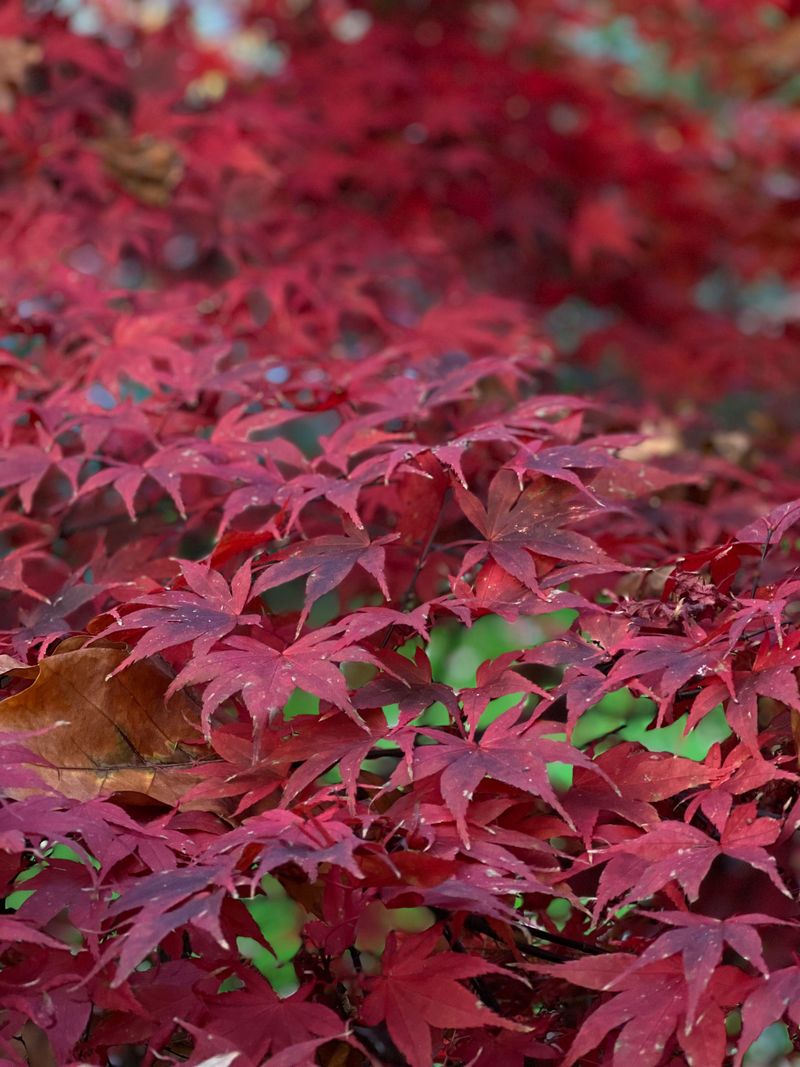
Japanese maples are the sculptural centerpiece of many Tennessee gardens, prized for their lacy leaves and stunning fall color. They are also one of the trees most frequently attacked by ambrosia beetles in the region.
Their thin bark and shallow roots make them especially vulnerable to any kind of stress. Once stressed, they release chemical compounds that act like a beacon for hungry beetles searching for a new home.
Newly planted Japanese maples face the highest risk because transplant shock is a major stress trigger. Beetles can attack a freshly planted tree within weeks if conditions are warm and moist.
The first sign is usually a cluster of tiny sawdust tubes on the lower trunk near the soil line. Those tubes look harmless but signal that tunneling is already underway inside the wood.
Keeping Japanese maples well-watered but never waterlogged is a critical part of beetle prevention. Overwatering causes root stress just as much as drought, so balance is the goal here.
Avoid planting in heavy clay without amending the soil first, because poor drainage creates chronic root stress. Raised beds or berms work well for improving conditions in problem spots across the yard.
Japanese maples reward careful attention with decades of jaw-dropping beauty every single season. Give yours the best start possible, and beetles will look elsewhere for an easier meal.
5. Maple
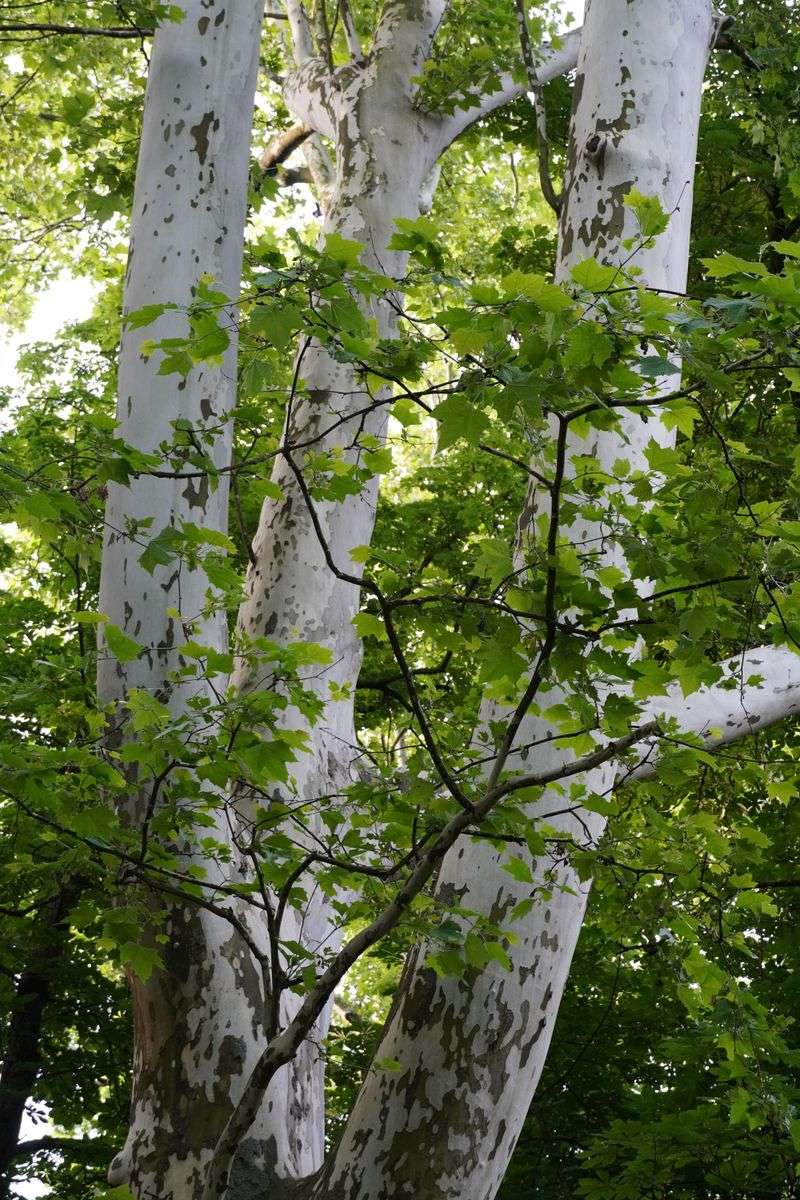
Maples are some of the most beloved shade trees in American yards, and Tennessee homeowners plant them by the thousands. What many do not know is that several maple species rank among the top ambrosia beetle targets in the Southeast.
Silver maples are especially susceptible because they grow fast and produce softer wood than other species. Softer wood is easier for beetles to tunnel through, making it a preferred nesting site.
Red maples and sugar maples face similar risks, particularly when planted in compacted urban soil. Streets, sidewalks, and driveways create conditions that stress roots and weaken the tree’s natural defenses.
Tennessee trees slowly declining from ambrosia beetles often look perfectly leafy from a distance. The canopy can remain full and green for an entire season while the trunk is being destroyed below.
Look for the telltale sawdust tubes on the lower trunk and base of major branches. Sometimes you will also notice a wet, weeping spot on the bark where sap is leaking from a tunnel entrance.
Mulching the root zone is one of the easiest ways to protect maples from soil stress. A four-inch layer of wood chip mulch kept away from the trunk can make a significant difference.
Avoid parking cars or running lawn equipment near the root zone, which compacts soil and stresses roots. Healthy roots mean a healthier tree that beetles are far less likely to target.
A mature maple offers decades of shade, color, and habitat for birds and wildlife. Protecting it from beetles is one of the smartest investments a homeowner can make.
6. Cherry
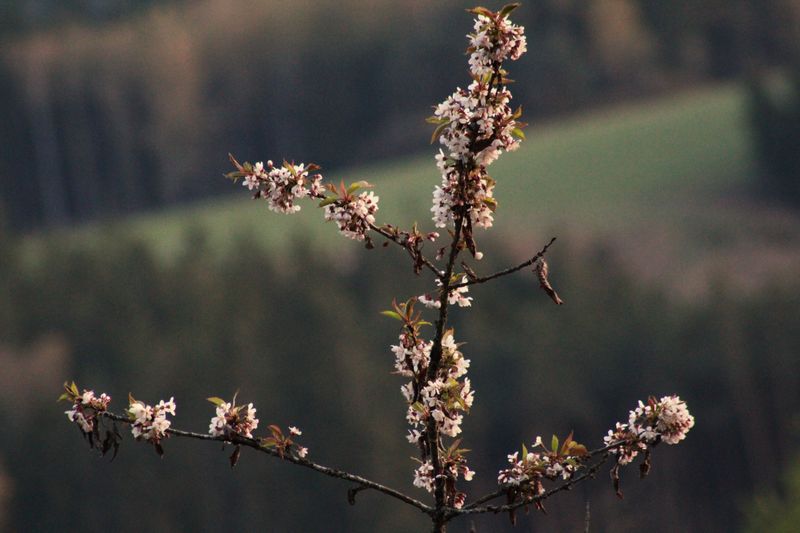
Cherry trees bring a burst of springtime magic to any yard, but they carry a hidden vulnerability that most gardeners overlook. Both ornamental and fruiting cherry varieties are highly attractive to ambrosia beetles across Tennessee.
Cherries belong to the Prunus family, which also includes peaches and plums, and all of them share a weakness for stress-triggered beetle attacks. Any wound, drought period, or soil problem can open the door for an infestation.
Ornamental cherries planted near hardscapes like driveways and patios face extra risk from reflected heat and soil compaction. Those conditions push the tree into chronic low-level stress, which beetles detect quickly.
Fruiting cherry trees face a double threat because beetle damage reduces both the tree’s health and its crop yield. Even a small tunnel network disrupts nutrient flow enough to shrink the harvest noticeably.
Pruning cherry trees at the wrong time of year creates fresh wounds that attract beetles like a flashing sign. Try to prune in late fall or early winter when beetle activity is at its lowest point.
Applying a protective trunk wrap during warm months can reduce the number of successful beetle entries. Combine that with consistent watering and you cut the tree’s stress signals dramatically.
Cherry trees are short-lived compared to oaks or maples, so every healthy year counts for something. Protect them well and they will reward you with blossoms and fruit for seasons to come.
7. Peach
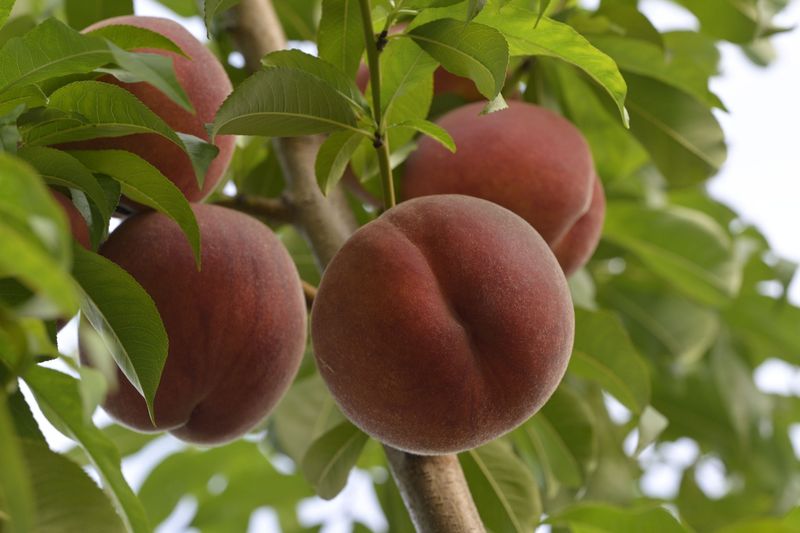
Nothing beats biting into a fresh Tennessee peach on a hot summer afternoon, but ambrosia beetles are threatening backyard orchards across the state. Peach trees are among the most vulnerable fruit trees to beetle attack in the entire Southeast.
They produce high levels of stress-related compounds when struggling, and that chemical signal is exactly what ambrosia beetles follow. A peach tree that struggled through a dry summer is practically advertising itself as an open house.
Backyard growers often blame poor harvests on weather or disease without ever checking the trunk for beetle damage. A quick inspection at the soil line can reveal toothpick tubes that explain everything.
Peach trees also face attacks at graft unions, which are the points where the fruiting variety was joined to rootstock. Those joints are natural weak spots that beetles target when the tree shows any sign of stress.
Keeping peach trees on a consistent irrigation schedule during dry months is one of the best prevention strategies. Stressed trees release more of these compounds, so reducing stress directly reduces beetle attraction.
Soil health matters enormously for peach trees, which prefer well-drained, slightly acidic conditions. Amending heavy clay soil before planting sets the tree up for a much healthier, longer life.
Your backyard peach tree is worth every ounce of care you put into it. Protect it from beetles and it will keep producing those sweet summer fruits for years ahead.
8. Sweetgum
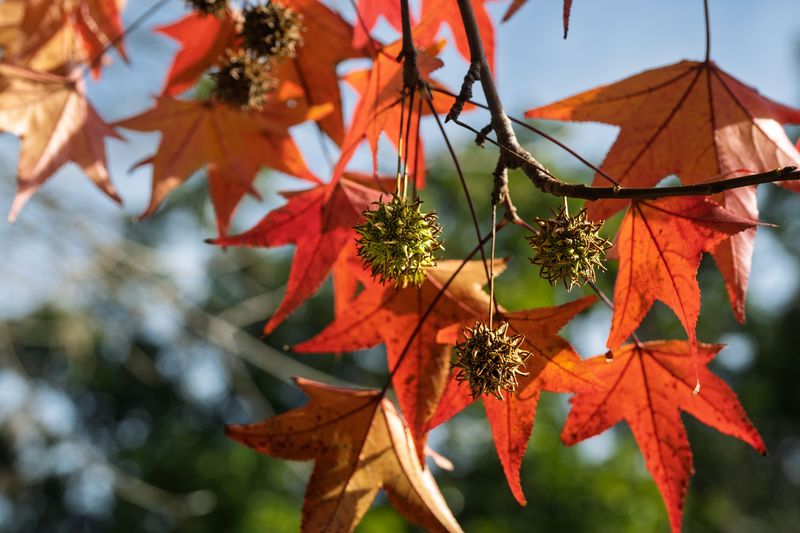
Sweetgum trees are a staple of Tennessee landscapes, known for their star-shaped leaves and the spiky seed balls that crunch underfoot every autumn. They are tough, fast-growing trees, but even they are not immune to ambrosia beetle pressure.
Sweetgums planted in urban settings face constant stress from soil compaction, pollution, and restricted root space. That stress makes them increasingly attractive to beetles looking for a vulnerable host to colonize.
One surprising fact is that sweetgums produce a natural resin that can trap and slow beetle entry in healthy trees. But when the tree is stressed, resin production drops and that natural defense weakens significantly.
Symptoms in sweetgum include upper branches drying out, along with leaves changing color earlier than they should. Some homeowners think the fall color is just arriving early, not realizing the tree is struggling below.
Improving soil conditions around established sweetgums can help them rebuild their natural defenses over time. Aeration, organic compost top-dressing, and deep watering during dry periods all support root recovery.
Sweetgums can also be targeted by more than one ambrosia beetle species at the same time. Telling them apart helps you choose the right response and avoid wasting money on ineffective treatments.
Tennessee trees slowly declining from ambrosia beetles deserve a closer look before the damage becomes irreversible. Check your sweetgum trunks this weekend and call an arborist if anything looks suspicious.