7 Oregon Dry Soil Adaptations That Help Plants Survive Tough Conditions
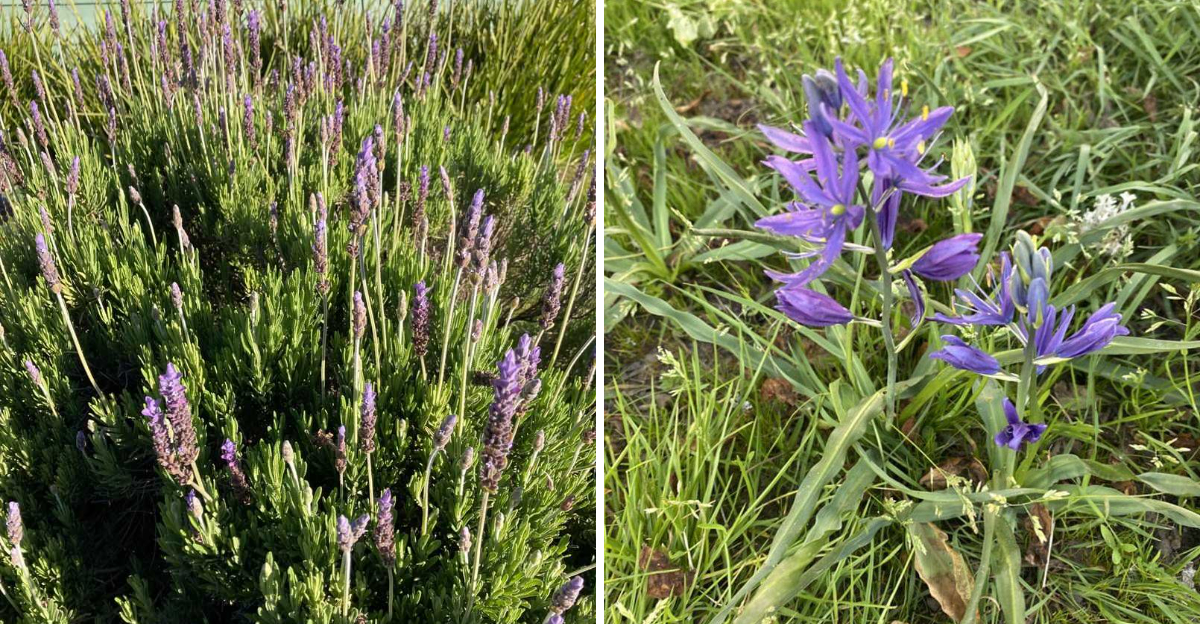
Some plants seem to thrive in places where nothing should grow.
Cracked, parched soil baking under a blazing sun looks like a harsh sentence for most greenery, yet certain plants stand tall, green, and full of life without a drop of rain for weeks at a stretch.
How do they pull it off?
The secret lies deep in their roots, across their leaves, inside their stems, and even in the way they choose to rest when conditions turn brutal.
Oregon’s dry eastern regions, sun-baked slopes, and increasingly drought-stressed western landscapes are full of plants that have developed some seriously clever tricks over thousands of years.
Understanding these adaptations does not just satisfy curiosity.
It helps gardeners, farmers, and nature lovers make smarter choices about what to plant, where to plant it, and how to keep landscapes healthy even when rainfall is scarce.
From the high desert east of the Cascades to the drying Mediterranean-climate gardens of the Willamette Valley, the plant world has figured out how to work with dry conditions rather than fight them.
Get ready to look at your Oregon garden and the wild landscape around you in a completely different way.
1. Deep Taproots Chase Lower Moisture
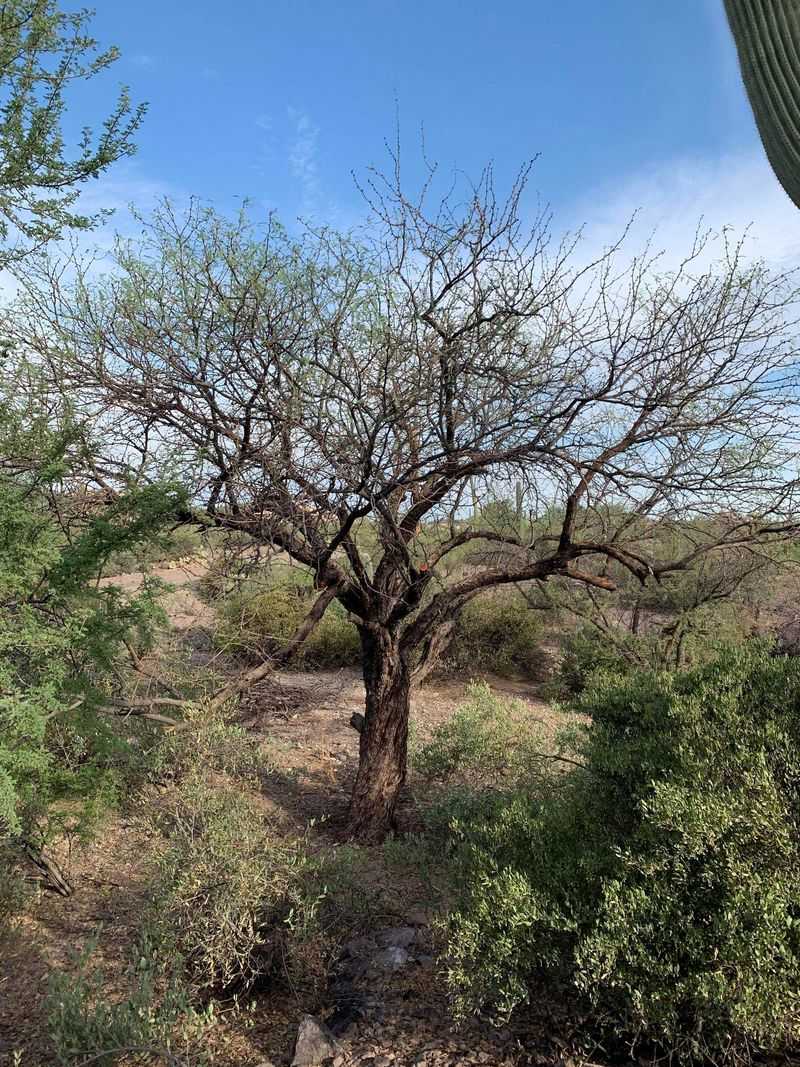
A plant that sends a root straight down like a drilling machine hunting for water is exactly what a taproot does.
For plants living in Oregon’s dry soils, whether along a baking eastern Oregon hillside or a drought-stressed inland valley garden, it can mean the difference between surviving a long dry season and wilting by midsummer.
Some taproots push six feet or more below the surface, reaching soil layers that stay moist long after the surface has turned to dust.
Mesquite trees are a perfect example of this strategy taken to its extreme.
Their taproots have been recorded at depths exceeding 160 feet in certain regions, making them one of the deepest-rooted plants on Earth.
This deep investment in root structure allows the plant to access groundwater that surface-rooted plants cannot even dream of reaching.
For Oregon gardeners dealing with dry conditions, plants with strong taproots like prairie natives, deep-rooted native bunchgrasses, and many drought-tolerant perennials are worth planting with intention.
These plants rarely need watering once established because they find their own supply below the surface. Taproots also break up compacted soil over time, improving drainage and aeration for nearby plants.
The trade-off is that taproot plants are tough to transplant once established because damaging the main root cuts off their lifeline.
Start them from seed directly in the ground whenever possible. A plant with a healthy taproot is a resilient plant, and in Oregon’s increasingly dry summers, resilience is everything you need to get through the season.
2. Fine Roots Spread Fast After Rain

Rain in a dry Oregon climate does not always last long, but plants that have mastered the art of speed can catch every drop before it disappears.
Fine lateral roots near the soil surface are nature’s answer to the pop-up rain shower.
Your Oregon Garden Changes Every Week. Your Plan Should Too.
Gardening in Oregon changes quickly throughout the season. Every Friday you’ll receive a simple weekly plan showing exactly what to plant, prune, fertilize, harvest, and protect so you never miss the right timing.
These thin, hair-like roots spread outward rapidly after even a brief rainfall, soaking up moisture before it evaporates or drains away into Oregon’s often fast-draining soils.
Research has shown that some drought-adapted plants can activate new root growth within hours of a rain event.
That kind of speed is remarkable in the plant world. While slow-growing plants are still waiting around, fast-responding species have already absorbed a significant portion of available surface water.
Shallow fine roots work especially well in Oregon’s rocky volcanic soils and the sandy loams common across much of the high desert region east of the Cascades.
Rather than trying to chase water downward, these plants spread their net wide. Native grasses and many annual wildflowers common to Oregon’s drier zones rely heavily on this strategy during their short growing seasons.
For Oregon home gardeners, understanding this adaptation means not overwatering drought-tolerant plants.
Too much irrigation can actually discourage fine root development because the plant stops sending roots outward in search of moisture.
A light, infrequent watering schedule encourages roots to spread and makes plants more self-sufficient through Oregon’s long dry summers.
Letting the soil dry out a bit between waterings is not neglect. It is smart plant care that builds stronger, more resilient root systems.
3. Waxy Leaves Slow Water Loss
Run your finger across the leaf of a jade plant or a rubber tree, and you will notice something immediately.
The surface feels smooth, almost slick, like it has been polished. That slippery sensation comes from a waxy layer called the cuticle, and it is one of the most effective water-saving tools in the plant kingdom.
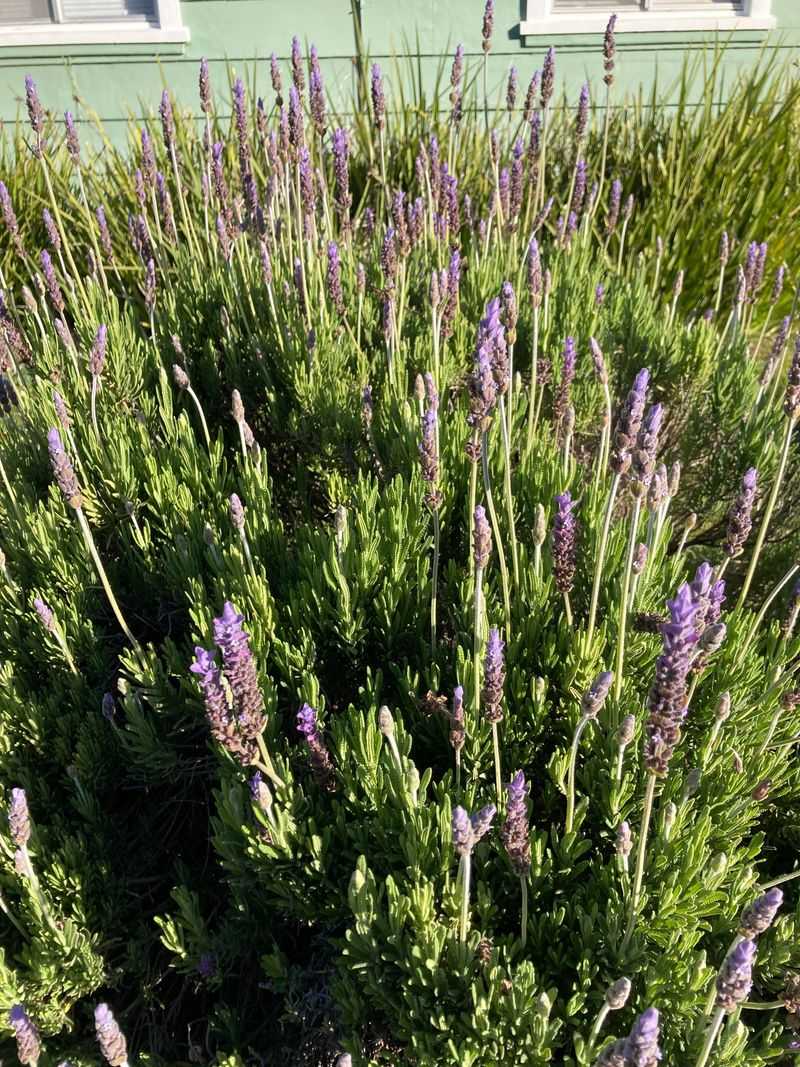
Oregon gardeners working with Mediterranean-climate plants like lavender, rosemary, and manzanita are already benefiting from this adaptation without necessarily knowing it.
The cuticle covers the outer surface of leaves and stems, forming a barrier that slows the escape of water vapor into the air. In dry conditions, every drop of water lost through the leaf surface matters.
A thicker cuticle dramatically reduces water loss through a process called cuticular transpiration, which happens even when stomata are closed.
Plants in arid regions often have cuticles two to three times thicker than those growing in Oregon’s wetter coastal zones.
Gardeners creating low-water landscapes in the Willamette Valley, Rogue Valley, or anywhere east of the Cascades should look for plants with visibly waxy or glossy leaves.
Agaves, lavender, rosemary, and many native Oregon shrubs all carry this protective coating.
The cuticle also provides protection against UV radiation, insects, and fungal spores.
When choosing plants for hot, dry spots in an Oregon garden, shiny or slightly silvery leaves are a reliable sign that the plant comes well-prepared for water scarcity.
4. Small Leaves Reduce Heat Load
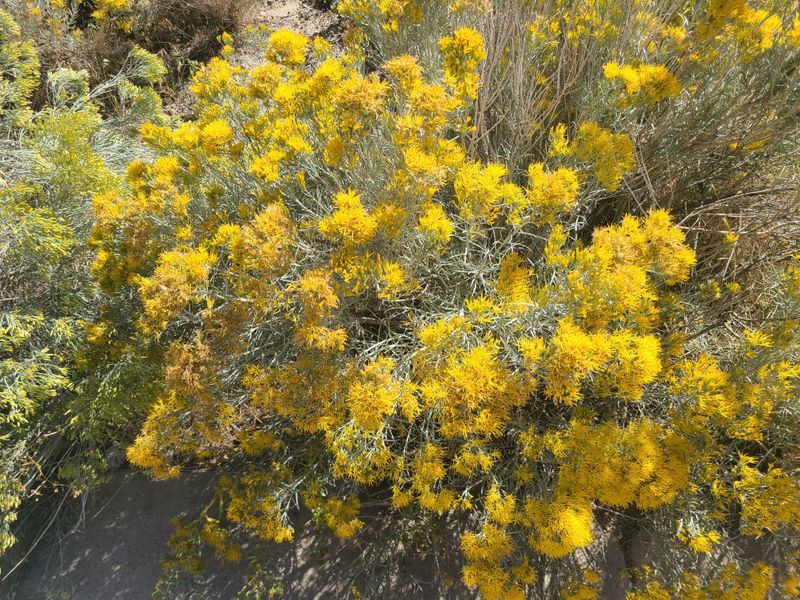
Size matters more than many people realize when it comes to surviving heat and drought in Oregon’s increasingly warm summers.
Leaves are where plants do most of their photosynthesis, but they are also where most water escapes.
Smaller leaves have less surface area exposed to the sun and wind, which means less water evaporates from them during the hottest parts of the day.
Creosote bush, a tough shrub common across the American Southwest and related to plants in Oregon’s own dry shrub-steppe zones, has tiny resin-coated leaves that allow it to thrive where temperatures regularly exceed 100 degrees Fahrenheit.
The small leaf size reduces the amount of solar energy absorbed, which lowers the plant’s internal temperature and cuts down on the cooling water it needs to release.
Some extreme drought survivors take this even further by dropping leaves entirely during the driest months, leaving only green stems to carry on photosynthesis.
Oregon’s own bitterbrush and rabbitbrush, both common in eastern Oregon’s high desert, use variations of this strategy to manage summer heat and moisture stress.
For Oregon landscapers and gardeners working in hot, sun-baked spots, choosing plants with naturally small or narrow leaves is a practical strategy.
Herbs like thyme, oregano, and rosemary all share this trait and thrive with minimal irrigation once established in the right Oregon location.
5. Hairy Foliage Shields Tender Tissue
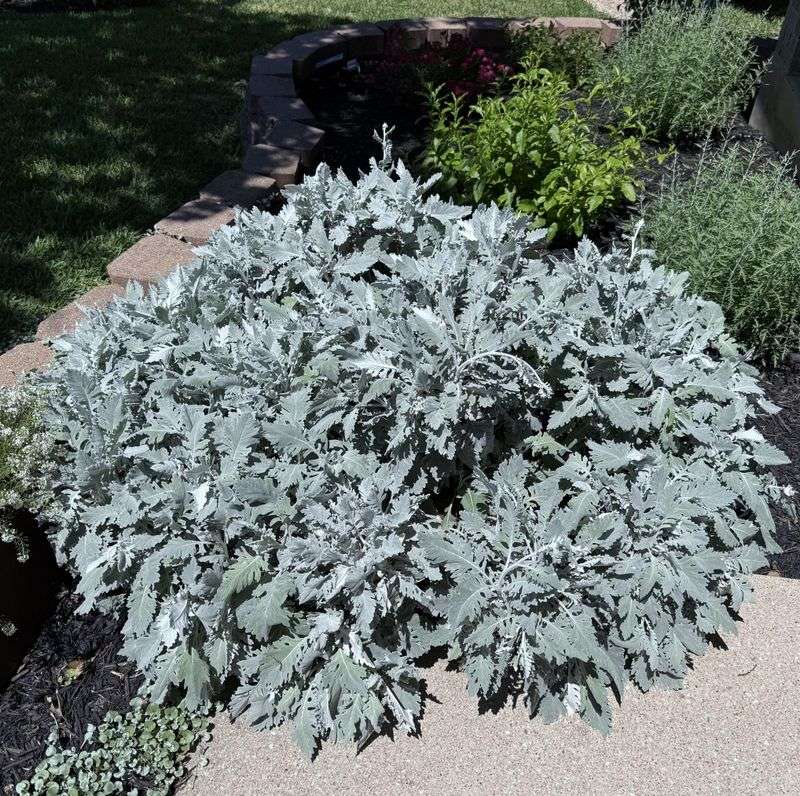
Soft, fuzzy leaves might look delicate, but do not be fooled.
Those tiny hairs covering the surface of plants like lamb’s ear, mullein, and Oregon’s native desert sage are tough little defenders working around the clock.
Leaf hairs, known scientifically as trichomes, serve multiple functions that help plants manage water loss, reflect intense sunlight, and even trap a thin layer of humid air right against the leaf surface.
That trapped air layer is the real trick.
By holding moisture close to the leaf, trichomes slow the rate at which water vapor escapes into the dry surrounding air.
In the hot, windy conditions common across Oregon’s eastern plateau and inland valleys during summer, this buffer can make a measurable difference in how much water a plant retains over the course of a day.
Some studies in plant physiology have shown that heavily pubescent leaves can reduce water loss by up to 40 percent compared to smooth-leaved relatives.
The reflective quality of light-colored trichomes also keeps leaf temperatures lower by bouncing excess solar radiation away before it heats the tissue.
Silver and white-leaved plants like dusty miller and artemisia species, several of which are native to Oregon’s high desert, look beautiful in a dry garden and perform brilliantly in full sun.
For Oregon gardeners who want plants that handle drought without complaint, look for leaves that feel woolly or velvety to the touch.
Those textures are signs of a plant well-armored for survival in challenging, water-limited conditions.
6. Succulent Stems Store Moisture
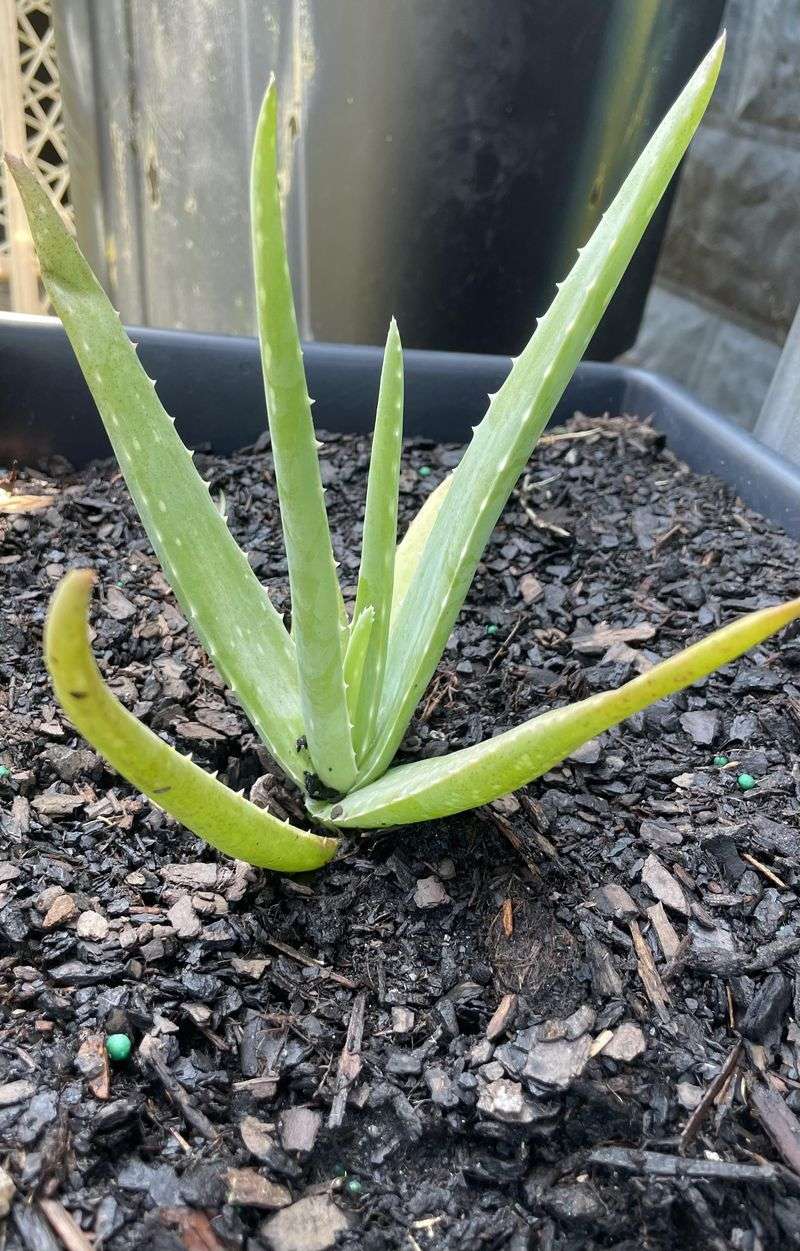
When rain finally arrives after a long Oregon dry season, some plants do not just drink. They stock up like it is the last sale of the season.
Succulent stems are living water tanks, designed to absorb and store large quantities of moisture during wet periods and release it slowly during long dry spells.
The tissue inside these stems is packed with specialized cells that swell with water and hold it securely for weeks or even months.
Cacti are the most recognizable example of this strategy.
A large saguaro can absorb hundreds of gallons of water after a single rainstorm, expanding its ribbed trunk like an accordion.
Oregon gardeners in the driest parts of the state, particularly in the high desert regions around Bend and the John Day Valley, grow related species with similar stem-storage systems that handle dry summers without any supplemental irrigation.
Succulent stems also serve as photosynthetic organs in many cacti, since leaves have been reduced to spines.
The green outer layer of the stem takes over the job of capturing sunlight, making the whole plant more efficient. Succulents are basically the camels of the plant world, and they carry the comparison with considerable dignity.
Aloes, agaves, and drought-adapted cacti rarely need watering and can handle Oregon’s dry summer months without attention.
Plant them in well-draining soil, give them full sun, and step back. These stem-storing champions handle the rest entirely on their own terms.
7. Dormancy Pauses Growth During Stress
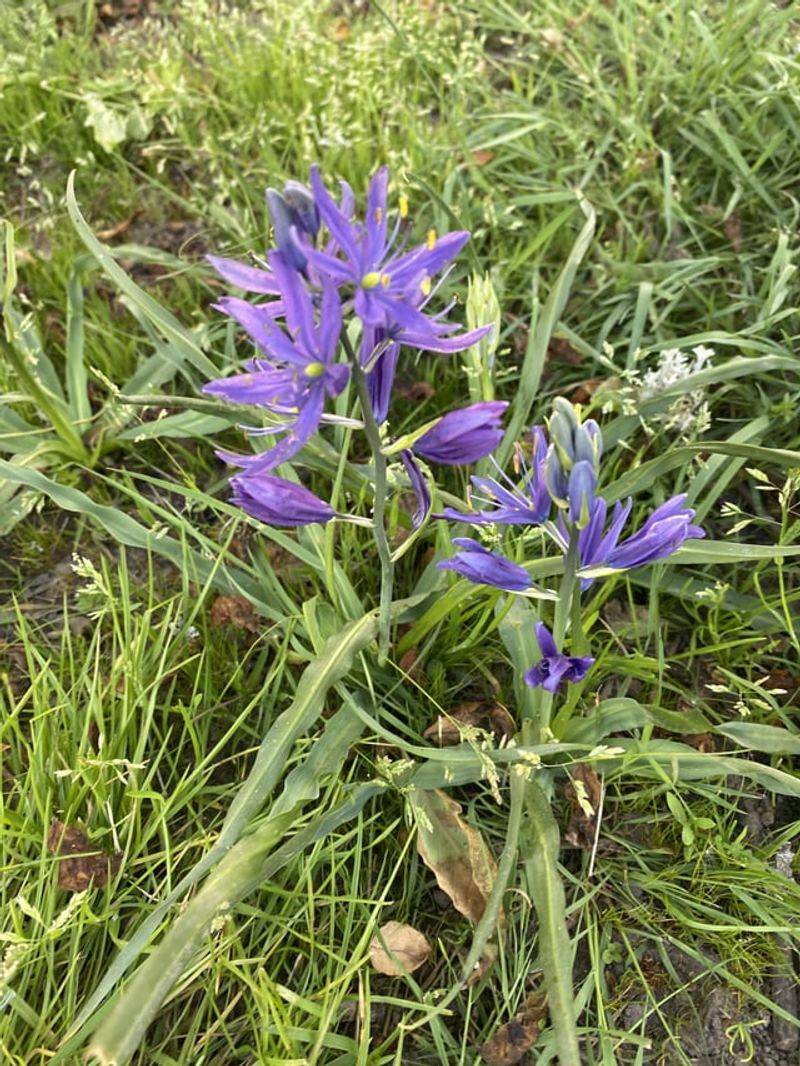
Rest is not laziness. For plants facing brutal heat and bone-dry Oregon soil, going dormant is one of the most strategic moves in the survival playbook.
Dormancy is a state of reduced metabolic activity that allows plants to pause growth, conserve energy, and wait out harsh conditions until Oregon’s fall rains return and temperatures cool.
It is the plant version of a long, intentional nap with excellent timing.
Oregon’s own native bunchgrasses, including Idaho fescue and bluebunch wheatgrass, use exactly this strategy across the state’s dry eastern plateau.
Above ground during the hottest weeks, they look brown and lifeless. Below the surface, their root systems remain alive and ready.
As soon as conditions improve with the return of fall moisture, they spring back into active growth with impressive speed.
Dormancy is triggered by a combination of signals including reduced soil moisture, high temperatures, and changing day length depending on the species.
Plants essentially read their environment and respond with a controlled slowdown rather than a full shutdown.
Some bulb plants like Oregon’s native camas use winter dormancy to survive cold and drought simultaneously, storing energy underground for the next growing season.
For Oregon gardeners, dormant plants can look alarming during a long summer dry stretch, but patience pays off.
Avoid overwatering or fertilizing dormant plants in an attempt to wake them up, as that approach often causes more harm than good. Trust the plant’s internal clock.
When Oregon’s fall rains arrive, it will return stronger and more vibrant than before, ready to grow again entirely on its own schedule.