7 Plants That Are Safe For Dogs And Cats In California Gardens
Oleander lines countless freeways across California, yet every part of that glossy shrub is toxic to dogs and cats. My terrier once sniffed a fallen oleander leaf, and my heart jumped straight into my throat that afternoon.
Sago palms cause similar worry, because veterinarians list their seeds among the most dangerous plants for curious pets. Lilies are another trap, since even pollen brushed onto a cat’s fur can harm the kidneys quickly.
I believe a pet-friendly yard should still feel lush and fragrant, with bees humming on warm mornings. You deserve a garden where your dog can roll around and your cat can nap without constant worry.
Luckily, plenty of tough, water-wise beauties pass the safety test and love our sunny California weather. Which seven earned a spot in my own backyard, where two nosy pets inspect every new arrival?
1. Rosemary

Brush past rosemary on a hot afternoon, and the piney scent follows you around the yard for minutes. My dog loves napping beside our big shrub, and I love knowing the ASPCA lists it as nontoxic.
Botanists recently moved this herb into the sage genus, so its proper name is now Salvia rosmarinus. Older tags may still say Rosmarinus officinalis, but you are buying the same fragrant evergreen either way.
Our Mediterranean climate suits rosemary beautifully, since it shrugs off dry summers and mild winters with little fuss. Blue flowers often appear from fall into spring, and hungry bees and hummingbirds visit them on sunny days.
Pick your shape carefully before planting, because upright types can reach five feet tall and six feet wide. Trailing forms stay under two feet but creep six to eight feet, which makes them lovely over walls.
Give it at least six hours of direct sun and lean, sandy or rocky soil that drains fast. Rich, soggy beds tend to cause root rot, so skip the heavy compost and fertilizer here.
Young plants need regular water during their first season while roots spread into the surrounding ground. After that, a deep occasional soaking usually keeps established shrubs happy through our long, rainless summer months.
Concentrated rosemary essential oil is a different story, so keep those little bottles away from pets. Personally, I snip fresh sprigs for roast potatoes and let the dog enjoy the shade underneath.
2. California Lilac
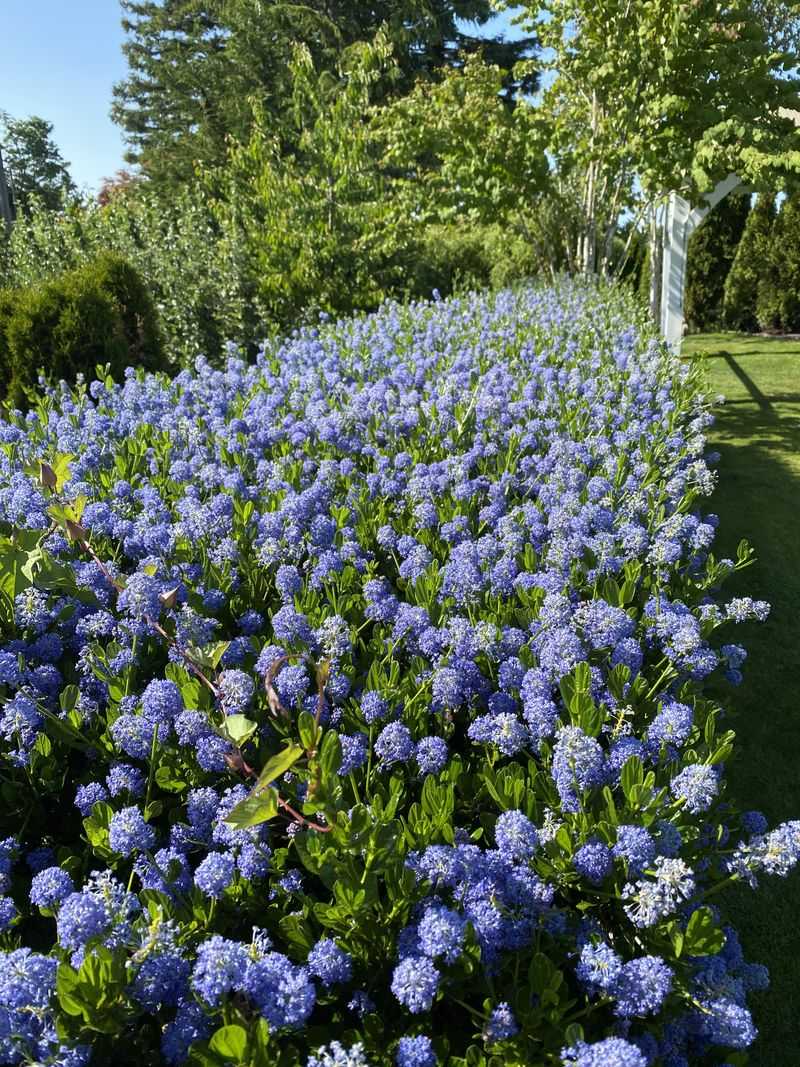
Every spring, our hillside ceanothus turns so blue that neighbors stop their walks just to stare at it. Bees swarm the fragrant clusters so loudly that the whole shrub seems to hum like a tiny engine.
California lilac is not a true lilac at all, and it belongs to the buckthorn family instead. Most of its more than sixty species grow wild here, so local wildlife recognizes it as dinner.
Ceanothus does not appear on major pet poison lists, and my curious dog has ignored it for years. Many types show three parallel veins on their glossy leaves, which helps you identify plants at the nursery.
Sizes vary wildly, from low groundcovers hugging slopes to small trees reaching nearly twenty feet tall. Read each tag closely, since a cute nursery pot might hide a shrub that eventually swallows your walkway.
These shrubs fix their own nitrogen through root partners, so you can skip fertilizer for good. Plant them in full sun with fast-draining soil, though hot inland gardens may prefer afternoon shade.
Water regularly during the first year, then stop most summer irrigation once the roots settle into place. Wet feet in warm soil invite root rot, which explains why sprinkler-heavy lawns rarely suit this plant.
Fall planting works wonderfully across the state, because winter rains help young roots grow before summer heat. I have to admit, watching butterflies drift across my blue shrub still makes me grin every April.
3. Spider Plant
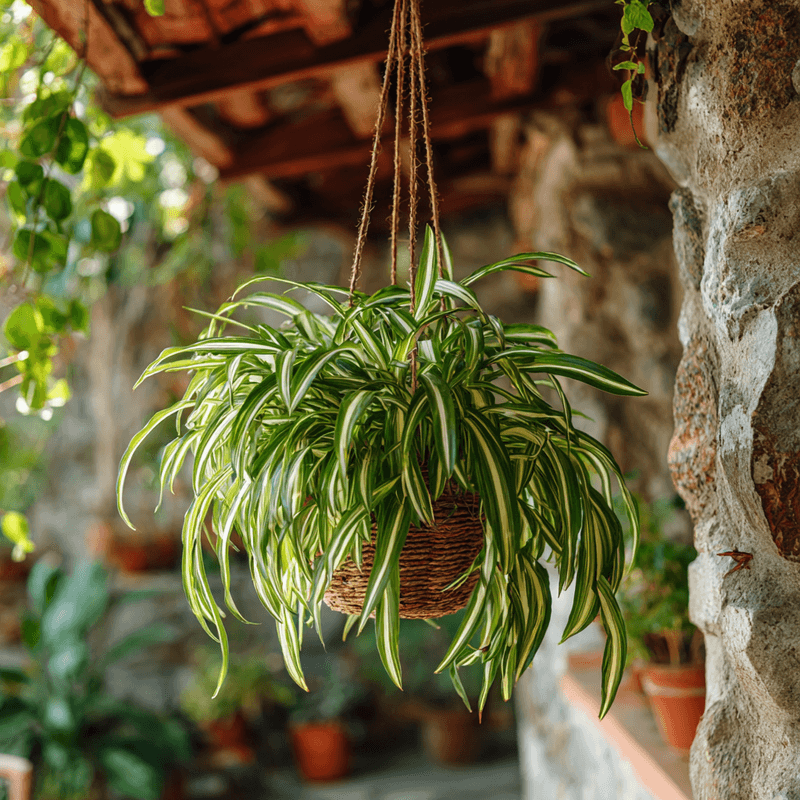
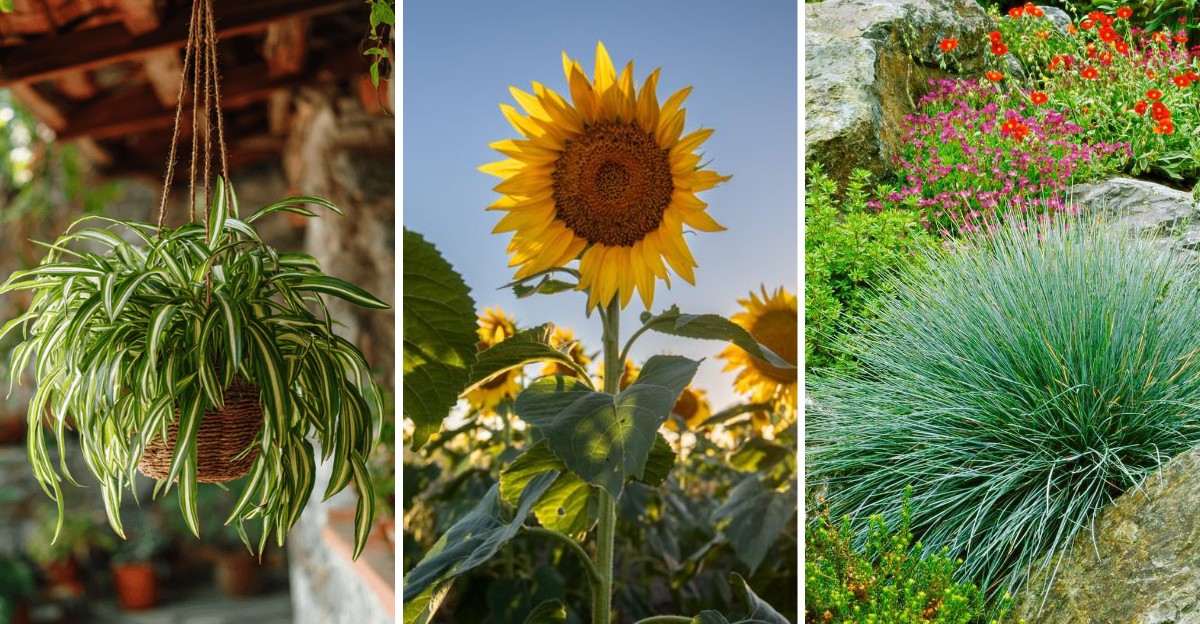
Cats seem strangely obsessed with spider plants, and my tabby chews the dangling tips like grassy snacks. Thankfully, the ASPCA lists Chlorophytum comosum as nontoxic for both cats and dogs, so I mostly just laugh.
Large mouthfuls of any greenery might upset a tummy, so hang baskets a little higher if nibbling becomes constant. Those long trailing stems carry baby plantlets, which give the plant its leggy spider look in the first place.
Most folks think of it as a houseplant, yet it thrives outdoors during mild coastal summers here. It cannot handle frost, so bring pots inside once nights start dropping below about fifty degrees.
Bright, indirect light suits it best, since harsh afternoon sun can scorch the striped leaves brown at the tips. A covered patio or the dappled spot beneath a tree works nicely for mine in warm weather.
Use well-draining potting mix with some coir or peat, letting the top inch or two dry between drinks. Thick fleshy roots store water, which explains why a forgotten basket usually bounces back after a good soak.
Feed every couple of months during spring and summer, using a gentle, diluted fertilizer made for houseplants. Brown tips sometimes come from salty or fluoridated water, so rainwater can make a noticeable difference.
Snip a plantlet, press it into moist soil, and you have a free gift for pet-loving friends. I love how one generous mother plant can quietly fill a whole shady patio with arching green fountains.
4. Sunflower

Young sunflower heads track the sun across the sky each day, swinging east again overnight like patient compasses. Watching that slow dance from my kitchen window feels like having a quiet garden show every single summer.
The ASPCA lists Helianthus annuus as nontoxic to dogs and cats, so tall blooms can share space with pets. Seed shells are another matter, since the sharp hulls may irritate throats or upset sensitive stomachs.
Sow seeds directly into the ground, because sunflowers often sulk when their roots get disturbed by transplanting. Central Valley gardeners usually plant from March through June, while Southern growers can keep sowing into July.
These sun lovers want at least eight hours of direct light, and shady corners produce weak, leaning stalks. Loose, fast-draining soil mixed with a little compost gives the deep roots room to stretch downward.
Those roots can reach surprisingly deep, which helps mature plants handle dry spells better than many annuals. Water steadily while seedlings establish, then cut back to deep soakings that encourage roots to dig.
Giant varieties can tower over ten feet, so stake them near fences where wind cannot topple them. Branching types stay shorter and produce many smaller blooms, which makes them handy for cutting bouquets indoors.
Finches and other seed-eating birds love the ripe heads, so leave a few standing after petals fall. Personally, I cannot imagine a summer yard without at least one sunny face grinning over the fence.
5. Creeping Thyme
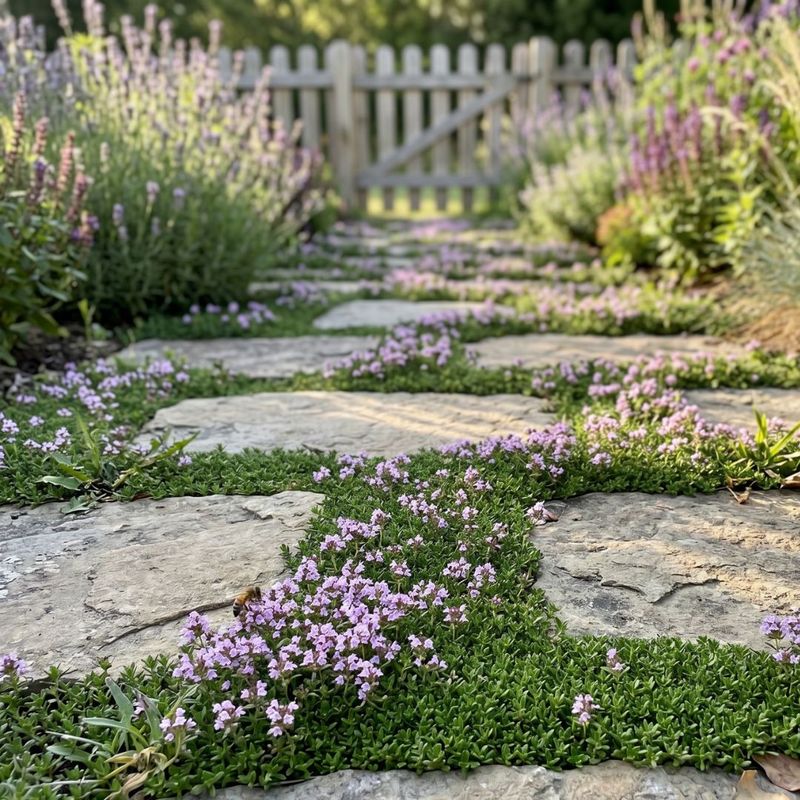
Step barefoot on creeping thyme, and a warm herbal perfume rises up from the tiny leaves beneath your toes. My cat discovered our thyme path last year and now sprawls across it every sunny afternoon.
Thymus serpyllum is not reported as toxic to pets, and its culinary cousin appears on the ASPCA safe list. Concentrated thyme oil can still cause mild tummy trouble, so keep any essential oils stored well out of reach.
This low mat usually grows only one to four inches tall while spreading a foot or more wide. Stems root wherever they touch soil, so a few small plugs can knit together into a fragrant carpet.
Tiny pink or purple flowers cover the plant from late spring into summer, and bees visit them constantly. Light foot traffic does not bother it, which is why I tucked mine between flagstone stepping stones.
Full sun gives the densest growth, though four to six hours of light still produces decent blooms. Lean, gritty soil is essential, because wet clay often leads to rot and patchy brown spots.
Plant in spring or fall, then water regularly until new growth shows the roots have taken hold. Established mats need only occasional drinks during long dry stretches, making them a smart water-wise lawn replacement.
Shear it lightly after flowering to keep the carpet thick instead of woody and open in the middle. You might notice your dog choosing that soft, fragrant patch for afternoon zoomies, just like mine does.
6. Blue Fescue
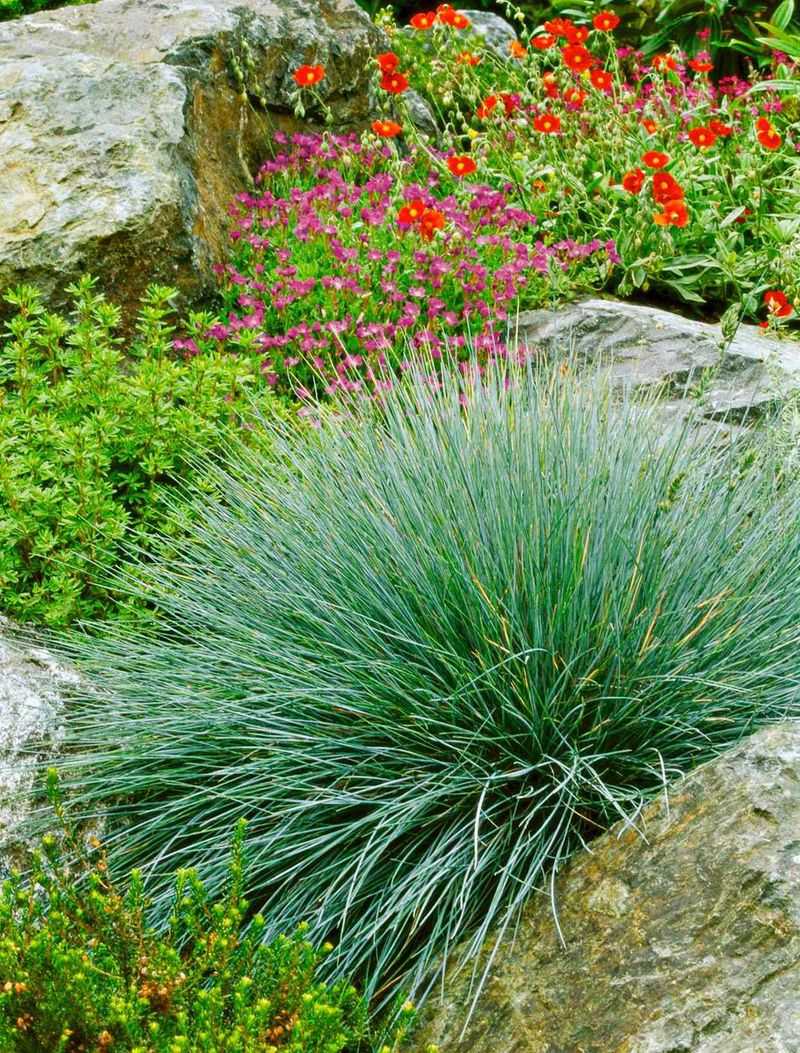
Few plants look as cool as blue fescue, with spiky silver-blue tufts resembling tiny frozen fireworks along a border. No major pet poison lists include Festuca glauca, so it suits yards where dogs patrol every edge.
Each clump forms a neat dome about six to fourteen inches tall, perfect for edging paths and containers. In early summer, slim flower spikes rise above the foliage, starting pale green with purple tints before turning tan.
Full sun keeps that steely color bright, while too much shade slowly fades the blades toward ordinary green. Hot inland and desert gardens are the exception, since afternoon shade there helps protect the plant from scorching.
Fescue is rated for zones four through eight, so it shines in cooler coastal and foothill gardens. Muggy heat and soggy roots cause the most trouble, so loose, well-drained soil matters more than rich fertilizer.
Water moderately and let the soil dry out between drinks, because constant moisture encourages rot at the crown. Once settled, it tolerates drought and poor soil surprisingly well, though a deep summer soak keeps it fresher.
Clumps often decline after about three years, which is normal for this short-lived ornamental grass. Dig and divide older plants in spring, replanting the healthy outer pieces to keep your border looking full.
Shear clumps back by about one third in early spring to encourage fresh, bright blue growth. I like how a row of these tidy tufts makes even a plain concrete path look intentional and modern.
7. Echeveria
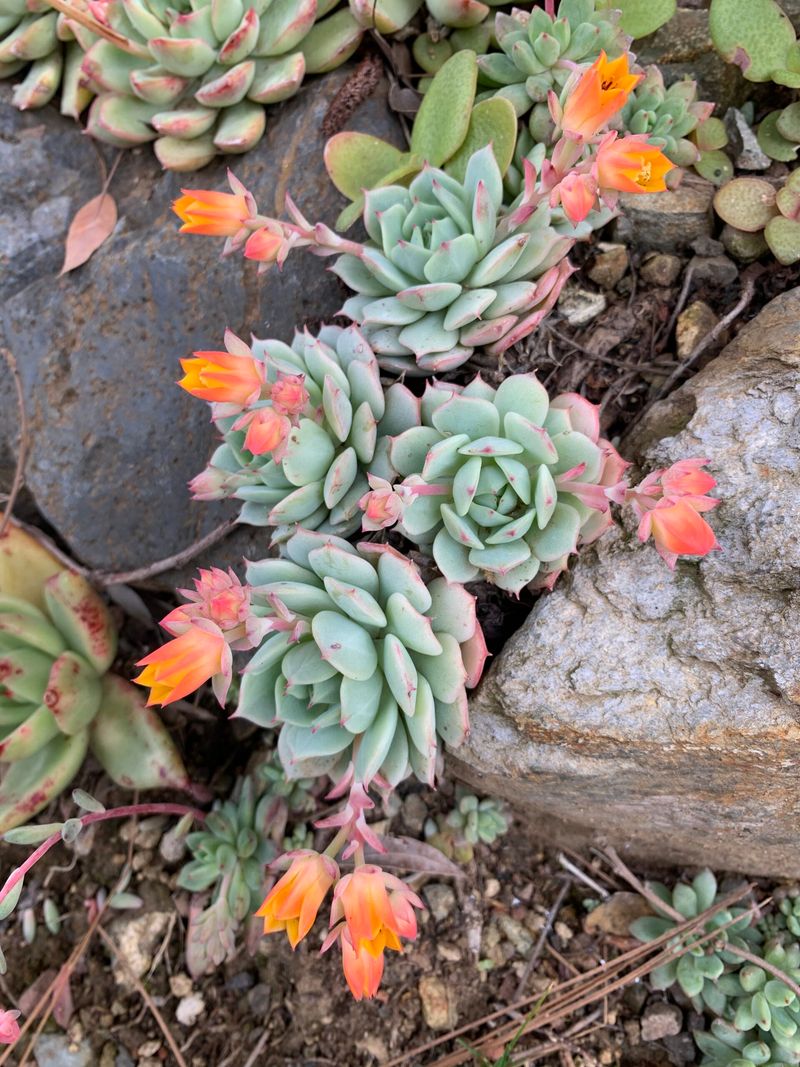
Echeveria rosettes look so perfectly symmetrical that guests often tap them, convinced they must be plastic decorations. The ASPCA lists Echeveria elegans as nontoxic to cats and dogs, and the genus is generally considered pet safe.
These succulents come from Mexico, so they feel right at home in our dry, sunny southern and coastal gardens. Leaf colors range from powdery blue to soft pink and purple, and many blush red along sunny edges.
Most types handle outdoor life in zones ten and eleven, where winter frost rarely reaches the garden. Colder inland spots work too if you grow them in pots and move them indoors before frost arrives.
Bright light keeps rosettes compact, though very hot afternoons call for a little shade to prevent sunburned leaves. Stretched, leggy growth usually means the plant wants more sun, so shift it gradually rather than all at once.
Gritty cactus mix is a must, since soggy soil quickly leads to mushy stems and root rot. Water deeply, then wait until the soil dries before watering again, cutting back further during cool winter months.
Summer brings arching stalks topped with bell-shaped blooms in coral or yellow that hummingbirds happily investigate. Mature plants also produce little offsets, so one rosette can slowly become a crowded, cheerful clump.
Gently twist off a pup, let it dry for a few days, then set it on gritty soil. What surprises me most is how my cat ignores these chubby leaves while chewing every grass blade nearby.