11 Plants Maryland Gardeners Could Get In Legal Trouble For Growing
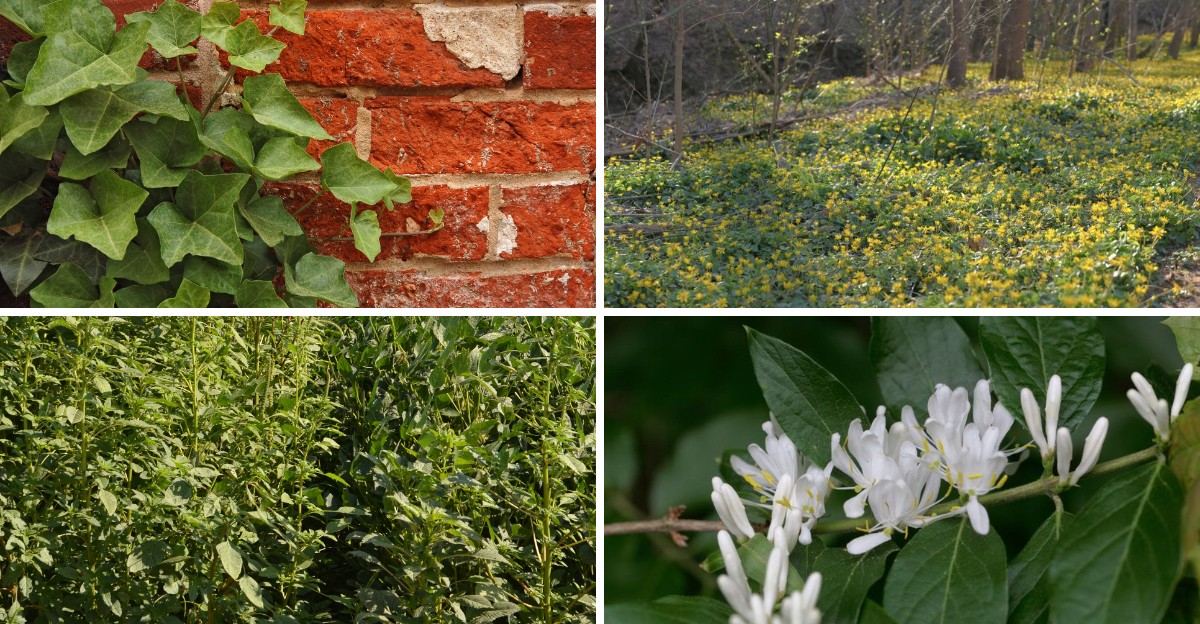
A shiny yellow wildflower that blooms in late winter has been illegal to sell in Maryland since April 2017. Nobody warned me that a pretty spring carpet could land on an official state list of prohibited plants.
Some weeds come with legal duties too, because landowners must control certain noxious species growing on their property. Local governments can even fine neighbors whose wandering plants creep across the fence and refuse to stay home.
I’m the first to admit my own garden has hosted a few troublemakers that I once called charming. You probably have one or two suspects yourself, tucked near the fence line or climbing up an old oak.
Not going to lie, a couple of names on this list surprised me more than my last tomato harvest. Could one of the plants you love most in your Maryland garden be breaking the rules without you knowing?
1. Johnsongrass
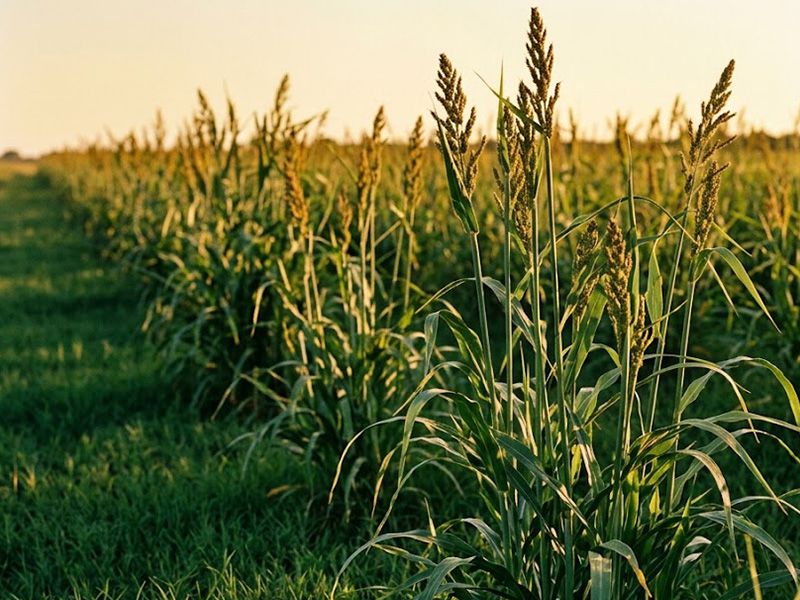
Johnsongrass looks like a harmless corn cousin waving in the summer breeze, but its roots tell another story underground. One plant can produce tens of thousands of seeds and many feet of creeping rhizomes in a single season.
Maryland lists this grass as a noxious weed, so landowners are expected to control it on their own property. Letting a big patch go to seed near farm fields can draw complaints and attention from state agriculture officials.
You can spot it by the wide leaves with a pale whitish stripe running right down the middle of each blade. Stems often reach six feet tall, topped by loose purplish seed heads from early summer well into the fall.
I learned the hard way that cutting just the tops mostly makes the stubborn roots push back even harder. Dig out every white rhizome you can find, and bag the pieces instead of tossing them onto your compost pile.
Mow young patches before any seed heads form, then keep checking for fresh green sprouts every couple of weeks. Livestock owners should stay alert too, since stressed plants after drought or frost can turn toxic to grazing animals.
2. Canada Thistle
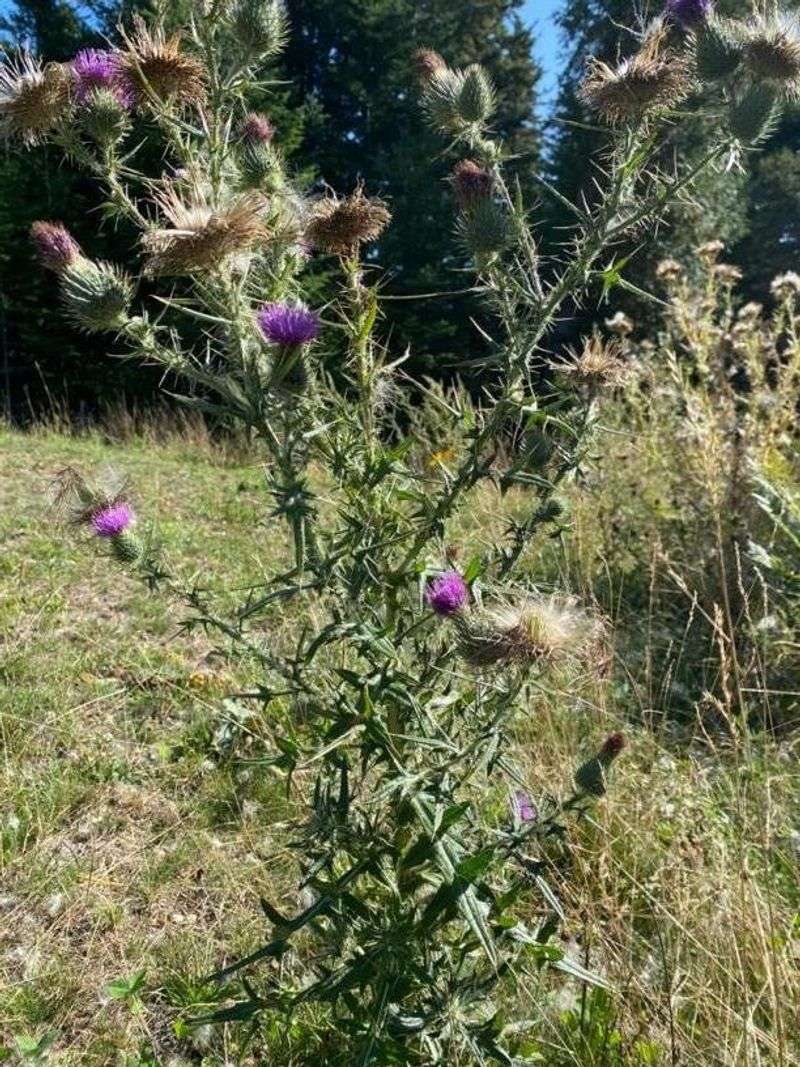
Those fluffy lavender puffs drifting across a summer pasture look sweet, yet each one carries a rather troublesome little passenger. Canada thistle seeds ride the wind, while its roots creep sideways underground and quietly claim brand new ground.
Despite the friendly name, this spiny perennial actually came from Europe and Asia rather than from our northern neighbor. The state treats it as a noxious weed, which means property owners carry a legal duty to keep it under control.
Look for wavy, prickly leaves and clusters of small rosy purple flowers blooming from late May through September. Patches often grow as tight colonies, because many separate stems are connected by one deep and sprawling root system.
Funny thing is, yanking on a thistle often snaps the root and triggers a fresh crop of shoots nearby. Repeated mowing or cutting every few weeks slowly starves those roots, so steady patience pays off better than brute force.
Wear thick leather gloves, since those leaf spines bite harder than you expect on bare summer hands and wrists. Filling bare spots with dense native grasses or perennials leaves far less room for windblown seedlings to settle in.
3. Palmer Amaranth
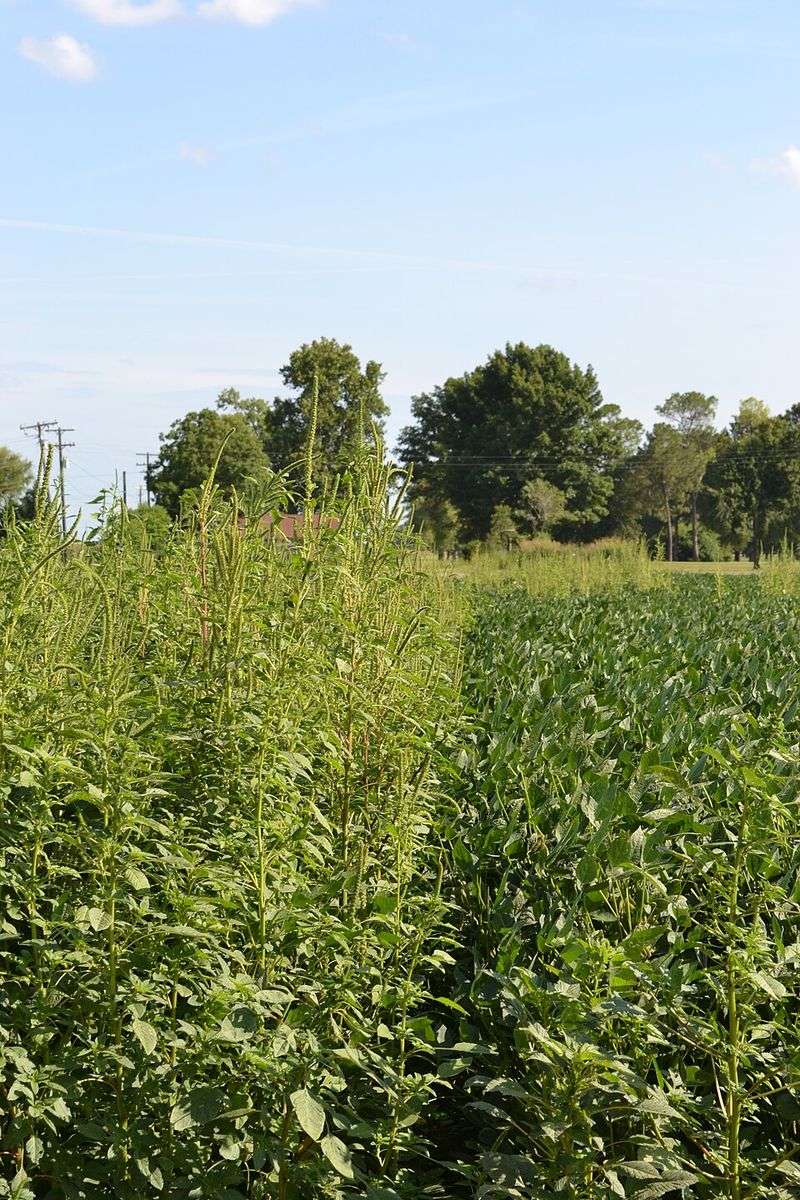
Few weeds can outgrow a soybean field like Palmer amaranth, which sometimes adds more than an inch of height in one day. By late summer, a single tall plant can tower around six to eight feet over the surrounding crops.
Maryland added it to the noxious weed list in 2020, so landowners must take real steps to control any plants. Farmers worry about it most, because many populations around the country now shrug off several common weed sprays.
Leaves grow on long stalks, and the leaf stalk is often longer than the leaf blade itself on this weed. Some leaves also show a faint pale V mark, while female plants form long, prickly seed spikes in late summer.
Trust me on this one, a mystery pigweed in your veggie bed deserves a closer look before it starts flowering. Pull young plants by hand while the soil is moist, and carry seed heads away in a sealed trash bag.
One female plant can scatter hundreds of thousands of tiny black seeds that hide in soil for years afterward. If you suspect it, your local extension office can confirm the plant and suggest smart next steps for removal.
4. Fig Buttercup
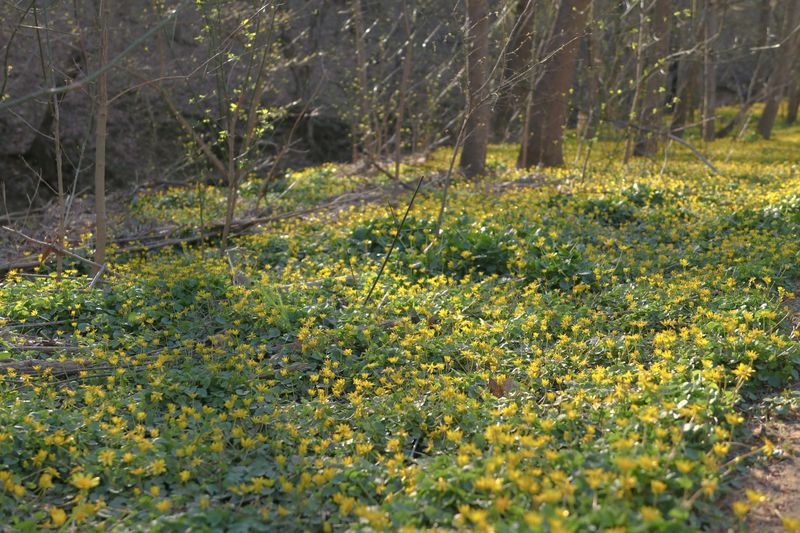
Glossy green hearts and shiny yellow stars pop up on chilly creek banks while most gardens still look brown and sleepy. Fig buttercup, also called lesser celandine, steals the early spring stage before many of our native wildflowers even wake up.
Since April 2017, the state has restricted it, and it now sits on the Prohibited Invasive Plant List, which means no selling or acquiring it. Folks who already have it are not expected to have bought it, but spreading new plants around is off limits.
Underneath that cheerful carpet hide clusters of small tubers, and some plants also form tiny bulblets right in their leaf joints. Digging carelessly scatters those little pieces everywhere, so a single small patch can turn into a whole yard of it.
I used to think it was a sweet native buttercup, but its eight to twelve petals gave the game away. Native buttercups typically have five petals and lack those tiny bulblets, so a careful look really helps with identification.
Small patches can be dug out with the soil around them and bagged rather than dumped in your compost pile. By early summer the leaves vanish, leaving bare ground, so mark the spots now and plan your return visit.
5. Yellow Flag Iris
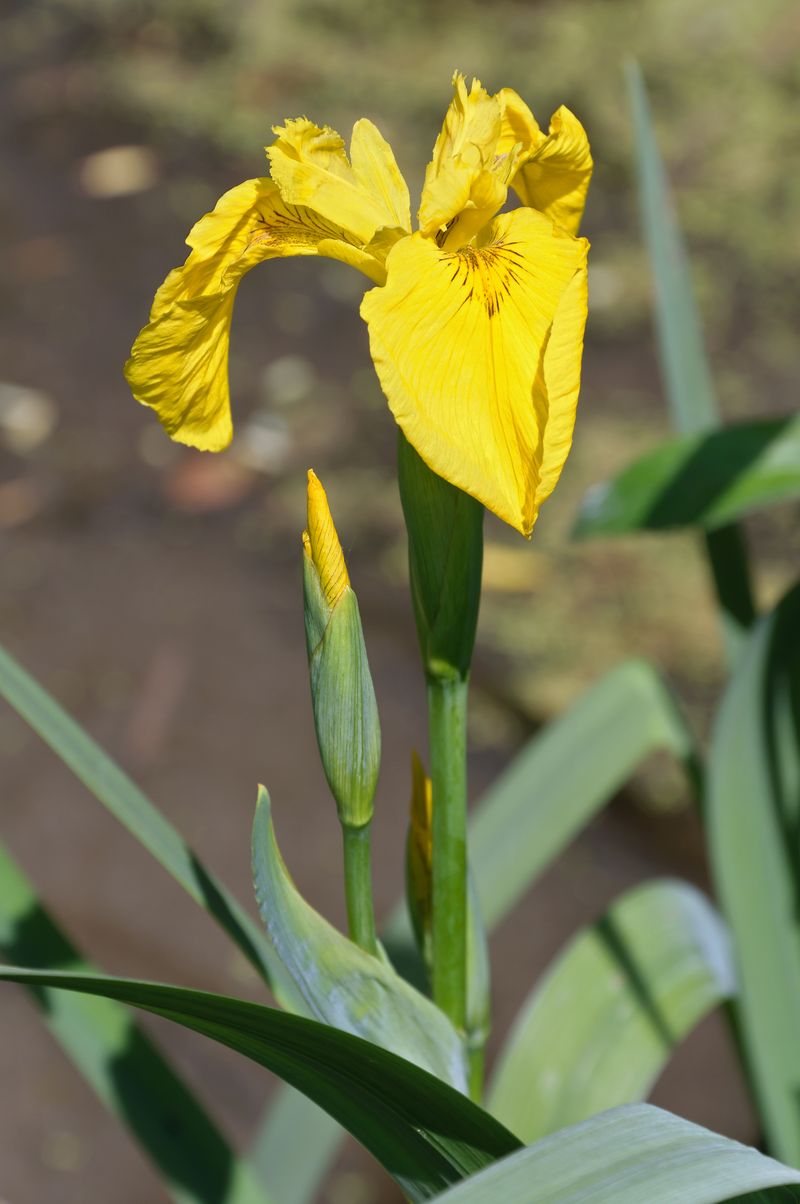
Bright yellow blooms rising from a pond edge in late spring look like something straight out of a storybook painting. Yellow flag iris charmed water gardeners for generations, yet it now sits on the state list of prohibited invasive plants.
Since 2017, selling or acquiring new plants has been off limits under Maryland’s prohibited invasive plant rules for this species. That matters for pond owners, because this iris happily jumps from backyard water features into nearby creeks and wetlands.
Each flower stalk can produce big seed pods filled with floating seeds that drift away on gentle currents. Meanwhile, thick rhizomes knit together into dense mats that crowd out native cattails, sedges, and helpful wetland plants alike.
Fair warning, the leaves and rhizomes can irritate your skin, so wear gloves and long sleeves during any removal work. Cut off flower stalks right after blooming to stop seeds, then dig out the tough rhizomes when water levels drop.
Want that sunny pond color without the headache of an invasive plant spreading downstream? Native blue flag iris thrives in similar wet spots across much of the region and brings soft violet flowers that pollinators happily visit.
6. English Ivy
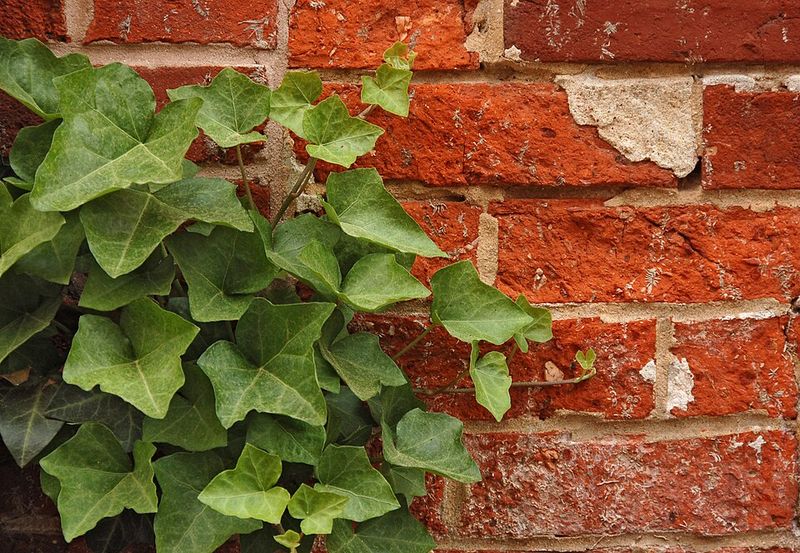
Ivy-covered brick walls feel classic and cozy, almost like a postcard from an old college campus or a storybook cottage. Out in the woods, though, English ivy behaves more like a houseguest that rearranges your furniture and refuses to leave.
Maryland regulators have moved English ivy onto the prohibited invasive plant list, which phases out new sales and plantings. Rules and dates can shift, so check the state agriculture department website before trading cuttings with neighbors or friends.
Young ivy creeps along the ground as a dense green mat that smothers wildflowers and tiny tree seedlings. Once it climbs, older vines form flowers and dark berries in winter, and birds carry those seeds far into nearby forests.
Guilty as charged, I once let ivy climb a backyard maple because it looked so romantic in the winter months. Cutting a section out of each vine at waist height lets the upper growth wither, which protects the tree bark beneath.
Pull ground vines after a soaking rain, when roots slip out of the soil much more easily than usual. Native options like Allegheny spurge or golden ragwort make lovely shady groundcovers that will not wander off into the woods.
7. Amur Honeysuckle
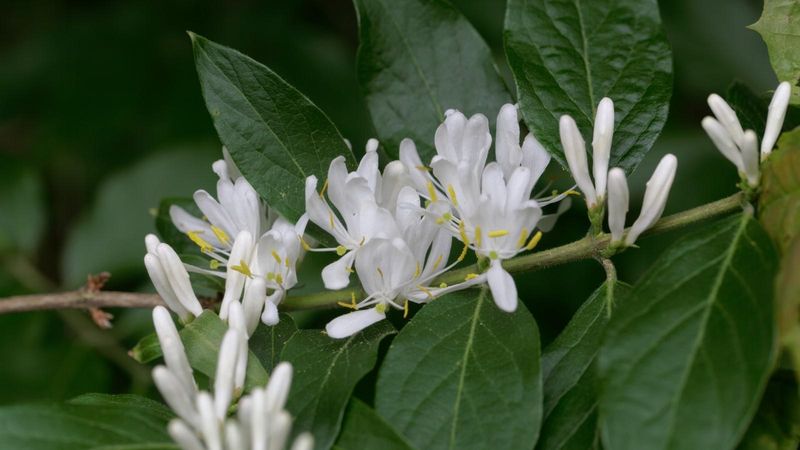
Sweet honeysuckle perfume drifting across a trail in May can make anyone stop and take a deep, happy breath. Amur honeysuckle earns that fragrance, but this Asian shrub also forms thick walls of branches that swallow entire woodland edges.
The state lists it as a prohibited invasive plant, so selling, moving, or planting new shrubs is not allowed. Existing bushes in older yards are still common, and plenty of homeowners have no idea what is growing behind their sheds.
Look for arching stems that reach ten to twenty feet, with paired white flowers fading to a soft yellow color. Bright red berries follow in late summer, and birds gobble them up before scattering the seeds across nearby forests.
It took me a while to notice how early it leafs out and how late those green leaves hang on. That long season shades out native spring wildflowers, while the berries offer birds less nourishment than many native fruits provide.
Smaller shrubs pull out fairly easily from moist soil, especially if you grab low and rock the base gently. For larger stems, a pruning saw and some steady follow-up on new sprouts usually manages the problem over a couple of seasons.
8. Burning Bush
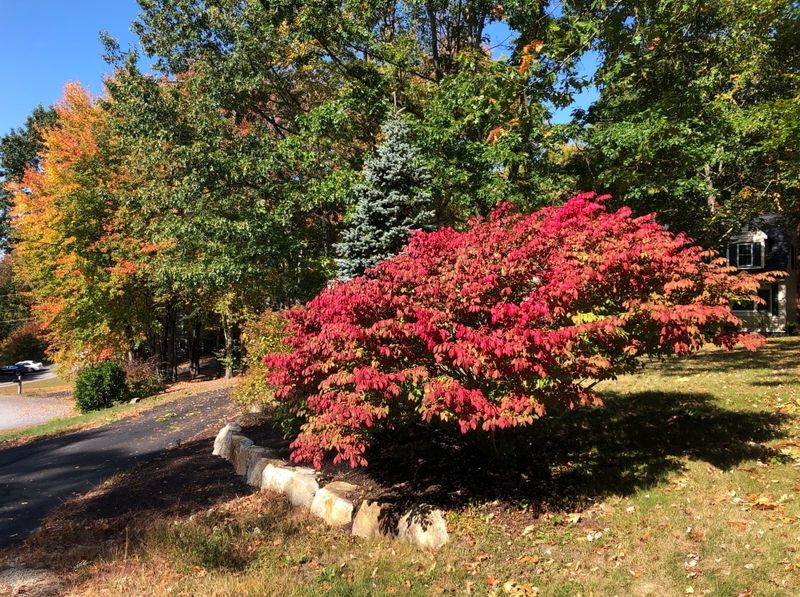
Every October, half the neighborhood seems to glow with burning bush leaves the color of ripe cherries and hot embers. I’m a sucker for that blaze, so learning about its new legal status honestly stung a little bit.
Maryland moved burning bush onto the prohibited invasive plant list in January 2026, ending its long run as a labeled sale plant. Nurseries get a phase-out period for existing stock, with potted plants expected to leave store shelves by January 2027.
Look closely at the twigs, and you will see odd corky ridges running along the stems like tiny fins. Small greenish flowers appear in late spring, followed by orange-red berries that birds carry deep into nearby woodlands and parks.
Those seedlings pop up in shady forests and crowd out native shrubs that local insects and birds depend on for food. Pulling young seedlings around your yard each spring is simple and keeps the problem from spreading into the woods.
Thinking about replacing an older shrub with something native that still brings serious fall color to the yard? Highbush blueberry, Virginia sweetspire, and fragrant sumac all deliver gorgeous red autumn leaves, plus they support far more native wildlife.
9. Japanese Barberry
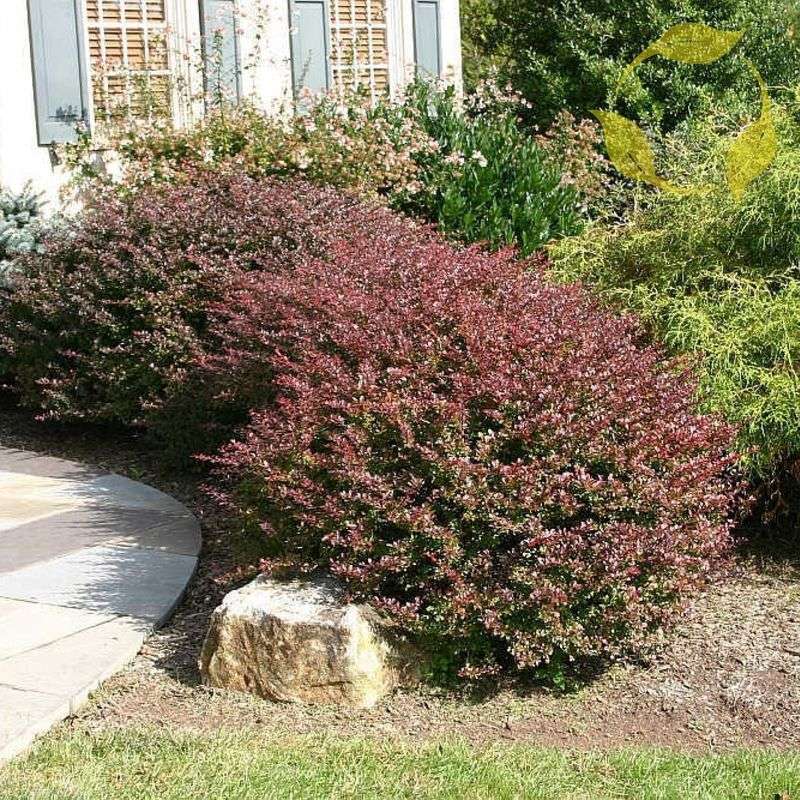
Anyone who has weeded around Japanese barberry knows the sharp little thorns grab sleeves and skin like tiny fishhooks. Gardeners loved its purple leaves for decades, yet the shrub has quietly marched into forests across the whole region.
Effective January 2026, the state added Japanese barberry to the prohibited invasive plant list after years of labeled sales. Garden centers must phase out remaining stock on set deadlines, so it will soon disappear from nursery benches statewide.
The part I can’t shake is the connection between barberry thickets and blacklegged ticks, the ones that spread Lyme disease. Research from Connecticut found these thorny patches hold humid air that ticks enjoy, which makes removal a smart health move too.
Small yellow flowers dangle under the branches in spring, followed by glossy red berries that birds spread through the woods. Deer mostly avoid browsing it, so barberry often grows unchecked while tasty native plants nearby get nibbled down to stubs.
Thick gloves and a sturdy weed wrench make pulling shrubs far easier, especially in early spring when it leafs out first. Native winterberry holly offers similar red berries for winter interest and feeds birds without wandering off into the woods.
10. Running Bamboo
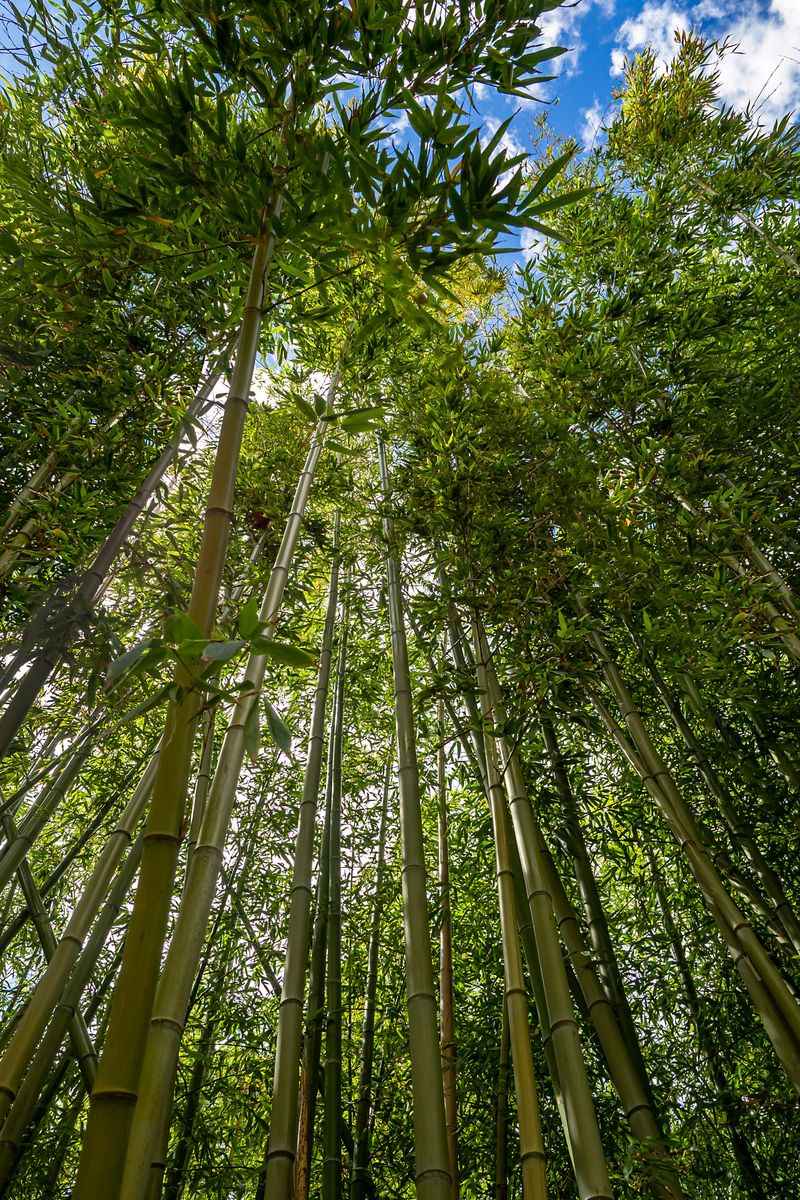
Bamboo screens promise instant privacy, and I get why so many backyard dreamers plant a few canes along the fence. Running bamboo, however, sends underground rhizomes sideways for surprising distances, and suddenly shoots appear in a neighbor’s flower beds.
Golden bamboo and yellow groove bamboo joined the state prohibited invasive plant list in January 2026, with nursery sales phasing out. A separate Maryland law lets counties and towns regulate running bamboo, including rules about containment along property lines.
That second part is where homeowners can run into real legal trouble with their friendly neighborhood bamboo patch. Depending on local ordinances, owners who let bamboo creep into adjoining yards may face civil fines plus costs for repairing any damage.
New shoots push up quickly in spring, and the woody culms can toughen into tall poles within a single season. Breaking off fresh spring shoots at ground level repeatedly weakens the rhizomes, which gives you a real advantage during removal efforts.
Existing groves can be held in check with deep root barriers or a regularly cut trench around the patch. Call your county office before planting or removing bamboo, since local bamboo rules vary quite a bit from one place to another.
11. Cannabis
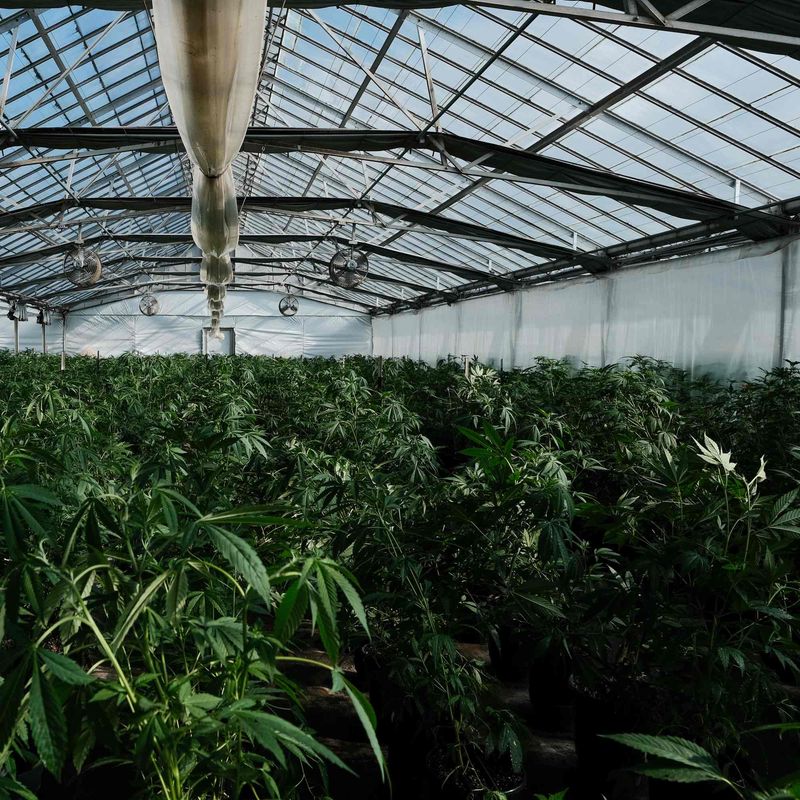
Here is a plant that is legal in the garden one day and a legal headache the next, depending on numbers. Since July 2023, adults twenty-one and older in Maryland may grow up to two cannabis plants per household.
That small number surprises plenty of new growers, especially those who start a whole tray of seedlings just in case. Growing more than the allowed limit can lead to civil or criminal penalties, and those penalties climb as amounts increase.
The rules also say plants must stay out of public view and secured away from anyone younger than twenty-one. Renters need to grow on property they lawfully possess, so check your lease and landlord rules before planting anything at all.
Outdoors, cannabis loves full sun, rich soil that drains well, and steady watering through the late summer flowering stage. Plants start forming buds as days shorten, so outdoor growers usually harvest sometime in early to mid autumn each year.
Some vigorous outdoor plants stretch well over six feet tall, which can make hiding them behind a fence rather tricky. A smaller container plant or a compact variety tucked behind a privacy screen helps you follow the visibility rules more easily.