Protected Animals That Can Turn A Nebraska Home Repair Into A Legal Problem
A tiny pup clinging to an attic rafter can legally stop a roofing crew in Nebraska for several weeks. Federal and state rules protect some wild neighbors, even when they move into your walls without asking.
Sandy riverbanks and rocky woodland edges hide animals with legal shields that most homeowners rarely think about at all.
Some carry federal protection, while others are guarded by rules written specifically for wildlife across the state. I started paying attention after reading how often simple fence and deck projects bump into protected wildlife.
You might notice a shy visitor first, long before any contractor or inspector ever spots one in the yard.
Knowing who shares your Nebraska yard can save real money and a stack of frustrating legal headaches later. So which quiet creatures deserve a careful look before you pick up that hammer or shovel this year?
1. Northern Long-Eared Bats Raising Pups In Your Attic
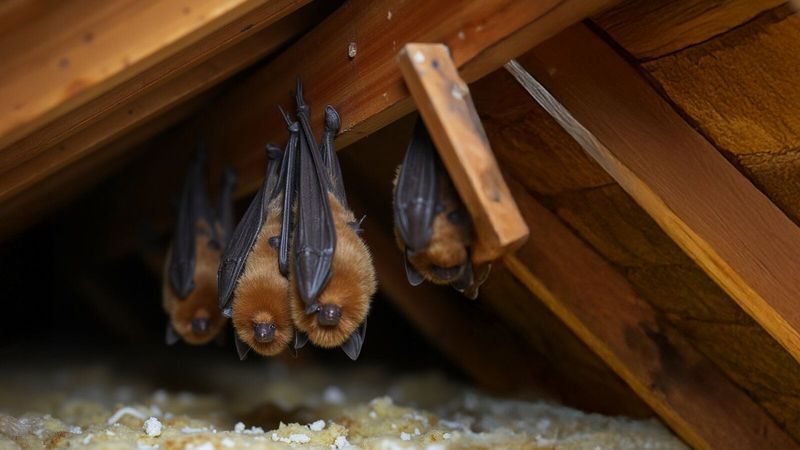
Those faint squeaks above your bedroom ceiling might belong to one of the most protected mammals in the Midwest. The northern long-eared bat became federally endangered in 2023, and the state lists it as threatened too.
Each bat weighs about as much as a few paper clips, yet it carries serious legal weight. Females gather in summer maternity colonies, sometimes tucked inside barns, sheds, attics, and roof voids near wooded areas.
Timing matters most here, because newborn pups cannot fly for several weeks after birth in early summer. Sealing a roof gap during June or July could trap those flightless babies inside, which creates a real legal mess.
I like to think of bats as free pest control, since one bat can eat a huge number of insects nightly. Your garden and your evening patio both benefit when these tiny hunters patrol the yard after sunset.
Before any roofing, siding, or attic insulation project, take a slow walk around the house at dusk. Watch for bats slipping out of gaps, and look for small dark droppings piled near walls or windows.
Hire a licensed wildlife control operator who follows Nebraska Game and Parks Commission guidance on safe exclusion timing. They usually install one-way devices in late summer or early fall, once the young bats can fly well.
After the colony leaves, seal the gaps properly so they cannot return to the same spot next spring. A bat house mounted on a sunny pole nearby gives them a legal, welcome home outside your walls.
2. Piping Plovers Nesting On Sandy Riverbanks
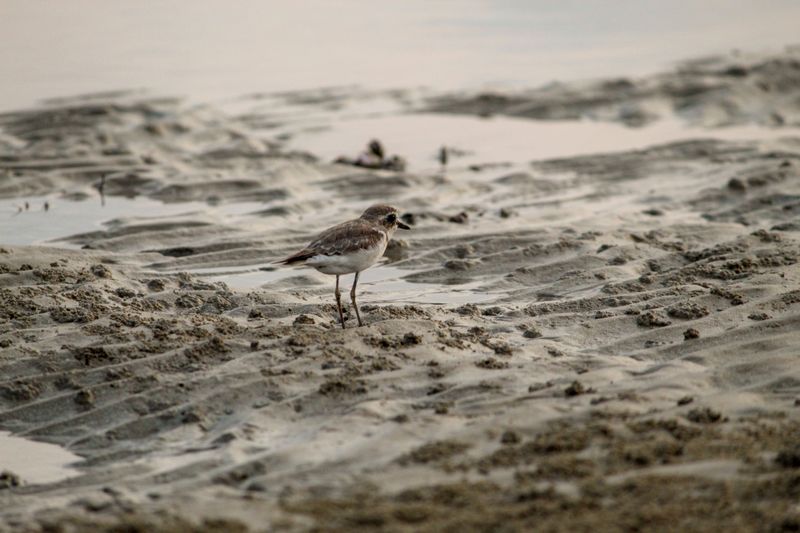
A bird no bigger than a sparrow can halt a riverside landscaping job faster than any building inspector could. Piping plovers blend so well with pale sand that you could walk past a nest without noticing.
These shorebirds are listed as threatened under both federal and Nebraska state law, and their nests receive strong protection. Along the Platte and other Nebraska rivers, they scrape shallow nests on bare sandbars and sometimes on sandpit shorelines.
Riverfront homes and lake developments built near old sand and gravel pits can attract them during spring. The birds seem to love open, sparse ground, which is exactly what freshly cleared lots often look like.
Nesting usually runs from about April into August, with eggs and chicks most vulnerable early in the season. Disturbing nests, eggs, or young can bring fines and even jail time under the federal Endangered Species Act.
I find their chicks adorable, since they look like cotton balls balanced on toothpick legs running across sand. Parents may fake a broken wing to lure you away, which is a clear sign you are too close.
If you own shoreline property, schedule grading, dock work, or sand moving outside the main nesting window. Fall and winter projects usually carry far less risk, and contractors often have more open dates then anyway.
Groups like the Tern and Plover Conservation Partnership help Nebraska homeowners near sandpit lakes learn what to watch for. A quick call before you rake that beach could save you a costly stop order later.
3. Least Terns Guarding Eggs On Open Sandbars
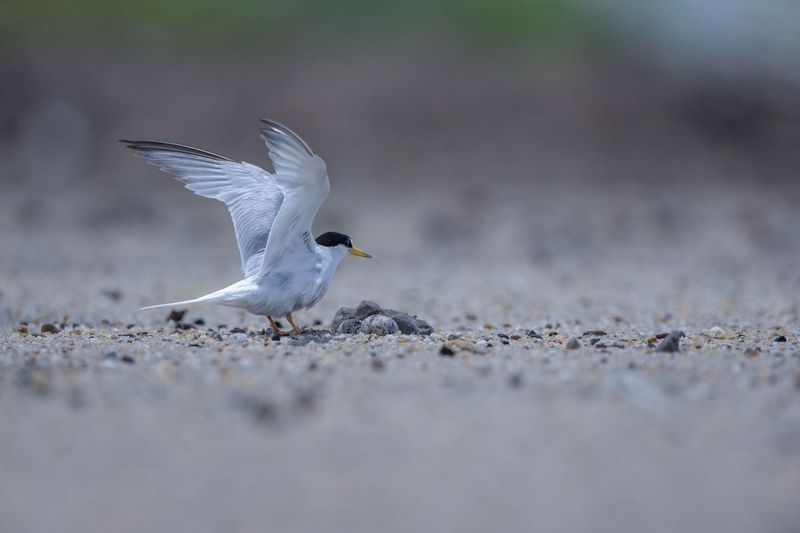
Few birds scold a trespasser with as much attitude as a least tern defending its eggs on hot sand. They dive at your head with sharp calls, and honestly, I respect the bravery of such a small bird.
Interior least terns were removed from the federal endangered list in 2021 after strong recovery work along rivers. However, the state still keeps them listed, and federal migratory bird law protects their nests and eggs too.
Like plovers, terns nest on bare sandbars, river islands, and sandy shorelines left by sand and gravel mining. Many lakeside housing areas sit right beside these old pits, so neighbors sometimes share space with nesting colonies.
Their eggs look like tiny speckled pebbles, which makes them easy to crush with a truck or skid steer. Nesting activity usually peaks from May through July, though some birds linger on sandbars until late summer.
Planning helps more than anything, so check your shoreline for small diving white birds before moving heavy equipment. If terns are circling and calling overhead, pause the work and give them plenty of room to settle.
I suggest snapping a few photos and contacting the Nebraska Game and Parks Commission for advice on next steps. Biologists can often suggest a safe buffer distance or a better week to finish your project without trouble.
Leaving a patch of bare sand undisturbed until late summer costs very little effort on your part. Watching these fast, graceful fliers hunt minnows from your deck becomes a wonderful summer bonus for the whole family.
4. Southern Flying Squirrels Gliding Into Attic Spaces
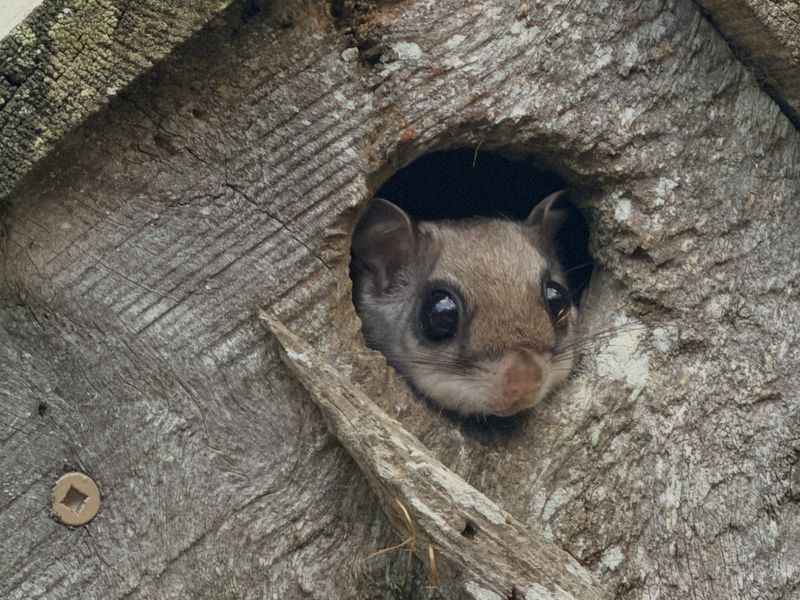
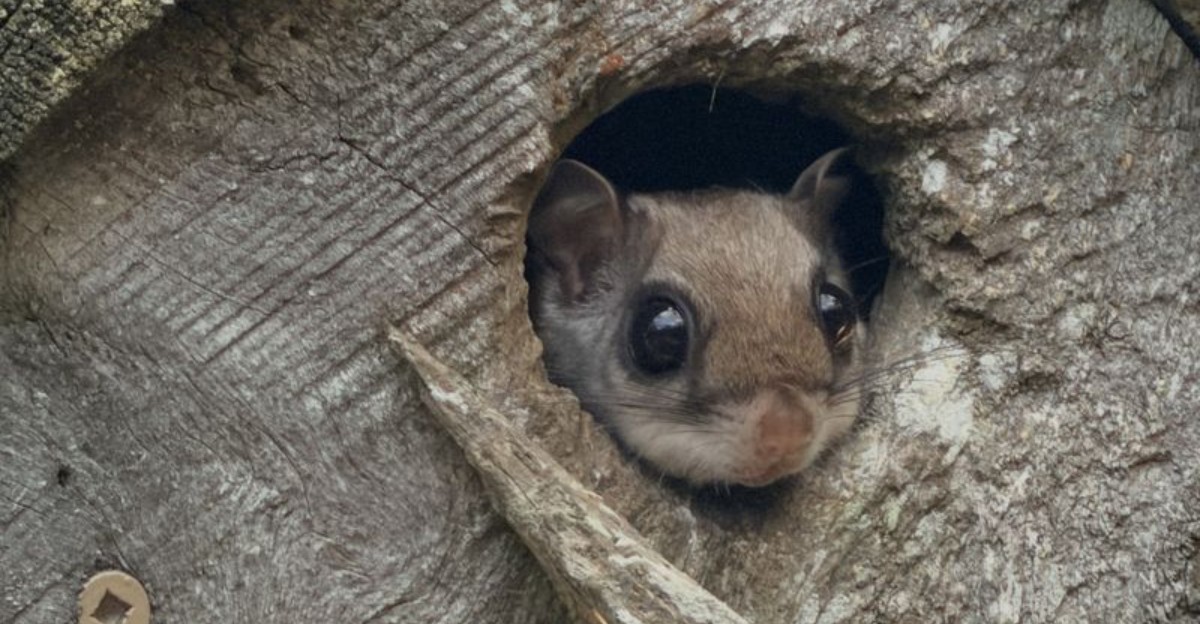
Huge black eyes and a body that fits in your palm make this attic intruder surprisingly charming. Southern flying squirrels do not truly fly, but they glide between trees using stretchy skin between their legs.
In Nebraska, this little glider is listed as a threatened species, mostly found in eastern wooded river valleys. That status means you cannot simply trap and remove them like an ordinary gray squirrel or a house mouse.
They are active at night, so homeowners often hear scratching and rolling sounds after dark rather than during the day. Small groups may share attic space in colder months, huddling together for warmth inside insulation or soffits.
I once mistook those nighttime noises for mice, which seems to be a common mix-up for many families. Look for nut shells, tiny droppings, and small entry holes near rooflines that sit close to tall trees.
Before sealing soffits or replacing roof vents, contact a licensed wildlife professional who knows the state rules. They often use one-way exclusion doors that let squirrels leave safely while stopping them from slipping back inside.
Timing matters, because spring and late summer litters may include babies too young to leave on their own. Waiting a few weeks can protect the young and keep your repair project on the right side of the law.
Trimming branches back several feet from your roof reduces future attic visits quite a bit over time. Adding a nest box on a backyard tree gives these sweet gliders a safe, legal place to stay instead.
5. Blanding’s Turtles Crossing Yards To Nest
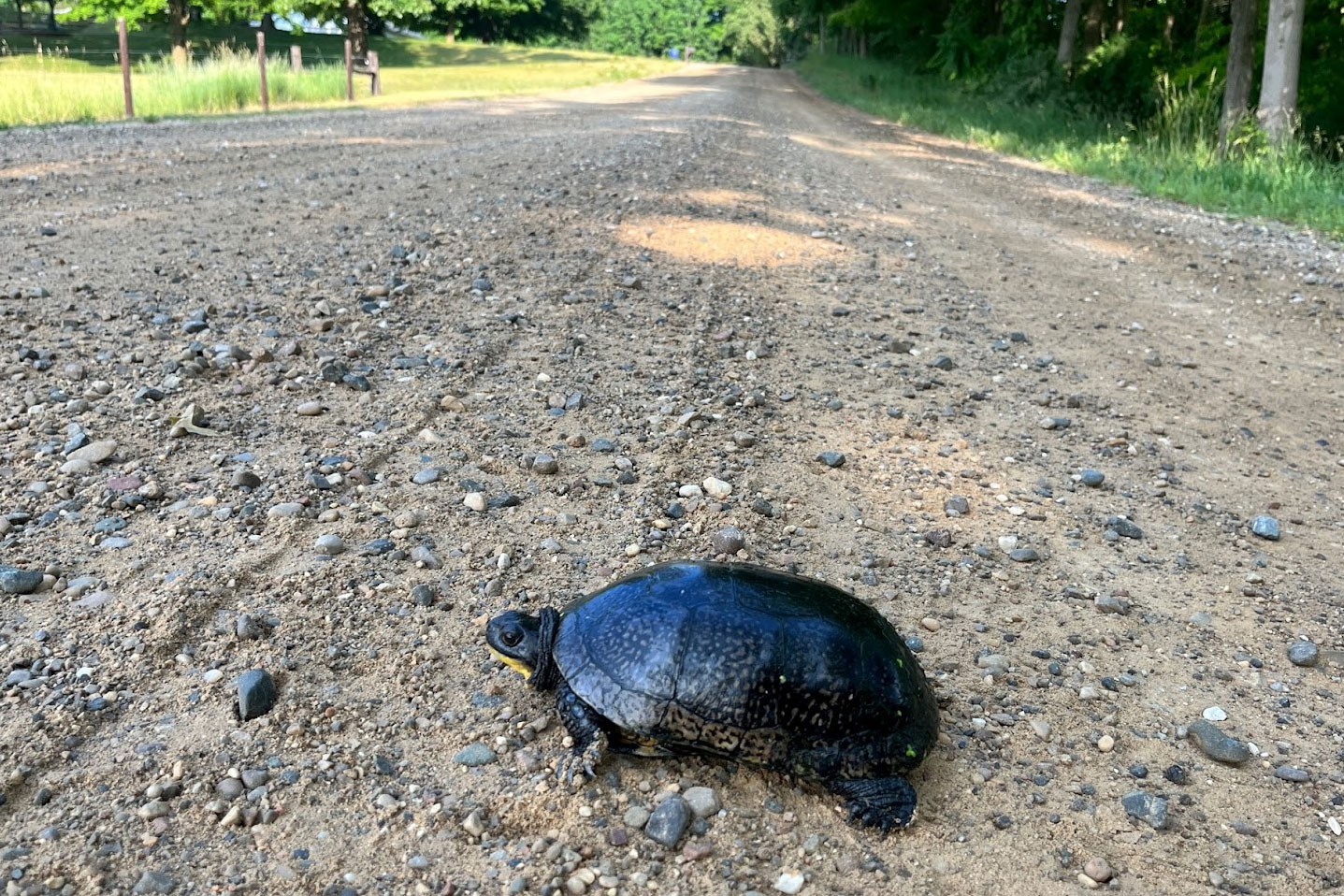
That turtle with a bright yellow chin and a permanent smile is far more special than it looks. Blanding’s turtles can live for many decades, and some wild individuals have reached over seventy years old.
The Sandhills hold one of the largest remaining populations anywhere, making the region a true stronghold for this species. State rules make it unlawful to take or keep one, even if it wanders right across your driveway.
Females travel surprisingly long distances to find sunny, sandy ground for nesting each late spring and early summer. Freshly turned soil from a garden bed, foundation repair, or new fence line can look like the perfect spot.
I love spotting them near wetlands, but I now walk my yard before any digging during nesting season. Nests are hard to see, so a smooth patch of disturbed sand might already hold a clutch of eggs.
If you find a turtle crossing your property, let it continue on its path without picking it up. Moving it in the same direction it was heading is fine if traffic or machinery poses a real risk.
Keep excavation projects near ponds, marshes, and wet meadows outside late spring and early summer whenever possible. Fall work often avoids nesting females, though hatchlings sometimes stay in nests until the following spring season.
Leaving a natural, unmowed buffer near wetlands helps these long-lived turtles move safely through your land. Your grandchildren might even meet the very same turtle that crossed your yard this year.
6. False Map Turtles Digging Nests Near River Homes
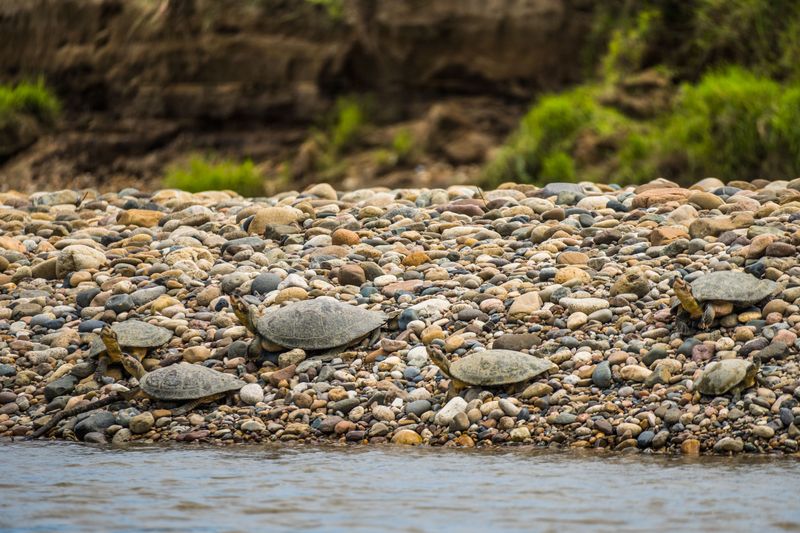
Lines on its shell look a bit like an old road map, which explains the funny name of this river turtle. The knobby ridge running down its back gives it a slightly prehistoric look that I find delightful.
False map turtles are fairly secure in numbers, yet state regulations still limit how many can be taken and kept. That surprises plenty of riverfront homeowners who assume only rare animals come with legal protection attached.
Most of their life happens in big rivers like the Missouri, where they bask on logs and sandbars. Females leave the water from late May through July to dig nests in open sandy soil nearby.
Nest sites can sit anywhere from a few yards to well over a hundred yards from the riverbank. A sunny lawn edge, sandy path, or fresh landscaping bed near water could easily attract a nesting mother.
Before regrading a slope, installing riprap, or building a retaining wall, check your shoreline for basking turtles. Seeing several on nearby logs suggests nesting females may visit your property during early summer.
If a turtle is digging in your yard, step back and let her finish without interruption. She usually covers the nest and heads back to the river within a couple of hours, sometimes much sooner.
Marking the spot with a small flag helps you avoid mowing or digging there for the next few months. Watching tiny hatchlings scramble toward the water later on feels like a real backyard reward.
7. Western Massasaugas Hiding Under Decks And Sheds
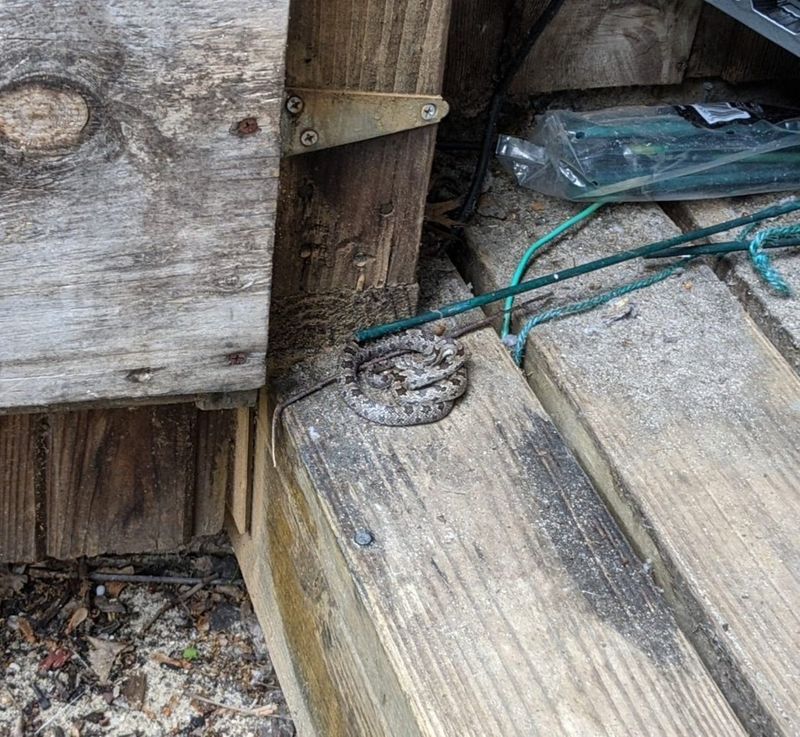
A rattlesnake that spends winter inside old crayfish burrows sounds like something from a tall tale. Western massasaugas really do this, sheltering underground in damp prairie soils where burrows reach below the frost line.
These small, stout rattlers are considered a Tier I at-risk species here, meaning they face serious population concerns. State rules protect them from harassment and needless harm, despite the venom they carry for catching small prey.
Massasaugas are mostly found in southern counties, often near wet meadows, grasslands, and marshy prairie edges. They rarely enter homes, but they might slip under sheds, porches, woodpiles, or low decks for shade and cover.
Honestly, my heart jumps whenever I hear any rattle, even though these snakes usually prefer to stay hidden. Most bites happen when people try to handle or move snakes, so keeping your distance remains the smartest choice.
Before tearing out an old deck or shed floor, tap the boards gently and look around the edges carefully. Wear thick boots and gloves, and use a flashlight to peek into dark gaps before reaching inside them.
If you spot a massasauga, back away slowly and call a wildlife professional or local conservation officer for help. Rules generally allow action only for immediate protection of people, pets, or livestock, not for simple convenience.
Removing brush piles and keeping grass short near buildings makes your yard less inviting to snakes over time. Sealing gaps under foundations helps too, though those repairs are best done after confirming nobody is underneath.
8. Timber Rattlesnakes Sheltering In Rock Piles
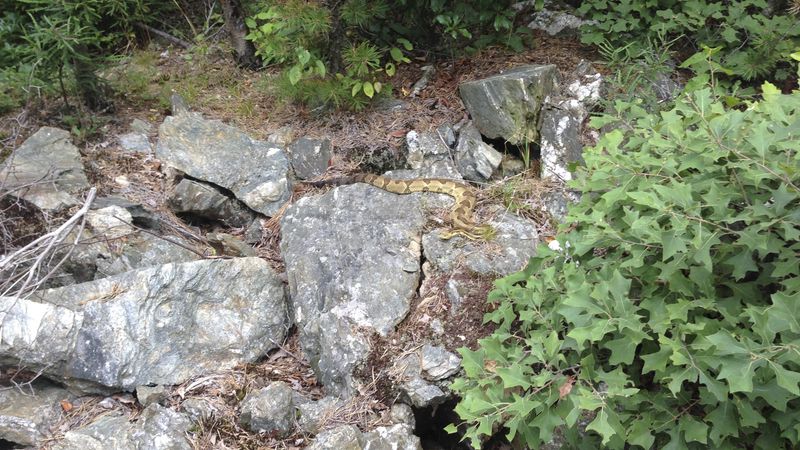
Dark zigzag bands across a velvety tan body give the timber rattlesnake one of the most striking looks around. These snakes can live for decades and often return to the same winter den year after year.
In this region, timber rattlers appear mainly in the far southeastern corner, where wooded bluffs meet rocky stream valleys. Wildlife officials consider them a species of serious conservation concern, and state rules limit harming or taking them.
They usually spend winter in communal dens tucked into rock crevices, ledges, or deep underground openings. Old stone foundations, rock retaining walls, and stacked firewood near woodland edges can also attract them during warm months.
I find their calm behavior fascinating, since many timber rattlers sit quietly and rely on camouflage rather than striking. Still, their venom is potent, so respect and distance matter far more than curiosity during any outdoor project.
Before moving rock piles or repairing a crumbling stone wall, scan the area slowly from a few steps away. Morning and evening hours in summer are prime times for snakes to bask or move, so stay alert then.
Spotting one during repair work means stopping, stepping back, and calling a conservation officer or licensed wildlife professional. Taking a snake is generally allowed only when it poses an immediate threat to people, pets, or livestock.
Scheduling rock work for late spring, after snakes leave dens, reduces the chance of disturbing a winter gathering. Your project stays safer, and these important rodent hunters keep doing their quiet work in nearby woods.