7 Shallow-Rooted Native North Carolina Plants That Make Septic Drain Fields Look Intentional
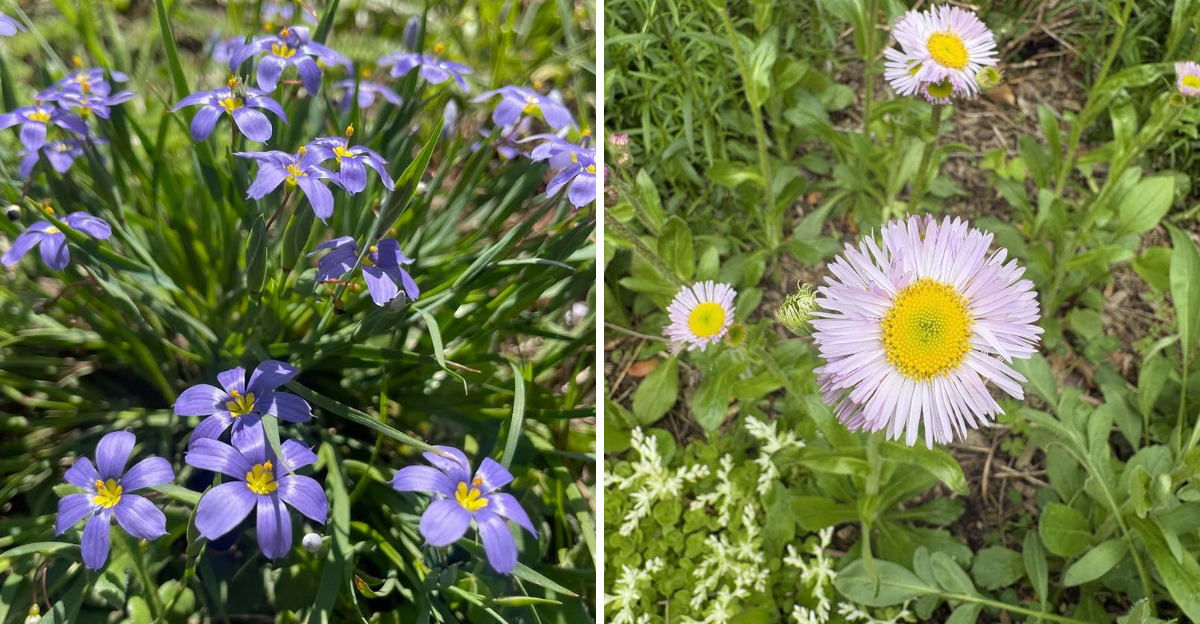
A septic drain field can be one of the most awkward spaces in a yard.
It sits there as a flat, careful rectangle that cannot be treated like a normal garden bed. Deep digging is off the table.
Trees and shrubs are too risky. Heavy mulch, irrigation, raised beds, and soil amendments can interfere with the way the system needs to breathe, drain, and remain accessible.
That does not mean the area has to look forgotten.
Turfgrass remains the safest and most widely recommended cover for septic drain fields, and that should be the starting point for every homeowner.
But in the right site, a few shallow-rooted native plants may work as cautious alternatives for adding texture, flowers, and a more intentional look.
The word cautious matters.
Before planting, map the tank, drain lines, distribution box, reserve area, inspection ports, and every access lid.
Keep maintenance routes open. Check local rules. Talk with your county health department, a licensed septic professional, or NC State Extension before replacing turf.
So which native North Carolina plants can help a drain field look designed without sending risky roots too deep?
Start with low, herbaceous plants that stay shallow, need little water once established, and can be managed without heavy digging.
1. Wild Strawberry Makes A Living Carpet
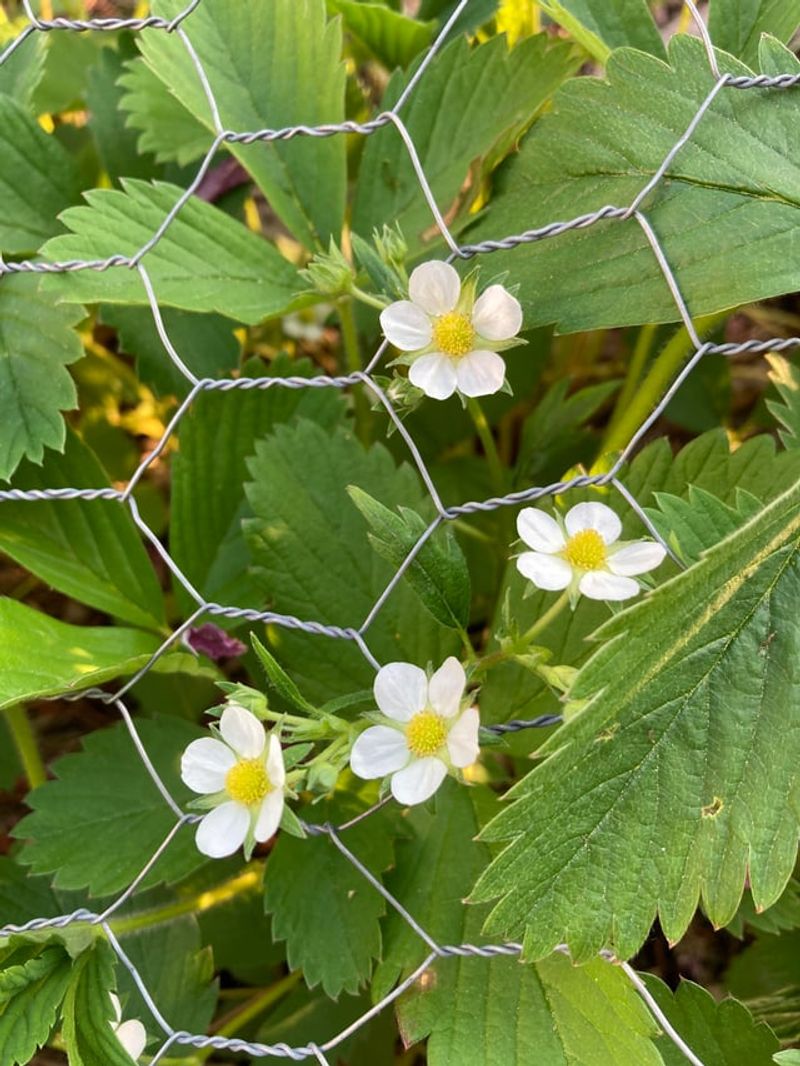
Wild strawberry brings the drain field down to a neat, low scale.
This native ground cover, Fragaria virginiana, spreads by runners that move across the soil surface and root at nodes. That above-ground habit makes it far less concerning than woody plants with deep, structural roots.
The plant stays short. Most growth remains only a few inches tall, which keeps the drain field visible, accessible, and easy to monitor.
Spring flowers add charm. Small white blooms attract native bees before giving way to tiny red fruit.
Birds appreciate the fruit too. The berries rarely last long, but they add seasonal life without requiring feeders or extra setup.
Sun is best. Wild strawberry performs well in open, bright drain-field areas with good drainage.
Avoid wet spots. Standing water or soggy soil over a drain field is a warning sign, not a planting opportunity.
Install with minimal disturbance. Use small plugs placed into shallow holes made with a narrow dibble or gloved finger.
Do not till the area. Broad soil disruption over a drain field can interfere with the system’s profile.
Water lightly during establishment only. Once rooted, wild strawberry should not need routine irrigation over the drain field.
Manage runners by hand. Pull or redirect stems that move toward access lids, inspection ports, or maintenance paths.
Keep all system access clear. A pretty living carpet is not useful when it hides a lid that a service crew needs to reach.
Wild strawberry can make a drain field look softer and more intentional.
It works best where the system is mapped, the soil drains properly, and the plant is treated as a light-touch cover, not a full garden renovation.
2. Common Blue Violet Fills Thin Areas
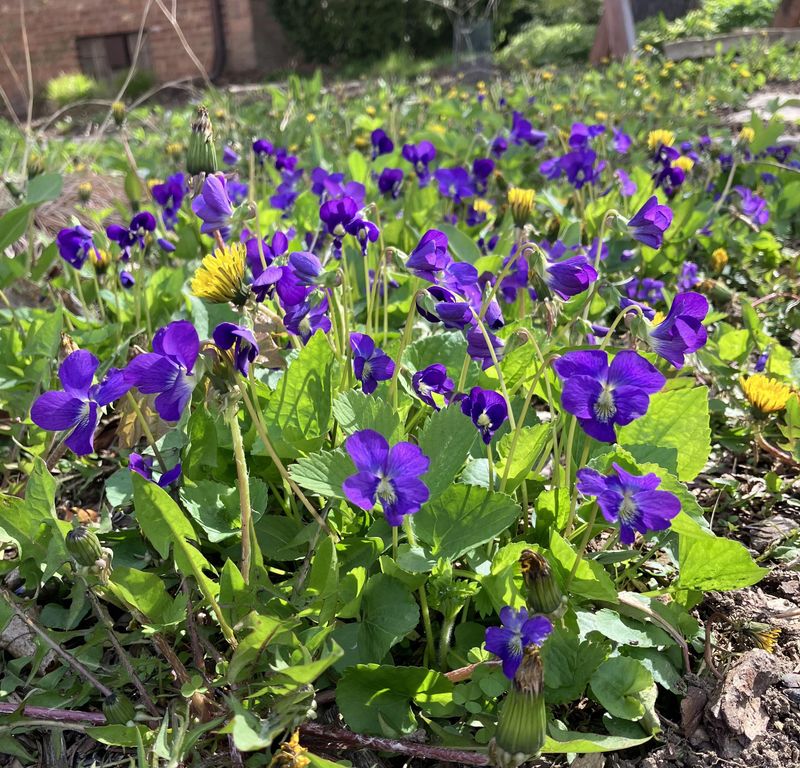
Common blue violet can make bare patches look naturally finished.
Your North Carolina Garden Changes Every Week. Your Plan Should Too.
Gardening in North Carolina changes quickly throughout the season. Every Friday you’ll receive a simple weekly plan showing exactly what to plant, prune, fertilize, harvest, and protect so you never miss the right timing.
This North Carolina native, Viola sororia, forms low foliage with shallow rhizomes close to the soil surface. The rounded leaves create a soft, dense look that suits drain-field edges, open turf gaps, and lightly shaded areas where grass may look thin.
The spring flowers are a bonus. Purple-blue blooms brighten the area without tall stems or woody growth.
Wildlife value is real. Violet leaves support fritillary butterfly caterpillars, giving the planting more purpose than appearance alone.
The plant handles different light levels. Full sun, part shade, and shifting tree-filtered light can all suit it, depending on moisture and drainage.
Do not plant it in soggy ground. A septic drain field should not hold water at the surface.
Use shallow plugs. Seat each plant just deeply enough to cover the roots without disturbing the soil below.
Avoid compost-heavy planting pockets. Rich, amended holes are not needed and can change the way water moves through the area.
Water only during the first stretch. The goal is establishment, not a permanently irrigated planting over the system.
Expect modest self-seeding. New seedlings can fill thin areas, but they should be removed near lids and ports.
Hand-pull extras early. Young violets are easy to manage before they form a stronger clump.
Leave maintenance lanes open. Any plant that hides a key access point belongs somewhere else.
Common blue violet gives a drain field a softer woodland-lawn feeling.
It is especially useful where a fully manicured turf rectangle feels too plain, but the homeowner still needs a shallow, manageable cover.
3. Lyreleaf Sage Adds Spring Color
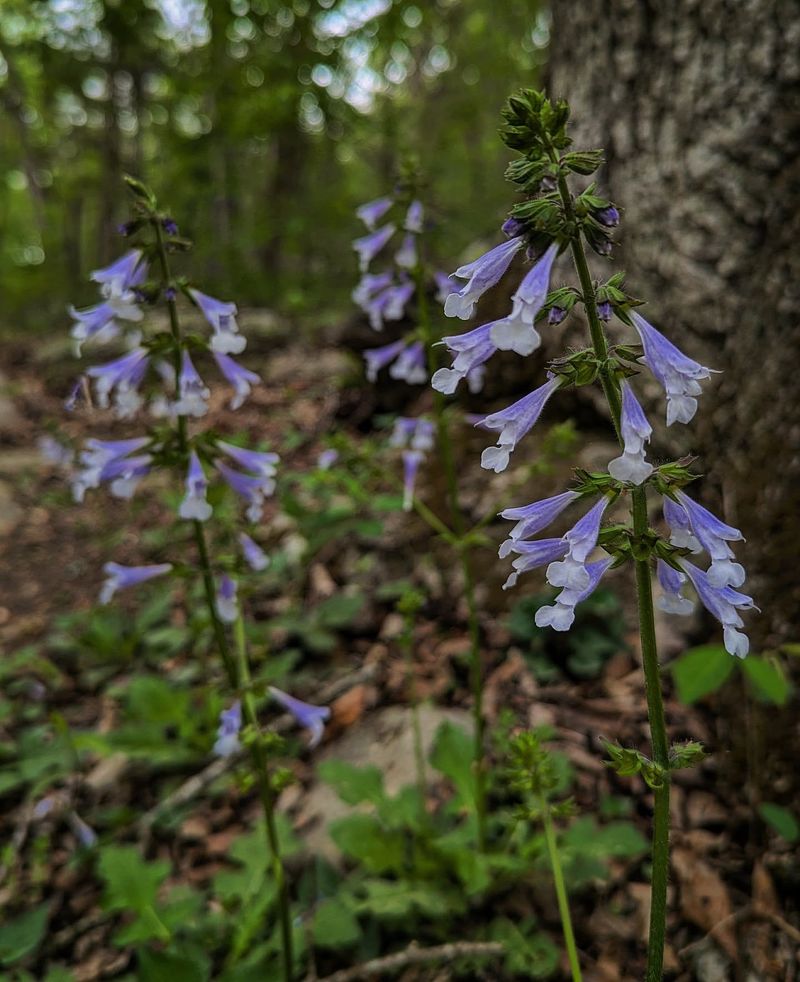
Lyreleaf sage gives the area a native meadow look without deep woody roots.
Known as Salvia lyrata, this plant forms low basal rosettes through much of the year, then sends up spring flower spikes with lavender-blue blooms. After flowering, it settles back into a lower profile that stays easy to manage.
That seasonal rhythm suits drain-field caution. The plant is herbaceous, fibrous-rooted, and concentrated near the surface.
The foliage stays close to the ground. Basal leaves help cover soil without building a tall, tangled mass.
Flowers add movement. The spring spikes can reach higher for a short time, bringing pollinators into the space.
Lean soil is fine. Lyreleaf sage does not need rich amendments or heavy feeding.
That matters on a drain field. Added compost and fertilizer are usually not the right answer for this kind of site.
Sun to part shade works. The plant adapts well to open areas and lightly shaded edges.
Use shallow plugs for planting. Small holes are enough, and broad digging should be avoided.
Skip irrigation systems. A drain field should not receive routine added water beyond what the plants need to establish.
Mow after seed set where practical. A high, careful pass can tidy old flower stems without disturbing the soil.
Let a little self-seeding happen. New rosettes can fill gaps and make the planting look more connected.
Remove plants near access points. No flower is worth blocking maintenance.
Lyreleaf sage makes a drain field feel less like a utility zone.
It offers spring color, pollinator value, and a low profile that still respects the limits of the septic system below.
4. Moss Phlox Stays Low And Bright
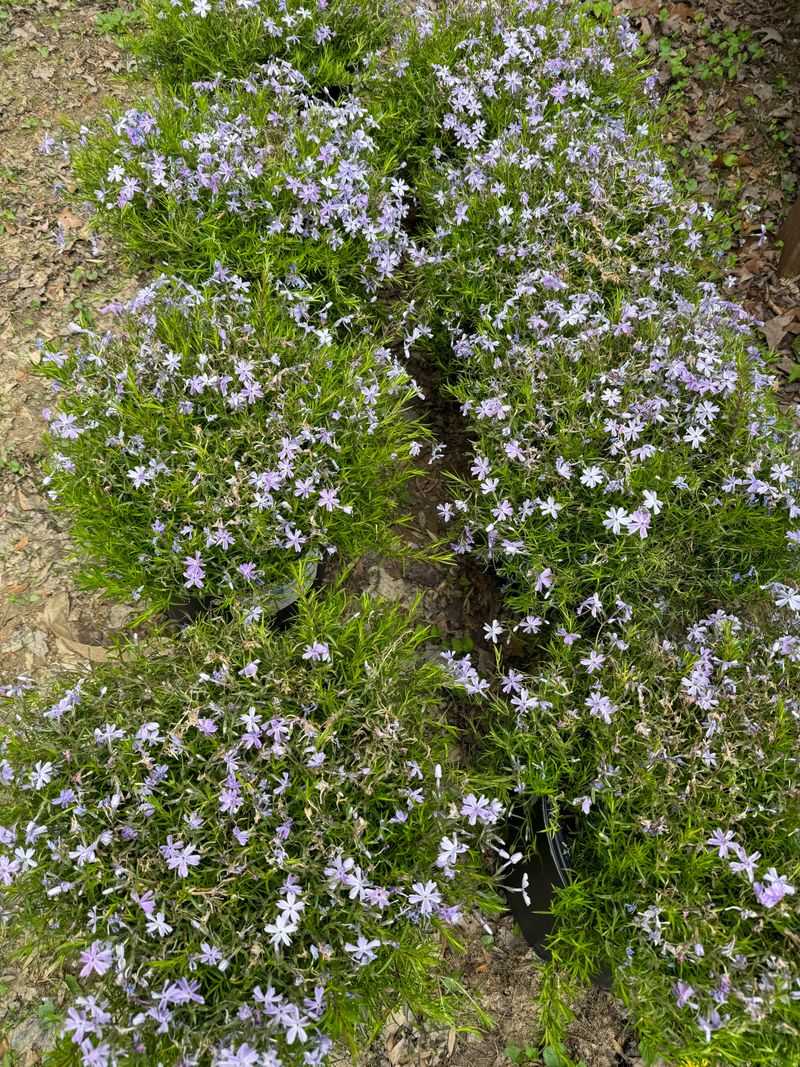
Moss phlox turns a sunny drain field into a spring showpiece.
This low native, Phlox subulata, forms evergreen mats with fine, needle-like foliage. In spring, the plant can cover itself in pink, lavender, white, or purple blooms, making the whole area look planned rather than awkward.
The shallow habit is the attraction. Fibrous roots and low mats are far more appropriate for cautious drain-field planting than shrubs, trees, or deep-rooted perennials.
Full sun gives the best bloom. The plant needs bright light to stay dense and flower well.
Drainage is non-negotiable. Moss phlox dislikes wet crowns and can thin out in heavy, soggy soil. Lean soil is acceptable. This is not a plant that needs rich amendments to perform.
Avoid thick mulch. Heavy layers can trap moisture, block air exchange, and smother the mat. Use plugs or small divisions. Plant shallowly and disturb as little soil as possible.
Water gently at first. Once established, the plant should not require regular irrigation over the septic field. Trim after bloom. A light hand-shearing keeps the mats compact without digging or disturbing roots.
Do not cut into old woody centers too harshly. Gentle shaping is enough. Watch the edges. Remove growth that approaches access lids, inspection ports, or required service paths.
Choose it for sunny sites only. Shade makes the mat thinner and less useful as a tidy cover.
Moss phlox makes a drain field look intentional fast.
Its best role is a low, bright, shallow-rooted cover where drainage is strong and maintenance access stays completely open.
5. Lanceleaf Coreopsis Adds Summer Gold
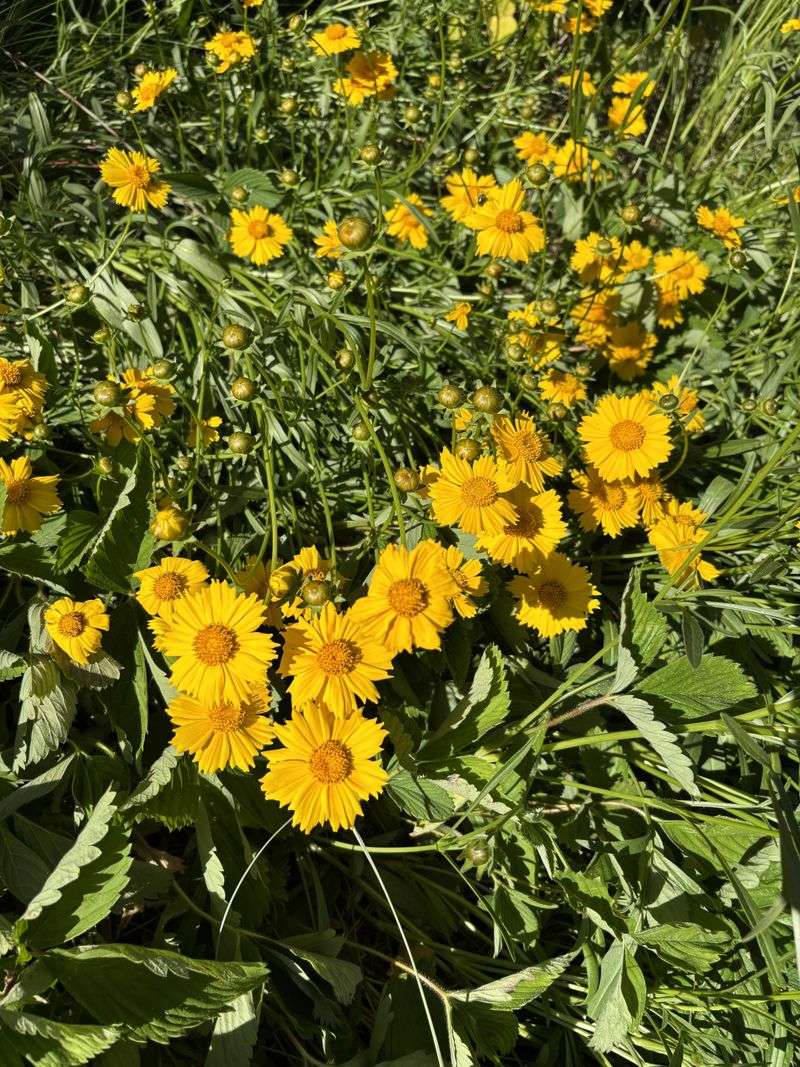
Lanceleaf coreopsis brings height without woody roots.
This North Carolina native, Coreopsis lanceolata, produces yellow daisy-like flowers above narrow leaves in late spring and early summer. It gives a drain field more color and movement while remaining herbaceous and manageable.
The root system is fibrous. That makes it a more cautious option than shrubs or trees near drain-field lines.
The plant stays moderate. Flower stems may rise one to two feet, but the growth remains light and seasonal.
Pollinators love the blooms. Bees, butterflies, and small beneficial insects often visit the flowers.
Seedheads add wildlife value. Goldfinches may feed on the seeds later in the season.
Full sun is best. Lanceleaf coreopsis flowers most strongly in bright, open conditions.
Lean soil works well. Rich feeding can push floppy growth, which is not helpful on a utility area.
Avoid irrigation. Once established, this plant should handle dry spells without routine added water.
Plant with shallow plugs. Keep soil disturbance small and controlled.
Trim for tidiness. Removing spent blooms keeps the area looking cleaner.
Leave some seedheads. A little reseeding can fill thin spaces naturally.
Pull unwanted seedlings early. Hand management prevents spread into lids or maintenance routes.
Do not plant over access points. Taller stems can hide important septic components when allowed to grow too close.
Lanceleaf coreopsis is useful where a drain field looks too flat.
It adds cheerful summer color while staying light, shallow, and easy to cut back when access is needed.
6. Blue-Eyed Grass Keeps Texture Light
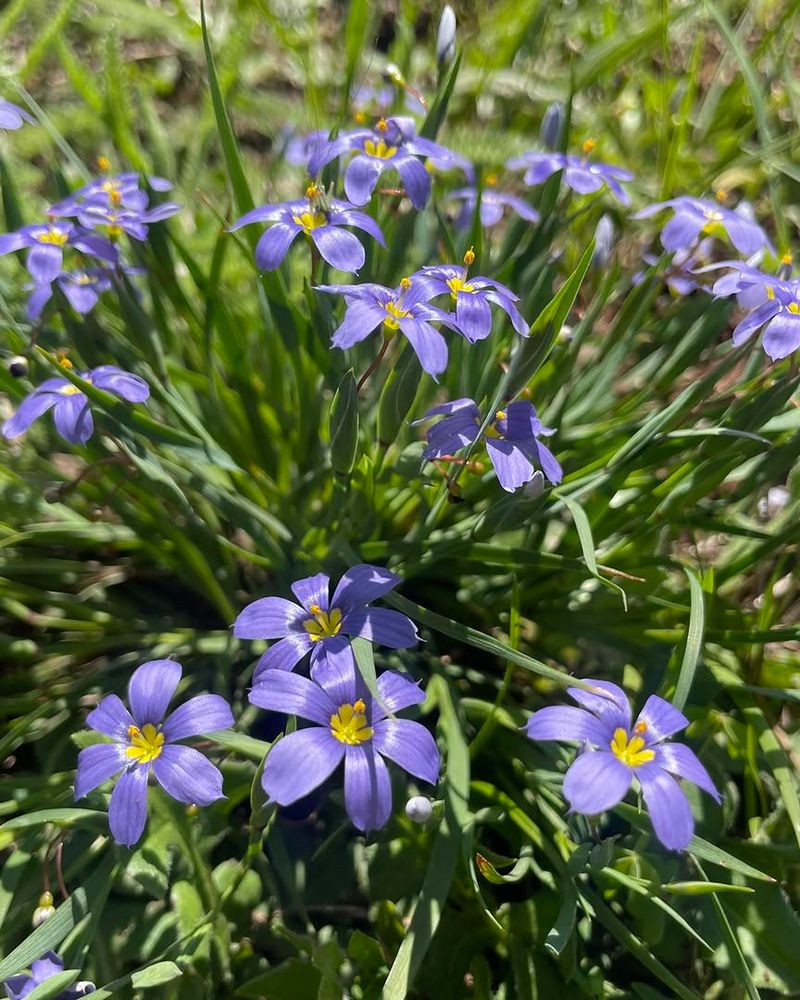
Blue-eyed grass brings fine texture and small flowers.
Despite the name, Sisyrinchium angustifolium is not a true grass. It belongs to the iris family, with narrow upright leaves and small blue to violet flowers marked by yellow centers.
The clumping habit is useful. It does not race across the drain field or form woody roots.
Its roots are fibrous and relatively shallow. That makes it a cautious candidate for suitable drain-field plantings after professional approval.
The foliage stays low and neat. Most clumps remain under a foot tall, which keeps the area readable. Spring flowers add detail. The blooms are small, but they make people look twice.
Native bees may visit. The plant brings gentle wildlife value without needing feeders or water features. Full sun to light shade works. It can handle open sites as long as drainage remains suitable.
Avoid wet spots. Standing water over a drain field is never something to disguise with plants.
Use small plugs. Plant shallowly and avoid wide holes, deep digging, or soil reshaping. Water just enough to establish. Routine irrigation over a septic area can create more risk than benefit.
Manage clumps by hand. Small plants can be removed or divided with minimal disturbance when kept away from system components.
Keep lids and ports clear. The best planting design still leaves every access point obvious and reachable.
Blue-eyed grass gives a septic area a lighter, meadow-like texture.
It works best as part of a sparse, carefully planned planting where the drain field remains functional first and attractive second.
7. Robin’s Plantain Softens Dry Open Spots
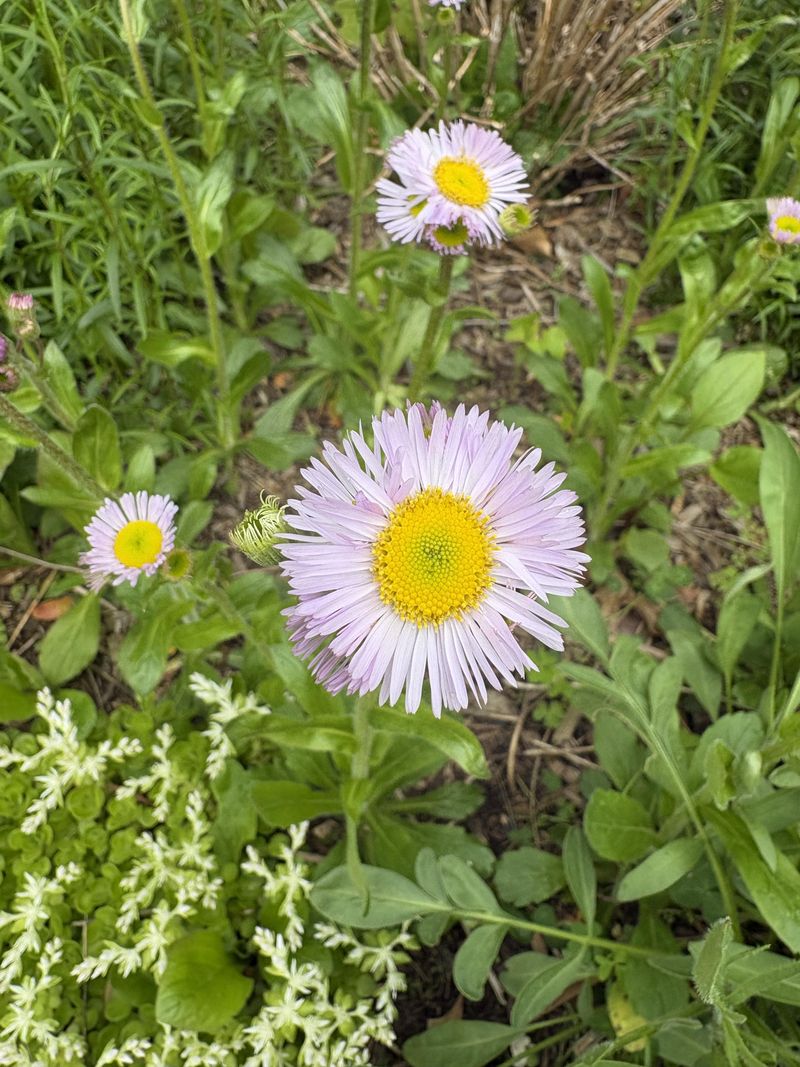
A low rosette with soft, slightly fuzzy leaves can make a drain field feel more like a meadow than a utility space.
Robin’s plantain, Erigeron pulchellus, is native to North Carolina and works as a short-lived perennial or ground cover in the right conditions.
It forms basal foliage close to the soil, then sends up delicate daisy-like flowers in spring and early summer.
The growth habit is useful here. The plant spreads by stoloniferous runners and self-seeding rather than by deep woody roots.
That makes it a cautious option for suitable septic areas, especially where the goal is light coverage instead of a dense, shrub-like planting.
Good drainage is important. Robin’s plantain performs best in average to dry soil and can struggle where the ground stays too rich, wet, or heavy.
Full sun to part shade works. That flexibility helps on drain fields with shifting light from nearby trees or structures.
Use shallow plugs. Press them into small holes made with a narrow dibble, keeping soil disturbance minimal over the drain lines.
Skip compost-heavy pockets. This plant does not need a rich garden bed, and drain fields should not be heavily amended.
Water only during establishment. Once settled, routine irrigation over the drain field should be avoided.
Let some seedheads remain. Light self-seeding can help the planting look more natural and fill thin patches over time.
Pull extras by hand. Seedlings that move toward lids, inspection ports, or maintenance paths should be removed while small.
Keep access completely clear. No planting should hide the tank lid, distribution box, inspection ports, or reserve area.
Robin’s plantain adds a loose, native, meadow-like finish.
It is best used sparingly, with professional approval, in well-drained areas where a shallow, low-maintenance plant can make the drain field look intentional without treating it like an ordinary flower bed.