The Giant Wasps Georgia Homeowners Are Spotting In Their Yards Right Now
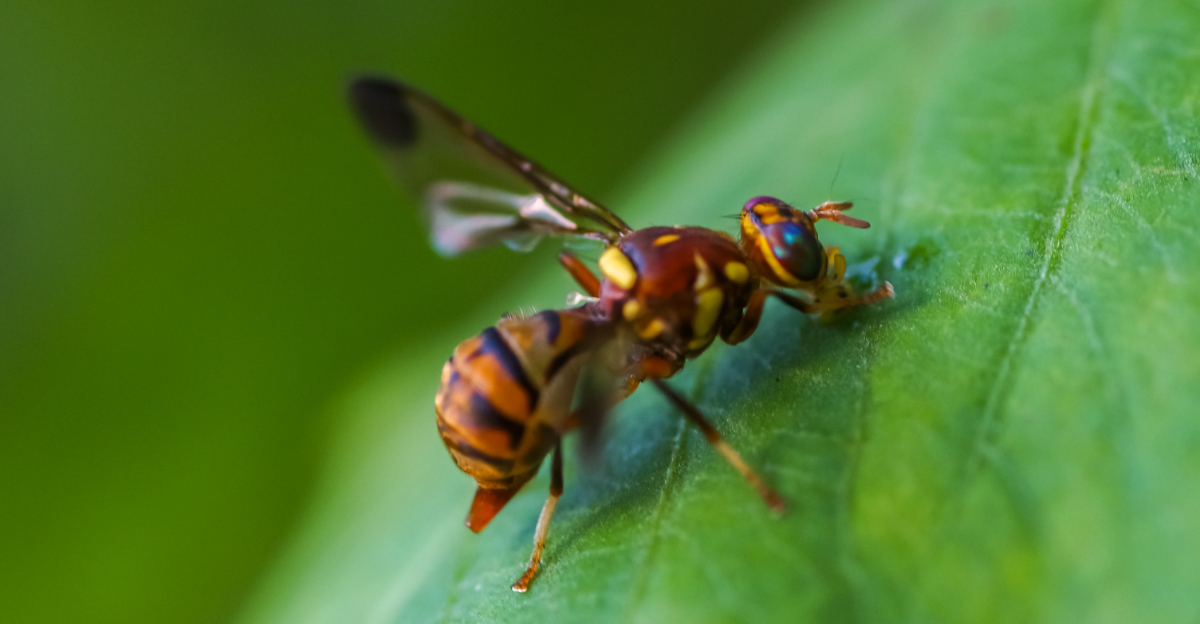
Seeing a giant wasp in your yard is enough to make anyone stop and stare. Your first thought is probably that something dangerous has just arrived.
Looks can be surprisingly misleading outdoors. Some of the biggest insects create the most unnecessary worry.
Right now, homeowners in Georgia are noticing these oversized wasps much more often. Their seasonal appearance catches plenty of people by surprise every summer.
Before you assume your yard has become a problem spot, give yourself a minute. What you are seeing is often part of a normal summer pattern.
Not every large wasp behaves the way people expect.
Knowing why these giant wasps are suddenly showing up can completely change your first impression. A little understanding makes those unexpected backyard sightings far less alarming and much easier to explain.
1. Cicada Wasps Are Behind The Recent Sightings
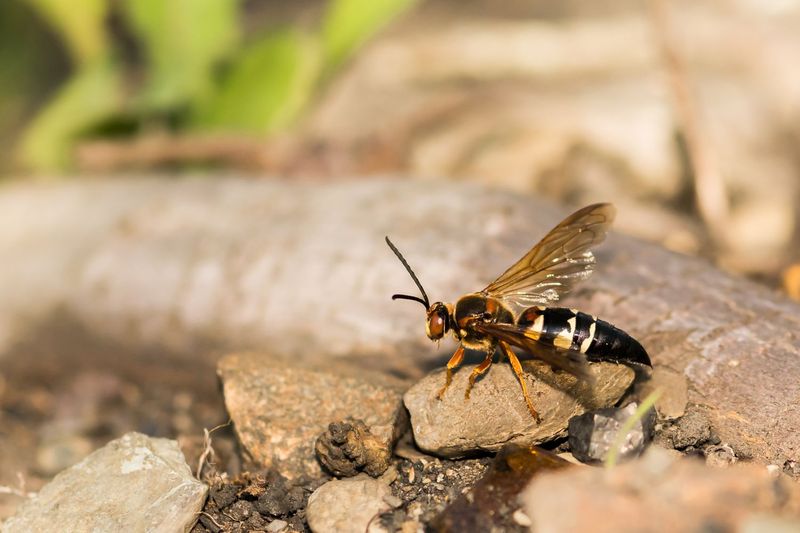
Seeing something the size of your thumb buzzing around your yard is enough to make anyone stop in their tracks. These large solitary wasps are behind most of these startling sightings across Georgia right now.
Up close, they look intimidating. Large bodies, bold yellow and black markings, and a wingspan that can hit nearly three inches make them hard to miss.
The species Sphecius speciosus is found throughout the eastern United States. Unlike yellowjackets or hornets, these wasps do not form colonies or build paper nests.
Each female digs her own burrow and works alone. That solitary lifestyle makes them far less aggressive than most people expect.
Spotting one does not mean your yard is under attack. Seeing several in the same area usually means the soil conditions there are ideal for nesting.
Sandy, dry, and sun-exposed spots are their preferred real estate.
These wasps are active during the hottest weeks of summer, which lines up with peak cicada season. Cicadas are loud, plentiful, and packed with protein, making them the perfect food source for wasp larvae.
The timing is no coincidence. Understanding what draws them in helps you make smarter decisions about your yard without unnecessary worry.
2. Males Defend Territory Without A Stinger
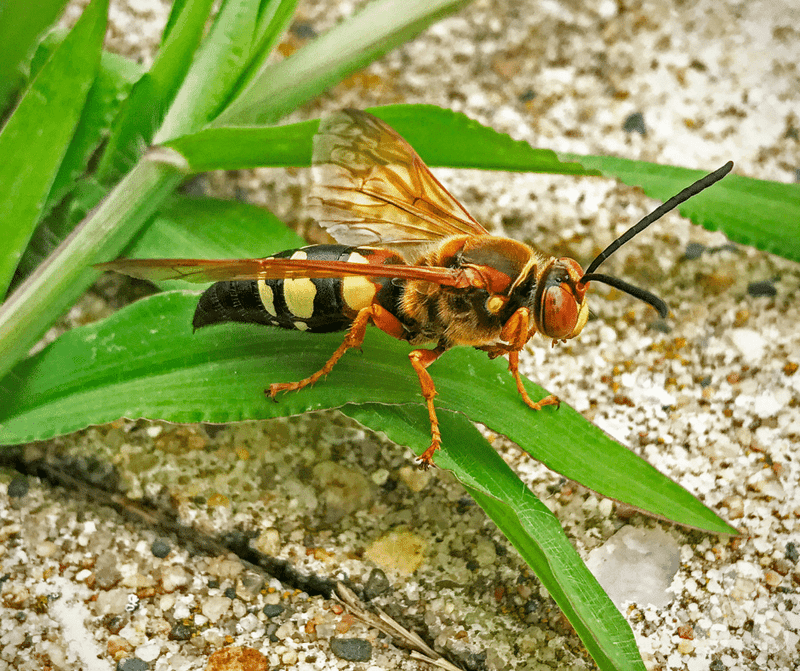
Bold as they look, male cicada wasps are completely harmless. Males have no stinger at all, which means their dramatic hovering and dive-bombing behavior is pure bluff.
If a male wasp has ever flown straight at your face, he was putting on a show, not mounting an attack.
Males emerge before females each season. Their main job is to establish and defend a territory while waiting for females to appear.
They patrol specific patches of ground, chasing off other males and investigating anything that enters their zone, including curious people and pets.
Up close, males are noticeably smaller than females. They also have a small pointed projection at the tip of their abdomen that can look like a stinger but poses no threat.
Knowing that detail makes it easier to stay calm when one buzzes past your ear.
Territorial behavior can look alarming, especially when several males are competing in the same area. Confrontations between males involve a lot of aerial sparring and chasing, but no actual harm is done.
Your Georgia Garden Changes Every Week. Your Plan Should Too.
Gardening in Georgia changes quickly throughout the season. Every Friday you’ll receive a simple weekly plan showing exactly what to plant, prune, fertilize, harvest, and protect so you never miss the right timing.
Watching them can actually be fascinating once you know what is happening.
Walking through an area where males are active is generally safe. Swatting at them is not recommended since sudden movements can provoke a closer inspection, but even then, a male cannot sting.
Calm, steady movement through the area works best.
3. Females Hunt Cicadas To Feed Their Young
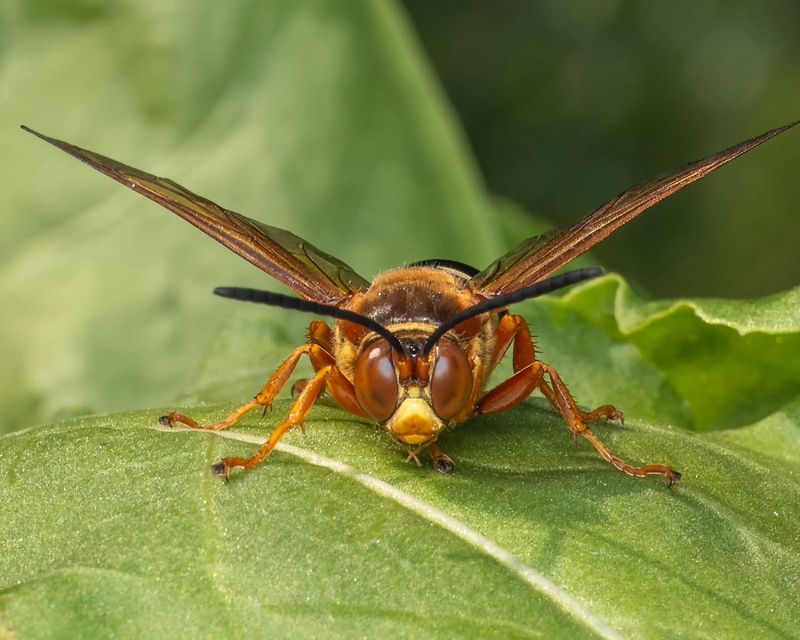
Watching a female cicada wasp haul a cicada twice her size across a yard is one of summer’s most jaw-dropping backyard moments.
Females are the hunters of the species, and their whole season revolves around finding cicadas and stocking their underground burrows.
A female locates a cicada by sound and sight, then stings it to paralyze it. The sting does not end the cicada’s life outright but renders it motionless.
She then carries or drags it back to her burrow, which can be a serious feat given how heavy cicadas are relative to the wasp’s own body.
Once inside the burrow, she deposits the paralyzed cicada in a prepared chamber and lays a single egg on it. When the egg hatches, the larva has a fresh food source waiting.
The female may stock a chamber with one cicada for a male egg or two to three cicadas for a female egg, since female larvae grow larger.
Females can sting humans if handled or stepped on, but they rarely sting without direct provocation. Catching or squeezing one is the most common reason someone gets stung.
Giving them space as they carry their prey is the easiest way to avoid any trouble.
Watching the whole process from a comfortable distance is genuinely impressive. These wasps are efficient, focused, and surprisingly athletic hunters.
4. Bare Sandy Soil Attracts Nesting Females
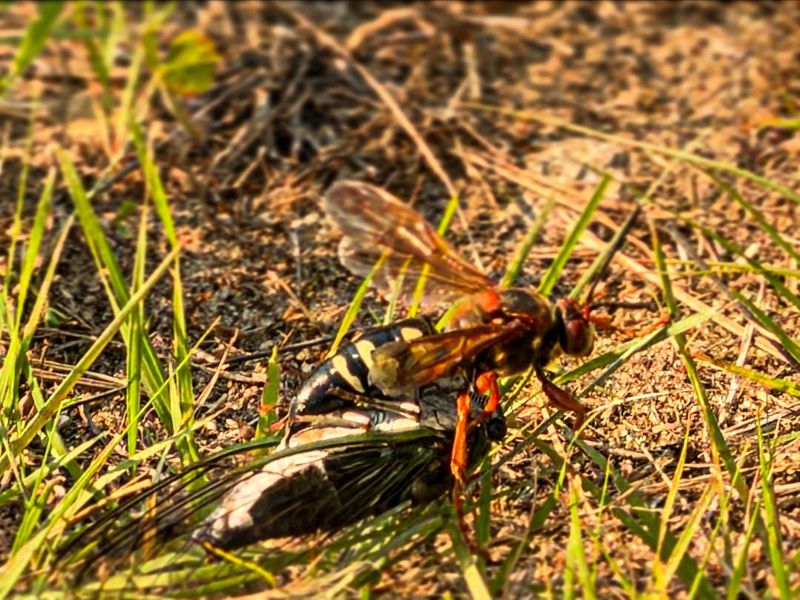
Cicada wasps are picky about where they nest, and bare sandy soil is at the top of their list. Soft, well-drained ground that gets full sun through most of the day is exactly what a nesting female is searching for.
Lawns with thin grass, sandy fill dirt, or exposed embankments are especially vulnerable to becoming nesting sites.
Females prefer to nest where digging is easy. Compacted clay or heavily mulched areas are not appealing to them.
Sandy loam near driveways, sidewalk edges, garden borders, and south-facing slopes tends to attract the most activity.
Soil temperature also plays a role. Warm ground helps larvae develop faster, so sun-soaked patches are more desirable than shaded areas.
Spots where the sun hits for six or more hours a day tend to see more nesting attempts.
Improving lawn coverage can reduce nesting interest over time. Thick, healthy turf is harder to dig through and less inviting.
Overseeding thin patches and keeping grass watered during dry stretches discourages females from setting up in a specific spot.
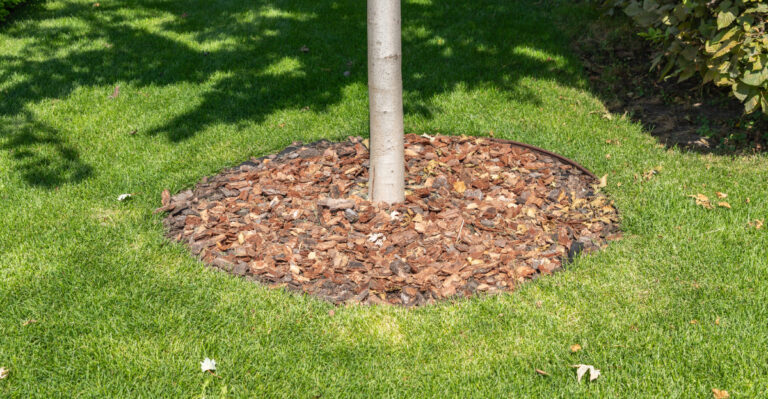
Spreading mulch over bare garden soil can also help deter nesting in flower beds.
Females need exposed ground to start a burrow, so covering it removes the opportunity.
These adjustments will not guarantee results, but they can make a yard noticeably less attractive to nesting wasps over a season or two.
5. Fresh Burrows Often Appear Near Nest Sites
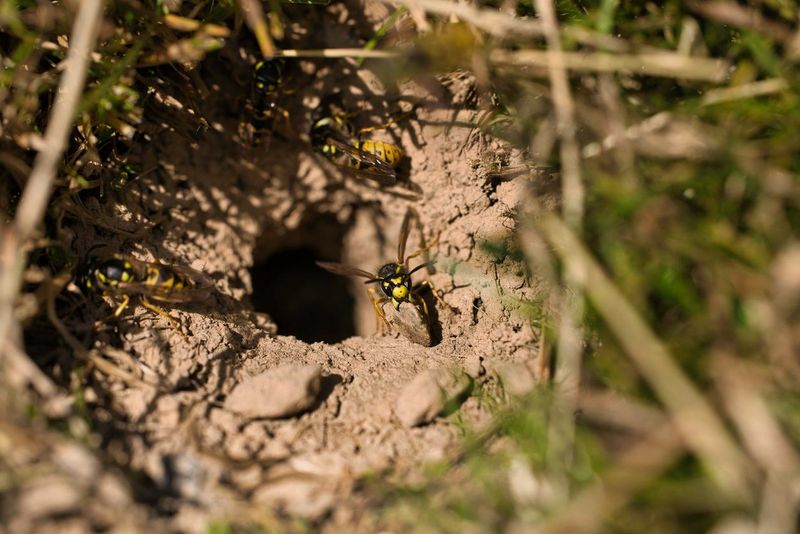
Mounds of loose dirt appearing overnight in your lawn can be confusing if you do not know what made them. Cicada wasp burrows are often the answer during summer months, especially in sandy or thin-turf areas.
Each burrow entrance is roughly the diameter of a large finger, surrounded by a small pile of excavated soil.
Females dig fast and efficiently. A single burrow can reach six to ten inches deep and branch into multiple side chambers, each intended to hold a paralyzed cicada and an egg.
The loose dirt piled at the entrance is a clear sign that active digging is happening nearby.
Burrows can pop up in clusters when soil conditions are particularly favorable in one spot. Seeing five or ten mounds close together does not mean there is a colony.
Each mound belongs to a separate female working on her own. Solitary wasps nest close together when good nesting ground is limited.
Foot traffic and lawn mowing typically do not disturb the wasps significantly. Females are focused on their work and tend to ignore people moving around nearby.
Males may investigate but cannot sting.
If burrow mounds are appearing in a high-traffic area like a play space or garden path, watering the soil heavily can temporarily discourage digging.
Females prefer dry ground, so consistent moisture in that spot may redirect nesting activity to a less problematic area.
6. Activity Lasts Only A Few Weeks Each Summer
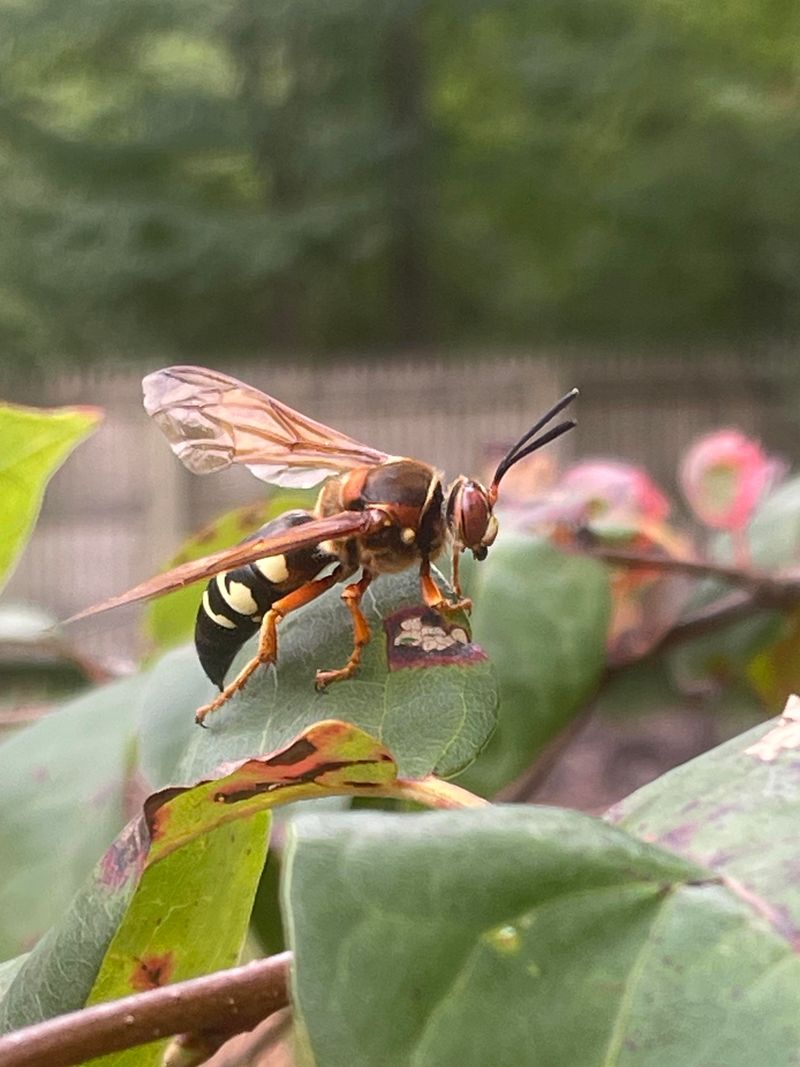
Peak cicada wasp season is short. Most years, adults are active for roughly four to six weeks during the hottest part of summer.
In Georgia, that window typically falls somewhere between late June and mid-August, depending on when temperatures climb and cicadas become abundant.
Males show up first, sometimes a week or two ahead of females. Their territorial hovering is often the first sign that the season has begun.
Females follow shortly after and immediately get to work digging and hunting.
By late summer, adult activity winds down noticeably. Females finish stocking their burrows, seal the entrances, and the adults gradually disappear.
Larvae spend the rest of summer and fall feeding underground before entering a dormant phase through winter.
The following year, new adults emerge from those same burrows and the cycle begins again. Females often return to nest near where they hatched, which is why certain spots in a yard see repeated activity year after year.
Knowing the season is brief can help homeowners stay patient. Avoiding major lawn treatments during peak activity preserves beneficial insects and lets the wasps complete their natural cycle without interference.
If a particular nesting area causes real concern, waiting out the season is often the most practical approach. A few weeks of buzzing activity is manageable, especially once you understand what is actually happening beneath the surface.
7. Cooler Weather Brings Their Season To An End
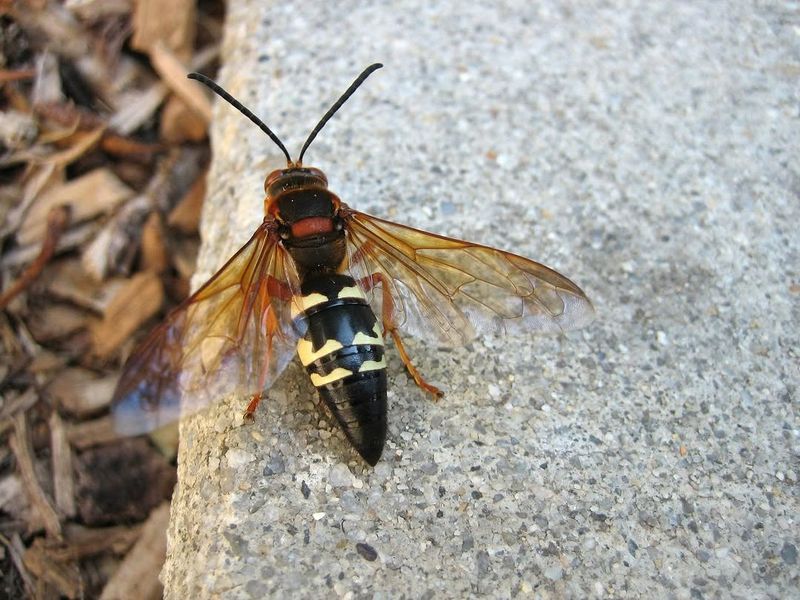
Once late August rolls around and nights start cooling off, cicada wasp activity drops off sharply. Adults do not survive into fall.
Their season ends naturally as temperatures fall and cicadas become scarce. The buzzing, hovering, and burrowing that seemed so intense just weeks earlier fades without any intervention needed.
Underground, the story continues quietly. Larvae consume their stored cicadas and then spin cocoons to overwinter safely beneath the soil.
Frost does not reach them at their nesting depth, so they survive winter without issue in most parts of the Southeast.
Come late spring of the following year, new adults begin developing inside those cocoons. Males typically emerge first, just as the warmest days arrive and cicada populations start building again.
The cycle resets on its own schedule, driven by temperature and food availability.
Yards that hosted nesting activity one summer are likely to see it again the next, particularly if the soil conditions remain the same.
Modifying the landscape during the off-season, such as improving turf density or covering bare patches, gives the best chance of reducing future nesting without harming the wasps.
Cicada wasps play a real role in controlling cicada populations, which benefits trees and shrubs. Letting their season run its course without chemical treatment is a reasonable choice for most homeowners.
Patience tends to be the simplest and most effective strategy when dealing with these large, temporary summer visitors.