7 Shrubs California Gardeners Should Not Prune In November
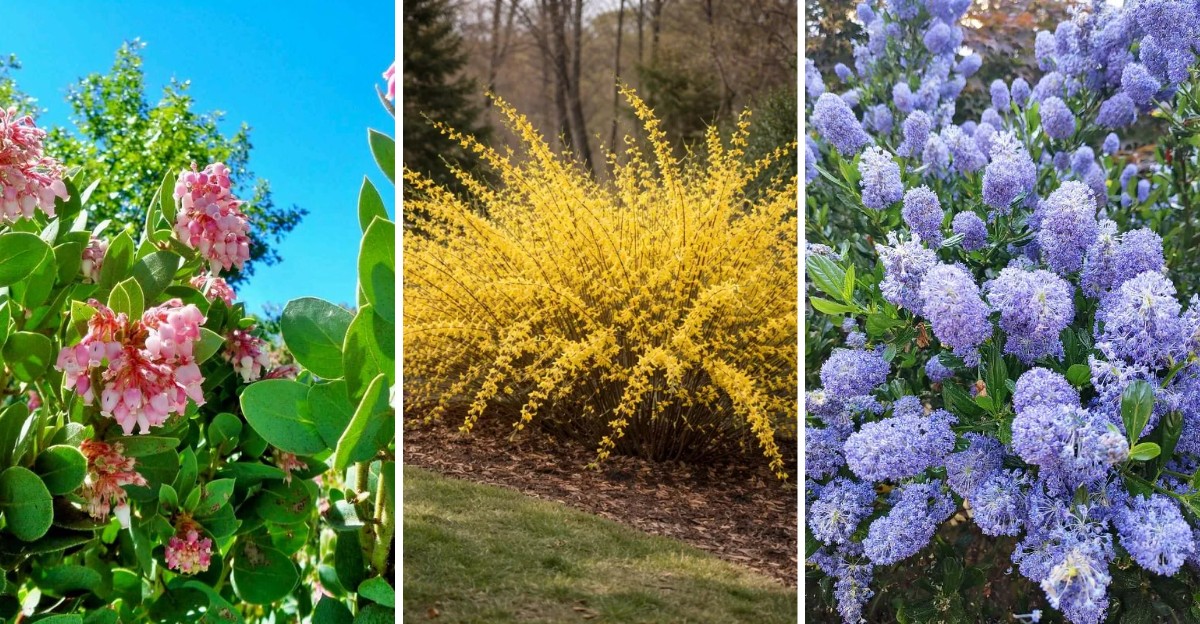
Many spring shrubs are already holding next year’s flower buds by late autumn, hidden along last summer’s stems. One quick snip with sharp pruners in California right now can quietly erase a whole season of color.
Those buds formed during warm months, and they sit patiently through winter waiting for longer days to return. Fresh cuts also heal slowly in cool damp weather, which gives fungal troubles an easy front door.
I have to admit my own fingers itch for the shears once the garden starts looking a little shaggy. You might notice that urge too, especially when tidy neighbors start hauling green waste bins to the curb.
Holding back now pays off with bigger blooms and healthier branches across California gardens next spring and summer. So which familiar shrubs in your yard deserve a break from the shears until their flowers fade?
1. Bigleaf Hydrangea
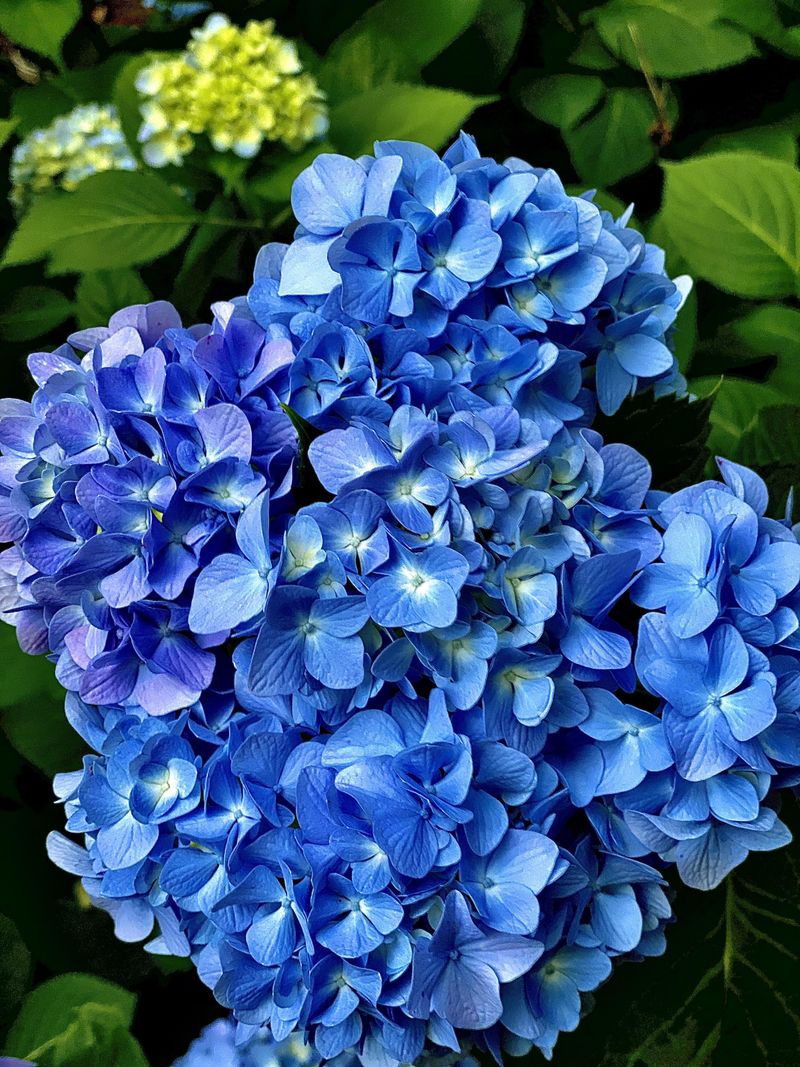
Those giant blue and pink pom-poms you admired last summer are already planning their comeback right now. Tiny flower buds sit near the tips of the stems, wrapped tightly and waiting out the cool months.
Bigleaf hydrangea, or Hydrangea macrophylla, blooms on old wood, meaning last season’s stems carry next year’s flowers. Cut those stems back in November and you remove the show before it even has a chance to start.
I learned this the hard way one year, ending up with lush leaves and barely a single bloom. Honestly, a hydrangea with no flowers feels like a birthday cake without any frosting on top at all.
These shrubs usually reach two to six feet tall and wide, with big serrated leaves up to eight inches long. They grow well across much of California, especially where afternoon shade protects them from harsh inland heat.
Late fall pruning can also leave the plant more exposed to cold snaps and soggy winter weather. Soft new shoots that sprout after cutting rarely have enough time to toughen up before frosty nights arrive.
The best window for shaping comes right after the flowers fade in summer, before next year’s buds have formed. Trim spent blooms back to a healthy pair of leaves, and leave most of the sturdy framework alone.
For now, simply let the dried flower heads stay put, since they add winter texture and shelter buds. Your patience gets rewarded when those fat mopheads or flat lacecaps return in shades shaped by your soil.
2. Rhododendron

Run your fingers along a rhododendron branch this month and you might feel plump, scaly buds at the tips. Those swollen buds hold next spring’s bell-shaped blossoms, and they are larger than the skinny leaf buds nearby.
Rhododendrons set these flower buds during summer and fall on the current year’s growth, so timing really matters. Pruning in November removes them, leaving you with green leaves and very little color when spring finally arrives.
Personally, I think rhododendron buds are one of the most underrated sights in a quiet winter garden. They look like little green candles, promising a burst of pink, purple, white, or red blooms later on.
Leathery evergreen leaves make these shrubs handsome all year, and sizes range from low mounds to small trees. Most varieties grow happily in USDA Zones 4 through 9, which covers many coastal and northern gardens.
They prefer acidic, well-drained soil with steady moisture, so cooler foggy regions tend to suit them best. Hot dry inland spots can stress them, which makes careful pruning even more important for overall plant health.
Late season cuts can also trigger soft new growth that gets damaged quickly when frosty nights roll in. Wait until the flowers finish in late spring or early summer, then snap off spent trusses by hand.
That simple trimming habit, done gently, helps the shrub put energy into fresh growth and next year’s buds. Any larger shaping cuts should happen at that same time, giving new shoots months to harden before winter.
3. Azalea
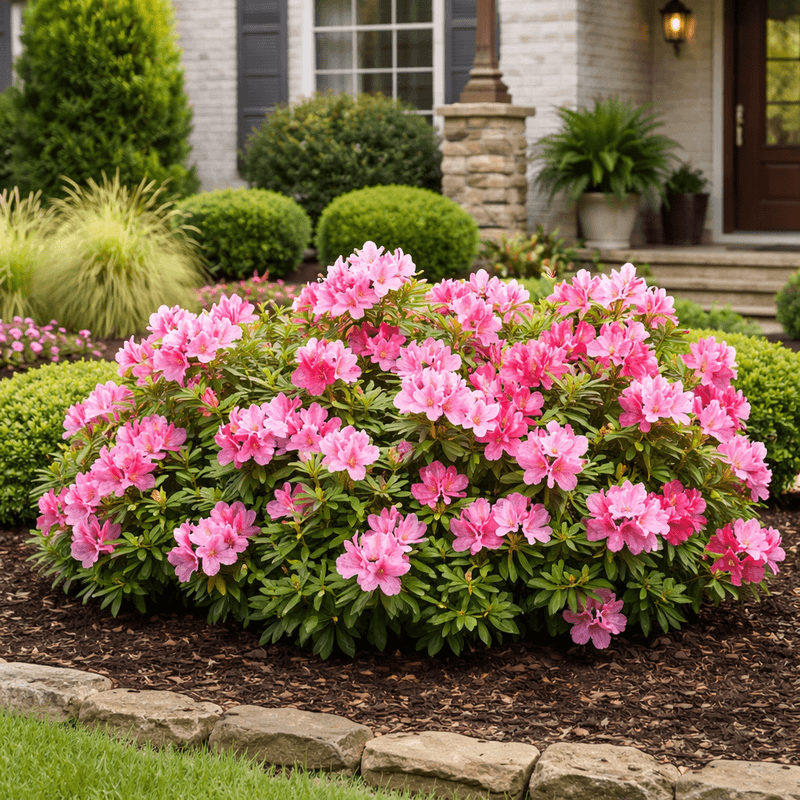
Azaleas are technically rhododendrons, a fun family secret that surprises plenty of gardeners when they first hear it. They tend to be smaller than their cousins, with thinner, softer leaves and funnel-shaped flowers that sometimes smell sweet.
Most azaleas form next spring’s flower buds on this year’s growth during the summer and fall months. Clip them in November and those tiny packages disappear, taking your spring color right along with them.
I love how a single azalea in full bloom can brighten a shady corner like a strand of party lights. That cheerful show depends on you leaving the branches alone once the weather cools down in autumn.
Fall cuts can also leave open wounds that heal slowly, which raises the risk of disease during wet weather. Damp winter conditions give fungal problems a better chance to settle in where stems have been freshly cut.
Azaleas come in evergreen and deciduous types, with blooms in white, pink, red, purple, orange, and yellow shades. Some reblooming varieties flower more than once, but they still appreciate gentle handling during the cooler months ahead.
The ideal pruning moment arrives right after spring flowers fade, before the plant starts building new buds. Light shaping then keeps the shrub tidy, and you can remove leggy stems without sacrificing next year’s display.
Meanwhile, focus your energy on mulching around the shallow roots and keeping the soil evenly moist this winter. Your azaleas will thank you with a cloud of blossoms that makes every neighbor slow down for a look.
4. Common Lilac
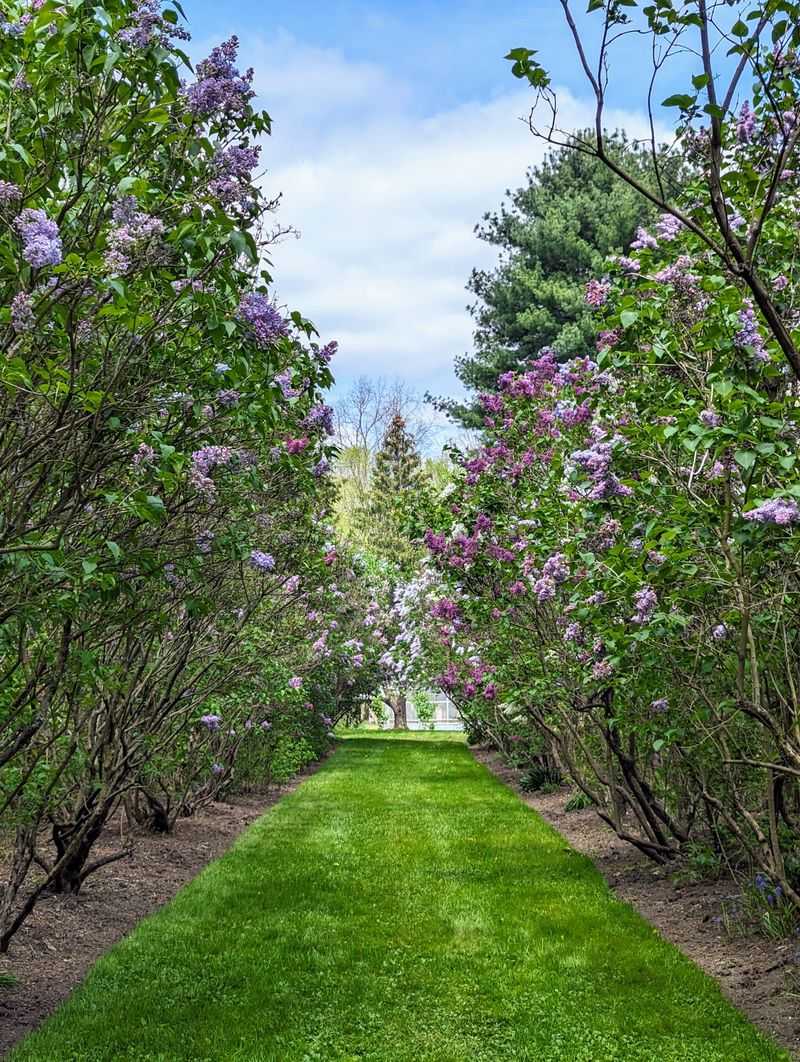
Few scents bring back childhood memories faster than a lilac blooming beside a back porch on a warm spring afternoon. Those heavy purple clusters begin as buds that the shrub sets during autumn, long before anyone smells them.
Common lilac, known as Syringa vulgaris, is a classic old wood bloomer that holds its buds through winter. A November trim removes most of them, and you may end up with sparse flowers or none at all.
I can’t imagine trading that perfume for a slightly neater shape, so my pruners stay in the shed. You should also know that fall pruning may interfere with the plant’s natural process of hardening for winter.
Lilacs love cold winters and grow best in USDA Zones 3 through 7, where they get plenty of chill. In California, they often thrive in mountain and high desert areas, while warm coastal gardens can be trickier.
Low chill types such as the Descanso hybrids were bred for Southern California, so warmer gardens still have options. Those varieties follow the same pruning rule, since their buds form on older stems after the summer heat.
Wait until the flowers fade in late spring or early summer, then cut spent clusters just above new shoots. That timing gives the plant months to set fresh buds without the risk of losing them to your shears.
Mature shrubs can grow from six to over twenty feet tall, so thinning a few old stems helps manage size. Do that thinning after bloom too, and you will enjoy healthier heart-shaped leaves and stronger flowering branches.
5. Forsythia
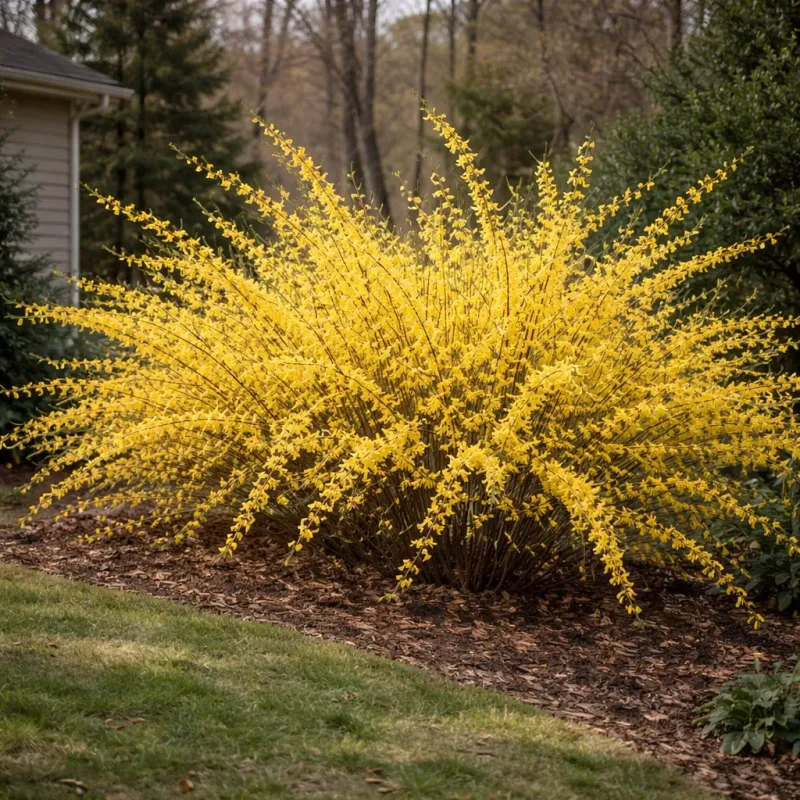
Forsythia has a bold habit of blooming bright yellow on bare branches before a single leaf shows up. It feels like the garden is shouting about spring while everything else is still yawning and stretching awake.
That early burst happens because the flower buds already formed on stems that grew during the previous summer. Prune those arching branches in November and you remove most of next spring’s sunshine before it even appears.
I have to admit forsythia can look messy in late fall, with long whippy stems reaching in every direction. Still, those wild-looking canes are exactly where the four-petaled blossoms will open once the days grow longer again.
This fast grower usually reaches three to ten feet tall, and it handles USDA Zones 3 through 9 easily. Gardeners in cooler inland valleys often see the best flowering, since forsythia appreciates some winter chill.
Shearing it into a tight ball is a common mistake that removes buds and ruins its graceful fountain shape. Instead, aim for a relaxed look by thinning out a few of the oldest canes right at ground level.
The perfect pruning time comes right after the yellow flowers drop in spring, before new growth sets buds. Cutting then gives the shrub the entire summer to grow fresh stems loaded with next year’s flower buds.
For a fun late winter project, snip a few branches and bring them indoors to force early blooms. Place them in a vase of water near a bright window, and you may see yellow flowers within weeks.
6. Manzanita
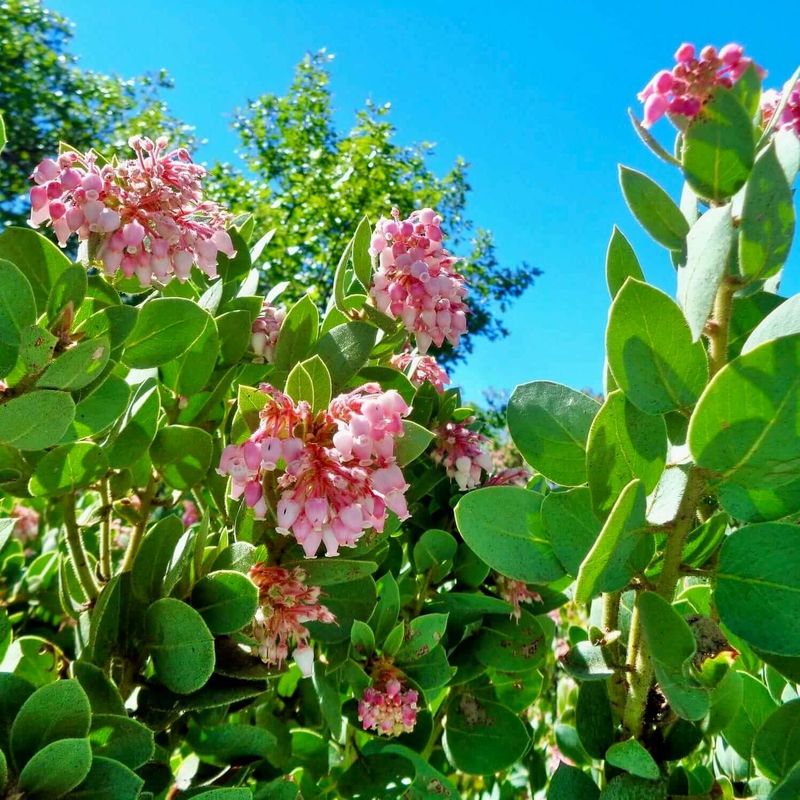
Smooth mahogany bark that peels and twists like sculpted wood makes manzanita one of the most striking native shrubs. Run your hand along a branch and it feels surprisingly cool and polished, almost like a carved banister.
These evergreen natives set their flower buds in late summer and early fall for blooms in winter and spring. Pruning now could trim away clusters of tiny urn-shaped flowers that hummingbirds and native bees eagerly visit.
The bigger worry is moisture, because cool wet weather lets fungal pathogens slip into fresh pruning cuts quite easily. Manzanitas evolved with dry summers, so their wounds handle warm dry conditions much better than soggy ones.
I believe manzanita rewards the gardener who does less, since its natural shape is usually the main attraction. Many species suit USDA Zones 7 through 10, ranging from low groundcovers to upright shrubs and small trees.
Its name comes from Spanish words meaning little apple, a nod to the small reddish berries that follow flowering. Those fruits feed birds and other wildlife, so leaving the shrub alone supports your backyard visitors as well.
Plan structural pruning for warm, dry summer days, ideally before the new flower buds start to show up. Clean, careful cuts during that season heal faster and give disease far fewer chances to take hold.
Broken or lifeless branches are the exception, and you can remove those whenever you notice them during the year. Just disinfect your pruners between cuts and keep extra water away from the trunk during the rainy season.
7. Ceanothus
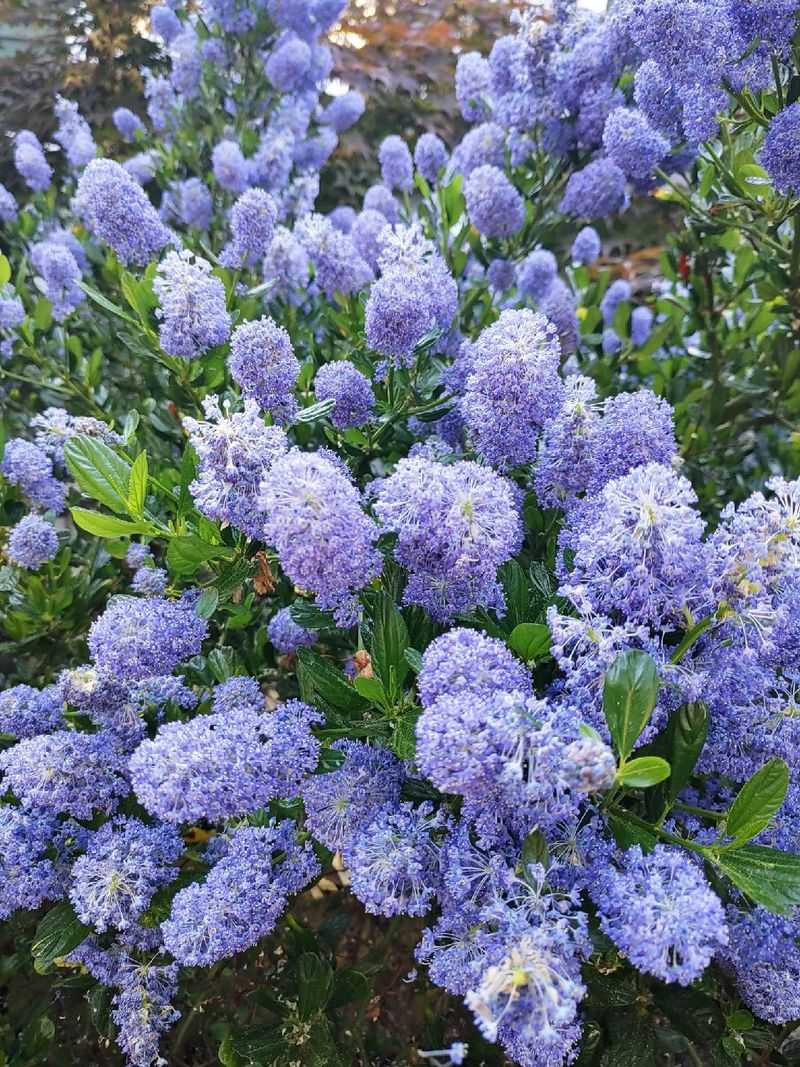
California lilac is not a true lilac at all, yet its fuzzy blue blooms smell sweet and buzz with bees. Gardeners love how a mature ceanothus in full flower looks like a puff of sky dropped onto the hillside.
Many species set their flower buds in late summer and early fall, ready for a late winter or spring show. A November haircut can easily remove those developing buds and leave the shrub looking plain when spring arrives.
Wet weather adds another risk, since evergreen types are sensitive to fungal infections entering through fresh cuts. Cooler, rainier conditions often begin around this time of year, which makes open wounds especially vulnerable to trouble.
What surprises me most is how ceanothus improves soil, since many species partner with bacteria that fix nitrogen. That hidden teamwork helps them grow in lean, rocky ground where fussier shrubs would struggle to settle in.
Many common species handle USDA Zones 7 through 10, and some tolerate temperatures down to about fifteen degrees. Forms range from flat groundcovers to tall arching shrubs, so you can find one for nearly any sunny spot.
Mature evergreen types rarely bounce back from heavy cuts into old woody stems, so gentle shaping works best. Trim lightly right after flowering ends in spring or early summer, choosing warm and dry days for the job.
Deciduous varieties are more forgiving and can handle harder pruning in early to mid spring before growth surges. Until then, simply enjoy the green foliage and look forward to that cloud of blue returning next season.