The Mulch Mistake That Makes California Gardens Dry Out Faster
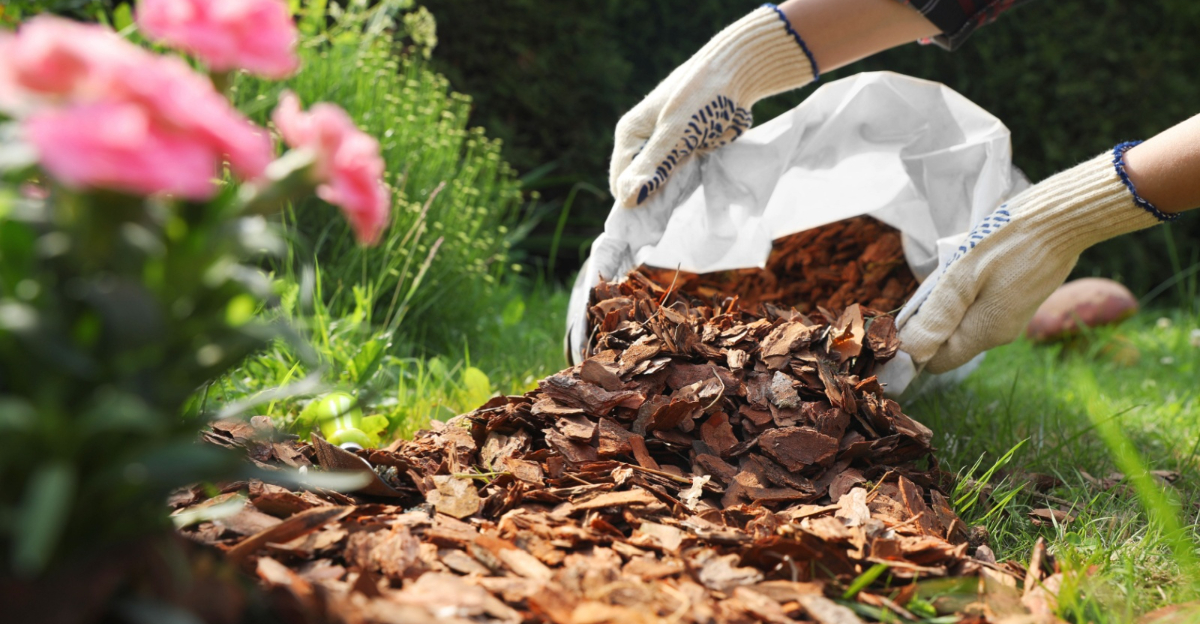
Mulch is one of those garden tools that feels almost too simple to be that effective. Spread it around, step back, and let it do its thing.
And when it is working well, it really does do its thing, slowing down evaporation, keeping roots cooler, and cutting back on how often you need to drag the hose out.
The problem is that a lot of California gardeners spread mulch once, dust off their hands, and consider it handled.
Permanently. Forever. Done.
But mulch breaks down, thins out, and develops bare patches over time, and in a California summer with intense sun, low humidity, and serious heat, even small gaps in coverage can cause soil to dry out surprisingly fast.
A little more attention to how and when you mulch can make a genuinely noticeable difference all season long.
1. Too Little Mulch Leaves Soil Exposed To Fast Moisture Loss
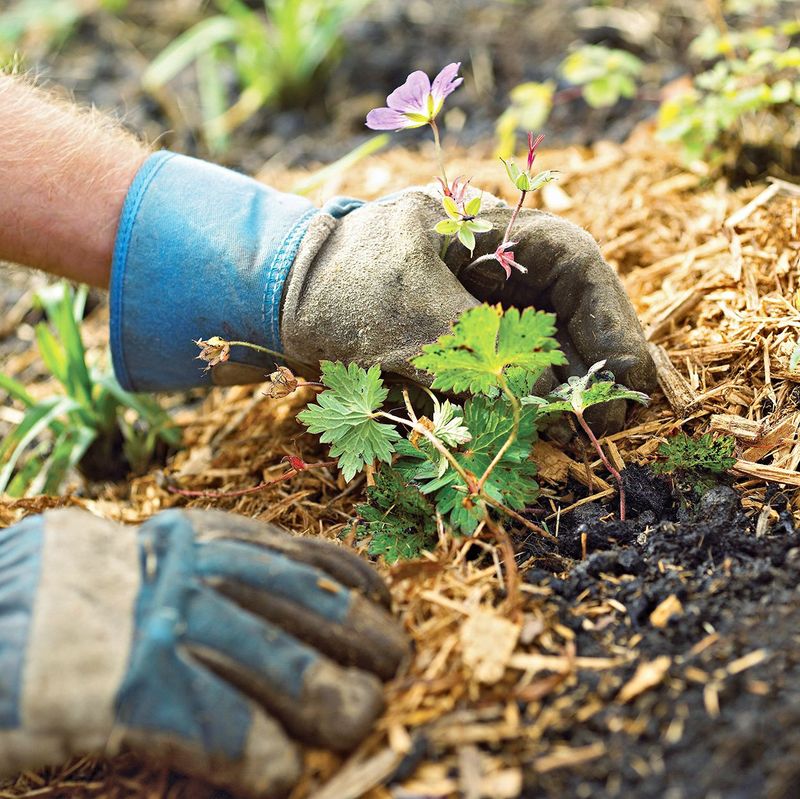
Soil left without enough protection acts almost like a sponge sitting out in the wind.
Water applied in the morning can evaporate from the top layer of unprotected ground within just a few hours, especially in California where summer temperatures climb quickly and humidity stays low.
A thin scatter of mulch may look like it is doing the job, but if sunlight is still hitting bare ground between pieces, moisture is escaping faster than most gardeners realize.
Horticultural guidance for California generally recommends mulch layers deep enough to actually block sunlight from reaching the soil surface.
When coverage is too sparse, the soil surface heats up, dries out, and can form a crust that makes it harder for water to soak in evenly the next time you irrigate.
That crust also speeds up runoff, which means less water reaches plant roots in the first place.
For ornamental beds, shrub borders, and fruit tree basins, the difference between a thin scatter and a proper layer is significant. Checking your beds after a few weeks of warm weather will often reveal just how quickly sparse mulch loses its effectiveness.
Topping up the layer to a more consistent depth before dry weather settles in is one of the most practical steps gardeners can take to reduce watering frequency and keep roots from stressing out during the hottest months.
2. Bare Patches Let California Sun Dry Beds Out Faster
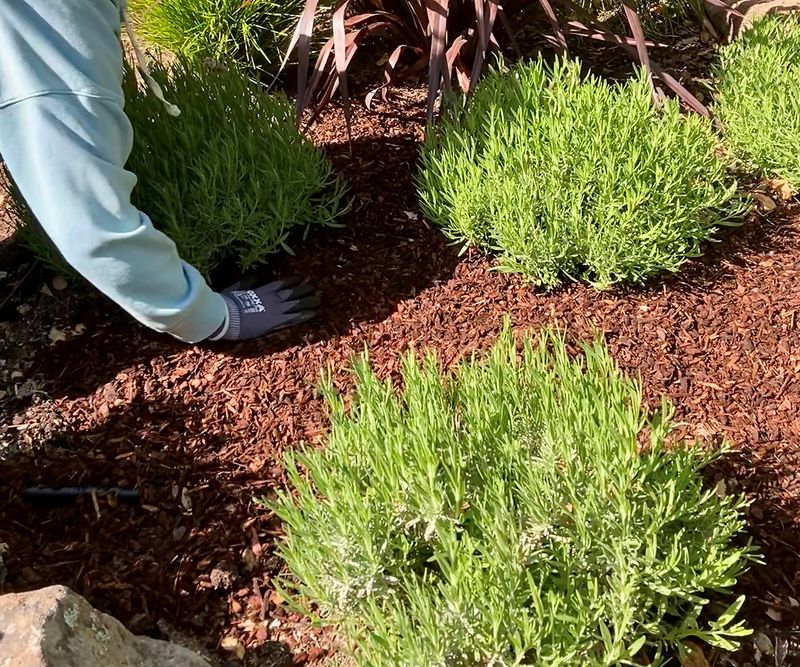
Anyone who has walked through a California garden on a warm afternoon and pressed their hand to a bare patch of soil knows how hot that ground can get.
Exposed soil absorbs heat rapidly, and that heat accelerates moisture loss from the top several inches where most plant roots are actively feeding.
Even a garden that was watered the evening before can feel bone dry by midday if patches of ground are left uncovered.
Bare spots often develop gradually. Mulch shifts, thins out near the edges of beds, or gets pushed aside by foot traffic, birds scratching around, or seasonal cleanup.
What starts as a small gap can widen over weeks, and by the time summer heat is at its peak, those patches are working against everything else you are doing to conserve water.
Your California Garden Changes Every Week. Your Plan Should Too.
Gardening in California changes quickly throughout the season. Every Friday you’ll receive a simple weekly plan showing exactly what to plant, prune, fertilize, harvest, and protect so you never miss the right timing.
In gardens where water costs are real and drought conditions can return quickly, bare patches are worth addressing early in the season.
Filling them in with fresh mulch before temperatures rise creates a more even layer across the bed, which means the entire planting area holds moisture more consistently.
Vegetable gardens and raised beds are especially prone to developing bare spots as plants are harvested or rotated, so checking coverage regularly through the growing season helps keep evaporation from undoing your irrigation efforts.
3. Thin Mulch Layers Do Not Hold Moisture For Long
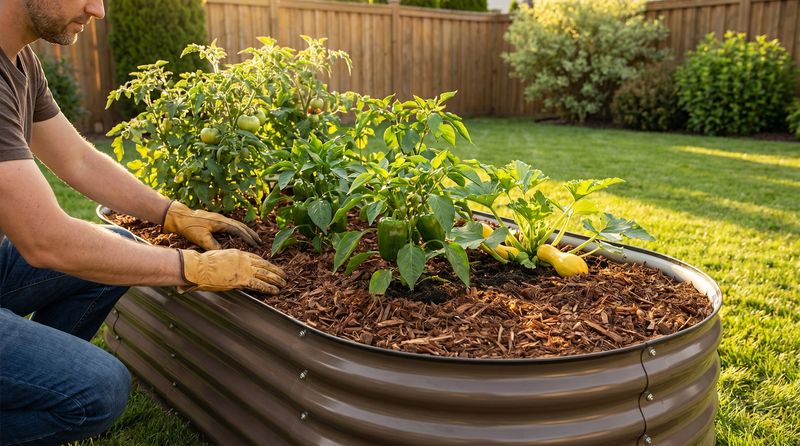
Spreading mulch just an inch or so deep might seem like a reasonable effort, but that thin a layer loses its moisture-holding ability surprisingly fast.
Within days of irrigation or rainfall, a shallow mulch layer dries out from the top down, and once it is dry all the way through, it offers very little insulation to the soil beneath it.
The soil then heats up, moisture evaporates, and plant roots begin to feel the stress of inconsistent moisture levels.
California summers are long, and the gap between rain events can stretch for months in many parts of the state.
A thin mulch layer that might hold up reasonably well in a wetter climate simply cannot do enough work in a garden where every inch of soil moisture counts.
The protective barrier needs enough depth to stay cool and slightly moist in the middle, even when the surface dries out.
Most horticultural guidance for California suggests that wood chips, shredded bark, and similar organic mulches perform better when applied at a consistent depth across the entire bed rather than scattered lightly.
A deeper, even layer creates a more stable buffer between the soil and the air above it.
Checking depth with a ruler or your fingers before the hot season starts can help you decide whether a top-up is worth doing before conditions get challenging for your plants.
4. Worn-Down Mulch Stops Helping Once It Breaks Down Too Far
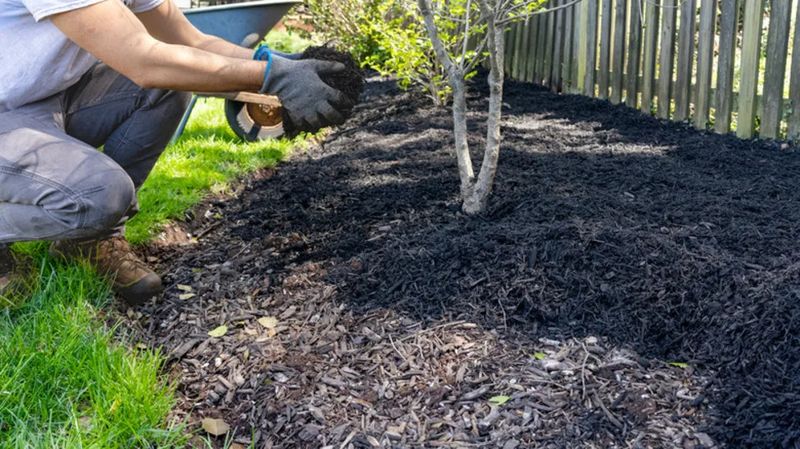
Organic mulch does something useful as it breaks down. It adds nutrients to the soil and improves soil structure over time.
But once it has decomposed to the point where it looks more like fine soil than mulch, it has lost most of its ability to slow evaporation. At that stage, the bed is essentially uncovered, even though it may not look that way at a glance.
Mulch that has broken down too far can actually make things worse in some situations. Fine decomposed material can compact on the surface, forming a layer that sheds water rather than absorbing it.
In California gardens where irrigation needs to reach roots efficiently, that kind of surface barrier slows infiltration and can lead to runoff. The result is that plants receive less water than intended, and the soil dries out faster between watering sessions.
Keeping track of how old your mulch is and what it looks like at the base of the layer is a helpful habit.
In warm California climates, organic mulches can break down faster than they would in cooler regions, especially in beds that stay moist or receive regular irrigation.
Refreshing the mulch layer before it degrades completely is more effective than waiting until the bed looks bare.
Adding a few inches of fresh material on top of partially decomposed mulch is usually all it takes to restore the moisture-holding function of the bed.
5. Patchy Coverage Creates Hot Dry Spots Between Plants
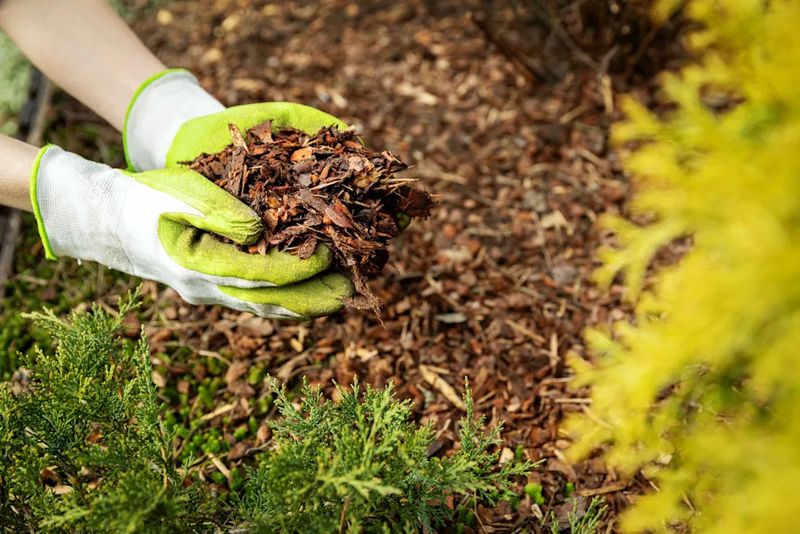
Uneven mulch coverage is one of those problems that builds slowly and shows up in ways that can be easy to misread. When some areas of a bed are well covered and others are not, the exposed spots heat up faster and lose moisture more quickly.
That uneven drying can stress plants whose roots extend into those bare zones, even if the area directly around the base of the plant looks fine.
Hot dry spots between shrubs or perennials are especially common in California gardens that were mulched in a hurry or where mulch was applied around individual plants rather than across the entire bed.
The gaps between plants may seem unimportant, but roots spread wide, and those in-between zones matter for overall plant health and soil moisture retention.
When hot spots develop, the wetting-and-drying cycle in that area speeds up noticeably.
Correcting patchy coverage is straightforward once you identify where the gaps are. Walking the bed after a dry stretch and feeling for areas where the soil is notably warmer or harder will point you toward spots that need attention.
Filling those gaps with fresh mulch, leveling out the layer across the whole bed, and making sure coverage extends to the edges of the planting area rather than just the center can reduce those hot spots significantly.
Getting this right before the warmest part of the California summer arrives can make a real difference for your soil moisture all season long.
6. The Right Mulch Depth Makes A Bigger Difference Than Most Gardeners Expect
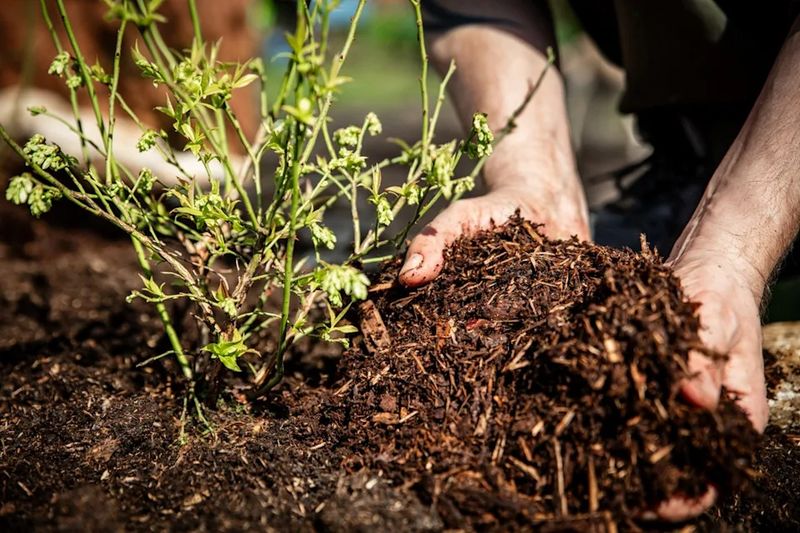
Getting mulch depth right is one of those details that sounds minor but plays a significant role in how well a California garden holds moisture through dry periods. A layer that is too shallow dries out quickly and provides minimal insulation.
A layer that hits the right depth, however, can hold the soil beneath it noticeably cooler and moister for days longer than a thin application would.
For most organic mulches used in California ornamental and edible gardens, a depth somewhere in the range of two to four inches is commonly cited as effective for moisture retention.
Coarser materials like wood chips may perform well toward the deeper end of that range, while finer materials may compact and need less depth to be effective.
The specific results will vary depending on soil type, sun exposure, irrigation frequency, and the time of year.
One practical approach is to measure depth in several spots across the bed rather than just at the edges where mulch tends to pile up. It is common for coverage to be thicker near borders and shallower in the middle of a bed.
Evening out those differences before hot weather arrives helps the whole planting area benefit more consistently from the insulating effect of the mulch layer.
In gardens where dry spells can stretch for weeks, that consistency can reduce how often you need to run the irrigation system.
7. Overly Thick Mulch Can Create Problems Of Its Own
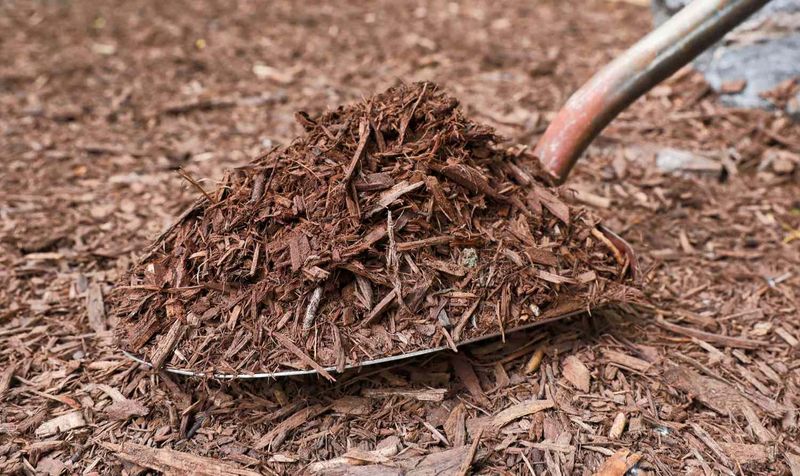
More is not always better when it comes to mulch, and California gardens can run into trouble when layers are piled on too generously.
A very thick application, especially when mulch is mounded against plant stems or tree trunks, can trap moisture in ways that encourage rot and create conditions that are unfavorable for plant health.
It can also make it harder for rain or irrigation water to penetrate through to the soil below.
Extremely thick mulch layers can also become hydrophobic when they dry out completely. This happens when the outer layer of organic material dries to the point where it repels water rather than absorbing it.
In a California summer, a deeply piled mulch bed that has gone dry on top may shed water during irrigation, leaving the soil below drier than it would be with a more moderate layer.
Keeping mulch pulled a few inches back from the base of plant stems and tree trunks is a widely recommended practice for California gardens. It allows air circulation around plant bases and reduces the risk of moisture-related problems at the crown.
For most home garden situations, staying within the recommended depth range and spreading mulch evenly rather than piling it deep in certain spots will give you better results.
Moderation and even distribution tend to outperform the instinct to pile on more material when soil moisture is a concern.
8. A Simple Mulch Refresh Can Help Beds Hold Moisture Longer
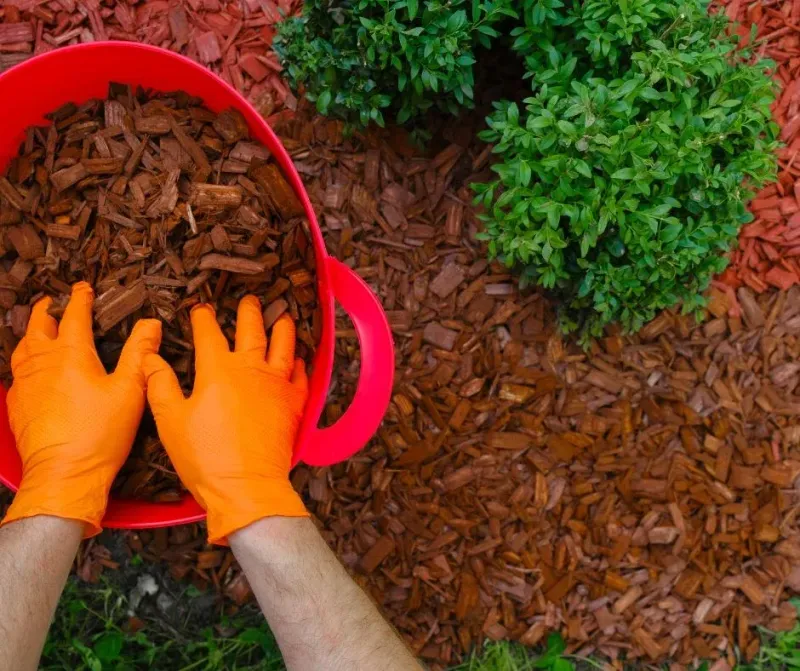
Refreshing mulch does not have to be a major project.
For most California home gardens, topping up an existing layer with a few inches of fresh material is enough to restore the moisture-holding benefits that the bed may have lost as the old mulch broke down or thinned out over the season.
Doing this before the hottest stretch of summer rather than after the damage is already visible tends to give better results.
The timing of a mulch refresh can matter in California. Applying fresh mulch after a good watering or following a rare spring rain allows the soil to start the season with some stored moisture already in place.
Locking that moisture in under a fresh layer gives plants a better buffer going into dry months. Waiting until summer is fully underway and the soil has already dried out deeply means the mulch has less moisture to protect in the first place.
Choosing the right material for your refresh also plays a role. Coarse wood chips tend to last longer before breaking down and generally allow water to pass through more easily than fine materials.
Shredded bark and similar products work well for ornamental beds and shrub borders across many California climates.
Whatever material you choose, spreading it evenly, checking depth across the whole bed, and keeping it clear of plant bases will help your garden hold onto soil moisture through the long dry season more effectively.