7 Things Around Your Arizona Home That Invite Pack Rats Inside Before Winter
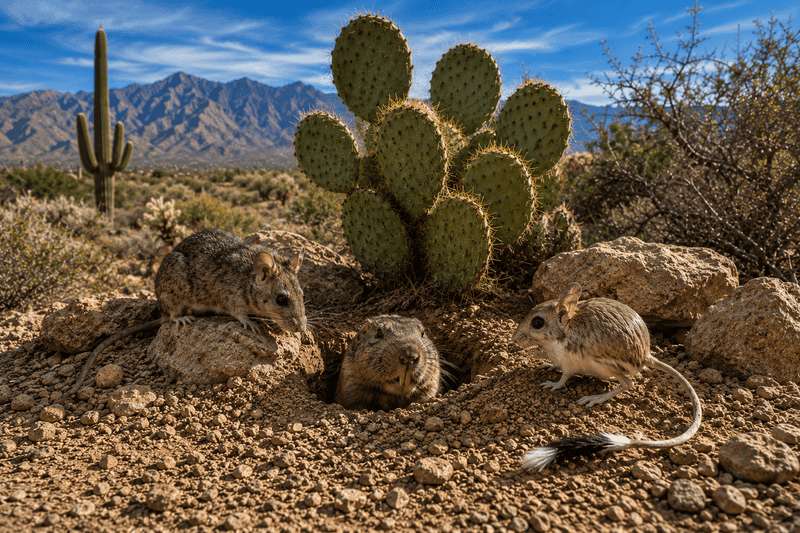
One small desert rodent will swap a shiny bottle cap for a stick it was carrying, then haul the treasure home. Its stick piles, called middens, can sit in dry caves and stay preserved for thousands of years.
Scientists in Arizona actually study those ancient piles to learn which plants grew here during past ice ages. I love how a messy nest turned into a priceless record, though I would rather not host one myself.
As nights cool in October, this furry collector starts shopping for warm, quiet real estate near people. You might notice chewed wires or scattered cactus bits before you ever spot the culprit in your Arizona yard.
I have to admit my own garage once looked like a five-star resort for these night visitors. So which common things around your house are quietly rolling out the welcome mat right now?
1. Spilled Birdseed And Outdoor Pet Food Bowls
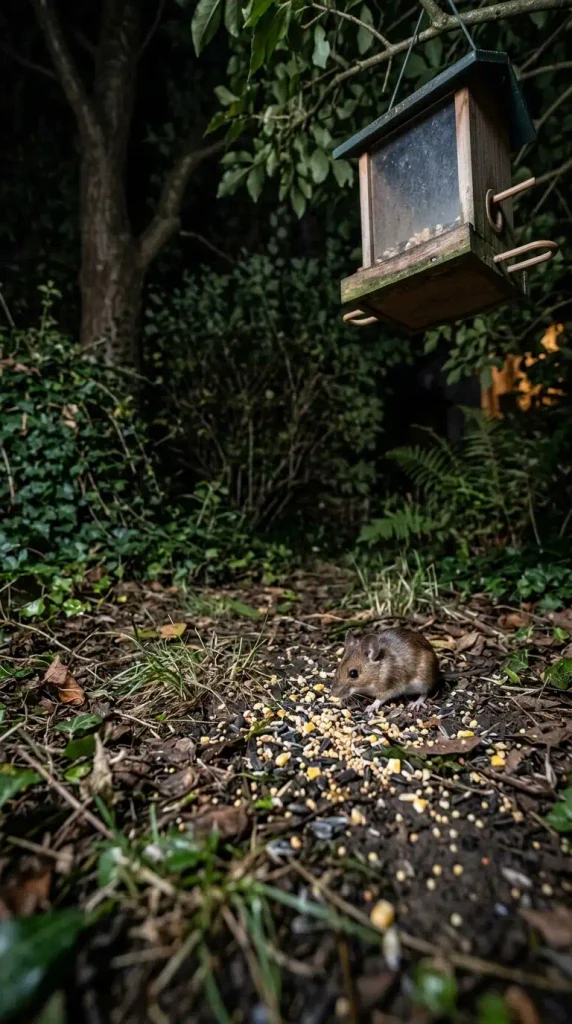
I adore watching finches and quail crowd my feeder, but the seed they drop feeds far more than birds after sunset. Pack rats are mostly nocturnal, so they quietly clean up those scattered seeds once your feathered friends go to roost.
Pet food left outside overnight works the same way, offering an easy, calorie-rich meal with no foraging required. I now bring my dog’s bowl inside every evening, and the little footprints near my back step have mostly disappeared.
Fallen citrus and ripe garden vegetables can also tempt these rodents, especially when fruit sits on the ground for days. Pick up dropped oranges and grapefruit regularly, and harvest your fall tomatoes and squash before they soften on the vine.
Trash cans deserve attention too, since loose lids give curious noses a free buffet behind the garage every single week. Choose bins with tight lids, and rinse sticky containers before tossing them into the outdoor can for collection.
Try placing a wide tray under your feeder to catch most of the seed before it reaches the gravel. You still enjoy your birds, while the late-night snack bar mostly closes down before cold weather settles across your neighborhood.
2. Leaky Hose Bibs And Dripping AC Lines
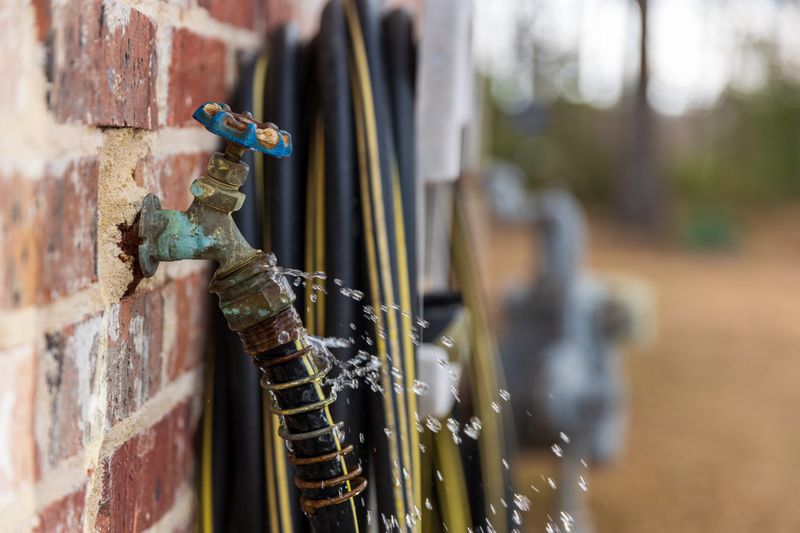
Water in the desert acts like a glowing neon sign for wildlife, and one slow drip can be surprisingly popular. A leaky hose bib or a puddle under an AC condensate line gives pack rats a steady drink without much effort.
Many people assume these rodents need open water, yet they often get moisture from juicy plants like prickly pear and cholla. Even so, a reliable puddle near your foundation makes your yard more appealing than the dry neighborhood around it.
October is a great time to walk your property with a flashlight after dark and look for damp spots. Check drip irrigation emitters, hose connections, and pet water bowls, since each one can create a tiny oasis near your walls.
Replacing a worn faucet washer costs very little, and I promise it feels satisfying once the dripping finally stops. Redirect AC condensate lines away from the house, or let them water a tree planted well out in the yard.
Pet water bowls can simply come indoors overnight, since your dog or cat rarely needs them outside after dark. Fewer wet spots near the walls mean fewer reasons for thirsty visitors to linger close to your doors and vents.
3. Woodpiles And Yard Debris Stacked Near Walls
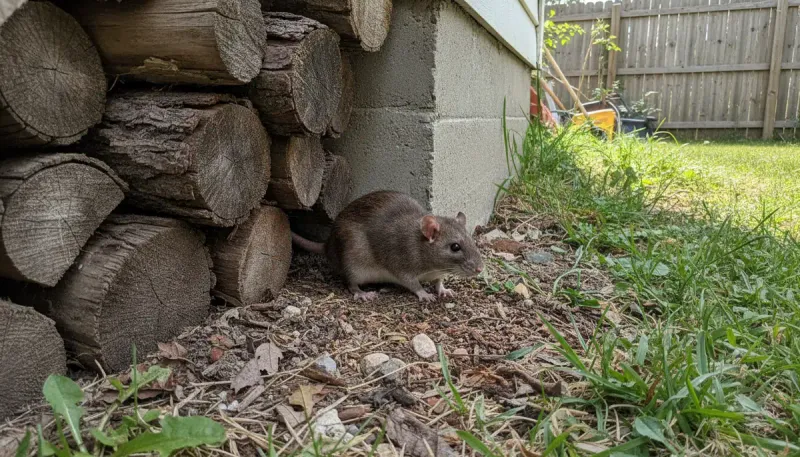
Pack rats are master builders, and their middens can grow into hefty heaps of sticks, cactus joints, and random trinkets. Your firewood stack or forgotten pile of pruned branches looks like premium building supplies delivered straight to their door.
Seed pods, dry leaves, and old boxes add even more cozy material for a winter nest that stays protected and dark. Personally, I was shocked to find a shiny spoon and a dog toy tucked inside a midden behind my shed.
Store firewood on a raised rack at least a foot off the ground and away from your house walls. That small gap lets you see underneath easily and makes the pile feel exposed to rodents who prefer hidden corners.
Fall pruning is perfect timing, but haul the clippings away or chip them instead of leaving them stacked for weeks. Old pots, lumber scraps, and broken furniture should go too, since clutter offers more hiding spots than you might expect.
Wear gloves and a mask when you clear an old midden, because rodent droppings can carry disease worth avoiding. Lightly dampen the material with a disinfectant first, which keeps dust from drifting up while you bag everything for the trash.
4. Gaps Around Pipes Vents And Garage Doors
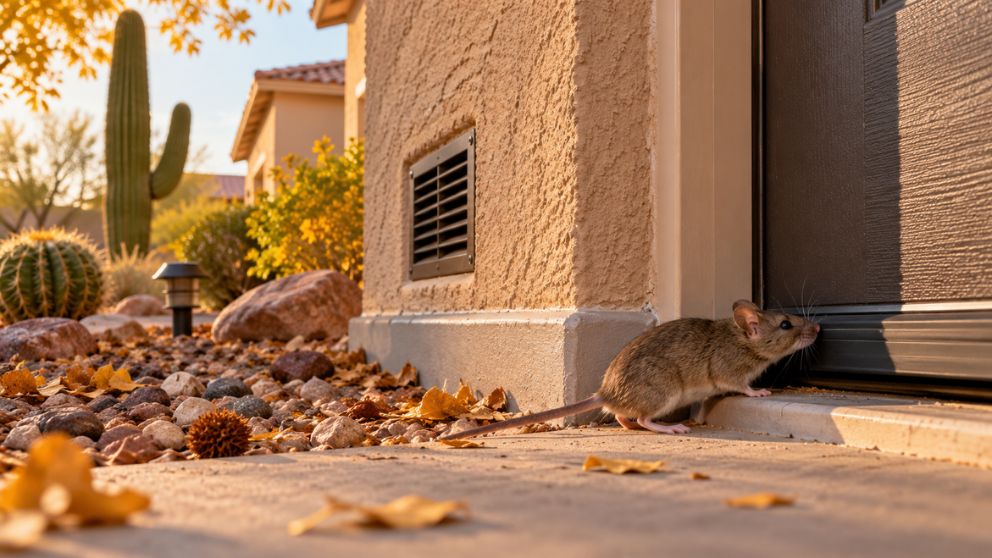
A pack rat can squeeze through an opening not much bigger than a quarter, which still amazes me every time. That means the tiny gap around your AC line or under a worn garage seal is basically a front door.
Attic vents, roof returns, and soffits are other favorite entry points, especially on tile roofs common across many desert homes. Once inside, rodents enjoy warm insulation and quiet space, plus plenty of wiring to chew when their teeth need attention.
Grab a flashlight and stand inside your dark garage on a sunny afternoon this month. If you see daylight sneaking under the door or around frames, a hungry rodent can probably find that same weak spot.
Seal small holes with copper mesh or hardware cloth, since rodents often chew straight through foam and caulk. Replace cracked garage door seals, and cover vents with sturdy quarter-inch metal screening for a lasting fix that holds up well.
I like doing this check before the first chilly snap, because the job feels easy while afternoons stay pleasant. Waiting until January often means you are evicting a tenant instead of simply locking the door before anyone moves in.
5. Rarely Driven Cars And Idle Lawn Equipment
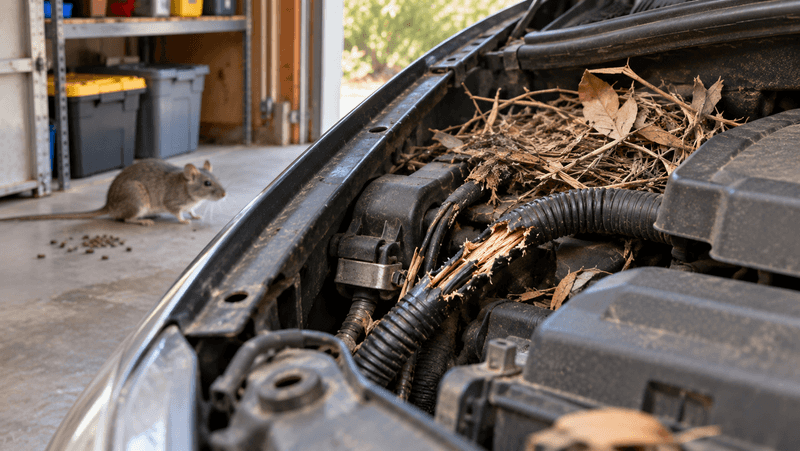
Nobody wants to pop the hood and discover a nest of twigs and cactus spines sitting on the engine. Sadly, that surprise happens often enough in desert towns that mechanics swap stories about chewed wiring every single fall season.
A car that sits for weeks offers a warm, sheltered engine compartment that pack rats find hard to resist. Some vehicle wiring uses soy-based insulation, and many owners report rodents chewing it, though experts still debate how much that matters.
Driving your car a few times each week disturbs any nest builders before they get comfortable under the hood. Leaving the hood up overnight in a garage can also help, since bright open spaces feel risky to a cautious rodent.
Riding mowers, generators, and old boats deserve a quick peek too, because idle equipment works like a free cabin. I lift tarps and check under seats once a week, which takes minutes and has saved me from expensive repairs.
Some homeowners place bright work lights under a parked car, since many rodents dislike exposed, illuminated spaces at night. Results vary, so combine lights with frequent driving and a tidy garage instead of relying on just one trick alone.
6. Prickly Pear And Shrubs Hugging The House
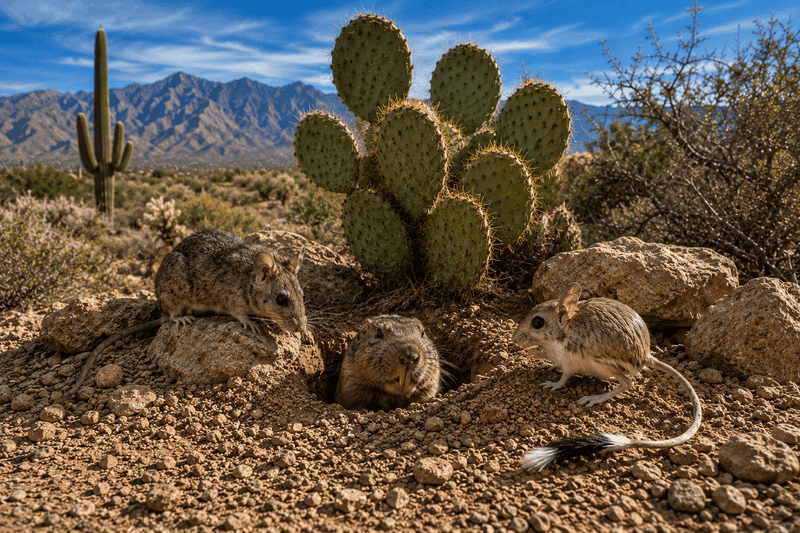
Pack rats have a clever relationship with cactus, piling spiny cholla and prickly pear pieces around their nests for protection. Coyotes and snakes think twice before poking a nose into that thorny fortress, which makes the strategy surprisingly effective.
Trouble starts when big cactus and thick shrubs grow right against your stucco walls or under the eaves. Vines and overhanging branches also work like little bridges, giving agile climbers an easy route up toward your roof and attic vents.
I adore native plants and would rather not see anyone rip them out, because they feed pollinators and need little water. Instead, give them space by trimming shrubs a foot or two from walls and cutting branches back from the roofline.
Check the base of large prickly pears for messy stick piles, which often signal an active midden hiding underneath. Fall planting season is also ideal for placing new desert plants farther from the house, where they still look gorgeous.
That buffer zone keeps your landscape beautiful while removing the shady highways that guide rodents toward your home. You keep the wildlife benefits of natives, and your attic stays a much less tempting destination for cold-weather house hunters.
7. Cluttered Sheds Attics And Storage Boxes
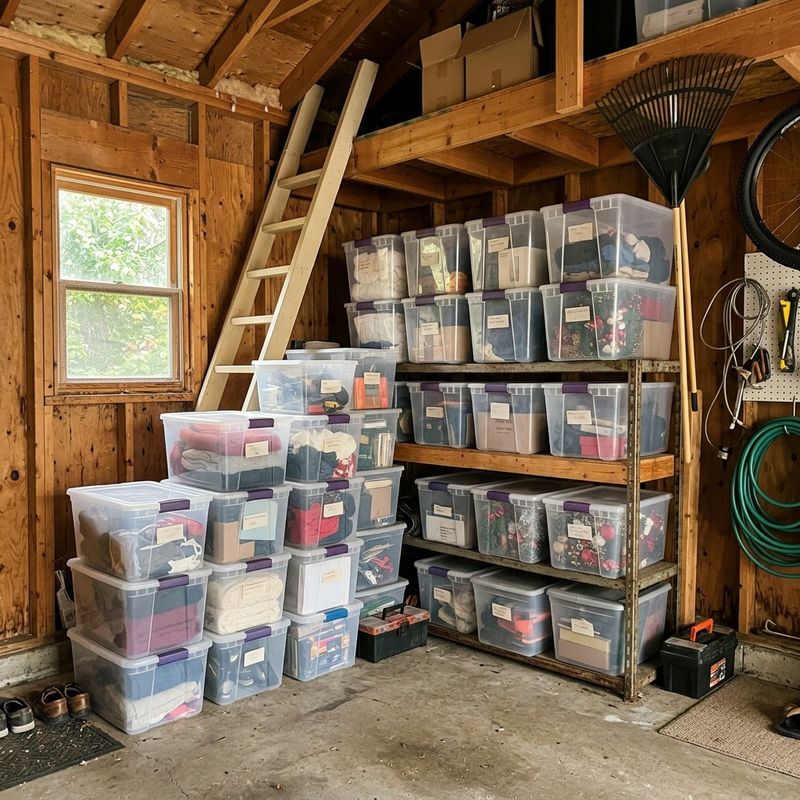
Cardboard boxes stuffed with holiday decorations look boring to us, but they resemble a luxury apartment to a rodent. Dark, quiet spaces like sheds, attics, and crawl spaces become extra inviting once evening temperatures start sliding downward.
Pack rats will shred cardboard, paper, and old fabric to line their nests and raise young in safety. I once opened a box of camping gear and found a sleeping bag turned into fluffy bedding with chewed edges.
Switching to sturdy plastic bins with snug lids makes a huge difference, and it keeps your belongings clean too. Store bins on shelves above the floor, leaving open space underneath so you can spot droppings or nesting material quickly.
Visit your shed and attic every few weeks this fall instead of letting them sit untouched until spring cleaning. Regular footsteps and opened doors disturb the quiet that pack rats crave, encouraging them to look for shelter somewhere else.
If you find signs of nesting, snap traps placed along walls remain a common, effective choice recommended by many extension experts. For large infestations, a licensed pest professional in Arizona can help you remove rodents safely and seal problem areas for good.