That Overlooked Calendula In Your Arizona Garden Was Defending It All Along
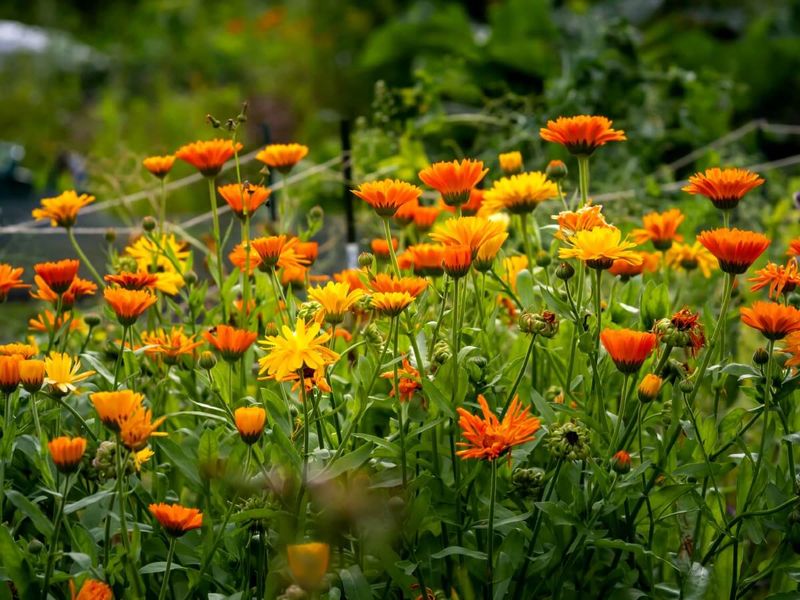
Calendula officinalis, the cheerful pot marigold, has been quietly earning a more interesting reputation than its looks suggest. A laboratory study found that steam-distilled essential oil from its dried flowers suppressed every one of 23 yeast strains tested, which sounds dramatic until you understand what that result actually means.
The flower growing in your Phoenix or Tucson yard is not a chemical shield against scorpions or fungal disease, but it does have a real, if narrower, story worth knowing. Understanding the difference between a lab finding and a backyard benefit helps you get the most from this cool-season annual without expecting miracles.
Meet the pot marigold behind the claim
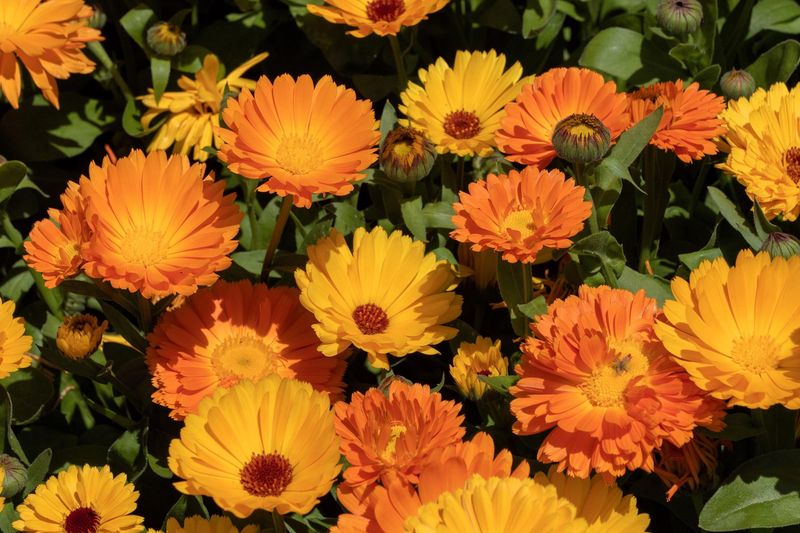
Calendula officinalis goes by the common name pot marigold, and the name alone causes confusion in Arizona yards. Many gardeners hear “marigold” and picture the Tagetes species sold in every big-box garden center, the ones often marketed as pest-deterring companion plants.
Pot marigold is a different plant entirely, originating in southern Europe and the eastern Mediterranean, with no native foothold in North America.
The confusion runs a second direction as well. Arizona has its own native marigold, Baileya multiradiata, commonly called desert marigold.
That plant is drought-adapted and heat-resilient in a way Calendula officinalis simply is not. Sharing a common-name fragment does not make them botanical relatives with shared properties.
What this article examines is a laboratory antimicrobial finding tied specifically to Calendula officinalis essential oil, not a claim that any marigold protects an Arizona yard from pests. Pot marigold has genuine value as a seasonal garden flower, and that value deserves an honest frame rather than borrowed credibility from research it cannot fully support.
What the 23-yeast study actually found

Researchers steam-distilled essential oil from dried Calendula officinalis flowers, then placed 15 microliters of that oil onto paper disks set on agar plates seeded with yeast strains. The strains included multiple Candida species and Rhodotorula isolates, several taken from human clinical samples.
After incubation, every one of the 23 strains showed a measurable clear zone around the disk, meaning the oil suppressed yeast growth in that immediate area.
Inhibition zones ranged from 11 to 30 millimeters, which tells you the oil had an effect and gives you a rough sense of potency differences between strains. What it does not tell you is whether that effect would persist in soil, on a plant surface, on skin, or inside a person.
Agar disk diffusion is a screening method, useful for identifying candidates worth studying further, not for measuring real-world effectiveness.
The result supports a precise statement: calendula essential oil showed in-vitro antifungal activity against 23 yeast strains. It does not support saying the oil kills yeast in a reliable clinical sense, and it says nothing about a living calendula plant releasing protective compounds into a garden.
The flower in your yard and the steam-distilled oil applied to a laboratory disk are not the same thing, and treating them as equivalent skips several important steps of research that have not yet happened.
Why the quarter-grain comparison misleads

The hook that calendula oil shuts down 23 yeast strains with just a quarter of a grain of salt sounds vivid and precise. The problem is that it converts a laboratory measurement into a mass comparison that the study never made and never validated.
Your Arizona Garden Changes Every Week. Your Plan Should Too.
Gardening in Arizona changes quickly throughout the season. Every Friday you’ll receive a simple weekly plan showing exactly what to plant, prune, fertilize, harvest, and protect so you never miss the right timing.
The methods section of the study specified 15 microliters of essential oil per paper disk. A results passage in the same paper appears to label that amount as 15 micrograms, which is a different unit entirely and likely a typographical inconsistency in the publication.
One-quarter of a grain is roughly 16.2 milligrams, a mass that does not straightforwardly correspond to either figure the paper used.
More fundamentally, 15 microliters placed on a paper disk in a controlled laboratory setting is not a dose administered to a person, a quantity added to garden soil, or a concentration measured around a living plant. Converting that volume into a grain-of-salt comparison makes the number feel accessible, but it also implies a precision and a relevance that the study’s design cannot support.
The study measured whether the oil inhibited yeast growth on an agar plate. Any comparison that moves beyond that specific context, whether to human dosing or garden application, requires research that does not yet exist in the sources available.
Laboratory antifungal activity does not defend an Arizona yard
One of the more persistent slips in plant research communication is treating a result from one preparation as though it applies to all related products. Steam-distilled essential oil, flower petal extract, tincture, and infused oil are distinct preparations with different chemical profiles.
The 23-strain result belongs specifically to the steam-distilled oil tested in that study, and it does not automatically extend to a calendula tea, a jar of homemade infused oil, or fresh petals placed around vegetable beds.
Related research on calendula petal extracts has also reported antifungal activity, but those studies used prepared laboratory extracts and in-vitro assays as well, not garden plantings or field conditions. The pattern of laboratory interest in calendula antimicrobials is real; the translation to practical garden protection is not.
A randomized trial did compare a calendula vaginal cream against clotrimazole for vaginal candidiasis, but that study used a formulated pharmaceutical-grade product under clinical supervision, not a homemade preparation. Its results do not validate replacing established medical treatment with garden-derived oil.
Nothing in the available research connects calendula, in any form, to control of scorpions, mosquitoes, ticks, or the household pests most relevant to Arizona homeowners. The organisms tested were yeast strains.
The leap from yeast inhibition in a petri dish to arthropod deterrence in a Phoenix backyard is not a small one, and no cited evidence bridges it.
Its strongest garden role is seasonal habitat

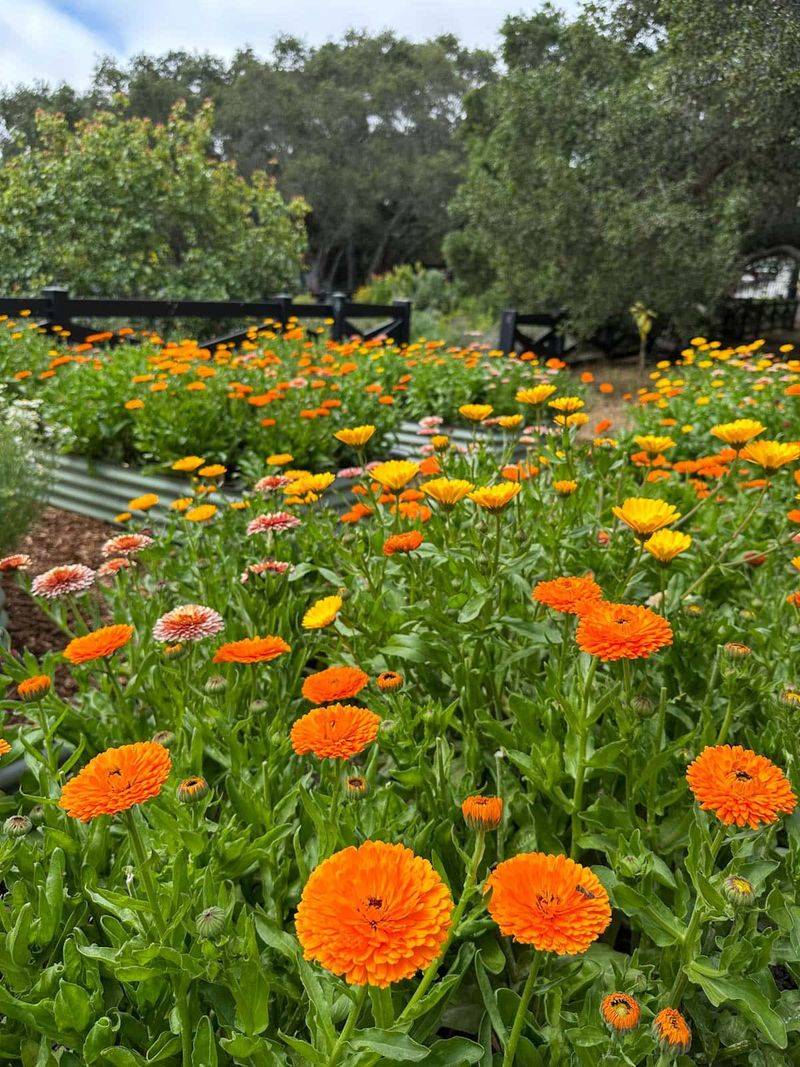
Strip away the antimicrobial framing and calendula still earns a place in a thoughtfully planted Arizona yard, just on different grounds. The flowers produce nectar and pollen that attract bees, butterflies, and other beneficial insects during the cooler months when many other blooms are absent from low-desert gardens.
The claim that calendula deters insects from neighboring plants is a separate matter. University of Wisconsin Extension notes that this companion-planting idea has not been scientifically verified, even though it circulates widely in gardening communities.
Supporting beneficial-insect habitat and actively repelling pests from nearby plants are two different outcomes, and only the first has reasonable support.
Beneficial insects drawn to calendula blooms, such as predatory wasps and hoverflies whose larvae consume aphids, may contribute to a healthier garden system over time. That contribution is real but indirect and conditional.
A few calendula plants will not guarantee pest suppression, and the effect depends on what other plants surround them, what pests are present, and how the broader garden is managed. Treating calendula as one modest piece of an integrated planting strategy is accurate; treating it as a biological pest shield is not.
Grow calendula during the low desert’s cool season
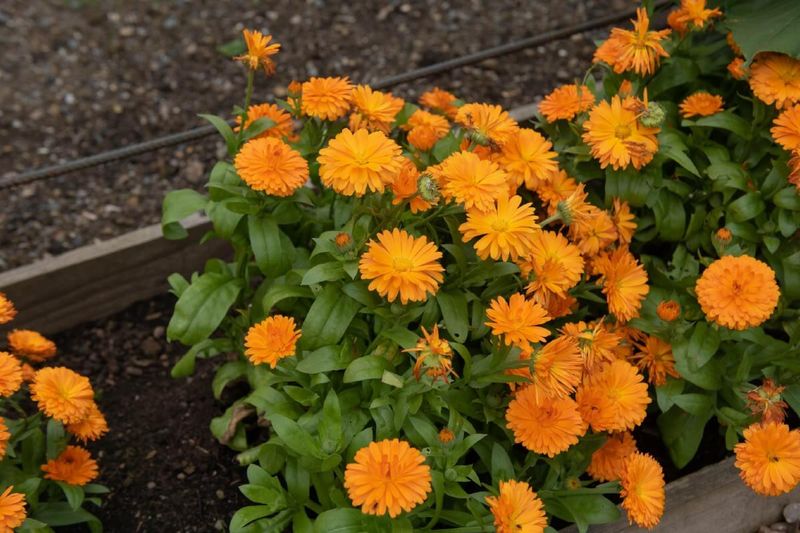
Calendula prefers temperatures below about 85 degrees Fahrenheit, which immediately tells you something important about timing in Phoenix and Tucson. Summer is not the season for this plant.
Fall through spring is the practical planting window for low-desert Arizona, based on the plant’s temperature preference and the region’s climate rather than on a direct Arizona-specific calendula trial.
Start seeds or transplants in October or November once daytime highs drop into a comfortable range, and expect blooms to carry through late winter and into spring before heat shuts the plant down. Direct sowing works well because calendula germinates readily in cool soil, and the seedlings establish quickly.
As temperatures climb toward late spring, flowering slows and the plants decline.
Soil preparation matters more than many gardeners expect. Caliche layers and poor drainage are common constraints in low-desert beds, and calendula roots sitting in waterlogged soil will rot.
Well-drained amended beds or containers are safer bets than unamended native soil. Afternoon reflected heat from walls or pavement can shorten the plant’s season further, so a spot with morning sun and some afternoon shade buys extra weeks of bloom.
Regular irrigation produces noticeably better growth and flowering than minimal watering does. Calendula can tolerate some dry spells, but calling it drought-proof overstates the case.
Deadhead spent flowers consistently to keep new buds coming, and allow a few late blooms to mature and drop seed if you want volunteer plants the following cool season.
Choose native desert marigold for a different goal
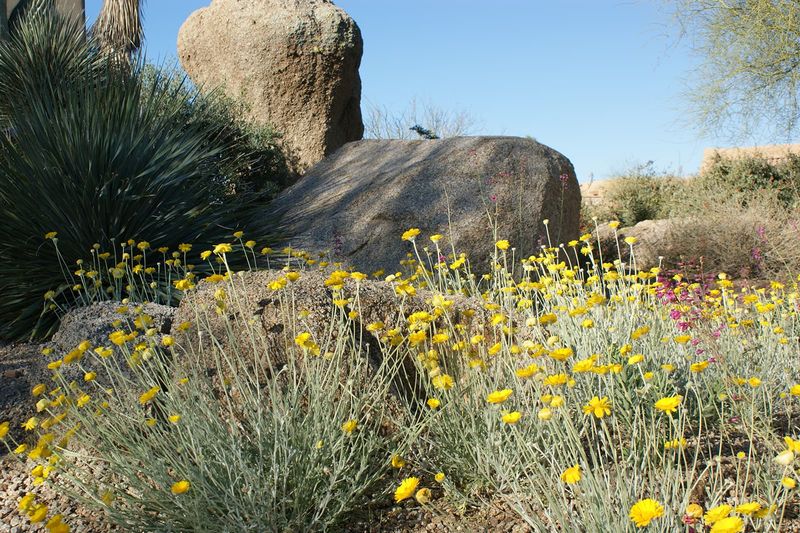
Baileya multiradiata, the plant Arizonans call desert marigold, shares a common-name fragment with calendula but belongs to a completely different genus with a completely different ecological profile. It grows natively across the Sonoran and Chihuahuan deserts, tolerates full summer heat, and requires far less supplemental water once established in well-drained desert soil.
For homeowners whose primary goal is heat-resilient habitat that supports pollinators through the brutal Arizona summer, desert marigold is a more regionally appropriate choice than Calendula officinalis. Its long bloom season, from spring through fall with monsoon encouragement, fills a gap that calendula simply cannot cover because pot marigold declines when summer begins.
One distinction must be stated clearly: desert marigold does not inherit any of calendula’s essential-oil research. The antifungal laboratory work discussed in earlier sections involved steam-distilled Calendula officinalis oil.
Baileya multiradiata has its own botanical identity and its own research record, which should not be conflated with pot marigold’s. Choosing desert marigold for its heat tolerance and native habitat value is well-supported; borrowing calendula’s antimicrobial reputation for it is not.
The two plants serve different purposes, and a thoughtful Arizona garden might include both at different times of year rather than treating one as a substitute for the other.
Plant-derived products still require caution
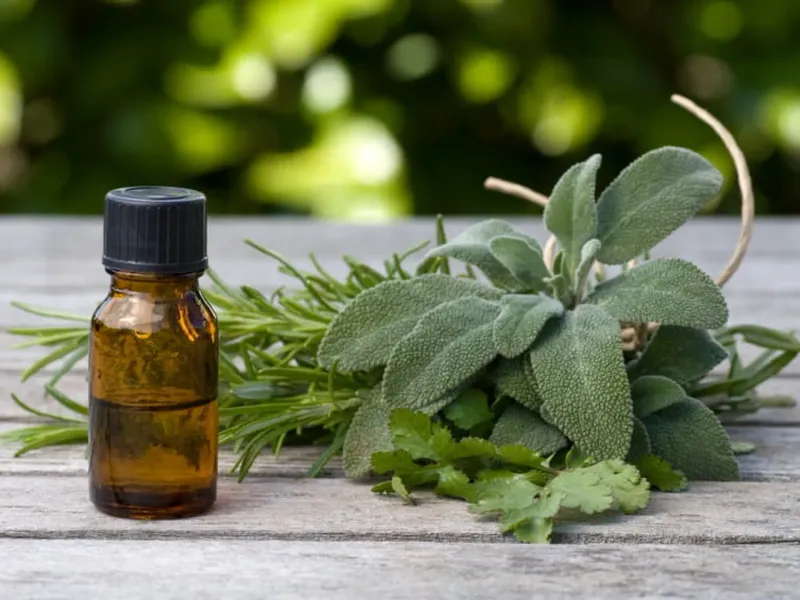
Growing calendula in a garden bed is low-risk for most people. Using concentrated products derived from it requires more care, and pure essential oil requires the most caution of all.
Pure essential oils can cause skin irritation and allergic reactions even in people who tolerate the plant itself, and applying them to broken, damaged, or already irritated skin is specifically risky. Poison Control guidance on essential oils advises following product directions carefully, diluting oils when the label calls for it, keeping all essential oils away from children and pets, and never applying them to damaged skin.
Swallowing essential oils can cause serious harm.
Calendula belongs to the daisy family, and people with allergies to related plants such as ragweed, chrysanthemum, or chamomile may react to calendula products as well. Memorial Sloan Kettering’s integrative medicine resources note that pregnancy and breastfeeding safety for calendula supplements has not been established, which means those situations call for extra caution and a conversation with a clinician before use.
None of these cautions are reasons to avoid the plant in a garden. They are reasons to keep garden enjoyment and improvised home treatment clearly separate.
A calendula bloom attracting a bee on a cool February morning is a straightforward pleasure. Applying homemade calendula oil to a rash or a suspected fungal infection is a different decision that a product label or a qualified clinician should guide, not a gardening article.
Let calendula help without making it a pest shield
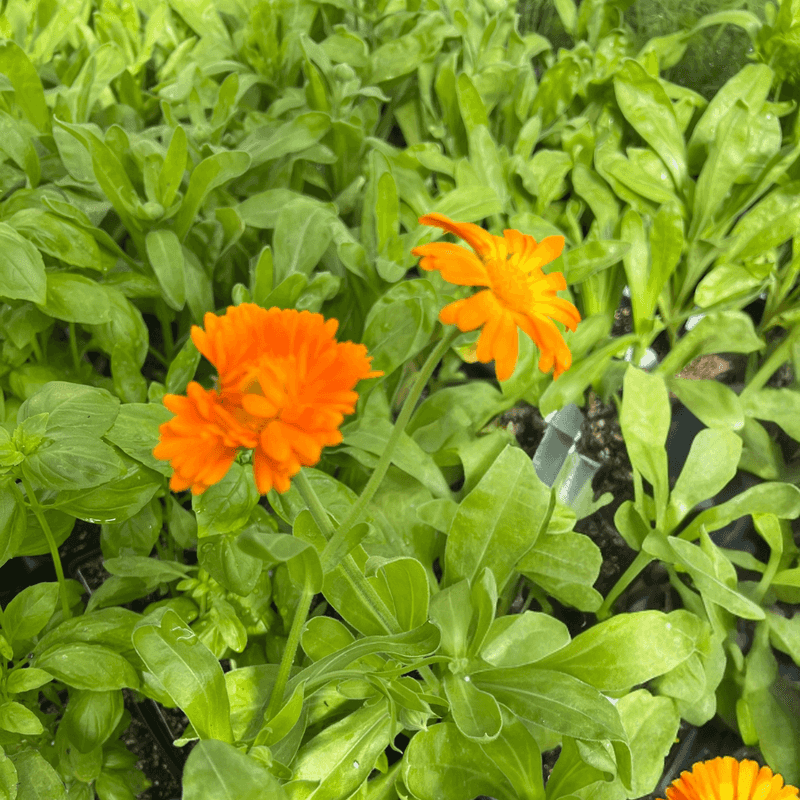
Calendula essential oil showed genuine laboratory inhibition against 23 yeast strains in a controlled in-vitro study. That result is worth knowing and worth stating accurately.
A pot marigold growing in an Arizona garden bed has not been shown to defend plants or homes from any pest, whether yeast, scorpion, mosquito, or aphid.
The practical choice is straightforward. Grow calendula from fall through spring when Phoenix and Tucson temperatures suit it, give it well-drained soil and regular water, and appreciate the pollinators and beneficial insects it draws during months when other blooms are scarce.
Pair it with native desert species like Baileya multiradiata to cover the seasons and habitat goals that calendula cannot reach on its own.
Integrated pest management, appropriate plant selection, and honest expectations will serve an Arizona yard better than any single plant’s unverified reputation. Calendula earns its spot as a seasonal cool-weather flower with real ecological value.
That is a modest claim, but modest claims have the advantage of being true.