7 Winter Blooming Plants For A California Window Box
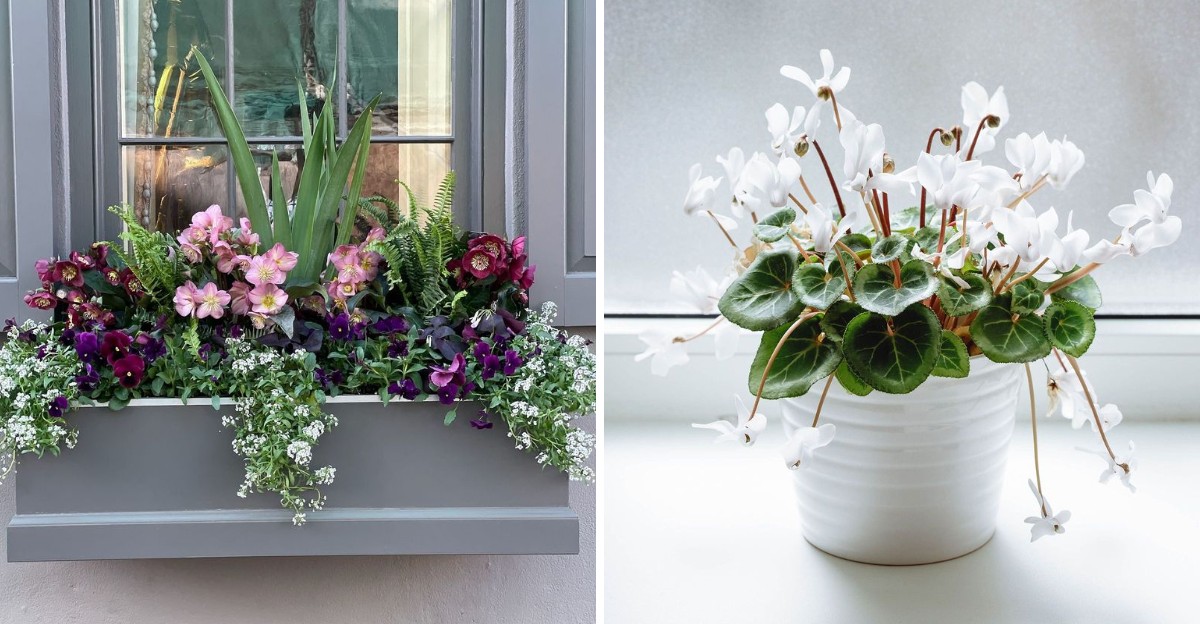
One cheerful winter flower closes its petals every night and during rainy weather, like a sleepy kid pulling up the covers. Another hides its blossoms facing downward, so you have to tip each flower up to admire its freckled center.
In much of California, winter is the real flower season for cool-loving plants that sulk in summer heat. Mild days and cool nights let many blooms last for months instead of fading in a few short weeks.
It’s amazing how much color a narrow box under a window can hold in January. You get to enjoy the show from your kitchen sink, warm mug in hand and no muddy boots required.
Some of these picks even feed hummingbirds, and one native grows wild on the islands off California’s coast.
Which winter bloomers deserve a front-row spot right outside your window this year?
1. Pansies And Violas
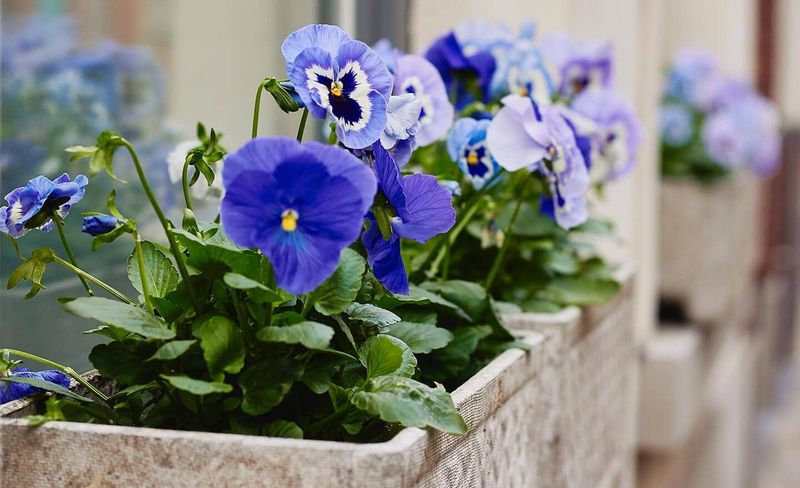
Those little blotched faces really do look like they are grinning at you through the glass on gray mornings. I have caught myself waving back at my pansies more than once, and I am not even a little embarrassed.
Pansies are Viola x wittrockiana, while their smaller cousins, the violas, often come from Viola cornuta breeding lines. Most plants stay about six to twelve inches tall, which keeps them tidy and perfect for a shallow window box.
In mild winter areas, these flowers often bloom from fall well into spring without taking a long break. They handle light frost with ease, so a chilly night in the foothills rarely slows them down much at all.
Give them a rich potting mix that drains well and stays slightly acidic for the happiest roots. Morning sun works beautifully, though afternoon shade helps them last longer if you garden in a warm inland valley.
Keep the soil evenly moist but not soggy, since soggy containers can quickly lead to rot problems. A diluted balanced liquid fertilizer every few weeks keeps fresh buds coming throughout the cooler months.
My favorite habit is pinching off faded flowers every few days while my coffee cools on the windowsill. That small chore stops seed production and pushes the plant to keep opening brand new blooms for you.
Here’s something worth knowing for families with curious pets or kids. Pansies are generally considered nontoxic, and the petals are even edible, so they look lovely sprinkled over a simple salad.
2. Cyclamen
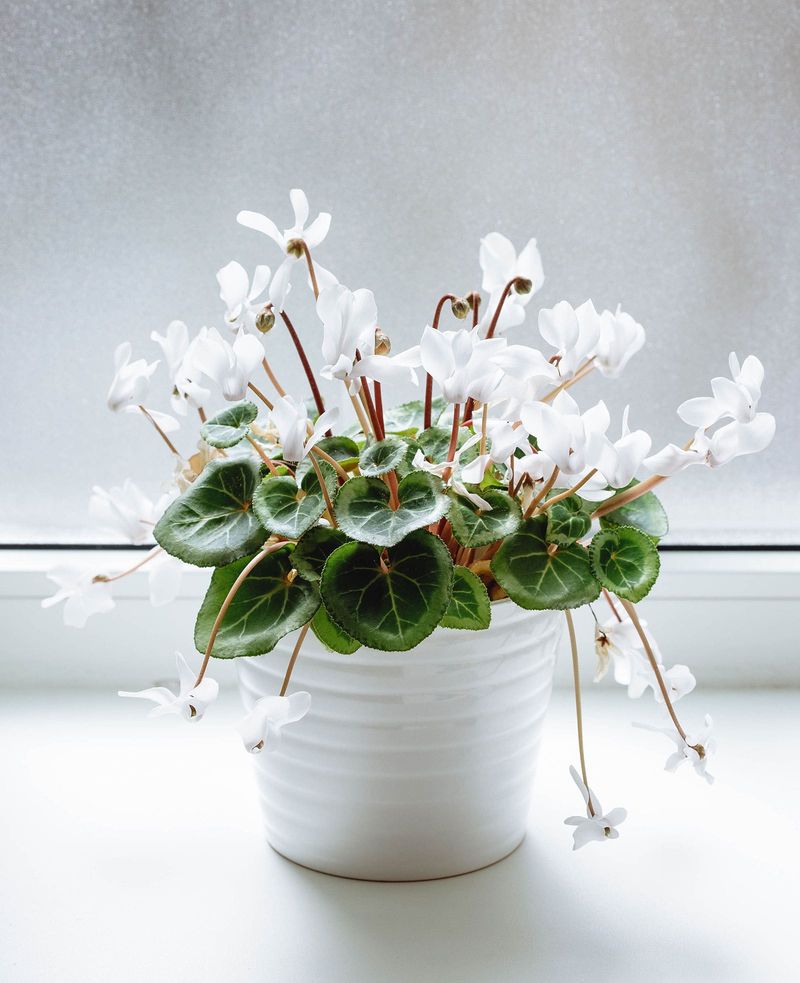
Swept-back petals make cyclamen flowers look like tiny butterflies frozen just before they take off into the air. Add those heart-shaped leaves with silvery swirls, and you have a plant that seems painted by hand.
Florist cyclamen, Cyclamen persicum, is the one you see stacked in garden centers during the holiday season each year. In mild coastal and southern areas, it grows happily outdoors in containers through the cool, rainy months.
What I find interesting is how these plants flip the usual calendar upside down compared with most flowers. They bloom from fall to spring, then rest underground as a tuber when the hot summer weather arrives.
Cool temperatures between about fifty and sixty-five degrees keep the blooms looking crisp for a very long time. A shaded window box or one with gentle morning light suits them far better than harsh afternoon sun.
Watering takes a little finesse, so aim the spout at the soil edge instead of the plant center. Wet tubers rot easily, and a soggy crown can quickly turn a gorgeous plant into a mushy disappointment.
When a flower fades, twist and pull the stem right down at its base instead of snipping halfway. Yellow leaves come off the same way, which keeps the plant tidy and encourages more buds to rise up.
One caution matters here, because all parts contain saponins that can upset stomachs in people and pets alike. Keep the window box out of reach if your dog likes to dig or nibble on houseplants.
3. Hellebore
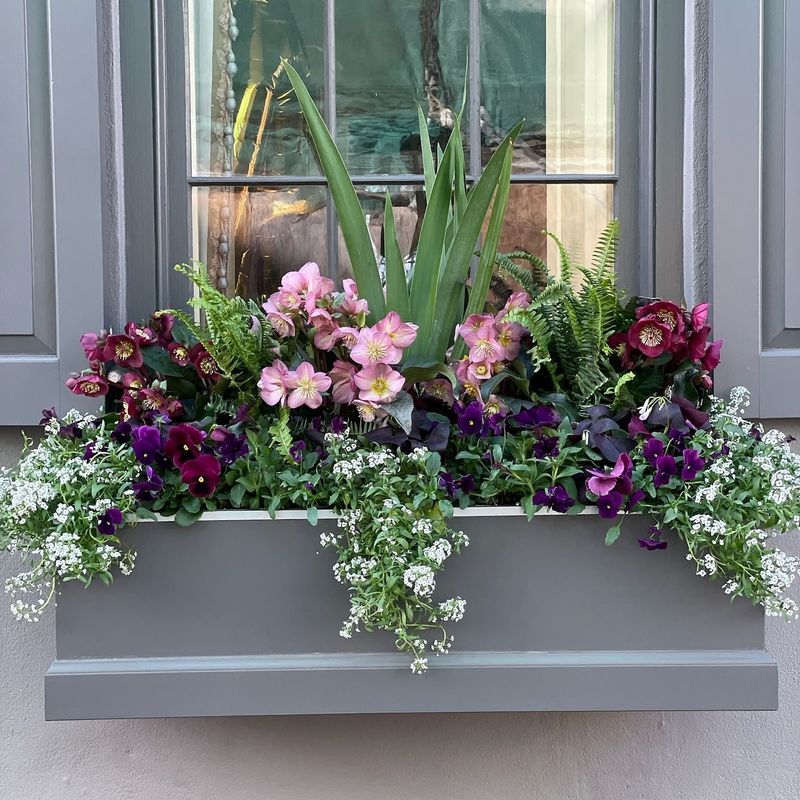
Gardeners have a funny habit of lying on the ground just to peek up into hellebore flowers. Many blooms nod downward, hiding speckles and veins that look like delicate watercolor work inside each petal cup.
Luckily, a window box solves that problem by lifting the flowers closer to your eye level indoors. You can admire the freckled centers from the kitchen table without kneeling in cold, wet soil outside.
Helleborus x hybridus, often called Lenten rose, starts blooming in midwinter and keeps going into early spring. The papery flowers hang on for weeks, slowly fading to soft green or dusty rose tones as they age.
These woodland plants love shade, which makes them a smart choice for a north facing window box. Leathery evergreen leaves also give the box a full look during the rest of the year after flowering ends.
Use a rich, well-draining mix with plenty of compost, and keep it moist without ever turning soggy. Hellebores grow up to two feet wide, so one plant per box usually gives it plenty of elbow room.
I like to snip off tattered old leaves in late winter, right before the flower stems fully stretch upward. That quick cleanup shows off the blooms better and helps reduce the leaf spot fungus that sometimes appears.
Wear gloves for this job, since the sap can irritate skin and every part is toxic if eaten. That toughness also means deer and rabbits mostly leave hellebores alone, which many gardeners consider a real bonus.
4. Calendula
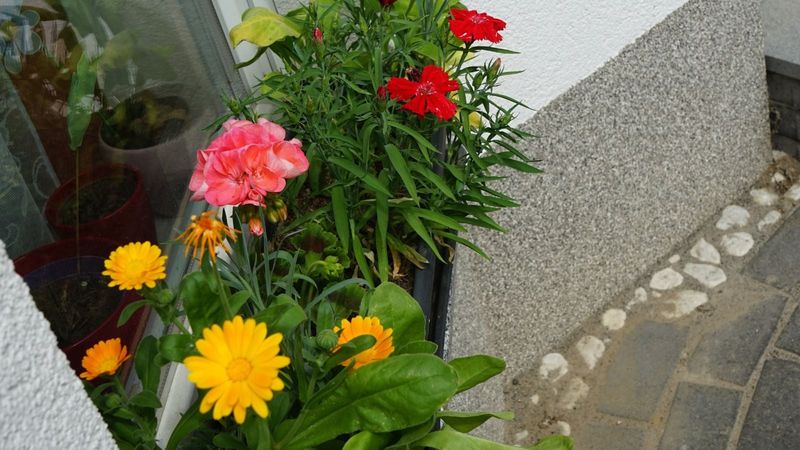
Ever notice flowers that seem to go to bed before you do each evening after supper? Calendula closes its bright petals at night and on drizzly days, then reopens when the sunshine returns again.
Calendula officinalis also goes by pot marigold, a name that hints at its long history in kitchen cooking pots. Cooks once used the golden petals to color butter and soups, and they remain edible today in salads.
In mild Southern California winters, this cheerful annual can bloom from fall through spring with surprising energy. Some coastal gardens enjoy flowers nearly year-round, though summer heat inland usually slows plants down quite a bit.
Full sun brings the most flowers, so give calendula your brightest window box on the south or west side. Plain, well-draining potting mix works fine, because rich soil often produces lots of leaves and fewer blooms.
Water young plants regularly, then ease back as they mature and root deeper into the container soil. Too much water invites powdery mildew, which shows up as a gray dusty coating across the lower leaves.
The way I see it, calendula rewards a little attention with nonstop flowers for months on end. Pinch spent blooms every few days, and let a few go to seed if you want volunteer seedlings next fall.
Bees and hoverflies visit these daisy-like flowers on warm winter afternoons when little else is open nearby. Calendula is considered nontoxic to pets, which makes it a relaxed choice for busy households with animals.
5. English Primrose
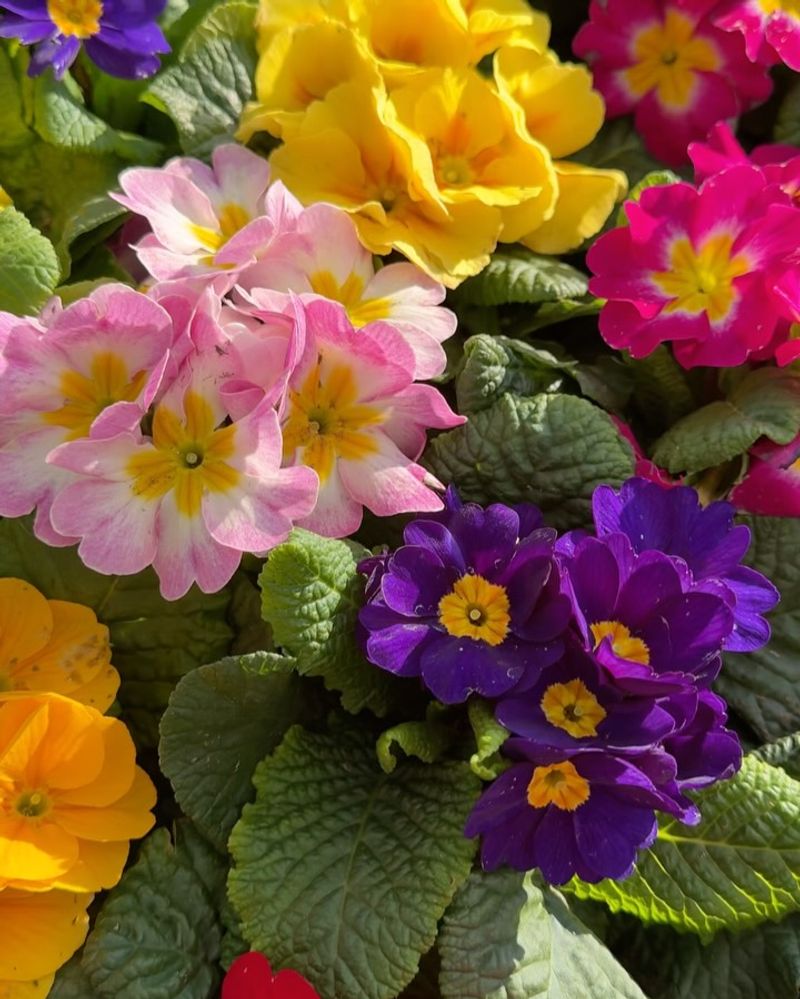
Few flowers pack so much color into such a tiny package as the humble primrose does in late winter. Bright jewel tones sit right on top of crinkled green rosettes, like candy scattered across a lettuce bed.
English primrose, Primula vulgaris, is often sold under its older name Primula acaulis at nurseries today. The taller polyanthus types hold their blooms in clusters on short stems, giving a slightly bouncier look overall.
Most plants stay under a foot tall, so they slip easily into the front edge of any window box. You can tuck several together for a quilt of mixed colors, or choose one shade for a calmer feel.
Primroses love cool weather and bright shade, especially protection from strong afternoon sun in warmer inland regions. In hot summer climates, many gardeners treat them as seasonal annuals and replace them once spring heat arrives.
Plant them in rich, moist potting mix with plenty of organic matter to hold steady water around roots. Let the soil dry out too much, and the leaves will flop dramatically to let you know about it.
A diluted liquid fertilizer every couple of weeks keeps new buds forming throughout the cool season months. Pinching off faded flowers also helps, and the whole rosette looks much neater after a quick tidy session.
Watch out for slugs and snails, since they adore tender primrose leaves after rainy winter nights outdoors. Primroses are mildly toxic to pets, so keep curious cats from chewing on them whenever possible.
6. Winter Heath
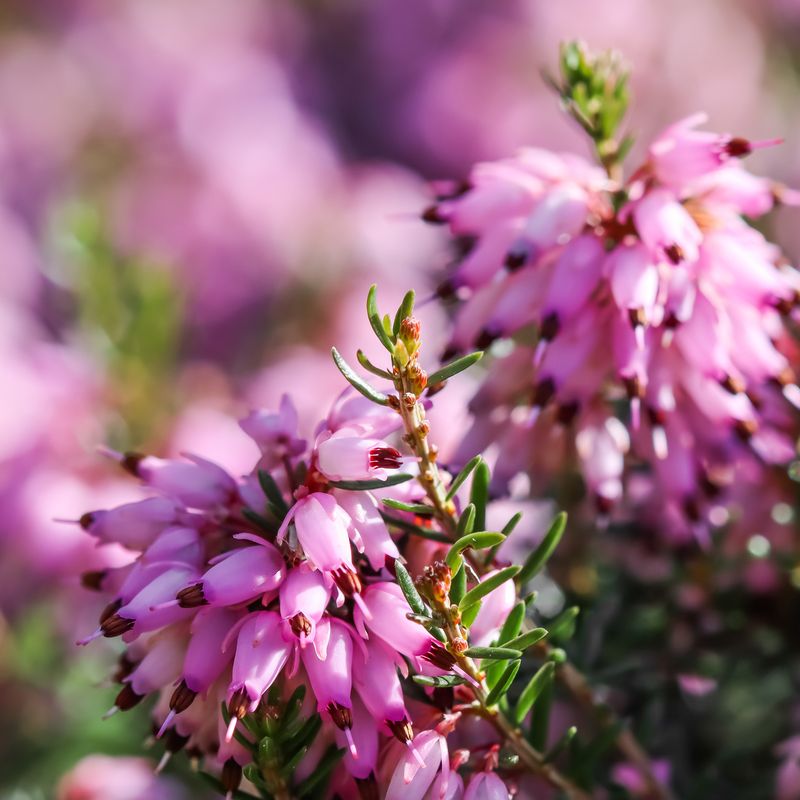
Tiny pink bells crowd every stem of winter heath, so the plant looks dusted with sugar from a distance. Up close, each little flower hangs like a lantern along the needle-like evergreen leaves.
Erica carnea is one of the toughest heaths around, hardy across a wide range of climate zones. It stays low, usually under a foot tall, and spreads gently so it can spill softly over window box edges.
Flowers often appear from late fall or early winter and keep going strong until the middle of spring. Some varieties also have golden or bronze foliage, which adds color long after the last bloom finally fades.
I can see why gardeners love it for structure, since it holds a tidy shape all year without fuss. Pair it with pansies or primroses, and the box gains both a fine texture and a steady evergreen backbone.
Winter heath needs full sun for the best flowering, though it can handle a few hours of shade daily. The soil should drain quickly and lean acidic, so mix in composted pine bark if your water is hard.
Water regularly during dry spells, but avoid soggy roots, because heath plants struggle in wet, heavy soil. Fertilizer is rarely needed, since helpful root fungi help these plants gather nutrients on their own.
After the flowers fade in spring, give the plant a light shearing to keep it bushy and full. Avoid cutting into old woody stems, because those bare sections often struggle to sprout fresh new growth again.
7. Island Alum Root
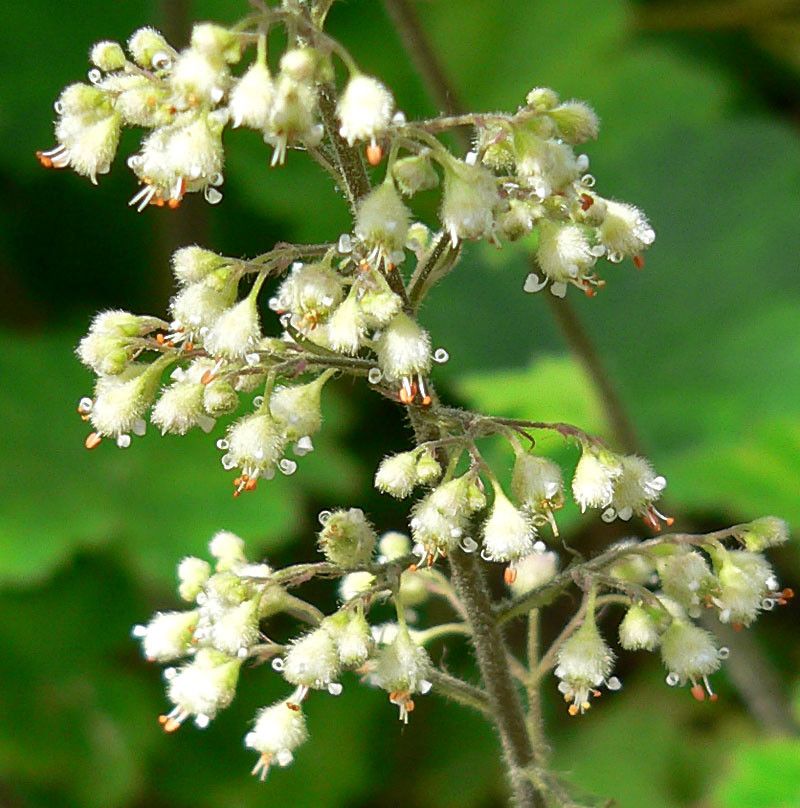
Hummingbirds treat the airy flower spikes of island alum root like a winter snack bar outside your window. Watching them zip in and out while you wash dishes might become your favorite part of the day.
Heuchera maxima grows wild only on a few Channel Islands off the coast of California, which feels wonderfully exclusive. It is a native plant that handles local conditions well and supports native wildlife in the process.
Large, rounded, lobed leaves form a lush green mound that looks full and healthy all year long. In late winter, slender stems rise up to two feet high, carrying sprays of tiny white to pinkish bells.
Because mature clumps can spread a few feet wide, choose a deep, roomy window box for this plant. One plant alone makes a bold statement, especially when the flower stems sway gently in a breeze.
Island alum root prefers light shade, though coastal gardeners can often give it more sun without trouble. Inland, protect it from hot afternoon rays, or the leaf edges may scorch and turn crispy brown.
Use a well-draining mix with some compost, and water deeply once roots settle into the container soil. Containers dry faster than garden beds, so check moisture more often during warm, breezy weeks in spring.
Snip off spent flower stems after blooming finishes, and trim any tired leaves to welcome fresh new growth. Skip heavy fertilizers, because this tough native performs best with a light layer of compost each spring.